
Altitude Acclimatization: Preparing for HighAltitude Andean Adventures

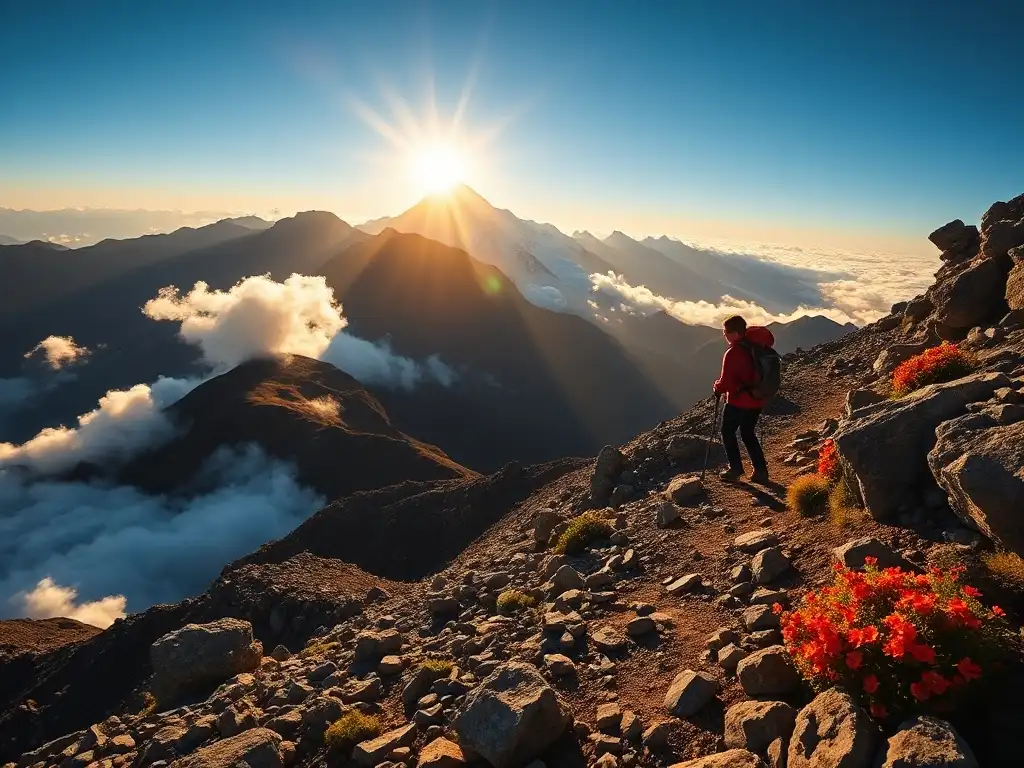
Dare to breathe the thin air of the Andes? Journey with us through the breathtaking landscapes and enigmatic legacies of the ancient Andean civilizations. From the Incas' mastery of engineering to the Nazca's mysterious geoglyphs, we uncover the secrets of this captivating region. But before you embark on your own Andean adventure, discover crucial Andean altitude acclimatization tips to ensure a safe and unforgettable experience. Unravel the mysteries and prepare for your high-altitude expedition – your Andean journey begins here.
- Andean Altitude Acclimatization Tips: Your Guide to High-Altitude Adventures
- Recommended Products for Altitude Acclimatization in the Andes
- Maximizing Your Andean Experience: Beyond Acclimatization
-
Frequently Asked Questions
- How long does it take to acclimatize to the altitude in the Andes?
- What are the symptoms of altitude sickness?
- What are some tips for preventing altitude sickness in the Andes?
- What is the best way to treat mild altitude sickness?
- Are there any specific considerations for acclimatization in the Andean region?
- Final Reflection: Breathing the Thin Air, Embracing the Heights
- Elevate Your Andean Adventure: Prepare for High-Altitude Success!
Andean Altitude Acclimatization Tips: Your Guide to High-Altitude Adventures
Exploring the majestic Andes Mountains, home to breathtaking historical sites and vibrant cultures, requires careful preparation. This guide focuses on Andean altitude acclimatization, a crucial aspect of planning your trip to ensure a safe and enjoyable experience. Ignoring the effects of altitude can significantly impact your ability to fully appreciate the rich history and stunning landscapes of the Inca Trail, Machu Picchu, and other remarkable Andean locations.
We'll cover essential strategies for acclimatizing to the thinner air at high altitudes, helping you avoid altitude sickness and maximize your enjoyment of your Andean adventure. This detailed plan will equip you with the knowledge to confidently navigate the challenges of high-altitude travel and fully immerse yourself in the wonders of the Andes. Remember, proper acclimatization is not just about comfort; it's about safety and ensuring you can fully experience the incredible historical sites and breathtaking scenery awaiting you.
Understanding Altitude Sickness and Its Impact on Andean Travel
Altitude sickness, also known as acute mountain sickness (AMS), is a common condition affecting individuals who ascend rapidly to high altitudes. The reduced atmospheric pressure at higher elevations means less oxygen is available in each breath. This can lead to a range of symptoms, from mild headaches and nausea to more severe conditions like high-altitude pulmonary edema (HAPE) and high-altitude cerebral edema (HACE), which require immediate medical attention.
The impact on your Andean travel can be significant: mild AMS can dampen your enthusiasm and limit your ability to fully engage with historical sites and activities, while severe cases can necessitate a premature end to your trip, potentially leading to costly medical evacuations. Understanding the symptoms and taking preventative measures is paramount. The symptoms can vary widely, but common signs include:
- Headache
- Nausea and vomiting
- Fatigue and weakness
- Dizziness and lightheadedness
- Shortness of breath
- Loss of appetite
- Sleep disturbances
The severity of altitude sickness is influenced by several factors, including the rate of ascent, the altitude reached, individual susceptibility, and physical fitness. Those with pre-existing health conditions should consult their doctor before undertaking high-altitude travel. Even fit individuals are not immune to AMS, emphasizing the importance of careful planning and acclimatization.
😓 Don't let altitude sickness ruin your Andean adventure!
Step-by-Step Guide to Andean Altitude Acclimatization
Acclimatizing to high altitude is a gradual process that involves allowing your body to adapt to the decreasing oxygen levels. This process typically involves spending time at progressively higher altitudes, giving your body time to adjust. Ignoring this crucial step can have serious consequences. The following three-phase plan outlines a strategic approach to Andean altitude acclimatization:
Phase 1: Pre-Trip Preparation for High-Altitude Travel
Before even setting foot in the Andes, preparation is key. This phase involves several important steps to maximize your chances of a smooth acclimatization process:
- Physical Fitness: Engage in regular cardiovascular exercise in the weeks leading up to your trip. Improved fitness enhances your body's ability to cope with the physical demands of high altitude.
- Hydration: Begin increasing your fluid intake well before your departure. Dehydration exacerbates altitude sickness symptoms.
- Medication: Consult your doctor about the possibility of taking medication to help prevent or alleviate altitude sickness symptoms. Some medications are available to help manage the effects. [Specific medication recommendations pending]
- Research: Thoroughly research your itinerary, paying close attention to the altitudes you will be encountering. Plan your ascent gradually, avoiding rapid changes in elevation.
Phase 2: Early Acclimatization Upon Arrival in the Andes
Upon arrival at a relatively lower altitude location in the Andes, focus on gentle activities and allow your body time to adjust. Avoid strenuous exercise during the initial days. Key strategies include:
- Rest: Allow your body ample time to acclimatize. Avoid overexertion in the initial days.
- Hydration: Continue to drink plenty of fluids. Water is essential for proper acclimatization.
- Light Activities: Engage in gentle walks and light physical activity to gradually increase your body's oxygen uptake, but avoid intense workouts.
- Altitude Monitoring: Pay close attention to how your body is responding to the altitude.
Phase 3: Gradual Ascent and Monitoring Your Body
As you ascend to higher altitudes, do so gradually. Spending a day or two at each intermediate altitude allows your body to adjust before moving higher. Continuously monitor your body's response to the altitude, and be prepared to descend if you experience severe symptoms. Consider these crucial aspects:
- Gradual Ascent: Avoid rapid ascents. Allow sufficient time at each altitude to acclimatize.
- Symptom Monitoring: Pay close attention to any symptoms of altitude sickness.
- Descent: If you experience severe symptoms, descend immediately to a lower altitude.
- Listen to Your Body: The most important aspect of acclimatization is listening to your body and adjusting your plans accordingly. Don't push yourself beyond your limits.
Remember, a successful Andean adventure hinges on prioritizing your health and safety. By following these acclimatization tips, you'll be well-prepared to explore the wonders of the Andes and create unforgettable memories. 🎉
Recommended Products for Altitude Acclimatization in the Andes
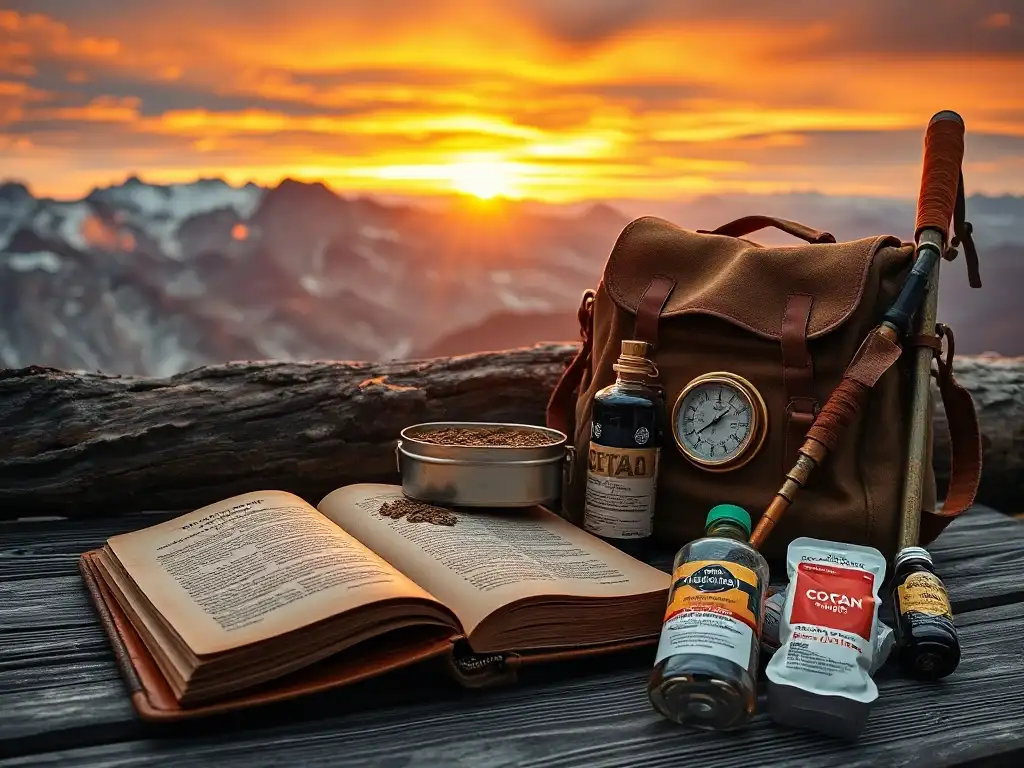
This section focuses on practical products that can significantly aid in Andean altitude acclimatization, enhancing your safety and enjoyment during your high-altitude adventures. Remember, proper acclimatization is crucial for a successful trip, and these products can complement, but not replace, careful planning and gradual ascent. Always consult your physician before using any new medication or supplement.
Essential Gear for High-Altitude Andean Treks
Packing the right gear is paramount for comfortable and safe high-altitude trekking in the Andes. Investing in quality equipment can dramatically improve your acclimatization experience by mitigating the effects of altitude sickness.
- Hydration Backpack: Carrying sufficient water is vital at high altitudes where dehydration is a major concern. A high-capacity hydration backpack (at least 3 liters) allows for consistent fluid intake throughout the day. Consider a backpack with insulation to keep water cool.
- High-Altitude Clothing: Layering is key. Pack lightweight thermal base layers, fleece mid-layers, and a waterproof, windproof outer shell. Proper layering allows you to adjust your clothing to changing conditions and maintain optimal body temperature. Don't forget warm socks and a hat!
- Trekking Poles: Trekking poles provide stability and reduce strain on your legs, especially on uneven terrain common in Andean trails. This is particularly important at high altitudes where exertion is more challenging.
- Sunscreen and Lip Balm with High SPF: The sun's intensity is amplified at high altitudes. Protect your skin with a broad-spectrum sunscreen with an SPF of 30 or higher and use lip balm with a high SPF to prevent sunburn and chapped lips.
Acclimatization Aids and Remedies for the Andes
While proper preparation and gradual ascent are the cornerstones of successful altitude acclimatization, certain aids and remedies can provide additional support. It's crucial to understand that these are supplementary and should not be considered a replacement for sound acclimatization practices.
- Altitude Sickness Medication: Consult your doctor about prophylactic medication like acetazolamide (Diamox). This medication can help prevent altitude sickness, but it's essential to discuss potential side effects and appropriate dosage with a medical professional. Always follow your doctor's instructions.
- Herbal Remedies and Supplements: Some people find relief from altitude sickness symptoms with herbal remedies like coca tea (mate de coca), which is widely available in the Andes. However, the scientific evidence supporting its effectiveness varies. Other supplements, such as ginseng or rhodiola, are sometimes suggested, but their efficacy for altitude acclimatization needs further research. Always consult a healthcare provider before using any herbal remedies or supplements.
- Oxygen Canisters: Portable oxygen canisters can provide temporary relief from altitude sickness symptoms, particularly in emergency situations. They are a useful addition to your first-aid kit, but should not be relied upon as a primary acclimatization strategy.
| Product Category | Specific Product Examples | Benefits | Considerations |
|---|---|---|---|
| Hydration Backpacks | [Specific Brand and Model Pending] | Maintains hydration, crucial at high altitudes. | Capacity, insulation, comfort. |
| High-Altitude Clothing | [Specific Brand and Model Pending] | Provides warmth and protection from weather elements. | Layering capabilities, water resistance, breathability. |
| Trekking Poles | [Specific Brand and Model Pending] | Improves stability and reduces strain on legs. | Adjustability, weight, grip. |
| Sunscreen & Lip Balm | [Specific Brand and Model Pending] with SPF 30+ | Protects against intense high-altitude sun. | Broad-spectrum protection, water resistance. |
| Altitude Sickness Meds | Acetazolamide (Diamox) – Consult your doctor | May help prevent altitude sickness. | Potential side effects, dosage, doctor's consultation is mandatory. |
| Herbal Remedies/Supplements | Coca Tea (Mate de Coca), Ginseng, Rhodiola – Consult your doctor | May offer some relief; effectiveness varies. Research is ongoing. | Potential interactions with other medications; doctor's consultation advised. |
| Portable Oxygen Canisters | [Specific Brand and Model Pending] | Provides temporary relief in emergency situations. | Limited duration, not a replacement for proper acclimatization. |
Remember, planning and preparation are key to a safe and enjoyable Andean adventure. Prioritize a gradual ascent and listen to your body. These products can enhance your experience, but responsible acclimatization practices remain the most important factor. ⛰️
Maximizing Your Andean Experience: Beyond Acclimatization
This section delves into maximizing your enjoyment of the Andes beyond simply acclimatizing to the altitude. Successfully adapting to the thinner air is crucial, but equally important is understanding how to best experience the unique environment and culture of the Andes. Ignoring this aspect can significantly detract from your Andean adventure. We'll explore strategies to enhance your physical and mental well-being, allowing you to fully appreciate the breathtaking landscapes and rich history of this remarkable region.
Tips for Enjoying Your High-Altitude Andean Trip
Successfully acclimatizing to Andean altitudes is only half the battle. To truly maximize your experience, consider these crucial tips:
- Pace Yourself: Resist the urge to do too much too soon. Start with shorter, easier hikes and gradually increase the intensity and duration of your activities. Listen to your body – fatigue is a clear signal to slow down. Remember, even the most experienced trekkers can be affected by altitude. This is a key aspect of Andean altitude acclimatization tips.
- Hydration is Paramount: The dry air at high altitudes can lead to rapid dehydration. Drink plenty of water throughout the day, even if you don't feel thirsty. Electrolyte drinks can also be beneficial, particularly during strenuous activities. Consider carrying a water bottle and refilling it frequently. Aim for at least 3-4 liters per day, especially during physical activity.
- Nutrition Matters: Consume a diet rich in carbohydrates for sustained energy and easily digestible foods to avoid digestive issues common at high altitude. Avoid excessive alcohol consumption, as it can exacerbate dehydration and altitude sickness. Pack nutritious snacks for energy boosts between meals.
- Sun Protection is Crucial: The intensity of the sun at high altitudes is significantly higher. Protect your skin with high SPF sunscreen, wear a hat, and sunglasses. Even on cloudy days, the UV radiation can be strong enough to cause sunburn.
- Respect the Culture: The Andean region boasts a rich and diverse culture. Take the time to learn basic Quechua phrases, respect local customs, and support local businesses. This respectful approach will enrich your experience and foster positive interactions with the local communities.
Post-Trip Recovery from High-Altitude Travel
Returning to lower altitudes doesn't mean the effects of high-altitude travel disappear immediately. Many experience lingering effects that can be mitigated with proper post-trip care. Here's how to support your body's recovery:
- Gradual Descent: A slow descent is less jarring on your system than a rapid one. Avoid abrupt changes in altitude whenever possible.
- Hydration Continues: Continue to drink plenty of fluids to rehydrate your body after the effects of high altitude.
- Rest and Relaxation: Allow your body ample time to recover. Avoid strenuous activities immediately after returning to lower altitudes. Prioritize rest and relaxation.
- Monitor Your Symptoms: Be aware of any lingering symptoms such as headaches, fatigue, or shortness of breath. Consult a doctor if these symptoms persist or worsen.
- Listen to Your Body: Pay attention to your body's signals. If you feel unwell, rest and seek medical attention if necessary. Don't push yourself too hard, especially in the initial days after your trip. This careful approach to post-trip care is a vital part of responsible Andean travel.
By following these tips, you can significantly enhance your Andean adventure, ensuring a safe, enjoyable, and memorable experience that goes beyond simply surviving the altitude. Remember, a well-planned trip, combined with a respect for the environment and culture, will leave you with lasting memories of this truly spectacular region. Enjoy the magic of the Andes! 🎉
Frequently Asked Questions
How long does it take to acclimatize to the altitude in the Andes?
Acclimatization varies greatly depending on the individual and the altitude reached. It typically takes 2-3 days per 1000 meters (3300 feet) of ascent, but some individuals may need longer. Gradual ascent is key.
What are the symptoms of altitude sickness?
Common symptoms include headache, nausea, fatigue, and shortness of breath. More severe cases can lead to high altitude pulmonary edema (HAPE) or high altitude cerebral edema (HACE), requiring immediate descent. Seek medical attention if symptoms worsen.
What are some tips for preventing altitude sickness in the Andes?
Ascend gradually, allowing your body time to adjust. Stay hydrated by drinking plenty of water. Avoid alcohol and strenuous activity for the first few days. Consider taking acetazolamide (Diamox) as prescribed by a doctor.
What is the best way to treat mild altitude sickness?
Mild symptoms often improve with rest, hydration, and descent to a lower altitude. Over-the-counter pain relievers like ibuprofen can help with headaches. If symptoms persist or worsen, seek medical advice immediately.
Are there any specific considerations for acclimatization in the Andean region?
The unique climate and terrain of the Andes can impact acclimatization. Be aware of potential extreme weather conditions and plan your activities accordingly. Respect the local environment and culture.
Final Reflection: Breathing the Thin Air, Embracing the Heights
The challenges of Andean altitude acclimatization remain a critical factor for anyone venturing into the majestic heights of the Andes, impacting not only the enjoyment of the journey but also safety and well-being. Ignoring the realities of altitude sickness can transform a dream adventure into a serious medical emergency. Understanding and respecting the power of the mountains is paramount.
The impact of altitude acclimatization extends far beyond the immediate physical effects; it speaks to our relationship with nature and our limitations. It's a humbling experience, forcing us to slow down, listen to our bodies, and appreciate the delicate balance of life at extreme altitudes. The mountains are calling, and I must go.
– John Muir. This simple statement encapsulates the powerful draw of the Andes, but it also underscores the responsibility we bear to prepare adequately for the challenges they present. The lessons learned in acclimatization – patience, respect, and awareness – are transferable to many aspects of life.
You now possess the knowledge to safely navigate the thin air of the Andes. Remember the importance of gradual ascent, hydration, and recognizing the early warning signs of altitude sickness. But more than that, remember the feeling of accomplishment, the breathtaking views, and the profound connection with nature that awaits you. Embrace the challenge, prepare wisely, and let the Andes inspire you. Your Andean adventure awaits.
Elevate Your Andean Adventure: Prepare for High-Altitude Success!
Thank you for exploring the art of altitude acclimatization! You've gained valuable insights into preparing for your Andean adventures, ensuring a safe and confident experience at high altitudes. Now, let's put that knowledge into practice!
- Begin your preparation by gradually increasing your altitude during upcoming hikes or trips. Allow your body to adapt naturally to the thinner air.
- Consider professional high-altitude training to enhance your understanding and physical preparedness. Many programs offer both classroom learning and practical simulations.
- Share your newfound knowledge! Encourage friends to join you on your high-altitude adventures, and help spread awareness about the importance of proper acclimatization.
What steps will you take today to prepare for the breathtaking challenges of the Andes?