
The Inca's Impact on Modern Andean Societies

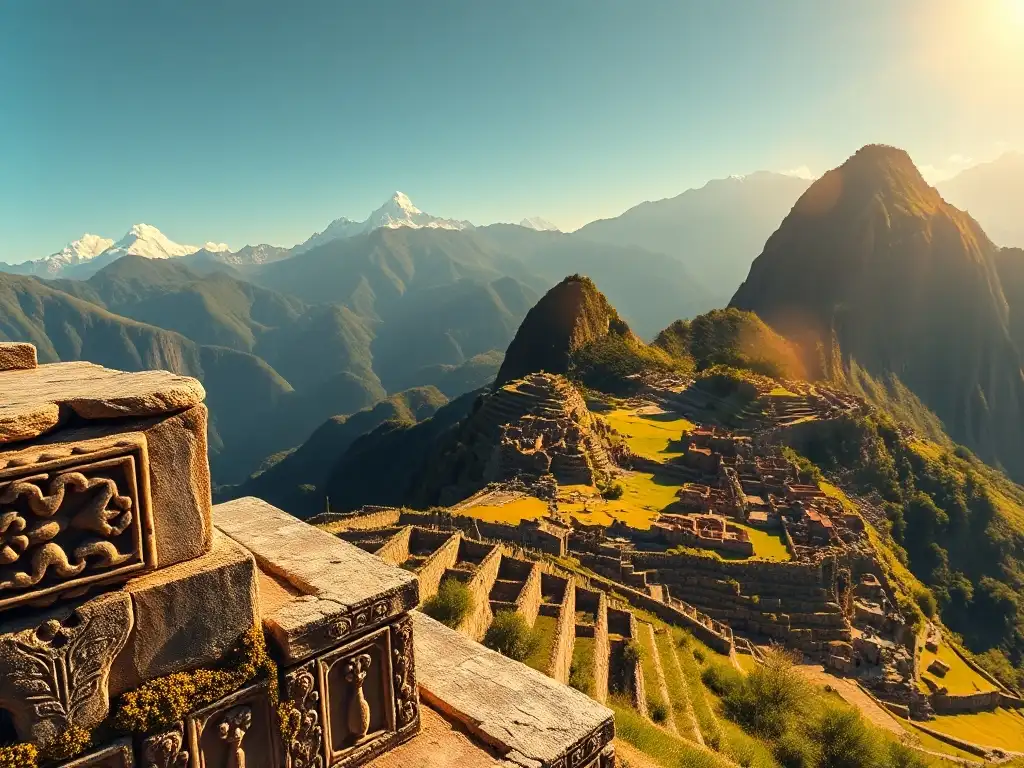
Step into a world lost in time, yet echoing in the vibrant tapestry of modern Peru. For centuries, the Inca Empire reigned supreme across the Andes, leaving an indelible mark on the landscape and the lives of its people. But how much of that legacy remains? Discover the surprising and enduring Inca influence on modern Peru, a story woven into the very fabric of the nation, and unravel the mysteries of a civilization that continues to inspire awe. Prepare to be amazed by the depth and breadth of their impact – your journey begins now.
- The Inca's Enduring Legacy: Inca Influence on Modern Peru
- Inca Social Structures and Their Modern Echoes
- Inca Agricultural Ingenuity: Shaping Modern Farming Practices
- Inca Roads and Infrastructure: The Foundation of Modern Connectivity
- Inca Language and Culture: Preserving Tradition in a Modern World
- The Inca Administrative System and its Modern Parallels
- Challenges and Adaptations: The Inca Heritage in a Changing World
- Conclusion: The Continuing Relevance of Inca Influence on Modern Peru
-
Frequently Asked Questions
- What is the most significant Inca influence on modern Peru?
- How did Inca agriculture affect modern Peruvian farming practices?
- What aspects of Inca culture are still visible in modern Peru?
- How did Inca road systems impact modern Peru's infrastructure?
- What is the impact of Inca beliefs and religion on modern Peru?
- Final Reflection: Echoes of the Empire in Modern Peru
- Embrace the Legacy of the Incas!
The Inca's Enduring Legacy: Inca Influence on Modern Peru
The Inca Empire, a civilization that flourished in the Andes Mountains from the 15th to the 16th century, left an indelible mark on the region's landscape, culture, and social fabric. While the Spanish conquest dramatically altered the course of Andean history, the echoes of Inca ingenuity and societal structures resonate powerfully in modern Peru and beyond.
This article delves into the profound and multifaceted influence of the Inca civilization on contemporary Andean life, exploring its impact on everything from agricultural practices and urban planning to language and cultural identity. We will examine how the Inca legacy continues to shape modern Peru, demonstrating the enduring power of this remarkable civilization and its lasting contribution to the rich tapestry of Andean heritage.
Understanding this influence is crucial to grasping the complexities of modern Peruvian society and appreciating the layers of history embedded within its present-day realities. We will explore this influence through the lens of several key areas, demonstrating how the Inca's impact extends far beyond mere historical anecdote.
Introduction: Tracing the Inca Footprint in Contemporary Andean Life
The Inca Empire's vast reach across the Andes Mountains resulted in a remarkably unified cultural sphere, despite the diverse ethnic groups it encompassed. This unification, achieved through sophisticated administrative systems and ambitious infrastructure projects, left a lasting legacy on the modern Andean world. Even after the Spanish conquest and centuries of subsequent societal shifts, evidence of Inca influence is readily apparent in Peru today.
From the enduring agricultural techniques adapted to the challenging Andean terrain to the subtle yet significant linguistic and artistic influences, the Inca's impact is woven into the very fabric of Peruvian society. This section will lay the groundwork for exploring these diverse manifestations of Inca influence, providing a framework for understanding the complex interplay between the past and the present in modern Peru. We will examine this impact through several key lenses, including agriculture, urban planning, language, and cultural traditions.
Inca Agricultural Techniques and Modern Peruvian Farming
The Inca were masters of terracing, irrigation, and crop diversification, techniques essential for thriving in the challenging Andean environment. Their sophisticated agricultural methods, designed to maximize yields in a mountainous and often arid landscape, continue to inform modern Peruvian farming practices. Terraced fields, a hallmark of Inca engineering, are still visible across the Andes, a testament to their ingenuity and enduring relevance.
Many farmers today continue to utilize adapted versions of these techniques, ensuring food security in regions where traditional farming methods might prove insufficient. The Inca's understanding of water management, particularly through intricate irrigation systems, also remains crucial, offering valuable lessons for sustainable agriculture in a region increasingly affected by climate change.
The legacy of Inca agricultural innovation is not merely historical; it is a living tradition that continues to feed and sustain Andean communities. The adoption and adaptation of Inca techniques are particularly evident in the regions of Cusco and the Sacred Valley, where traditional farming practices are still widely practiced.
Inca Urban Planning and Modern Peruvian Cities
Inca urban planning was characterized by its functionality and integration with the natural environment. Their cities were strategically located and meticulously designed, reflecting a sophisticated understanding of urban organization and resource management. While modern Peruvian cities have evolved significantly, the principles of Inca urban planning – such as the use of strategically placed plazas, efficient water systems, and the integration of urban spaces with surrounding landscapes – continue to inform urban design in some areas.
The layout of many Andean towns and villages still reflects the underlying principles of Inca urbanism, showcasing the enduring relevance of their approach. Furthermore, the emphasis on community and shared resources, a defining characteristic of Inca urban life, remains a pertinent aspect of contemporary Andean social structures. The city of Cusco, for instance, retains elements of its Inca-era layout, showcasing the enduring legacy of their urban planning principles.
Linguistic and Cultural Echoes of the Inca Empire in Modern Peru
Quechua, the language of the Inca Empire, is still spoken by millions in Peru and other Andean countries. Although Spanish is the official language, Quechua persists as a vital part of Andean cultural identity. Many Quechua words and phrases have permeated the Spanish spoken in Peru, enriching the linguistic landscape. Furthermore, numerous cultural traditions, artistic styles, and religious practices retain strong links to Inca heritage.
These cultural echoes are not merely remnants of the past; they are active and evolving components of modern Peruvian culture, demonstrating the ongoing influence of the Inca legacy on the lives of millions. The persistence of Quechua, along with other indigenous languages, highlights the ongoing struggle for cultural preservation and the importance of recognizing the diverse linguistic heritage of Peru. The continued practice of Inca-inspired religious ceremonies and festivals further reinforces the enduring influence of the Inca civilization on modern Peruvian cultural identity.
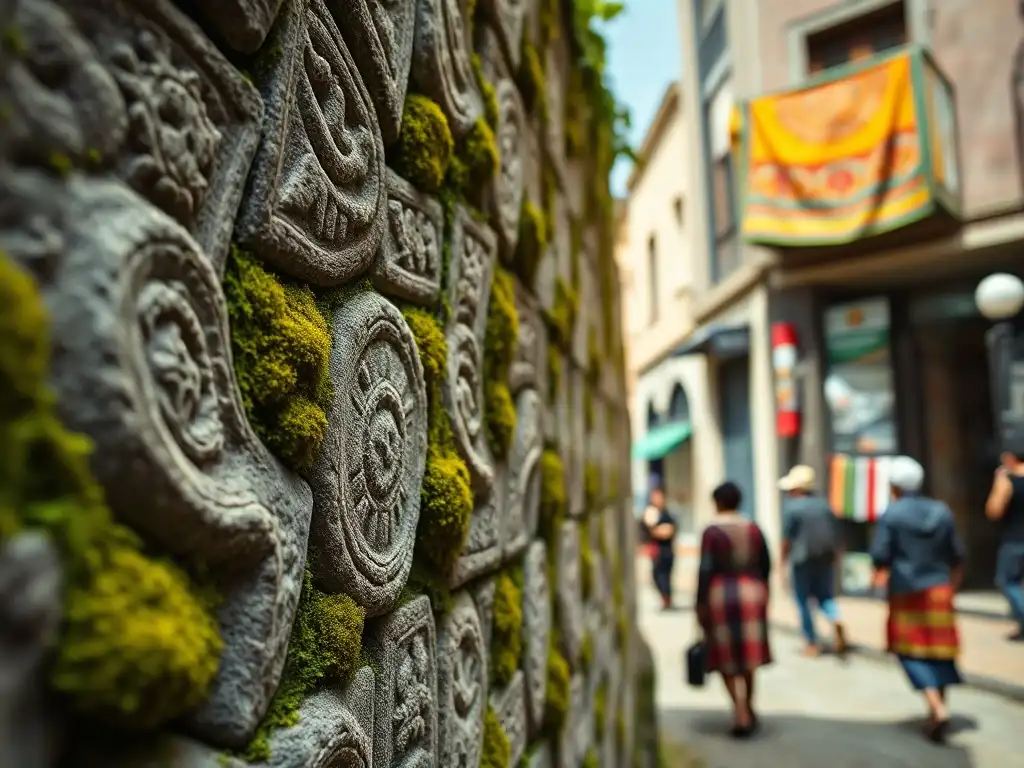
The Inca Empire's sophisticated social organization continues to resonate in modern Andean societies, particularly in Peru. Understanding the Inca's social structures provides crucial insight into the enduring influence of their legacy on contemporary Peruvian culture, identity, and social dynamics.
The intricate web of kinship, labor systems, and hierarchical structures established by the Inca has left indelible marks on the fabric of modern Peruvian life, shaping community organization, work ethics, and even social stratification. This section will explore three key aspects of Inca social structure and their modern echoes in Peru: the ayllu system, Inca labor practices, and the Inca social hierarchy.
The Ayllu System: Community Bonds and Modern Andean Villages
The ayllu, a fundamental unit of Inca society, was a kinship-based community that combined social, economic, and religious functions. Members shared land, resources, and responsibilities, fostering a strong sense of collective identity and mutual support. This communal spirit is still palpable in many modern Andean villages. While the formal structure of the ayllu may have diminished under colonial and post-colonial rule, the principle of communal land ownership and cooperative labor persists in various forms.
Many rural communities in Peru continue to practice ayni, a system of reciprocal labor exchange, echoing the Inca tradition of collective effort for the common good. This is particularly evident in agricultural practices, where neighbors assist each other with planting, harvesting, and other tasks, demonstrating the enduring legacy of the ayllu's communal ethos. Even in urban areas, a sense of community rooted in shared identity and mutual support, reminiscent of the ayllu, can be observed in neighborhood associations and informal social networks.
The strength of these community bonds speaks to the enduring resilience of this ancient social structure. The concept of collective responsibility and the emphasis on community well-being, deeply ingrained in the ayllu system, remain vital components of Andean social fabric. Studies of rural Peruvian communities show a clear correlation between the strength of local social structures and the success of community development projects, highlighting the continued importance of this ancient social model.
Inca Labor Practices: Collective Work and Present-Day Cooperatives
Inca labor practices were characterized by mita, a system of mandatory labor service for the state, and ayni, the reciprocal labor exchange discussed above. Mita involved assigning individuals to specific tasks, contributing to infrastructure projects, agriculture, and other state-sponsored endeavors. While mita in its original form was abolished, its underlying principle of collective work for the benefit of the community finds echoes in modern-day cooperative movements in Peru.
Many agricultural cooperatives and artisan groups operate on principles of shared labor and resource management, reflecting a continuation of the Inca emphasis on collective effort. These cooperatives not only contribute to economic development but also reinforce social bonds within communities, showcasing the enduring relevance of Inca labor practices. Further research is needed to quantify the precise impact of Inca labor traditions on the current cooperative movement.
However, the similarities in organizational structure and underlying philosophy are undeniable, suggesting a direct lineage between Inca social engineering and contemporary cooperative enterprises. The success of many of these cooperatives can be partially attributed to the inherent social cohesion fostered by the collective work ethic, a direct legacy of Inca traditions.
The Inca Empire was characterized by a hierarchical social structure, with the Sapa Inca at the apex, followed by nobles, priests, and commoners. Although the rigid social hierarchy of the Inca Empire was dismantled following the Spanish conquest, traces of this system remain visible in contemporary Peruvian society. While not explicitly codified, certain social distinctions based on wealth, education, and family lineage persist. These disparities are reflected in access to resources, opportunities, and political influence.
For example, access to quality education and healthcare continues to be unevenly distributed, with those from wealthier backgrounds often enjoying greater advantages. This reflects, to a degree, the stratified nature of Inca society, where access to resources and opportunities was often determined by one's social standing. However, it is crucial to note that modern Peruvian society is far more fluid and egalitarian than its Inca predecessor. The concept of social mobility is far more prevalent now, though the legacy of past inequalities persists as a challenge that requires ongoing attention and social reform.
Further research is needed to fully understand the complex interplay between Inca social hierarchy and present-day social stratification in Peru. However, the persistence of certain social inequalities suggests that the echoes of the Inca social hierarchy are still present in contemporary society, albeit in a significantly altered form. The study of social mobility in Peru could shed further light on the extent to which the Inca's legacy continues to shape social structures today.
Inca Agricultural Ingenuity: Shaping Modern Farming Practices
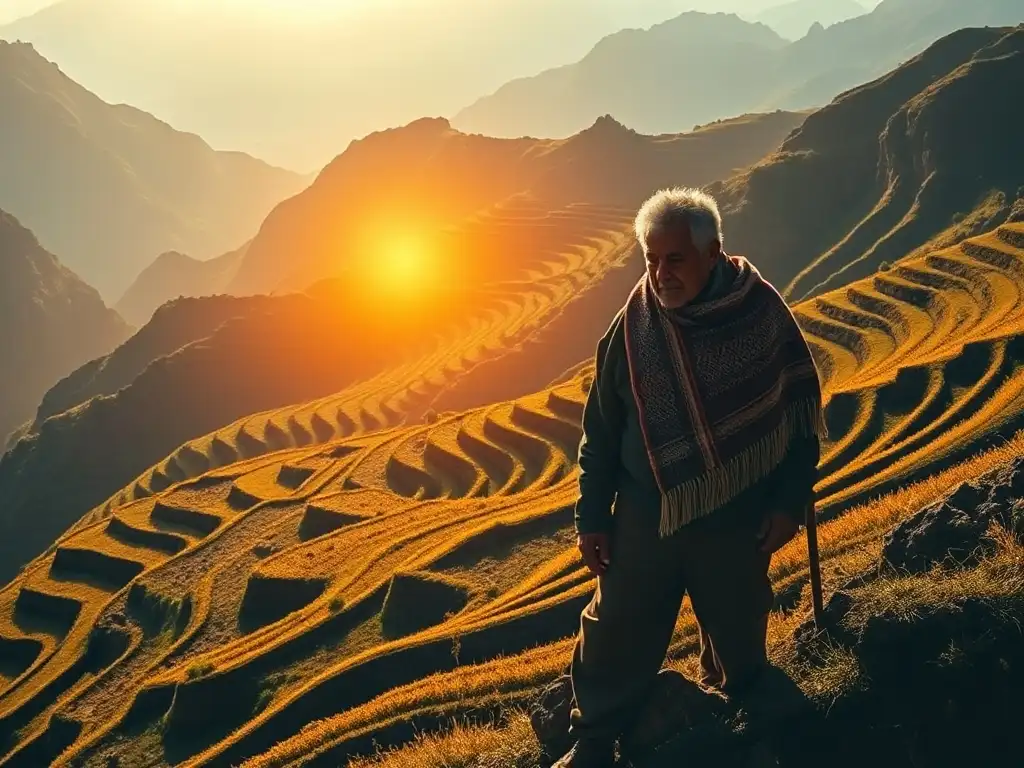
The Inca Empire's remarkable agricultural achievements continue to resonate in modern Andean societies, particularly in Peru. Their innovative techniques, born from necessity in challenging terrains, profoundly impacted farming practices that persist to this day. Understanding this legacy reveals the enduring Inca influence on modern Peru's agricultural landscape and its food security. The ingenuity of the Inca's approach to farming is a testament to their deep understanding of their environment and their capacity for adaptation and innovation. This section will explore three key aspects of Inca agricultural practices and their lasting impact: terraced farming, water management systems, and crop diversity.
Terraced Farming: Inca Techniques in Modern Andean Agriculture
Inca terraced farming is arguably their most visible and enduring legacy. These meticulously crafted agricultural terraces, carved into steep mountain slopes, maximized arable land in challenging terrain. The terraces themselves weren't just flat surfaces; they incorporated sophisticated drainage systems to prevent erosion and optimize water distribution. This involved strategically placed channels and retaining walls built from stone, often fitted together without mortar, showcasing remarkable engineering skills. These techniques, refined over centuries, allowed the Inca to cultivate crops at various altitudes, increasing agricultural output and supporting a large population.
Today, many Andean communities still utilize terraced farming, adapting and refining Inca techniques for modern needs. While modern tools and materials might be employed, the fundamental principles of terracing – maximizing land use on slopes, controlling water flow, and mitigating erosion – remain central to agricultural practices in Peru. The visual impact of these terraces remains a stunning testament to Inca ingenuity and a crucial component of the Peruvian landscape, directly influencing the "Inca influence on modern Peru" narrative.
The economic benefits are also significant, as terraced farming contributes to food security and livelihood in many Andean communities. Studies have shown a direct correlation between the preservation of Inca terraces and increased agricultural productivity in modern times.
Water Management Systems: Irrigation and Water Use in Peru Today
Beyond terracing, the Inca developed sophisticated water management systems crucial to their agricultural success. They constructed intricate networks of canals, aqueducts, and reservoirs to divert water from rivers and streams to irrigate their fields. These systems were often integrated with the terraced farming, ensuring efficient water distribution even on steep slopes. The precision and scale of these projects are astonishing, reflecting a deep understanding of hydrology and engineering. For example, the network of canals near Cusco, still partially functional in some areas, is evidence of the Inca's remarkable ability to manage water resources.
This mastery of water management continues to influence modern irrigation practices in Peru. While modern irrigation technologies have been introduced, many communities still rely on modified versions of the Inca's systems, adapting them to contemporary needs. The Inca's emphasis on water conservation and efficient distribution remains highly relevant in a region often characterized by water scarcity.
The knowledge passed down through generations, coupled with modern advancements, showcases a blend of ancient wisdom and modern technology, further solidifying the "Inca influence on modern Peru" in the agricultural sector. This sustainable approach to water management is critical for addressing present-day challenges related to climate change and increasing food demands.
Crop Diversity: The Inca Legacy of Potatoes and Quinoa
The Inca Empire's agricultural success was also built on a remarkable diversity of crops. Their cultivation of potatoes and quinoa, now globally recognized superfoods, is particularly noteworthy. The Inca not only cultivated these crops extensively but also developed a vast array of varieties, each adapted to specific altitudes and climates. This biodiversity provided resilience against crop failures and ensured food security. Their meticulous record-keeping and agricultural experimentation contributed to this remarkable diversity.
Today, Peru remains a center of potato and quinoa diversity, with thousands of varieties still cultivated. The Inca's legacy of crop diversification continues to be essential for food security and economic development in the region. Modern agricultural research often builds upon the Inca's achievements, drawing on their knowledge of crop adaptation and resilience.
The ongoing cultivation of these ancient crops, and the genetic resources they represent, is a direct and significant aspect of the "Inca influence on modern Peru." The global popularity of quinoa and potatoes further underscores the enduring impact of Inca agricultural practices on the world stage. Preserving this genetic diversity is crucial not only for Peru but for global food security.
Inca Roads and Infrastructure: The Foundation of Modern Connectivity
The Inca's impact on modern Andean societies is profoundly visible in the enduring legacy of their infrastructure, particularly their extensive road network. The sophisticated engineering and strategic planning behind the Inca road system, known as the Qhapaq Ñan, continue to shape modern Peru's connectivity and transportation systems. Understanding this legacy offers a crucial perspective on the Inca influence on modern Peru. This section delves into the specific ways the Inca's infrastructure continues to resonate today.
The Qhapaq Ñan: Inca Road Network and its Influence on Transportation
The Qhapaq Ñan, a marvel of ancient engineering, wasn't merely a collection of paths; it was a meticulously planned communication and transportation artery spanning thousands of miles across the Andes Mountains. This network facilitated the efficient movement of goods, troops, and messages throughout the vast Inca Empire. The strategic placement of tambos (roadside inns) along the routes provided resting places and logistical support for travelers. This system's influence on modern transportation is multifaceted.
Many modern Peruvian roads follow or closely parallel sections of the ancient Qhapaq Ñan. The Inca's understanding of topography and their ability to navigate challenging terrain influenced the planning and construction of modern road networks, particularly in mountainous regions. The enduring resilience of certain sections of the Qhapaq Ñan, despite centuries of weathering, speaks to the quality of Inca construction techniques and the strategic selection of routes that minimized environmental challenges.
For example, the sections traversing the high Andes still demonstrate impressive durability in the face of harsh weather conditions. This legacy translates directly into modern road construction, informing strategies for building resilient infrastructure in difficult terrains. The Inca's focus on sustainability—using locally sourced materials and integrating their construction with the natural environment—offers valuable lessons for modern road building practices, promoting environmentally conscious engineering.
Inca Architecture: Stone Buildings and Their Lasting Impact
Inca architecture is renowned for its precision, strength, and integration with the landscape. The use of precisely cut and fitted stones in buildings, temples, and fortifications is a hallmark of Inca engineering. This mastery of stonework continues to inspire awe and inform modern construction practices. The techniques employed, such as the use of dry-stone masonry (without mortar), showcases a deep understanding of structural integrity and seismic resistance.
The longevity of many Inca structures, even after centuries of exposure to the elements, is a testament to the quality of their workmanship. This durability has practical implications for modern construction. Researchers continue to study Inca building techniques to improve the resilience of modern structures against earthquakes and other natural disasters.
The use of locally sourced materials in Inca construction, minimizing environmental impact, provides a compelling example of sustainable building practices for modern architects and engineers. The aesthetic appeal of Inca architecture—its harmonious blend of form and function—continues to influence contemporary design, demonstrating the enduring aesthetic influence of Inca heritage on modern Peruvian architecture. Many modern buildings incorporate elements inspired by Inca designs, reflecting a lasting cultural and artistic impact.
Inca Engineering: Techniques Used in Modern Construction Projects
The Inca's engineering prowess extended beyond road building and architecture. Their sophisticated irrigation systems, terraced farming techniques, and complex water management systems demonstrate a deep understanding of hydraulics and environmental engineering. These techniques have direct relevance to modern construction projects in Peru.
For example, the Inca's understanding of water management is crucial for modern infrastructure projects aimed at mitigating water scarcity and improving irrigation in arid regions. Their methods of water channeling and storage, often integrated with agricultural terraces, are being studied and adapted for contemporary water management solutions. The Inca's skill in constructing sturdy structures on challenging terrain continues to inspire innovations in modern engineering. Their use of locally sourced materials, minimizing transportation costs and environmental impact, offers a valuable lesson for sustainable construction practices.
The Inca's expertise in adapting their building techniques to diverse landscapes serves as a guide for modern engineers tackling similar environmental challenges. Their legacy continues to inspire the development of resilient and environmentally responsible construction methods in modern Peru. The ongoing study of Inca engineering continues to yield valuable insights for improving modern construction practices, particularly in areas with similar geological and environmental challenges.
Inca Language and Culture: Preserving Tradition in a Modern World
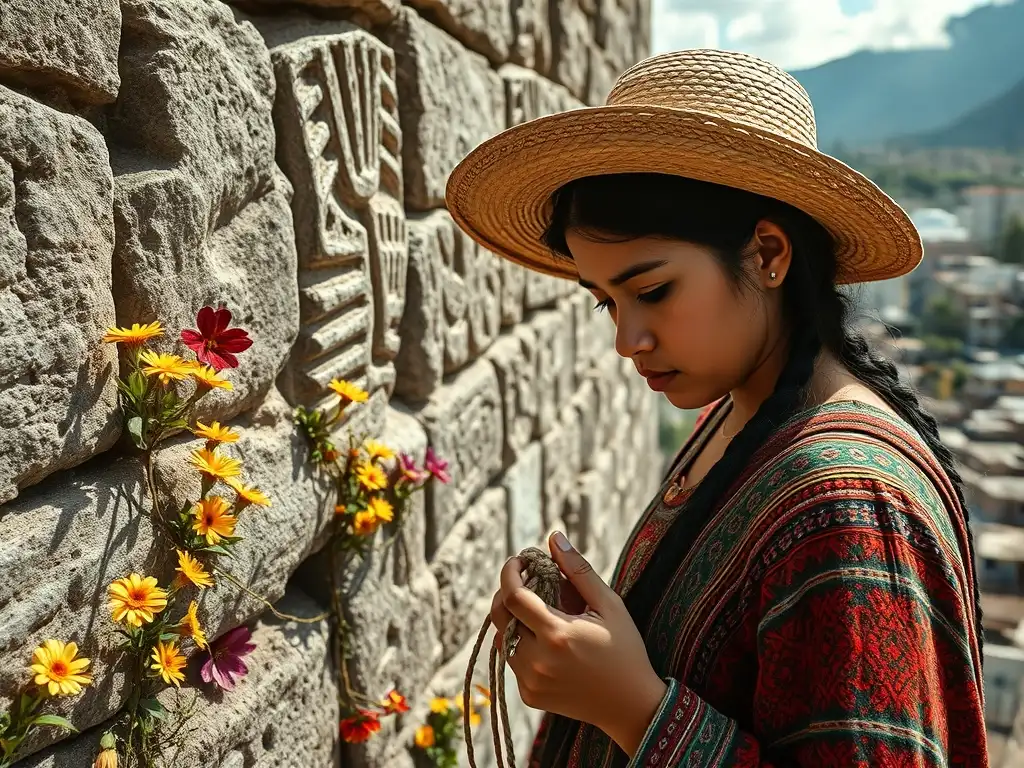
The Inca Empire's legacy extends far beyond its impressive architectural feats and sophisticated administrative systems. Its profound influence on modern Andean societies is perhaps most vividly seen in the enduring presence of Inca language and cultural practices. While the empire itself collapsed centuries ago, its cultural imprint remains remarkably strong, shaping the identities and traditions of millions across the Andes. This enduring influence is a testament to the Inca's skillful integration of conquered peoples and their effective dissemination of cultural norms. Understanding this cultural continuity is key to comprehending the true scope of Inca influence on modern Peru.
Quechua Language: Its Prevalence and Importance in Modern Peru
Quechua, the language of the Inca, continues to thrive in many parts of Peru, Bolivia, Ecuador, Colombia, and Argentina. It's a testament to the Inca's successful assimilation policies that Quechua, rather than Spanish, became the lingua franca across a vast and diverse territory. While Spanish is the official language in most Andean nations, Quechua remains a vital part of daily life for millions.
In Peru alone, millions speak Quechua, primarily in the Andes region. Its survival is not merely a matter of linguistic preservation; it represents a powerful symbol of cultural identity and resistance against cultural homogenization. The persistence of Quechua is a direct reflection of Inca influence, demonstrating the lasting impact of their administrative and cultural strategies.
Government initiatives promoting bilingual education and the use of Quechua in official contexts are further evidence of its enduring importance and the recognition of its significance in shaping Peruvian identity. The continued vitality of Quechua is a powerful counterpoint to the often-overlooked cultural legacy of the Inca Empire. This linguistic persistence is a tangible manifestation of the Inca's lasting influence on modern Peru.
Inca Textiles and Art: Their Influence on Contemporary Andean Crafts
Inca artistry, renowned for its intricate textiles and sophisticated metalwork, continues to inspire modern Andean crafts. The distinctive patterns, vibrant colors, and sophisticated weaving techniques employed by Inca artisans are readily apparent in contemporary textiles produced across the Andes. From the intricate designs adorning traditional clothing to the complex tapestries woven for ceremonial purposes, the influence of Inca aesthetics is undeniable.
The use of natural dyes, the symbolic representation of animals and deities in textile designs, and the meticulous craftsmanship all reflect a direct lineage to Inca traditions. Similarly, the techniques used in metalworking, particularly in the creation of silver and gold ornaments, show a clear continuity with Inca practices.
These artistic traditions aren't simply preserved; they are actively reinterpreted and adapted by contemporary artisans, demonstrating the living legacy of Inca artistic influence on modern Peruvian culture. The economic importance of these crafts also highlights the ongoing significance of Inca artistic heritage.
Inca Festivals and Rituals: Continuities in Modern Andean Celebrations
Many festivals and rituals celebrated in modern Andean communities retain strong connections to Inca traditions. While some practices have evolved over time, absorbing influences from other cultures, the underlying structures and spiritual meanings often echo Inca beliefs and practices. For example, the celebration of Inti Raymi, the Inca festival dedicated to the sun god Inti, continues to be celebrated annually in Cusco and other locations, attracting thousands of participants and tourists.
While modern celebrations might incorporate elements from post-Inca periods, the core essence of honoring the sun god, the ritualistic dances, and the offerings remain strikingly similar to those performed during the Inca Empire. Similarly, many agricultural festivals and ceremonies associated with the planting and harvesting of crops reflect the enduring influence of Inca agricultural practices and their connection to the spiritual world.
This continuity highlights the profound impact the Inca had on the spiritual and cultural landscape of the Andes, showcasing the resilience of their traditions and their continued integration into modern Andean life. The persistent celebration of these festivals underscores the enduring power of Inca cultural influence on modern Peru.
The Inca Administrative System and its Modern Parallels
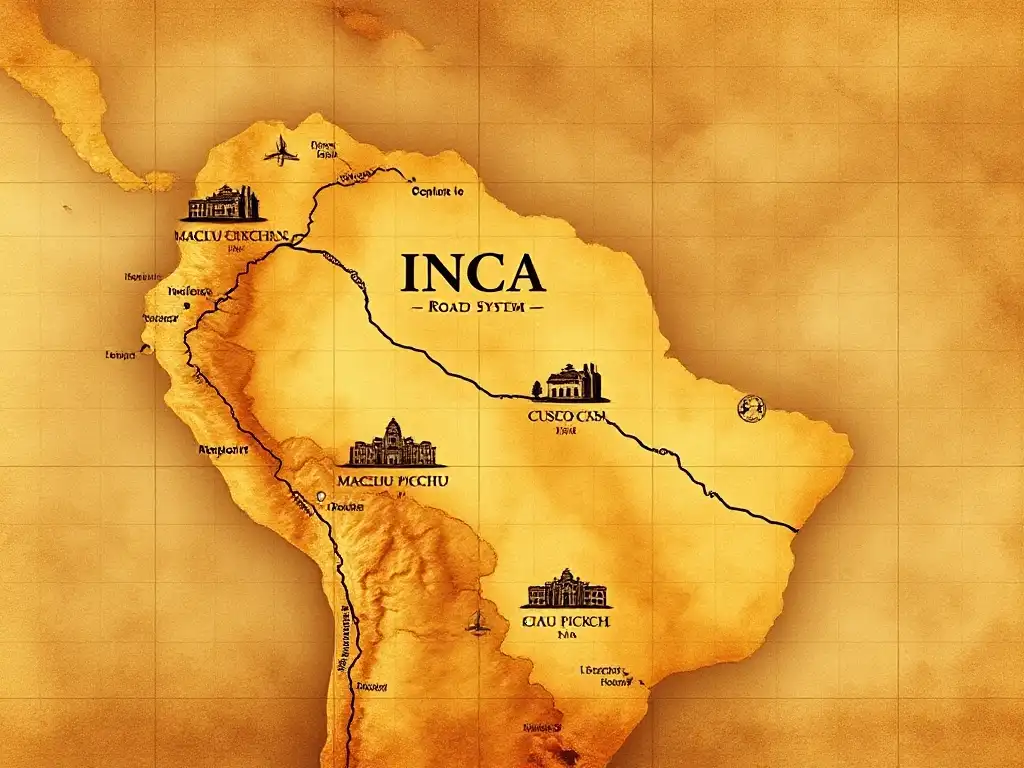
The Inca Empire, despite its pre-Columbian origins, established an administrative system surprisingly sophisticated for its time. Its impact resonates even today in modern Andean societies, particularly in Peru. Understanding the Inca's approach to governance, taxation, and justice reveals intriguing parallels with contemporary structures, highlighting the enduring legacy of this remarkable civilization. The key to their success lay in a highly centralized yet regionally adaptable system, a concept that continues to inspire modern administrative models. Their ability to manage vast territories and diverse populations offers valuable insights into effective governance strategies.
Inca Governance: Lessons from the Past for Modern Administration
The Inca Empire's administrative structure was remarkably efficient, utilizing a hierarchical system with governors ( tukuy rikuq ) overseeing provinces ( suyu). These governors reported to the Sapa Inca, the emperor, ensuring centralized control. This system, while authoritarian, facilitated the swift dissemination of information and the efficient allocation of resources.
Modern Peru, in its efforts to manage diverse regions with varying needs, could learn from the Inca's adaptability. For example, the Inca's approach to infrastructure projects – roads, irrigation systems, and storage facilities – demonstrates the importance of coordinated planning and implementation across geographical boundaries. The success of these projects, despite logistical challenges, highlights the efficiency of their regional administration.
The use of mit'a, a system of mandatory labor service, while ethically complex, also contributed to infrastructural development. This system, although heavily criticized today, shows the Inca's ability to mobilize large-scale manpower for public works projects, a feat that modern governments still strive to accomplish effectively. Analyzing the Inca's successes and failures in governance provides valuable lessons for modern administrative practices, particularly in resource management and infrastructure development.
Inca Taxation: Historical Precedents for Modern Economic Systems
The Inca's economic system relied heavily on a complex system of taxation, primarily through the mit'a system and tribute in the form of goods and labor. This wasn't simply a system of forced labor; it was intricately linked to the distribution of resources and the maintenance of social order. While the modern Peruvian economy operates on a vastly different monetary system, the Inca's methods offer interesting historical precedents.
The Inca's sophisticated system of storage facilities ( qollqas ) and resource management demonstrates an understanding of supply chain management and the importance of strategic resource allocation. This emphasis on ensuring a stable food supply and equitable distribution holds relevance for modern efforts to address food security and poverty reduction. The Inca system, though based on tribute rather than monetary taxation, highlights the importance of a robust system for collecting and distributing resources to support the needs of the population.
Further research is needed to [specific information pending] on the precise economic metrics of the Inca system to establish a more precise comparison with contemporary economic models. However, the basic principles of resource management and equitable distribution remain highly relevant.
Inca Law and Justice: Its Influence on Legal Frameworks in Peru
The Inca legal system, while lacking a written code, emphasized community-based justice and restorative practices. The kuraka, local leaders, acted as judges, resolving disputes within their communities. This focus on resolving conflicts locally mirrors some aspects of modern community-based dispute resolution mechanisms used in Peru today.
The Inca system, while different from the modern formal legal systems, prioritized social harmony and the restoration of balance within the community. The emphasis on restitution rather than solely punitive measures offers a valuable perspective on alternative approaches to justice. While the Inca system lacked the formality of modern Peruvian law, its emphasis on social order and the resolution of conflicts through community involvement continues to resonate in certain aspects of the Peruvian legal landscape.
[Specific information pending] on the extent to which traditional Andean legal practices influenced the development of modern Peruvian law. However, the principles of community involvement and restorative justice remain relevant and are increasingly incorporated into contemporary legal frameworks. The Inca’s emphasis on community-based conflict resolution offers a valuable case study for modern approaches to justice, particularly in contexts where formal legal systems are inaccessible or ineffective.
Challenges and Adaptations: The Inca Heritage in a Changing World
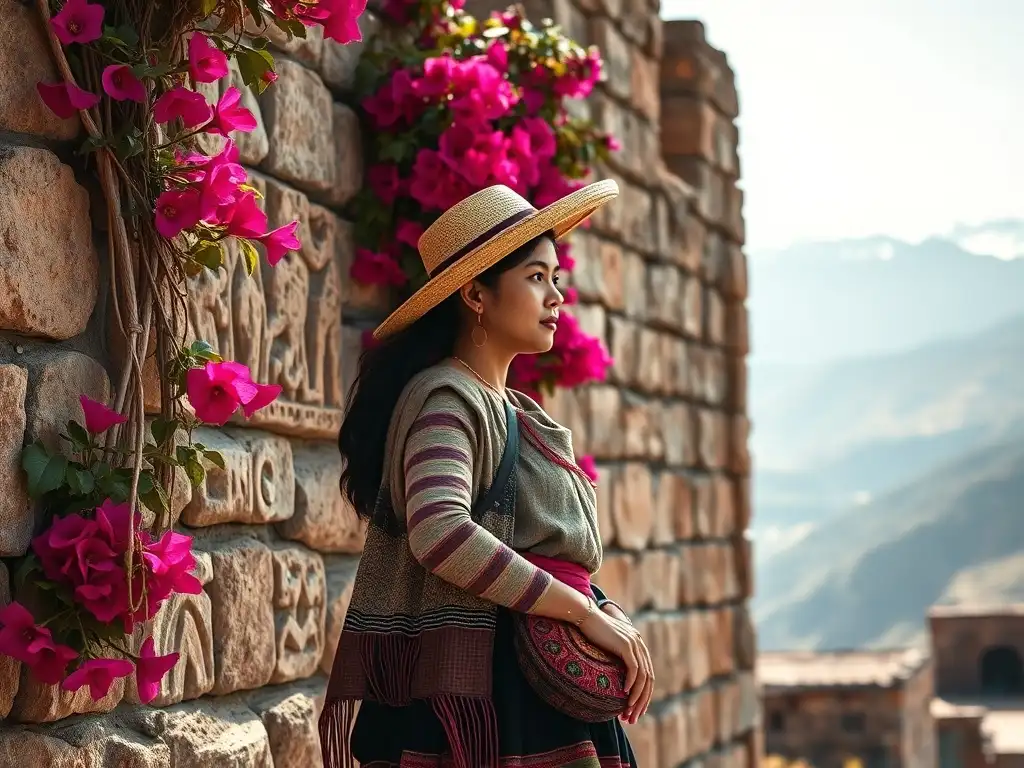
The Inca legacy in modern Andean societies, particularly in Peru, is a complex tapestry woven from threads of continuity and change. While the Inca Empire itself dissolved centuries ago, its influence resonates profoundly in various aspects of Peruvian life. Understanding this influence requires acknowledging the challenges faced in preserving and adapting this rich heritage in a rapidly evolving world.
The impact of the Inca Empire on modern Peru is multifaceted, encompassing cultural practices, social structures, and even the physical landscape. This section delves into the key challenges and the innovative ways in which Peruvian society navigates the complexities of maintaining its Inca roots while embracing modernity. The keyword phrase "Inca influence on modern Peru" is central to understanding this dynamic interplay.
Preserving Inca Traditions: Balancing Modernity and Cultural Heritage
The preservation of Inca traditions presents a significant challenge in modern Peru. The tension between maintaining ancient practices and adapting to the demands of a globalized world is constant. Many indigenous communities actively work to safeguard their ancestral languages, such as Quechua, through educational initiatives and cultural revitalization programs.
However, the allure of urban life and economic opportunities often leads younger generations to migrate to cities, potentially weakening the transmission of traditional knowledge and skills. This necessitates a proactive approach that integrates traditional practices into modern educational systems and promotes cultural tourism in a sustainable manner. For instance, some communities successfully leverage their Inca heritage to attract tourists, generating income while simultaneously showcasing their cultural identity.
This delicate balance requires careful planning and collaboration between local communities, government agencies, and international organizations to ensure the long-term viability of Inca traditions. The success of these initiatives relies on effective strategies that empower local communities and respect their autonomy in managing their cultural heritage.
The Impact of Globalization on Inca Culture: Tourism, Mining, and Urbanization
Globalization's impact on Inca culture is a double-edged sword. While tourism can generate economic benefits and raise awareness of Inca heritage, it can also lead to cultural commodification and environmental degradation. The influx of tourists can strain local resources, potentially leading to unsustainable practices and the erosion of traditional ways of life.
Similarly, mining activities, while providing economic opportunities, can damage sacred sites and disrupt traditional land use patterns. Rapid urbanization further contributes to the displacement of indigenous communities and the loss of traditional knowledge. The challenge lies in finding sustainable development models that prioritize the preservation of cultural heritage while addressing the economic needs of the population.
Finding a balance between economic development and cultural preservation is crucial for the long-term well-being of Andean communities and the protection of their invaluable Inca heritage. This requires careful environmental impact assessments and equitable distribution of the benefits derived from tourism and mining.
The Future of the Inca Legacy: Ensuring the Continuity of Traditions
The future of the Inca legacy depends on proactive strategies that empower indigenous communities and promote intercultural dialogue. This involves strengthening educational programs that integrate Inca history and culture into the curriculum, promoting research on Inca traditions and technologies, and supporting community-based initiatives for cultural preservation.
Furthermore, fostering collaboration between government agencies, NGOs, and international organizations is essential to create sustainable development models that protect both the cultural and environmental heritage of the Andes. The development of culturally sensitive tourism strategies, responsible mining practices, and equitable urban planning are crucial aspects of ensuring that the Inca legacy continues to flourish in the 21st century and beyond.
The ongoing commitment to preserving and celebrating Inca culture is not merely a matter of historical preservation; it is about safeguarding a living heritage that continues to shape the identity and future of modern Peruvian society. The success of this endeavor depends on the collective effort to balance progress with preservation, ensuring that the "Inca influence on modern Peru" remains a vibrant and integral part of the nation's identity for generations to come.
Conclusion: The Continuing Relevance of Inca Influence on Modern Peru
The Inca Empire, despite its relatively short lifespan compared to other ancient civilizations, left an indelible mark on modern Andean societies, particularly in Peru. Its influence transcends mere historical significance; it's woven into the fabric of Peruvian daily life, shaping its cultural identity, social structures, and even its political landscape. Understanding this enduring legacy is crucial for comprehending contemporary Peru and its challenges.
The Inca influence on modern Peru isn't simply a matter of historical curiosity; it's a living testament to the resilience and adaptability of a civilization that continues to resonate centuries after its fall. The echoes of Inca ingenuity and societal organization reverberate through modern infrastructure, agricultural practices, and social customs.
Reflecting on the Profound and Lasting Impact of the Inca Civilization
The Inca's impact on modern Peru is multifaceted. Their sophisticated agricultural techniques, such as terracing and irrigation, are still employed today, ensuring food security in challenging Andean terrains. The cancha, the traditional courtyard-style house, remains a common architectural feature in many Peruvian towns and villages, a direct descendant of Inca urban planning.
Furthermore, the Inca emphasis on community and collective responsibility finds echoes in contemporary Peruvian social structures, albeit adapted to the realities of a modern nation-state. Even the Quechua language, the official language of the Inca Empire, continues to be spoken by millions of Peruvians, preserving a vital link to the past.
This enduring presence of Quechua is a powerful symbol of the Inca legacy's continued relevance in shaping cultural identity and fostering a sense of shared heritage. The intricate road system, Qhapaq Ñan, a testament to Inca engineering prowess, though partially ruined by time and the Spanish conquest, still inspires awe and continues to be studied and partially restored, highlighting the enduring fascination with Inca infrastructure.
The Inca's sophisticated system of record-keeping, using quipus (knotted strings), while not directly used today, demonstrates their advanced understanding of data management and administration. This ingenuity foreshadowed modern record-keeping systems and highlights the Inca's innovative approach to problem-solving. Their mastery of astronomy, reflected in their calendar system and the precise alignment of many of their structures, continues to fascinate researchers and underscores their advanced understanding of the natural world.
The Inca's profound understanding of their environment is a valuable lesson for contemporary societies facing environmental challenges. The Inca's legacy is not just a collection of ruins and artifacts; it’s a living legacy that shapes the present.
The Importance of Understanding Inca History for the Future of Andean Societies
Understanding the Inca influence on modern Peru is not merely an academic exercise; it holds profound implications for the future of Andean societies. By studying the Inca's successes and failures, we can gain valuable insights into sustainable development, effective governance, and the preservation of cultural heritage. Their sophisticated agricultural practices offer valuable lessons in adapting to environmental challenges and ensuring food security in a changing climate.
Their emphasis on community and social cohesion provides a model for addressing contemporary social inequalities. Furthermore, understanding the Inca's legacy can contribute to the preservation of their cultural heritage, protecting invaluable archaeological sites and promoting cultural tourism. This understanding also fosters a sense of national identity and pride amongst Peruvians, strengthening their cultural heritage.
The Inca's achievements in engineering, architecture, and administration continue to inspire innovation and provide valuable lessons for contemporary societies. Their centralized system of government, while having its limitations, offers insights into the challenges of managing large and diverse populations. The study of Inca history provides a valuable framework for understanding the complexities of modern Peru, its social fabric, and its ongoing development. By acknowledging and appreciating the enduring legacy of the Inca Empire, Peru can build a stronger future, informed by the wisdom and resilience of its ancestors.
The Inca influence on modern Peru is not a relic of the past but a living force shaping the nation's present and future. The continued study and appreciation of this influence are essential for fostering a vibrant and sustainable society. Preserving and understanding this legacy is crucial for the continued development and stability of Peruvian society.
Frequently Asked Questions
What is the most significant Inca influence on modern Peru?
The most significant Inca influence is arguably their language, Quechua, which is still spoken by millions in Peru. Their administrative and social structures also left a lasting impact, shaping modern Peruvian society. Inca infrastructure, such as roads and agricultural techniques, continues to be relevant.
How did Inca agriculture affect modern Peruvian farming practices?
Inca terracing techniques are still used in the Andes today, allowing for efficient farming on steep slopes. Their understanding of irrigation and crop diversification continues to inform modern agricultural practices. This sustainable approach to agriculture remains vital for Peruvian food security.
What aspects of Inca culture are still visible in modern Peru?
Many traditional festivals and ceremonies retain Inca roots, often incorporating ancient rituals and beliefs. Textile traditions and weaving techniques continue to utilize ancient patterns and designs. Architectural styles in some regions still reflect Inca influence in their construction and layout.
How did Inca road systems impact modern Peru's infrastructure?
The Inca's extensive road network laid the groundwork for many modern Peruvian roads and transportation routes. Their engineering skills in constructing roads through challenging terrain are still admired and studied. This legacy of infrastructure is crucial for modern Peru's connectivity.
What is the impact of Inca beliefs and religion on modern Peru?
While Inca religion is not practiced in its original form, elements of their beliefs and cosmology are reflected in modern Peruvian spirituality and folklore. Many local traditions incorporate ancient Inca deities and rituals. This spiritual heritage continues to enrich Peruvian culture.
Final Reflection: Echoes of the Empire in Modern Peru
The legacy of the Inca Empire continues to resonate deeply within modern Peruvian society, shaping its cultural identity and influencing its political and economic landscape in profound ways. From the intricate textiles still woven in Andean communities to the enduring agricultural techniques that feed millions, the Inca's impact is not merely historical; it is a living presence. Understanding this enduring influence is crucial to comprehending the complexities of Peru today.
The Inca's sophisticated system of roads, for example, laid the groundwork for modern infrastructure, while their intricate social structures continue to inform community organization and governance. Their mastery of agriculture, particularly their terracing techniques, remains a testament to their ingenuity and a vital component of Peru's agricultural production. As the renowned anthropologist, John Murra, once stated, The Inca state was not simply a political entity; it was a complex system of resource management and social organization that profoundly shaped the lives of its people, and its echoes continue to reverberate through time.
This quote encapsulates the enduring power of the Inca's influence on the very fabric of Peruvian society.
Consider the ways in which the Inca's legacy manifests in your own life. Perhaps you've tasted the flavors of traditional Andean cuisine, admired the intricate designs of Peruvian textiles, or marveled at the breathtaking Inca ruins. Take a moment to reflect on these encounters and consider the rich history that underpins them.
By understanding the Inca's enduring impact, we can better appreciate the vibrant tapestry of Peruvian culture and work towards a future that honors both its past and its potential. Let the echoes of the empire inspire you to learn more, to explore deeper, and to celebrate the enduring spirit of the Andean people.
Embrace the Legacy of the Incas!
Thank you for exploring the fascinating world of the Inca civilization and its enduring influence on modern Andean societies. Your interest in this rich history is crucial to understanding the vibrant cultural tapestry of the Andes today. Let's delve deeper and discover ways to connect with this incredible heritage.
- Engage with local communities: Immerse yourself in Andean life by visiting villages and cultural centers to witness firsthand the traditions rooted in Inca influence. Experiencing these living legacies firsthand provides a powerful connection to the past.
- Support organizations dedicated to preserving Andean culture and history. Your contribution can significantly impact their efforts to safeguard this invaluable heritage for future generations.
- Share your discoveries! Discuss this topic with friends, family, or online to spread awareness and appreciation for the enduring significance of the Inca civilization.
What aspect of Inca culture resonates most with you, and how do you see it enriching your own life?