
Inca Games and Recreation: Leisure in a Demanding World

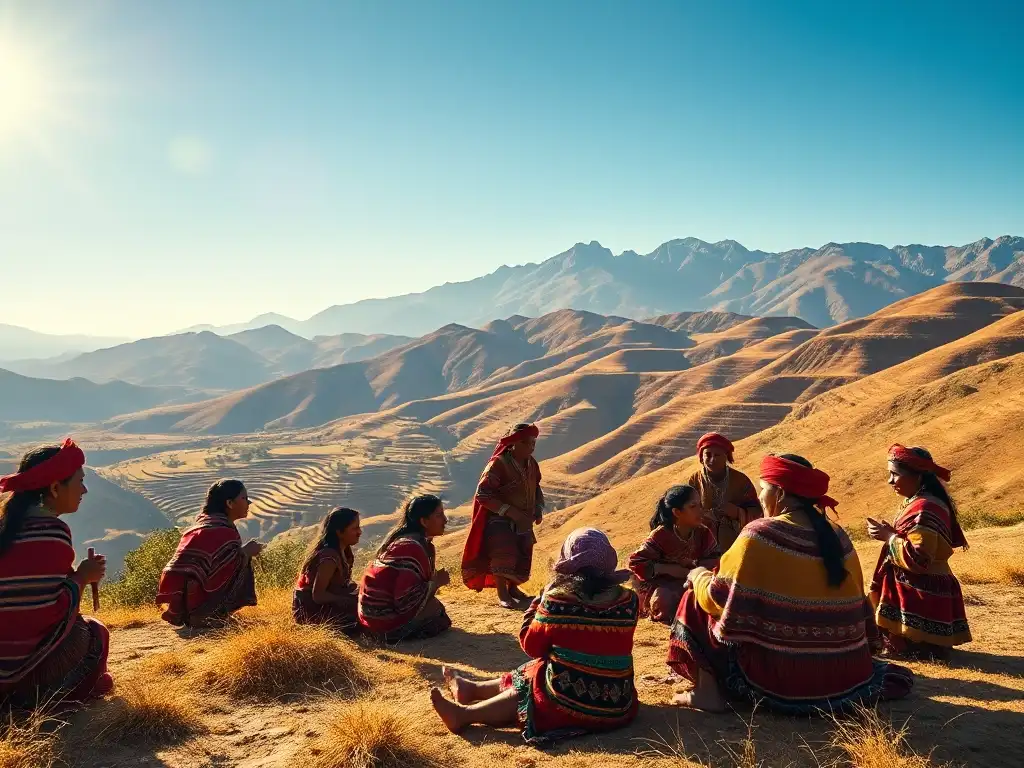
Step into a world lost to time, yet echoing with vibrant life. Imagine a society where intricate artistry met breathtaking engineering, where the Andes themselves whispered secrets to a people who mastered their environment. This is the realm of the Andean civilizations, and we invite you to uncover their wonders. But first, let's delve into a surprising aspect of Inca life: Inca games and recreation. Discover how leisure activities shaped their society and challenged our assumptions about a civilization known for its demanding lifestyle. Prepare to be amazed by what you find.
The Inca Empire, renowned for its sophisticated engineering, intricate social structures, and vast territorial expanse, was not solely defined by its demanding agricultural practices and military prowess. A significant, though often overlooked, aspect of Inca life was the importance placed on leisure and recreation. This article delves into the diverse world of Inca games and physical activities, revealing how these pursuits played a vital role in Inca society, contributing to both physical well-being and social cohesion.
We will explore the various forms of recreation, from competitive sports to more leisurely pastimes, providing insights into the cultural significance of leisure within the context of a demanding agricultural and imperial lifestyle. Understanding Inca games and recreation offers a more nuanced and complete picture of this remarkable civilization, moving beyond the often-emphasized aspects of conquest and construction to reveal the vibrant cultural tapestry of daily life.
This exploration will showcase the ingenuity and creativity of the Inca people in designing and participating in activities that enhanced their lives beyond the necessities of survival. The keyword "Inca games and recreation" will be explored throughout the various sections to provide a comprehensive understanding of this topic.
The Importance of Recreation in Inca Society
Recreation in Inca society was far from frivolous; it served crucial social and psychological functions. Beyond providing physical exercise and entertainment, games and sports fostered community bonds, celebrated religious festivals, and reinforced social hierarchies. Religious ceremonies often incorporated competitive elements, with success in games sometimes interpreted as divine favor.
This intertwining of religious beliefs and recreational activities highlights the deep cultural significance of leisure. Furthermore, the organization and participation in these activities often reflected the social structure of the empire, with different games and levels of participation reflecting social standing and roles. The Inca government itself likely played a role in organizing certain games and sporting events, further emphasizing their importance within the broader social fabric.
Evidence suggests that both children and adults participated in a wide variety of activities, indicating the pervasive nature of recreation in Inca culture. The frequency and intensity of these activities likely varied across different regions and seasons, adapting to the rhythms of agricultural cycles and climatic conditions.
Physical Activities and Sports in the Inca Empire
The Inca Empire boasted a diverse range of physical activities and sports, reflecting both the varied geography of the Andes and the ingenuity of the Inca people. These activities were not merely forms of entertainment; they served important social, religious, and physical functions. Many games involved elements of skill, strategy, and physical prowess, demanding training and practice.
The level of physical fitness required for many of these activities underscores the overall importance of physical strength and agility within Inca society, traits likely valued in both agricultural work and military campaigns. The availability of different types of games likely varied across different regions and social groups, reflecting the diverse landscape and social structures of the empire. Further research is needed to fully understand the geographic distribution and social stratification of these games and activities.
Inca Wrestling and Combat Sports
Wrestling, along with other forms of hand-to-hand combat, held a prominent place in Inca recreation. These weren't simply displays of brute force; rather, they often involved intricate techniques and strategies. [Specific details about wrestling techniques and rules pending]. These contests likely served as a means of testing strength and skill, but also potentially played a role in military training and the selection of warriors. [Information on the social context of Inca wrestling and combat sports needed]. The prevalence of these sports, and the level of skill involved, suggests that physical combat skills were valued within Inca society.
Running and Races in Inca Culture
Running played a significant role in Inca life, both as a form of transportation and as a competitive sport. The challenging Andean terrain likely necessitated a high level of running ability. [Details about the types of races and their significance pending]. These races were likely not just tests of endurance but also symbolic events, potentially connected to religious ceremonies or celebrations. [Information on the prizes or rewards associated with running races needed]. The importance of running in Inca culture is further evidenced by the extensive network of roads and pathways that crisscrossed the empire, facilitating both travel and competition.
Ball Games of the Incas: Tlachtli
Tlachtli, a Mesoamerican ball game, had variations throughout the Andes, suggesting its adaptation and integration into Inca culture. While not exclusively Inca, the game's presence highlights the cultural exchange and adaptation of existing games within the empire. [Details on the rules and variations of Tlachtli in Inca culture pending]. This game likely involved elements of religious symbolism, ritual, and social status.
[Specific examples of the social and religious contexts of Tlachtli in Inca society are needed]. The presence of ball courts and archaeological evidence suggests the game’s popularity and importance within Inca communities. The significance of Tlachtli within Inca society requires further investigation.
Board Games and Mental Pastimes
Inca society, despite its demanding agricultural and societal structures, found time for leisure and recreation. Board games played a significant role in their entertainment, offering opportunities for strategic thinking, social interaction, and even spiritual reflection. These games weren't merely frivolous activities; they often incorporated elements of Inca cosmology and worldview, reflecting their deep connection to the natural world and their deities.
The complexity and sophistication of some of these games reveal a surprising level of intellectual development within the Inca civilization. Evidence suggests that these games were enjoyed by a wide range of people, from the elite to the commoners, indicating their pervasiveness within Inca society. The materials used to create these games – wood, stone, and even precious metals – further highlight their importance and the value placed upon leisure activities.
The Inca Game of Tablero
The Tablero, often described as a type of Inca backgammon or mancala, is perhaps the best-known Inca board game. Archaeological findings have unearthed numerous Tablero boards, varying in size and material, but all sharing a similar basic structure. These boards typically featured a series of pits or compartments, where players would move their pieces according to a set of rules that unfortunately remain largely unknown.
The precise rules of the game are still debated by scholars, but it's clear that the Tablero involved skill, strategy, and an element of chance, making it a captivating pastime. The social aspect of the Tablero is equally intriguing; it likely fostered social interaction and provided a setting for competition and camaraderie.
The game's enduring popularity, evidenced by its prevalence in archaeological discoveries, speaks volumes about its cultural significance within Inca society. Further research is needed to fully understand the nuances of the game and its broader cultural implications.
Inca Dice and Chance Games
Beyond the strategic depth of Tablero, Inca culture also embraced games of chance. Dice games, using various types of dice crafted from materials such as bone or wood, were prevalent. These games likely involved a level of skill in addition to chance, with players needing to make calculated decisions based on the outcome of the dice rolls.
While specific rules remain elusive, the presence of these dice in archaeological contexts indicates their widespread use as a form of recreation. The use of dice in Inca games reflects a recognition of the role of chance and unpredictability in life, a concept that resonates with many cultures throughout history. The social interaction inherent in these games, involving betting and friendly competition, would have added to their appeal.
Puzzles and Mind Games in Inca Society
Inca society also valued mental challenges and puzzles. While specific examples are less well documented than board games, the existence of intricate knotted cords, known as quipus, suggests a capacity for complex abstract thinking. These quipus weren't merely decorative; they served as a sophisticated record-keeping system, demonstrating an advanced understanding of numerical concepts and symbolic representation.
The creation and manipulation of quipus could also have served as a form of mental exercise, requiring focus, memory, and logical reasoning. Beyond quipus, other forms of puzzles, perhaps using geometric shapes or spatial reasoning, may have existed but haven't yet been discovered or fully interpreted by archaeologists. Future research may unearth further evidence of such mental pastimes in Inca society.
Inca Festivals and Rituals as Forms of Recreation
Inca festivals and rituals were deeply intertwined with their social and religious life, often serving as significant recreational events. These events provided opportunities for community gatherings, celebrations, and shared experiences that fostered social cohesion and reinforced their cultural identity. The grandeur and scale of many of these festivals suggest that they were eagerly anticipated and enjoyed by a broad segment of the population. The combination of religious observance and recreation highlights the integrated nature of life in Inca society.
The Inti Raymi Festival and its Recreational Aspects
The Inti Raymi, or Festival of the Sun, was the most important Inca festival, a grand celebration honoring the sun god Inti. This festival involved elaborate ceremonies, processions, and theatrical performances. The vibrant costumes, music, and dance were undoubtedly captivating and provided a significant source of recreational enjoyment for participants and spectators alike.
Beyond the religious significance, Inti Raymi fostered a sense of community and shared identity, strengthening social bonds across different regions of the empire. The sheer scale and spectacle of the event made it a memorable and enjoyable experience for all involved. Though the Spanish Conquest brought an end to the large-scale celebrations, elements of the Inti Raymi continue to be celebrated today, showcasing the enduring appeal of this cultural tradition.
Inca Religious Ceremonies and their Social Significance
Many Inca religious ceremonies, while possessing significant spiritual meaning, also included elements of recreation and social interaction. These ceremonies often involved communal feasting, music, dance, and storytelling, creating a festive atmosphere. The shared experience of these events fostered social bonds and reinforced community ties. The combination of religious observance and social gathering highlighted the holistic nature of Inca culture, where spirituality and community life were deeply intertwined. While the primary purpose of these ceremonies was religious, the recreational aspects were undoubtedly a significant part of their appeal.
Music, Dance, and Performances in Inca Celebrations
Music, dance, and theatrical performances were integral components of Inca festivals and religious ceremonies. These performances served as a form of entertainment, but also played a crucial role in conveying stories, myths, and historical narratives. The use of musical instruments, such as panpipes and drums, created a vibrant and engaging atmosphere.
The dances, often elaborate and symbolic, were a powerful means of expressing cultural identity and conveying religious beliefs. These performances brought communities together, fostering a sense of shared identity and collective enjoyment. The artistry and skill involved in these performances highlight the sophistication of Inca culture and their appreciation for creative expression.
Children's Games and Play in the Inca World
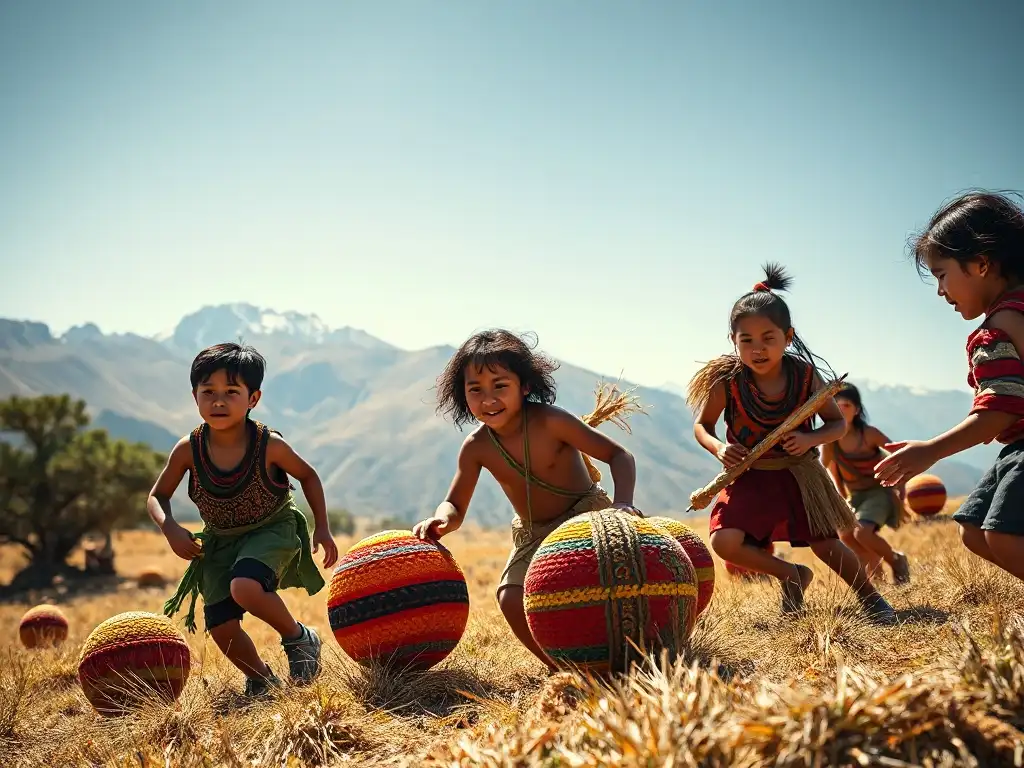
Inca children, like children everywhere, engaged in a variety of games and play activities. These activities weren't simply frivolous pastimes; they played a crucial role in their development, education, and socialization within Inca society. Archaeological evidence, albeit limited in directly depicting children's games, offers clues through the discovery of small toys and artifacts that suggest the types of activities they enjoyed.
Ethnographic studies of later Andean cultures also provide valuable insights into the likely nature of Inca children's play, given the continuity of certain cultural practices. The mountainous terrain of the Andes undoubtedly influenced the types of games played, favoring activities that utilized the natural environment. For example, games involving running, jumping, and balancing would have been common, reflecting the physical challenges of their daily life.
Toys and Simple Games for Inca Children
Evidence suggests Inca children played with toys made from readily available materials such as wood, clay, and fibers. Small figurines of animals, miniature tools, and simple dolls have been unearthed, indicating a rich imaginative play life. These toys, often handcrafted, likely served as both entertainment and early learning tools, mirroring the adult world in miniature.
Simple games, such as rolling stones downhill or playing with slingshots (a skill potentially useful for hunting), were likely prevalent. The scarcity of preserved toys compared to other artifacts reflects the organic nature of many of these playthings, highlighting the challenges of archaeological recovery of such ephemeral objects. Further research, including careful analysis of existing collections and continued archaeological excavations, is necessary to gain a more complete understanding of Inca children's toys and games.
Learning Through Play in Inca Education
Play in Inca society wasn't merely a diversion; it was integrated into the educational process. Children learned valuable skills through play, mimicking adult activities and developing crucial abilities for their future roles within the community. For example, mimicking agricultural practices through miniature farming or weaving activities with smaller tools would have provided them with foundational skills.
Games involving strategy and problem-solving likely honed their cognitive abilities, preparing them for the complexities of Inca society. This holistic approach to education, where play served as a vital component, fostered a well-rounded development, emphasizing both physical and intellectual growth. The emphasis on practical skills within play reflects the Inca's pragmatic worldview and their focus on community needs.
The Role of Play in Inca Child Development
Play was essential for the physical, cognitive, and social development of Inca children. Physical activities like running, jumping, and ball games fostered physical strength and coordination. These activities were not just recreational; they prepared children for the demands of Andean life, which often required physical endurance and agility.
Simultaneously, imaginative play and games involving rules and strategies contributed to cognitive development, fostering problem-solving skills and creativity. Social interaction within play groups enhanced their social skills, teaching cooperation, negotiation, and conflict resolution—essential skills for a well-functioning society. Therefore, play wasn't a peripheral aspect of Inca childhood; it was an integral part of their overall development and preparation for adulthood.
Inca leisure activities served a crucial social function, strengthening community bonds and reinforcing Inca values. Recreation wasn't a solitary pursuit; it was often a communal activity that brought people together. Festivals, religious ceremonies, and public games provided opportunities for social interaction and the reaffirmation of social hierarchies. These events fostered a sense of collective identity and strengthened social cohesion within the vast Inca Empire. The carefully structured nature of many leisure activities, with their defined rules and roles, reflected the hierarchical structure of Inca society, reinforcing social order and expectations.
Recreation as a Means of Social Bonding
The communal nature of Inca leisure activities played a significant role in social bonding. Shared participation in games, festivals, and ceremonies fostered a sense of unity and belonging among individuals and communities. These events provided opportunities for interaction, cooperation, and the strengthening of social ties. The exchange of goods, food, and stories during these gatherings further enhanced social cohesion. This social aspect of recreation was crucial for maintaining social harmony and stability within the vast and diverse Inca Empire. The importance of community and collective identity was reflected in the emphasis on shared leisure activities.
Games and Recreation as a Reflection of Inca Values
Inca games and recreation often mirrored Inca values and beliefs. Games that emphasized teamwork, cooperation, and strategic thinking reflected the importance of community and collective effort in Inca society. Religious festivals and ceremonies incorporated games and recreational activities that reinforced religious beliefs and practices. The careful organization and structured nature of many leisure activities reflected the hierarchical structure and the importance of order and discipline within Inca society. In essence, leisure activities weren't simply a diversion; they served as a powerful means of transmitting and reinforcing core Inca values and beliefs.
The Relationship Between Work and Leisure in Inca Society
While Inca society emphasized hard work and productivity, leisure activities were not viewed as a contradiction but rather as an integral part of a balanced life. Rest and recreation were essential for maintaining physical and mental well-being, ensuring that individuals could continue to contribute to the community's productive endeavors. The cyclical nature of agricultural activities, with periods of intense labor followed by times of relative rest, structured the relationship between work and leisure.
Festivals and ceremonies often coincided with periods of agricultural downtime, providing a natural integration of work and leisure. The balance between work and leisure was crucial for the well-being of individuals and the prosperity of Inca society. This integrated approach highlights a nuanced understanding of the importance of both productivity and well-being in a thriving society.
Inca Recreation and its Lasting Legacy
The Inca civilization, renowned for its sophisticated engineering and intricate social structures, also possessed a vibrant culture of recreation and leisure. While life in the Inca Empire demanded hard work and adherence to a rigorous social hierarchy, leisure activities played a crucial role in maintaining social cohesion, celebrating religious festivals, and fostering community spirit. These games and pastimes weren't merely frivolous pursuits; they were integral components of Inca society, reflecting their values, beliefs, and social organization.
The legacy of Inca recreation extends far beyond the empire's demise, influencing modern Andean cultures in profound ways and continuing to fascinate researchers and enthusiasts alike. Understanding Inca leisure activities provides valuable insights into the complexities of this remarkable civilization and its enduring impact on the world.
The careful balance between demanding labor and structured leisure time speaks volumes about the Inca understanding of human needs and societal well-being. This sophisticated approach to life is a testament to their advanced societal planning and their recognition of the importance of both productivity and relaxation.
Influence of Inca Games on Modern Andean Culture
Many traditional games and sports prevalent in modern Andean communities trace their origins back to Inca recreational practices. For example, certain forms of chucu, a ball game played with a small, hard ball, still exist in modified versions today. These games, often played during festivals and community gatherings, maintain a strong connection to ancestral traditions and serve as a vital link to the Inca past.
The continuity of these practices underscores the enduring influence of Inca culture on contemporary Andean identity. Furthermore, the vibrant textiles and intricate craftsmanship associated with Inca leisure activities, such as the production of chacana (Inca cross) patterned objects for games or adornment, continue to inspire contemporary Andean artists. The symbolic significance of these designs remains deeply embedded within Andean cultural expression.
The enduring popularity of these games and the continued use of traditional Inca designs demonstrate the lasting power of cultural heritage and its ability to transcend time and geographical boundaries. The preservation of these recreational practices represents a powerful testament to the resilience and cultural continuity of Andean communities.
Archaeological Evidence of Inca Recreational Practices
Archaeological excavations have unearthed compelling evidence of Inca recreational practices, offering tangible insights into their leisure activities. Sites across the former Inca Empire have yielded artifacts such as intricately carved pallay (balls) made from various materials, including stone and wood. The discovery of these balls, alongside depictions of games and sporting events in Inca art, provides concrete evidence of the importance of these activities within Inca society.
Furthermore, the discovery of specialized playing fields and courts in various Inca settlements further underscores the structured and organized nature of Inca recreation. These meticulously designed spaces suggest that games were not simply spontaneous events but rather integral aspects of Inca life, potentially even holding ritualistic significance.
The analysis of these sites, coupled with the study of Inca iconography and written records (where available), provides researchers with valuable clues about the rules, participants, and social context of these games. This interdisciplinary approach is crucial for a comprehensive understanding of Inca recreation.
The Enduring Appeal of Inca Leisure Traditions
The enduring appeal of Inca leisure traditions lies in their ability to connect modern Andean communities with their rich cultural heritage. These games and activities serve as powerful symbols of identity, fostering a sense of community and continuity across generations. The preservation of these traditions is not merely a nostalgic pursuit; it is a vital process that strengthens cultural bonds and reinforces a sense of shared history.
Moreover, the study of Inca recreational practices provides valuable insights into the social structures, beliefs, and values of this remarkable civilization. The games themselves often reflected social hierarchies and religious beliefs, offering a window into the complexities of Inca society.
The enduring popularity of these traditions, both in academic circles and amongst Andean communities themselves, highlights the enduring legacy of the Inca Empire and the continued relevance of their cultural practices in the modern world. The vibrant tapestry of Inca leisure activities continues to inspire and captivate, reminding us of the rich and complex history of the Andes.
- The Importance of Recreation in Inca Society
- Physical Activities and Sports in the Inca Empire
- Board Games and Mental Pastimes
- Inca Festivals and Rituals as Forms of Recreation
- Children's Games and Play in the Inca World
- The Social Function of Inca Leisure Activities
- Inca Recreation and its Lasting Legacy
Frequently Asked Questions
What types of games did the Inca play?
The Inca played a variety of games, including chinchas, a form of hurdles, and pallmall, a type of ball game similar to croquet. They also enjoyed games involving skill and dexterity, such as throwing sticks and playing with miniature figurines.
How important were games and recreation in Inca society?
Games and recreation were surprisingly important in Inca society despite its demanding agricultural and political structure. They served social and ritualistic purposes, fostering community bonds and celebrating religious events.
Did the Inca have any team sports?
While not exactly team sports as we know them, some Inca games, like variants of pallmall, involved multiple participants competing against each other, exhibiting a form of teamwork and strategy.
What materials were used to make Inca games and toys?
Inca games and toys were often made from natural materials, such as wood, stone, and feathers. The choice of materials reflected the availability of resources in different regions of the empire.
Were Inca games only for children, or did adults participate as well?
Both children and adults participated in Inca games and recreational activities. Games served as a form of entertainment and social interaction for all ages and classes within Inca society.
Final Reflection: Echoes of the Andes: Legacy of Inca Play
The vibrant tapestry of Inca games and recreation, far from being a relic of a bygone era, offers a powerful lens through which to examine our own relationship with leisure and societal structures. The ingenuity and societal importance placed on play by the Inca civilization stands in stark contrast to our often-frazzled, productivity-obsessed modern world, prompting us to reconsider the vital role of leisure in a balanced and fulfilling life.
The enduring influence of Inca games continues to resonate, not just in the archaeological record, but in the very fabric of Andean culture. Their emphasis on community, skill development, and spiritual connection serves as a potent reminder of the holistic approach to life that we, in our fragmented modern world, often overlook. Play is not simply a frivolous activity, but a fundamental aspect of human development and social cohesion.
This quote, though not directly from an Inca source, encapsulates the essence of their approach to leisure, highlighting its importance beyond mere entertainment.
Consider the legacy of Inca games and recreation. What can you learn from their dedication to physical prowess, strategic thinking, and communal celebration? Take a moment to reflect on your own life. How much time do you dedicate to play, to activities that nourish your spirit and strengthen your community? Embrace the spirit of the Inca, find joy in movement and connection, and rediscover the power of play to enrich your life and build a more vibrant, balanced future.
Embrace the Spirit of Inca Leisure!
Thank you for exploring the fascinating world of Inca games and recreation! You've gained valuable insights into how this ancient civilization balanced work and leisure. Now, let's delve even deeper into this captivating culture.
Here are some ways to continue your journey:
- Join a local game night to experience traditional games with friends and family – a fun way to bring history to life!
- Share your knowledge with others – discuss the importance of leisure in ancient cultures on social media or with friends and family.
- Explore related resources: Visit our website for articles, books, and documentaries that explore Inca civilization and its rich lifestyle.
What aspect of Inca leisure most interests you – participating in traditional games, learning more about their recreational activities, or perhaps creating your own Inca-inspired event? Let us know in the comments!