
A Journey of Reciprocity: Giving Back to the Andean Communities You Visit

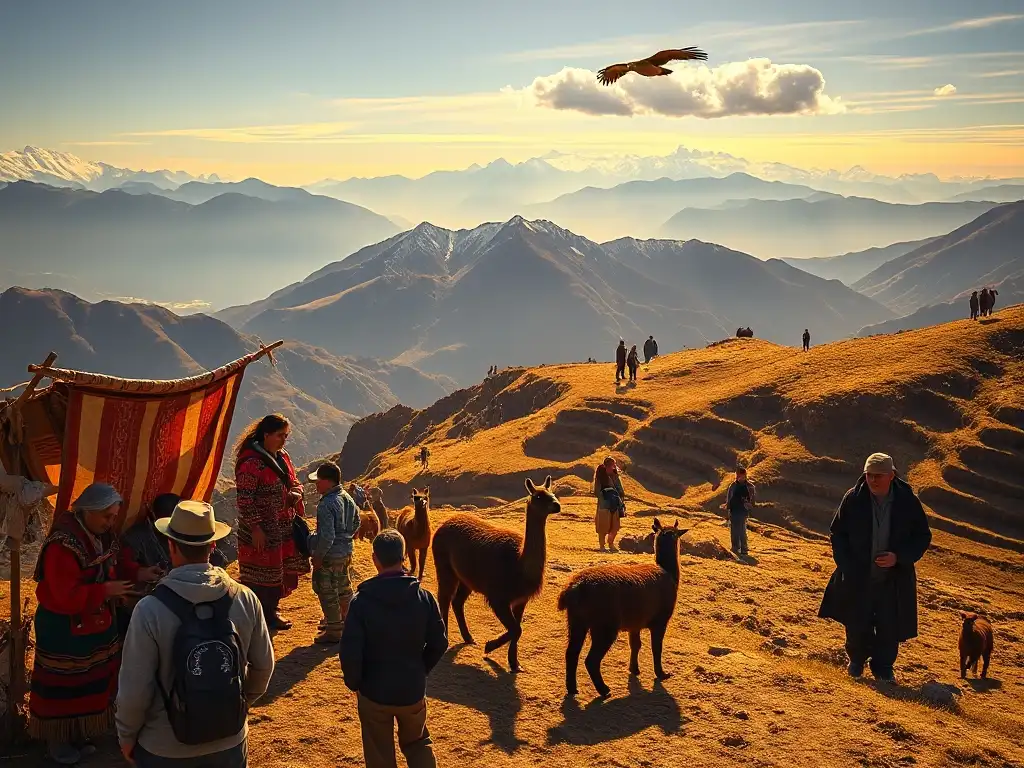
Step into a world lost to time, yet vibrantly alive. Discover the breathtaking legacy of the Andean civilizations, from the intricate artistry of the Nazca lines to the sophisticated engineering of the Incas. But our journey doesn't end with the past; we delve into the present, exploring how you can experience this incredible heritage responsibly. Learn how Andean community tourism offers a unique opportunity for reciprocal exchange, benefiting both traveler and community. Are you ready to embark on this transformative adventure?
The Andes Mountains, a spine of breathtaking landscapes and vibrant cultures, have captivated travelers for centuries. But the impact of tourism on Andean communities is a complex issue, ranging from significant economic benefits to potential cultural disruption and environmental damage. This article delves into the crucial concept of reciprocal tourism, a model that prioritizes mutual benefit and respect between visitors and the Andean communities they encounter.
We'll explore how to engage in responsible Andean community tourism, moving beyond the traditional tourist experience to foster meaningful cultural exchange and ensure the long-term sustainability of these incredible places. Understanding the principles of reciprocal tourism is not just ethically responsible; it's vital for preserving the unique heritage and well-being of Andean communities for generations to come. This approach to "Andean community tourism" ensures that your travels contribute positively, leaving a legacy of respect and shared prosperity.
Understanding the Importance of Reciprocal Tourism in the Andes
Reciprocal tourism, at its core, is about creating a balanced relationship between tourists and host communities. It moves away from a purely extractive model—where visitors take experiences and resources without giving back—to one of mutual exchange and shared benefit. In the Andes, where indigenous cultures and traditions are deeply intertwined with the land, this approach is especially crucial.
Traditional tourism can inadvertently lead to the commodification of culture, the erosion of traditional practices, and the displacement of local populations. Reciprocal tourism, however, aims to mitigate these risks by ensuring that the economic and social benefits of tourism are fairly distributed within the community. This includes supporting local businesses, respecting local customs, and contributing to community development projects.
Think of it as a two-way street: you gain enriching experiences, and the community receives support that strengthens its cultural identity and economic resilience. The benefits extend far beyond simple monetary transactions; it's about building genuine connections and fostering intercultural understanding.
Why Engage in Responsible Andean Community Tourism?
Engaging in responsible Andean community tourism offers a multitude of benefits, extending far beyond the personal enrichment of the traveler. For the traveler, it provides a more authentic and deeply meaningful experience. Instead of superficial interactions, you'll have the opportunity to connect with the local people, learn about their traditions firsthand, and gain a deeper appreciation for their culture.
Furthermore, you'll be actively contributing to the preservation of their heritage. For the Andean communities, responsible tourism provides much-needed economic opportunities, allowing them to maintain their livelihoods and sustain their cultural practices. This economic support is crucial, especially in remote areas where alternative income sources may be limited.
Moreover, responsible tourism can help strengthen community cohesion and pride by showcasing their unique culture and heritage to the world. It's a win-win situation that fosters sustainable development and strengthens the bonds between visitors and hosts. The positive ripple effects of this type of tourism are far-reaching, contributing to environmental protection and community empowerment.
Moving Beyond Traditional Tourism: The Value of Cultural Exchange
Traditional tourism often involves a detached observation of culture, akin to viewing it as an exhibit in a museum. Responsible Andean community tourism, however, emphasizes genuine cultural exchange. This involves actively participating in community life, learning from local artisans, sharing your own culture, and engaging in respectful dialogue. This could involve participating in a traditional weaving workshop, learning about ancient Andean agricultural techniques, or simply sharing stories and experiences over a cup of coca tea.
The value of this exchange is immeasurable. It fosters mutual understanding, breaks down stereotypes, and builds bridges between different cultures. It's an opportunity to learn from each other, appreciate diverse perspectives, and develop a deeper understanding of the interconnectedness of our world.
It's about moving beyond the transactional nature of traditional tourism and embracing a more humanistic approach that celebrates the richness of human experience. This genuine interaction is what truly defines reciprocal tourism and elevates the experience for both the visitor and the community. This type of meaningful exchange is the heart of sustainable and ethical Andean community tourism.
- Understanding the Importance of Reciprocal Tourism in the Andes
- Why Engage in Responsible Andean Community Tourism?
- Moving Beyond Traditional Tourism: The Value of Cultural Exchange
Planning Your Reciprocal Andean Journey: Practical Steps

Embarking on an Andean community tourism adventure requires careful planning to ensure your trip is truly reciprocal and benefits the local communities you visit. This isn't just about sightseeing; it's about actively contributing to the preservation of Andean culture and livelihoods. By taking proactive steps in your planning, you can maximize the positive impact of your journey and experience the Andes in a deeply meaningful way. This section provides practical guidance for planning a responsible and impactful Andean community tourism experience.
Researching Authentic Andean Community Tourism Experiences
Before booking any tour, thorough research is paramount. Authentic Andean community tourism goes beyond simply visiting a village; it involves direct interaction with local communities, supporting their initiatives, and respecting their traditions. Avoid organizations that merely use the "community tourism" label as a marketing ploy. Instead, look for operations demonstrably committed to sustainable practices and equitable partnerships.
Look for concrete examples of their initiatives in their marketing materials. For instance, do they highlight specific projects funded by tourism revenue? Do they showcase the involvement of local people in the design and operation of their tours? A lack of specific details should raise a red flag.
Identifying Reputable Tour Operators Focused on Community Benefits
Several key indicators signal a reputable tour operator committed to community benefits. Look for operators who:
- Partner directly with local communities: The operator should have established clear and transparent partnerships with specific Andean communities, not just vaguely mentioning "local involvement."
- Clearly outline their community benefit initiatives: They should explicitly state how a portion of the tour revenue directly supports community projects (e.g., education, healthcare, infrastructure). Look for quantifiable data, not just broad statements.
- Employ local guides and staff: This provides direct economic benefits to the community and ensures an authentic cultural experience for you, the traveler.
- Prioritize sustainability: Responsible operators will emphasize eco-friendly practices and minimize their environmental impact.
- Have positive reviews from previous travelers: Check online reviews and testimonials to gauge the authenticity and impact of their tours. Look for comments specifically addressing the community benefits aspect.
Ensuring Transparency in How Your Money Benefits Local Communities
Transparency is crucial. A reputable operator will openly and clearly explain how your money contributes to the Andean community. Ask specific questions about:
- Percentage of revenue allocated to the community: Inquire about the exact percentage of your tour cost that directly benefits the community and the specific projects it funds.
- Community ownership and involvement: Understand the level of community ownership and involvement in the design and implementation of the tour. Are community members involved in decision-making?
- Financial accountability: Ask for evidence of how funds have been used in previous projects. This could include reports or testimonials from community members.
- Fair wages and working conditions: Ensure that local guides and staff receive fair wages and work under ethical conditions.
Choosing the Right Type of Community-Based Tourism
The Andean region offers diverse community-based tourism opportunities, each providing unique experiences. Careful consideration of your preferences and the level of immersion you seek will help you choose the most suitable option.
Homestays with Andean Families: Immersive Cultural Experiences
Homestays provide an unparalleled opportunity for cultural immersion. Living with an Andean family offers firsthand insights into their daily lives, traditions, and values. You’ll experience genuine hospitality, participate in daily routines, and learn about their unique cultural heritage. However, it's crucial to choose homestays carefully, ensuring they adhere to ethical tourism principles and provide fair compensation to the host family.
Participating in Traditional Andean Workshops and Demonstrations
Many Andean communities offer workshops and demonstrations showcasing their traditional crafts, weaving techniques, or culinary skills. Participating in these activities allows you to learn firsthand about their artistry and contribute directly to their economic sustainability. Choose workshops that are run by community members and ensure that participants receive fair compensation for their time and expertise.
Supporting Local Businesses and Artisans: Ethical Souvenir Shopping
Purchasing souvenirs directly from local artisans is a powerful way to support the Andean community and contribute to their economic well-being. Avoid mass-produced items and instead look for unique, handcrafted goods made using traditional techniques. When purchasing, engage in respectful conversation with the artisans, learning about their craft and the stories behind their creations. This small act of interaction fosters meaningful connections and supports the preservation of traditional Andean craftsmanship. Remember to negotiate prices fairly and respectfully. Bargaining is often expected, but be mindful of not undercutting the artisan's livelihood.
Essential Items for a Meaningful Andean Community Visit
Planning a trip focused on Andean community tourism requires careful consideration of what to pack. It's not just about personal necessities; it's about bringing items that can genuinely benefit the communities you'll be visiting. Forget the frivolous – focus on practicality and cultural sensitivity. Think beyond tourist trinkets; consider items that address real needs and contribute positively to the community's well-being. This approach ensures your visit is truly reciprocal, fostering a mutually beneficial exchange.
Resist the urge to bring items solely for your own comfort; prioritize the community's needs. Remember, your presence should leave a positive impact, not just memories. A thoughtful approach to packing can significantly enhance your experience and the impact of your visit. The aim is to contribute meaningfully, leaving a lasting legacy of positive interaction and support.
Gifting with Respect: Practical and Useful Items for the Community
Choosing appropriate gifts demonstrates respect and understanding. Avoid items that might be considered culturally insensitive or that could disrupt the local economy. Instead, focus on practical items that address community needs.
This could include school supplies like notebooks, pencils, and crayons for children; medical supplies such as bandages, antiseptic wipes, or basic medications (always check regulations regarding importing medications); or tools for local artisans, such as quality paints or weaving materials. Consider the specific needs of the community you are visiting; research beforehand to understand what would be most helpful. Remember, the goal is to contribute meaningfully, not to overwhelm the community with unnecessary goods.
A small, thoughtful gift can have a much greater impact than a large, impersonal one. Always present your gifts with humility and respect, acknowledging the community's generosity in welcoming you. The act of gifting should be a symbol of mutual respect and shared experience, furthering the principles of Andean community tourism.
Documenting Your Experiences Responsibly
Respectful documentation is crucial for Andean community tourism. Photography and videography should always be approached with sensitivity and permission. Never take photos of people without their explicit consent, and always ask permission before recording videos. Respect their privacy and avoid intrusive or exploitative imagery. Consider the potential impact of your photos and videos; ensure they portray the community and its members with dignity and respect. Remember, you are a guest in their world.
Furthermore, be mindful of how you share your experiences online. Avoid perpetuating stereotypes or misrepresenting the culture. Share your experiences responsibly, highlighting the positive aspects of your interaction and the community's unique characteristics. Your documentation should serve as a celebration of the community and its rich heritage, contributing positively to the narrative surrounding Andean community tourism. Responsible documentation promotes respect and mutual understanding, strengthening the bonds forged during your visit.
Maximizing Your Positive Impact: During and After Your Visit
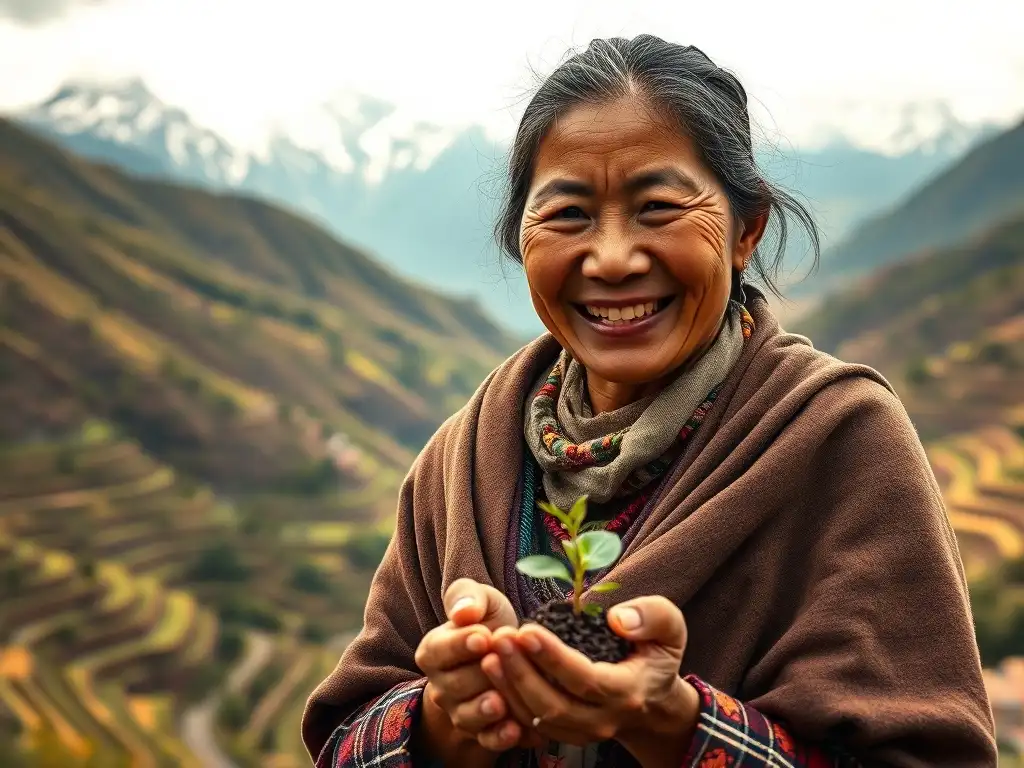
This section focuses on practical steps you can take to ensure your Andean adventure leaves a positive and lasting legacy for the communities you visit. Responsible travel isn't just about minimizing harm; it's about actively contributing to the well-being of the Andean people and their environment. This means engaging respectfully, supporting local initiatives, and promoting ethical Andean community tourism practices. Let's explore how you can make a real difference.
Engaging Respectfully with Andean Culture
Respectful engagement is paramount for successful and ethical Andean community tourism. It's about acknowledging the rich cultural heritage of the Andes and demonstrating sensitivity to local customs and beliefs. This extends beyond simple politeness; it's about genuine understanding and appreciation.
Learning Basic Quechua or Aymara Phrases
Learning a few basic phrases in Quechua or Aymara, the primary languages of many Andean communities, can significantly enhance your interactions. Even simple greetings like "Sumaj kawsay" (Quechua for "good life") or "Kusisimi" (Quechua for "I'm happy") demonstrate respect and a willingness to connect. This effort shows you value their language and culture, fostering a more meaningful exchange. Consider using language learning apps or seeking out local language classes before your trip. This small gesture can make a big difference in building rapport and trust.
Understanding Local Customs and Traditions
Understanding local customs and traditions is crucial for navigating Andean communities with sensitivity. For example, some communities have specific protocols around entering homes or interacting with elders. Researching these customs beforehand will show your respect and prevent unintentional offense. Observing how locals interact with each other can also be a valuable learning experience. Remember, cultural immersion is a two-way street; be open to learning and adapting your behavior accordingly. This mindful approach transforms your experience from simple tourism into a respectful cultural exchange.
Seeking Permission Before Taking Photos or Videos
Before taking photos or videos of people, always ask for their permission. This is a fundamental aspect of respectful engagement. Some communities may have reservations about having their images taken, and respecting their wishes is essential for ethical Andean community tourism. Remember, they are not simply subjects for your photographs; they are individuals with their own dignity and rights. If permission is granted, consider offering a small gift or compensation as a token of appreciation. This demonstrates respect and acknowledges their contribution to your experience.
Supporting Andean Community Development Projects
Your visit to the Andes offers an opportunity to contribute directly to the development of the communities you encounter. Many projects focus on sustainable tourism, education, healthcare, and environmental preservation. Supporting these initiatives makes your trip not just a personal journey, but a catalyst for positive change.
Donating to Community Funds or Initiatives
Many Andean communities have established funds or initiatives dedicated to specific development projects. Donating to these funds can provide vital resources for education, healthcare, infrastructure, or other crucial needs. Ensure the organization you are donating to is reputable and transparent, and that your contribution will directly benefit the community. Researching organizations beforehand is crucial to ensure your donation has the desired impact. Small contributions, when combined, can make a significant difference.
Volunteering Your Skills and Time (When Appropriate)
If you possess skills relevant to community development – such as teaching English, providing medical assistance (with appropriate qualifications), or assisting with construction projects – volunteering your time and expertise can be incredibly valuable. However, it's crucial to approach volunteering with careful consideration. Ensure your skills are genuinely needed and that you’re not inadvertently disrupting existing community structures or taking jobs away from local people. Collaborate with established organizations to ensure your efforts align with community needs and avoid causing unintended harm.
Promoting Ethical Andean Tourism Practices
After your trip, continue to support ethical Andean tourism practices by sharing your positive experiences and encouraging others to travel responsibly. This includes recommending ethical tour operators, sharing information about community-based tourism initiatives, and advocating for sustainable tourism practices. Word-of-mouth recommendations and online reviews can have a powerful influence on other travelers. By actively promoting responsible tourism, you contribute to the long-term well-being of Andean communities and the preservation of their unique cultural heritage. Your voice can be a powerful tool for positive change within the broader context of Andean community tourism.
Sustaining the Cycle of Reciprocity: Long-Term Engagement
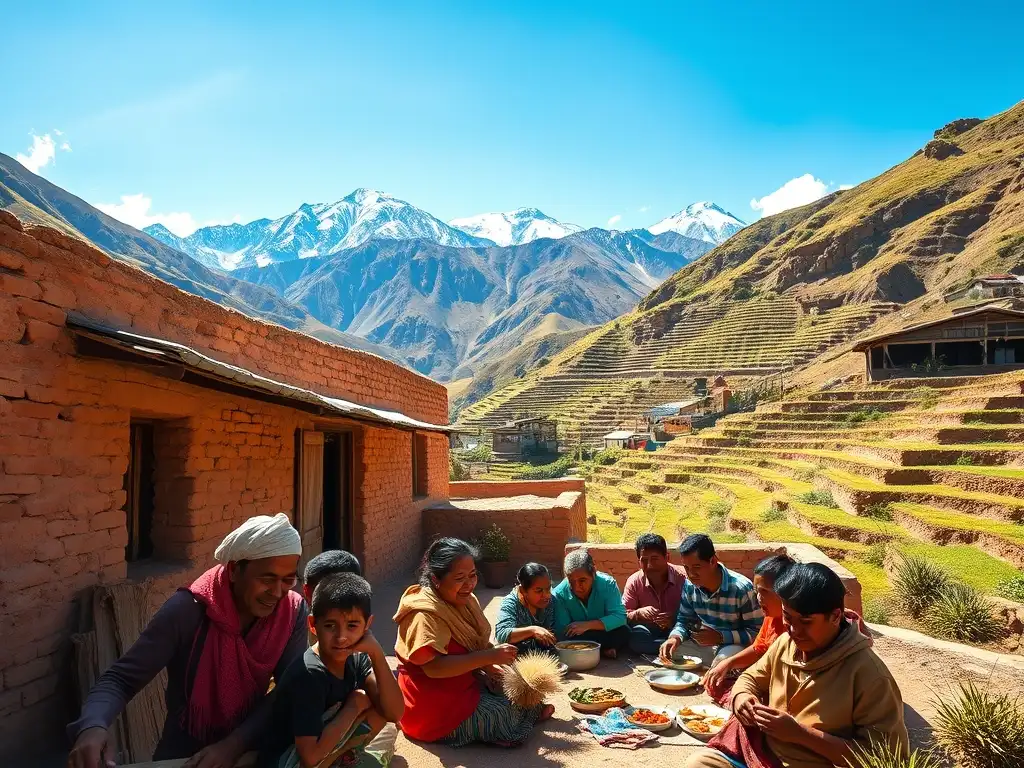
This section explores how to maintain a meaningful connection with Andean communities beyond your initial visit, fostering a sustainable and reciprocal relationship crucial for Andean community tourism. It's about moving beyond the fleeting experience of tourism to become a genuine participant in the ongoing well-being of these communities. This long-term engagement is not just ethically sound; it enriches the travel experience itself, transforming it from a passive observation into an active contribution.
Staying Connected with the Andean Communities You've Visited
Maintaining contact after your trip is vital for sustaining the cycle of reciprocity. This doesn't require constant communication, but rather thoughtful and periodic engagement. Consider sending a handwritten letter or postcard expressing your gratitude for the hospitality received. Sharing photos (with permission, of course!)
from your trip can also be a lovely way to reconnect and show appreciation. Many communities have social media pages; following them and engaging with their posts is a simple yet effective way to stay updated on their activities and needs. Remember that respect for their time and privacy is paramount. Don't bombard them with requests; rather, offer genuine engagement and support when appropriate.
Continuing to Support Local Businesses and Artisans Online
The digital age provides unique opportunities to support Andean artisans and businesses long after your trip. Many communities sell their goods online through platforms like Etsy or their own websites. Purchasing handcrafted textiles, ceramics, or other unique items directly from the artisans not only provides them with income but also keeps traditional skills alive. This continued support strengthens the local economy and directly contributes to the sustainability of Andean community tourism.
Look for businesses actively promoting ethical and sustainable practices. Their commitment to fair trade and environmental responsibility reinforces the positive impact of your purchases. Consider leaving positive reviews on online platforms to help spread the word about these businesses and their commitment to quality and ethical practices.
Becoming an Advocate for Sustainable Andean Community Tourism
Beyond direct support, you can become a powerful advocate for sustainable Andean community tourism. Share your positive experiences with friends, family, and online communities. Encourage others to travel responsibly and choose ethical tour operators who prioritize the well-being of local communities. Word-of-mouth recommendations are incredibly influential, and your personal testimony can inspire others to engage in reciprocal travel. You can also actively engage in online discussions and forums related to sustainable tourism, sharing your insights and promoting best practices. This active advocacy contributes to the growth of responsible tourism, ensuring the long-term preservation of Andean culture and heritage.
The Enduring Benefits of Reciprocal Travel in the Andes
Reciprocal travel in the Andes offers numerous benefits that extend far beyond the immediate travel experience. It's a transformative journey that enriches both the traveler and the community. This approach fosters deep connections, cultivates cultural understanding, and contributes to the preservation of Andean heritage.
Creating Positive Change Through Conscious Travel
Choosing to engage in reciprocal travel means actively seeking out opportunities to make a positive impact. This might involve volunteering your time to community projects, supporting local initiatives, or simply being a mindful and respectful visitor. By choosing to support businesses that prioritize fair wages and environmental sustainability, travelers directly contribute to the economic and social well-being of the communities they visit.
This conscious approach to travel moves beyond mere sightseeing, transforming the experience into a journey of mutual benefit and positive change. The ripple effect of this conscious travel extends far beyond the immediate community, influencing the broader tourism landscape and promoting more sustainable practices.
Fostering Cultural Understanding and Respect
Reciprocal travel fosters a deeper understanding and appreciation of Andean culture. Engaging with local communities firsthand, learning their customs, and sharing experiences creates a powerful bond of mutual respect. This understanding moves beyond superficial observations, allowing for a richer and more meaningful connection with the culture and the people. It challenges preconceived notions and promotes empathy, leading to a more nuanced and appreciative perspective on Andean heritage. This respectful engagement contributes to the preservation of cultural traditions and identities for generations to come.
Contributing to the Preservation of Andean Heritage
By supporting sustainable tourism practices, travelers play a crucial role in preserving the rich Andean heritage. This includes the protection of natural environments, the preservation of cultural traditions, and the empowerment of local communities. Responsible tourism ensures that the legacy of Andean civilizations is not only appreciated but also actively preserved for future generations.
This commitment to preservation contributes to the long-term sustainability of Andean community tourism, ensuring that the unique cultural and natural treasures of the Andes remain accessible and vibrant for years to come. This active participation in the preservation of Andean heritage is a testament to the profound and lasting impact of reciprocal travel.
Frequently Asked Questions
What is Andean Community Tourism?
Andean Community Tourism focuses on sustainable and ethical travel that directly benefits the local communities. It prioritizes interaction with locals, preserving their culture, and supporting their livelihoods. This contrasts with mass tourism which can be detrimental.
How does Andean Community Tourism support local communities?
It does so by directly injecting money into the local economy. Tourists engage in activities like homestays, guided tours by local people, and purchase local handicrafts, supporting local businesses and preserving traditional skills.
What are some examples of Andean Community Tourism activities?
Activities include staying in locally-owned homestays, participating in community-based workshops (e.g., weaving, pottery), hiring local guides for treks, and visiting community-run museums or cultural centers. Supporting local artisans is also key.
Why is reciprocity important in Andean Community Tourism?
Reciprocity is crucial because it fosters a mutually beneficial relationship between visitors and the communities. Tourists gain authentic cultural experiences, while communities receive economic support and have their culture respected and celebrated. It's a relationship of exchange and respect.
How can I find Andean Community Tourism opportunities?
Look for tour operators and organizations specifically promoting community-based tourism in the Andes. Research local communities and their initiatives. Seek out authentic experiences that prioritize cultural exchange and sustainability over profit maximization.
Final Reflection: The Enduring Legacy of Reciprocal Andean Tourism
The principles of reciprocal tourism, far from being a niche concept, are increasingly crucial for sustainable and ethical travel in the 21st century. Ignoring the needs and rights of the communities we visit for the sake of fleeting experiences is not only morally questionable but ultimately unsustainable. The future of travel hinges on a fundamental shift towards genuine exchange and mutual benefit.
The impact of tourism on Andean communities is a complex tapestry woven with threads of both opportunity and exploitation. The influx of visitors can bring economic benefits, but it also carries the risk of cultural commodification and environmental degradation. Finding the balance requires a conscious effort from both travelers and tourism operators to prioritize respect and reciprocity. Travel is fatal to prejudice, bigotry, and narrow-mindedness,
wrote Mark Twain, and this holds especially true when engaging with cultures vastly different from our own. We must strive to embody this sentiment, actively seeking to understand and appreciate the Andean way of life rather than simply consuming it.
You, the reader, now hold the power to shape the future of Andean community tourism. Consider the impact of your travel choices. Seek out operators committed to fair wages, environmental protection, and genuine cultural exchange. Engage respectfully with the communities you visit, learning from their traditions and contributing positively to their well-being. Let this journey of reciprocity not end with the closing of this article, but rather serve as a catalyst for a more conscious and meaningful approach to travel, enriching both your life and the lives of the communities you encounter.
Embrace the Spirit of Reciprocity: Take Action Today!
Thank you for joining us on this enlightening journey into the heart of Andean communities! Your interest in supporting these communities enriches both their lives and your travel experience. Let's turn that inspiration into action!
Here are some ways you can make a meaningful impact:
- **Volunteer** your time with a local organization during your next trip to the Andes. You'll create lasting positive change in the communities you visit.
- Share your experiences! Write a blog post, share photos on social media, or tell your friends about your trip to inspire others to travel responsibly and engage with the local culture.
- Consider making a donation to a community-driven project that supports education, healthcare, or sustainable practices in the Andes.
How will your interactions with the Andean communities enrich your life, and how will you inspire others to give back?