
From Pottery to Textiles: A Collector's Guide to Diverse Andean Art Forms

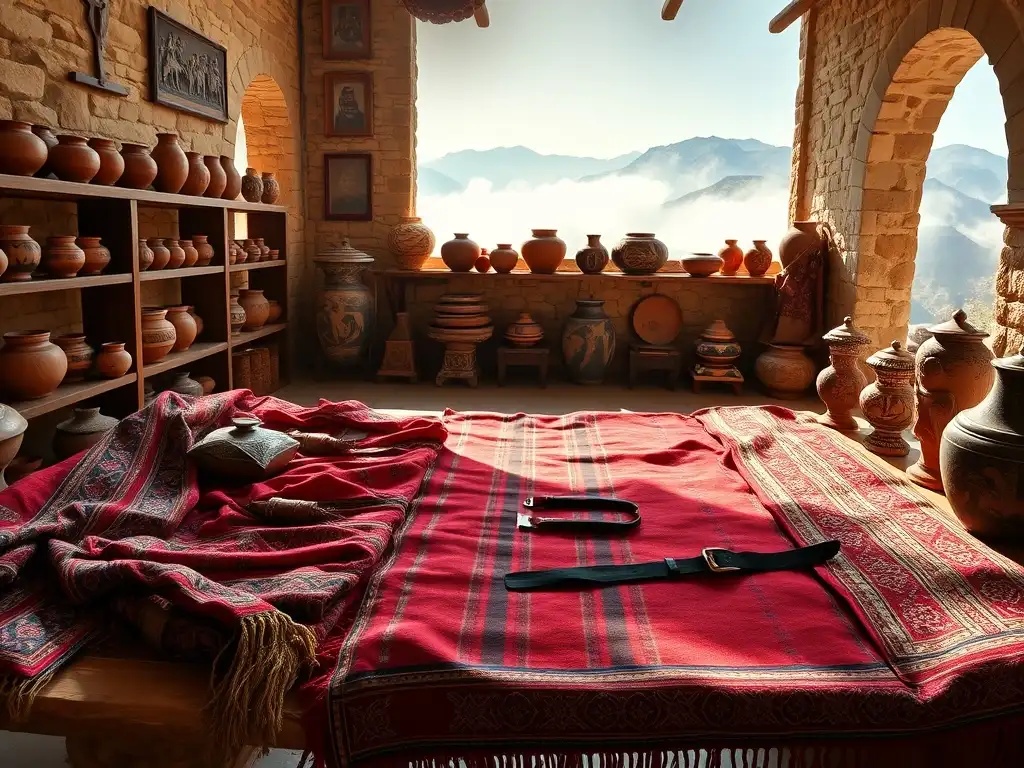
Step into a world lost in time, yet vividly alive in its legacy. Imagine unlocking the secrets of Andean art forms, from the intricate pottery of the Moche to the awe-inspiring textiles of the Inca. This isn't just history; it's a journey into a vibrant tapestry of cultures. Our Andean art forms collector's guide offers an exclusive glimpse into this captivating world—are you ready to discover its hidden treasures?
Collecting Andean art offers a fascinating journey through millennia of human creativity and ingenuity. This guide serves as a comprehensive resource for enthusiasts seeking to build a collection of authentic Andean artifacts, encompassing diverse art forms from various pre-Columbian cultures. We'll explore the key characteristics of different artistic styles, providing insights into identifying genuine pieces and understanding their historical and cultural significance.
This is not just about acquiring beautiful objects; it's about connecting with a rich tapestry of human history and appreciating the remarkable artistry of the Andean civilizations. This collector's guide will assist you in navigating the world of Andean art, helping you make informed decisions and build a collection that reflects both your passion and the profound heritage of the Andes. We'll delve into the intricacies of pottery, textiles, metalwork, and more, equipping you with the knowledge to become a discerning collector of these remarkable treasures.
Introduction to Collecting Authentic Andean Art & Artifacts
Embarking on the journey of collecting Andean art requires careful consideration and a foundational understanding of the field. The sheer diversity of styles across different Andean cultures – from the intricate pottery of the Moche to the sophisticated textiles of the Inca – presents both exciting possibilities and potential challenges. Authenticity is paramount. The market for Andean artifacts can unfortunately be plagued by forgeries and misattributions, making careful research and due diligence crucial. Before acquiring any piece, it’s essential to:
- Research the specific culture and time period: Understanding the stylistic conventions of a particular culture (e.g., Moche, Nazca, Inca) is crucial for identifying genuine artifacts. Look for characteristic motifs, techniques, and materials.
- Examine the craftsmanship: Authentic Andean artifacts often display exceptional craftsmanship, reflecting the skill and dedication of the artisans. Look for fine details, consistent execution, and the use of traditional techniques.
- Seek expert opinion: When in doubt, consult with reputable experts or museums specializing in Andean art. They can provide valuable insights into the authenticity and provenance of a piece.
- Document your acquisitions: Maintain detailed records of your acquisitions, including provenance information (where and when it was acquired), photographs, and any expert opinions obtained. This is crucial for insurance and future research.
The thrill of collecting lies not only in acquiring beautiful objects but also in uncovering their stories. Each piece holds a unique narrative, connecting you to the rich history and cultural traditions of the Andean civilizations. Remember, responsible collecting involves respecting the cultural heritage and avoiding the acquisition of artifacts obtained through illicit means.
Understanding the Rich Heritage of Andean Art
Andean art is not merely decorative; it is deeply intertwined with the spiritual, social, and political life of the Andean peoples. The artistry reflects their profound connection to the environment, their sophisticated understanding of astronomy, and their complex social structures. Different Andean cultures developed distinct artistic styles, each with its own unique characteristics:
- Pottery: From the highly realistic portrait vessels of the Moche to the geometric designs of Nazca pottery, the diversity in Andean pottery is astonishing. Collectors should pay attention to the type of clay used, the firing techniques, and the painted or sculpted decorations. The presence of specific motifs, like feline imagery in Moche pottery, can help date and identify the origin of a piece.
- Textiles: Andean textiles are renowned for their intricate weaving techniques and vibrant colors. The Inca, for instance, produced exquisite textiles using sophisticated techniques like tapestry weaving and supplementary weft. The use of natural dyes and the incorporation of symbolic motifs add further layers of cultural significance to these artifacts. Analyzing the type of fibers (e.g., alpaca, llama, cotton), the weaving techniques, and the color palette can help determine the age and origin of a textile.
- Metalwork: Andean metalworkers were masters of their craft, skillfully working with gold, silver, copper, and bronze. The techniques employed, such as hammering, casting, and soldering, varied across different cultures and time periods. The use of precious metals often indicates the elite status of the individuals or ceremonies for which the objects were created. Identifying the metal alloy and the techniques used are crucial for authenticating and dating metalwork.
Understanding the historical context and cultural significance of each artifact enriches the collecting experience. By carefully studying the different art forms and their associated cultures, collectors can build a collection that is not only aesthetically pleasing but also deeply meaningful and informative. The journey of collecting Andean art is a continuous process of learning and appreciation, revealing the incredible artistry and ingenuity of past Andean civilizations.
- Introduction to Collecting Authentic Andean Art & Artifacts
- Understanding the Rich Heritage of Andean Art
- Identifying Authentic Pre-Columbian Pottery: A Beginner's Guide
- Key Characteristics of Moche Pottery: Shapes, Motifs, and Materials
- Exploring Nazca Ceramics: Intricate Designs and Color Palettes
- Tiahuanaco Pottery: Geometric Patterns and Monumental Forms
- Where to Find Reputable Dealers for Andean Ceramics
- The Significance of Andean Textiles: More Than Just Fabric
- Identifying Genuine Andean Weavings: Techniques and Materials
- Exploring Inca Textile Art: Advanced Weaving and Symbolic Imagery
- The Art of Backstrap Weaving: A Traditional Andean Technique
- Understanding Textile Conservation: Preserving Your Andean Treasures
- Recommended Books and Resources for Andean Textile Collectors
- Researching the Market: Understanding Pricing and Value
- Authenticating Andean Artifacts: Recognizing Fakes and Replicas
- Safe Storage and Display: Protecting Your Andean Art Investment
- The Importance of Ethical Collecting: Supporting Sustainable Practices
- Finding Reputable Auction Houses and Galleries
Decoding Andean Pottery: A Collector's Deep Dive
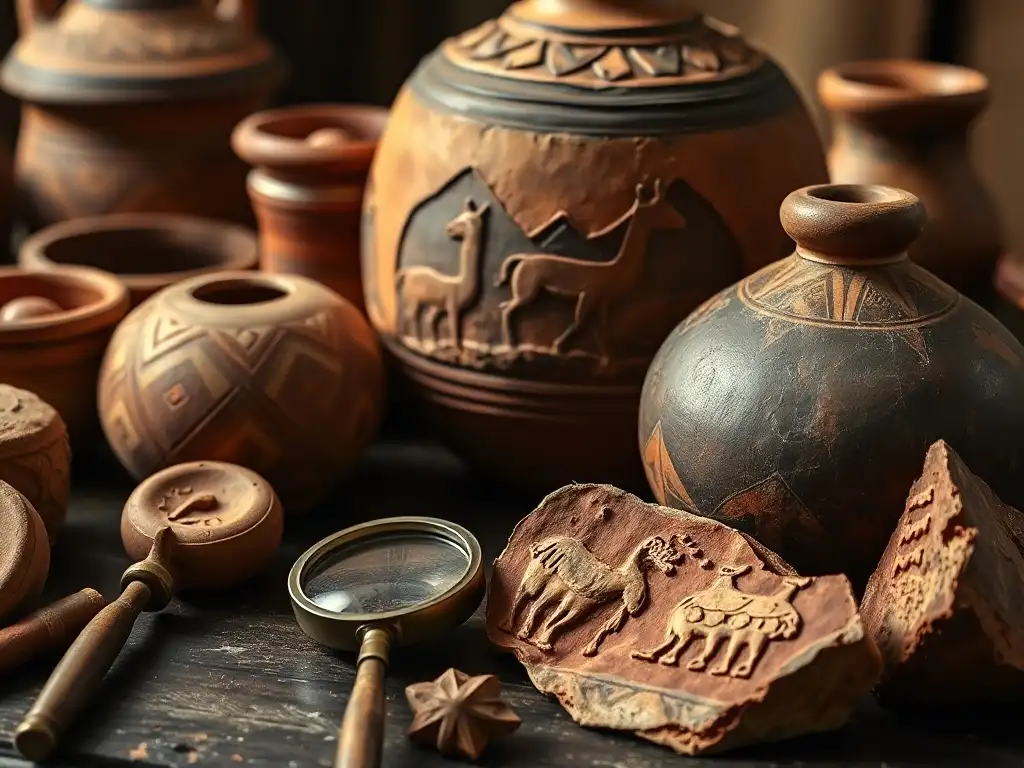
This section delves into the fascinating world of Andean pottery, offering insights crucial for discerning collectors navigating the complexities of this ancient art form. Understanding the nuances of Andean ceramics is paramount to building an authentic and valuable collection. The sheer diversity across different Andean cultures—from the intricate designs of Nazca pottery to the vibrant depictions of Moche life—requires a nuanced understanding to appreciate and correctly identify genuine pieces.
This guide will equip you with the knowledge to confidently navigate the market and build a collection you can be proud of. Authenticity is key, and sadly, the market for Andean artifacts is not without its forgeries. Therefore, careful observation and research are essential.
Identifying Authentic Pre-Columbian Pottery: A Beginner's Guide
For the budding Andean art forms collector, distinguishing genuine pre-Columbian pottery from modern reproductions or fakes is a crucial first step. Several telltale signs can help you identify authentic pieces. Firstly, consider the clay itself. Authentic pre-Columbian pottery often exhibits a unique texture and color resulting from the specific clay sources and firing techniques used. Modern reproductions may lack this natural variation and often possess a smoother, more uniform finish.
Secondly, examine the firing process. Traditional Andean pottery shows signs of uneven firing, resulting in variations in color and texture. Look for imperfections; perfectly uniform pieces are often a red flag. Thirdly, analyze the surface decoration. Authentic pieces frequently exhibit subtle variations in paint application, indicative of the handmade nature of the process.
Modern reproductions often have a more precise and consistent application. Finally, research the stylistic characteristics of different Andean cultures. Familiarize yourself with the typical shapes, motifs, and decorative styles associated with specific cultures (like Moche, Nazca, or Tiahuanaco) to better identify pieces. This knowledge will significantly enhance your ability to spot inconsistencies and potential forgeries. Remember, seeking expert opinions from reputable appraisers or archaeologists is always recommended, especially for high-value pieces.
Key Characteristics of Moche Pottery: Shapes, Motifs, and Materials
Moche pottery, produced by the Moche civilization (circa 100-800 CE) along the northern coast of Peru, is renowned for its exceptional artistry and realistic depictions of human figures, animals, and mythological scenes. Collectors prize Moche ceramics for their vibrant colors, intricate details, and the unique insight they offer into the daily life and beliefs of this fascinating culture. Common shapes include stirrup-spouted vessels, often used for ceremonial purposes, and various types of bowls and jars. The motifs frequently depict scenes of warfare, hunting, religious rituals, and everyday activities.
The use of vivid colors, particularly reds, yellows, blacks, and whites, is a hallmark of Moche pottery. The materials used were primarily clay, often mixed with additives to improve strength and durability. The artisans employed a sophisticated slip-and-paint technique, applying multiple layers of paint to achieve depth and richness of color.
The remarkable level of detail in Moche pottery, from the textures of clothing to the expressions on human faces, is a testament to the skill and artistry of the Moche potters. Identifying genuine Moche pottery requires a keen eye for detail and a good understanding of the stylistic conventions of the culture. Look for the characteristic slip-and-paint technique, the distinctive shapes, and the often dynamic and expressive imagery.
Exploring Nazca Ceramics: Intricate Designs and Color Palettes
Nazca pottery (circa 100 BCE – 600 CE), originating from the Nazca culture in southern Peru, is characterized by its intricate designs and vibrant color palettes. Unlike the realistic depictions of the Moche, Nazca pottery is celebrated for its highly stylized and geometric patterns, often featuring mythical creatures, plant motifs, and complex lines. These designs are frequently rendered in a wide range of colors, including reds, browns, yellows, whites, and blacks. A defining feature of Nazca ceramics is the use of a distinctive negative painting technique, where the design is created by removing paint rather than applying it.
This technique, combined with the meticulous precision of the artisans, produces stunning visual effects. The most common shapes include bowls, jars, and vessels with narrow necks and wide bodies. Many pieces were likely used in ceremonial contexts or as grave goods, reflecting the importance of pottery in Nazca culture and belief systems.
The sophisticated artistry and complex designs of Nazca pottery make it highly sought after by collectors. Authenticity is crucial, as reproductions often lack the subtle nuances of the original techniques and the unique color combinations found in genuine Nazca pieces. Pay close attention to the paint application, the precision of the geometric designs, and the overall vibrancy of the colors to ensure you are acquiring an authentic piece of this remarkable Andean art form.
Tiahuanaco Pottery: Geometric Patterns and Monumental Forms
Tiahuanaco pottery, originating from the eponymous city in present-day Bolivia, stands out for its distinctive geometric patterns and monumental forms. Unlike the more figurative styles of other Andean cultures, Tiahuanaco ceramics emphasize abstract designs. Think bold, intricate geometric motifs—stripes, zigzags, stepped patterns, and complex interlocking designs—often painted in contrasting colors like red, black, and white on a cream-colored base. These designs weren't merely decorative; they likely held symbolic meaning within their cosmology and religious beliefs. Scholars continue to decipher the meaning behind these intricate patterns, suggesting connections to celestial events, agricultural cycles, or social structures.
The scale of some Tiahuanaco pottery is also impressive. While many pieces are of a manageable size for collectors, certain ceremonial vessels were created on a grand scale, reflecting the power and prestige of the Tiahuanaco culture. These larger pieces often featured elaborate surface treatments, including incised designs and polished finishes, adding to their visual impact.
The clay itself, often a reddish-brown hue, contributes to the overall aesthetic. The use of specific clays and firing techniques helped create durable and visually striking pieces that have survived for centuries. Analyzing the clay composition and firing methods can help authenticate a piece and determine its origin within the Tiahuanaco region.
Furthermore, the presence of specific pigments and the techniques used to apply them are crucial elements in assessing authenticity and identifying stylistic variations within the Tiahuanaco pottery tradition. The study of Tiahuanaco pottery requires a nuanced understanding of its stylistic evolution and the technological advancements that shaped its production.
Where to Find Reputable Dealers for Andean Ceramics
Acquiring authentic Andean ceramics requires careful consideration of the source. The market for ancient artifacts is unfortunately susceptible to forgery and unethical practices. Therefore, establishing trust with reputable dealers is paramount for any serious collector of Andean art forms. Several avenues can be explored to locate reliable sources.
Firstly, museums and academic institutions can serve as valuable resources. Many museums specializing in Andean art often have associated shops or provide information on reputable dealers they work with. Furthermore, contacting museum curators or archaeologists specializing in Andean cultures can yield valuable insights and recommendations. Their expertise can help you navigate the complexities of the art market and avoid potential pitfalls.
Secondly, established art galleries specializing in pre-Columbian art are another reliable option. These galleries often have a long-standing reputation and a rigorous authentication process. They may hold certificates of authenticity or provide provenance documentation—a detailed history of the artifact’s ownership—to verify the item’s legitimacy. However, it's crucial to confirm the gallery's reputation by conducting thorough research and reviewing customer testimonials.
Thirdly, reputable auction houses that specialize in ancient art can also offer opportunities to acquire authentic Andean ceramics. These auction houses typically employ experts who assess the authenticity of the pieces before they are offered for sale. However, participation in auctions requires a level of expertise and understanding of the bidding process.
It's advisable to attend a few auctions as an observer before participating actively. The price points in auction houses tend to be higher, reflecting the higher level of verification and the competitive bidding environment. Always request comprehensive provenance information before placing a bid.
Finally, joining societies or organizations focused on Andean art and archaeology can provide access to a network of collectors, experts, and trusted dealers. These communities offer opportunities to learn, network, and gain valuable insights into the market, thereby reducing the risk of acquiring counterfeit pieces. Careful research and due diligence are crucial steps in building a responsible and authentic collection of Andean ceramics.
Unveiling the Beauty of Andean Textiles: A Collector's Journey
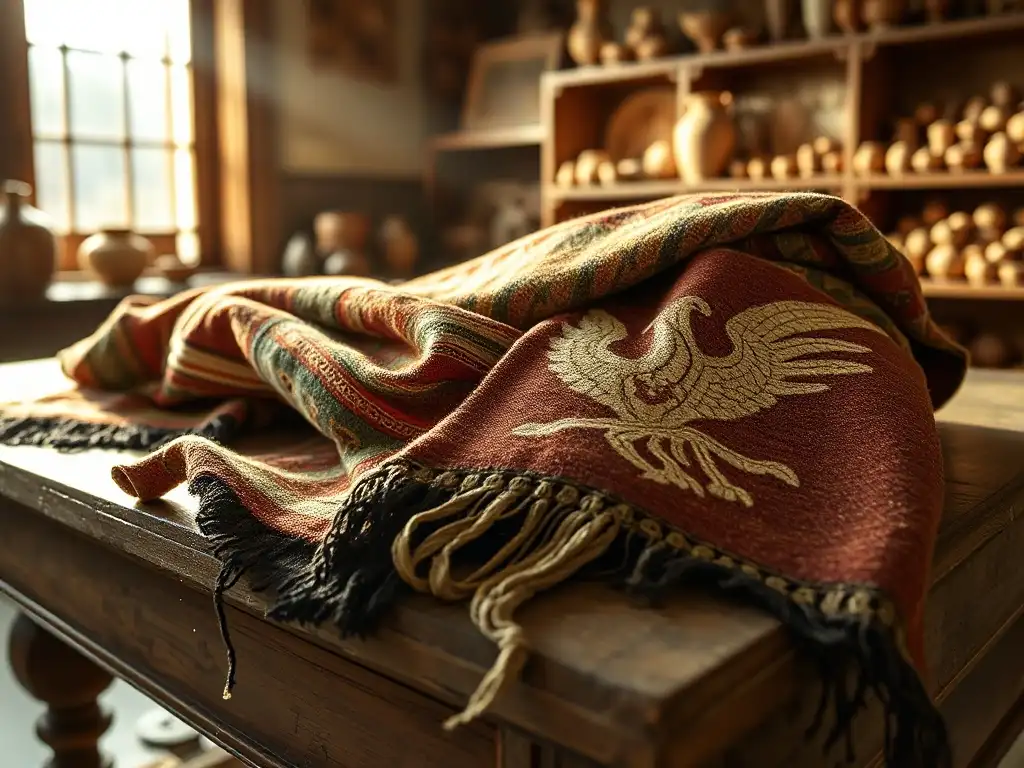
Andean textiles represent a pinnacle of artistic achievement and cultural expression. For a collector, understanding their significance, authenticity, and stylistic variations is crucial. This section delves into the world of Andean textiles, offering insights for discerning collectors seeking to build a truly remarkable collection. The diversity of techniques, materials, and symbolic representations makes each piece a unique window into the rich history and beliefs of ancient Andean cultures. Collecting these textiles is not merely acquiring artifacts; it's preserving a legacy and engaging with a profound artistic tradition.
The Significance of Andean Textiles: More Than Just Fabric
Andean textiles were far more than mere clothing or household items. They served as powerful symbols of status, social identity, and religious beliefs. The intricate designs woven into the fabric often depicted mythological figures, celestial events, and agricultural cycles, reflecting the deep connection between the Andean people and their environment. The vibrant colors, derived from natural dyes like cochineal (producing crimson), indigo (yielding blues), and various plant extracts, were not only aesthetically pleasing but also held symbolic meaning, often associated with specific deities or rituals.
Consider, for example, the intricate designs found on uncus (a type of mantle) from the Paracas culture, which frequently feature stylized feline figures, possibly representing powerful deities or shamanistic figures. The meticulous craftsmanship and symbolic weight elevate these textiles far beyond mere utilitarian objects, making them highly desirable for collectors. The rarity of well-preserved examples further increases their value and collector appeal.
Identifying Genuine Andean Weavings: Techniques and Materials
Authenticating Andean textiles requires a keen eye and a solid understanding of weaving techniques and materials. Several key indicators can help distinguish genuine pieces from modern reproductions. For instance, the use of natural dyes, often showing subtle variations in shade and exhibiting some fading over time, is a primary characteristic. Modern reproductions often utilize synthetic dyes which retain their vibrancy for extended periods.
The type of fiber used is another critical factor. Llama, alpaca, vicuña, and cotton were commonly used, each with unique properties that affect the textile's texture and feel. Examine the weave structure closely: ancient Andean weavers employed various techniques like tapestry weaving, brocade, and embroidery, each with distinct characteristics.
A detailed examination of the construction, including the type of knots, the evenness of the weave, and the presence of any repairs or alterations, can also reveal valuable information about the textile's age and authenticity. A good collector will meticulously document these features, enhancing the value of their collection. Furthermore, seeking expert opinions from textile conservators or archaeologists is always advisable when dealing with potentially high-value pieces.
Exploring Inca Textile Art: Advanced Weaving and Symbolic Imagery
Inca textile art represents the culmination of centuries of Andean weaving traditions. The Incas mastered advanced techniques, producing textiles of exceptional quality and intricacy. Their mastery of color and design is evident in the use of complex patterns, often incorporating geometric designs, stylized animals, and representations of Inca deities. The chumpi (a type of woven belt) is a prime example of Inca textile artistry, featuring intricate designs and often serving as a symbol of power and authority.
The use of specific colors and motifs held symbolic significance within the Inca worldview. For example, the color purple, obtained from a rare snail species, was reserved for the Inca elite, reflecting their divine status. Understanding the symbolic language of Inca textiles adds another layer of appreciation for collectors.
The preservation of these textiles, often found in carefully wrapped bundles within tombs, provides invaluable insights into the cultural practices and beliefs of the Inca empire. The study of these textiles continues to reveal new information about the complexity and sophistication of Inca society, enhancing their value and prestige within the collector's market. The meticulous attention to detail and the enduring beauty of Inca textiles make them a prized possession for any serious collector of Andean art forms.
The Art of Backstrap Weaving: A Traditional Andean Technique
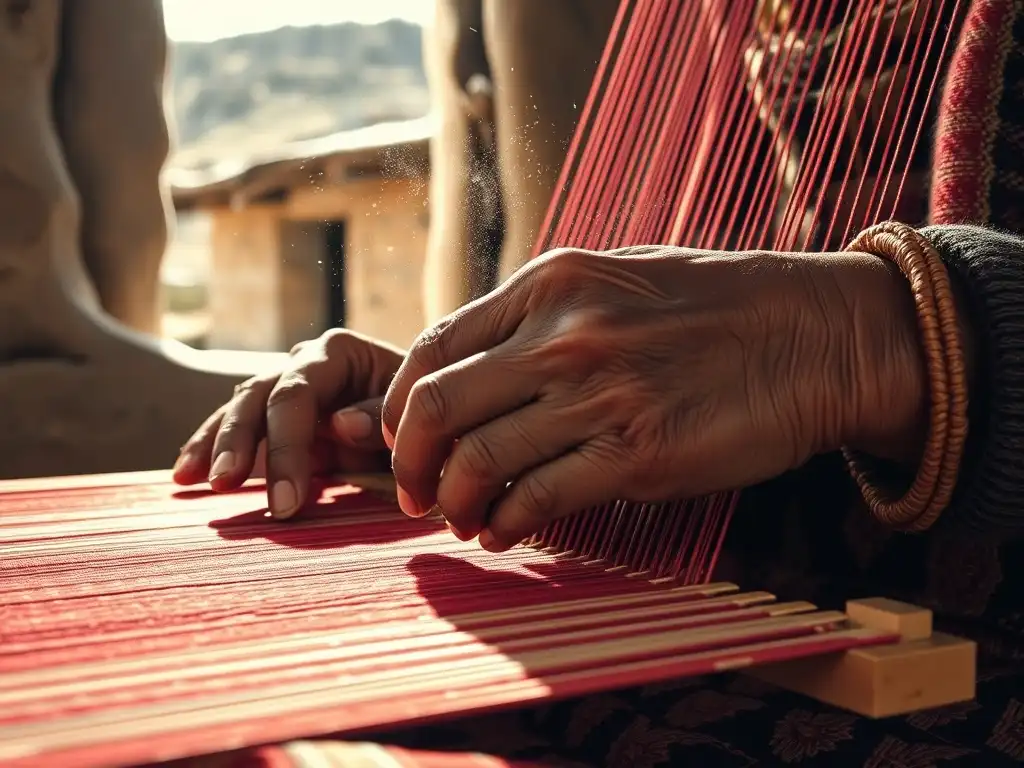
Backstrap weaving is a fundamental technique in Andean textile production, dating back millennia. This ancient method, still practiced today by many communities, involves using a loom consisting of a warp (longitudinal threads) stretched between a backstrap and a post or a weight. The weaver sits and uses their body to control the tension of the warp, creating intricate patterns and designs. The backstrap loom's portability allowed for weaving in diverse locations, contributing to the incredible variety of Andean textiles.
Mastering this technique requires years of practice and a deep understanding of the materials, from the selection of high-quality fibers like alpaca or llama wool to the dyeing processes using natural pigments. The resulting textiles often display exceptional craftsmanship, with complex geometric designs, vibrant colors, and a unique texture that reflects the skill and artistry of the weaver. Each piece tells a story, reflecting not only the weaver's skill but also their cultural heritage and the natural environment that provided the raw materials.
The subtle variations in technique and design across different Andean communities make backstrap woven textiles highly sought after by collectors. Authenticity can be established through careful examination of the weaving technique, the use of traditional dyes, and the presence of stylistic elements specific to a particular region or community. Collectors should look for pieces that showcase the unique characteristics of the backstrap weaving tradition, appreciating the historical and cultural significance embedded within each textile.
Understanding Textile Conservation: Preserving Your Andean Treasures
Preserving the integrity of your Andean textile collection is paramount. These delicate artifacts, often made from natural fibers susceptible to damage, require careful handling and storage to ensure their longevity. Environmental factors like light, temperature, and humidity significantly impact textile preservation. Direct sunlight, for example, can cause fading and weakening of the fibers. Fluctuations in temperature and humidity can lead to warping and deterioration.
Therefore, storing your textiles in a climate-controlled environment, ideally with consistent temperature and humidity levels, is crucial. Proper storage also includes using acid-free archival materials like boxes and tissue paper to prevent damage from acidic materials. Avoid using plastic bags, which can trap moisture and promote mold growth. Regular inspection for signs of damage, such as insect infestation, mold, or fiber degradation, is essential. Professional conservation services can offer expertise in cleaning, repairing, and stabilizing damaged textiles.
These services are particularly valuable for older or more fragile pieces. When handling your textiles, always wear clean cotton gloves to avoid transferring oils and dirt from your hands. Avoid excessive handling and never attempt to clean or repair a textile yourself unless you have the necessary expertise. Proper conservation ensures that these exquisite pieces of Andean heritage can be enjoyed and appreciated for generations to come. Remember, prevention is key; careful handling and storage are your best defenses against damage.
Recommended Books and Resources for Andean Textile Collectors
For serious collectors of Andean textiles, access to reliable information is crucial. Several excellent books delve into the history, techniques, and cultural significance of Andean textiles, providing valuable insights for collectors seeking to expand their knowledge and refine their collecting practices. Many academic journals and museum publications offer specialized research on specific Andean textile traditions, providing detailed analysis of weaving techniques, iconography, and regional variations. Online resources, including museum websites and digital archives, offer access to extensive collections of images and information on Andean textiles.
These resources often include detailed descriptions of individual pieces, allowing for a deeper understanding of their historical context and artistic significance. Furthermore, reputable dealers and auction houses specializing in Andean art can provide valuable expertise and access to authenticated pieces. Networking with other collectors and experts can also be beneficial, creating a supportive community and providing opportunities for knowledge sharing and collaboration.
Remember to always verify the authenticity of any piece you are considering purchasing, consulting with experts when necessary. Building a comprehensive collection of Andean textiles requires dedication, research, and a genuine appreciation for the rich cultural heritage embodied in these exquisite artifacts. By utilizing these resources and developing a keen eye for detail, collectors can build a collection that is both aesthetically pleasing and historically significant.
Beyond Pottery and Textiles: Other Andean Art Forms to Consider
This section delves deeper into the fascinating world of Andean art, moving beyond the commonly known pottery and textiles to explore other captivating art forms that offer unique insights into the ingenuity and artistry of these ancient cultures. Collectors seeking a truly comprehensive collection should broaden their horizons to include the exquisite metalwork, intricate featherwork, and impressive stone carvings that represent a significant portion of Andean artistic heritage. Understanding these diverse expressions will enhance appreciation for the complexity and sophistication of Andean civilizations. This Andean art forms collector's guide will help you navigate these less-explored, yet equally rewarding, areas.
Exploring Metalwork: Gold, Silver, and Copper in Andean Art
Andean metalworking represents a pinnacle of pre-Columbian artistry. The mastery of techniques like hammering, casting, and alloying, allowed artisans to create stunning objects of both practical and ceremonial use. Gold, silver, and copper were not merely decorative; they held profound symbolic meaning, reflecting cosmological beliefs and social status.
The use of gold, in particular, was prevalent across various Andean cultures. The Moche, for instance, crafted elaborate gold ornaments, often depicting deities and mythical creatures. These intricate pieces, often found in tombs, provide valuable information about their religious practices and worldview. The precision and detail involved in the creation of these delicate pieces showcase the high level of skill possessed by Andean goldsmiths.
Silver, while less abundant than gold, was also highly valued. Inca silverwork is particularly renowned for its sophisticated techniques and the use of intricate designs. Silver objects, like ceremonial vessels and adornments, demonstrate the Inca's capacity for large-scale production and their ability to maintain a high level of artistic quality.
Copper, more readily available than precious metals, played a crucial role in everyday life and religious practices. Copper tools, weapons, and ornaments are frequently discovered in archaeological sites, offering insights into the daily lives and warfare strategies of various Andean societies. The patina developed on these copper objects over centuries adds to their allure and historical significance for collectors.
The study of Andean metalwork requires careful attention to detail. Authenticity is paramount, and discerning collectors must be aware of forgeries and imitations. Understanding the characteristic styles and techniques of each Andean culture is essential for making informed acquisitions. Careful examination of the metallurgical properties, design elements, and provenance is crucial for establishing the authenticity and value of any metalwork piece.
Featherwork: The Art of Adornment and Ritual Objects
Featherwork stands as a testament to the Andean peoples' deep connection with the natural world and their mastery of intricate craftsmanship. Feathers, sourced from a variety of birds, were meticulously arranged and sewn to create elaborate headdresses, capes, and other ceremonial objects. The vibrant colors and textures of the feathers served not only as aesthetic elements but also as potent symbols, signifying power, prestige, and religious significance.
The process of creating featherwork was incredibly labor-intensive. Artisans carefully selected and prepared feathers, often using specific techniques to enhance their luster and durability. The intricate designs and patterns found in featherwork demonstrate a remarkable understanding of color theory and composition. The use of different feather types and colors often conveyed specific meanings, reflecting the complex symbolism inherent in Andean culture.
Beyond their aesthetic appeal, many feather objects served essential roles in religious ceremonies and rituals. Headdresses, for instance, were worn by priests and leaders during important events, signifying their connection to the divine realm. The use of rare and exotic feathers further enhanced the power and prestige associated with these ceremonial objects.
Collectors of Andean featherwork must exercise extreme caution. The fragility of these artifacts makes their preservation a significant challenge. Finding well-preserved pieces requires careful research and a keen eye for detail. Authenticity is crucial, and collectors should seek out items with verifiable provenance. The ethical considerations surrounding the acquisition of featherwork are also paramount, as many pieces were created using feathers from endangered bird species.
Stone Carvings: From Intricate Sculptures to Architectural Details
Stone carving represents another significant artistic achievement of the Andean civilizations. From monumental sculptures to intricate architectural details, the skill and artistry displayed in stone carving are truly awe-inspiring. Various types of stone, including andesite, basalt, and diorite, were utilized, each chosen for its specific properties and suitability for the intended purpose.
The Tiahuanaco culture, for example, is renowned for its monumental stone structures and intricately carved sculptures. The Gateway of the Sun, a massive stone lintel adorned with intricate carvings, is a prime example of their impressive engineering and artistic skills. These carvings often depict deities, mythical creatures, and astronomical symbols, reflecting the complex religious and cosmological beliefs of the Tiahuanaco people.
Inca stonework is equally impressive, showcasing their mastery of precise stone cutting and fitting. The construction of Machu Picchu, with its perfectly fitted stones, stands as a testament to their engineering prowess. The intricate carvings found on Inca buildings and artifacts often depict geometric patterns, zoomorphic motifs, and other symbolic representations.
The sheer scale of some Andean stone carvings is breathtaking. Monumental sculptures, often depicting deities or important figures, served as powerful symbols of power and authority. These sculptures were strategically placed in public spaces, reinforcing the social and political order. The artistry involved in creating these large-scale works is a testament to the skill and organization of Andean societies. The conservation and preservation of these monumental works are ongoing efforts requiring significant resources and expertise. Collectors may find smaller, more portable stone carvings, but understanding the context and cultural significance of these items is key to ethical collecting.
Collecting Andean Art from Different Regions: Understanding Provenance
Provenance—the documented history of ownership of a work of art—is paramount when collecting Andean artifacts. Knowing where a piece originated and how it has changed hands adds significant value and authenticity. For example, a meticulously documented Nazca ceramic vessel unearthed during a legitimate archaeological dig carries far more weight than a similar-looking piece with an unclear history, potentially acquired from an unregulated market.
The former provides a verifiable link to its creation and context, enriching its historical significance and boosting its collectibility. The latter, on the other hand, raises red flags, potentially indicating illicit trafficking and undermining its authenticity. This is especially crucial given the sensitivity surrounding the looting of ancient Andean sites.
Collectors should prioritize acquiring pieces with clear and comprehensive provenance documentation, ideally including details such as the excavation site, the date of discovery, and the chain of custody from the initial find to the current owner. Reputable dealers and auction houses will often provide this information, adding a layer of confidence to the purchase. However, even with documentation, careful scrutiny is necessary. Discrepancies or inconsistencies in the provenance should prompt further investigation before committing to a purchase.
Independent verification from experts specializing in Andean art is advisable in such cases. This diligence not only protects the collector from acquiring fraudulent pieces but also contributes to the ethical preservation of Andean cultural heritage. By supporting responsible collecting practices, we collectively safeguard these invaluable historical treasures for future generations. The ethical acquisition of Andean art is not just about personal gain; it's about respecting the cultural legacy of these ancient civilizations.
Understanding the regional variations in Andean art is also crucial. The artistic styles and techniques varied significantly across different regions and cultures. A Moche ceramic from the north coast will differ markedly in style and iconography from a Tiahuanaco textile from the Lake Titicaca region. Recognizing these regional differences is essential for accurate identification and valuation.
For example, the characteristic use of negative space in Nazca pottery is a key identifying feature, distinguishing it from the more elaborate and vibrant styles of the Moche. This regional knowledge enhances the collector's understanding and appreciation of the diversity and complexity of Andean art. Researching the different Andean cultures and their artistic expressions is therefore an essential part of responsible collecting. This will not only help you make informed decisions but also deepen your appreciation for the rich tapestry of Andean artistic traditions.
Building Your Andean Art Collection: Essential Tips
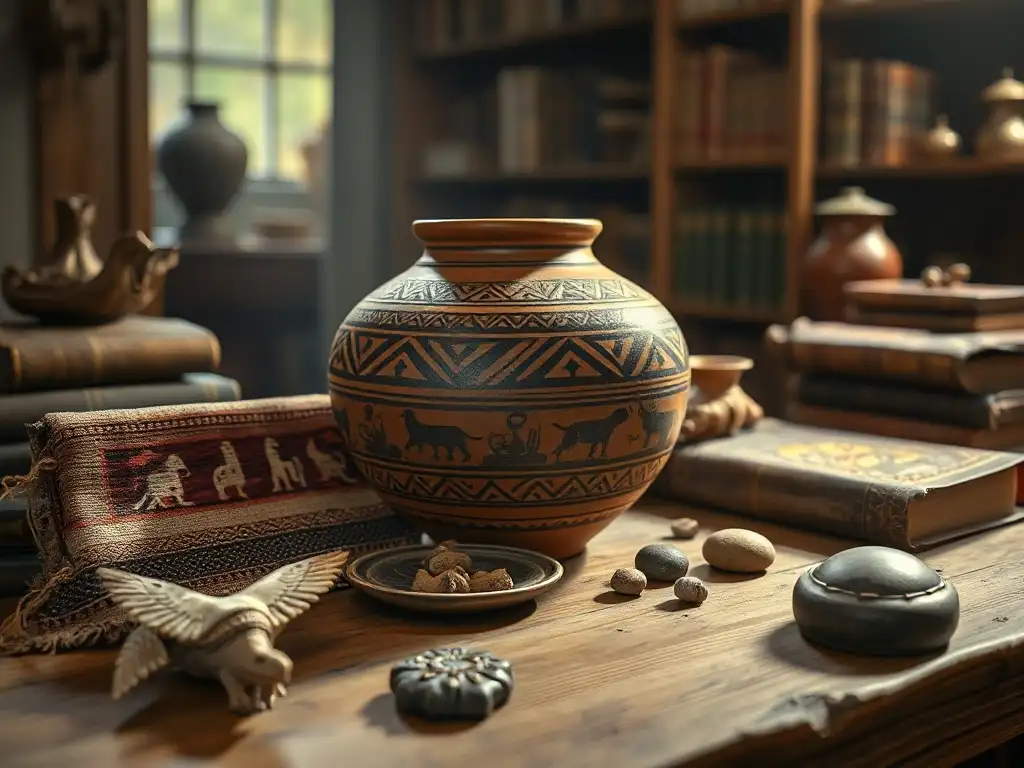
This section provides crucial advice for aspiring collectors of Andean art, focusing on building a collection that is both authentic and rewarding. Navigating the world of Andean artifacts requires careful consideration, blending passion with informed decision-making. Understanding the nuances of the market, authentication techniques, and proper care will ensure your collection thrives for generations. This collector's guide will help you avoid common pitfalls and cultivate a truly impressive and valuable collection of Andean art forms.
Researching the Market: Understanding Pricing and Value
Understanding the market dynamics of Andean art is paramount. Prices vary drastically depending on several factors, including the artifact's age, origin (e.g., Inca, Moche, Nazca), material, condition, and artistic merit. Rare and exceptionally well-preserved pieces command significantly higher prices. For example, a finely crafted Moche ceramic depicting a deity would fetch a much higher price than a more common, mass-produced piece from the same period.
Furthermore, the provenance—the documented history of ownership—significantly impacts value. Artifacts with clear and verifiable provenance are generally more desirable and valuable. Collectors should always request documentation showing the artifact's chain of ownership. This helps establish authenticity and adds to its overall value.
Consider these factors when researching prices:
| Factor | Impact on Price | Example |
|---|---|---|
| Rarity | Rare pieces command higher prices. | A unique Nazca textile with an unusual design. |
| Condition | Well-preserved pieces are more valuable. | An intact Moche stirrup-spout vessel versus a fragmented one. |
| Provenance | Documented history increases value. | Artifact with museum records or reputable private collection history. |
| Artistic Merit | Exceptional craftsmanship boosts value. | A highly detailed Inca gold ornament. |
| Material | Precious materials (gold, silver) increase value. | An Inca gold mask compared to a ceramic figure. |
It's crucial to consult reputable auction records, dealer catalogs, and scholarly publications to establish a baseline understanding of market values for specific Andean art forms. Remember, patience and thorough research are key to making sound investments. Don't rush into purchases; take your time to learn and compare prices.
Authenticating Andean Artifacts: Recognizing Fakes and Replicas
The market for Andean artifacts unfortunately includes many fakes and replicas. Authenticating pieces requires a keen eye and a thorough understanding of Andean art styles, materials, and techniques. Developing this expertise takes time and often involves consulting with experts.
Several red flags indicate potential fakes:
- Unnaturally bright colors: Many fakes have overly vibrant colors, unlike the often subdued tones of authentic ancient pieces.
- Inconsistent stylistic elements: Fakes may exhibit inconsistencies in style or techniques that are not typical of the period or culture.
- Modern materials: The use of modern glues, paints, or materials is a clear sign of a fake.
- Lack of wear and tear: Authentic artifacts usually show signs of age and wear, while fakes often appear too perfect.
- Suspicious provenance: A lack of clear documentation or a questionable provenance should raise concerns.
To authenticate a piece, consider:
- Visual inspection: Examine the artifact carefully for inconsistencies in style, materials, and techniques.
- Material analysis: Scientific analysis, such as X-ray fluorescence (XRF), can identify the composition of materials and detect modern additions.
- Expert consultation: Consult with reputable experts in Andean art and archaeology for professional authentication. Their expertise can save you from costly mistakes.
Always prioritize purchasing from reputable dealers with established histories of authenticity. While the allure of a bargain may be tempting, it's crucial to prioritize authenticity over cost. A fake, regardless of its price, is ultimately worthless as a genuine piece of Andean history and art.
Safe Storage and Display: Protecting Your Andean Art Investment
Proper storage and display are critical for preserving the value and integrity of your Andean art collection. These artifacts are delicate and susceptible to damage from various environmental factors. Neglecting proper care can lead to irreversible deterioration.
Consider these essential practices:
- Environmental control: Maintain a stable temperature and humidity level to minimize damage from fluctuations. Avoid direct sunlight and extreme temperatures.
- Proper handling: Always handle artifacts with clean, dry hands. Avoid touching delicate surfaces.
- Secure storage: Use acid-free archival-quality materials for storage. Store delicate items in protective cases or containers.
- Pest control: Protect your collection from pests such as insects and rodents that can damage artifacts.
- Regular inspection: Regularly inspect your collection for any signs of damage or deterioration. Address any issues promptly.
Additional Tips for Displaying Andean Art
When displaying your collection, consider using museum-quality display cases with UV-protective glass to prevent fading and damage from light. Ensure proper lighting and ventilation to minimize risks. Properly label each piece with its origin, period, and any other relevant information to enhance its educational value. Remember, the goal is to present and protect your Andean art forms with the same care and attention given to them by their original creators.
By following these guidelines, you can ensure your Andean art collection remains a source of joy and appreciation for years to come. Remember, building a collection is a journey, not a race. Enjoy the process of learning, discovering, and cherishing these remarkable pieces of Andean heritage.
The Importance of Ethical Collecting: Supporting Sustainable Practices
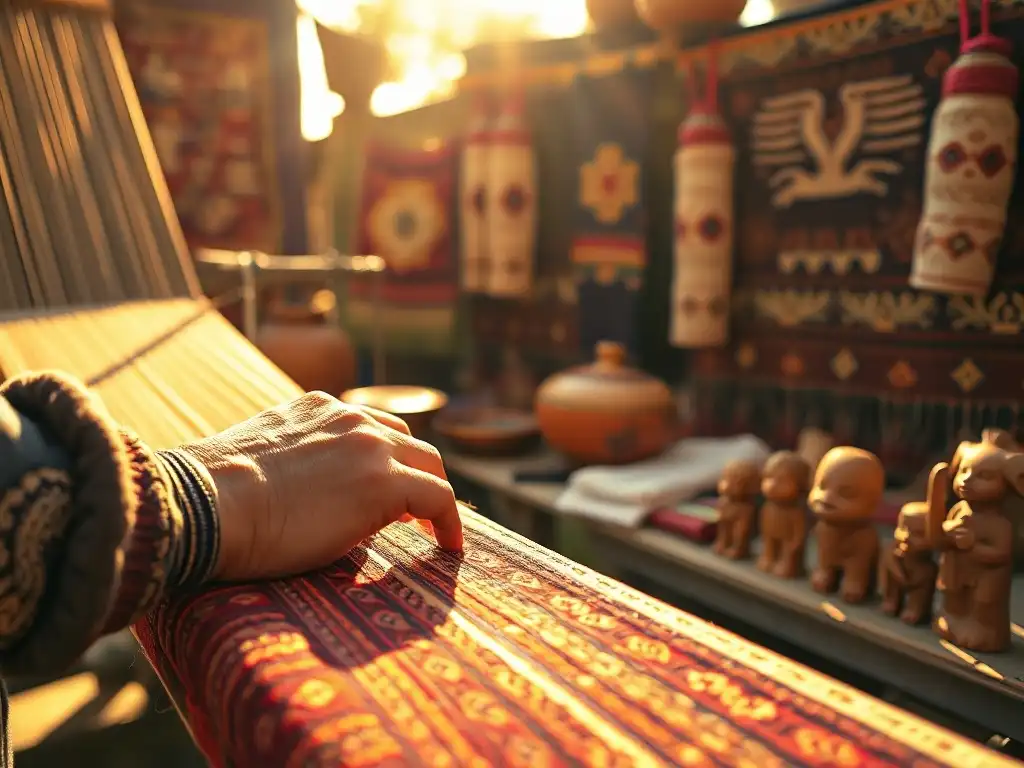
Ethical collecting is paramount when building an Andean art collection. It's not just about acquiring beautiful pieces; it's about ensuring the preservation of cultural heritage and supporting sustainable practices. Purchasing artifacts that have been illegally excavated or removed from their archaeological context contributes to the destruction of invaluable historical sites and the erosion of cultural traditions. Reputable dealers and auction houses will always provide clear provenance—a documented history of ownership—for their pieces, demonstrating a legitimate chain of custody. This provenance is crucial; it assures you that the artifact wasn't looted or obtained illegally.
Look for dealers who actively support archaeological research and conservation efforts in the Andes. Some organizations work directly with local communities to create sustainable income streams through the creation and sale of contemporary Andean crafts, offering an alternative to the often destructive practices of the illegal antiquities trade. By choosing to support ethical dealers, you become part of a movement that protects Andean cultural heritage for future generations. Consider the environmental impact as well; some materials used in ancient Andean art are becoming increasingly rare.
Prioritizing pieces made from sustainably sourced materials demonstrates a commitment to responsible collecting. Ultimately, ethical collecting ensures the long-term survival of Andean art and the communities that created it. It's a crucial aspect of being a responsible collector and contributing positively to the preservation of this rich cultural legacy. Remember, your acquisitions contribute to a larger narrative; make it a positive one.
Finding Reputable Auction Houses and Galleries
Locating trustworthy sources for authentic Andean art is critical to building a genuine collection. Avoid purchasing from unknown vendors or online marketplaces without clear provenance information. Reputable auction houses and galleries specializing in pre-Columbian art often have rigorous authentication processes and established relationships with experts in Andean archaeology and art history. They can provide certificates of authenticity and detailed provenance reports, confirming the legitimacy of the artifact's origin and ownership history.
Research is key; look for auction houses and galleries with a long-standing reputation and a proven track record of handling Andean artifacts responsibly. Read online reviews and seek recommendations from other collectors or experts in the field. Attend auctions and gallery exhibitions to familiarize yourself with the market and to network with reputable dealers. Don't hesitate to ask questions; legitimate dealers will be transparent about the origin and history of their pieces.
Building relationships with these specialists is invaluable; they can offer guidance, expertise, and access to rare and exceptional pieces. Remember that due diligence is paramount; taking your time and carefully researching potential sources will significantly reduce the risk of acquiring counterfeit or illegally obtained artifacts. Investing in authenticity is investing in the preservation of Andean cultural heritage.
Conclusion: Embracing the Legacy of Andean Art
The Enduring Appeal of Andean Art and its Cultural Significance
Andean art, in its breathtaking diversity, offers collectors a tangible connection to a rich and complex past. The enduring appeal lies not only in the aesthetic beauty of the pieces—the vibrant colors of Nazca pottery, the intricate weaving of Inca textiles, the imposing grandeur of Tiahuanaco sculptures—but also in the stories they whisper of ancient societies. Each artifact represents a piece of a larger narrative, a testament to human ingenuity, resilience, and spiritual belief. Collecting Andean art is, therefore, more than simply acquiring beautiful objects; it's about preserving and celebrating a cultural legacy.
The cultural significance of Andean art cannot be overstated. These pieces are not merely decorative; they served vital roles in daily life, religious ceremonies, and social structures. Pottery, for instance, wasn't just for storage; it often depicted narratives, deities, and scenes from daily life, providing invaluable insights into the beliefs and customs of the time. Textiles, similarly, served as more than clothing; they were imbued with symbolic meaning, reflecting social status, clan affiliations, and even cosmological beliefs. Understanding this context significantly enhances the appreciation and value of any Andean art piece.
Responsible Collecting: Ethical Considerations for Andean Art Enthusiasts
The burgeoning interest in Andean art necessitates a responsible approach to collecting. Ethical considerations are paramount. The acquisition of authentic artifacts should always prioritize provenance—a clear and documented history of ownership—to ensure that the piece wasn't looted or illegally obtained. Supporting reputable dealers and auction houses committed to ethical sourcing is crucial.
Furthermore, collectors should be mindful of the cultural sensitivity surrounding these artifacts. Many pieces hold deep spiritual significance for contemporary Andean communities, and respecting this heritage is essential. Consider supporting organizations dedicated to the preservation and study of Andean culture—their work contributes directly to the protection of these invaluable treasures.
Building Your Collection: Tips for the Aspiring Andean Art Collector
Building a collection of Andean art requires careful planning and research. Begin by focusing on a specific area of interest—perhaps Nazca pottery, Inca textiles, or Moche metalwork. This specialization allows for in-depth study and the development of expertise. Attend reputable exhibitions and auctions to familiarize yourself with different styles, techniques, and periods. Consult with experts—archaeologists, art historians, and reputable dealers—to gain insights and advice.
Thoroughly document each piece acquired, noting its provenance, materials, and any identifying marks. This meticulous record-keeping is essential for authentication and future research. Remember, patience is key. Building a meaningful collection takes time, dedication, and a genuine appreciation for the rich artistic heritage of the Andes. The journey itself is as rewarding as the final collection.
Beyond the Marketplace: Appreciating Andean Art in its Broader Context
The true value of Andean art extends beyond its monetary worth. It offers a window into a vibrant and sophisticated past, revealing the ingenuity and artistic prowess of ancient Andean cultures. By studying these artifacts, we gain a deeper understanding of their social structures, religious beliefs, and daily lives. The intricate designs, the masterful craftsmanship, and the powerful symbolism speak to a rich cultural heritage that continues to resonate today.
Appreciating Andean art in its broader historical and cultural context enriches the experience of collecting, transforming it from a mere pursuit of material objects into a journey of intellectual and cultural discovery. This deeper understanding enhances both the personal satisfaction and the historical significance of your collection, leaving a lasting legacy for future generations. The study of Andean art is a continuous process of discovery, offering endless opportunities for learning and appreciation. 🌎
Frequently Asked Questions
What makes Andean art so unique and collectible?
Andean art is unique due to its diverse styles reflecting different cultures (Inca, Moche, Nazca, etc.) and its use of high-quality materials and innovative techniques. Its age and historical significance also contribute to its collectability.
How can I identify authentic Andean artifacts?
Authenticity requires expert examination. Look for provenance documentation, consistent stylistic features, and materials analysis. Consult reputable dealers and museums for guidance.
What are some of the most sought-after Andean art forms?
Highly sought-after pieces include fine textiles, intricate gold and silverwork, and polychrome pottery. Figurative ceramics and ceremonial objects are also highly valued by collectors.
Where can I find reputable sources for purchasing Andean art?
Reputable sources include established auction houses, reputable museums' shops, and specialized galleries dealing in pre-Columbian art. Always verify the seller's credentials and request provenance information.
What should I consider when caring for my Andean art collection?
Proper storage is crucial to prevent damage. Avoid direct sunlight and extreme temperatures. Regular cleaning and professional conservation may be needed to preserve the integrity of your collection.
Final Reflection: Weaving a Legacy: The Enduring Power of Andean Art
The vibrant tapestry of Andean art continues to resonate today, a testament to the ingenuity and resilience of its creators. From the meticulously crafted pottery vessels whispering tales of ancient rituals to the intricately woven textiles narrating stories of community and identity, these art forms are not mere artifacts; they are living legacies. Their enduring appeal speaks to a deep human need for connection to history, beauty, and the profound artistry of the human spirit.
The impact of Andean art extends far beyond the museum walls or private collections. It continues to inspire contemporary artists, designers, and craftspeople, influencing fashion, textiles, and even architecture. The techniques and motifs, passed down through generations, remain a powerful symbol of cultural continuity. Art washes away from the soul the dust of everyday life.
– Pablo Picasso. This quote, though not specifically about Andean art, perfectly encapsulates the transformative power these pieces hold, offering a glimpse into a rich and complex past that continues to shape our present.
Consider the stories embedded within each piece; the hands that shaped the clay, the dyes that colored the threads, the lives reflected in the intricate designs. You, the reader, are now part of this ongoing narrative. Take the time to explore further, to seek out authentic pieces, to support artisans who continue these traditions. Let the beauty and history of Andean art inspire you, not just as a collector, but as a participant in a vibrant cultural exchange that transcends time and space.
**Celebrate and Curate Your Andean Art Journey! **
Thank you for exploring the rich world of Andean art! We hope you've discovered the beauty and depth of the pottery, textiles, and other incredible crafts. Now, let's deepen your passion and immerse yourself further in the vibrant culture of Andean civilizations. Here are some ways to continue your journey:
- Start Your Collection: Begin your own collection by selecting a piece of Andean art that resonates with you. Explore local galleries or reputable online shops specializing in authentic Andean crafts to find that perfect piece.
- Connect with the Community: Share your experiences and learn from fellow enthusiasts by joining online communities and forums dedicated to Andean art.
- Attend Workshops: Enhance your appreciation by participating in workshops—either in person or online—where you can learn traditional pottery or textile weaving techniques. Experience the artistry firsthand!
Which piece of Andean art are you most excited to learn about or add to your collection? Let's share our inspiration in the comments below!