
The Eagle's View: Gaining Perspective Through Ethical Travel in the Andes

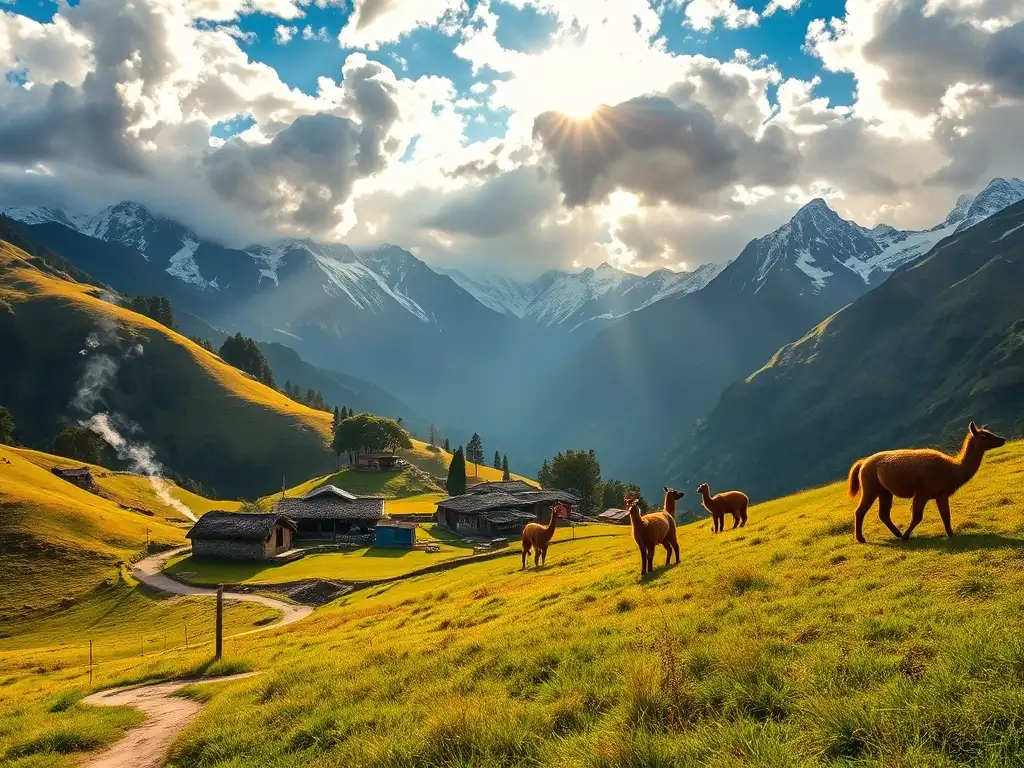
Uncover the secrets whispered on the wind across the Andes Mountains. For centuries, these majestic peaks have borne witness to the rise and fall of incredible civilizations—the Incas, Moche, Nazca, and more. But what does it truly mean to experience their legacy? Journey with us as we explore the fascinating world of ethical Andean travel experiences, a path less traveled that offers a deeper understanding of this breathtaking region and its enduring spirit. Are you ready to take flight?
Planning Your Ethical Journey: A Step-by-Step Guide
Embarking on a journey through the Andes offers an unparalleled opportunity to connect with breathtaking landscapes, vibrant cultures, and a history stretching back millennia. However, the privilege of exploring these ancient lands comes with a profound responsibility: to travel ethically and sustainably, ensuring the preservation of this invaluable heritage for future generations.
This guide provides a practical framework for planning an ethical Andean travel experience, focusing on responsible choices that minimize your environmental impact and maximize positive contributions to local communities. We'll explore how to select ethical tour operators, pack mindfully, and engage respectfully with the Andean people and environment, ensuring your trip leaves a positive legacy rather than a negative footprint.
This approach aligns perfectly with the growing demand for ethical Andean travel experiences, allowing you to explore the wonders of the Andes while contributing to their ongoing protection and prosperity. Let's embark on this journey together, understanding that responsible tourism is not just a trend, but a necessity.
Step 1: Research and Choose Responsible Tour Operators
Choosing the right tour operator is paramount for ensuring an ethical Andean travel experience. A responsible operator prioritizes the well-being of local communities and the environment, actively minimizing their impact and maximizing positive contributions. This involves careful consideration of several key factors, ranging from their commitment to fair wages and community engagement to their environmental sustainability practices.
Identifying Ethical Tour Operators: Look for Certifications and Commitments
Before booking, thoroughly research potential tour operators. Look for certifications such as those offered by organizations dedicated to sustainable tourism. These certifications provide independent verification of a company's commitment to ethical practices. Beyond certifications, examine the operator's website and marketing materials for evidence of their commitment to fair wages for employees, support for local businesses, and environmental protection initiatives. Do they explicitly mention their efforts to reduce their carbon footprint?
Do they partner with local communities? Are they transparent about their pricing and operational practices? These are crucial indicators of a truly responsible operator. The absence of such information should raise a red flag.
Recommended Ethical Tour Operators for Andean Adventures
[Specific information pending] This section will be updated with a list of vetted and recommended ethical tour operators specializing in Andean adventures. Our selection criteria will include rigorous verification of their commitment to sustainable practices, fair wages, and community engagement. We are committed to providing accurate and up-to-date information to ensure you can make informed choices. We are currently conducting research to compile a list of exemplary operators, prioritizing those with verifiable certifications and a proven track record of ethical and sustainable operations.
Step 2: Pack Mindfully for Sustainable Travel in the Andes
Packing light and sustainably is crucial for minimizing your environmental impact during your Andean adventure. This not only reduces your carbon footprint during transportation but also helps to lessen the burden on local infrastructure and resources.
Eco-Friendly Gear for Andean Treks and Expeditions
Opt for durable, reusable gear made from sustainable materials whenever possible. Consider investing in lightweight, high-quality backpacks and clothing made from recycled or organically sourced fabrics. Choose biodegradable toiletries and avoid single-use plastics like water bottles. Remember to bring reusable bags for shopping and a reusable water bottle to refill throughout your journey. This mindful approach reduces waste and minimizes your environmental impact.
The Importance of Packing Light and Minimizing Waste
Packing light significantly reduces the fuel consumption required for transportation, contributing directly to lower carbon emissions. The less you carry, the less impact you have on the environment. Furthermore, minimizing waste is paramount. Bring reusable containers for food and snacks, and plan to avoid generating excess trash during your trip. Remember that waste management infrastructure in remote Andean regions may be limited, making responsible waste disposal even more crucial. By packing mindfully and reducing waste, you actively contribute to the preservation of the pristine Andean environment.
Step 3: Engaging Respectfully with Andean Communities
Engaging respectfully with Andean communities is paramount for ethical Andean travel experiences. It's about moving beyond simple observation and actively participating in a way that benefits the local people and preserves their cultural heritage. This involves understanding their history, appreciating their traditions, and supporting their livelihoods. Ignoring this aspect diminishes the richness of your journey and risks perpetuating harmful tourism practices.
Remember, you are a guest in their land and home, and treating them with respect is not just polite; it's essential. Genuine interaction, built on mutual respect and understanding, makes for a far more enriching experience for both you and the community. The goal is to leave a positive impact, not just take memories away.
Learning Basic Quechua or Aymara Phrases
Learning a few basic phrases in Quechua or Aymara, the indigenous languages of the Andes, can significantly enhance your interactions with local communities. Even simple greetings like " ¡Hola!</em (Hello),
Gracias</em (Thank you), and
Por favor" (Please) demonstrate respect and a willingness to connect on their terms. Going beyond basic greetings, learning phrases related to your travel needs (e.g., asking for directions, inquiring about prices) further demonstrates your commitment to respectful engagement. This simple act of learning a few words shows genuine interest and appreciation for their culture, fostering a more positive and meaningful interaction. Many online resources and language learning apps offer lessons, making it easier than ever to learn some basic phrases before your trip. This small effort can make a big difference in your overall experience and the perception locals have of ethical tourists.
Supporting Local Artisans and Economies
Supporting local artisans and economies is a crucial aspect of ethical Andean travel. Instead of buying mass-produced souvenirs from large retailers, actively seek out opportunities to purchase handcrafted goods directly from local artisans. This provides them with a direct income stream, allowing them to continue their traditions and supporting their families. Look for markets, workshops, and cooperatives where you can interact with the artisans and learn about their craft.
Inquire about the materials used, the techniques employed, and the stories behind their creations. By purchasing directly from them, you're not only acquiring a unique and authentic souvenir but also contributing directly to the sustainability of their livelihoods and the preservation of their cultural heritage. Remember to negotiate fairly and respectfully, understanding that their pricing reflects their time, skill, and cultural significance.
Respecting Cultural Customs and Traditions
Respecting cultural customs and traditions is fundamental to ethical Andean travel. Before your trip, research the local customs and traditions of the communities you plan to visit. This includes understanding appropriate dress, behavior, and etiquette. For example, certain gestures, photographs, or questions might be considered inappropriate or disrespectful. Showing sensitivity to these nuances demonstrates respect and fosters positive interactions.
Remember to ask for permission before taking photographs, particularly of people. Be mindful of sacred sites and follow any guidelines or restrictions provided by local authorities or community leaders. Observing local customs and traditions not only shows respect but also enhances your understanding and appreciation of the Andean culture, enriching your overall travel experience. Openness to learning and adapting to different cultural norms is key to a truly ethical and respectful journey.
Step 4: Choosing Eco-Conscious Accommodation Options
Choosing environmentally friendly accommodation is integral to responsible tourism in the Andes. Opting for eco-conscious lodging minimizes your environmental footprint and supports businesses dedicated to sustainability. This conscious choice directly contributes to preserving the fragile Andean ecosystems and supporting local communities that often depend on these environments for their livelihoods. By prioritizing sustainable accommodations, you are actively participating in responsible tourism and contributing to the long-term preservation of the region’s natural beauty.
Eco-Lodges and Sustainable Hotels in the Andes
Eco-lodges and sustainable hotels are increasingly popular in the Andes, offering a range of options for eco-conscious travelers. These establishments prioritize environmental protection and social responsibility. They often incorporate sustainable building materials, utilize renewable energy sources, implement water conservation measures, and support local communities. Look for accommodations certified by organizations dedicated to sustainable tourism practices.
These certifications provide assurance that the lodge or hotel adheres to strict environmental and social standards. When researching options, pay attention to details like waste management practices, water usage policies, and community involvement programs. Choosing an eco-lodge or sustainable hotel not only reduces your environmental impact but also supports businesses that are actively working to protect the Andean environment and support local communities.
Understanding the Impact of Different Accommodation Types
Understanding the impact of different accommodation types is crucial for making informed choices. Traditional hotels, while often comfortable, may have a larger environmental footprint due to their energy and water consumption, waste generation, and potential reliance on unsustainable practices. Conversely, eco-lodges and homestays often have a smaller environmental footprint, contributing less to pollution and resource depletion.
Homestays, in particular, offer a unique opportunity to directly support local families and experience Andean culture firsthand. Considering the environmental and social impact of your accommodation choice allows you to make a conscious decision that aligns with your commitment to ethical and sustainable travel in the Andes. Carefully evaluating the sustainability efforts of different accommodation types ensures your travel choices contribute positively to the region's well-being.
Conclusion: The Rewards of Ethical Andean Travel
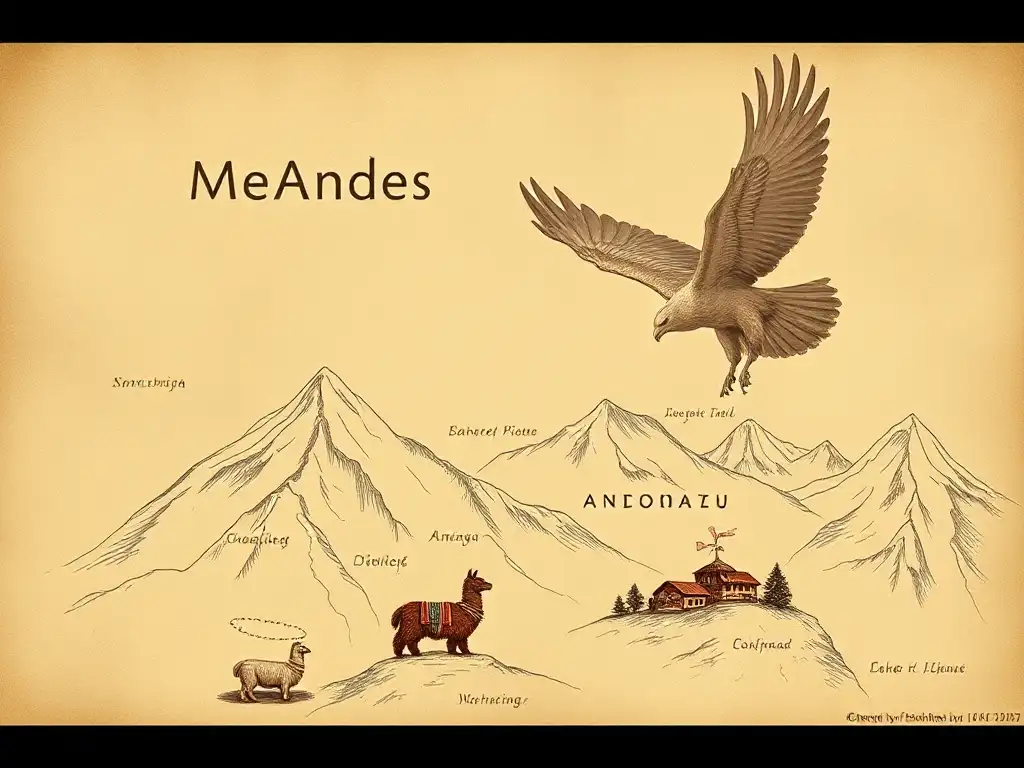
Ethical Andean travel experiences offer profound rewards that extend far beyond the typical tourist itinerary. By prioritizing responsible practices, travelers not only minimize their negative impact but actively contribute to the preservation of this incredible region's cultural heritage and fragile ecosystems. This isn't just about ticking off sightseeing boxes; it's about fostering genuine connections with local communities and deepening your understanding of Andean history and traditions.
Experiencing the Andes Through a Lens of Respect and Responsibility
Choosing ethical Andean travel means choosing experiences that prioritize the well-being of local communities and the environment. This involves supporting locally owned businesses, engaging with cultural practices respectfully, and minimizing your environmental footprint. Imagine participating in a traditional weaving workshop in a remote village, learning about the intricate techniques passed down through generations, and directly contributing to the economic empowerment of artisans.
Or perhaps trekking through stunning landscapes with a guide committed to environmental conservation, learning about the unique flora and fauna while contributing to trail maintenance and responsible waste management. These are not merely activities; they are transformative experiences that enrich both the traveler and the community. The rewards are multifaceted: a deeper understanding of Andean culture, a stronger sense of connection with the land, and the satisfaction of knowing your travels are making a positive difference.
This approach fosters a more authentic and meaningful interaction with the Andes, moving beyond superficial tourism to a genuine exchange of cultural understanding and mutual respect. The memories created through such ethical engagement will last a lifetime, far surpassing the fleeting impressions of a less mindful approach.
Continuing the Cycle of Sustainable Tourism in the Andes
The pursuit of ethical Andean travel experiences is not a one-time event; it's a commitment to ongoing responsible practices. After your trip, you can continue to support sustainable tourism by:
- Sharing your experiences: Spread the word about responsible travel practices and recommend ethical tour operators and accommodations. Positive word-of-mouth is incredibly powerful in promoting sustainable tourism.
- Supporting Andean artisans: Continue to purchase handcrafted goods directly from artisans, ensuring fair wages and supporting their livelihoods.
- Educating yourself and others: Stay informed about the challenges facing the Andes and continue learning about ways to support conservation efforts. Consider donating to organizations working to protect the region's cultural heritage and biodiversity.
- Choosing sustainable products: Incorporate sustainable practices into your daily life, reducing your overall environmental impact and demonstrating your commitment to responsible consumption.
By actively participating in this cycle of sustainable tourism, you contribute to the long-term well-being of the Andean region and ensure that future generations can experience its wonders. Remember, ethical Andean travel is not just a trend; it's a responsibility – a responsibility to protect this precious heritage for years to come. It's a journey of discovery, respect, and lasting impact, ensuring that the spirit of the Andes thrives for generations to come. 🌎 The positive ripple effect of your ethical choices will resonate far beyond your personal travel experience.
Frequently Asked Questions
What makes Andean travel "ethical"?
Ethical Andean travel prioritizes respect for local cultures and environments. This includes supporting local communities, minimizing your environmental impact, and avoiding exploitative practices. It's about leaving a positive footprint.
How can I ensure my Andean trip is ethical?
Choose responsible tour operators committed to sustainability and community engagement. Support local businesses and artisans, and learn about the local culture and customs before you go. Respect the environment and leave no trace.
What are some examples of unethical Andean tourism?
Unethical tourism can include overcrowding sensitive sites, supporting businesses that exploit workers, or contributing to environmental damage through unsustainable practices. It's crucial to be mindful of your impact.
Are there specific communities I should support during my ethical Andean trip?
Many Andean communities offer homestays and cultural experiences. Research beforehand to find organizations that directly benefit local communities through tourism, ensuring fair wages and equitable partnerships.
How can I find ethical tour operators specializing in Andean travel?
Look for operators with clear commitments to sustainability, community support, and fair labor practices. Read reviews, check certifications (e.g., Fair Trade Tourism), and contact operators directly to learn about their ethical practices and community involvement.
Final Reflection: Reclaiming the Andes: A Legacy of Ethical Travel
The ethical considerations surrounding travel, particularly in regions like the Andes, are no longer a niche concern; they are a fundamental aspect of responsible global citizenship. Ignoring the impact of tourism on vulnerable communities and fragile ecosystems is simply unsustainable. We must move beyond the superficial allure of exotic destinations and engage with the profound responsibility that comes with exploring these incredible places.
The Andes, with their breathtaking landscapes and rich cultural heritage, have profoundly shaped my understanding of ethical travel. The vibrant tapestry of indigenous traditions, the stark beauty of the high-altitude plains, and the resilience of the communities I encountered have left an indelible mark. Travel is fatal to prejudice, bigotry, and narrow-mindedness,
wrote Mark Twain, and this rings truer than ever in the context of Andean travel. We must actively challenge our own preconceptions and strive to understand the complexities of the region before we visit. This requires not just respecting local customs, but actively supporting local economies and advocating for sustainable practices.
Consider the impact of your choices. Will you choose a tour operator committed to fair wages and environmental protection, or one that prioritizes profit over people and planet? Will you engage respectfully with the local culture, learning from it rather than exploiting it?
You have the power to shape the future of Andean tourism. By choosing ethical travel, you are not just experiencing a destination; you are participating in a movement towards a more just and sustainable world. Let the eagle's view inspire you to soar above superficial tourism and embrace a deeper, more meaningful connection with the Andes and its people.
**Embrace Ethical Travel and Elevate Your Journey! **
Thank you for exploring the insights on ethical travel in the breathtaking Andes Mountains. By embracing these principles, you become not just a visitor, but a responsible participant in preserving these magnificent cultures and landscapes. Let's translate this inspiration into action!
Here are a few impactful steps you can take immediately:
- **Commit to ethical travel. ** Begin by researching local tour operators and businesses that prioritize sustainability and cultural sensitivity, choosing those that align with your values.
- **Share your experiences. ** Join our community by sharing your travel stories and ethical practices on social media, using relevant hashtags to raise awareness and inspire others.
- **Continue learning. ** Explore resources that offer deeper insights into Andean cultures and ethical travel practices. Consider attending workshops or events to further your understanding and connection.
How will you ensure your next adventure uplifts the communities and environments you visit? We'd love to hear your ideas!