
The Inca's Use of Drainage Systems: Managing Water Flow

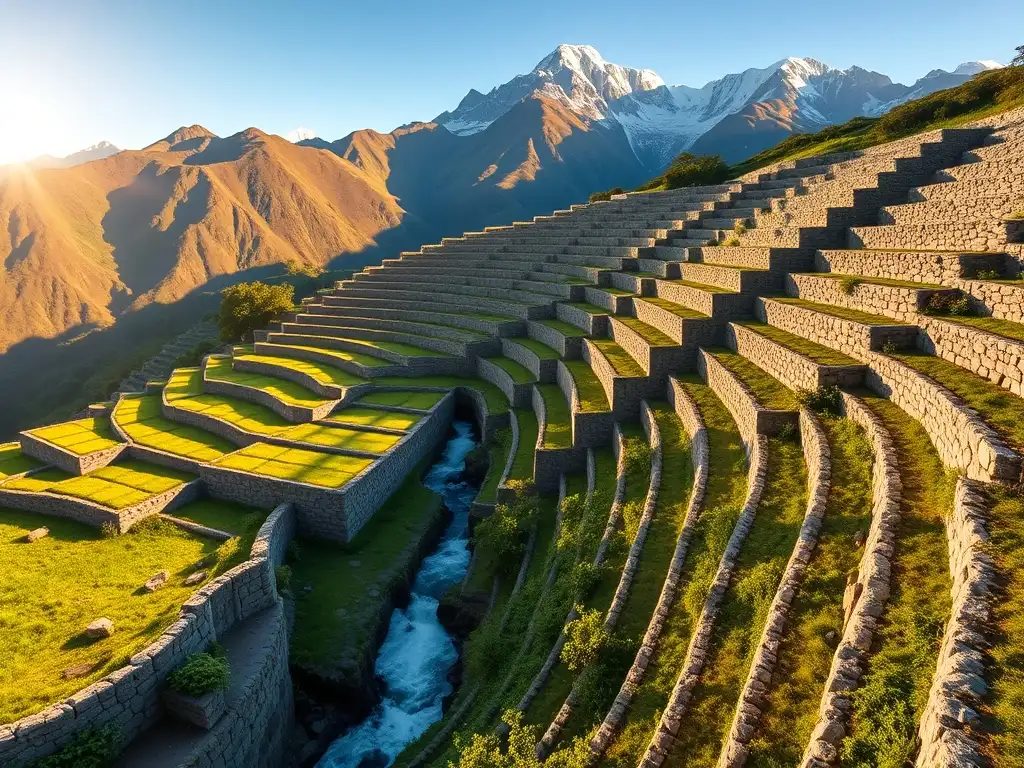
Step into a world lost to time, yet echoing with the ingenuity of a vanished empire. Imagine a civilization that mastered the Andes' unforgiving terrain, not through conquest alone, but through breathtaking feats of engineering. Prepare to be amazed by the Inca drainage system design, a testament to their advanced understanding of water management and a key to their enduring success. Discover the secrets behind this remarkable achievement and unlock the mysteries of the Inca Empire – your journey begins now.
- Inca Drainage System Design: Managing Water Flow in the Andes
- Inca Engineering Marvels: Drainage Techniques
- Components of the Inca Drainage Systems
- Examples of Inca Drainage Systems in Practice
- The Legacy of Inca Water Management
- Frequently Asked Questions
- Final Reflection: The Enduring Legacy of Inca Hydraulic Engineering
- **Unleash the Power of Ancient Wisdom – Take Action Now! **
Inca Drainage System Design: Managing Water Flow in the Andes
The Inca Empire, renowned for its sophisticated architecture and intricate road networks, also possessed a remarkable understanding of hydraulic engineering. Their mastery of water management, particularly their innovative drainage systems, was crucial to the empire's success and longevity. This article delves into the ingenious design and implementation of Inca drainage systems, exploring the challenges faced by Inca engineers and the importance of water control in their agricultural practices and urban planning.
We will examine how their solutions not only prevented devastating floods and erosion but also facilitated the cultivation of crops in diverse Andean terrains, contributing significantly to the empire's prosperity and stability. Understanding the Inca's approach to drainage offers valuable insights into their technological prowess and sustainable practices, still relevant in modern approaches to water management. This exploration of "Inca drainage system design" will reveal the ingenuity behind their remarkable achievements.
The Importance of Water Management in the Inca Empire
Water was, and remains, a precious resource in the Andes. The Inca civilization thrived in a geographically diverse landscape characterized by steep slopes, high altitudes, and varying rainfall patterns. Effective water management was therefore paramount for their agricultural success and the overall well-being of their communities.
The Inca's agricultural practices, heavily reliant on terraced farming, required precise control of water flow to irrigate crops efficiently. Without sophisticated drainage systems, excess water could easily lead to soil erosion, crop damage, and the destruction of vital infrastructure. The Inca understood this intimately, developing intricate systems to capture, channel, and manage water resources effectively.
This included not only irrigation canals but also complex drainage networks to prevent waterlogging and damage to their settlements and agricultural lands. Their mastery of water management was integral to their ability to sustain a large and complex empire in a challenging environment. The scale and sophistication of their water management projects remain testament to their engineering skills and understanding of the Andean ecosystem.
Understanding the Inca's Need for Drainage Solutions
The Inca Empire faced significant challenges in managing water flow. The steep slopes of the Andes meant that rainfall could trigger flash floods and landslides, posing a serious threat to settlements and agricultural fields. Furthermore, the varying precipitation levels across different regions of the empire demanded flexible and adaptable drainage solutions. In densely populated urban centers, such as Cusco, effective drainage was essential to prevent the accumulation of wastewater and maintain public health. The Inca's understanding of these challenges led them to develop a range of drainage solutions tailored to specific geographical conditions and environmental factors. Their solutions were not simply reactive measures to address immediate problems, but rather proactive strategies integrated into their overall urban planning and agricultural practices. The careful consideration given to drainage demonstrates their sophisticated understanding of hydrology and environmental engineering. This wasn't just about practicality; it was about ensuring the long-term sustainability of their civilization.
Key Challenges Faced by Inca Engineers
Constructing and maintaining effective drainage systems in the Andes presented numerous challenges for Inca engineers. The rugged terrain, often characterized by rocky slopes and unstable soil, required innovative construction techniques. The use of stone, carefully fitted together without mortar, was crucial for building durable and water-resistant structures. The selection of appropriate materials and the design of channels to withstand the force of water flow demanded a high level of engineering expertise.
Furthermore, the Inca engineers had to consider the impact of seismic activity, which is common in the Andes. Their structures needed to be resilient enough to withstand earthquakes and other natural disasters. Maintaining the drainage systems over time also presented a significant challenge, requiring regular inspections and repairs.
The scale and complexity of these projects, combined with the challenges posed by the Andean environment, underscore the remarkable achievements of Inca engineers. Their ability to overcome these obstacles is a testament to their ingenuity and organizational skills. The legacy of their work continues to inspire awe and admiration.
Inca Engineering Marvels: Drainage Techniques
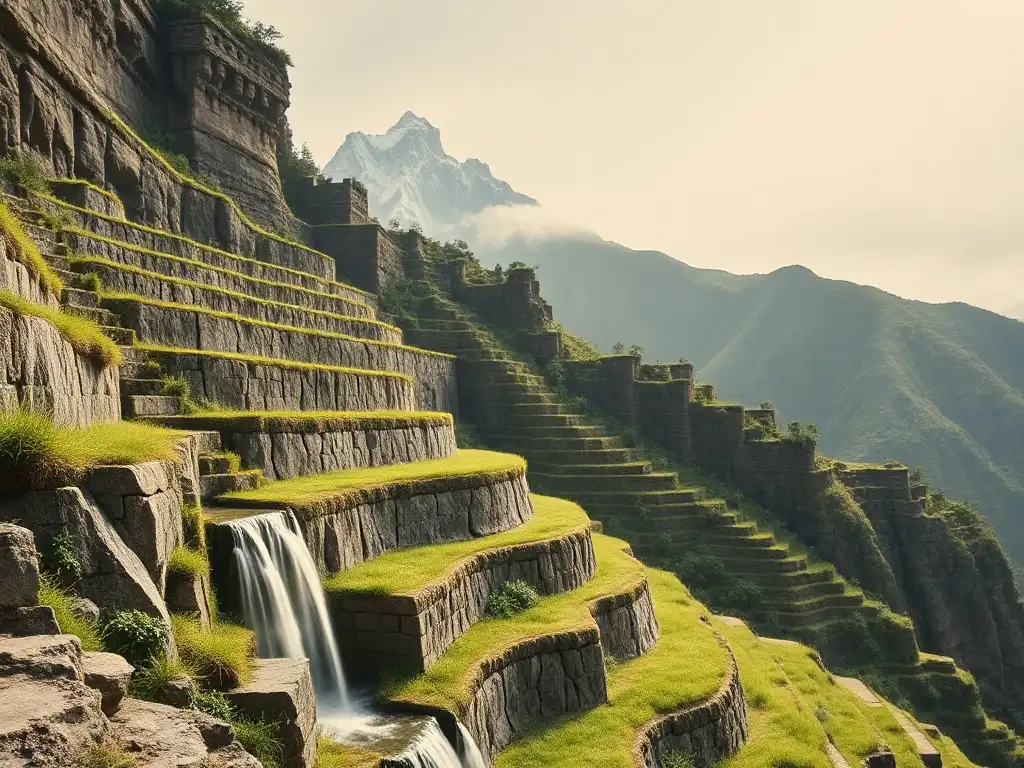
The Inca Empire, renowned for its sophisticated road networks and impressive stonework, also possessed a remarkable understanding of hydraulic engineering. Their mastery of water management, crucial for agriculture in the challenging Andean terrain, is evident in their intricate drainage systems. These weren't merely functional; they represented an advanced understanding of hydrology and a testament to the Inca's ingenuity in adapting to their environment.
Effective Inca drainage system design was essential for the success of their agricultural practices and the overall prosperity of their vast empire. The design principles employed were remarkably effective, allowing for the cultivation of crops in diverse and often challenging landscapes.
Terraces and Drainage: A Symbiotic Relationship
Inca agricultural terraces are iconic symbols of Andean ingenuity. These meticulously constructed, stepped fields carved into hillsides weren't just about increasing arable land; they were integral components of a comprehensive drainage strategy. The design of each terrace incorporated carefully planned drainage channels, often constructed from stone, that diverted excess water away from the crops. These channels were meticulously graded to ensure a consistent flow, preventing erosion and waterlogging.
The effectiveness of this system is demonstrated by the fact that many of these terraces, built centuries ago, remain functional today. Furthermore, the channels were often integrated with sophisticated irrigation systems, ensuring that water was both effectively drained and efficiently distributed. This symbiotic relationship between terraces and drainage systems speaks volumes about the Incas' holistic approach to water management.
The precise placement of drainage channels, often subtly incorporated into the terrace walls, showcases their keen observation of the terrain and their understanding of water flow dynamics. Detailed studies of surviving terrace systems reveal a remarkable consistency in the design principles employed across different regions of the empire. This suggests a standardized approach to terrace construction and drainage, reflecting a centralized system of knowledge and expertise within the Inca state.
Inca Canals and Aqueducts: Beyond Water Transportation
While often associated with irrigation, Inca canals and aqueducts played a significant role in drainage as well. These impressive feats of engineering weren't just conduits for transporting water; they also served as strategic drainage arteries. Many canals were designed with overflow channels and spillways to prevent flooding during periods of heavy rainfall.
This ingenious design prevented water damage to both the canals themselves and the surrounding agricultural lands. The construction of these canals often involved diverting natural watercourses and creating artificial channels that followed the contours of the land. This careful planning ensured that water flowed smoothly and efficiently, minimizing the risk of erosion and maximizing the effectiveness of the drainage system.
Moreover, the materials used in the construction of these canals, often carefully selected stones fitted together without mortar, demonstrate the Incas' advanced understanding of construction techniques and their ability to create durable and long-lasting infrastructure. Evidence suggests that some of the larger aqueducts were designed with multiple levels and interconnected channels, creating a complex network that effectively managed water flow across vast areas. This intricate network highlights the sophisticated engineering capabilities of the Inca civilization and their ability to create a resilient and sustainable water management system.
Beyond the more visible canals and terraces, the Incas also employed sophisticated underground drainage systems. These hidden networks of channels and tunnels were crucial for managing water in densely populated urban areas and preventing the accumulation of wastewater. While much of this infrastructure remains buried and unexplored, archaeological evidence reveals the existence of complex underground drainage systems in major Inca cities. These systems often involved intricate networks of stone-lined channels and shafts, designed to carry away wastewater from houses and public spaces.
The design of these underground systems required a deep understanding of subsurface hydrology and the ability to create durable and waterproof channels. The ingenuity of the Inca engineers is evident in their ability to create these hidden networks, often utilizing natural features of the landscape to optimize their design. The precise engineering required to build these underground systems, often in challenging geological conditions, speaks to the advanced technological capabilities of the Inca civilization.
Further research is needed to fully understand the extent and complexity of these hidden networks and their role in the overall Inca drainage system design. The discovery of new underground features could significantly enhance our understanding of Inca water management practices and reveal even more about the advanced technological and engineering skills of this remarkable civilization. Excavations and analysis of existing archaeological findings are crucial to uncovering more about this fascinating aspect of Inca infrastructure.
Surface Runoff Management Techniques Employed by the Inca
The Inca, renowned for their sophisticated understanding of hydraulics, implemented a multifaceted approach to surface runoff management. Their strategies weren't merely reactive; they were proactive, integrated into their urban planning and agricultural practices from the outset. This wasn't simply about preventing erosion; it was about optimizing water resources for both daily life and agriculture. The Inca understood that uncontrolled runoff could lead to flooding, soil degradation, and the loss of valuable topsoil – all crucial elements in their high-altitude environment.
One key aspect of their surface runoff management involved the strategic placement of buildings and infrastructure. Structures weren't haphazardly constructed; rather, they were carefully positioned to channel runoff away from settlements and cultivated areas. This often involved the creation of carefully graded terraces and pathways designed to guide water flow in a controlled manner. For example, in Machu Picchu, the placement of buildings and the intricate network of pathways cleverly facilitated the efficient drainage of rainwater, minimizing erosion and protecting the city's foundations. The precision in their construction is a testament to their advanced understanding of topography and hydrology.
Furthermore, the Inca extensively utilized sophisticated drainage systems built into their agricultural terraces. These weren't simply flat platforms; they were carefully engineered slopes with integrated channels and ditches to manage water flow. Excess water was channeled away from the cultivated areas, preventing waterlogging while simultaneously providing irrigation for lower terraces.
This intricate system ensured optimal water distribution, maximizing agricultural yields even in challenging terrains. The design of these terraces, with their precisely cut stones and carefully graded surfaces, showcases a deep understanding of water control and soil conservation. The effectiveness of these techniques is evident in the enduring legacy of Inca agricultural practices, which continue to inspire modern sustainable farming methods.
The integration of these drainage systems into their agricultural landscapes demonstrates a profound understanding of the interconnectedness of water management and food production. Their approach was holistic, reflecting a deep respect for the environment and a commitment to long-term sustainability.
The Inca's understanding of surface runoff management extended beyond simple drainage channels. They employed techniques like the construction of strategically placed retaining walls to stabilize slopes and prevent erosion, further enhancing the effectiveness of their drainage systems. These walls, often built from precisely fitted stones, not only prevented soil loss but also helped to create level platforms for agriculture and construction.
This integrated approach to land management ensured the long-term stability of their settlements and agricultural lands, highlighting their sophisticated understanding of environmental engineering. The durability of these retaining walls, many of which still stand today, is a testament to the quality of Inca craftsmanship and their mastery of stonework. The meticulous attention to detail, evident in the construction of these walls, underscores their commitment to creating resilient and sustainable infrastructure.
Components of the Inca Drainage Systems
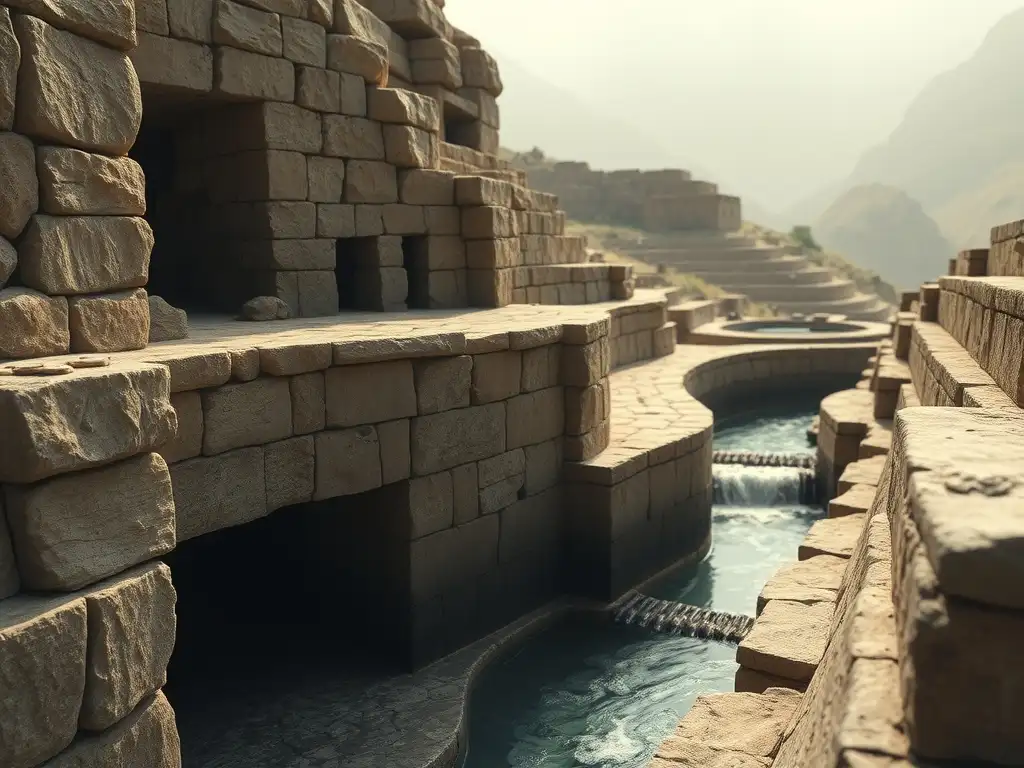
The Inca drainage system, a testament to their sophisticated engineering prowess, wasn't a monolithic structure but a complex network tailored to the diverse Andean landscape. Understanding its components is crucial to appreciating the ingenuity of its design. The system wasn't merely about diverting water; it was about carefully managing its flow to protect agricultural lands, settlements, and infrastructure.
This involved a multifaceted approach encompassing channels, aqueducts, reservoirs, and sophisticated techniques for managing water pressure and erosion. The effectiveness of the Inca drainage system is evidenced by its longevity and the sustained agricultural productivity it supported for centuries. Even today, remnants of this system provide valuable insights into Inca engineering practices and their deep understanding of hydrology.
The integration of these components showcases a holistic approach to water management, reflecting the Inca's profound connection to their environment and their remarkable ability to adapt to its challenges. This intricate network speaks volumes about their advanced societal organization and planning abilities. The efficient management of water resources directly contributed to the stability and prosperity of the Inca Empire.
Construction Materials Used in Inca Drainage
Inca drainage system design relied heavily on readily available materials, demonstrating a pragmatic approach to construction. The most common material was stone, meticulously shaped and fitted together without mortar, showcasing their mastery of dry-stone masonry. The precision of their work is astonishing, with stones often interlocking perfectly to create watertight channels. Different stone types were selected based on local availability and properties.
For example, harder, more resistant stones were used in areas with higher water flow or greater erosion risk. Beyond stone, earthworks played a significant role, particularly in the construction of larger channels and reservoirs. Earth was compacted and layered to create stable and impermeable surfaces, further minimizing water leakage. In some instances, evidence suggests the use of clay or other materials to seal joints and prevent seepage.
The choice of materials was not arbitrary; it reflected a deep understanding of material properties and their suitability for specific hydrological conditions. This careful selection ensured the durability and long-term effectiveness of the Inca drainage infrastructure, a testament to their sustainable engineering practices. The use of locally sourced materials minimized environmental impact and reduced transportation costs, highlighting the efficiency and practicality of Inca construction techniques.
Design Elements of Inca Channels
The design of Inca drainage channels reveals a sophisticated understanding of hydraulic engineering principles. Channels were not simply dug trenches; their shape, size, and orientation were carefully considered to optimize water flow and minimize erosion. Many channels featured trapezoidal cross-sections, a design that maximized water carrying capacity while minimizing the amount of material required for construction. This efficient design minimized the environmental impact of the construction while ensuring functionality.
Furthermore, channels were often lined with carefully fitted stones to create smooth, even surfaces that reduced friction and improved water flow. The gradient of the channels was carefully controlled to ensure a consistent, manageable flow without causing excessive erosion or flooding. In areas with steep slopes, channels were terraced or constructed with strategically placed check dams to regulate the flow of water. The integration of these elements showcases a holistic approach to water management, reflecting the Inca's profound connection to their environment and their remarkable ability to adapt to its challenges.
The design of the channels also incorporated features for cleaning and maintenance, such as strategically placed access points and spillways. These features highlight the Inca’s forward-thinking approach to infrastructure management. The sophisticated design elements of the Inca drainage channels underscore their advanced understanding of hydraulic principles and their commitment to sustainable water management.
Slope and Gradient Considerations in Inca Drainage
The success of the Inca drainage system hinged critically on careful consideration of slope and gradient. The channels were meticulously graded to achieve a consistent flow velocity, preventing both stagnation and excessive erosion. Steeper gradients were avoided to prevent rapid water flow that could damage the channels and surrounding land. In mountainous regions, the Inca engineers skillfully employed terraces and other techniques to manage the steep slopes, creating a series of smaller, manageable gradients.
This approach reduced the risk of erosion and ensured that the water flowed steadily and predictably. The use of check dams and other flow control structures further regulated the water’s speed and prevented damage to the system. The Inca's understanding of hydraulics is evident in their ability to design channels that efficiently transported water while minimizing environmental impact. Detailed analysis of surviving sections reveals a remarkable precision in gradient control, showcasing their advanced surveying and engineering skills.
The effectiveness of their approach is evidenced by the longevity of many sections of the Inca drainage system, which continue to function even today. The meticulous attention paid to slope and gradient highlights the sophistication of Inca engineering and their deep understanding of the hydrological dynamics of the Andes. This careful control of water flow was essential to the long-term sustainability of Inca agriculture and infrastructure.
Inca Drainage System Maintenance and Operation
The Inca's mastery of hydraulic engineering extended beyond the initial design and construction of their drainage systems. Maintaining and operating these intricate networks was crucial for their agricultural success and urban infrastructure. Evidence suggests a highly organized system of maintenance, involving specialized labor and a deep understanding of the systems' vulnerabilities. Regular inspections were likely conducted, perhaps seasonally, to identify and address potential problems such as blockages from debris, erosion, or damage from earthquakes or heavy rainfall.
The Inca likely employed a tiered system of maintenance, with local communities responsible for the upkeep of smaller channels and drainage features within their immediate vicinity. Larger, more significant canals and aqueducts, vital to the larger urban centers, would have been under the supervision of regional authorities or specialized engineers. This decentralized yet coordinated approach ensured efficient maintenance across the vast Inca empire. We can infer this organization from the scale and complexity of the systems themselves; such intricate networks couldn't have been sustained without a dedicated and structured maintenance program.
The tools and techniques used for maintenance remain a subject of ongoing research. However, it's plausible that simple tools like shovels, picks, and baskets were used for clearing debris. The Incas’ understanding of hydrology would have played a key role in preventative maintenance.
They likely implemented measures to prevent erosion, such as lining channels with stones or creating terraces to slow the flow of water. Records of specific maintenance practices are scarce, but archaeological findings of repaired sections of canals and aqueducts offer strong evidence of ongoing care and attention. The longevity of many Inca drainage systems speaks volumes about the effectiveness of their maintenance strategies.
Further research into Inca agricultural practices and societal organization is needed to fully understand the intricacies of their maintenance protocols. The resilience of these systems to the test of time is a testament to the ingenuity and forethought of Inca engineers and the dedication of those responsible for their upkeep. Understanding these maintenance practices provides crucial insight into the sophisticated management strategies employed by the Inca to ensure the continued success of their agricultural and urban development.
Examples of Inca Drainage Systems in Practice
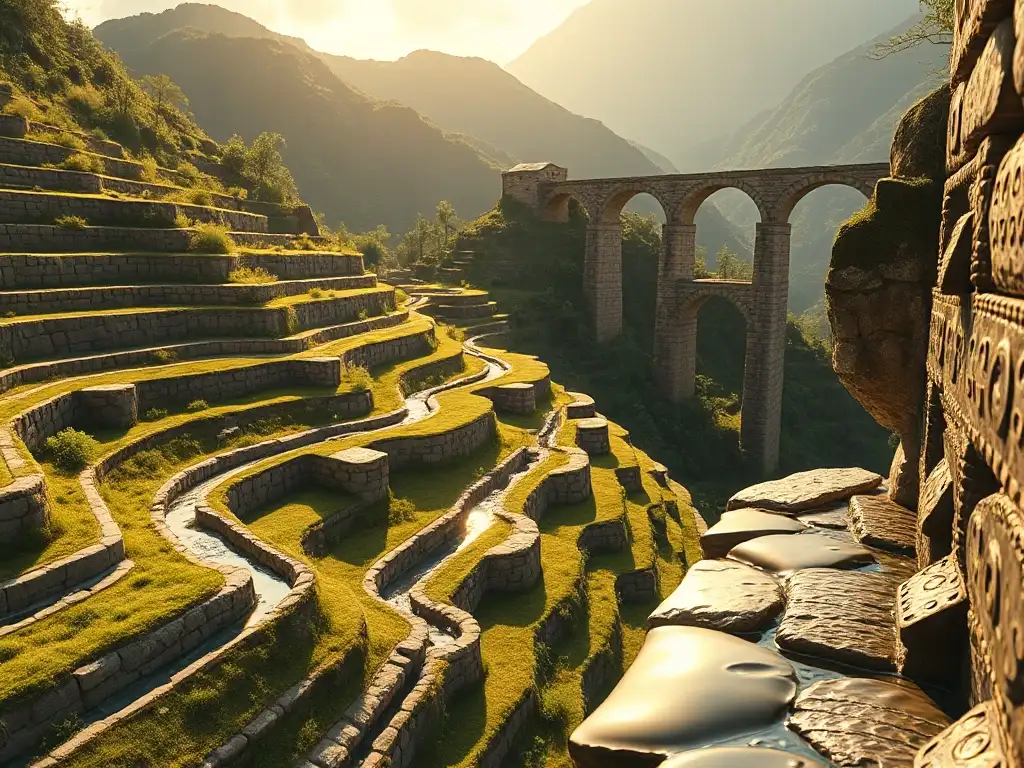
The Inca Empire, renowned for its sophisticated engineering feats, implemented intricate drainage systems crucial to their urban planning, agricultural practices, and overall societal stability. These systems weren't merely rudimentary ditches; they were carefully designed networks demonstrating a deep understanding of hydraulics and landscape management. Their effectiveness is evident even today, with remnants of these systems still visible in various archaeological sites. The design principles employed showcase the Inca's innovative approach to water management, reflecting their advanced knowledge of hydrology and their ability to adapt to diverse geographical conditions.
The ingenuity of their Inca drainage system design is a testament to their engineering prowess, allowing them to thrive in challenging Andean environments. Analyzing these systems offers valuable insights into their cultural practices, societal organization, and technological achievements. Understanding their Inca drainage system design provides a deeper appreciation for the complexity and sophistication of the Inca civilization.
The Drainage System at Machu Picchu: A Case Study
Machu Picchu, the iconic "Lost City of the Incas," serves as a prime example of their advanced drainage capabilities. The city's layout, nestled high in the Andes Mountains, was carefully planned to manage water flow efficiently. Stone channels, meticulously carved and fitted together, crisscrossed the city, diverting rainwater away from structures and pathways.
These channels weren't simply linear; they were strategically designed to follow the contours of the terrain, minimizing erosion and maximizing water conveyance. The system's effectiveness is remarkable, considering the city's steep slopes and the intensity of the Andean rainfall. Evidence suggests that the system also incorporated strategically placed drainage points that emptied into larger channels leading away from the city, preventing waterlogging and potential damage to buildings and agricultural terraces.
The precise craftsmanship and integrated nature of the Machu Picchu drainage system highlight the Inca's meticulous attention to detail and their mastery of stonework. The resilience of this ancient system, which has withstood the test of time, underscores the ingenuity of the Inca drainage system design.
Drainage Systems in Inca Agricultural Terraces
Inca agricultural terraces, a remarkable feat of engineering, relied heavily on efficient drainage systems to maximize crop yields. These terraces, built on steep slopes, were meticulously leveled and separated by retaining walls. Integrated into the terrace walls were drainage channels that prevented water from accumulating and eroding the soil.
These channels were often designed to carry excess water down the slope, preventing waterlogging and ensuring even moisture distribution across the terraces. The design also considered the specific needs of different crops, with some terraces having more extensive drainage systems than others. The effectiveness of these systems allowed the Incas to cultivate a wide variety of crops in challenging environments, contributing significantly to their food security and societal stability.
The careful integration of drainage into the terrace design is a clear indication of their sophisticated understanding of agricultural principles and their commitment to sustainable farming practices. The sophistication of the Inca drainage system design within their agricultural terraces reflects a deep understanding of hydrology and agricultural engineering.
Inca Urban Drainage: Managing Water in Cities
Inca urban centers, such as Cusco, also featured sophisticated drainage systems designed to manage large volumes of water. These systems involved a complex network of channels, conduits, and reservoirs that collected and diverted rainwater, wastewater, and runoff. The channels, often lined with stone, were carefully graded to ensure a smooth flow of water.
Larger channels were used to carry away larger volumes of water, while smaller channels diverted water from specific areas. The systems also incorporated strategically placed drainage points and overflow channels to prevent flooding during periods of heavy rainfall. The integration of these systems into the urban fabric demonstrates the Inca's commitment to public health and sanitation.
Effective drainage not only prevented the spread of disease but also maintained the structural integrity of buildings and infrastructure. The scale and complexity of the urban drainage systems highlight the advanced engineering capabilities of the Inca civilization and their ability to manage water resources effectively within densely populated areas. The effectiveness of the Inca drainage system design in their urban planning is a testament to their comprehensive approach to city development.
The Legacy of Inca Water Management
The Inca Empire, renowned for its sophisticated architectural and engineering feats, left behind a remarkable legacy in water management. Their mastery of hydraulic engineering is evident in the intricate networks of canals, aqueducts, and drainage systems that crisscrossed their vast empire, supporting thriving agricultural practices and urban centers even in challenging Andean terrains. This sophisticated approach to water management wasn't just a technological achievement; it was deeply intertwined with their spiritual beliefs and social organization, demonstrating a holistic understanding of the vital role of water in their society.
The Inca drainage system design, in particular, showcases their ingenuity and adaptability. Understanding their techniques provides valuable insights into sustainable water management practices relevant even today.
Analyzing their methods reveals a deep understanding of hydrology, topography, and materials science, showcasing a level of expertise that continues to inspire modern engineers. The effectiveness of the Inca drainage system design is a testament to their profound understanding of the relationship between water, agriculture, and societal well-being.
Lessons Learned from Inca Drainage Engineering
Inca drainage engineering offers several valuable lessons for contemporary practices. Their systems were remarkably effective at preventing erosion, managing runoff, and protecting agricultural lands. One key lesson is their meticulous site selection and adaptation to local conditions. Inca engineers carefully considered the slope of the land, the permeability of the soil, and the volume of rainfall when designing their drainage systems. This careful planning minimized the risk of flooding and ensured the efficient channeling of water.
Furthermore, the Inca's use of readily available, locally sourced materials—such as stone, clay, and vegetation—demonstrates a sustainable approach to construction. This minimized environmental impact and reduced reliance on expensive or imported materials. Their techniques, often involving intricate stonework and carefully graded channels, ensured the longevity and durability of their systems.
Many Inca drainage structures remain remarkably well-preserved even today, a testament to their robust design and construction. The use of terraces, for instance, not only provided additional arable land but also helped to control water flow and prevent soil erosion. This multi-faceted approach to water management is a compelling example of sustainable engineering.
The Influence of Inca Techniques on Modern Practices
While modern engineering has advanced significantly, the ingenuity of Inca drainage system design continues to inspire contemporary practices. Principles of sustainable water management, such as minimizing environmental impact and utilizing local materials, are increasingly emphasized in modern projects. The Inca's understanding of water harvesting and efficient irrigation continues to be relevant in arid and semi-arid regions worldwide. Their emphasis on careful planning and site-specific design remains a cornerstone of modern hydrological engineering.
Moreover, the Inca's innovative use of terraces, which are still employed in certain parts of the world, showcases the enduring value of their approach. The precise grading of channels and the effective use of gravity to direct water flow are principles that are still applied in modern irrigation systems.
The resilience and adaptability of Inca drainage systems, capable of withstanding the challenges of the Andean environment, serves as a valuable case study for designing infrastructure that can withstand extreme weather events and climate change. The longevity of their structures highlights the importance of robust design and quality construction in infrastructure projects.
The Significance of Inca Water Management for Andean Civilization
Inca water management was not merely a technological achievement; it was fundamental to the very fabric of Andean civilization. Their sophisticated drainage systems supported intensive agriculture, enabling the cultivation of diverse crops and sustaining a large population in a challenging environment. The efficient channeling of water ensured a reliable supply for irrigation, contributing to food security and economic stability. This, in turn, fostered social cohesion and political stability within the empire.
Beyond the practical benefits, Inca water management held significant spiritual and symbolic meaning. Water was revered as a sacred element, and the construction and maintenance of water systems were likely interwoven with religious rituals and ceremonies. The meticulous planning and execution of these projects reflect the Inca's deep respect for the environment and their understanding of the interconnectedness of water, land, and society.
The effectiveness of their Inca drainage system design contributed significantly to the prosperity and longevity of the Inca Empire, highlighting the crucial role of infrastructure in shaping a civilization's success. The legacy of this sophisticated water management continues to resonate in the Andean region today.
Frequently Asked Questions
What was the purpose of the Inca drainage system?
The Inca drainage system served several crucial purposes, primarily to manage water flow in urban areas and agricultural lands. This prevented flooding, erosion, and protected vital crops and infrastructure. It was essential for their agricultural success.
How did the Inca design their drainage systems?
Inca engineers employed sophisticated techniques, including terracing, canals, and aqueducts, skillfully integrating them into the landscape. Their systems were incredibly efficient, demonstrating a deep understanding of hydrology and engineering.
What materials did the Inca use in their drainage systems?
The Incas utilized readily available materials such as stone, clay, and local vegetation. Their construction was remarkably durable, with some systems still visible today, showcasing their mastery of construction techniques.
How did the Inca drainage system impact their agriculture?
The Inca's sophisticated drainage system was essential for their agricultural success. It allowed for irrigation in dry areas and protected crops from water damage, enabling the support of a large population.
What makes the Inca drainage system design so remarkable?
The Inca drainage system design is remarkable due to its integration with the landscape, its efficiency, and its durability. It demonstrates a sophisticated understanding of engineering and water management, far ahead of its time.
Final Reflection: The Enduring Legacy of Inca Hydraulic Engineering
The Inca's mastery of water management, as evidenced by their sophisticated drainage systems, remains a potent example of sustainable infrastructure and a testament to human ingenuity. Their solutions, developed centuries ago without modern technology, continue to offer valuable lessons for contemporary challenges in water resource management and urban planning, particularly in the face of climate change and increasing population density.
The impact of Inca drainage design extends far beyond its historical significance. It speaks to a deep understanding of environmental harmony and a commitment to community well-being, principles that are often overlooked in modern development. Their systems weren't merely functional; they were integrated into the social fabric of Inca society, reflecting a holistic approach to resource management. The Inca civilization demonstrated that a harmonious relationship with nature is not only possible but essential for the long-term prosperity of a society.
This quote encapsulates the enduring relevance of their approach, urging us to reconsider our own relationship with the environment.
Consider the ingenuity of the Inca engineers, their deep understanding of the landscape, and the lasting impact of their work. You too can apply this spirit of innovation and sustainability to your own life. Think about how you interact with water resources in your daily life, and how you can contribute to more responsible and sustainable water management practices. Let the legacy of the Inca inspire you to find creative solutions to the challenges of our time, fostering a future where human ingenuity and environmental stewardship work hand-in-hand.
**Unleash the Power of Ancient Wisdom – Take Action Now! **
Thank you for exploring the fascinating world of Inca drainage systems! You've discovered how these remarkable engineering achievements not only managed water flow but also sustained a thriving civilization. Now, let's build on that inspiration to further your learning and exploration.
Here are some ways to continue engaging with this incredible topic:
- **Expand your knowledge** by researching the water management techniques of other ancient civilizations, such as the Romans or Egyptians. Visit a local museum or explore online resources to discover how they overcame environmental challenges.
- **Join our community! ** Share your thoughts and insights about Inca drainage systems on our forum and connect with other enthusiasts of Andean history and engineering.
- **Put your learning into practice** by designing and building a model of an ancient drainage system. This hands-on project will allow you to explore the engineering principles involved while engaging your creativity.
Reflect on what you've learned and consider this: **How can the ingenuity of ancient engineers inspire innovative solutions to modern environmental problems? ** Share your thoughts in the comments below!