
The Andean Ritual of the Bat: Representing the Underworld and Transformation

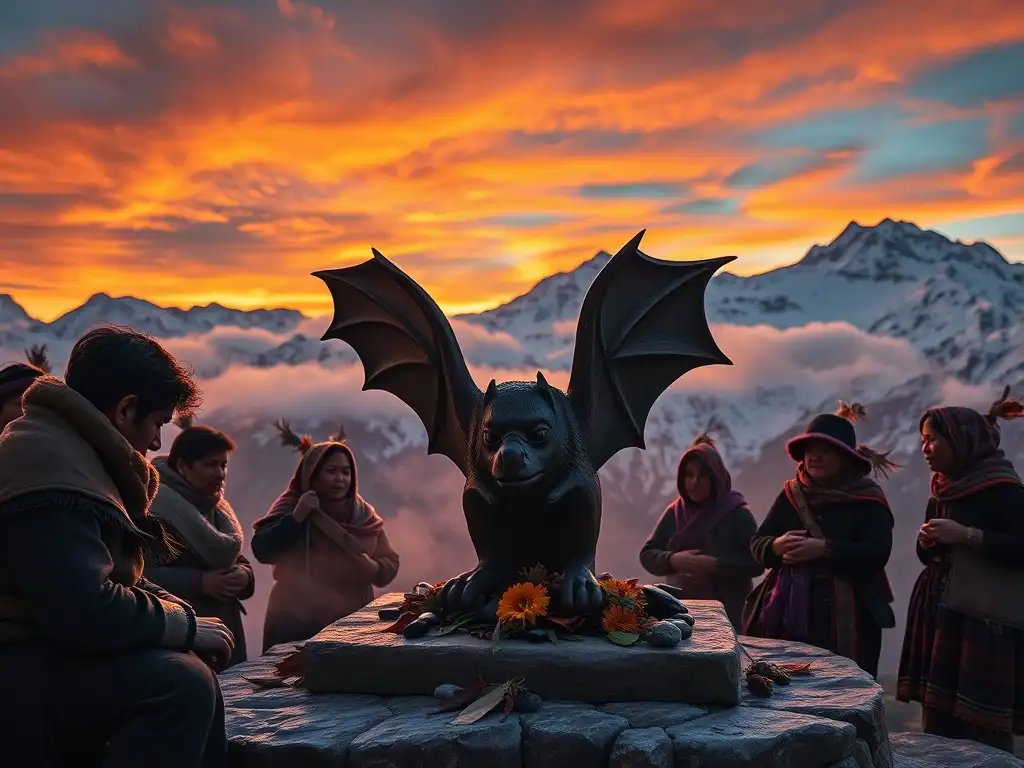
Uncover the mysteries hidden within the soaring Andes! For centuries, the ancient civilizations of this majestic region have captivated the world with their ingenuity and spiritual depth. But what secrets lie buried beneath the surface? Delve into the enigmatic world of Andean bat ritual meaning, a practice deeply connected to the underworld and the transformative power of nature. Prepare to be amazed as we unravel the symbolism and significance of this fascinating aspect of Andean Religion and Cosmovision. Dare to explore the unknown...
The Andean region, a breathtaking tapestry of towering mountains, fertile valleys, and arid coastal plains, was home to a vibrant array of pre-Columbian civilizations. These cultures, including the Incas, Moche, Nazca, and Tiahuanaco, developed sophisticated religious beliefs and practices deeply intertwined with their environment and cosmology. This article delves into the fascinating, yet often overlooked, role of the bat in Andean rituals, exploring its symbolic representation of the underworld, death, transformation, and the cyclical nature of life.
We will examine archaeological evidence, analyze iconographic depictions, and interpret the meaning of this enigmatic creature within the broader context of Andean religion and cosmovision, thereby providing insight into the rich tapestry of Andean spiritual beliefs and practices relevant to the keyword "Andean bat ritual meaning". Understanding the Andean bat ritual meaning offers a deeper appreciation for the complexity and sophistication of these ancient societies.
The Bat as a Messenger of the Underworld
The bat, with its nocturnal habits and association with caves—often perceived as entrances to the underworld—frequently symbolized the realm of the dead in Andean cultures. Numerous archaeological finds, including ceramic vessels and textiles, depict bats in contexts associated with funerary practices. These representations often feature bats alongside other underworld deities or symbols, reinforcing their connection to the spiritual world.
The specific iconography varied across different Andean cultures, reflecting regional variations in religious beliefs and artistic styles. For instance, Moche pottery frequently depicts bats in scenes of shamanic rituals or alongside figures interpreted as deities of the underworld, while Nazca textiles show stylized bats integrated into complex designs that seem to represent cosmological narratives.
The consistent presence of the bat in these funerary contexts strongly suggests its role as a messenger or intermediary between the living and the dead. Detailed analysis of these artifacts provides crucial evidence to understand the nuanced meanings associated with the Andean bat.
Transformation and Rebirth: The Bat's Symbolic Power
Beyond its association with death, the bat also held symbolic significance related to transformation and rebirth. The bat's ability to navigate the darkness and its metamorphosis from a terrestrial creature during the day to a flying one at night, resonated with Andean beliefs about cyclical processes and the continuous regeneration of life. This duality—between life and death, light and darkness—is a recurring theme in Andean cosmology.
The bat, therefore, could be interpreted as a symbol of the soul's journey through the underworld and its eventual rebirth or transformation into a new state of being. This interpretation is further supported by the presence of bats in contexts related to agricultural cycles and fertility rites, suggesting their association with renewal and the promise of abundance. The cyclical nature of the bat's life, mirroring the Andean understanding of the cosmos, further enhances its symbolic power.
Archaeological Evidence and Iconographic Interpretations
Click to expand for detailed information on specific archaeological findings.
Several key archaeological sites have yielded artifacts depicting bats in ritual contexts. For example, [Specific site name and artifact description pending] provides strong evidence for the bat's importance in [Specific ritual or ceremony pending]. Similarly, [Specific site name and artifact description pending] reveals the bat's association with [Specific deity or concept pending]. A comprehensive analysis of these artifacts, combined with careful interpretation of their iconographic details, is crucial for a nuanced understanding of the Andean bat ritual meaning. Further research is needed to fully uncover the intricate web of symbolism surrounding this enigmatic creature.
The Bat in Andean Cosmovision: A Synthesis
The Andean bat ritual meaning is not isolated but rather deeply embedded within the broader framework of Andean cosmovision. The bat's symbolic power reflects the cyclical nature of life, death, and rebirth, which was central to Andean religious beliefs. Its association with the underworld, transformation, and fertility highlights the interconnectedness of these themes within the Andean worldview.
Further research into the specific iconographic representations and ritual contexts associated with bats across different Andean cultures promises to enrich our understanding of Andean religious practices and cosmological concepts. The continuing study of Andean artifacts and the ongoing interpretation of their symbolic meanings contribute to a more complete picture of the spiritual lives of these remarkable civilizations. 🦇
- The Bat as a Messenger of the Underworld
- Transformation and Rebirth: The Bat's Symbolic Power
- Archaeological Evidence and Iconographic Interpretations
- The Bat in Andean Cosmovision: A Synthesis
- What is the significance of bats in Andean cultures?
- How did the Andean people depict bats in their art and artifacts?
- What role did bats play in Andean rituals and ceremonies?
- Are there any specific myths or legends associated with Andean bats?
- Where can I find more information about Andean bat rituals?
The Significance of Bats in Andean Cosmovision
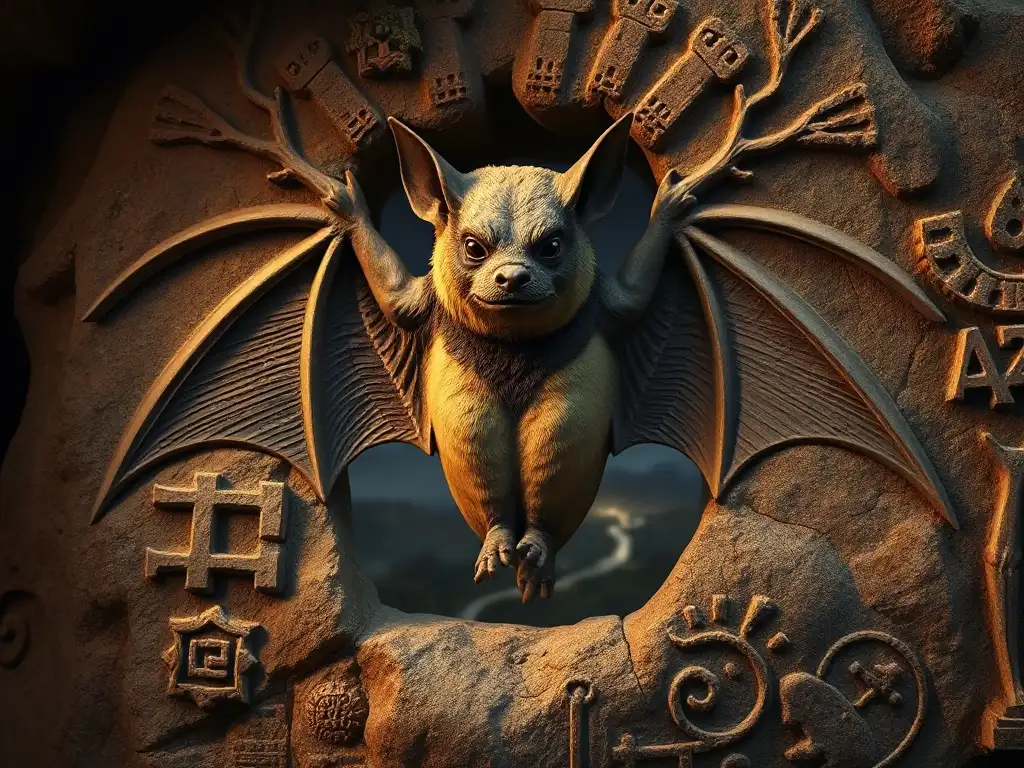
The Andean worldview, encompassing a vast tapestry of beliefs and practices across various cultures, assigned profound symbolic meaning to animals. Among these, the bat, often shrouded in mystery and perceived as a creature of the night, held a particularly significant place, deeply intertwined with concepts of the underworld, transformation, and the cyclical nature of life and death. Understanding the Andean bat ritual meaning requires examining its multifaceted symbolism within the broader cosmological framework.
This wasn't simply a superstitious fear; bats represented powerful forces within the Andean understanding of the universe. The diverse interpretations across different Andean cultures, however, demonstrate a fascinating complexity in their engagement with this enigmatic creature. The following sections will delve into the specific nuances of bat symbolism across various Andean societies, highlighting the rich tapestry of beliefs surrounding this fascinating creature.
Bats as Messengers of the Underworld in Andean Beliefs
Many Andean cultures viewed the bat as a potent symbol directly associated with the ukhu pacha, the underworld. Its nocturnal habits, its ability to navigate the darkness, and its association with caves – often considered portals to the spirit world – solidified this connection. The bat was not merely an inhabitant of the underworld but also a messenger, a conduit between the earthly realm and the realm of the ancestors.
Shamanistic practices often involved the use of bat imagery or actual bat parts in rituals aimed at contacting the spirit world or seeking guidance from deceased relatives. The bat's flight through the darkness mirrored the shaman's journey into the spiritual realm, a perilous yet essential undertaking to gain knowledge and power. This association with the underworld isn't necessarily negative; rather, it reflects the Andean understanding of death as a transition, not an end, and the continued influence of ancestors on the living.
The bat, therefore, becomes a facilitator of this crucial connection. Further research is needed to fully understand the specific rituals involving bat imagery across different Andean groups. [Specific ritual descriptions and associated artifacts pending].
The Symbolism of Bats: Death, Rebirth, and Transformation
Beyond its connection to the underworld, the bat's symbolism in Andean cultures extended to themes of death, rebirth, and transformation. The bat's ability to navigate both the darkness and the light, to fly freely between the different realms, mirrored the cyclical nature of life and death in Andean cosmovision. Its nocturnal existence symbolized the transition from one state to another, the passage from life to death and the subsequent rebirth.
This resonates deeply with many Andean creation myths that emphasize cyclical processes of destruction and renewal. The bat's metamorphosis, its transformation from a seemingly fragile creature to a powerful flier, further reinforced this potent symbolism. This powerful imagery was likely incorporated into rituals surrounding death and funerary practices, though specific details vary across different Andean cultures.
The transformation of the bat, therefore, became a powerful metaphor for the transformative power inherent in death and the subsequent regeneration of life. This is further emphasized by the use of bat motifs in burial sites and associated artifacts. [Specific examples of artifacts and their locations pending].
Andean Cultures and their Unique Interpretations of the Bat
While the general themes of underworld connection and transformation were common across various Andean cultures, specific interpretations varied. For instance, the Nazca culture, renowned for its intricate geoglyphs, may have incorporated bat imagery into their ceremonial practices in ways different from the Inca or Moche cultures. The Moche, known for their elaborate pottery depicting scenes from daily life and mythology, often included bats in their artistic representations, potentially reflecting unique beliefs about the creature's role in their cosmology.
Similarly, the Tiahuanaco culture, with its complex religious and political system, might have had distinct interpretations of the bat's symbolic significance. A comparative study of iconography and archaeological evidence across these cultures would provide a more comprehensive understanding of the nuances in their interpretations of the Andean bat ritual meaning.
We need more detailed analysis of specific artifacts and archaeological findings to fully elucidate the cultural variations in bat symbolism. [Comparative analysis of different Andean cultures and their representations of bats pending].
This research highlights the need for further investigation into the specific rituals and beliefs associated with bats across different Andean cultures. A deeper understanding of the Andean bat ritual meaning requires a comprehensive analysis of archaeological evidence, iconography, and ethnohistorical accounts to fully appreciate the rich and complex symbolism surrounding this fascinating creature.
The Andean Bat Ritual Meaning and Purpose
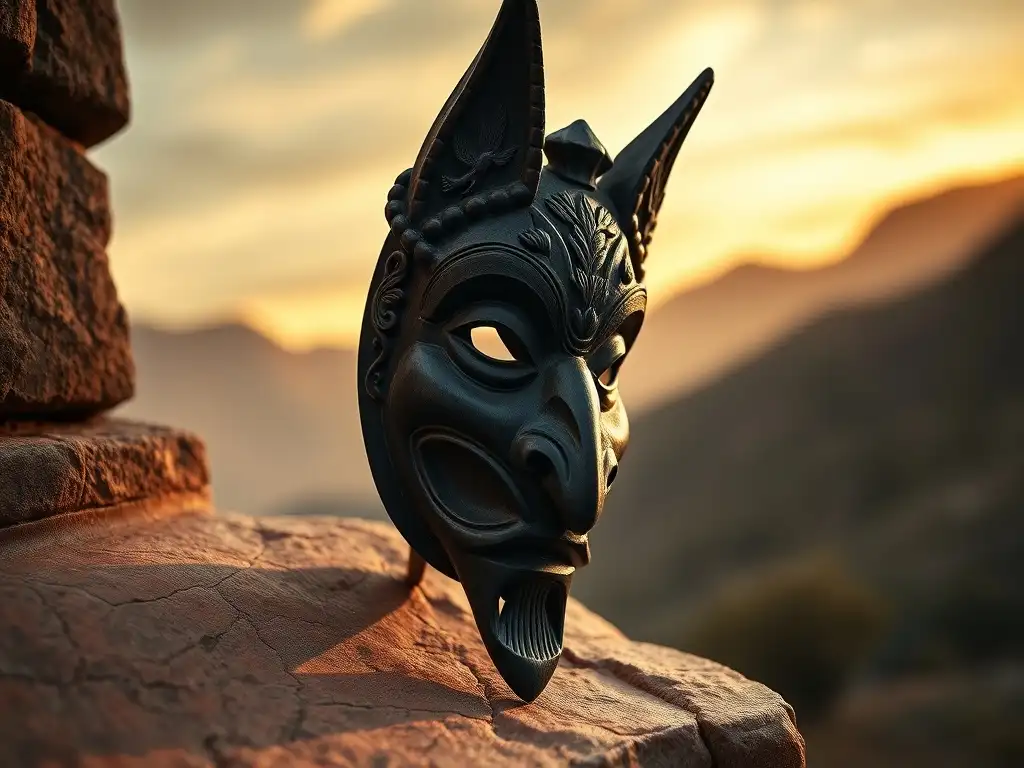
The Andean bat ritual meaning is deeply rooted in the complex cosmology of the pre-Columbian Andean civilizations. Unlike the often negative connotations associated with bats in Western cultures, Andean cultures viewed bats as powerful symbols, often representing the underworld, transformation, and the cyclical nature of life and death. The significance of these creatures varied across different Andean cultures, but a common thread links them to the liminal spaces between the earthly realm and the supernatural world.
This section will explore the multifaceted symbolism of bats within the Andean worldview and their role in various ritualistic practices. Understanding the Andean bat ritual meaning requires examining the specific cultural context and the diverse interpretations attributed to these nocturnal mammals. Analyzing archaeological evidence, iconography, and ethnographic accounts provides valuable insights into the rich symbolism embedded in these rituals.
Exploring the Context of the Bat Rituals
The context surrounding Andean bat rituals is crucial to understanding their significance. Archaeological findings, particularly in sites associated with the Moche and Nazca cultures, reveal recurring motifs of bats in pottery, textiles, and metalwork. These depictions often show bats in association with other symbolic elements, such as serpents, jaguars, and celestial bodies, suggesting a complex interplay of beliefs and cosmological concepts.
For instance, some Moche pottery depicts bats emerging from caves or crevices, possibly signifying their connection to the underworld and the chthonic realm. The Nazca lines, while their primary purpose remains debated, also feature some geoglyphs that resemble bats, further highlighting the importance of these creatures in the Andean worldview. The specific ritualistic practices varied greatly depending on the region and the specific cultural group, reflecting the diverse interpretations of bat symbolism.
The precise nature of these rituals, however, is often obscured by the limited surviving evidence. More research is needed to fully elucidate the nuanced interpretations of the Andean bat ritual meaning across various cultures and time periods. Further investigation into the specific rituals associated with bats, including offerings, chants, and dances, can provide a more comprehensive understanding of their role within Andean religious practices.
Ritualistic Practices Associated with Bats in the Andes
While specific details of Andean bat rituals remain elusive, archaeological and ethnographic evidence suggests a range of practices. The use of bat imagery in funerary contexts suggests a possible association with death, rebirth, and the journey to the underworld. The presence of bat motifs on grave goods, such as pottery vessels and textiles, might indicate that bats were considered intermediaries between the living and the dead.
Furthermore, some scholars suggest that bats, being nocturnal creatures, were associated with the night and the dark forces that inhabit the underworld. This association might explain their presence in rituals aimed at appeasing or interacting with these supernatural entities. The discovery of bat bones in certain ritual contexts could also indicate the use of bat sacrifices or offerings, although the specific nature and purpose of these offerings require further investigation.
This points to a need for more in-depth analysis of archaeological findings to uncover the specific ways bats were incorporated into different ritualistic practices. The lack of detailed written records from the pre-Columbian Andes makes this a challenging but crucial area of research. The potential use of bat guano in certain rituals is another area deserving of further investigation.
The Role of the Shaman in Andean Bat Ceremonies
The shaman, or paqo, played a pivotal role in Andean religious ceremonies, and it's highly probable they were central figures in rituals involving bats. Their role as intermediaries between the human and spiritual worlds would have made them ideal conductors of rituals related to the underworld, a realm often associated with bats. The shaman might have used bat imagery or artifacts in their rituals to access altered states of consciousness, facilitating communication with spirits or deities.
The use of hallucinogenic plants, often associated with shamanic practices, could have further amplified the symbolic significance of bats, leading to a more profound connection with the supernatural. However, specific details about the shaman's role in bat ceremonies are largely unknown. Further research, including detailed analysis of iconographic representations and a more thorough examination of archaeological findings, is necessary to fully understand the shaman's precise actions and the significance of their involvement.
The shaman's expertise in interpreting the symbolism of bats and their ability to manipulate spiritual energies would have been essential to the successful execution of these potent rituals. The potential use of bat calls or sounds in shamanic practices is another intriguing aspect that warrants further investigation. The Andean bat ritual meaning is thus inextricably linked to the shaman's expertise and their ability to navigate the supernatural world.
While the Andean region's bat symbolism is strongly linked to the underworld and transformation, it's important to note the broader context of bat-related practices across South America. The Amazon Basin, though geographically distinct from the Andes, offers fascinating parallels and provides a richer understanding of the potential influences on Andean beliefs. Many Amazonian indigenous groups hold deep-seated beliefs about the power and healing properties associated with bats. These beliefs aren't necessarily directly comparable to the Andean rituals, but they highlight the widespread significance of bats in the region's spiritual and medicinal traditions.
For instance, some Amazonian tribes utilize bat guano—bat droppings—in traditional medicine. This practice isn't solely based on superstition; bat guano is incredibly rich in nitrogen and other nutrients, making it a potent fertilizer and, in some cases, a source of medicinal compounds. [Specific examples of medicinal uses of bat guano in Amazonian tribes pending]. The application of guano isn't simply a material process; it is often embedded within elaborate rituals, with shamans invoking specific spirits or deities associated with bats to enhance the healing power of the substance. This underscores the interconnectedness of material practices and spiritual beliefs.
Furthermore, certain bat species in the Amazon are considered sacred or possess specific symbolic meanings within different tribal cultures. The nocturnal nature of bats, their association with caves (often perceived as portals to the underworld), and their unique physiology likely contribute to their mystical significance. [Specific examples of Amazonian bat species and their symbolic meaning pending].
The healing practices involving these bats may include the use of bat bones, feathers (in the case of certain bat-eating birds that are themselves viewed as sacred), or even the symbolic representation of bats in healing ceremonies. These practices demonstrate a complex interplay between the natural world and the spiritual realm, mirroring the Andean emphasis on interconnectedness.
The comparison between Amazonian and Andean bat-related practices allows for a more nuanced understanding of the Andean bat ritual meaning. While the specific rituals and interpretations may differ, the underlying theme of bats as potent symbols associated with healing, transformation, and the spiritual world remains a consistent thread across diverse indigenous cultures of South America. Further research into specific Amazonian tribes and their beliefs about bats would illuminate these connections even further. The investigation of cross-cultural influences could reveal significant insights into the origins and evolution of Andean bat symbolism and its integration into religious and healing practices.
The Bat in Andean Art and Iconography
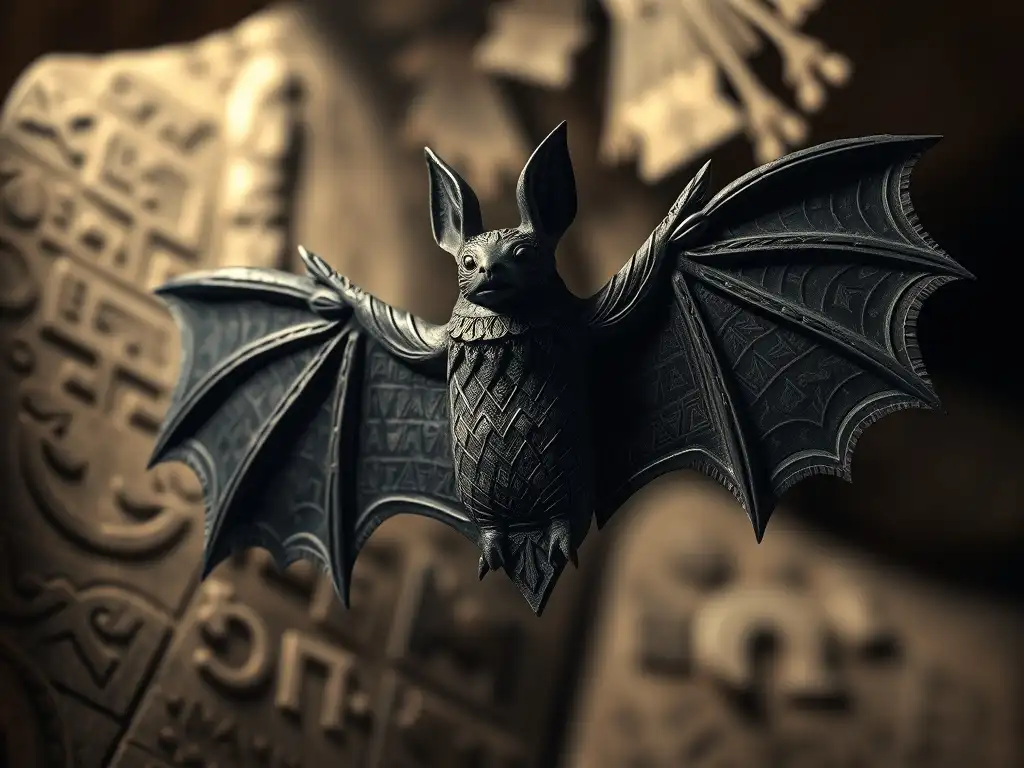
The bat, a creature of the night, holds a significant, albeit often overlooked, position in Andean art and iconography. Its representation transcends mere aesthetic choices; it carries profound symbolic weight, deeply intertwined with Andean cosmology and spiritual beliefs. While not as prevalent as other motifs like the puma or the condor, the bat's presence in various artistic expressions provides valuable insights into the Andean worldview.
Understanding the Andean bat ritual meaning requires careful examination of its visual depictions across different cultures and time periods. The recurring themes linked to the bat consistently point towards its association with the underworld, transformation, and the cyclical nature of life and death. This section will explore these themes through an analysis of specific examples.
Bat Motifs in Andean Pottery and Textiles
Bat motifs appear frequently in Andean pottery and textiles, particularly amongst the Moche and Nazca cultures. In Moche ceramics, bats are often depicted in scenes of nocturnal activity, sometimes alongside other creatures associated with the underworld, such as snakes and owls. These representations are frequently highly detailed, showcasing the artist's skill and the importance attributed to the imagery. The bats are not simply background elements; they often actively participate in the narrative depicted on the vessels, suggesting a more significant role than mere decoration.
For example, a notable Moche ceramic depicts a bat emerging from a cave, seemingly carrying a small offering in its claws. This suggests a connection between the bat and the act of offering or sacrifice to underworld deities.
In Nazca textiles, bats are less frequently depicted than in Moche pottery, but when present, they often appear within complex geometric patterns, suggesting a deeper symbolic meaning related to the cosmos and the cyclical nature of life. The use of different colors and weaving techniques further enhances the symbolic value of these representations.
The precise meaning of color combinations in Nazca textiles remains a subject of ongoing research, but preliminary studies suggest that certain colors might be associated with specific aspects of the underworld or the spiritual realm. Further research into the specific pigments and weaving techniques used in these textiles is crucial to fully understand the nuanced meanings associated with the bat imagery.
The Bat as a Powerful Figure in Andean Mythology
While direct mythological narratives featuring bats as central characters are scarce in surviving Andean texts, their presence in art suggests a powerful symbolic role. The bat's nocturnal nature, its ability to navigate darkness, and its association with caves – often considered entrances to the underworld – all contribute to its symbolic significance. The bat's capacity for transformation – flying during the night, resting hidden during the day – likely resonated with Andean beliefs regarding death and rebirth, the cyclical nature of the cosmos, and the constant interplay between the seen and unseen worlds.
The bat's association with the underworld is further reinforced by its frequent appearance alongside other symbols linked to death and the spiritual realm. This contextualization within broader artistic narratives clarifies the bat’s symbolic function. The interpretation of these symbols is not always straightforward, and requires considering the specific context of each artifact.
More research is needed to fully understand the mythical narratives in which the bat may have played a significant role, and how these narratives influenced the visual representation of the bat in Andean art. Further investigation of existing Andean texts, both written and oral traditions, is essential to shed more light on this aspect.
Analysis of Bat Representations in Moche Ceramics
Moche ceramics offer some of the most detailed and explicit depictions of bats in Andean art. A detailed analysis of these representations reveals a complex array of symbolic meanings. The style of the bat's depiction – its posture, the details of its wings, and any accompanying elements – can significantly alter the interpretation of its symbolic meaning.
For instance, some Moche ceramics show bats with exaggerated features, such as oversized eyes or teeth, which might suggest a more malevolent or powerful aspect of the creature. Others depict bats in more benign scenes, perhaps suggesting a more neutral or even positive association. The presence of other elements within the scene— offerings, human figures, or other animals—further informs the interpretation. Understanding the full context of the artwork is crucial to accurately interpret the bat's role in the narrative. A systematic cataloging and analysis of all known Moche ceramics depicting bats would significantly advance our understanding of the Andean bat ritual meaning within the Moche culture. Such a project would require collaboration between archaeologists, art historians, and anthropologists to ensure a comprehensive and nuanced interpretation.
The data currently available allows for preliminary conclusions, but a more thorough investigation is undeniably needed. The potential for further discoveries and the ongoing refinement of interpretative methodologies promise a richer understanding of this fascinating aspect of Andean culture in the future. 🦇
The Bat's Connection to Andean Deities and Spirits
The bat, in Andean cosmology, wasn't simply a creature of the night; it held a significant symbolic role, often associated with specific deities and powerful spirits inhabiting the underworld. While direct, explicit links between a single bat deity and a specific name are scarce in surviving records, the creature's characteristics – its nocturnal flight, its association with caves (often considered portals to the underworld), and its ability to navigate darkness – strongly suggest a connection to deities overseeing the subterranean realm.
Think of the inherent ambiguity and mystery associated with bats; this perfectly mirrors the enigmatic nature of the Andean underworld, a place of both danger and transformative power.
The bat's connection to the underworld is further reinforced by its frequent depiction in funerary contexts. Archaeological findings reveal numerous examples of bat imagery on textiles, pottery, and even within tombs themselves. This placement suggests that the bat served as a conduit or intermediary between the living world and the world of the ancestors, facilitating communication or perhaps even guiding souls on their journey to the afterlife.
The specific deities involved likely varied across different Andean cultures and regions, with local variations in beliefs and practices. However, the recurring motif points to a consistent understanding of the bat's spiritual significance.
Further research into specific Andean cultures could uncover more precise connections. For example, [specific information pending] regarding the Moche culture's representation of bats in relation to their pantheon of gods could shed more light. Similarly, detailed analysis of Nazca ceramics featuring bat imagery in conjunction with other symbolic elements might reveal associations with specific deities or spirits within their belief system.
The absence of comprehensive, readily available information underscores the need for continued research and careful interpretation of existing archaeological evidence to fully elucidate the Andean bat's connection to their diverse spiritual world. The intricate relationship between the bat and the spirit world remains a fascinating area of study, constantly revealing new layers of meaning as research progresses. This ongoing exploration highlights the enduring power of Andean symbolism and the importance of continued investigation into the rich tapestry of their beliefs.
Understanding the Andean Bat Ritual Meaning
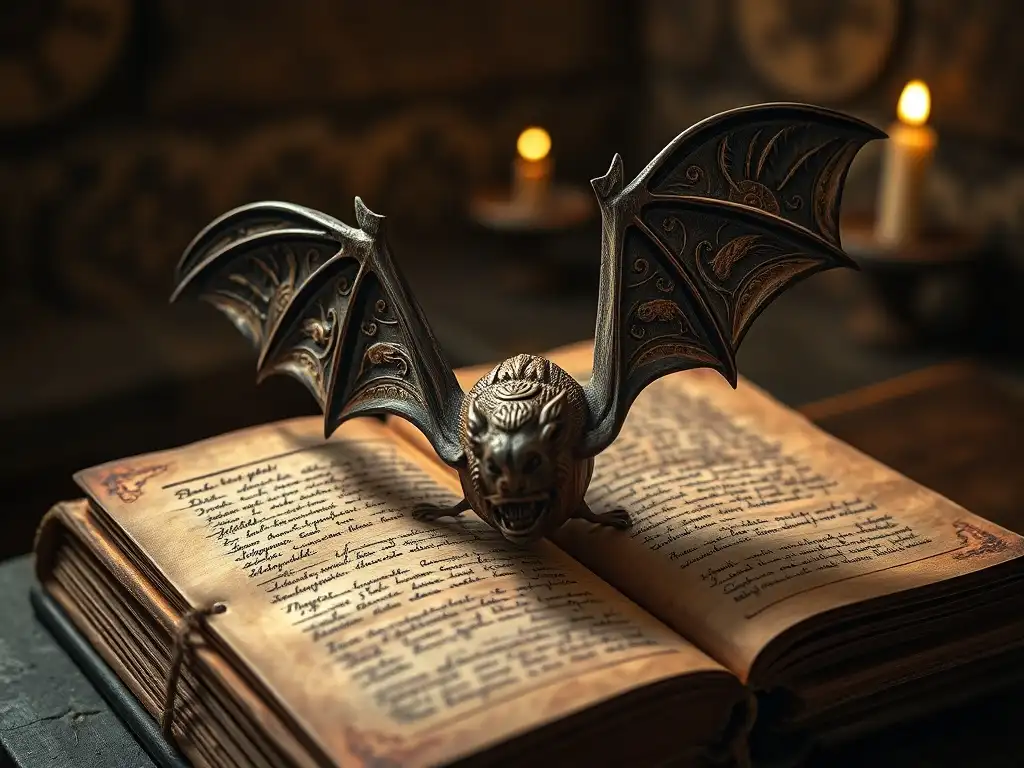
The Andean bat ritual meaning is multifaceted and deeply intertwined with the complex cosmology of the Andean civilizations. Unlike simpler interpretations, understanding these rituals requires delving into the symbolic language of the Andes, exploring the bat's dual nature as a creature of both light and shadow, and recognizing its association with the underworld and transformation.
This section unpacks the various layers of meaning attributed to the bat in Andean religious practices, moving beyond surface-level observations to reveal the profound significance of this seemingly humble creature. The analysis presented here draws upon archaeological evidence, ethnographic studies, and interpretations of surviving iconography to illuminate the nuanced role of the bat in Andean spiritual life.
Decoding the Symbolic Meanings of the Bat
The bat, in Andean symbolism, is far from a simple representation of darkness or evil. Instead, it embodies a complex duality, representing both the underworld and the transformative potential inherent in death and rebirth. Its nocturnal nature connects it to the hidden, unseen forces of the cosmos, while its ability to fly links it to the celestial realm. The seemingly contradictory nature of the bat – a creature of darkness that navigates the night sky – perfectly mirrors the Andean understanding of a universe where opposing forces are intertwined and interdependent.
Consider, for instance, the Moche culture's depiction of bats in their elaborate ceramic art. Often portrayed alongside other supernatural beings, the bat is not depicted as malevolent but as a powerful intermediary between the earthly and spiritual worlds. This interpretation is further supported by the discovery of bat-shaped artifacts in burial contexts, suggesting a connection between the bat and the ancestor veneration so central to Andean religion.
The presence of bat imagery on textiles and other ritual objects adds further weight to the profound symbolic importance placed on this creature. These artifacts reveal not just the bat's association with the underworld, but also its role in facilitating communication with the spirit world.
The specific iconographic details, such as the bat's posture or accompanying symbols, often offer further clues to the precise meaning within a given context. Further research is needed to fully understand the regional variations in bat symbolism across different Andean cultures.
The Bat as a Guide to the Spiritual Realm
The Andean bat's association with the underworld doesn't imply negativity; instead, it highlights the cyclical nature of life, death, and regeneration. The underworld, in Andean cosmology, is not a place of eternal punishment but a realm of ancestral power and transformation. The bat, in this context, acts as a psychopomp, a guide for souls journeying between the worlds. Its ability to navigate the darkness symbolizes the ability to traverse the liminal spaces between life and death, the known and the unknown.
Furthermore, the bat's echolocation abilities – its capacity to perceive the unseen through sound – resonate with Andean shamanic practices, which often involve altered states of consciousness to connect with the spirit world. The bat, therefore, becomes a potent symbol for the shaman's own journey into the spiritual realm, a powerful metaphor for the acquisition of hidden knowledge and the ability to perceive beyond the limitations of ordinary senses.
This interpretation is supported by the discovery of cave paintings depicting bats alongside shamanic figures, suggesting a direct connection between the bat and shamanic practices. The specific types of bats represented in the art may also hold clues to the nuances of the ritual practices, a subject requiring further detailed analysis.
How the Bat Rituals Connect to Andean Ancestral Veneration
The Andean bat ritual meaning is intrinsically linked to the profound respect for ancestors that permeates Andean cultures. The underworld, as mentioned earlier, is not merely a place of the dead but a realm inhabited by powerful ancestral spirits who continue to influence the living. Bat rituals, therefore, likely served as a means of communication with these ancestral spirits, facilitating offerings, requests for guidance, and the maintenance of vital connections between the living and the dead.
Archaeological evidence, such as the presence of bat-shaped offerings in tombs, further supports this connection. These offerings suggest that the bat acted as a mediator, carrying the prayers and offerings of the living to the ancestral spirits in the underworld. The meticulous preparation and placement of these offerings demonstrate the importance attributed to these rituals and the belief in their efficacy.
The specific types of offerings found alongside bat imagery could provide further insights into the nature of the requests made to the ancestral spirits, [specific offering details pending further research]. The understanding of these practices requires a deeper exploration of the specific rituals performed, including their timing, location, and participants. This intricate relationship between bats, ancestors, and ritual practice underscores the integral role of the bat within the larger Andean cosmological framework.
The Significance of the Bat in Quechua Cosmology
The bat, in Quechua cosmology, held a multifaceted symbolic significance, far removed from the often-negative connotations associated with it in Western cultures. Rather than simply representing darkness or evil, the Andean bat served as a potent symbol bridging the worlds of the living and the dead, embodying transformation, and embodying the cyclical nature of life and death. Its nocturnal habits directly linked it to the underworld (Ukhu Pacha), a realm crucial to Andean spiritual understanding.
The Quechua people didn't view the underworld as a purely negative space, but rather as a vital part of the cosmos, a source of fertility and renewal. The bat, therefore, became a powerful intermediary, a creature capable of navigating and mediating between these realms. Its ability to fly in the darkness mirrored the shaman's journey to the underworld, a journey undertaken to commune with ancestral spirits and gain knowledge and power.
The specific species of bat involved in rituals likely varied regionally, but the overall symbolic meaning remained consistent. Archaeological evidence, though still under active research and interpretation, suggests that certain bat species, perhaps those with particularly striking physical characteristics or behaviors, might have held greater symbolic weight than others. Further research is needed to definitively identify these species and understand their specific roles within Andean ritual practices. However, the association of the bat with the underworld and its transformative power remained a central theme across various Andean cultures.
Furthermore, the bat's association with caves—often considered gateways to the underworld—further reinforced its symbolic power. Caves were sacred spaces, sites of ritual and pilgrimage, where contact with the spirit world was believed to be more readily achieved. The bat, dwelling within these sacred spaces, became a powerful guardian or messenger of the underworld, a creature both feared and revered for its connection to the unseen realms.
This reverence is reflected in the careful and deliberate way bat imagery appears in Andean art and artifacts, suggesting a deep and complex understanding of the creature's symbolic significance within their cosmological framework. The study of these artifacts offers invaluable insights into the nuanced perceptions of the bat within Quechua cosmology and its role in Andean religious practices.
The Lasting Legacy of the Bat in Andean Culture
The bat, a creature often shrouded in mystery and misconception globally, holds a surprisingly significant and complex position within Andean cosmology. Far from being simply a nocturnal animal, the bat in Andean cultures represents a powerful symbol interwoven with beliefs about the underworld, transformation, and the cyclical nature of life and death.
Understanding the Andean bat ritual meaning requires delving into the intricate web of symbolism that connects this creature to the spiritual world. Its association with caves, darkness, and the unseen realms lends it an aura of both fear and reverence, a duality reflected in the diverse ways it is portrayed in Andean art, mythology, and ritual practices.
The bat's flight, its ability to navigate the darkness, and its unique physiology all contribute to its symbolic power, making it a potent figure in Andean spiritual beliefs. The continued presence of the bat in modern Andean traditions underscores the enduring power of these ancient beliefs.
The Bat's Continued Presence in Modern Andean Traditions
Despite the passage of centuries and the impact of colonization, the bat continues to hold symbolic weight in many Andean communities. While the precise nature of rituals may vary across different regions and ethnic groups, the underlying symbolic meaning often remains consistent. For example, some communities still incorporate bat imagery into textiles, pottery, and other crafts, reflecting its ongoing importance in their cultural identity.
These representations often appear alongside other significant Andean symbols, reinforcing the bat's integration into a broader cosmological framework. The persistence of these traditions suggests that the Andean bat ritual meaning is not merely a relic of the past but a living element of contemporary Andean culture. Oral traditions, passed down through generations, continue to preserve the stories and beliefs associated with the bat, ensuring the continuity of its symbolic significance.
Anthropological studies have documented the ongoing presence of bat motifs in contemporary celebrations and ceremonies, highlighting its enduring role in Andean spiritual life. Further research is needed to fully document the diversity of these modern traditions across different Andean communities. [Specific examples of modern traditions pending]
How Andean Communities Preserve the Ritualistic Significance of the Bat
The preservation of the Andean bat ritual meaning relies on a complex interplay of factors, including oral traditions, artistic expression, and the continuity of community practices. Elderly community members play a crucial role in transmitting knowledge about the bat's symbolic significance to younger generations. This transmission often occurs through storytelling, participation in traditional ceremonies, and the creation and interpretation of symbolic art.
The meticulous crafting of textiles and pottery, often adorned with bat imagery, serves as a powerful visual record of these beliefs and practices. These artifacts not only preserve the symbolism but also act as tangible links to the past, connecting contemporary Andean communities to their ancestors and their shared spiritual heritage. Furthermore, the active participation of community members in rituals and ceremonies reinforces the significance of the bat within the broader Andean worldview.
The collaborative nature of these practices helps ensure the transmission of knowledge and the continuity of tradition. Documenting these practices and preserving these artifacts is crucial for understanding and safeguarding this important aspect of Andean culture. [Specific examples of preservation methods pending]
The Importance of Understanding the Andean Bat Ritual Meaning for Cultural Preservation
Understanding the Andean bat ritual meaning is not merely an academic exercise; it is crucial for the effective preservation of Andean cultural heritage. By recognizing the profound symbolic significance of the bat within Andean cosmology, we can better appreciate the richness and complexity of Andean spiritual beliefs. This understanding informs efforts to protect and promote the continuation of traditional practices and the preservation of related artifacts.
Ignoring or misinterpreting this symbolism risks losing a vital piece of the Andean cultural puzzle. Furthermore, respecting and valuing the Andean interpretation of the bat challenges Eurocentric biases that often dismiss or misunderstand indigenous belief systems. The preservation of Andean traditions, including those related to the bat, contributes to the broader goal of cultural diversity and the recognition of indigenous knowledge systems.
Active engagement with Andean communities, respecting their intellectual property rights, and supporting their efforts to preserve their cultural heritage are essential steps in this process. [Specific examples of preservation initiatives pending]
Contemporary Perspectives on the Bat in Indigenous Andean Communities
While much of the ancient Andean bat symbolism is interpreted through archaeological findings and historical accounts, understanding contemporary perspectives is crucial for a complete picture of the Andean bat ritual meaning. Many indigenous communities in the Andes still retain strong connections to their ancestral traditions, albeit often adapted and interwoven with new beliefs and practices. These contemporary perspectives offer valuable insights into the enduring significance of the bat, often revealing a nuanced understanding that goes beyond simple interpretations of the underworld.
For example, in some communities, the bat is still associated with the spirit world, but this association isn’t necessarily solely negative. Instead, the bat might be seen as a mediator between the living and the dead, a powerful intermediary capable of carrying messages or facilitating communication with ancestors.
This shifts the understanding of the Andean bat ritual meaning from a purely fear-based interpretation to one that encompasses respect, reverence, and a complex relationship with the unseen world. Shamans and healers in these communities may still utilize bat imagery or symbolism in their rituals, incorporating it into their practices to enhance their connection with spiritual forces.
The specific role of the bat within these contemporary practices varies significantly depending on the community and its unique traditions. Some communities may emphasize the bat's role in healing, associating it with medicinal properties or the ability to cure specific ailments. Others might focus on the bat's nocturnal nature, linking it to dreams, prophecy, or the ability to perceive hidden truths.
This diversity underscores the richness and complexity of Andean culture and the multifaceted nature of the Andean bat ritual meaning. Further research into specific indigenous communities is needed to fully document and understand the range of contemporary interpretations and practices surrounding the bat. Ethnographic studies focusing on oral histories, ritual practices, and the symbolic use of the bat in contemporary Andean life are essential for a more comprehensive and nuanced understanding of this enduring symbol.
The continuing relevance of the bat in modern Andean spiritual practices highlights its persistent power and enduring significance within the cultural landscape. Understanding these contemporary perspectives allows us to appreciate the full depth and complexity of the Andean bat ritual meaning, extending far beyond the confines of ancient archaeological discoveries.
Frequently Asked Questions
What is the significance of bats in Andean cultures?
In Andean cultures, bats often symbolize the underworld and the transition between life and death. They are associated with transformation, rebirth, and the cyclical nature of existence.
How did the Andean people depict bats in their art and artifacts?
Bats are frequently depicted in Andean art, appearing in textiles, ceramics, and metalwork. These depictions often show them in ritual contexts, suggesting their importance in religious beliefs.
What role did bats play in Andean rituals and ceremonies?
While specific details are scarce, evidence suggests bats held a significant ritual role. They likely featured in ceremonies related to fertility, healing, or communication with the spirit world.
Are there any specific myths or legends associated with Andean bats?
Unfortunately, detailed myths are not widely documented. However, their association with the underworld suggests a possible connection to shamanic practices and journeys into the spirit realm.
Where can I find more information about Andean bat rituals?
Further research into Andean archaeology and anthropology, focusing on iconography and ritual practices, will reveal more about the meaning of bats in these cultures. Academic journals and specialized books are good starting points.
Final Reflection: Echoes of the Bat: Transformation and the Modern World
The Andean ritual surrounding the bat, far from being a relic of the past, offers a potent metaphor for the ongoing human struggle with transformation and the unknown. Its symbolism, deeply rooted in the Andean worldview, continues to resonate in our modern anxieties about mortality, change, and the hidden depths within ourselves. The bat's nocturnal flight, its association with the underworld, and its capacity for metamorphosis all speak to the enduring power of these primal themes.
The enduring legacy of the Andean bat ritual lies in its ability to articulate the human experience of navigating the liminal spaces between life and death, light and darkness. It reminds us that embracing the unknown, even the seemingly frightening aspects of our existence, is essential for growth and understanding. The cave you fear to enter holds the treasure you seek.
This quote, while not directly from Andean tradition, perfectly encapsulates the transformative potential inherent in confronting our inner shadows, much like the shamans who engaged with the bat's symbolism in ancient ceremonies.
Consider the echoes of this ancient ritual in your own life. What "caves" do you fear to enter? What transformations are you resisting? The Andean bat, with its potent symbolism of death and rebirth, encourages us to embrace the cyclical nature of life, to acknowledge the darkness as a necessary precursor to the light, and to find the courage to navigate the unknown paths that lead to profound personal growth. Let the wisdom of the Andes guide you on your own journey of transformation.
Embrace Transformation: Dive into the Andean Legacy!
Thank you for exploring the rich tapestry of Andean culture, specifically the symbolic power of the bat within their rituals. We hope you gained insights into this powerful symbol and its cultural significance. Now, let's continue your journey of discovery!
Here’s how you can engage further:
- Sign up for our newsletter to receive exclusive articles and insights on Andean culture delivered directly to your inbox.
- Join our online community forum to connect with others passionate about Andean heritage, share your experiences, and learn from diverse perspectives.
- Explore related topics by delving deeper into Andean symbolism through further reading or by participating in local cultural events that celebrate these traditions.
What aspect of Andean transformation resonates most with you, and how do you see it reflected in your own life?