
The Inca's Use of Local Materials in Construction: Adapting to the Environment

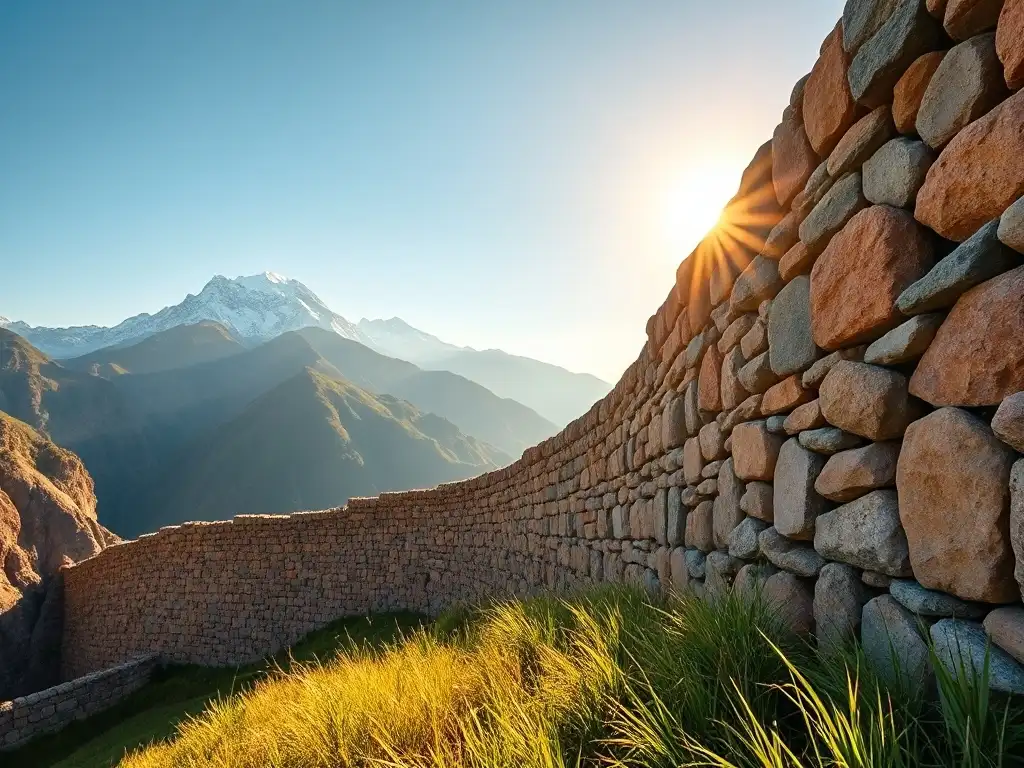
Step into a world lost to time, yet echoing with the ingenuity of the Andes. For centuries, civilizations thrived amidst breathtaking landscapes, leaving behind a legacy of breathtaking artistry and architectural marvels. But how did the Incas, masters of their environment, achieve such feats? Uncover the secrets behind their remarkable construction—from the very stones they used—and discover the innovative use of Inca construction materials in our exploration of the Inca Empire. Prepare to be amazed.
-
Inca Construction Materials: Adapting to the Andean Environment
- Introduction to Inca Building Techniques and Local Resources
- Stone as a Primary Inca Construction Material
- Adobe and Earth Construction in Inca Structures
- Use of Wood and Other Organic Materials
- The Role of Geography in Material Choice
- Inca Engineering and Material Innovation
- The Enduring Legacy of Inca Building Materials
- Conclusion: The Ingenuity of Inca Builders and their Materials
-
Frequently Asked Questions
- What construction materials did the Inca primarily use?
- How did the Inca adapt their construction to different environments?
- What kind of stone did the Inca use in their constructions?
- Were any other materials besides stone used in Inca construction?
- How did the Inca's use of local materials impact their architecture?
- Final Reflection: Echoes of the Andes: A Legacy in Stone
- Embrace the Wisdom of the Incas: Build Sustainably Today!
Inca Construction Materials: Adapting to the Andean Environment
The Inca Empire, renowned for its sophisticated engineering and architectural prowess, didn't rely on imported materials for its monumental constructions. Instead, the Incas demonstrated a remarkable ability to adapt their building techniques to the diverse and challenging Andean environment, utilizing readily available local resources. This ingenuity is evident in their impressive cities, temples, and fortifications, which stand as testaments to their mastery of stonework and their deep understanding of the landscape.
This article delves into the specific materials employed by Inca builders, highlighting their resourcefulness and the remarkable durability of their structures, exploring the keyword "Inca construction materials" and its various facets. Understanding their construction methods offers a fascinating glimpse into the ingenuity and sustainability practices of this remarkable civilization. We'll examine the types of stone used, the quarrying techniques employed, and the sophisticated masonry skills that allowed them to create structures that continue to inspire awe centuries later.
Introduction to Inca Building Techniques and Local Resources
Inca construction was a highly organized and sophisticated process. The empire's vast network of roads and communication systems facilitated the efficient transport of labor and, importantly, limited quantities of specialized materials. However, the primary building materials were sourced locally, minimizing environmental impact and maximizing efficiency. This approach reflected a deep understanding of the surrounding environment and its resources.
The selection of materials was directly influenced by the geographical location of the construction project. For example, mountainous regions might primarily use readily available stone, while coastal areas might incorporate more readily available materials like adobe. This adaptable approach is a key element in understanding the success and longevity of Inca architecture. The Incas weren't just builders; they were masters of environmental adaptation.
Stone as a Primary Inca Construction Material
Stone formed the backbone of Inca construction. Its abundance in the Andes, coupled with its durability and strength, made it the ideal material for their impressive structures. Different types of stone were selected based on their availability, properties, and intended use. The quality of the stonework varied depending on the project's importance and the availability of skilled labor.
While some structures utilize roughly hewn stones, others showcase incredibly precise and finely finished ashlar masonry. This variation highlights both the practicality and the aesthetic sensibilities of Inca builders. The choice of stone wasn't arbitrary; it reflected a practical understanding of material properties and their suitability for different construction tasks.
Andesite, Granite, and Limestone in Inca Architecture
The Incas skillfully utilized various types of stone, including andesite, granite, and limestone, each chosen for its specific properties. Andesite, a volcanic rock known for its strength and durability, was a popular choice for large-scale projects like Sacsayhuamán. Granite, with its resistance to weathering, was also frequently employed. Limestone, while less resistant, was used in areas where it was readily available.
The careful selection of stone types demonstrates a deep understanding of material science and a commitment to building structures that would withstand the test of time. The precision with which these stones were cut and fitted is a testament to the advanced engineering skills of the Inca builders. The varied colors and textures of these stones also contributed to the visual appeal of Inca structures.
Quarrying at Ollantaytambo and Sacsayhuaman
The quarrying techniques employed by the Incas were as impressive as the structures they built. Sites like Ollantaytambo and Sacsayhuamán provide compelling evidence of their sophisticated methods. At Ollantaytambo, huge blocks of stone were extracted from nearby quarries and transported over significant distances, showcasing an impressive logistical capability.
The precision with which these blocks were cut and shaped suggests the use of advanced tools and techniques, although the exact methods remain partially a subject of ongoing research and debate among archaeologists. Sacsayhuamán's massive stone blocks, some weighing over 100 tons, further illustrate the Incas' remarkable engineering skills and ability to manipulate incredibly heavy materials.
Ashlar Masonry and Polished Stone Techniques
The hallmark of Inca stonework is its precise ashlar masonry. This technique involved cutting and fitting stones with incredible accuracy, creating seamless joints and incredibly strong structures. The precision is astounding, with many stones fitting together so tightly that a knife blade cannot be inserted between them. In some cases, the stones were even polished to a high sheen, enhancing their visual appeal and creating surfaces that were both beautiful and durable.
This mastery of stonework is a testament to the skill and dedication of Inca artisans and engineers. The ashlar masonry technique, combined with the careful selection of stone types, ensured the long-term stability and aesthetic appeal of Inca structures. The legacy of Inca construction continues to inspire architects and engineers today.
Adobe and Earth Construction in Inca Structures
The Inca's mastery of construction extended beyond the impressive stonework they are renowned for. Adobe, a sun-dried brick made from earth, played a significant role in their building techniques, particularly in regions where stone was less readily available or where a quicker construction method was needed. This material, readily sourced from the Andean landscape, allowed the Inca to adapt their building practices to diverse environments.
The widespread use of adobe demonstrates the Inca's pragmatic approach to construction, prioritizing functionality and readily available resources. This approach is a prime example of sustainable building practices adapted to the specific challenges of the Andes. The Inca's skill lay not just in the material itself but in their understanding of how to best utilize it, given the climatic conditions and seismic activity prevalent in the region.
Composition of Adobe with Clay, Straw, and Water
The creation of adobe bricks involved a precise mixture of local materials. Clay, the primary component, was sourced from the surrounding earth and its quality carefully assessed. The addition of straw or other organic materials like grass acted as a binding agent, improving the brick's strength and preventing cracking during the drying process. Water, carefully measured to achieve the correct consistency, was then incorporated to form a workable mixture.
The proportions of these ingredients varied depending on the local soil composition, demonstrating the Inca’s detailed knowledge of their immediate environment and its resources. The quality of the adobe bricks directly impacted the structural integrity of the buildings; therefore, the process was meticulously controlled to ensure durability. Archaeological evidence supports the careful and consistent application of this process across diverse Inca settlements.
Use of Mud Mortar in Adobe Construction
Inca builders employed mud mortar, a mixture of earth, clay, and water, to bind the adobe bricks together. This mortar, similar in composition to the bricks themselves, created a cohesive and relatively strong structure. The application of the mortar required skill and precision, ensuring a secure bond between the bricks.
Different types of mud mortar were likely used depending on the specific climate and soil conditions. The mud mortar acted not just as a binding agent but also provided insulation, helping regulate the interior temperature of the structures, crucial in the varying Andean climates. Analysis of surviving Inca adobe structures reveals the effectiveness of this mortar in resisting weathering and erosion over centuries.
Examples of Adobe Structures in Coastal Regions
While stone is often associated with Inca architecture, adobe structures are prevalent in coastal regions of the Inca Empire. The availability of suitable clay soils and the need for quicker construction methods likely contributed to the use of adobe in these areas. [Specific examples of coastal adobe structures and their locations pending].
The coastal climate, characterized by its humidity and potential for seismic activity, necessitated a slightly modified approach to adobe construction compared to the highlands. These adaptations showcase the Inca's ability to adjust their building practices to suit the unique environmental conditions of each region. The construction techniques employed demonstrate a deep understanding of both material science and the local ecological factors.
Use of Wood and Other Organic Materials
Despite the abundance of stone, wood played a crucial role in Inca construction, particularly for elements requiring flexibility and lighter weight. The Inca carefully selected their timber, prioritizing species known for their durability and resistance to decay. This intelligent use of organic materials highlights the Inca's understanding of both the properties of different woods and the environmental constraints of their construction projects. The scarcity of large timber in certain Andean regions further emphasizes the importance of careful selection and efficient use of available resources.
Selection of Llama and Queñua Wood
Llama and Queñua wood were among the preferred choices for Inca construction. Llama wood, known for its strength and durability, was used in structural components requiring high load-bearing capacity. Queñua, a tree adapted to high altitudes, was valued for its resistance to decay and its ability to withstand harsh weather conditions. The selection of these specific woods demonstrates a sophisticated understanding of material properties and their suitability for particular applications. The Inca’s knowledge of local flora and their ability to select the most appropriate materials for specific structural needs exemplifies their advanced engineering skills.
Applications of Wood in Roof Trusses and Lintels
Wood played a critical role in the construction of Inca roofs. The intricate roof trusses, often employing complex joinery techniques, provided structural support and allowed for wide spans. Lintels, horizontal beams spanning doorways and windows, were also commonly constructed from wood. The precise cutting and fitting of wooden components demonstrate a high level of craftsmanship and engineering skill. The use of wood in these applications highlights the Inca’s capacity for innovative structural design, often combined with stone masonry for a composite structure.
Use of Ichu Grass in Thatch Roofing
Ichu grass, a hardy species thriving in high-altitude environments, was extensively used in Inca thatch roofing. Its durability, water resistance, and insulating properties made it ideal for roofing in colder regions. The thatch roofs, often layered to provide additional insulation, protected buildings from the elements. The use of ichu grass demonstrates the Inca's resourceful utilization of locally available materials for practical solutions to environmental challenges. The application of thatch roofing represents a sustainable and effective building technique perfectly adapted to the high Andean climate.
The Role of Geography in Material Choice
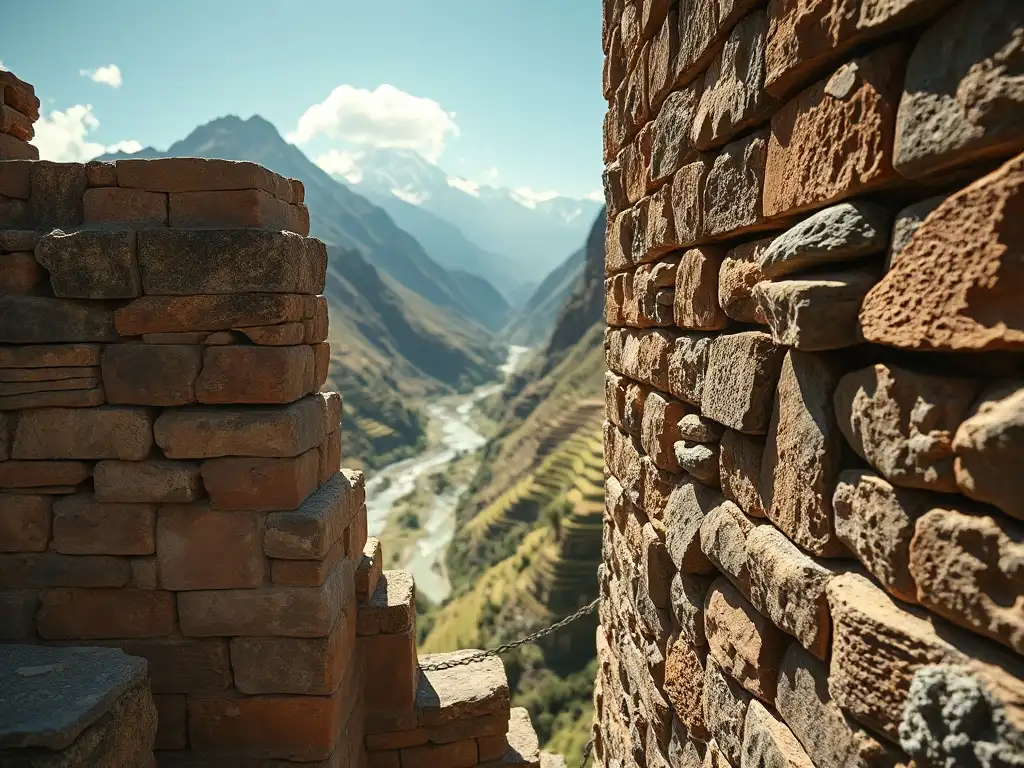
The Inca Empire's vast territory, spanning diverse geographical zones from the arid coastal deserts to the high Andes mountains and the humid Amazonian jungle, profoundly influenced their choice of construction materials. The Incas were masterful adapters, demonstrating remarkable ingenuity in utilizing locally sourced materials to create durable and aesthetically pleasing structures perfectly suited to their environment. Their understanding of the properties of different stones, woods, and binding agents allowed them to overcome significant engineering challenges presented by the varied Andean landscape.
This pragmatic approach to construction ensured both structural integrity and efficient resource management, reflecting a deep understanding of their surroundings. The availability of specific materials dictated not only the structural design but also the aesthetic qualities of Inca buildings, creating a visual tapestry reflecting the unique characteristics of each region.
Adaptation to High Altitude and Temperature Fluctuations
At high altitudes, the Incas primarily used stone, readily available in the mountainous regions. The choice of specific stone types varied depending on availability and desired properties. Granitic stones, known for their durability and resistance to weathering, were favored in areas where they were abundant. However, the Incas also skillfully employed other locally sourced stones, such as andesite and basalt, demonstrating an understanding of the diverse geological formations across the Andes.
To mitigate the challenges of extreme temperature fluctuations, the Incas often incorporated thick stone walls, effectively creating thermal mass that helped regulate internal temperatures, minimizing the impact of the harsh Andean climate on the interior spaces. This approach to thermal management is a testament to their advanced understanding of building physics and environmental adaptation. The precise selection of stone, its size, and its placement within the walls all contributed to the overall thermal performance of the structures.
Adapting to Arid Coastal Conditions
In the arid coastal regions, the Incas faced different challenges. The scarcity of readily available stone led them to utilize adobe bricks extensively. These sun-dried mud bricks, often reinforced with straw or other organic materials, were well-suited to the dry climate and readily available resources. The use of adobe, however, required careful consideration of construction techniques to ensure structural stability in the face of potential seismic activity.
The Incas developed ingenious methods for building with adobe, including intricate bonding techniques and the use of supporting structures to minimize the risk of collapse. Furthermore, the use of local reeds and other vegetation in conjunction with adobe allowed for the creation of roofs that could withstand the intense sun and occasional rains. The architectural choices made in these coastal regions showcase the Inca's ability to adapt their building techniques to the specific limitations and opportunities presented by the environment.
Adapting to Humid Jungle Environments
The humid and often unpredictable climate of the Amazonian rainforest presented unique challenges to Inca construction. While stone was still used in some areas, the prevalence of timber led to the extensive use of wood in building structures. The Incas carefully selected durable, rot-resistant wood species native to the region, demonstrating a detailed knowledge of local flora and its properties.
The construction techniques employed in the jungle often involved raised platforms to protect structures from flooding and dampness. These platforms, constructed from timber and stone, provided a stable base for the buildings, mitigating the effects of the high humidity and potential soil instability.
The integration of wood into the Inca architectural repertoire in these regions reflects their remarkable adaptability and mastery of diverse building materials and techniques. The careful selection of wood species and the strategic use of raised platforms showcase their profound understanding of the environmental challenges presented by the Amazonian jungle.
Inca Engineering and Material Innovation
The Inca's mastery of construction wasn't solely about adapting to the environment; it also involved significant innovations in engineering and material science. Their ability to create complex and durable structures using locally sourced materials speaks volumes about their advanced knowledge and skills. These innovations extended beyond simply selecting appropriate materials; they also involved developing sophisticated techniques for working with those materials.
Interlocking Stone Blocks for Earthquake Resistance
One of the most remarkable Inca innovations was their mastery of dry-stone masonry, where massive stone blocks were precisely fitted together without mortar. This technique, particularly evident in structures like Machu Picchu, was remarkably effective in resisting earthquakes, a frequent occurrence in the Andes. The precise cuts and interlocking shapes of the stones allowed the walls to absorb seismic energy, preventing catastrophic collapses.
This intricate process required immense skill and precision, reflecting a sophisticated understanding of engineering principles and a highly developed construction workforce. The absence of mortar further enhanced the structure’s flexibility, allowing it to withstand ground movement without fracturing.
Trapezoidal Doorways and Niches in Inca Masonry
The characteristic trapezoidal shape of Inca doorways and niches is not merely an aesthetic choice. This distinctive shape, often seen in stonework throughout the empire, played a significant role in the structural integrity of buildings. The tapering design helped distribute weight evenly, increasing the stability of walls, especially critical in earthquake-prone regions. The precise angles and dimensions of these features were carefully calculated to optimize load-bearing capacity and resistance to seismic forces. The consistent use of this design throughout the empire underscores the Incas' understanding of structural mechanics and their commitment to creating durable and aesthetically pleasing structures.
Inca Innovations in Binding Materials
While dry-stone masonry was prevalent, the Incas also employed binding materials, though sparingly. They used a variety of natural substances, including mud, clay, and possibly plant resins, to secure stones in some constructions, particularly in areas where the available stone was less uniform or where a higher level of water resistance was needed. The precise composition and application of these binding agents varied based on local conditions and the intended function of the structure.
Research into these binding materials is ongoing, with ongoing efforts to analyze samples from Inca sites to determine their precise composition and understand their role in improving the strength and longevity of Inca structures. Their use demonstrates a level of sophistication beyond simply fitting stones together, highlighting a nuanced understanding of materials science.
The Enduring Legacy of Inca Building Materials
The Inca's masterful use of local materials continues to inspire awe and admiration centuries later. Their ability to seamlessly integrate their structures with the surrounding landscape is a testament to their deep understanding of both engineering principles and the properties of the materials at their disposal. The longevity of many Inca structures, despite the harsh Andean climate and the passage of time, is a direct result of this thoughtful approach.
They didn't simply choose readily available materials; they carefully selected and processed them to maximize durability and resilience. This legacy extends beyond the physical structures themselves; it represents a philosophy of sustainable building practices that resonates even today. The meticulous craftsmanship evident in Inca stonework, for instance, showcases a level of precision rarely seen in other ancient civilizations.
Their ability to fit stones together with minimal mortar, achieving near-perfect fits, is a marvel of engineering and a testament to their dedication to quality. This attention to detail contributed significantly to the longevity of their buildings. The use of durable materials like granite and andesite, combined with sophisticated construction techniques, ensured that their structures could withstand earthquakes, heavy rains, and the test of time.
Preservation of Machu Picchu and Other Sites
The remarkable preservation of Machu Picchu, a site synonymous with Inca ingenuity, stands as a powerful example of the enduring quality of Inca building materials and techniques. The careful selection of stone, the precise fitting of blocks, and the utilization of sophisticated drainage systems all contributed to the site's survival. Similar preservation is observed at other Inca sites, such as Ollantaytambo and Sacsayhuamán, showcasing the consistency and effectiveness of their building methods.
While weathering and the passage of time have inevitably taken their toll, the core structures remain remarkably intact, a testament to the enduring quality of the materials and the expertise of the builders. The ongoing efforts to preserve these sites also highlight the importance of understanding the original Inca construction techniques to ensure their continued survival.
Preservation efforts often involve careful analysis of the materials used, their properties, and the methods employed to understand how best to protect these invaluable historical landmarks for future generations. The challenges faced in preservation often stem from the unique environmental conditions and the age of the structures, requiring specialized techniques and materials.
Influence on Modern Andean Construction Practices
The Inca's ingenious use of local materials has left a lasting impression on modern Andean construction practices. While modern construction methods incorporate advanced technologies, the principles of sustainability and adaptation to the environment, so central to Inca building, continue to inform contemporary approaches. The emphasis on using locally sourced materials reduces transportation costs and environmental impact, a key aspect of sustainable development.
Furthermore, the understanding of local stone properties, learned from studying Inca constructions, aids in selecting appropriate materials for modern projects, ensuring durability and resilience. In some instances, modern builders even draw inspiration from Inca techniques, such as dry-stone walling, adapting these traditional methods to modern contexts.
The integration of traditional knowledge with modern technology is a hallmark of contemporary Andean construction, ensuring both functionality and a connection to the region's rich architectural heritage. This approach reflects a commitment to sustainability and a deep respect for the ingenuity of the Inca builders.
Sustainability of Inca Techniques in Contemporary Building
The sustainability of Inca construction techniques provides valuable lessons for modern builders seeking environmentally friendly approaches. The Inca's reliance on readily available, locally sourced materials minimized their carbon footprint, a concept that resonates strongly with today's emphasis on green building. Their innovative techniques, such as dry-stone walling, required minimal energy input and reduced waste, resulting in a significantly lower environmental impact compared to many modern methods.
The durability of their structures also minimized the need for frequent repairs and replacements, further enhancing the sustainability of their approach. By studying and adapting Inca techniques, contemporary builders can strive towards more sustainable and environmentally responsible construction practices.
This involves not only choosing sustainable materials but also employing techniques that minimize waste, energy consumption, and environmental impact, echoing the sustainable building philosophy of the Inca civilization. The integration of these principles into modern construction is crucial in addressing the growing concerns of climate change and resource depletion.
Conclusion: The Ingenuity of Inca Builders and their Materials
The Inca's approach to construction, characterized by a deep understanding of their environment and a masterful use of local materials, remains a remarkable achievement. Their ingenuity in adapting to the challenging Andean landscape, combined with their unparalleled craftsmanship, resulted in structures that have withstood the test of time. The enduring legacy of Inca building materials is not merely a testament to their engineering prowess but also a powerful lesson in sustainability and environmental responsibility.
Their practices continue to inform modern building techniques, highlighting the timeless relevance of their approach. The meticulous craftsmanship, the adaptability to the environment, and the focus on sustainable practices all contribute to the enduring legacy of Inca construction and the profound impact it continues to have on the Andean region and beyond.
The study of Inca construction materials offers valuable insights for architects, engineers, and environmentalists alike, emphasizing the importance of understanding the past to build a more sustainable future. The Inca's legacy serves as a powerful reminder of the enduring connection between human ingenuity and the natural world.
Frequently Asked Questions
What construction materials did the Inca primarily use?
The Inca primarily used locally sourced materials, adapting their building techniques to the available resources in each region. This included stone, wood, and adobe, depending on the environment and the intended structure.
How did the Inca adapt their construction to different environments?
Inca construction techniques varied significantly based on the environment. In mountainous areas, they used stone masonry, while in coastal regions, adobe bricks were more common. They were masters of adapting their methods to the terrain and available resources.
What kind of stone did the Inca use in their constructions?
The Inca utilized a variety of stones, choosing those readily available in the region. Andesite was a common choice, prized for its strength and durability. They expertly fitted stones together without mortar in many cases, showcasing exceptional precision.
Were any other materials besides stone used in Inca construction?
Yes, wood played a crucial role, particularly in roofing and supporting structures. Adobe bricks were also used extensively in less mountainous areas. They also used thatched roofs and various types of fibers for binding and insulation.
How did the Inca's use of local materials impact their architecture?
The use of locally sourced materials directly impacted the diversity and adaptability of Inca architecture. This ensured efficient construction and a harmonious integration of their buildings within the varied Andean landscape.
Final Reflection: Echoes of the Andes: A Legacy in Stone
The Inca's masterful use of local materials wasn't merely a practical choice; it was a profound statement about their deep understanding of and respect for their environment. This ingenious approach to construction, detailed throughout this article, remains a powerful example of sustainable building practices, particularly relevant in our era of climate change and resource depletion. Their legacy continues to inspire innovative solutions in modern architecture and engineering.
The Inca's ability to seamlessly integrate their structures into the Andean landscape is a testament to their sophisticated knowledge of geology, engineering, and the very spirit of their surroundings. Their achievements continue to resonate, reminding us of the importance of working with nature, not against it. The mountains are our mother, the rivers our blood.
This ancient Andean proverb encapsulates the deep connection the Inca held with their environment, a connection reflected in every carefully chosen stone and precisely fitted block.
Consider the ingenuity of the Inca's methods. Imagine the meticulous planning, the collaborative effort, the deep understanding of their environment that went into each structure. Now, consider your own relationship with the natural world. How can you, in your own life, embrace a more sustainable and respectful approach to resource management? Let the legacy of Inca construction inspire you to build a more harmonious relationship with the planet, one mindful choice at a time.
Embrace the Wisdom of the Incas: Build Sustainably Today!
The Incas' ingenious use of local materials to live in harmony with their environment offers invaluable lessons in sustainable construction. Let's apply this ancient wisdom to our modern lives.
Here are some ways you can get involved:
- **Incorporate locally sourced materials** into your next home improvement project. This is a practical way to embrace sustainable practices on a personal level. For example, consider using reclaimed wood or locally-made bricks.
- **Share your sustainable building experiences and ideas** on social media using the hashtag #IncaInspired. Inspire others to adopt eco-friendly practices!
- **Connect with or establish a community group** dedicated to sustainable building. Collaborative learning and mutual support are key to widespread adoption of these important practices.
Consider what locally-sourced materials you could use in your next project to create a more sustainable home and lifestyle. Think creatively – the possibilities are endless!