
The Legacy of Andean Religion: Its Enduring Influence Today

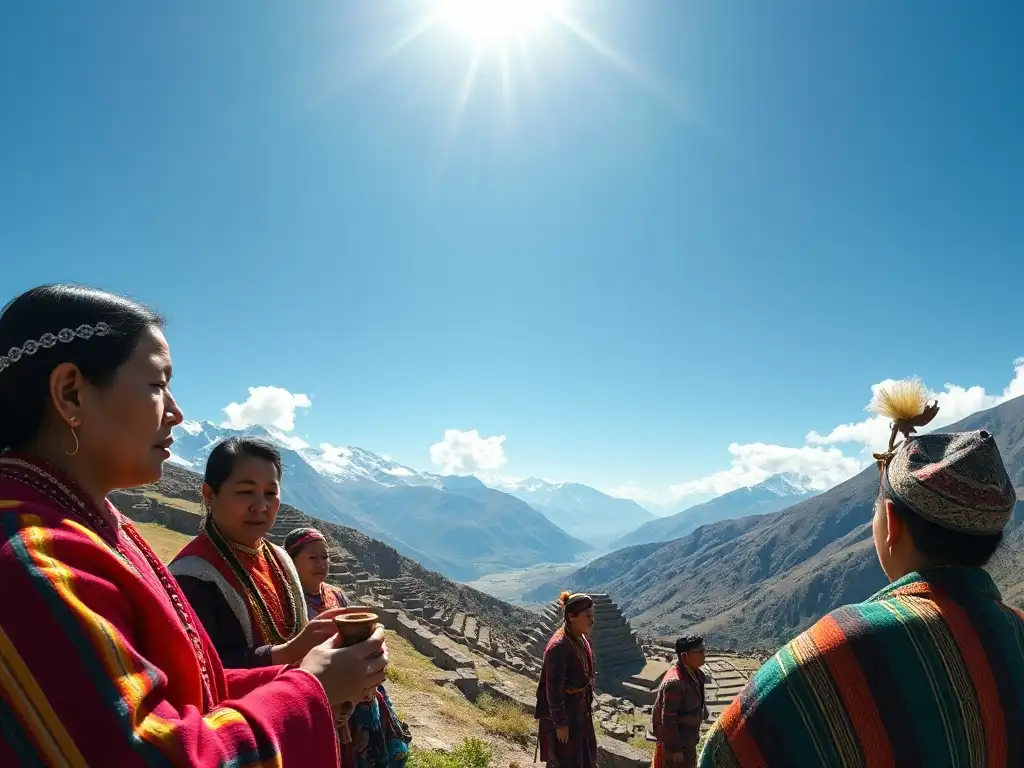
Step into a world lost to time, yet echoing in the present. Imagine the towering heights of Machu Picchu, the intricate Nazca Lines, the breathtaking artistry of the Moche... These wonders are more than just ancient relics; they are testaments to a vibrant and enduring legacy. Discover how Andean religion's impact today continues to shape cultures and beliefs, revealing surprising connections between the past and the present. Unravel the mysteries and delve into the fascinating complexities of Andean spirituality – your journey begins now.
Andean religion, a complex tapestry woven from the threads of diverse cultures across the Andes Mountains, continues to resonate powerfully in the lives of millions today. This enduring influence, far from being a relic of the past, actively shapes contemporary Andean societies, informing their worldview, practices, and cultural identities.
From the reverence for Pachamama, Mother Earth, to the enduring significance of Inti, the Sun God, the spiritual legacy of the ancient Andean civilizations permeates modern traditions, festivals, and even everyday life. This article delves into the core beliefs of ancient Andean religion and explores how these beliefs continue to impact the Andean region in the 21st century, examining its impact on various aspects of modern Andean life, from agriculture and environmental practices to social structures and artistic expression.
Understanding this enduring legacy offers a crucial perspective on the richness and complexity of Andean cultures, highlighting the vitality of their ancient spiritual traditions. The impact of Andean religion today is multifaceted and profound, demonstrating its enduring relevance and significance.
Introduction: Understanding the Roots of Andean Spirituality
Andean spirituality wasn't a monolithic entity. Instead, it evolved over millennia, shaped by the diverse cultures that inhabited the Andes, including the Inca, Moche, Nazca, and Tiahuanaco civilizations. These cultures, while distinct, shared common threads in their reverence for nature, their intricate understanding of the cosmos, and their belief in a complex pantheon of deities and supernatural beings.
While the Inca Empire imposed a degree of uniformity, particularly during its expansion, local beliefs and practices persisted and often blended with the dominant Inca religion. This syncretism – the fusion of different religious beliefs and practices – is a key factor in understanding the enduring impact of Andean spirituality today. The legacy includes not only the direct continuation of certain beliefs and rituals but also the subtle ways in which Andean cosmology informs contemporary perspectives on the world.
Core Beliefs of Ancient Andean Religion
The core beliefs of ancient Andean religion revolved around a deeply interconnected relationship between humanity and the natural world. This wasn't merely a symbolic relationship; it was a practical and spiritual reality. The Andes themselves were considered sacred, with mountains, rivers, and other natural features imbued with spiritual significance. This profound respect for the environment manifested in various rituals and practices designed to maintain harmony with the cosmos. This worldview continues to shape many contemporary Andean communities’ perspectives and actions. Let's explore some key elements:
The Importance of Pachamama and the Apus
Pachamama, the Earth Mother, is arguably the most significant deity in Andean cosmology. She represents the fertile earth, the provider of sustenance, and the source of life itself. Offering ceremonies to Pachamama, involving the pouring of chicha (a fermented corn beverage) and the scattering of coca leaves, are still widely practiced today, demonstrating the enduring importance of this ancient deity.
Similarly, the Apus, the mountain spirits, are revered as protectors and sources of power. Their peaks are considered sacred, and many communities maintain close ties to their local Apus, seeking their blessings and protection. This deep connection to the land and its spiritual entities continues to inform agricultural practices, land management, and community relations.
Inti: The Sun God and its Central Role
Inti, the Sun God, played a central role in Inca religion and continues to hold significance in many Andean communities. The Inca considered Inti their ancestor and the source of all life and energy. The sun's daily journey across the sky was seen as a vital force, impacting the agricultural cycle and the well-being of the entire community.
Many festivals and rituals celebrated Inti, and his image is still prevalent in Andean art and iconography. The sun's importance to agriculture persists, with many farmers still relying on the sun's cycles to determine planting and harvesting times, demonstrating the lasting impact of Inti’s centrality in the ancient cosmology.
Other Significant Deities and Supernatural Entities in Andean Cosmology
Beyond Pachamama and Inti, the Andean pantheon included a vast array of deities and supernatural beings, each with their specific roles and responsibilities. These included deities associated with water (e.g., Mamacocha), the moon ( Mamaquilla), and various other natural phenomena. Moreover, a complex hierarchy of spirits and supernatural entities inhabited the landscape, interacting with humans in various ways. This rich spiritual landscape, though less explicitly worshipped in many areas today, still underpins many aspects of Andean culture, influencing traditional medicine, storytelling, and artistic expression.
The persistence of these beliefs, even in a less formal context, highlights the enduring influence of Andean cosmology. Further research is needed to fully understand the nuanced ways these lesser-known deities and entities continue to shape contemporary Andean life. [Specific information pending on current research into the less prominent deities and their modern influence].
- Introduction: Understanding the Roots of Andean Spirituality
- Core Beliefs of Ancient Andean Religion
- What is the most significant impact of Andean religion today?
- How did Andean religion influence modern art and culture?
- What aspects of Andean religion are still practiced today?
- How did the Spanish conquest affect Andean religious practices?
- What is the connection between Andean cosmology and modern environmentalism?
The Enduring Impact of Andean Religion on Modern Culture
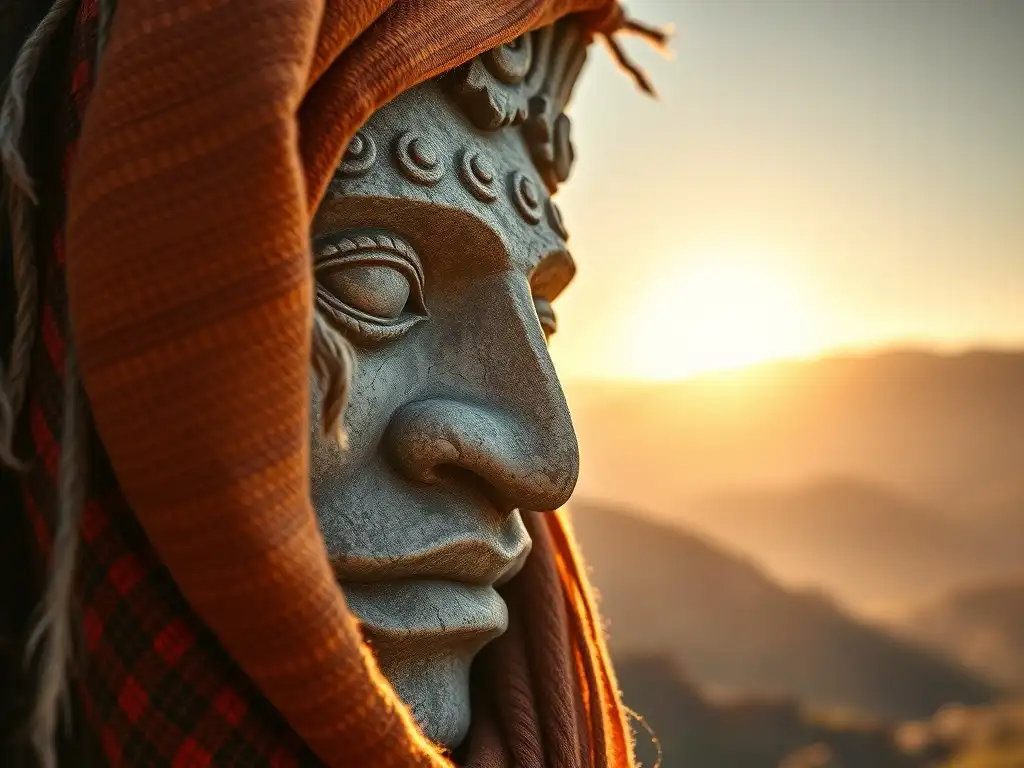
The legacy of Andean religion extends far beyond the collapse of the Inca Empire and other powerful Andean societies. Its influence permeates contemporary Andean life, shaping cultural practices, artistic expressions, and even political discourse. Understanding this enduring impact requires examining how ancient beliefs and rituals have adapted and transformed within modern contexts, demonstrating the remarkable resilience of Andean spiritual traditions and their profound effect on the "Andean religion's impact today".
Andean Religious Practices in Contemporary Society
The vibrant tapestry of Andean culture is interwoven with threads of ancient religious practices, many of which continue to thrive in the 21st century. These practices, often subtly adapted to incorporate elements of modern life, stand as powerful testaments to the enduring spiritual connection between Andean peoples and their ancestral beliefs. This continuity underscores the deep-seated nature of Andean spirituality and its profound influence on the daily lives of millions.
Persistence of Rituals Honoring Pachamama
The veneration of Pachamama, the Earth Mother, remains a central tenet of Andean spirituality. While the forms of worship might vary across different communities, the fundamental respect for the earth and its bounty persists. Farmers still perform pagos (offerings) to Pachamama before planting and harvesting, seeking her blessings for a bountiful yield.
These rituals, passed down through generations, serve as powerful reminders of the interconnectedness between humanity and nature – a core principle of Andean cosmovision. Many families also perform smaller, private offerings throughout the year, expressing gratitude for the earth's provision. The continued prevalence of these rituals highlights the enduring significance of Pachamama in shaping Andean agricultural practices and societal values.
The Ongoing Celebration of Inti Raymi
Inti Raymi, the Inca festival celebrating the winter solstice and the sun god Inti, is another powerful example of the enduring impact of Andean religion. While suppressed during the Spanish colonial period, Inti Raymi has experienced a remarkable resurgence in recent decades. The festival, now a major tourist attraction, attracts thousands of participants and spectators who gather to witness elaborate ceremonies, traditional music, and dances honoring Inti.
The vibrant celebration not only showcases the rich cultural heritage of the Andes but also reinforces the significance of solar worship in contemporary Andean identity. The revival of Inti Raymi demonstrates the capacity of Andean traditions to adapt and thrive even in the face of historical oppression and cultural change.
Syncretism: Blending of Andean Beliefs with Catholicism
The arrival of European colonizers in the Andes resulted in a complex process of cultural exchange and syncretism. Indigenous Andean beliefs were often blended with Catholic doctrines, creating a unique religious landscape that reflects both indigenous and colonial influences. For instance, the Virgin Mary is sometimes syncretized with Pachamama, sharing similar attributes of nurturing and fertility.
This fusion of beliefs is evident in numerous religious practices and festivals, highlighting the adaptability and resilience of Andean spirituality in the face of external pressures. This ongoing syncretism continues to shape the religious landscape of the Andes, demonstrating a unique form of cultural preservation and adaptation. The blending of these belief systems provides a fascinating case study in religious syncretism and its lasting effects on Andean culture.
The Influence of Andean Cosmovision in Art and Music
The Andean cosmovision, with its rich tapestry of deities, spirits, and mythical narratives, has profoundly influenced artistic and musical expressions throughout history and into the present day. These art forms serve not only as aesthetic creations but also as powerful vehicles for preserving and transmitting Andean cultural heritage and beliefs, significantly impacting how "Andean religion's impact today" is perceived and understood.
Representations of Andean Deities in Modern Art
Contemporary Andean artists continue to draw inspiration from the pantheon of ancient deities and mythical figures. Paintings, sculptures, and textiles often depict Pachamama, Inti, Viracocha, and other important figures, showcasing their enduring presence in the Andean imagination. These artistic representations not only preserve ancient iconography but also offer new interpretations and perspectives, reflecting the ongoing evolution of Andean spirituality.
The use of traditional techniques alongside modern artistic styles further enriches these expressions, creating unique and compelling works that bridge the gap between the past and the present. This artistic legacy is crucial in transmitting knowledge of Andean deities to future generations.
Andean Musical Traditions: Echoes of Ancient Rituals
Andean music, with its distinctive instruments and melodies, echoes the ancient rituals and ceremonies of the past. Traditional instruments like the charango, zampoña, and quena are often used in contemporary musical performances, preserving the sonic landscape of Andean spirituality. Many songs and melodies are directly linked to ancient rituals, carrying their symbolic meanings and narratives into the present.
This musical continuity reinforces the enduring connection between Andean people and their ancestral traditions, offering a powerful means of cultural preservation and transmission. The rhythmic and melodic structures often reflect the cyclical nature of Andean cosmovision, demonstrating the link between music and spiritual practice.
Symbolism and Iconography: Connecting Past and Present
The symbolism and iconography of Andean religion continue to resonate in contemporary art, clothing, and everyday objects. Ancient motifs, such as the chakana (Andean cross) and various animal representations, are frequently used to convey spiritual meaning and cultural identity. These symbols serve as powerful reminders of the enduring legacy of Andean religion and its continued relevance in modern Andean life.
Their presence in contemporary contexts demonstrates the ongoing power of ancient symbolism to communicate meaning and connect people to their heritage. The persistence of these symbols highlights the enduring influence of Andean cosmology on the cultural landscape of the Andes.
Andean Spiritual Concepts and Their Relevance Today
Andean spirituality, far from being a relic of the past, continues to resonate deeply within contemporary Andean cultures and increasingly finds relevance in a global context grappling with modern challenges. The core tenets of this ancient worldview offer valuable insights and practical frameworks for addressing issues ranging from social justice to environmental sustainability. Understanding these concepts is crucial to appreciating the enduring impact of Andean religion on modern society.
The intricate web of beliefs, practices, and values woven into the fabric of Andean life offers a unique perspective on our relationship with the cosmos, with each other, and with the natural world. This rich tapestry of spiritual understanding provides a powerful counterpoint to the often-individualistic and materialistic tendencies of contemporary societies.
The enduring legacy of Andean spirituality lies not just in its historical significance, but in its capacity to inspire positive change and offer pathways towards a more harmonious and equitable future. Its enduring influence can be seen not only in the persistence of traditional practices, but also in its adaptation and reinterpretation within contemporary contexts.
The Concept of Ayni: Reciprocity and Community
Ayni, a cornerstone of Andean worldview, emphasizes the principle of reciprocity and mutual exchange. It's not simply a system of bartering goods and services, but a deeply ingrained social ethic that fosters community cohesion and mutual support. Ayni promotes a sense of shared responsibility and interconnectedness, where individuals contribute to the well-being of the collective.
This concept is profoundly relevant today, in a world often characterized by individualism and social fragmentation. The principles of Ayni can be applied to address contemporary social and economic inequalities, promoting collaborative solutions and fostering a sense of shared purpose. In modern applications, Ayni’s principles can be seen in community-based initiatives, mutual aid networks, and cooperative economic models that prioritize collective well-being over individual gain.
The emphasis on reciprocal relationships and shared responsibility resonates strongly with contemporary movements advocating for social justice and economic equity. The enduring relevance of Ayni lies in its capacity to build stronger, more resilient communities by emphasizing cooperation and mutual support. Its practical application can contribute significantly to a more just and equitable society.
The Importance of Harmony with Nature in Andean Thought
Andean spirituality places immense importance on the harmonious relationship between humanity and nature. The natural world is not seen as something to be exploited, but rather as a sacred entity, deserving of respect and reverence. Mountains, rivers, and other natural features are considered to be imbued with spiritual power, and their well-being is intrinsically linked to the well-being of the community. This deep-seated respect for the environment is increasingly relevant in the face of global environmental challenges.
The Andean worldview provides a valuable framework for understanding the interconnectedness of all living things and the importance of sustainable practices. Traditional Andean agricultural methods, for example, demonstrate a sophisticated understanding of ecological balance and biodiversity. These methods, often passed down through generations, offer valuable lessons for contemporary sustainable agriculture and environmental management.
The concept of Pachamama, Mother Earth, embodies this profound connection, representing the life-giving force that sustains all life. Respecting and honoring Pachamama is not just a spiritual practice, but a crucial element of ensuring the long-term health of the planet. The Andean emphasis on harmony with nature stands in stark contrast to anthropocentric views that prioritize human needs above all else.
Andean Spirituality as a Source of Inspiration for Environmentalism
The profound respect for nature inherent in Andean spirituality serves as a powerful source of inspiration for contemporary environmental movements. The principles of reciprocity and interconnectedness, central to Andean thought, resonate strongly with the ecological perspective that emphasizes the interconnectedness of all living things. Andean traditions offer valuable insights into sustainable living and harmonious coexistence with the natural world.
Many contemporary environmental activists and organizations draw inspiration from Andean cosmology and practices. The concept of Sumak Kawsay (good living), which emphasizes living in balance with nature and community, is gaining increasing recognition as a model for sustainable development. This holistic approach, emphasizing the interconnectedness of social, economic, and environmental well-being, offers a powerful alternative to the dominant paradigm of endless economic growth.
Andean spirituality provides a framework for understanding the ethical responsibilities that humans have towards the environment, emphasizing the need for respect, stewardship, and sustainable practices. Its enduring influence on contemporary environmentalism is evident in the growing recognition of indigenous knowledge and practices as valuable tools for addressing global environmental challenges. The wisdom embedded within Andean traditions offers a path towards a more sustainable and harmonious future, one that values both human well-being and the health of the planet.
Specific Examples of Andean Religion's Impact Today
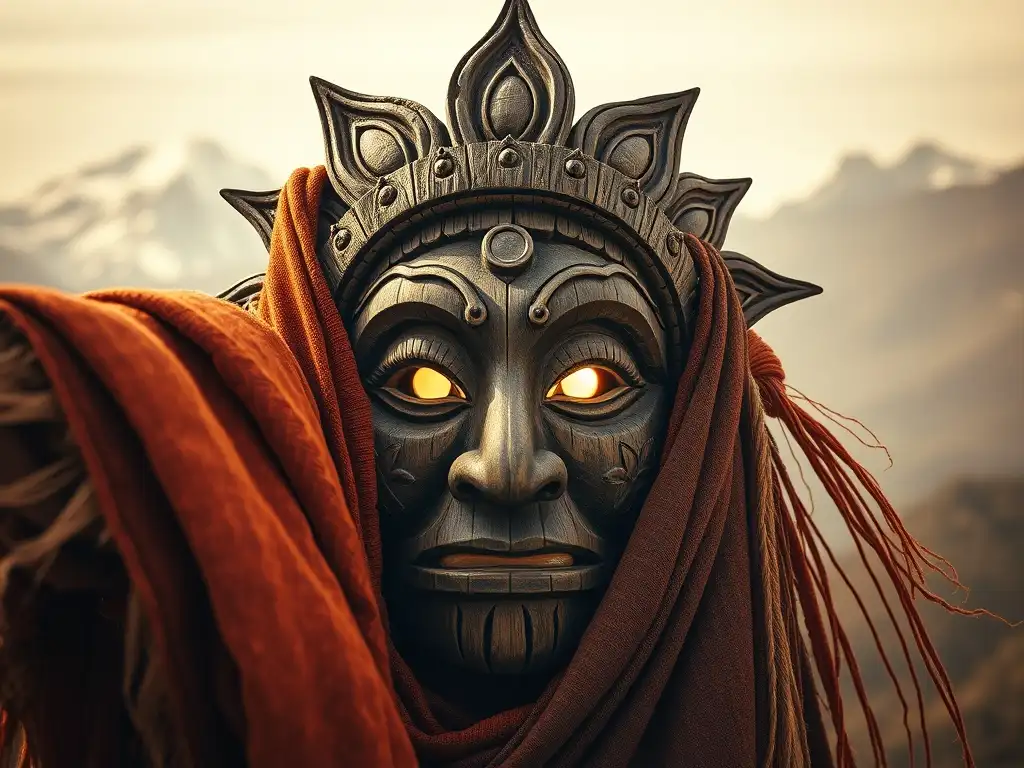
This section delves into concrete examples demonstrating the enduring influence of Andean religious beliefs and practices in the contemporary world. We will explore how these ancient spiritual systems continue to shape communities and influence global perspectives on spirituality and knowledge. The impact of Andean religion today is multifaceted, ranging from the preservation of traditional rituals in remote communities to the growing global interest in Andean spiritual teachings and healing practices. Understanding these examples provides a richer appreciation of the enduring legacy of Andean cosmovision.
Case Study: Q'ero Community and Their Andean Religious Practices
The Q'ero people, a Quechua-speaking community residing high in the Andes mountains of Peru, offer a powerful illustration of Andean religion's ongoing impact. Their unique preservation of ancestral traditions provides invaluable insight into the continuity of Andean spiritual practices. Their worldview, deeply rooted in the veneration of Apu (mountain spirits) and the Pachamama (Earth Mother), remains central to their daily lives.
How Q'ero Community Maintains Traditional Rituals
Q'ero communities meticulously maintain a complex system of rituals and ceremonies, passed down through generations. These rituals are integral to their agricultural cycle, celebrating key moments like planting and harvesting. They involve offerings to the Apus and Pachamama, seeking blessings for bountiful harvests and protection from natural disasters.
These practices, performed with unwavering devotion, represent a living testament to the enduring strength of Andean religious traditions. The intricate details of their ceremonies, including the use of specific coca leaves and the precise choreography of the rituals, highlight the depth and complexity of their religious practices. The knowledge of these rituals is carefully guarded and transmitted orally within families, ensuring their continued practice.
The Role of Andean Beliefs in Their Social Structure
Andean beliefs are deeply interwoven with the Q'ero social structure. Their community governance is inextricably linked to their spiritual understanding. Leaders, often chosen based on their spiritual knowledge and connection to the Andean worldview, play a crucial role in maintaining social harmony and guiding community decisions. The respect for elders and the importance of community consensus are rooted in their shared spiritual understanding of interconnectedness and reciprocity with the natural world. This demonstrates how Andean religion isn't simply a set of beliefs, but a foundational element shaping their social fabric.
Challenges and Adaptations in the Modern World
Despite facing external pressures from globalization and modernization, the Q'ero community has shown remarkable resilience in preserving their religious traditions. They have skillfully navigated the challenges of integrating elements of modernity while retaining their core beliefs and practices. For example, while embracing certain technological advancements for improved communication and access to resources, they continue to prioritize the preservation of their traditional rituals and knowledge systems. This adaptability highlights their ability to reconcile tradition with the realities of the modern world, showcasing the inherent dynamism of Andean religious practice.
The Global Influence of Andean Spiritual Teachings
Beyond specific communities, Andean spiritual teachings have experienced a significant global resurgence. This growing interest reflects a broader search for alternative spiritual paths and a renewed appreciation for indigenous knowledge systems. The impact of Andean religion today extends far beyond the Andes, influencing spiritual practices and philosophies worldwide.
Interest in Andean Shamanism and Healing Practices
Andean shamanism and its associated healing practices have garnered considerable international attention. The concept of curanderismo, traditional Andean healing, draws upon a deep understanding of the interconnectedness between humans, nature, and the spiritual realm. This holistic approach to healing resonates with many seeking alternative methods to address physical and emotional well-being. The increasing popularity of workshops, retreats, and books focusing on Andean shamanic practices underscores the growing global fascination with this ancient healing tradition. [Specific data on the growth of interest in Andean shamanism pending].
The Growing Recognition of Indigenous Knowledge Systems
The rise in interest in Andean spirituality is also linked to a broader global movement towards recognizing and valuing indigenous knowledge systems. There's a growing understanding that these systems offer valuable insights into sustainable living, environmental stewardship, and alternative approaches to healthcare and social organization. Andean wisdom, with its emphasis on harmony with nature and community well-being, is increasingly viewed as a valuable resource in addressing contemporary global challenges. The recognition of this knowledge system contributes to a more holistic and equitable understanding of worldviews and spiritual practices.
Andean Wisdom as an Alternative Spiritual Path
For many, Andean spiritual teachings offer a compelling alternative to dominant religious and philosophical frameworks. Its emphasis on interconnectedness, respect for nature, and the importance of community resonates with individuals seeking a more holistic and environmentally conscious spiritual path. The focus on living in harmony with the Pachamama and the Apus offers a powerful metaphor for achieving balance and well-being in the modern world. This growing appeal reflects a wider shift towards spiritual practices that emphasize ecological responsibility and social justice, further highlighting the enduring relevance of Andean wisdom in the 21st century.
Challenges and Future of Andean Religious Traditions
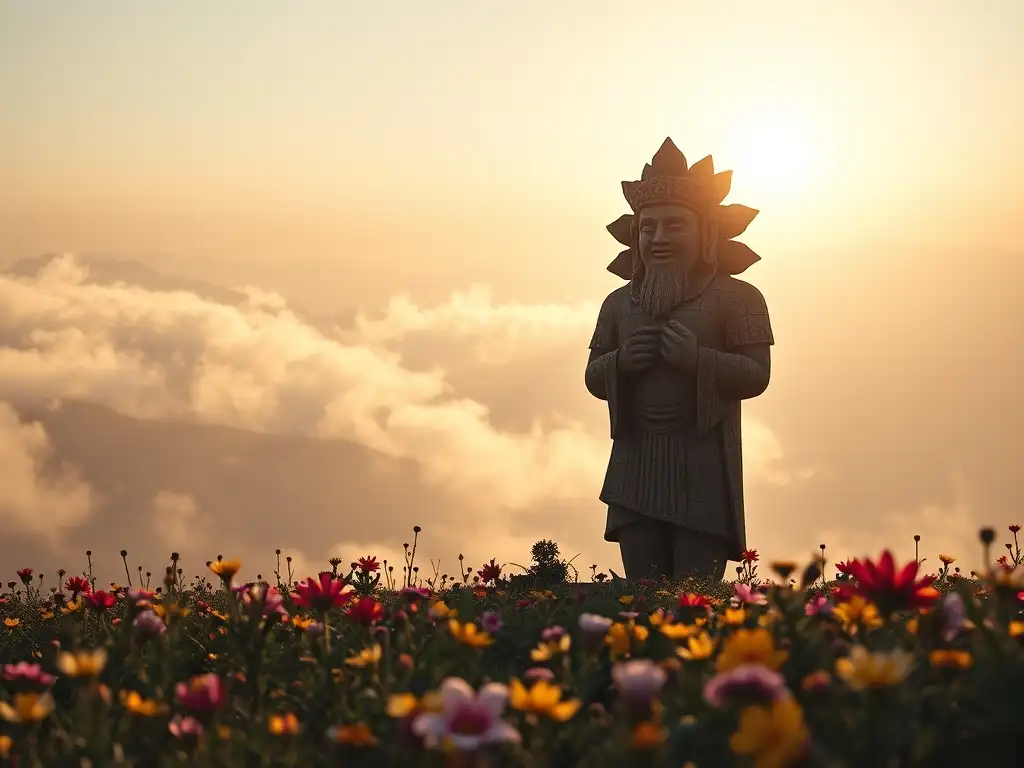
The enduring influence of Andean religion is undeniable, yet its future faces significant challenges. Understanding these hurdles and exploring potential solutions is crucial for preserving this rich spiritual heritage for generations to come. The impact of Andean religion today is profoundly shaped by the delicate balance between tradition and modernity, a constant negotiation between the past and the present.
The very fabric of Andean spirituality, woven from ancient threads of cosmology and ritual, is being tested by forces both internal and external. This section delves into the key challenges and opportunities facing Andean religious traditions in the 21st century. The continued relevance of Andean religion's impact today hinges on our collective efforts to understand and address these issues.
Preservation of Andean Religious Heritage
The preservation of Andean religious heritage is paramount. This involves protecting not only physical artifacts but also the intangible aspects of the faith – the oral traditions, rituals, and cosmological beliefs passed down through generations. The continued influence of Andean religion today depends significantly on these efforts.
The Importance of Safeguarding Sacred Sites
Many sacred sites, crucial to Andean religious practices, face threats from environmental degradation, urbanization, and tourism. These sites are not merely historical landmarks; they are living repositories of spiritual power, embodying the enduring connection between the Andean people and their ancestors. The lack of adequate protection measures risks the irreversible loss of invaluable cultural and spiritual heritage. For example, the erosion of ancient Inca terraces due to unsustainable agricultural practices directly impacts the spiritual significance of these landscapes, diminishing Andean religion's impact today.
A concerted effort involving governmental agencies, local communities, and international organizations is needed to implement sustainable management plans for these sacred spaces. This includes careful monitoring, responsible tourism initiatives, and community-based conservation programs. Ignoring the importance of these sites weakens Andean religion's impact today.
Passing Down Knowledge to Future Generations
The transmission of knowledge is a cornerstone of any living tradition. In the context of Andean religion, this involves ensuring that the intricate web of beliefs, rituals, and cosmological understanding is passed from elders to younger generations. The challenge lies in bridging the gap between traditional methods of knowledge transmission and the realities of modern life.
The decline in fluency of indigenous languages, for example, directly impacts the ability to pass on complex religious narratives and practices. Initiatives focusing on language revitalization, intergenerational dialogue, and formal educational programs are crucial for sustaining Andean religion's impact today. Documenting and archiving oral traditions, creating accessible educational resources, and fostering mentorship programs are all vital components of this preservation effort.
Navigating the Challenges of Globalization
Globalization presents both opportunities and challenges to Andean religious traditions. While increased exposure can lead to a wider appreciation of Andean spirituality, it also carries the risk of cultural appropriation and commodification. The potential for misrepresentation and superficial understanding of these complex religious systems is a significant concern.
The impact of Andean religion today is being shaped by external forces that can dilute its authenticity and spiritual depth. Building robust mechanisms to protect against cultural misappropriation, promoting respectful engagement with outsiders, and empowering indigenous communities to control the narrative of their own traditions are vital steps in ensuring the long-term vitality of Andean religion.
The Ongoing Evolution of Andean Spirituality
Andean spirituality is not static; it’s a dynamic system that has continuously adapted to changing circumstances throughout history. This capacity for adaptation is crucial for its continued relevance in the modern world. Understanding how Andean religion's impact today is shaped by its inherent flexibility is essential.
Adapting Traditional Beliefs to Contemporary Contexts
The integration of traditional beliefs with contemporary challenges, such as environmental issues, social inequalities, and global interconnectedness, is a significant area of ongoing evolution. This involves reinterpreting ancient cosmologies in light of modern scientific understanding, addressing social injustices through a lens of Andean values, and engaging with global issues from an Andean spiritual perspective. For example, the incorporation of environmental stewardship into traditional Andean religious practices, highlighting the interconnectedness of all living beings, reflects a powerful adaptation to contemporary ecological concerns. This adaptability strengthens Andean religion's impact today.
The Role of Younger Generations in Shaping the Future of Andean Religion
Younger generations play a vital role in shaping the future of Andean religion. They are inheriting a rich legacy but also navigating a world vastly different from that of their ancestors. Their engagement with traditional beliefs and practices, often infused with modern perspectives and sensibilities, is crucial for the revitalization and renewal of Andean spirituality. Their creativity and energy can contribute to new forms of expression and interpretation, ensuring the continued relevance of Andean religion's impact today. Understanding their perspectives and fostering their participation in religious practices is vital for the future of Andean spirituality.
The Potential for Revitalization and Renewal
The challenges facing Andean religious traditions also present opportunities for revitalization and renewal. By actively engaging with contemporary issues, fostering intergenerational dialogue, and promoting cultural pride, Andean communities can strengthen their spiritual identity and ensure the enduring legacy of their rich religious heritage. The potential for revitalization lies in the inherent resilience and adaptability of Andean spirituality, its capacity to integrate new insights while preserving its core values.
This ongoing process of renewal ensures that Andean religion's impact today remains vibrant and relevant for generations to come. The future of Andean religion depends on its ability to adapt and evolve while staying true to its core values.
Conclusion: The Lasting Significance of Andean Religion's Impact
The enduring influence of Andean religion on contemporary Andean societies is undeniable. While formal religious practices may have evolved or been overlaid with Catholicism and other faiths, the core beliefs and spiritual practices continue to resonate in various forms. The reverence for nature, the interconnectedness of the cosmos, and the importance of community remain central tenets, subtly shaping daily life and cultural expressions. We see this in the continued importance of Pachamama in agricultural practices, the persistence of traditional healing methods incorporating Andean cosmology, and the revival of ancient ceremonies and festivals in many communities.
The impact of Andean religion is not merely historical; it's a living, breathing force that continues to shape the identities and worldview of millions. Understanding this enduring legacy is crucial for appreciating the richness and complexity of Andean cultures and for fostering respect for the diverse spiritual traditions that continue to thrive in the Andes today. The ongoing research into Andean religious practices, both past and present, will shed further light on the nuances of this profound and lasting impact.
Furthermore, the preservation and promotion of these traditions are vital for safeguarding cultural heritage and ensuring the continuity of these unique spiritual expressions for future generations. The vibrant tapestry of Andean spirituality, interwoven with the threads of history and modernity, continues to inspire awe and wonder, reminding us of the enduring power of faith and the deep connection between humanity and the natural world. The study of Andean religion's impact today is not merely an academic exercise; it is a journey of discovery that illuminates the enduring spirit of a civilization that continues to shape its own destiny.
Frequently Asked Questions
What is the most significant impact of Andean religion today?
The most significant impact is the preservation of indigenous traditions and spiritual practices. Many Andean communities continue to practice elements of their ancestral religions, influencing their worldview and daily life. This includes festivals, rituals, and beliefs about nature and the cosmos.
How did Andean religion influence modern art and culture?
Andean religious iconography and symbolism continue to inspire contemporary art, music, and literature. Themes of nature worship, ancestor veneration, and cosmology are frequently depicted, reflecting a living connection to the past. This influence is especially visible in Andean communities.
What aspects of Andean religion are still practiced today?
Many traditional ceremonies and rituals persist, often intertwined with Catholic practices. Ancestor veneration, Pachamama (Earth Mother) worship, and the use of coca leaves in ceremonies are examples of enduring practices. These are often adapted and integrated into modern life.
How did the Spanish conquest affect Andean religious practices?
The Spanish conquest led to the suppression of many traditional Andean religious practices, often through forced conversion to Catholicism. However, many indigenous beliefs and rituals survived, often syncretized with Catholic elements. This resulted in unique and blended religious expressions.
What is the connection between Andean cosmology and modern environmentalism?
Andean cosmology, with its emphasis on the interconnectedness of all living things and the reverence for nature, resonates with contemporary environmental concerns. The concept of Pachamama highlights the importance of respecting and protecting the Earth, influencing modern ecological awareness.
Final Reflection: Echoes of the Andes: A Living Legacy
The enduring spirit of Andean religion continues to resonate powerfully in contemporary society, shaping cultural identities and spiritual practices across the globe. Its influence is not merely a historical footnote; it's a vibrant, evolving force that continues to inspire and challenge our understanding of spirituality and its connection to the natural world. The intricate tapestry woven from ancient traditions, colonial encounters, and modern reinterpretations remains remarkably resilient, proving the enduring power of belief systems deeply rooted in the land.
The profound impact of Andean cosmology, with its emphasis on interconnectedness and respect for Pachamama (Mother Earth), is particularly relevant in our current era of environmental crisis. We are increasingly recognizing the urgent need for a more holistic and sustainable relationship with our planet, a perspective deeply embedded in Andean worldview. The mountains are not just stones, they are living beings, and we are part of them.
This sentiment, echoing across generations, speaks to a profound truth about our place in the world, a truth that modern society is only beginning to fully appreciate.
Consider the ways in which Andean spiritual practices, from the vibrant rituals of the Inti Raymi festival to the enduring power of shamanic healing, continue to inspire and inform contemporary spiritual seekers. You, the reader, are invited to reflect on the ways in which the principles of reciprocity, community, and respect for nature, so central to Andean religion, can enrich your own life and perspective. Let the echoes of the Andes inspire you to cultivate a deeper connection with the world around you, fostering a more sustainable and spiritually fulfilling existence.
Unleash the Power of Andean Wisdom Today!
Thank you for exploring the rich tapestry of Andean religion and its enduring influence on modern society. Your interest in this profound topic is a significant first step towards understanding its valuable insights. Let's discover how you can integrate the essence of Andean spirituality into your life.
- Deepen your understanding of Andean traditions by participating in local workshops or online courses that explore the history and practices of these ancient beliefs.
- Share this article with friends and family to encourage discussions about the lasting impact of Andean culture on our world.
- Reflect on your own beliefs by journaling about how the principles of Andean spirituality connect with your personal experiences and values.
What aspects of Andean religion are most meaningful to you, and how do you envision them shaping your daily life?