
The Legacy Continues: Ensuring the Future of Andean Heritage

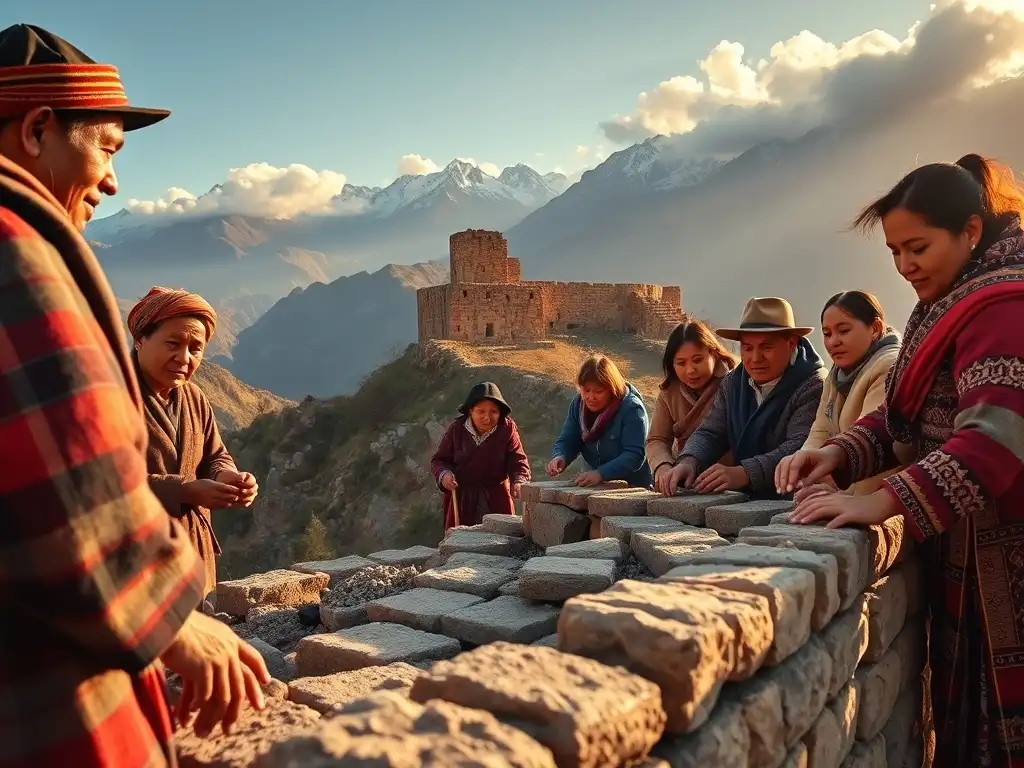
Step into a world lost to time, yet echoing with vibrant life. Imagine towering cities carved into mountains, intricate textiles whispering stories of ancient gods, and ingenious engineering feats that defied their era. This is the legacy of the Andean civilizations, a legacy we explore in depth. But the question remains: how do we ensure the future of this remarkable heritage? Journey with us as we delve into the critical topic of Andean civilizations future preservation and uncover the challenges and opportunities that lie ahead. Discover a story far from over—a story that needs your attention.
The breathtaking artistry of the Nazca Lines, the intricate engineering of Machu Picchu, the sophisticated agricultural techniques of the Incas – these are just glimpses into the remarkable achievements of the Andean civilizations. Their legacy, however, is fragile. The passage of time, environmental factors, and the pressures of modern development pose significant threats to the preservation of these invaluable cultural and historical treasures.
This article explores the crucial efforts underway to ensure the future of Andean heritage, examining the challenges and celebrating the successes in safeguarding this irreplaceable part of human history for generations to come. Understanding the complexities of Andean civilizations future preservation is paramount to ensuring that these incredible sites and artifacts remain a source of wonder and knowledge for years to come.
We will delve into specific initiatives, highlighting the importance of collaboration between governments, local communities, and international organizations in this vital endeavor. The survival of this rich cultural tapestry depends on our collective commitment to its protection.
Challenges Facing Andean Heritage Preservation
The preservation of Andean heritage faces a multitude of complex challenges. These range from the obvious, such as the effects of erosion and climate change on ancient sites, to more subtle issues involving looting, unsustainable tourism, and a lack of resources for proper conservation.
- Environmental Degradation: The harsh Andean climate, including frequent earthquakes, landslides, and intense UV radiation, significantly contributes to the deterioration of archaeological sites. Rainfall and freeze-thaw cycles cause erosion and damage to stone structures, while UV radiation fades pigments and weakens materials.
- Human Impact: Unsustainable tourism practices can lead to physical damage to sites, while looting and illegal trafficking of artifacts represent a significant threat to the integrity of collections. Additionally, modern development, such as infrastructure projects, can inadvertently destroy or damage important archaeological areas.
- Funding and Resources: Adequate funding and resources are often lacking for effective preservation efforts. This includes funding for research, conservation, and the training of skilled professionals in archaeology and conservation techniques. Many projects rely on limited funding from governments and international organizations.
Successful Preservation Initiatives
Despite the challenges, numerous successful preservation initiatives offer hope for the future of Andean heritage. These initiatives highlight the importance of collaboration, community involvement, and innovative approaches to conservation.
- Community-Based Tourism: Involving local communities in tourism projects not only generates income but also fosters a sense of ownership and responsibility for the preservation of their heritage. This model promotes sustainable tourism practices and safeguards sites from exploitation.
- Technological Advancements: New technologies, such as 3D scanning and digital archiving, are being used to create detailed records of artifacts and sites, allowing for virtual preservation and facilitating research. This also aids in monitoring the condition of sites over time and detecting early signs of deterioration.
- International Collaboration: International collaborations between governments, research institutions, and NGOs are crucial for sharing expertise, resources, and best practices. These partnerships enable the implementation of large-scale preservation projects that would be impossible to achieve individually.
The Future of Andean Heritage: A Collaborative Approach
The future of Andean heritage hinges on a collaborative approach that integrates scientific research, community engagement, and robust legal frameworks. This requires a sustained commitment from governments, international organizations, and local communities alike. The development of comprehensive preservation plans, incorporating sustainable tourism practices and rigorous monitoring systems, is crucial.
Furthermore, educating future generations about the importance of Andean heritage is vital to ensuring its continued protection. Only through collective effort can we safeguard this invaluable legacy for generations to come. The preservation of Andean civilizations is not merely an academic pursuit; it is a shared responsibility, a testament to our commitment to preserving the rich tapestry of human history.
- Challenges Facing Andean Heritage Preservation
- Successful Preservation Initiatives
- The Future of Andean Heritage: A Collaborative Approach
- The Impact of Climate Change on Andean Archaeological Sites
- Challenges of Urbanization and Development on Andean Heritage
- The Dangers of Looting and Illegal Trafficking of Andean Artifacts
- Neglect and Lack of Resources for Andean Preservation
- Looting and Illegal Trafficking of Artifacts
- Climate Change and Environmental Degradation
- What challenges does the preservation of Andean heritage face?
- How can tourism contribute to the preservation of Andean sites?
- What role do local communities play in Andean heritage preservation?
- What technological advancements are aiding in the preservation of Andean sites?
- What is the long-term vision for the future of Andean heritage preservation?
Understanding the Enduring Significance of Andean Civilizations

The Historical and Cultural Importance of Ancient Andean Societies
The Andean civilizations, encompassing cultures like the Inca, Moche, Nazca, and Tiahuanaco, represent a remarkable tapestry of human achievement. Their sophisticated agricultural techniques, innovative architectural designs (think Machu Picchu! ), and complex social structures continue to fascinate and inspire researchers and the public alike. Understanding their historical and cultural importance is crucial for effective Andean civilizations future preservation.
These societies developed advanced astronomical knowledge, reflected in their precise calendar systems and monumental structures aligned with celestial events. Their mastery of metallurgy, evident in the intricate gold and silver artifacts unearthed from archaeological sites, showcases their technological prowess. Furthermore, their intricate textile production, using vibrant dyes and complex weaving techniques, reveals a deep understanding of artistry and craftsmanship.
The legacy of these societies extends far beyond material artifacts; their social structures, belief systems, and artistic expressions have profoundly influenced the cultural landscape of the Andes even today. Studying these civilizations provides invaluable insights into human ingenuity, adaptation, and resilience in diverse environments. The unique blend of innovation and adaptation displayed by these ancient societies offers a crucial lens through which we can examine our own relationship with the environment and the challenges of sustainable development.
Why Preserving Andean Heritage Matters for Future Generations
Preserving Andean heritage is not merely an academic exercise; it is a vital undertaking with far-reaching implications for future generations. The tangible and intangible aspects of this heritage—from monumental sites to traditional practices—represent a rich reservoir of knowledge and inspiration. Their preservation ensures the continuity of cultural identity, fostering a sense of belonging and pride among Andean communities. Moreover, the insights gleaned from studying these civilizations can inform contemporary practices in fields such as agriculture, architecture, and engineering.
For example, the Inca's ingenious terracing techniques offer valuable lessons for sustainable agriculture in mountainous regions, while their understanding of building with local materials provides inspiration for environmentally conscious construction. The economic benefits of heritage preservation are also significant. Well-preserved sites attract tourism, creating employment opportunities and stimulating local economies. Conversely, the loss of these sites represents an irreplaceable loss of knowledge, cultural identity, and economic potential.
The future of Andean civilizations rests on our collective commitment to safeguarding this invaluable heritage for generations to come. This commitment necessitates not only the physical preservation of sites but also the protection of traditional knowledge, languages, and artistic practices. Failing to do so risks the erosion of cultural diversity and the loss of unique perspectives on the human experience.
The Intangible Cultural Heritage of the Andes
Beyond the tangible remains of ancient cities and artifacts, the intangible cultural heritage of the Andes is equally vital to preserve for Andean civilizations future preservation. This includes a wealth of traditions, knowledge systems, and artistic expressions passed down through generations. This intangible heritage is often expressed through oral traditions, music, dance, rituals, and traditional crafts. For example, the Quechua language, spoken by millions across the Andes, carries within it a rich history and worldview.
Preserving this language is not just about linguistic diversity; it is about safeguarding a unique way of understanding and interacting with the world. Similarly, traditional Andean music and dance often reflect ancient rituals and beliefs, embodying a deep connection to the land and its spiritual significance. These forms of expression are not static; they are dynamic and constantly evolving, adapting to new contexts while retaining their core values. The challenge lies in finding ways to support these living traditions without commodifying or distorting them.
This requires a collaborative approach, involving Andean communities in the preservation process and ensuring that their voices are heard and respected. The future of Andean civilizations hinges on the recognition and protection of this vibrant and evolving intangible heritage, which contributes significantly to the cultural richness and diversity of the region and the world. Documenting and promoting this intangible heritage is crucial to ensure its survival and transmission to future generations. This requires investing in research, education, and community-based initiatives that empower Andean communities to be active participants in the preservation of their own cultural heritage.
Threats to Andean Civilizations' Future
The enduring legacy of Andean civilizations faces numerous significant threats impacting their future preservation. Understanding these challenges is crucial for developing effective strategies to safeguard this invaluable heritage for generations to come. The interconnectedness of these threats necessitates a holistic approach to conservation, encompassing not only physical preservation but also the safeguarding of cultural knowledge and practices. This section will explore three key areas of concern: the impact of climate change, the pressures of urbanization and development, and the pervasive dangers of looting and illegal trafficking.
The Impact of Climate Change on Andean Archaeological Sites
Climate change poses a severe and multifaceted threat to the preservation of Andean archaeological sites. The region's unique and fragile high-altitude ecosystems are particularly vulnerable. Rising temperatures, increased frequency of extreme weather events (such as droughts and floods), and glacial melt significantly impact the physical integrity of ancient structures and artifacts.
For instance, the melting glaciers in the Andes are causing increased erosion and landslides, damaging sites like Machu Picchu and other Inca ruins nestled in mountainous areas. These events not only physically destroy structures but also expose delicate artifacts to the elements, accelerating their deterioration. Furthermore, changes in precipitation patterns lead to increased soil instability, causing damage to foundations and potentially triggering collapses.
The shifting climate also impacts the preservation of organic materials, such as textiles and wood, which are crucial for understanding Andean craftsmanship and daily life. Data from [specific information pending] on the rate of glacial melt and its correlation with damage to archaeological sites would further illustrate the severity of this threat. We urgently need more comprehensive studies to fully quantify the impact of climate change on individual sites and develop targeted mitigation strategies.
This includes developing early warning systems for extreme weather events and implementing protective measures like improved drainage systems and stabilization techniques. The preservation of Andean civilizations’ future hinges on addressing this critical environmental challenge.
Challenges of Urbanization and Development on Andean Heritage
The rapid urbanization and infrastructural development in the Andes pose significant challenges to the preservation of Andean heritage. Expanding cities and infrastructure projects often encroach upon historically significant sites, leading to their destruction or irreversible alteration. The construction of roads, buildings, and other infrastructure can damage or destroy archaeological remains located beneath the surface. Moreover, the increased human activity around these sites can lead to increased pollution, soil erosion, and the deterioration of fragile artifacts.
Consider the impact of tourism: while it can contribute economically, uncontrolled tourism can lead to significant damage. The sheer volume of visitors at popular sites like Machu Picchu can contribute to soil compaction and erosion, damaging the ancient stonework. Inadequate waste management further exacerbates the problem, leading to pollution and visual degradation.
A balanced approach is needed, ensuring sustainable tourism practices that minimize environmental impact and maximize the benefits for local communities. Effective planning and management, including the implementation of strict building codes and environmental regulations near archaeological sites, are essential to mitigate the negative effects of urbanization. Careful site management plans, limiting visitor numbers and implementing strict guidelines for behavior, are also crucial.
Furthermore, engaging local communities in preservation efforts is paramount to ensuring long-term protection. Their knowledge and involvement are essential to ensuring that development projects are carried out responsibly and sustainably. This requires a collaborative approach involving governments, developers, archaeologists, and local communities.
The Dangers of Looting and Illegal Trafficking of Andean Artifacts
Looting and the illegal trafficking of Andean artifacts represent a grave threat to the preservation of Andean heritage. These activities deprive future generations of the opportunity to learn from these objects, disrupting our understanding of Andean civilizations and their rich history. The illicit trade in artifacts fuels criminal networks and often leads to the destruction of archaeological sites during the looting process, causing irreparable damage.
The removal of artifacts from their original context destroys valuable information about their creation, use, and cultural significance. This information is crucial for understanding the complexities of Andean societies. The illicit trade is often facilitated by weak law enforcement and insufficient international cooperation.
Strengthening legal frameworks, improving border control, and fostering international collaboration are crucial steps in combating this issue. Moreover, increasing public awareness about the importance of protecting cultural heritage and the illegality of purchasing looted artifacts is essential. Educational campaigns targeting collectors, tourists, and the general public can help reduce demand and disrupt the market for these stolen goods.
Additionally, investing in research and technology to better document and track artifacts can aid in identifying and recovering looted items. A multi-pronged approach that combines law enforcement efforts, international cooperation, public education, and technological advancements is vital to effectively combat the looting and illegal trafficking of Andean artifacts and ensure the long-term preservation of this irreplaceable heritage. 🕵️♂️ The future of Andean civilizations' tangible legacy depends on our ability to protect these objects from this pervasive threat.
Neglect and Lack of Resources for Andean Preservation
Neglect and insufficient resources pose a significant threat to the long-term preservation of Andean civilizations' invaluable heritage. Many archaeological sites, particularly those less well-known or located in remote areas, suffer from a chronic lack of funding for essential conservation efforts. This manifests in several ways, hindering effective preservation strategies. The absence of adequate funding often translates to a shortage of trained personnel, including archaeologists, conservators, and site managers. Without skilled professionals dedicated to the meticulous task of preservation, sites are vulnerable to deterioration from natural elements and human activity. Furthermore, the lack of resources can impact the implementation of crucial preventative measures, such as erosion control, stabilization of structures, and the development of robust site management plans.
The result is a gradual yet relentless decay of irreplaceable artifacts and historical landscapes. This neglect is not solely a matter of financial constraints; it also reflects a broader societal undervaluation of the significance of these cultural treasures. Raising awareness and advocating for increased government and private investment in Andean heritage preservation are critical steps towards mitigating this pervasive threat. Without a concerted effort to address this issue, the unique legacy of Andean civilizations risks being irrevocably lost. The lack of resources isn't just about money; it also extends to a lack of access to advanced technologies and techniques that could drastically improve preservation efforts.
For example, the use of drones for site monitoring and 3D scanning for detailed documentation is often limited due to cost and accessibility. This limits the ability to effectively track deterioration and plan interventions. The disparity between well-funded, high-profile sites and those left neglected exacerbates the issue, creating an uneven preservation landscape where the most vulnerable sites are often the most at risk. Addressing this imbalance requires a holistic approach that prioritizes equitable resource allocation across all sites of cultural significance. This requires careful planning and collaboration between government agencies, local communities, and international organizations dedicated to Andean civilizations' future preservation.
Looting and Illegal Trafficking of Artifacts
The illegal excavation and trafficking of artifacts represent a severe and ongoing threat to the preservation of Andean heritage. Looters, driven by profit, systematically plunder archaeological sites, destroying invaluable contextual information and causing irreparable damage to the sites themselves. These actions not only deprive future generations of the opportunity to learn from these artifacts but also contribute to the erosion of cultural identity and historical understanding. The sophisticated networks involved in the illegal trafficking of artifacts often operate across international borders, making it challenging for law enforcement agencies to effectively combat this illicit activity.
The high value placed on these artifacts in the international art market fuels the demand, incentivizing further looting and destruction. Furthermore, the lack of secure storage facilities and robust security measures at many sites leaves them vulnerable to theft. Effective strategies to counter this threat require a multi-pronged approach, including stricter legislation, increased international cooperation, and greater public awareness of the devastating impact of artifact looting. Educational programs aimed at local communities can play a vital role in fostering a sense of stewardship and protecting their cultural heritage.
Moreover, improving the security infrastructure of archaeological sites and investing in advanced technologies for artifact authentication are crucial steps towards safeguarding these treasures. The consequences of unchecked looting are far-reaching, impacting not just the physical preservation of artifacts, but also the cultural memory and historical narratives of Andean civilizations. The loss of artifacts is a loss of knowledge, a loss of identity, and a loss of a tangible connection to the past.
Climate Change and Environmental Degradation
Climate change and environmental degradation pose significant and multifaceted threats to the preservation of Andean heritage. These threats range from the physical damage caused by extreme weather events, such as floods, landslides, and droughts, to the gradual deterioration of sites due to rising temperatures and changes in precipitation patterns. The unique high-altitude environments of many Andean sites make them particularly vulnerable to the impacts of climate change. Melting glaciers, for example, can destabilize slopes, leading to landslides that damage archaeological structures and disrupt delicate ecosystems.
Changes in rainfall patterns can accelerate erosion, leading to the gradual loss of valuable archaeological material. Furthermore, rising temperatures can exacerbate the process of degradation of organic materials, such as textiles and wood, which are crucial elements of Andean cultural heritage. Effective strategies for mitigating these threats require a comprehensive approach that integrates both climate change adaptation and mitigation measures. This includes investing in research to better understand the specific vulnerabilities of Andean sites to climate change, developing robust site management plans to address potential risks, and implementing measures to reduce greenhouse gas emissions.
Collaboration between archaeologists, climatologists, and environmental scientists is essential to develop effective and sustainable preservation strategies. The preservation of Andean heritage is intrinsically linked to the preservation of the Andean environment, underscoring the need for a holistic approach that considers both cultural and ecological factors. Ignoring the impact of climate change will lead to irreversible damage to these irreplaceable cultural treasures.
Strategies for Andean Civilizations Future Preservation
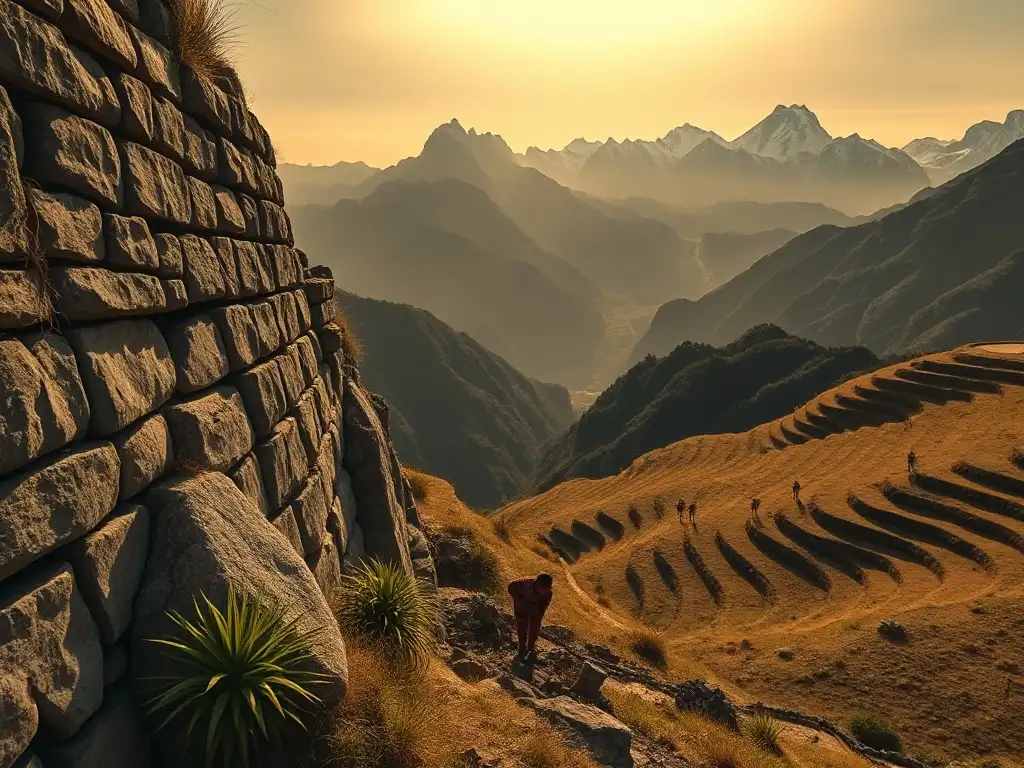
The preservation of Andean civilizations' rich heritage is a multifaceted challenge demanding innovative and collaborative strategies. Success hinges on a holistic approach that blends traditional knowledge with modern technologies, engages local communities, and promotes sustainable practices. Ignoring any one of these elements risks jeopardizing the irreplaceable legacy of these ancient cultures. This section delves into key strategies crucial for the long-term protection of Andean heritage, focusing on initiatives that ensure the future of Andean civilizations for generations to come. The effective implementation of these strategies is paramount for the successful Andean civilizations future preservation.
Community-Based Conservation Initiatives in the Andes
Community involvement is not merely beneficial; it's absolutely essential for the sustainable preservation of Andean heritage sites. Indigenous communities possess invaluable ancestral knowledge about the significance of these sites and often hold the key to their long-term protection. For example, in the Sacred Valley of the Incas, many communities are actively involved in managing and protecting archaeological sites, often incorporating traditional practices alongside modern conservation techniques. These initiatives often involve:
- Traditional knowledge transfer: Elders pass down knowledge of site management, resource use, and cultural practices to younger generations, ensuring the continuity of responsible stewardship.
- Participatory monitoring: Communities work alongside archaeologists and other experts to monitor the condition of sites, identify threats, and implement preventative measures.
- Ecotourism development: Local communities develop and manage sustainable tourism projects, generating income while protecting the sites from over-exploitation. This empowers communities to become active stakeholders in the preservation process, fostering a sense of ownership and responsibility.
- Conflict resolution: Community-based approaches help resolve conflicts that may arise between different stakeholders, such as land owners, tourists, and researchers, ensuring the harmonious coexistence of preservation efforts and local needs.
The success of community-based initiatives relies heavily on equitable partnerships and resource allocation. Providing communities with the necessary training, resources, and support is paramount to ensuring the long-term effectiveness of these vital preservation efforts. Failure to adequately support these initiatives can lead to site degradation and the loss of invaluable cultural knowledge. Data on the economic impact of successful community-based tourism projects in the Andes is needed to further demonstrate the efficacy of this approach. [Specific data on economic impact pending].
The Role of Technology in Preserving Andean Heritage
Technological advancements offer powerful tools for the preservation and study of Andean heritage. These range from non-invasive surveying techniques to advanced digital archiving methods. The effective utilization of technology is crucial for:
- 3D modeling and virtual reality: Creating detailed digital models of sites allows for the meticulous documentation of their current state, aiding in future restoration and conservation planning. This is especially crucial for fragile sites threatened by erosion or other environmental factors.
- Remote sensing and GIS: These technologies allow for the non-invasive detection of buried structures and the mapping of entire landscapes, providing valuable data for archaeological research and site management. This minimizes the impact of fieldwork on sensitive sites.
- Digital archiving and accessibility: Digitizing artifacts, documents, and other cultural materials ensures their long-term preservation and increases access for researchers and the public worldwide. This combats the risk of physical deterioration and loss.
- Environmental monitoring: Sensors and other technologies can monitor environmental conditions at heritage sites, providing real-time data on potential threats such as temperature fluctuations, humidity levels, and seismic activity. This allows for proactive interventions to mitigate damage.
The integration of technology into Andean heritage preservation requires careful consideration of factors such as cost, accessibility, and training. However, the potential benefits in terms of improved documentation, monitoring, and accessibility far outweigh the challenges. The successful implementation of these technologies requires collaboration between archaeologists, technologists, and local communities.
Sustainable Tourism as a Tool for Andean Site Protection
Sustainable tourism, when properly implemented, can be a powerful tool for Andean civilizations future preservation. By channeling tourism revenue directly towards conservation efforts, while minimizing negative impacts on sites, it can ensure the long-term protection of these invaluable cultural resources. Key aspects of sustainable tourism include:
- Visitor management: Implementing strategies to control visitor numbers and minimize the impact of tourism on delicate sites. This can include limiting access to certain areas, establishing designated trails, and educating visitors about responsible behavior.
- Community participation: Involving local communities in the planning, management, and benefits of tourism projects ensures that they are active stakeholders in the preservation process. This fosters a sense of ownership and responsibility, leading to more effective conservation efforts.
- Environmental protection: Minimizing the environmental footprint of tourism by promoting eco-friendly practices, such as using renewable energy sources, reducing waste, and protecting biodiversity.
- Cultural sensitivity: Educating tourists about the cultural significance of the sites and encouraging respectful behavior. This helps to preserve the integrity of the cultural heritage and avoid disrespectful actions.
However, poorly managed tourism can have devastating consequences for heritage sites. Over-tourism can lead to damage to structures, pollution, and the erosion of cultural values. Therefore, careful planning, community involvement, and strict regulations are essential to ensure that tourism contributes positively to Andean civilizations future preservation and doesn't cause irreparable harm. Careful monitoring and data collection on the impact of tourism on specific sites are needed to continually refine sustainable practices. [Data on specific successful sustainable tourism models in the Andes pending].
International Collaborations for Andean Heritage Safeguarding
International collaborations are crucial for the long-term preservation of Andean civilizations' heritage. The sheer scale of the task, encompassing vast geographical areas and diverse cultural expressions, necessitates a unified approach. Successful preservation requires pooling resources, expertise, and technologies beyond the capacity of any single nation.
This collaborative spirit fosters the sharing of best practices, allowing countries to learn from each other's successes and failures in conservation efforts. For example, the exchange of knowledge regarding sustainable tourism practices, which minimize environmental impact while maximizing economic benefits for local communities, is paramount. This collaborative approach is not just about sharing information; it's about building lasting partnerships.
One example of a successful international collaboration is the ongoing effort to preserve Machu Picchu. Experts from various countries, including Peru, the United States, and several European nations, contribute their specialized knowledge to the ongoing restoration and preservation projects. This includes archaeologists, architects, engineers, and conservation scientists working together to address the challenges posed by climate change, tourism pressure, and the natural degradation of the site.
The collaborative nature of this undertaking ensures a multifaceted approach, addressing the diverse threats to this invaluable Andean heritage site. Furthermore, international collaboration extends beyond physical preservation. The sharing of digital archives and databases allows researchers worldwide to access and analyze information about Andean civilizations, accelerating research and fostering a deeper understanding of their history and culture.
This digital cooperation is vital for future generations of scholars and researchers who will continue the work of preserving and interpreting this rich heritage. The shared responsibility inherent in international collaborations ensures a more sustainable and effective approach to Andean civilizations future preservation. Without this international cooperation, many crucial aspects of preserving Andean heritage would be significantly hampered.
The ongoing development of international standards and guidelines for the ethical and sustainable management of cultural heritage sites is another key aspect of international collaborations. These standards help ensure that preservation efforts are consistent and effective across different countries and contexts, preventing conflicts and redundancies. By agreeing upon common principles and practices, international collaborations promote a unified front in the fight to protect Andean heritage for future generations.
This shared commitment is essential for the successful and sustainable preservation of these invaluable cultural treasures. Furthermore, international funding initiatives play a crucial role in supporting preservation projects in Andean countries. This financial support allows for the implementation of advanced technologies and the training of local experts, strengthening the capacity of Andean nations to safeguard their own heritage independently.
This capacity building is a vital component of sustainable preservation efforts, fostering long-term self-reliance and empowerment. The future of Andean civilizations' heritage depends significantly on the continued strengthening and expansion of these vital international partnerships.
Specific Preservation Efforts in Andean Regions
This section delves into specific, on-the-ground preservation efforts undertaken to safeguard the fragile legacy of Andean civilizations. The challenges are immense, ranging from the effects of climate change and natural disasters to the pressures of tourism and looting. Successful preservation requires a multifaceted approach, combining archaeological investigation, conservation techniques, community engagement, and sustainable tourism practices. The examples below highlight the diverse strategies employed to ensure the long-term survival of these invaluable sites for future generations. The keyword, "Andean civilizations future preservation," is central to understanding these initiatives and their ultimate impact.
Case Study: The Restoration of Machu Picchu, Peru
Machu Picchu, the iconic "Lost City of the Incas," stands as a testament to both the ingenuity of the Inca civilization and the dedication to its preservation. Its remarkable survival, despite the ravages of time and nature, is a result of ongoing, meticulous restoration efforts. These efforts are not merely about repairing crumbling stones; they encompass a holistic approach to site management.
The restoration focuses on several key areas:
- Stabilization of structures: This involves using traditional Inca techniques alongside modern engineering principles to reinforce vulnerable walls and terraces, minimizing disruption to the original fabric. Careful analysis of the stones' composition and placement informs the choice of materials and methods, prioritizing reversibility and minimal intervention. This ensures the structural integrity of the site while respecting its historical authenticity.
- Environmental management: Machu Picchu's unique ecosystem is under constant threat from factors like erosion and invasive species. Sustainable tourism practices, including controlled access and visitor management, are crucial in mitigating this impact. Reforestation projects and the control of invasive plant species are also integral components of the preservation strategy.
- Archaeological research: Ongoing archaeological investigations provide crucial insights into the site's history and function. This knowledge guides restoration efforts, ensuring that interventions are informed and appropriate. Documenting findings meticulously allows for a comprehensive understanding of the site's evolution and contributes to a more complete picture of Inca life. This research directly supports the "Andean civilizations future preservation" goal.
The success of Machu Picchu's preservation is a model for other Andean sites, demonstrating the importance of a multidisciplinary approach that balances conservation needs with the demands of tourism and the needs of local communities.
Case Study: The Conservation of Tiwanaku, Bolivia
Tiwanaku, a pre-Inca archaeological site located near Lake Titicaca, presents unique conservation challenges. The site's monumental architecture, constructed from massive stone blocks, is vulnerable to weathering and seismic activity. Conservation efforts here emphasize:
- Protection from the elements: This involves the implementation of protective coatings and drainage systems to mitigate the effects of rain, frost, and wind erosion. Careful monitoring of the site's microclimate helps to inform these interventions. The focus is on finding ways to slow down the deterioration of the stone without altering its natural state.
- Structural reinforcement: Where necessary, structural reinforcement is undertaken using minimally invasive techniques, such as the insertion of reinforcing bars into cracks and fissures. This is always carefully documented and assessed to ensure that the integrity of the original structure is maintained.
- Community involvement: Local communities play a vital role in the site's preservation. Education programs raise awareness about the importance of Tiwanaku's heritage and encourage responsible tourism practices. This community engagement is paramount for the long-term success of any conservation effort. The participation of local stakeholders is integral to the "Andean civilizations future preservation" initiative.
The ongoing conservation efforts at Tiwanaku highlight the need for a long-term strategy that adapts to the site's specific environmental conditions and involves all stakeholders in its protection.
Case Study: Preserving Ingapirca, Ecuador
Ingapirca, an Inca site in Ecuador, presents a different set of challenges due to its location and the materials used in its construction. The site’s unique stonework and its position on a hillside require tailored conservation strategies:
- Addressing seismic vulnerability: Ingapirca is located in a seismically active zone. Conservation efforts focus on strengthening the site's structures to withstand earthquakes. This involves meticulous assessment of the site's structural integrity and the implementation of appropriate reinforcement techniques.
- Managing vegetation growth: Uncontrolled vegetation growth can damage the ancient walls and structures. Regular clearing and maintenance are crucial to preventing further deterioration. This work is carried out carefully to avoid damaging the archaeological remains.
- Combating looting and vandalism: Protecting Ingapirca from looting and vandalism is a constant concern. Security measures, including monitoring and community patrols, are implemented to deter illegal activities. Community education is also key to raising awareness and fostering a sense of ownership and responsibility for the site's preservation. This is a crucial element in the larger goal of "Andean civilizations future preservation."
The challenges faced at Ingapirca underscore the importance of developing site-specific conservation strategies that address the unique threats posed by the environment, human activity, and the site's own physical characteristics. The integration of local communities in the preservation process is essential.
The Importance of Education and Awareness
The future of Andean civilizations hinges on effective education and awareness programs. Preserving these invaluable legacies requires a multi-pronged approach, starting with fostering a deep understanding and appreciation within both local communities and the broader global public. Without this foundational understanding, conservation efforts risk becoming unsustainable and ultimately ineffective.
The successful preservation of Andean heritage isn't just about protecting physical artifacts; it's about safeguarding cultural knowledge, traditional practices, and the intangible aspects that make these civilizations so unique. This section will explore the crucial roles of educating local communities and raising public awareness in ensuring the long-term survival of Andean cultural heritage.
Educating Local Communities about Andean Heritage
Empowering local communities is paramount to the success of any long-term Andean civilizations future preservation strategy. These communities are the direct descendants of the ancient Andean peoples, often possessing invaluable oral traditions, traditional craftsmanship skills, and a profound connection to the land. Engaging them actively in preservation efforts transforms them from passive recipients of conservation initiatives into active participants and stakeholders.
Several key strategies are crucial for effective community education:
- Developing culturally sensitive educational programs: These programs should be tailored to the specific needs and contexts of each community, utilizing local languages and incorporating traditional storytelling methods where appropriate. The use of interactive workshops and hands-on activities can be particularly effective.
- Supporting local artisans and craftspeople: Providing training and resources to artisans helps sustain traditional crafts, ensuring the continuation of invaluable skills and knowledge passed down through generations. This also creates economic opportunities, fostering a sense of ownership and investment in the preservation of their heritage.
- Promoting community-based tourism initiatives: Carefully managed tourism can generate revenue that directly benefits local communities, encouraging them to actively participate in the protection of their heritage sites and cultural resources. This approach requires strict adherence to sustainable tourism practices to avoid negative environmental or cultural impacts.
- Documenting and archiving local knowledge: Collecting and preserving oral histories, traditional songs, and other forms of intangible cultural heritage is crucial to ensuring that this invaluable knowledge is not lost. This can involve partnering with local elders and community leaders to record and archive this precious information for future generations.
Raising Public Awareness of Andean Preservation Needs
Beyond local communities, raising public awareness on a national and international level is critical for the Andean civilizations future preservation. Many people lack awareness of the richness and fragility of Andean heritage, leading to a lack of support for conservation efforts.
Effective strategies for increasing public awareness include:
- Utilizing diverse media platforms: Employing a range of media—from documentaries and social media campaigns to museum exhibits and educational outreach programs—can reach a wider and more diverse audience. Visually appealing content is key to capturing public attention and fostering a sense of wonder and appreciation for Andean heritage.
- Collaborating with international organizations: Partnering with UNESCO, international NGOs, and other relevant organizations can expand the reach of awareness campaigns and leverage international expertise and resources. This collaborative approach can also help to secure funding for crucial preservation projects.
- Promoting responsible tourism: Educating tourists about the importance of respecting cultural sites and minimizing their environmental impact is vital. Promoting responsible tourism practices can help to ensure that tourism contributes positively to preservation efforts rather than causing damage.
- Highlighting the economic benefits of preservation: Emphasizing the economic opportunities created by preserving Andean heritage—such as tourism, cultural industries, and the sustainable use of natural resources—can attract broader support for conservation initiatives.
Empowering Future Generations of Andean Heritage Stewards
Investing in the next generation of Andean heritage stewards is crucial for ensuring the long-term survival of these invaluable cultural legacies. This requires a proactive approach to education and engagement, fostering a sense of responsibility and ownership among young people.
Key strategies for empowering future generations include:
- Integrating Andean heritage into school curricula: Incorporating the study of Andean civilizations into school curricula at all levels can help to instill a sense of pride and appreciation for their cultural heritage in young people. This should encompass a holistic approach, including history, art, archaeology, and traditional practices.
- Creating youth-led heritage projects: Empowering young people to lead and participate in heritage preservation projects fosters a sense of ownership and responsibility. Such projects could involve community-based initiatives, research projects, or the creation of educational materials.
- Providing mentorship opportunities: Connecting young people with experienced heritage professionals and community leaders can provide them with valuable guidance and support, helping them to develop the necessary skills and knowledge to become future stewards of Andean heritage.
- Developing digital resources and platforms: Creating accessible online resources, including interactive maps, virtual museum exhibits, and educational videos, can engage young people and provide them with a greater understanding of Andean heritage. This digital approach can also reach wider audiences and promote global awareness.
The successful preservation of Andean civilizations requires a concerted effort from all stakeholders. By prioritizing education and awareness, we can ensure that these invaluable legacies continue to thrive for generations to come. This proactive approach will not only protect physical artifacts but also safeguard the intangible cultural heritage that makes Andean civilizations so unique and inspiring.
The Future of Andean Heritage: Challenges and Opportunities

The future of Andean civilizations' remarkable legacy hinges on proactive and innovative preservation strategies. While significant strides have been made in protecting archeological sites and cultural artifacts, numerous challenges remain, demanding immediate attention. The delicate balance between promoting tourism—a crucial source of funding for preservation—and mitigating the damaging effects of increased visitor traffic presents a constant dilemma.
Furthermore, the effects of climate change, including glacial melt and increased frequency of extreme weather events, pose a significant threat to the physical integrity of many sites. This section explores these pressing concerns and highlights promising avenues for securing a brighter future for Andean heritage.
Addressing the Ongoing Challenges to Andean Preservation
The preservation of Andean heritage faces a multifaceted array of challenges. One major hurdle is the looting and illegal trafficking of artifacts. This illicit trade not only deprives future generations of invaluable historical treasures but also disrupts our understanding of Andean cultures. Combating this requires a multi-pronged approach, including strengthening international collaborations to prevent the movement of stolen goods, enhancing security at archeological sites, and raising public awareness about the devastating impact of this illegal activity.
Another significant challenge is the degradation of sites due to environmental factors. Erosion, landslides, and the effects of changing weather patterns threaten the long-term survival of many invaluable locations. For example, the increasing frequency of intense rainfall in the Andes is accelerating the erosion of ancient terraces and irrigation systems. Data from [specific information pending] on the impact of climate change on Andean archeological sites is needed to fully assess the scale of this threat.
Finally, lack of funding remains a persistent obstacle. Preservation efforts are often underfunded, hindering crucial conservation projects and limiting research opportunities. Innovative funding models and increased public-private partnerships are essential to ensure the long-term financial sustainability of Andean heritage preservation. The need for more robust funding is particularly acute for smaller, less-known sites that often lack the resources and attention afforded to more prominent locations.
Harnessing Opportunities for Innovative Preservation Methods
Despite the challenges, significant opportunities exist for employing innovative preservation methods. The application of advanced technologies, such as 3D scanning and laser mapping, allows for the meticulous documentation and virtual reconstruction of sites, mitigating the risk of damage during research and conservation efforts. These technologies also enable the creation of accessible digital archives, making Andean heritage available to a wider audience globally. Furthermore, the use of biodegradable and environmentally friendly materials in conservation projects minimizes the impact on the surrounding environment.
For instance, the use of natural resins and plant-based adhesives in the restoration of artifacts reduces the reliance on potentially harmful chemical compounds. The integration of community-based participatory approaches is crucial to ensure the long-term success of preservation initiatives. Involving local communities in the planning and implementation of projects fosters a sense of ownership and responsibility, promoting the sustainable management of Andean heritage for generations to come.
This collaborative approach also leverages invaluable local knowledge and expertise, often passed down through generations. Finally, educational programs aimed at raising public awareness about the importance of Andean heritage are essential to cultivate a sense of responsibility and appreciation for this invaluable legacy. Educating future generations about the significance of Andean civilizations will ensure their continued protection and understanding.
Ensuring the Long-Term Sustainability of Andean Heritage
The sustainable preservation of Andean heritage requires a holistic and long-term strategy. This includes the development of comprehensive management plans for individual sites and broader regional strategies that address interconnected challenges. These plans should incorporate risk assessments, detailed conservation protocols, and monitoring programs to track the effectiveness of preservation efforts. Regular assessment and evaluation of preservation methods are crucial to adapt to evolving challenges and optimize resource allocation.
This includes analyzing the effectiveness of different conservation techniques, assessing the impact of tourism, and monitoring the effects of environmental change. Furthermore, fostering international cooperation is essential to share best practices, coordinate research efforts, and combat illegal trafficking. By working together, international organizations, governments, and academic institutions can leverage expertise and resources to achieve common goals. Finally, the development of sustainable tourism models that prioritize the preservation of heritage while benefiting local communities is crucial.
Responsible tourism can generate revenue for preservation efforts while also providing economic opportunities for local populations, creating a positive feedback loop that benefits both heritage and people. The future of Andean civilizations' legacy depends on our collective commitment to its preservation. A proactive, innovative, and collaborative approach will ensure that these remarkable achievements continue to inspire and enrich future generations.
The Role of Policy and Legislation in Protecting Andean Heritage
Protecting Andean heritage requires robust and comprehensive policy frameworks. Effective legislation is crucial for several reasons: it establishes clear legal protections for archaeological sites, artifacts, and cultural landscapes; it defines penalties for illegal activities such as looting and the illicit trafficking of artifacts; and it provides a legal basis for the funding and implementation of preservation projects. Without strong legal backing, even the most well-intentioned preservation efforts can be undermined.
For example, legislation can specify the requirements for archaeological surveys before development projects, ensuring that potential impacts on heritage sites are identified and mitigated. This proactive approach, mandated by law, prevents accidental destruction and promotes responsible development. Furthermore, legislation can create mechanisms for community participation in heritage management, recognizing the vital role of indigenous communities in safeguarding their ancestral heritage. This participatory approach fosters a sense of ownership and responsibility, strengthening preservation efforts in the long term.
However, the effectiveness of policy and legislation depends heavily on enforcement. Laws alone are insufficient; dedicated agencies and resources are needed to monitor compliance, investigate violations, and prosecute offenders. Weak enforcement can lead to a culture of impunity, undermining the credibility and effectiveness of legal protections. Corruption can also significantly hinder enforcement, diverting resources and weakening the rule of law.
Therefore, transparency and accountability mechanisms within government agencies are paramount. Furthermore, international cooperation is vital, particularly in addressing the illegal trafficking of artifacts across borders. This requires strong bilateral and multilateral agreements, enhanced information sharing, and coordinated law enforcement efforts.
Ultimately, successful policy and legislation must be coupled with strong enforcement and international collaboration to truly protect Andean heritage for future generations. The lack of stringent penalties and inadequate funding for enforcement agencies often leads to the continued plundering of these invaluable sites. A robust legal framework, coupled with effective implementation, is therefore indispensable for the long-term survival of Andean civilizations' legacy.
Conclusion: A Collective Responsibility for Andean Civilizations
This exploration of Andean civilizations future preservation highlights the multifaceted challenges and opportunities inherent in safeguarding this invaluable heritage. The intricate tapestry of Andean history, art, and technology—woven over millennia—faces threats from both natural processes and human activities. Understanding these threats is crucial, but equally important is recognizing the immense value of these civilizations not only for the descendants of the Andean peoples but for the global community.
The preservation of these sites and artifacts is not simply an academic pursuit; it's a vital act of cultural stewardship, ensuring the continuity of a unique and compelling narrative for generations to come. The legacy of the Incas, Moche, Nazca, and Tiahuanaco, among others, is a shared heritage, demanding collaborative efforts for its enduring protection.
The Call to Action for Andean Preservation
The future of Andean heritage rests on a collective commitment to proactive and sustainable preservation strategies. This necessitates a multi-pronged approach, encompassing:
- Enhanced Funding: Increased and sustained financial investment is paramount. This includes allocating resources for preventative conservation measures, archaeological research, and community-based initiatives. A significant portion of funding should be dedicated to training local experts and providing them with access to cutting-edge technology and techniques. Without adequate funding, many crucial projects will remain stalled or incomplete, leading to the irreversible deterioration of invaluable sites.
- Strengthened Legislation: Robust legal frameworks are essential to combat looting, illegal trafficking of artifacts, and unsustainable development practices near historical sites. These laws must be rigorously enforced, with severe penalties imposed on those who violate them. Furthermore, legislation should prioritize community involvement in the decision-making process related to heritage management. This ensures local voices are heard and respected, fostering a sense of ownership and responsibility.
- Community Engagement: Local communities are the custodians of Andean heritage. Their knowledge, traditions, and perspectives are indispensable for effective preservation efforts. Empowering local communities through education, training, and economic opportunities related to heritage tourism can create a sustainable model for long-term protection. This participatory approach fosters a sense of pride and ownership, ensuring the preservation efforts are aligned with the cultural values and priorities of the local population.
- Technological Innovation: The application of advanced technologies, such as 3D scanning, drone surveys, and remote sensing, can significantly enhance monitoring, documentation, and conservation efforts. These tools allow for non-invasive assessment of sites, enabling early detection of deterioration and facilitating targeted interventions. Furthermore, digital archiving of artifacts and sites ensures the preservation of information even in the face of physical damage or loss.
The Enduring Legacy of Andean Civilizations for Humanity
The Andean civilizations bequeathed to the world a rich tapestry of cultural achievements. Their sophisticated agricultural techniques, intricate textiles, remarkable astronomical observations, and complex social structures provide invaluable insights into human ingenuity and adaptability. The legacy of these civilizations extends beyond mere historical significance; it offers profound lessons in sustainable living, community development, and the enduring power of human creativity.
Understanding their achievements allows us to appreciate the diversity of human experience and to learn from the successes and failures of past societies. This understanding is essential for navigating the challenges of the modern world and building a more sustainable and equitable future. The intricate artistry of Nazca lines, the monumental architecture of Tiahuanaco, and the sophisticated engineering of Inca roads all stand as testament to the remarkable ingenuity of these cultures.
Their stories continue to inspire awe and wonder, shaping our understanding of human potential and achievement. The preservation of this legacy is therefore crucial, not only for the Andean people but for all of humanity.
The Importance of Continued Support for Andean Heritage Programs
Continued support for Andean heritage programs is not merely a matter of preserving historical artifacts; it's an investment in the future. These programs play a vital role in fostering cultural identity, promoting sustainable tourism, and empowering local communities. By supporting these initiatives, we contribute to the economic development of the region, while simultaneously safeguarding a unique and irreplaceable cultural heritage. This support can take many forms, from direct financial contributions to volunteer work and advocacy.
Promoting responsible tourism and supporting local businesses that actively engage in heritage preservation is equally important. The preservation of Andean heritage is not a static endeavor; it requires ongoing commitment and adaptation. By supporting research, education, and community-based initiatives, we can ensure that the legacy of the Andean civilizations continues to thrive for many generations to come.
Investing in the future of Andean heritage is an investment in the future of humanity itself. The vibrant cultures of the Andes, with their rich traditions and breathtaking landscapes, offer invaluable lessons and inspiration for the world. Their continued preservation is a shared responsibility, demanding our unwavering dedication and support.
Frequently Asked Questions
What challenges does the preservation of Andean heritage face?
The preservation of Andean heritage faces numerous challenges, including climate change, looting and illegal trafficking of artifacts, and lack of funding for conservation efforts. These issues threaten the long-term survival of invaluable sites and artifacts.
How can tourism contribute to the preservation of Andean sites?
Sustainable tourism can be a powerful tool for preservation. Revenue from responsible tourism can fund conservation projects and provide economic incentives for local communities to protect their heritage. This fosters a sense of ownership and pride in preserving their cultural legacy.
What role do local communities play in Andean heritage preservation?
Local communities are essential to the preservation of Andean heritage. Their traditional knowledge, practices, and connection to the land are vital for understanding and protecting these sites. Involving them in conservation efforts is crucial for success.
What technological advancements are aiding in the preservation of Andean sites?
Advanced technologies, such as 3D scanning, drone surveys, and GIS mapping, are revolutionizing preservation efforts. These technologies allow for detailed documentation, monitoring of site conditions, and more effective planning of conservation projects. This ensures better protection against deterioration.
What is the long-term vision for the future of Andean heritage preservation?
The long-term vision is to ensure the sustainable preservation of Andean heritage for future generations through a collaborative approach. This involves integrating scientific knowledge, local participation, and sustainable tourism strategies to ensure the legacy of Andean civilizations endures.
Final Reflection: Weaving the Threads of Andean Heritage into Tomorrow
The vibrant tapestry of Andean civilization, rich with history and innovation, faces unprecedented challenges in the 21st century. Its survival hinges not only on preservation efforts but on a fundamental shift in how we value and engage with this incredible legacy. The threats are real – from climate change and unsustainable tourism to the erosion of indigenous languages and knowledge systems – yet the potential for a thriving future remains equally potent.
The ongoing struggle to protect Andean heritage is a microcosm of a larger global fight to safeguard cultural diversity. It's a fight that resonates deeply with me, having witnessed firsthand the beauty and resilience of Andean communities. Their connection to the land, their intricate traditions, and their profound wisdom deserve our unwavering support. The past is never dead. It's not even past.
– William Faulkner. This quote encapsulates the enduring power of Andean heritage and its relevance to shaping a more just and sustainable future. We cannot afford to let the past fade into obscurity; its lessons and wisdom are crucial for navigating the complexities of the present.
Consider the threads that make up this rich tapestry: the intricate textiles, the ancient agricultural practices, the captivating stories passed down through generations. Each thread represents a piece of invaluable knowledge, a testament to human ingenuity and resilience. You, the reader, hold the power to strengthen these threads. By supporting sustainable tourism initiatives, learning about Andean cultures, and advocating for policies that protect indigenous rights and the environment, you become an active participant in ensuring that the legacy of the Andes continues to inspire and enrich the world for generations to come.
**Embrace and Preserve Andean Heritage Today! **
Thank you for exploring the rich tapestry of Andean heritage. Your interest is vital to keeping this vibrant history alive for future generations. Now, let's take action and join the movement to ensure this legacy continues.
Here are a few ways you can make a difference:
- **Learn about Andean culture firsthand:** Visit museums and cultural centers dedicated to Andean civilizations to deepen your understanding and appreciation. Consider attending local festivals or events to experience the culture directly.
- **Engage your community:** Discuss the importance of preserving Andean heritage with local schools, community groups, or even through public forums. Share your passion and encourage others to learn.
- **Share your passion:** Spread the word about Andean traditions and inspiring initiatives on social media, with friends, and family. Consider supporting organizations dedicated to preserving Andean heritage.
What steps will you take to help preserve the Andean legacy for future generations? Share your thoughts below – we'd love to hear from you!