
The Inca Fortresses: Defending the Empire's Borders

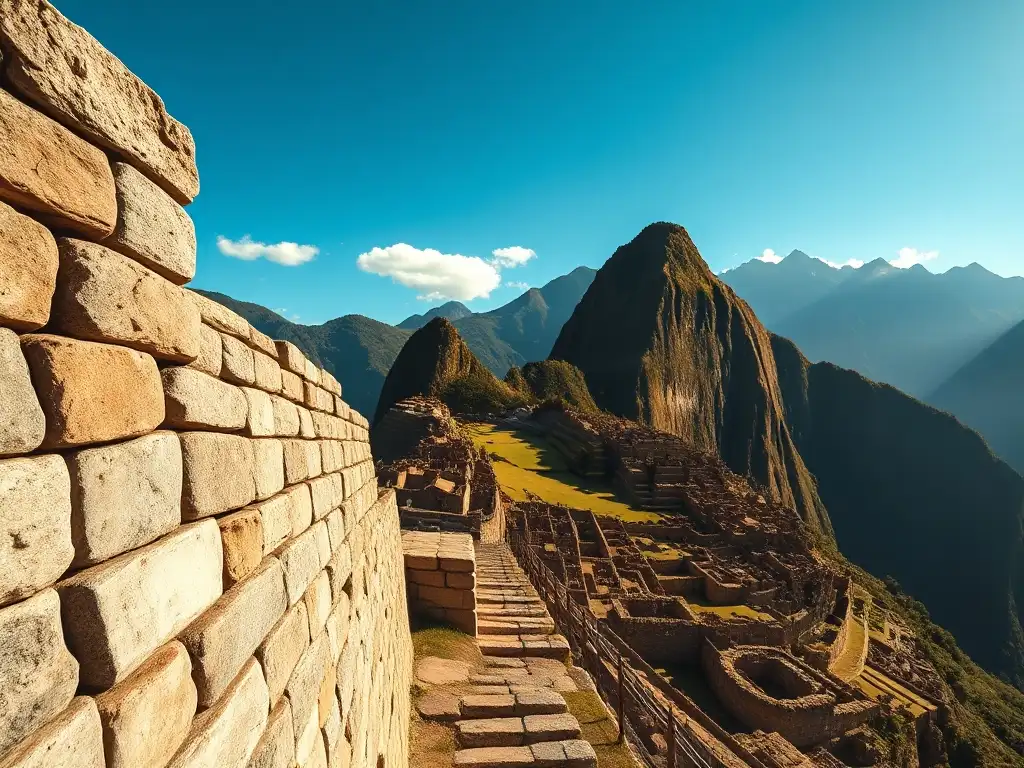
Step into a world lost to time, where towering peaks guarded empires of unimaginable ingenuity. Imagine colossal stone structures, defying gravity and the relentless Andes, their secrets whispering of a civilization's unwavering might. This is the realm of the Inca fortress defensive structures, and within these ancient walls lies a story of breathtaking architectural prowess and strategic brilliance. Prepare to uncover the mysteries behind their design and the crucial role they played in safeguarding the Inca Empire – a journey into the heart of a fascinating and powerful civilization awaits.
The Inca Empire, a vast and powerful civilization that dominated the Andes Mountains from the 15th to the 16th century, relied on a sophisticated system of governance and military might to maintain control over its expansive territory. This article delves into the crucial role of Inca fortresses – impressive feats of engineering and military strategy – in securing the empire's borders and protecting its vital resources and population.
We will examine the architectural ingenuity employed in their construction, their strategic placement across the diverse Andean landscape, and their effectiveness in defending against both internal and external threats. Understanding these defensive structures provides invaluable insight into the Inca Empire's political organization, military capabilities, and overall societal resilience.
The sophisticated design and strategic placement of these fortresses highlight the Inca's remarkable understanding of topography, engineering, and military tactics, solidifying their position as master builders and strategists. Exploring these “Inca fortress defensive structures” unveils a crucial aspect of their impressive empire.
Introduction to Inca Military Architecture and Defense
Inca military architecture wasn't solely about building imposing structures; it was a complex interplay of engineering prowess, strategic planning, and an intimate understanding of the Andean terrain. Their fortresses were not merely static defensive positions but integral parts of a broader defensive system. This system combined natural barriers like mountains and rivers with strategically placed fortifications, observation posts, and communication networks to ensure rapid response to threats.
The construction techniques employed were remarkable, utilizing locally sourced materials like stone, adobe bricks, and timber, adapted to the specific challenges posed by the diverse Andean environments. Inca builders mastered techniques like dry-stone masonry, creating incredibly strong and durable structures that could withstand earthquakes and other natural disasters. The integration of these architectural elements demonstrates a sophisticated understanding of defense strategies, far beyond simply building walls.
They understood the importance of observation points, escape routes, and the psychological impact of imposing structures. The design often incorporated features intended to intimidate potential enemies, such as imposing walls, strategically placed towers, and intricate defensive systems.
Strategic Importance of Inca Fortresses
The strategic placement of Inca fortresses was critical to their effectiveness. These weren't randomly scattered; they were deliberately located at key points along the empire's borders and along important trade routes, controlling access to vital resources and population centers. For example, fortresses were often positioned at mountain passes, river crossings, and coastal areas, effectively choking points that an invading force would have to overcome.
This strategic positioning allowed the Inca to monitor movements, intercept potential threats, and swiftly deploy troops to repel attacks. Furthermore, the fortresses served as vital logistical hubs, providing storage for supplies, housing for soldiers, and resting places for messengers. Their construction, often involving the mobilization of large numbers of workers and resources, reflects the empire's centralized power and its ability to coordinate large-scale projects across vast distances.
The sheer scale and strategic distribution of these “Inca fortress defensive structures” underscore the Inca’s exceptional organizational skills and their dedication to imperial security. The effectiveness of this system is evident in the empire’s longevity and relative stability. Further research could quantify the number of successful defensive actions directly attributed to these strategically placed fortresses.
- What were the primary functions of Inca fortresses?
- How did the Inca design their fortresses to withstand attacks?
- What materials were predominantly used in the construction of Inca fortresses?
- Which are some of the most famous examples of Inca fortress defensive structures?
- How did the Inca's military organization support the effectiveness of their fortresses?
Inca Fortress Defensive Structures: An Overview
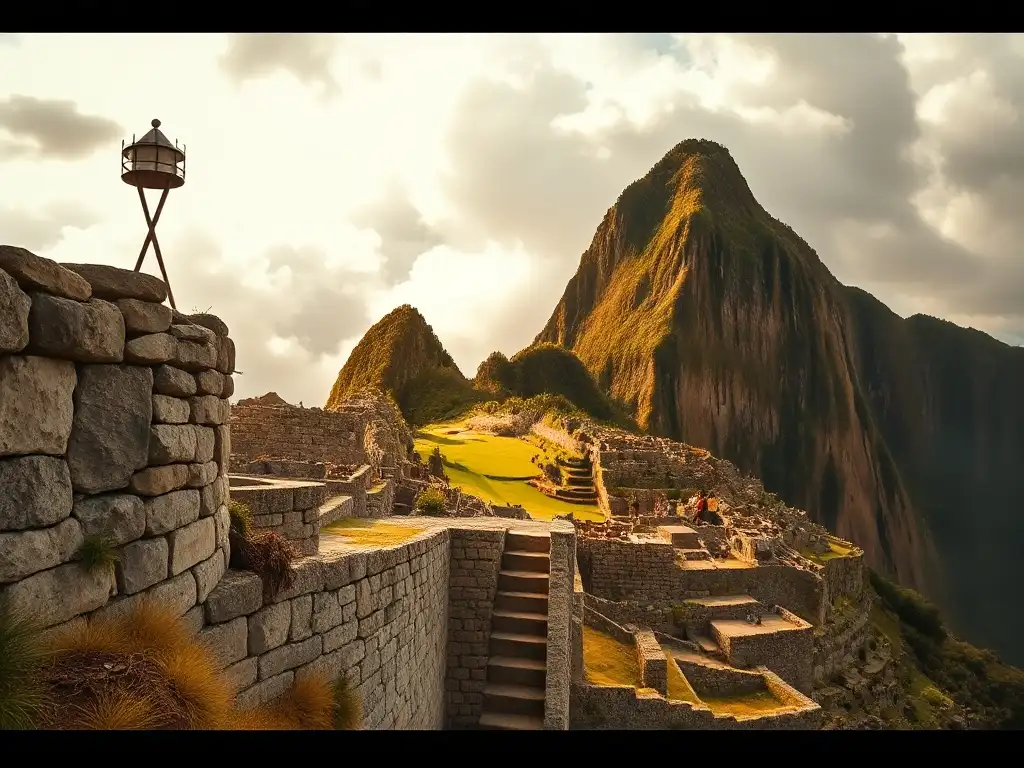
The Inca Empire, renowned for its sophisticated road network and intricate agricultural systems, also possessed impressive military capabilities. A crucial component of their power was a network of strategically placed fortresses, designed to protect their vast territories and control access to vital resources. These weren't merely isolated structures; they formed a complex system of defense, reflecting the Inca understanding of terrain, logistics, and potential threats. The effectiveness of these Inca fortress defensive structures stemmed from a combination of architectural ingenuity, strategic placement, and the efficient mobilization of troops.
Studying these structures provides valuable insights into Inca military organization, engineering skills, and the challenges faced in managing a large, geographically diverse empire. The keyword "Inca fortress defensive structures" accurately encapsulates the core focus of this analysis. Understanding these structures is key to understanding the sophisticated methods the Inca used to maintain control and defend their expansive empire.
Key Features of Inca Military Fortifications
Inca military fortifications shared several key characteristics that enhanced their defensive capabilities. One prominent feature was their integration into the natural landscape. Instead of building isolated structures, Inca engineers skillfully adapted their designs to the existing terrain, using natural features like cliffs, mountains, and rivers to augment their defenses. This blended approach, minimizing the need for extensive artificial constructions, maximized efficiency and reduced resource expenditure.
Another notable feature was the use of multiple defensive lines. Fortresses weren't single isolated points; they were often part of a layered defense system. Smaller outposts and watchtowers would provide early warning, allowing time to prepare for a larger assault. This layered approach allowed for a strategic retreat and regrouping if one line was breached.
Furthermore, the Inca often incorporated traps and obstacles into their fortifications, such as hidden pits, narrow passages, and strategically placed boulders, to disrupt and slow down any attacking force. These elements, combined with the strategic placement of the fortresses, created a formidable obstacle for any potential invaders. The ingenuity of these features is a testament to the advanced military thinking of the Inca.
Architectural Design for Military Purposes
The architectural design of Inca fortresses was meticulously planned to maximize defensive capabilities. Walls were typically built using the characteristic Inca ashlar masonry, characterized by precisely cut and fitted stones without the use of mortar. This technique, while labor-intensive, created incredibly strong and durable structures resistant to earthquakes and siege weaponry. Walls were often tiered, creating multiple levels of defense and providing advantageous firing positions for defenders.
Furthermore, the interior of the fortresses often included complex networks of passages, chambers, and storage areas. These internal structures not only provided shelter for troops but also facilitated the efficient movement of troops and supplies within the fortress. Consider Sacsayhuamán near Cusco, a prime example showcasing the mastery of Inca architectural design for military purposes. Its massive walls, intricate construction, and strategic placement on a hilltop made it virtually impenetrable.
The design also considered the psychological impact on potential attackers. The sheer scale and imposing nature of many Inca fortresses, with their massive walls and strategic positioning, likely served as a powerful deterrent, discouraging attacks before they even began. The strategic placement of towers and observation points provided exceptional visibility, allowing defenders to monitor the surrounding terrain and anticipate enemy movements. Such features, combined with the impregnability of the walls, instilled fear and doubt in the minds of potential attackers, often leading to their retreat before even engaging in battle.
Materials Used in Inca Fort Construction
The selection of materials for Inca fort construction reflected both the availability of local resources and the engineering requirements for durability and strength. While ashlar masonry was a hallmark of Inca construction, the specific stones used varied depending on the location. Andesite, a hard and durable volcanic rock, was a favored material in many regions due to its strength and resistance to weathering. In areas where andesite was less accessible, other types of stone, such as granite or limestone, were employed. The meticulous fitting of the stones, achieved without mortar, ensured the stability and longevity of the structures.
Beyond stone, other materials played supporting roles in fortress construction. Wood was used for scaffolding during construction and for interior structures, such as roofing and internal partitions. Adobe bricks, sun-dried clay bricks, were employed in some instances, particularly for less critical sections of the fortifications or for internal structures.
The choice of materials was always strategic, reflecting a deep understanding of the properties of different materials and their suitability for specific construction purposes. The longevity of many Inca fortresses, even after centuries of exposure to the elements, stands as a testament to the quality of their construction and the careful selection of materials. This highlights the Inca's practical and resourceful approach to engineering, ensuring their defensive structures remained effective for generations.
Types of Inca Fortresses and Their Functions

The Inca Empire, renowned for its sophisticated road system and administrative prowess, also possessed a remarkable ability to defend its vast territory. This was achieved, in part, through a network of strategically placed fortresses, varying in design and function depending on their location and purpose. Understanding the different types of Inca fortress defensive structures provides crucial insight into the empire's military strategy and its capacity for maintaining control over such a geographically diverse realm.
The Inca's mastery of stonework is evident in these structures, showcasing their advanced engineering skills and their understanding of terrain. Analyzing these fortifications reveals not only their defensive capabilities but also their role in projecting imperial power and consolidating control across the Andes.
Border Fortresses: Protecting the Empire's Periphery
Border fortresses were strategically located along the empire's frontiers, acting as the first line of defense against potential invaders. These structures were often situated on easily defensible terrain, such as mountain passes, river valleys, or coastal cliffs. Their design prioritized maximizing visibility and control over surrounding areas. Many featured multiple levels, allowing for observation and coordinated defense. The construction materials varied depending on the local resources, but typically involved carefully fitted stone blocks, demonstrating the Inca's exceptional masonry skills.
For example, the fortress at [Specific location pending] featured a series of interconnected walls and towers, strategically placed to command the surrounding landscape. Archaeological evidence suggests the presence of [Specific defensive features pending], indicating a sophisticated understanding of siege warfare. The sheer scale of these structures, combined with their strategic placement, underscores the Inca's commitment to securing their borders and preventing incursions into their territory.
The effectiveness of these border fortresses is highlighted by the relative stability of the Inca Empire for an extended period. Their design, reflecting an understanding of both terrain and potential threats, highlights Inca ingenuity in defensive architecture.
Mountain Fortresses: Strategic High-Altitude Defenses
Inca mountain fortresses represent a unique adaptation to the challenging Andean terrain. Built at high altitudes, these structures offered commanding views of valleys and passes below, providing early warning of approaching enemies. Their construction often involved intricate systems of terraces and walls, which were integrated into the natural landscape to maximize defensive potential. The formidable nature of these high-altitude positions often made them difficult, if not impossible, to assault directly.
These fortresses were not simply defensive structures; they often served as important logistical hubs, providing shelter and supplies for Inca troops patrolling the mountains. The ability to control high-altitude passes was crucial for controlling trade routes and maintaining communication throughout the empire. The construction of these fortresses required considerable engineering skill, as the harsh conditions at high altitudes presented significant challenges. [Specific examples of mountain fortresses and their features pending] exemplify the Inca's ability to overcome these challenges and create formidable defensive positions. The combination of natural defenses and carefully constructed fortifications made these high-altitude sites nearly impenetrable.
Royal Fortresses: Guarding Important Inca Sites
Royal fortresses were built to protect important Inca centers, such as the capital city of Cusco or major religious sites. These structures were often larger and more elaborate than border or mountain fortresses, reflecting their significance within the empire. Their design incorporated elements of both defense and prestige, serving as symbols of Inca power and authority. Beyond their defensive capabilities, these fortresses often contained administrative buildings, residences for officials, and storage facilities.
Unlike border fortresses designed primarily for repelling external threats, royal fortresses also served to maintain internal order and control. They could be used to house troops, to suppress rebellions, or to project the power of the Inca emperor. [Specific examples of royal fortresses and their features pending].
The construction of these fortresses, often using highly skilled masons and employing sophisticated techniques, demonstrates the Inca's ability to mobilize significant resources for the construction of key defensive structures. The grandeur and strategic importance of these royal fortresses underscore their role in maintaining the stability and authority of the Inca Empire. These structures were not just defensive; they were powerful symbols of imperial control.
Border Fortresses at Pucara and Ingapirca
Pucara, located in the southeastern region of the Titicaca Basin near the border with modern-day Bolivia, exemplifies the Inca strategy of establishing formidable border fortresses. Its strategic location, high altitude, and imposing architecture underscore its crucial role in defending the empire's southeastern frontier. The fortress itself wasn't a single monolithic structure, but rather a complex of interconnected walls, towers, and platforms, skillfully adapted to the rugged terrain.
Archaeological evidence suggests a sophisticated system of surveillance and communication, likely involving strategically placed watchtowers and signal fires to quickly relay information about potential threats. The construction, utilizing locally sourced stone expertly fitted without mortar, showcases the Inca's mastery of stonework and their ability to integrate their structures seamlessly into the natural landscape. This integration wasn't just aesthetic; it provided natural camouflage and defensive advantages, making the fortress difficult to approach and attack.
The layout itself, with multiple entry points and defensive positions, suggests a well-thought-out plan to withstand prolonged sieges. The remains of living quarters within the complex indicate a permanent military presence, highlighting the sustained commitment to securing this vital border region. Furthermore, the presence of agricultural terraces nearby suggests self-sufficiency, allowing the garrison to withstand extended periods of isolation.
Ingapirca, situated in the southern highlands of Ecuador, near the border with modern-day Peru, represents another significant Inca border fortress. Unlike Pucara's adaptation to a mountainous landscape, Ingapirca's construction showcases a different approach, utilizing existing pre-Inca structures and integrating them into a larger defensive complex. This suggests a pragmatic approach, utilizing existing resources and infrastructure to reinforce the border quickly and effectively. The most prominent feature of Ingapirca is its impressive elliptical structure, often interpreted as a temple, but its strategic location and defensive features strongly suggest a military function.
The walls, built from large, precisely cut stones, were incredibly strong and resistant to attack. The layout of the fortress, with its multiple levels and strategically placed towers, allowed for a comprehensive defense against potential invaders. Unlike Pucara, which seems to have been continuously occupied, Ingapirca's use might have been more intermittent, serving as a base for military operations and a point of control in this strategically important region.
The presence of water management systems within the complex further suggests logistical preparedness for prolonged periods of defense or occupation. The combination of its strategic location, strong defenses, and integration of pre-Inca structures showcases the Inca's flexible approach to border defense, adapting their strategies to the specific challenges of each location. The impressive scale and preservation of Ingapirca stand as a testament to the ingenuity and power of the Inca Empire.
Defensive Elements of Inca Fortifications
The Inca Empire, renowned for its sophisticated road network and agricultural innovations, also possessed remarkable military engineering skills. Their mastery is clearly evident in the design and construction of their impressive fortresses, strategically positioned throughout the Andes Mountains to safeguard their vast empire. Understanding the defensive elements of these structures provides crucial insight into Inca military strategy and their ability to control and protect their territories.
The design of Inca fortress defensive structures was not simply about brute strength; it was a complex interplay of natural geography, carefully planned architecture, and ingenious engineering solutions. This section will delve into the key components that contributed to the effectiveness of these formidable defenses.
Walls and Ramparts: Key Components of Inca Defenses
Inca walls were not simply erected; they were meticulously constructed using precisely cut stones, fitted together without mortar, showcasing exceptional craftsmanship. These walls, often forming formidable ramparts, were not uniform in height or thickness. Their design often adapted to the terrain, becoming higher and thicker in more vulnerable sections. For example, the walls at Sacsayhuamán near Cusco, are a testament to this adaptive design, with some sections reaching impressive heights.
The stones themselves, often massive, were carefully selected and shaped to create interlocking joints, making the walls incredibly resistant to erosion and attack. Furthermore, the irregular shapes of the stones made it nearly impossible to dislodge them, even with sophisticated siege weaponry. The strategic placement of these walls, often utilizing natural features like cliffs and hillsides, further enhanced their defensive capabilities.
The variations in wall thickness and height were not arbitrary; they were meticulously planned to create a layered defense, forcing attackers to navigate a series of obstacles before reaching the heart of the fortress. This layered approach, combined with the strength of the stonework, made breaching an Inca wall an extremely difficult and costly undertaking. The effectiveness of these walls is a testament to the Inca's deep understanding of both engineering and strategic defense.
Terraces and Platforms: Enhancing Defensive Capabilities
Beyond the walls themselves, Inca fortresses frequently incorporated extensive terrace systems and platforms into their defensive strategies. These weren't just agricultural features; they served crucial military purposes. The terraces, often built into the slopes of hills and mountains, provided elevated positions for defenders to observe approaching enemies and rain down projectiles.
The platforms, similarly elevated, provided staging areas for troops and storage for supplies and weapons. This strategic use of elevation provided a significant tactical advantage, allowing defenders to control a wider area and unleash attacks from unexpected angles. Furthermore, the terraces helped break up the approaches to the fortress, forcing attackers to negotiate complex, uneven terrain, slowing their advance and exposing them to defensive fire.
The construction of these terraces was itself a feat of engineering, requiring precise planning and execution to ensure stability and durability in the often challenging Andean environment. The integration of terraces and platforms into the overall defensive design showcases the Inca's holistic approach to fortification, where every element contributed to the overall strength of the defensive system. Analysis of existing structures shows a clear correlation between terrace complexity and the strategic importance of the location.
Gates and Entrances: Controlled Access Points
The gates and entrances to Inca fortresses were not mere openings; they were carefully designed choke points, designed to restrict access and funnel attackers into kill zones. Often, these entrances were narrow and winding, forcing attackers to proceed single-file, making them vulnerable to concentrated attacks from above and from the sides. Many entrances were also protected by additional fortifications, such as towers, flanking walls, and even kill zones strategically designed to funnel attackers into areas where they could be easily ambushed.
In some cases, the gates were designed to be easily defended from within, with mechanisms allowing for quick closure and reinforcement. The design of these entrances demonstrates a sophisticated understanding of defensive tactics, focusing on controlling the flow of enemy troops and maximizing the effectiveness of the defenders. The integration of these controlled access points into the broader defensive scheme highlights the Inca's attention to detail and their ability to combine engineering prowess with military strategy to create highly effective defensive structures.
Further research into the remaining structures could reveal more about the specific mechanisms used to secure these vital access points. The surviving evidence suggests a high level of sophistication in the design and execution of these crucial elements of Inca fortress defensive structures.
Watchtowers and Lookout Points: Surveillance and Alert Systems
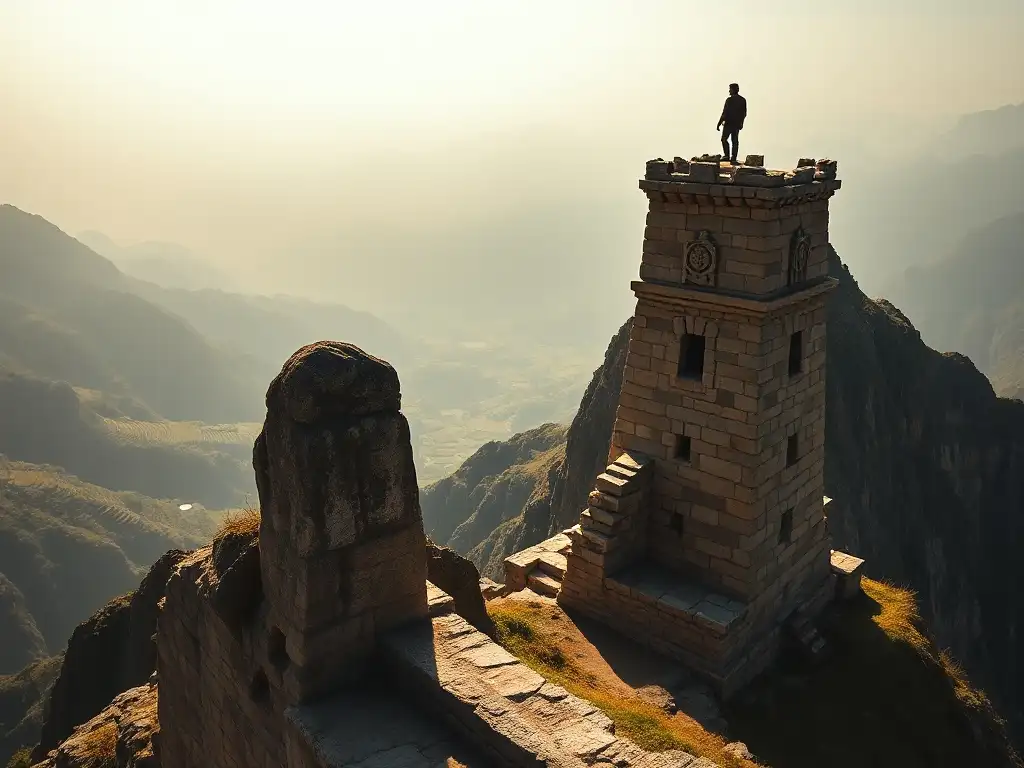
Inca fortress defensive structures relied heavily on a sophisticated system of surveillance to detect and respond to potential threats. Strategically placed watchtowers and lookout points, often integrated into the overall design of the fortifications, played a crucial role in this system. These weren't simply isolated structures; they were integral parts of a larger network, enabling rapid communication across vast distances. The placement of these structures was carefully considered, taking advantage of natural high points offering maximum visibility over surrounding terrain.
Imagine the sentinels stationed within these towers, scanning the landscape with keen eyes, their presence a constant deterrent and a swift warning system against encroaching enemies. The construction itself was robust, often using carefully fitted stones to ensure structural integrity and resistance to potential attacks. These watchtowers weren't merely for observation; they likely housed small garrisons, providing a rapid response force capable of acting quickly in the event of an attack. The materials used in construction, often reflecting the local geology, ensured both durability and camouflage, blending seamlessly into the surrounding environment.
Furthermore, the Inca likely utilized signaling systems, such as smoke signals or mirrors, to relay information between different watchtowers and to command centers, further enhancing the effectiveness of their surveillance network. This intricate system of watchtowers and lookout points was a testament to the Inca's understanding of strategic defense, transforming passive fortifications into active and responsive defense mechanisms. The effectiveness of this system is evident in the empire's longevity and relative stability.
Defensive Ditches and Stone Barriers
Beyond the imposing walls and strategically placed towers, Inca fortress defensive structures incorporated a variety of other elements to enhance their protection. Among the most effective were defensive ditches and stone barriers. These features weren't merely haphazardly placed obstacles; their design and placement were meticulously planned to create significant defensive challenges for any potential attackers. Defensive ditches, often deep and wide, served as significant obstacles, slowing down advancing armies and forcing them into vulnerable positions. The earth excavated during the ditch creation was frequently used to construct additional defensive walls or barriers, maximizing the use of resources.
The dimensions of these ditches varied depending on the terrain and the strategic importance of the location. In some cases, the ditches were supplemented by strategically placed sharpened stakes or even caltrops, further hindering enemy movement. Stone barriers, often constructed from locally sourced materials, were used in conjunction with ditches to create layered defenses. These barriers weren't simply piles of rocks; they were frequently carefully constructed walls, sometimes incorporating smaller stones into a mortar-like binding agent for added strength and stability.
The combination of ditches and barriers forced attackers into choke points, making them highly vulnerable to ranged attacks from the defenders stationed above. The strategic placement of these defensive elements, combined with the overall design of the fortress, created a complex and challenging environment for any would-be invaders, highlighting the sophistication of Inca military engineering. The effectiveness of these combined defensive elements, acting as a layered system of obstacles, significantly enhanced the protection offered by the Inca fortresses. This careful combination of defensive ditches and stone barriers underscores the advanced understanding of defensive strategies within the Inca Empire.
The Role of Inca Fortresses in Military Campaigns
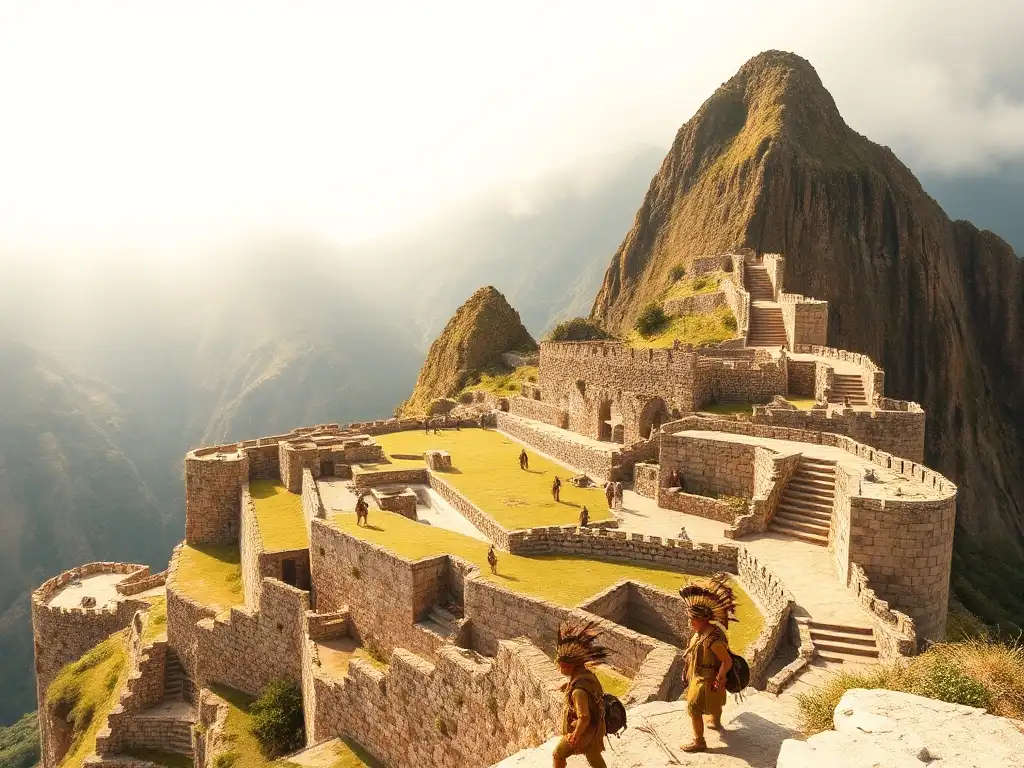
Inca fortress defensive structures played a crucial role in the Inca Empire's military campaigns, extending far beyond simple defensive positions. They served as strategic hubs, facilitating rapid troop mobilization, supply storage, and communication across vast distances. The empire's military prowess wasn't solely reliant on brute force; it cleverly integrated sophisticated logistical networks with its formidable military capabilities.
The strategic placement of these fortifications allowed the Inca army to control key mountain passes, river crossings, and trade routes, effectively dominating the Andean landscape. This control wasn't merely reactive; it was proactive, allowing the Inca to preemptively neutralize potential threats and swiftly respond to rebellions or invasions. The effectiveness of this system is evident in the empire's longevity and vast territorial expansion.
Analyzing the construction and placement of these fortresses reveals a deeply strategic understanding of warfare and territorial control, far beyond a simple defensive strategy. The Inca’s mastery of this integrated approach ensured their dominance throughout the Andes.
Inca Warfare Strategies and the Use of Fortifications
Inca warfare strategies were intricately linked to their network of fortifications. Rather than relying solely on pitched battles, the Inca often employed a strategy of attrition and siege warfare. Their fortresses served as staging areas for prolonged campaigns, allowing them to gradually wear down their opponents. These structures weren't just defensive; they were also offensive bases, providing a secure location to launch attacks and replenish supplies.
The Inca army's effectiveness stemmed from its ability to adapt its tactics to the terrain and the enemy. For example, in mountainous regions, the fortresses provided vantage points for observing enemy movements and launching ambushes. In flatter areas, they could serve as anchor points for defensive lines. The use of chasquis, a relay runner system, facilitated swift communication between fortresses, allowing for rapid deployment of troops and resources in response to changing battlefield conditions.
This system ensured that Inca forces could react quickly to shifting situations and maintain a decisive military advantage. The strategic placement of these structures, often in naturally defensible locations, further enhanced their military utility. This integrated approach showcases the sophisticated military thinking of the Inca, emphasizing adaptability and logistical mastery as much as raw military power.
Siege Warfare and the Defense of Inca Forts
Siege warfare was a significant aspect of Andean conflict, and Inca fortresses were designed to withstand prolonged sieges. Their construction incorporated advanced engineering techniques for the time, including the use of massive stone blocks, intricate drainage systems, and strategically placed defensive walls and towers. The construction of these structures reflects a deep understanding of both engineering and military strategy. For example, the walls were often built with irregular shapes and sizes, making them more difficult to breach.
The use of strategic choke points and narrow passages further restricted enemy access and concentrated defensive fire. Evidence suggests the use of various defensive weapons, including slings, spears, and possibly even primitive cannons (though further research is needed to confirm this). The defenders likely had access to ample supplies of food and water stored within the fortress, allowing them to withstand long sieges.
The design of these fortresses wasn't simply about preventing entry; it was about wearing down the besiegers, forcing them to retreat due to exhaustion and dwindling supplies. This defensive strategy, integrated with the Inca's logistical network, allowed for the prolonged defense of vital territories. The resilience of these fortresses contributed significantly to the Inca's ability to maintain control over their vast empire.
The Impact of Inca Forts on Territorial Control
The Inca fortresses were not merely defensive structures; they were integral components of a sophisticated system of governance, military power, and territorial control that underpinned the vast Inca Empire's stability and longevity. Their impact is still visible in the Andean landscape today.
Case Studies of Prominent Inca Fortresses
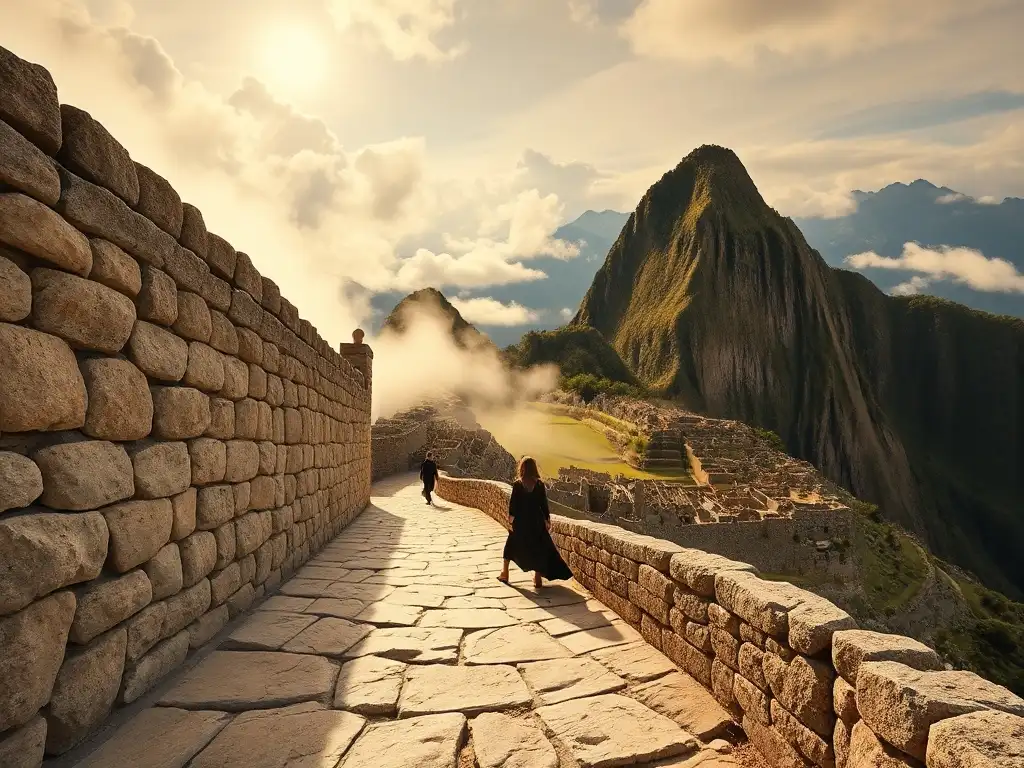
This section delves into the architectural marvels and strategic brilliance behind some of the most significant Inca fortress defensive structures. We'll examine the design elements, construction techniques, and military applications of these impressive sites, providing concrete examples of Inca ingenuity in defending their vast empire. Understanding these individual fortresses allows for a more nuanced appreciation of the overall Inca approach to border security and territorial control. The term "Inca fortress defensive structures" encompasses a wide range of fortifications, each adapted to its specific geographic location and strategic importance.
Sacsayhuamán: A Massive Fortress Complex
Sacsayhuamán, located overlooking Cusco, the Inca capital, stands as a testament to Inca engineering prowess. Its sheer scale is awe-inspiring. The massive, precisely fitted stones, some weighing over 100 tons, are a hallmark of Inca construction. These weren't merely stacked; they were meticulously shaped and interlocked without mortar, creating incredibly strong and durable walls. The complex's design incorporated multiple levels of defenses, including zig-zagging walls designed to funnel attackers into kill zones and strategically placed towers offering commanding views of the surrounding terrain.
The construction of Sacsayhuamán likely spanned decades, employing a large workforce organized through the mita system, a form of mandatory labor service. Archaeological evidence suggests that the fortress's construction materials were sourced from considerable distances, highlighting the Inca's sophisticated logistical capabilities. Its strategic location, overlooking the capital, made it a crucial defensive position, protecting Cusco from potential threats.
Beyond its primary defensive function, Sacsayhuamán likely served ceremonial and symbolic purposes, reinforcing the Inca's power and control. The imposing structure served as a powerful visual reminder of the empire's might, deterring potential invaders even before they reached the walls. Analyzing the defensive structures of Sacsayhuamán reveals an intricate system designed not only to withstand attacks but also to project power and authority.
Ollantaytambo: A Strategic Fortified Town
Unlike Sacsayhuamán's primarily defensive role, Ollantaytambo served a dual purpose: a fortified town and a crucial strategic point along the Inca road system. Its location in the Sacred Valley, nestled within a narrow valley flanked by steep mountains, provided natural defensive advantages. The Inca cleverly enhanced these natural barriers with impressive defensive structures, including massive stone walls, strategically placed terraces, and intricate networks of canals and tunnels.
Ollantaytambo's defensive structures were designed to channel attackers into predetermined pathways, making them vulnerable to Inca forces positioned at advantageous points. The town's layout itself contributed to its defensive capabilities, with narrow streets and tightly packed buildings restricting enemy movement. The complex network of canals and tunnels, while serving practical purposes, also provided escape routes and potential ambush points. The fortress's location along a key section of the Inca road network made it a crucial control point, allowing the Inca to regulate the flow of people and goods, and to quickly deploy troops to other parts of the empire. Ollantaytambo's blend of natural and man-made defenses exemplifies the Inca's sophisticated understanding of defensive strategy and their ability to adapt their fortifications to the specific challenges of the terrain. The site serves as a compelling example of how Inca fortress defensive structures integrated seamlessly with the urban fabric of their settlements.
Machu Picchu: A Royal Estate with Defensive Features
While often viewed primarily as a royal estate, Machu Picchu also incorporated significant defensive features, demonstrating that even seemingly secluded sites prioritized security. Its location high in the Andes, accessible only via steep and treacherous paths, provided a natural defense. However, the Inca further fortified the site with strategically placed walls, terraces, and guardhouses.
The walls were not merely decorative; they were carefully constructed to channel attackers along predetermined routes, creating vulnerable points easily defended by Inca soldiers. The terraces, while serving agricultural purposes, also created defensible positions and restricted enemy movement. The placement of guardhouses and watchtowers provided excellent visibility and allowed for early warning of approaching threats. Unlike the massive fortifications of Sacsayhuamán or the strategic location of Ollantaytambo, Machu Picchu’s defenses focused on creating a secure, almost impregnable sanctuary for the elite.
The integration of defensive structures into the overall design of the site underscores the Inca's commitment to security, even in remote locations. Machu Picchu's defensive features demonstrate the adaptability of Inca fortress defensive structures, highlighting that security measures were not limited to large-scale fortresses but were integrated into diverse architectural projects. The combination of natural barriers and carefully planned defensive structures made Machu Picchu a remarkably secure location.
The Legacy of Inca Military Architecture
The Inca Empire, renowned for its sophisticated road system and intricate agricultural techniques, also possessed a remarkable capacity for military engineering. Their legacy is most vividly seen in the impressive network of Inca fortress defensive structures scattered throughout the Andes. These weren't simply defensive positions; they were integral to the empire's political and social fabric, demonstrating the Inca's mastery of engineering, logistics, and strategic planning.
The sheer scale of these projects, often built in incredibly challenging terrain, is a testament to the organized power and advanced technological capabilities of the Inca state. The strategic placement of these fortresses, often commanding crucial mountain passes and valleys, highlights their crucial role in maintaining control over vast territories and suppressing potential rebellions.
The construction techniques, utilizing local materials and adapting to the unique challenges of each site, showcase a remarkable level of ingenuity and adaptability. The precise stonework, often without mortar, is a testament to the skill of Inca masons and their profound understanding of structural mechanics.
The Influence of Inca Fortresses on Later Andean Architecture
The impact of Inca military architecture extended far beyond the empire's lifespan. The impressive scale and sophisticated construction techniques of Inca fortress defensive structures left an indelible mark on subsequent Andean societies. Many later structures, even those built centuries after the Spanish conquest, show clear evidence of Inca influence in their design and construction methods.
For instance, the use of precisely cut stone blocks, characteristic of Inca masonry, can be observed in numerous colonial-era buildings and fortifications throughout the Andes. This suggests a direct transmission of knowledge and techniques, with builders drawing inspiration from the surviving Inca structures. Moreover, the strategic placement of settlements and defensive positions in later Andean societies often mirrored the strategic thinking evident in the Inca empire's military architecture.
This continuity demonstrates that the legacy of Inca military engineering wasn't merely aesthetic; it represented a practical and enduring model of construction and territorial control. The impact is particularly noticeable in the design of defensive structures in the regions that once formed the core of the Inca empire, with many later structures exhibiting a clear lineage to Inca predecessors.
The Preservation and Study of Inca Fortifications
The preservation and study of Inca fortifications present significant challenges and opportunities. Many sites are located in remote and difficult-to-access areas, making their investigation and conservation demanding and expensive. Furthermore, the effects of weathering, looting, and even modern development pose constant threats to the integrity of these fragile historical monuments.
However, ongoing archaeological research continues to shed light on the construction techniques, strategic importance, and socio-political context of these remarkable structures. Advanced technologies, such as LiDAR scanning and photogrammetry, are now being employed to create detailed three-dimensional models of these sites, allowing for more comprehensive analysis and virtual exploration. These digital models are invaluable for researchers and conservationists, providing a way to study these sites without causing further damage.
Furthermore, collaborative efforts between archaeologists, historians, and local communities are proving crucial for the long-term preservation and protection of these invaluable Inca fortress defensive structures. Careful documentation and community involvement are essential to ensure the legacy of Inca military architecture is safeguarded for future generations.
Modern Archaeological Interpretations of Inca Military Design
Modern archaeological interpretations of Inca military design are moving beyond simplistic views of these structures as mere defensive positions. Scholars are increasingly recognizing the multifaceted nature of Inca fortifications, acknowledging their roles in symbolic displays of power, the control of resources, and the facilitation of communication and trade across the vast empire. The strategic placement of Inca fortress defensive structures along major routes, for example, suggests a role beyond mere defense; they likely served as control points, allowing the Inca to monitor and regulate movement of people and goods.
The size and complexity of some fortifications also suggest a symbolic function, projecting the empire's power and authority to both its subjects and potential adversaries. Analysis of the artifacts found within these sites further enriches our understanding, providing insights into the daily lives of the soldiers and administrators who garrisoned these structures.
Ongoing research continues to refine our understanding, utilizing advanced techniques and interdisciplinary collaboration to unveil the full complexity of Inca military design and its significance within the broader context of the empire's socio-political organization. The challenge remains to integrate the diverse lines of evidence to construct a nuanced and comprehensive picture of these remarkable achievements of Inca engineering and military strategy.
Conclusion: The Importance of Inca Fortresses in the Empire's History
The Inca fortress system wasn't merely a collection of defensive structures; it represented a sophisticated integration of military strategy, engineering prowess, and symbolic power, crucial for maintaining the Inca Empire's vast territorial control. These fortresses, strategically positioned along borders and in vulnerable areas, served as tangible demonstrations of Inca power, deterring potential threats and projecting imperial authority across the Andes. Their construction, often involving monumental labor and advanced architectural techniques, showcased the Inca's organizational capacity and mastery of stonework. The enduring legacy of these fortresses is not just in their physical remains, but also in their profound impact on the social, political, and economic landscape of the Inca Empire. Their existence ensured the stability and longevity of the empire for centuries, a testament to the Inca's forward-thinking approach to defense and governance.
Studying these structures provides invaluable insight into the Inca worldview, their understanding of warfare, and their ability to mobilize vast resources for ambitious projects. The meticulous planning and execution evident in these fortresses underscore the sophisticated level of Inca military engineering and urban planning, highlighting a key aspect of their advanced civilization. Moreover, the strategic locations chosen for these fortresses reveal a deep understanding of Andean geography and the potential vulnerabilities of their empire. In essence, the Inca fortresses stand as powerful symbols of Inca ingenuity, military might, and imperial control, leaving a lasting impression on our understanding of this remarkable civilization. Their study continues to reveal new insights into the complexity and sophistication of Inca society and their enduring impact on the region.
The meticulous planning and execution evident in these fortresses underscore the sophisticated level of Inca military engineering and urban planning, highlighting a key aspect of their advanced civilization. Their strategic placement also demonstrates an understanding of Andean geography and the potential vulnerabilities of their empire, further emphasizing the importance of these defensive structures in maintaining the Inca Empire's stability and expansive reach. The legacy of Inca military architecture, particularly the fortresses, remains a compelling subject of study, offering valuable insights into the dynamics of power, control, and adaptation in the Andean world. Analyzing their construction techniques, strategic placement, and symbolic significance allows us to better appreciate the comprehensive nature of Inca imperial control and the lasting impact of their military achievements.
Frequently Asked Questions
What were the primary functions of Inca fortresses?
Inca fortresses served multiple crucial functions, primarily defense against external threats and control over strategic territories. They also functioned as administrative centers and sometimes, religious sites.
How did the Inca design their fortresses to withstand attacks?
Inca fortress design prioritized strategic locations, often on high ground or incorporating natural defenses. They used sophisticated stonework, creating strong, interlocking walls resistant to siege weaponry. Effective surveillance systems were also integrated into the design.
What materials were predominantly used in the construction of Inca fortresses?
The Incas masterfully used locally sourced stone, meticulously cut and fitted together without mortar. This precise stonework, along with other materials like wood and adobe (sun-dried brick), created incredibly durable structures.
Which are some of the most famous examples of Inca fortress defensive structures?
Famous examples include Sacsayhuamán near Cusco, Ollantaytambo, and Pucará. These fortresses showcase the Inca's impressive engineering skills and strategic military planning.
How did the Inca's military organization support the effectiveness of their fortresses?
The Inca army's highly organized structure and effective communication systems were crucial. They allowed for rapid deployment of troops and efficient defense across the empire, maximizing the effectiveness of their fortress network.
Final Reflection: Echoes of Stone: The Enduring Legacy of Inca Fortress Design
The ingenious defensive structures of the Inca Empire remain a testament to their advanced engineering and strategic foresight, a legacy that continues to inspire awe and inform modern architectural and military thinking. Their mastery of terrain, material, and construction techniques resulted in fortresses that were not merely defensive barriers, but integral components of a sophisticated, far-reaching empire. The effectiveness of these structures, even against technologically superior forces, speaks volumes about the ingenuity and resilience of the Inca civilization.
The impact of Inca fortress design extends far beyond the Andes mountains; its principles of natural integration, adaptability, and strategic placement resonate even today. We can see echoes of these strategies in modern military fortifications and even in urban planning, where the concept of defensible spaces and strategic positioning remains crucial. The best defense is a good offense,
a saying often attributed to various sources, finds a powerful visual representation in the Inca's strategic placement of their fortresses, often commanding vital passes and overlooking crucial resources. Their understanding of the landscape and its inherent defenses was truly remarkable.
Consider the ingenuity of the Inca builders, their understanding of physics and engineering, and the sheer scale of their undertaking. Now, consider how you can apply this spirit of innovation and resourcefulness to your own life. What challenges do you face, and how can you approach them with the same strategic thinking and unwavering determination that characterized the Inca? Let the echoes of stone inspire you to build your own defenses, not just against physical threats, but against the challenges of life itself. Embrace the spirit of resilience and ingenuity, and build your own enduring legacy.
**Explore the Legacy of Inca Fortresses Today! **
Thank you for exploring the fascinating world of Inca fortresses with us! We hope you've discovered how crucial these architectural marvels were in defending the vast Inca Empire. Now, let's delve deeper!
Here are some ways to further connect with the legacy of Inca fortresses:
- **Visit a Local Museum:** Immerse yourself in the history of the Inca by exploring artifacts showcasing their remarkable engineering skills at a museum dedicated to ancient civilizations.
- **Plan a Trip to Peru:** Witness the breathtaking grandeur of these fortresses firsthand by visiting sites such as Sacsayhuamán and Ollantaytambo.
- **Join the Conversation:** Share your insights and learn from others by participating in online discussions about Inca fortresses on social media or history forums.
How do you think life within these imposing fortresses shaped Inca culture and identity? We'd love to hear your thoughts!