
Echoes of the Past: Finding Ancient Andean Designs in Modern Marketplaces

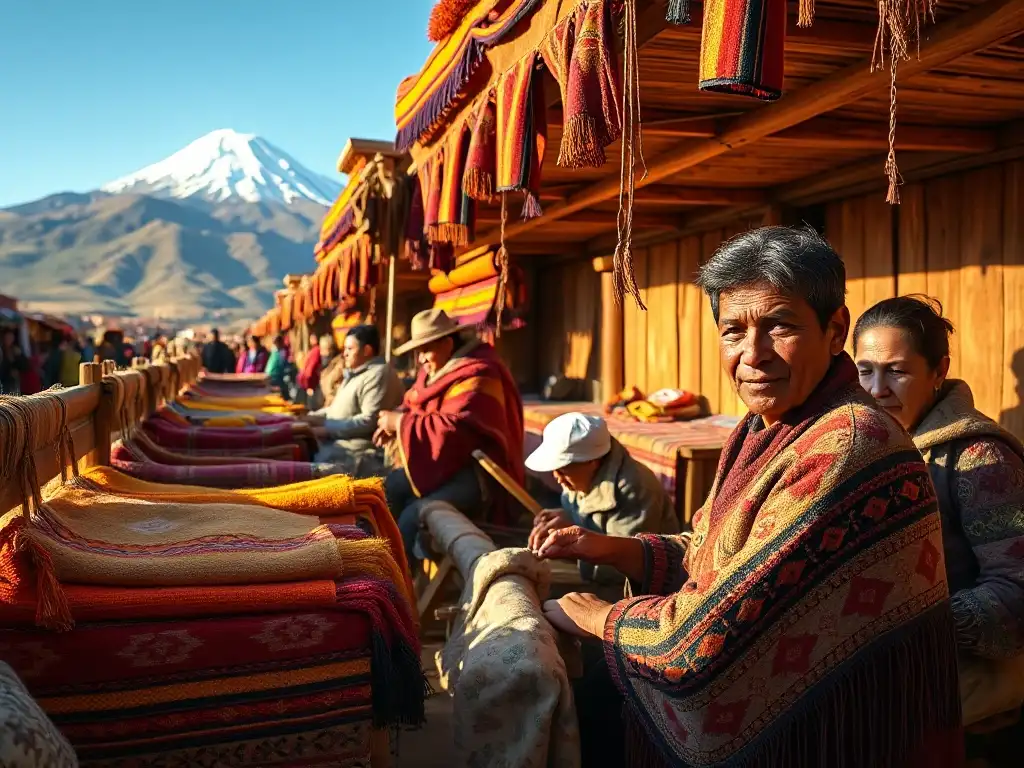
Step into a world lost to time, yet echoing in the vibrant threads and intricate designs of today. Did you know the breathtaking artistry of the ancient Andean civilizations—the Incas, Moche, and more—continues to inspire modern creations? Uncover the secrets behind Andean design inspiration as we delve into the captivating legacy of these masterful cultures and explore how their influence shapes our world. Prepare to be amazed by the enduring power of their artistry. Journey with us to discover more…
The vibrant tapestry of Andean culture, woven through millennia of history, continues to resonate in the modern world. From the intricate textiles of the Inca to the mesmerizing pottery of the Moche, the artistic legacy of these ancient civilizations remains a powerful source of inspiration.
This article delves into the fascinating journey of Andean design, exploring how ancient motifs and techniques are being reinterpreted and celebrated in contemporary marketplaces. We'll uncover the echoes of the past in the handicrafts available today, showcasing the enduring influence of Andean aesthetics and highlighting the best places to find these treasures.
Prepare to be captivated by the enduring beauty and ingenuity of Andean design, and discover how these ancient patterns continue to inspire artists and artisans across the globe. This exploration will not only satisfy your curiosity about Andean design inspiration but will also equip you with the knowledge to appreciate and support the continuation of these rich traditions.
Unearthing Andean Design Inspiration in Contemporary Crafts
The intricate geometric patterns found on ancient Peruvian textiles, the stylized depictions of animals in Nazca ceramics, and the sophisticated architectural designs of Tiahuanaco structures all serve as potent sources of inspiration for modern artisans. These designs are not merely decorative; they often hold deep symbolic meaning, reflecting the Andean worldview, cosmology, and connection to the natural world. Contemporary craftspeople draw upon this rich visual vocabulary, adapting and reinterpreting ancient motifs to create unique and compelling pieces.
For example, the iconic Andean khipu (a complex system of knotted cords used for record-keeping) inspires modern textile artists to explore innovative knotting techniques and complex color palettes. Similarly, the stylized representations of jaguars, condors, and other animals prevalent in ancient Andean art continue to appear in contemporary jewelry, ceramics, and clothing, imbued with a renewed sense of power and symbolism.
The enduring appeal of these designs speaks to their inherent beauty and timelessness, transcending cultural boundaries and appealing to a global audience. The use of natural dyes and traditional weaving techniques further enhances the authenticity and artistry of these pieces, connecting modern creations to a long and vibrant history.
Examples of Andean Design Inspiration in Modern Crafts:
| Craft Type | Ancient Inspiration | Modern Interpretation |
|---|---|---|
| Textiles | Paracas textiles, Inca tunicas | Contemporary weavings incorporating ancient patterns |
| Pottery | Moche pottery, Nazca ceramics | Modern ceramics featuring stylized animal motifs |
| Jewelry | Pre-Columbian gold and silverwork | Contemporary jewelry incorporating ancient designs |
| Wood Carving | Tiahuanaco architectural elements | Modern wood carvings inspired by ancient motifs |
The meticulous craftsmanship and artistic skill evident in these modern interpretations are a testament to the enduring legacy of Andean design. The continued production and appreciation of these crafts not only preserves a vital part of cultural heritage but also provides economic opportunities for Andean communities, ensuring the survival of these traditions for future generations.
The blending of ancient techniques with modern sensibilities creates a unique and highly sought-after aesthetic, appealing to both collectors and those seeking authentic and meaningful pieces. The journey of Andean design is a testament to the power of cultural continuity and the timeless appeal of artistic expression.
The Best Markets to Discover Authentic Andean Patterns and Motifs
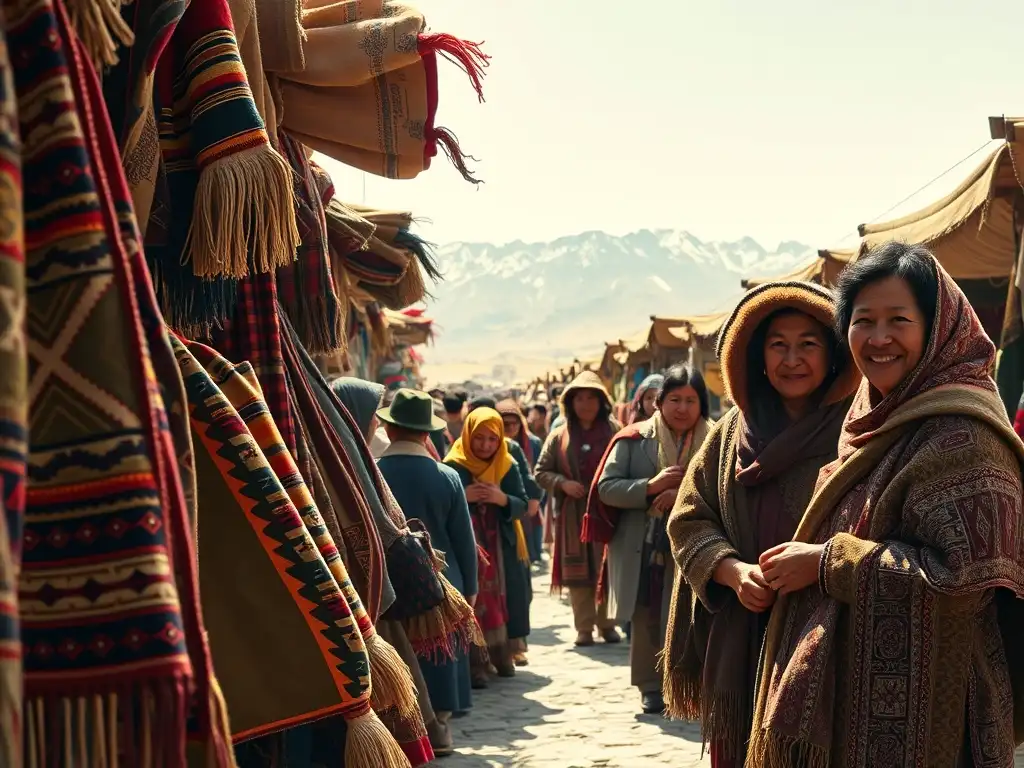
This section delves into specific marketplaces where you can find stunning examples of Andean design inspiration, showcasing the enduring legacy of these ancient cultures in modern handicrafts. We'll explore the unique characteristics of each market and highlight what makes them ideal destinations for discovering authentic Andean patterns and motifs. From intricate weaving techniques to vibrant color palettes, these markets offer a captivating glimpse into the rich artistic heritage of the Andes.
1. Cusco's San Blas Market: A Treasure Trove of Woven Textiles
Cusco, the former capital of the Inca Empire, pulsates with history, and its San Blas artisan market is a microcosm of that rich past. Here, the echoes of ancient Andean design are woven into every textile, every piece of pottery, every intricately carved piece of wood. The market itself, nestled in a charming, cobbled street, adds to the enchanting experience.
Exploring the Richness of Traditional Andean Weaving Techniques
San Blas is renowned for its exceptional textiles. Weavers here continue to utilize ancient techniques passed down through generations, employing techniques like ichu (a type of Andean grass) dyeing for natural, earth-toned colors, and intricate backstrap loom weaving, creating textiles with extraordinary detail and texture. You'll find everything from traditional llicllas (shawls) and chumpis (belts) to modern interpretations of these classic designs, all showcasing the enduring power of Andean design inspiration.
The skill and artistry are evident in the complex geometric patterns, often incorporating symbolic representations of Andean cosmology and nature. For example, you might find textiles depicting Andean camelids like llamas and alpacas, or intricate representations of the Andean cross.
Why San Blas is Ideal for Finding Authentic Andean Patterns
San Blas offers a unique blend of authenticity and accessibility. Unlike larger, more tourist-oriented markets, San Blas provides a more intimate setting where you can directly interact with the artisans, learning about their techniques and the stories behind their creations. This direct connection ensures you're acquiring truly authentic pieces, imbued with the spirit of Andean design inspiration. Moreover, the variety of goods available, from small, intricately detailed items to larger tapestries, caters to a wide range of tastes and budgets. The market's focus on traditional techniques and designs makes it an unparalleled resource for those seeking genuine Andean artistry.
2. Otavalo Market, Ecuador: A Vibrant Hub for Andean Artistry
High in the Andes of Ecuador lies Otavalo, home to one of South America's largest and most vibrant indigenous markets. This bustling marketplace is a breathtaking spectacle of color, sound, and artistry, offering a rich tapestry of Andean design inspiration, particularly renowned for its textiles.
The Legacy of Andean Textile Design in Otavalo
Otavalo's textile tradition boasts a long and rich history, deeply rooted in pre-Columbian Andean culture. The Otavalo people, known for their exceptional weaving skills, have maintained their traditional techniques for centuries, resulting in textiles that are both beautiful and deeply meaningful. Their designs often incorporate symbolic motifs representing their beliefs, traditions, and connection to the land.
The vibrant colors, often derived from natural dyes, are a testament to their deep understanding of their environment and their mastery of ancient dyeing techniques. You'll find a wide range of textiles, from intricately woven blankets and ponchos to smaller items like bags and scarves, all reflecting the unique style and artistry of the Otavalo people.
Finding Unique Andean Design Elements in Otavalo's Offerings
The sheer scale and diversity of Otavalo market make it a treasure trove for discovering unique Andean design elements. Beyond textiles, you'll find a wide array of handcrafted goods, including ceramics, jewelry, and wood carvings, many incorporating traditional Andean motifs and patterns. The market's vibrant atmosphere and the opportunity to interact with the artisans themselves add to the overall experience, enriching your understanding and appreciation of Andean design inspiration.
Remember to haggle respectfully, as bargaining is a customary part of the Otavalo market experience. The market's vast selection and the opportunity to find one-of-a-kind pieces make it an unforgettable destination for anyone seeking authentic Andean artistry and design.
3. Arequipa's Mercado San Camilo: Where Andean Traditions Meet Modern Craft
Arequipa's Mercado San Camilo is a vibrant tapestry of Andean culture, a bustling marketplace overflowing with sights, sounds, and smells that transport you to the heart of Peruvian tradition. More than just a place to buy groceries, San Camilo is a living museum of Andean design inspiration. The market's energy is infectious; vendors enthusiastically display their wares, showcasing generations of inherited craftsmanship.
The sheer variety of goods available is astounding, offering a rich source of inspiration for those seeking authentic Andean aesthetics. You'll find everything from brightly colored textiles woven with intricate patterns to intricately carved wooden sculptures, all reflecting the enduring legacy of Andean artistry. The market's atmosphere itself is a testament to the enduring power of Andean design; the vibrant colors, the lively interactions, and the sheer abundance of handcrafted items create a truly immersive experience.
Navigating the crowded aisles, you'll feel a palpable connection to the rich history and cultural heritage of the region. This immersion provides a unique opportunity for understanding how Andean design continues to evolve and adapt within a modern context.
Discovering Andean Design Through Pottery and Ceramics
Within Mercado San Camilo, the pottery and ceramics section is a particular highlight for those seeking Andean design inspiration. Rows upon rows of earthenware vessels, adorned with traditional motifs and modern interpretations, showcase the remarkable versatility of Andean design. You'll find everything from simple, utilitarian bowls to elaborately decorated ceremonial pots, each bearing witness to the enduring skill and creativity of Andean artisans.
The colors are often earthy and bold – deep reds, rich browns, and vibrant yellows – reflecting the natural hues of the Andean landscape. Common motifs include stylized animals, geometric patterns, and representations of Andean deities, all imbued with symbolic meaning and cultural significance. Observing the techniques employed by the artisans, from the hand-coiling methods to the intricate painting styles, offers a deeper appreciation for the craftsmanship involved in creating these beautiful objects.
The sheer variety of styles and techniques provides ample opportunity to discover unique and inspiring Andean design elements. These handcrafted pieces aren't simply functional objects; they are tangible expressions of a rich cultural heritage, each carrying a piece of Andean history with it.
Unique Andean Motifs in Arequipa's Crafts
Beyond pottery, Mercado San Camilo offers a plethora of other handcrafted items showcasing unique Andean motifs. Textiles, for example, are a significant source of inspiration. The vibrant colors and intricate designs woven into alpaca wool blankets, sweaters, and wall hangings are simply breathtaking.
Traditional patterns, often passed down through generations, depict stylized representations of llamas, condors, and other Andean fauna, alongside geometric designs with deep symbolic meaning. The craftsmanship is evident in every detail, from the precise weaving techniques to the careful selection of colors. Similarly, the carved wooden sculptures, often depicting Andean deities or mythical creatures, demonstrate the skill and artistry of Andean woodcarvers.
These intricate carvings, frequently adorned with vibrant paint, are striking examples of how Andean design can be both functional and deeply symbolic. The variety of crafts available in San Camilo, from intricately beaded jewelry to intricately designed leather goods, provides a rich source of inspiration for those seeking to incorporate Andean design elements into their own work. The market’s diverse offerings provide a comprehensive overview of the enduring legacy of Andean artistic expression.
4. Online Marketplaces: Bringing Andean Art to Your Doorstep
The digital age has democratized access to Andean art and design, making it easier than ever to find authentic pieces from the comfort of your home. Online marketplaces offer a vast selection of handcrafted items, connecting artisans directly with consumers worldwide. This accessibility is vital for preserving and promoting Andean artistic traditions, offering a wider audience the opportunity to appreciate the beauty and skill involved in creating these unique pieces.
While physical markets offer an immersive experience, online platforms provide a convenient alternative for sourcing unique Andean design inspiration. The convenience, coupled with the ability to browse a vast selection of items from various regions, makes online shopping an increasingly popular method for acquiring Andean handicrafts. This accessibility contributes to the preservation and promotion of these artistic traditions, ensuring their continued relevance in the modern world.
Exploring Etsy for Unique Andean Inspired Products
Etsy, a popular online marketplace for handcrafted and vintage goods, is a treasure trove of Andean-inspired products. Artisans from across the Andes region utilize the platform to showcase their unique creations, ranging from intricately woven textiles and hand-painted ceramics to intricately carved jewelry and vibrant wall hangings. The platform's search functionality allows you to easily filter results based on specific keywords related to Andean design, making it easy to locate specific motifs or styles that resonate with your tastes.
Etsy also offers detailed product descriptions, often including information about the artisans and the techniques used to create the items. This transparency helps you make informed purchasing decisions and supports the artisans directly.
The diverse range of products and the opportunity to connect with individual artisans makes Etsy a valuable resource for those seeking unique and authentic Andean design inspiration. The platform's commitment to supporting independent creators makes it a particularly appealing choice for ethically conscious consumers.
Seeking Authentic Andean Designs on Specialized Online Stores
Beyond general marketplaces like Etsy, several specialized online stores focus exclusively on Andean handicrafts. These curated collections often feature high-quality items from established artisans, providing a more refined selection for those seeking sophisticated Andean design inspiration. These stores often highlight the cultural significance of the items they sell, providing valuable context and enriching the shopping experience. The focus on authenticity and quality ensures that customers receive genuine handcrafted pieces, preserving the integrity of Andean artistic traditions.
By supporting these specialized stores, you directly contribute to the livelihoods of Andean artisans and help preserve their unique skills and cultural heritage. The curated nature of these online stores provides a more focused and refined approach to discovering authentic Andean design elements, catering to discerning consumers seeking high-quality, ethically sourced goods. These platforms offer a valuable bridge between the rich artistic heritage of the Andes and a global audience.
Maximizing Your Andean Design Finds: Tips and Recommendations
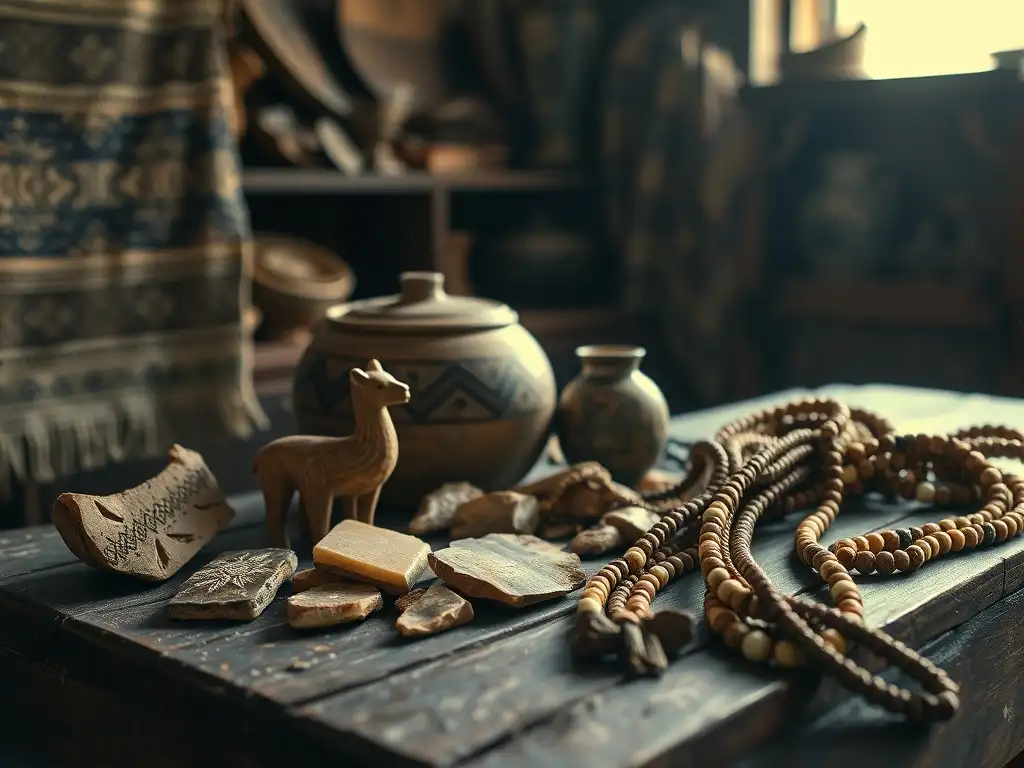
This section provides practical advice for discerning shoppers seeking authentic Andean design inspiration. Navigating the marketplace requires a keen eye and understanding of the nuances of Andean craftsmanship. By following these recommendations, you can ensure you're acquiring genuine pieces that reflect the rich heritage of Andean cultures and support the artisans who create them.
Recognizing Authentic Andean Craftsmanship
Authentic Andean crafts are characterized by their unique techniques, materials, and designs passed down through generations. Distinguishing genuine pieces from mass-produced imitations is crucial for preserving cultural heritage and ensuring ethical purchasing practices. The following characteristics often distinguish authentic Andean craftsmanship:
Understanding the Differences Between Traditional and Mass-produced Designs
| Feature | Traditional Andean Crafts | Mass-produced Imitations |
|---|---|---|
| Materials | Natural fibers (alpaca, llama, cotton), hand-dyed yarns, locally sourced metals and stones | Synthetic materials, mass-produced dyes, inexpensive metals |
| Techniques | Hand-weaving, hand-spinning, intricate embroidery, detailed metalwork | Machine-made fabrics, printed designs, simplified construction |
| Design | Unique, often asymmetrical patterns; symbolic motifs reflecting Andean cosmology and beliefs | Standardized, repetitive patterns; lack of cultural significance |
| Imperfections | Slight variations in size, color, and texture are common; these imperfections are a testament to the handmade nature of the piece. | Uniformity; lack of individual variations. |
| Durability | Generally high durability due to high-quality materials and craftsmanship | Lower durability due to inferior materials and mass production techniques |
Recognizing these differences empowers you to make informed choices, supporting the preservation of traditional Andean artistry. For example, a truly authentic alpaca sweater will possess a unique texture and potentially slight variations in stitch density, reflecting the hand-knitting process. In contrast, a mass-produced imitation may feel less luxurious and exhibit a perfectly uniform appearance.
The Importance of Supporting Fair Trade Artisans
Supporting fair trade artisans is paramount. Look for certifications or labels that guarantee fair wages, safe working conditions, and environmental sustainability. By choosing ethically sourced Andean handicrafts, you directly contribute to the economic empowerment of Andean communities and the preservation of their cultural heritage. This ensures the continuity of these ancient traditions and the livelihoods of the skilled artisans who keep them alive.
Consider the social and environmental impact of your purchase; it's more than just acquiring a beautiful object; it's participating in a system that values people and the planet. The vibrant colors and intricate designs of Andean textiles and crafts tell a story—a story of resilience, creativity, and cultural pride. Let's ensure that story continues to be woven for generations to come.
Integrating Andean Design into Your Home and Wardrobe
Andean design inspiration offers a wealth of possibilities for personal expression and home décor. From vibrant textiles to intricate metalwork, integrating these elements can add a unique and culturally significant touch to your living space and personal style.
Utilizing Andean Patterns in Interior Design
Andean patterns, with their geometric precision and symbolic depth, can be incorporated in various ways. Think about using textiles such as lliclla (shawls) or chumpi (belts) as wall hangings or throws. These pieces not only add visual interest but also bring the rich history and cultural significance of Andean design directly into your home. Consider using Andean-inspired color palettes in your paint choices or upholstery.
The earthy tones of browns, reds, and oranges, often found in Andean textiles, can create a warm and inviting atmosphere. You could also incorporate Andean motifs into your furniture or décor items. Look for pillows, rugs, or even ceramic pieces that feature these patterns. The possibilities are vast, allowing for a personalized and culturally rich expression of your interior design aesthetic.
Wearing Andean Inspired Clothing with Style
Andean-inspired clothing offers a unique opportunity to express your personal style while celebrating a rich cultural heritage. You can incorporate Andean design elements subtly or boldly, depending on your preference. A simple alpaca sweater, for instance, provides warmth and luxurious texture while subtly referencing Andean heritage. More prominently, you could choose a dress or skirt with traditional Andean patterns, making a statement of cultural appreciation.
Remember to consider the context and occasion when integrating Andean-inspired clothing into your wardrobe. Pairing a vibrant Andean-patterned scarf with neutral-toned clothing can create a sophisticated and stylish look. Ultimately, the key is to wear the clothing with confidence and appreciation for its cultural significance. The beauty of Andean design lies in its versatility—it can be incorporated into a multitude of styles, from casual to formal, ensuring a unique and expressive personal style.
Conclusion: Celebrating the Enduring Legacy of Andean Design
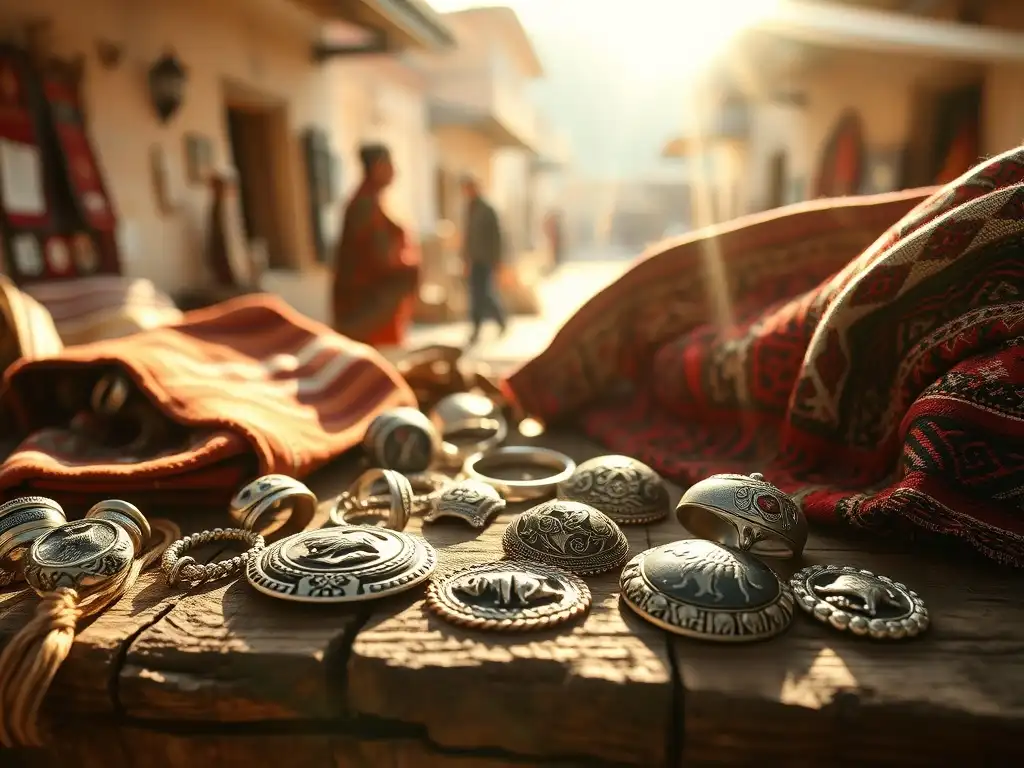
This exploration of Andean design inspiration in modern marketplaces reveals a vibrant tapestry woven from threads of ancient traditions and contemporary creativity. The enduring appeal of Andean aesthetics lies not only in their visual richness but also in the stories they tell—stories of resilience, ingenuity, and a profound connection to the land. From the intricate textiles of the Andes to the sophisticated ceramics, each piece carries a weight of history, a testament to the ingenuity and artistic prowess of past generations.
Understanding these origins enriches our appreciation of these handcrafted treasures and encourages responsible consumption, supporting the artisans who continue to keep these traditions alive. The market offers a unique opportunity to connect with this legacy, to bring a piece of Andean history into our homes, and to celebrate the enduring spirit of Andean culture.
Finding the Beauty in Andean Cultural Expressions
The beauty of Andean design lies in its multifaceted nature. It's not simply about aesthetics; it's about the deep cultural significance embedded within each piece. Consider, for instance, the symbolic use of colors in Andean textiles. Red might represent blood and sacrifice, while yellow signifies the sun's power and fertility.
These aren't arbitrary choices; they are carefully considered elements reflecting a complex cosmology and worldview. Similarly, the geometric patterns often found in pottery and weaving are not merely decorative; they represent clan affiliations, mythological narratives, or agricultural cycles. Observing these details allows us to appreciate the depth and complexity of Andean artistry, moving beyond a superficial view of "pretty patterns" to a deeper understanding of their cultural significance.
The vibrancy of the colors, often achieved through natural dyes derived from local plants and minerals, further emphasizes this connection to the land and its resources. Understanding these subtle nuances elevates the experience of acquiring Andean handicrafts, transforming them from simple purchases into meaningful acquisitions that tell a story. This appreciation for the intricate details and profound symbolism is key to truly experiencing the enduring legacy of Andean design inspiration.
The enduring popularity of Andean design isn't just a trend; it's a testament to the timeless appeal of these handcrafted items. Their intricate designs, vibrant colors, and rich symbolism resonate deeply with people worldwide.
Whether it's the geometric patterns of a Nazca textile, the anthropomorphic forms of Moche pottery, or the intricate knotwork of Inca textiles, each piece reflects a unique artistic tradition and a deep connection to the Andean landscape. Moreover, the continued production of these handicrafts by contemporary artisans ensures that this rich heritage continues to thrive, providing a vital source of income for communities while preserving invaluable cultural traditions.
The preservation and appreciation of Andean design are not merely aesthetic pursuits; they are crucial for maintaining cultural diversity and supporting the livelihoods of Andean communities. By understanding and celebrating the history, symbolism, and artistry behind each piece, we contribute to the ongoing vitality of this exceptional cultural heritage.
Further research is needed to fully quantify the economic impact of Andean design on local communities [specific economic data pending]. However, anecdotal evidence strongly suggests a significant contribution to the livelihoods of artisans and their families. The demand for authentic Andean handicrafts provides a sustainable income source, promoting economic development in regions often underserved by other economic opportunities.
This economic empowerment, in turn, contributes to the preservation of cultural traditions and the continued creation of unique and beautiful Andean designs. The sustainable practices often employed by Andean artisans, such as the use of natural dyes and locally sourced materials, also contribute to environmental sustainability, creating a positive feedback loop that benefits both the artisans and the environment. This demonstrates that the appreciation of Andean design is not just an aesthetic choice; it is a conscious decision to support sustainable practices and cultural preservation.
Frequently Asked Questions
What is the main focus of this article?
This article explores how ancient Andean designs are influencing modern marketplaces. It showcases the enduring legacy of Andean art and its impact on contemporary aesthetics and design trends. You'll find examples of how these ancient patterns and motifs are being reinterpreted in modern products.
Which Andean civilizations are discussed?
While the article covers the broader influence of Andean design, it specifically mentions the Incas, Moche, Nazca, and Tiahuanaco civilizations as sources of inspiration. Their unique artistic styles and techniques are highlighted as key influences on modern design.
Where can I find examples of Andean design inspiration in modern products?
The article will likely showcase examples across various product categories. Look for textiles, jewelry, pottery, and architecture as potential areas where Andean influences are currently visible. Specific examples will be detailed within the article itself.
How does the article connect ancient Andean culture to modern design?
The article demonstrates the continuity of artistic motifs and techniques from ancient Andean cultures to contemporary design. It explores how modern designers draw inspiration from colors, patterns, and symbolic imagery found in ancient Andean artifacts.
What makes Andean design so unique and appealing to modern designers?
Andean design's appeal stems from its vibrant colors, intricate patterns, and symbolic richness. The sophisticated craftsmanship and unique aesthetic, rooted in a rich cultural heritage, makes it a compelling source of inspiration for contemporary creators.
Final Reflection: Weaving the Past into the Present
The vibrant threads of Andean design, once confined to ancient textiles and pottery, are now undeniably woven into the fabric of modern marketplaces. This resurgence isn't merely a trend; it's a powerful testament to the enduring beauty and cultural significance of these ancient patterns. Their continued relevance speaks volumes about our ongoing fascination with history and our desire to connect with something authentic and deeply rooted.
The enduring power of Andean design lies not just in its aesthetic appeal, but in its ability to tell stories—stories of resilience, adaptation, and a profound connection to the land. These designs are more than just pretty pictures; they represent a rich cultural heritage that deserves to be celebrated and understood. The past is never dead. It's not even past.
– William Faulkner. This quote perfectly encapsulates the enduring presence of Andean design, reminding us that the echoes of the past continue to resonate in the present, shaping our creative expressions and influencing our aesthetic sensibilities.
Consider the impact of these ancient designs on your own life. Do you see them reflected in the clothing you wear, the art you admire, or the spaces you inhabit? I invite you to actively seek out these echoes, to appreciate the artistry and cultural significance behind them, and to support artisans who continue to keep these traditions alive. By consciously engaging with Andean design, we not only celebrate a rich heritage but also contribute to its preservation and ensure that its vibrant legacy continues to inspire generations to come.
Unveil the Legacy of Andean Designs Today!
Thank you for exploring the fascinating world of ancient Andean designs! This article reveals the enduring influence and beauty of these timeless patterns in contemporary life. Now, let's delve deeper into this vibrant heritage.
Here are some ways you can connect with Andean designs:
- Explore local markets and artisan fairs to discover and purchase authentic Andean-inspired crafts, directly supporting the artisans and their traditions.
- Engage with online communities and forums dedicated to Andean culture to share your discoveries and learn from others about the rich history and significance of these designs.
- Express your creativity by incorporating Andean patterns into your art, fashion, or home décor, and share your creations on social media using #AndeanDesigns.
We'd love to hear your thoughts on the impact of ancient Andean designs on modern fashion and lifestyle, and how you plan to incorporate these beautiful motifs into your own life!