
Andean Cosmology and Worldview
Discover Andean cosmology and worldview, a profound spiritual framework that shaped how ancient Andean civilizations understood existence, nature, time, space, and the sacred. Explore the interconnected realms of gods, ancestors, humans, animals, mountains, and celestial forces, and learn how these beliefs influenced rituals, community life, agriculture, art, and architecture among the Incas, Moche, Nazca, and Tiahuanaco. ✨🌄 Gain insight into the enduring traditions and sacred perspectives that define Andean culture and its relationship with the natural world.
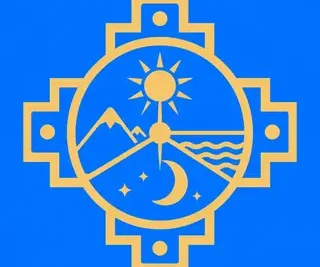
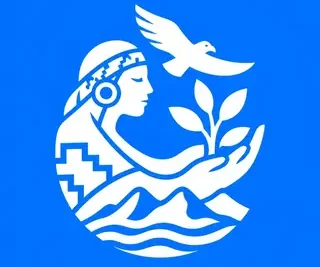
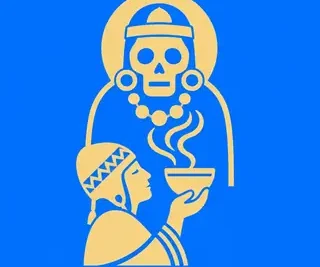
Explore Andean Cosmology and Worldview, the spiritual and intellectual foundation of ancient Andean civilizations. This category examines how the Incas, Moche, Nazca, Tiahuanaco, and other cultures understood existence, sacred power, nature, death, time, and space. Far from being a collection of isolated myths, Andean worldview was a living system that shaped religion, agriculture, architecture, ceremonies, politics, and community life.
Learn how sacred mountains, rivers, animals, ancestors, celestial bodies, and agricultural cycles were connected through reciprocal relationships. Discover key concepts such as ayllu, huacas, apus, and Pachamama, while exploring the spiritual traditions preserved through archaeology, oral history, colonial records, textiles, monumental sites, and ritual objects. These resources offer valuable insight into Inca religion, Andean spirituality, indigenous cosmology, ancient South American beliefs, and pre-Columbian culture.
🪶 Ancestor Veneration and Beliefs About Death
This subcategory explores how ancient Andean societies understood death as a transition rather than an absolute ending. Readers can learn about ancestor veneration, mummification, funerary ceremonies, tombs, offerings, and the continuing role of the deceased in family and community life. In cultures such as the Inca, ancestors could remain powerful participants in social, political, and religious affairs.
Articles examine how burial practices and beliefs about the afterlife differed across the Andes, from elite mummies and royal ancestors to richly furnished tombs belonging to Moche, Nazca, and Tiahuanaco communities. Expect discussions of Andean funerary customs, sacred remains, ritual offerings, death symbolism, and the relationship between memory, lineage, and authority.
🌿 The Relationship with Nature
Discover the profound relationship between Andean peoples and the natural world. This section explains how mountains, lakes, caves, springs, animals, plants, weather, and the earth itself were understood as living or spiritually powerful beings. Concepts such as Pachamama, sacred landscapes, apus, and reciprocal exchange help reveal why nature was central to Andean religion and daily survival.
Readers can expect insights into agricultural rituals, water worship, seasonal ceremonies, offerings, and ecological knowledge developed in challenging environments. Explore how terraced farming, irrigation, high-altitude settlement, and reverence for natural forces reflected an integrated Andean environmental worldview rather than a separation between humans and nature.
🌌 Concepts of Time and Space
This subcategory investigates how ancient Andean civilizations organized reality through distinctive ideas about time and space. Instead of viewing time only as a straight sequence, Andean traditions often emphasized cycles, repetition, renewal, and the connection between past, present, and future. These concepts influenced agricultural calendars, festivals, political ceremonies, and sacred architecture.
Learn how places such as mountains, temples, plazas, caves, and ceque lines were woven into sacred geography. Topics may include Andean sacred space, astronomical observation, solstices, equinoxes, ritual landscapes, and the symbolic division of the cosmos into complementary realms. This material helps explain how Inca cities and earlier ceremonial centers reflected a carefully ordered relationship between the heavens, earth, and underworld.
❓ Frequently Asked Questions About Andean Cosmology and Worldview
What is Andean cosmology?
Andean cosmology is the system of beliefs through which ancient Andean peoples explained the universe, nature, humanity, society, death, and divine power. It connected the visible world with sacred beings, ancestors, celestial forces, and spiritually significant landscapes.
What did the Incas believe about nature?
The Incas generally viewed nature as spiritually active and worthy of respect. Mountains, rivers, springs, animals, and the earth could possess sacred power, and people maintained balance through rituals, offerings, and reciprocal relationships.
Why were ancestors important in Andean societies?
Ancestors were believed to remain influential after death. They could protect descendants, legitimize leadership, preserve family identity, and participate in important ceremonies. Mummification and offerings helped maintain this continuing relationship.
How did Andean cultures understand time?
Many Andean traditions emphasized cyclical time, linking human life with agricultural seasons, astronomical events, religious festivals, and the renewal of nature. The past was not necessarily separate from the present but could remain active through ancestors, traditions, and sacred places.
What are huacas and apus?
Huacas were sacred beings, objects, places, or forces associated with spiritual power. Apus were especially revered sacred mountains or mountain spirits. Both played important roles in Andean ritual, geography, identity, and relationships with the natural world.