Andean Cosmology and Worldview

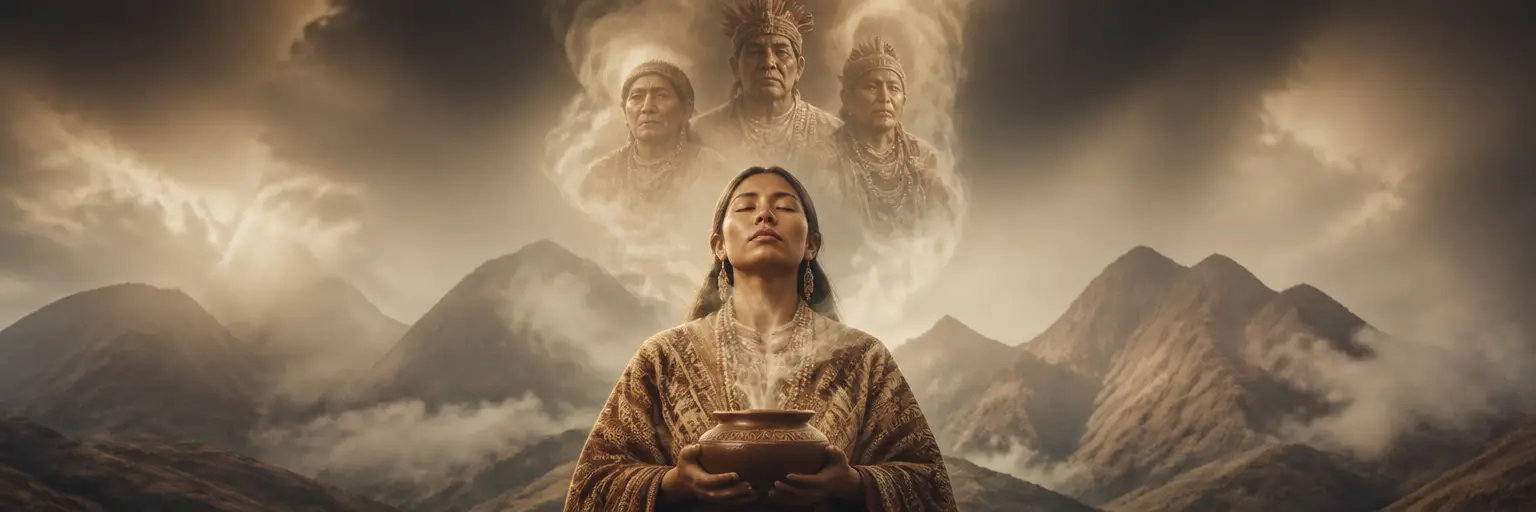
Explore Andean beliefs about death and ancestor veneration, where the living and the departed remained deeply connected. Discover how ancient Andean civilizations honored ancestors, understood the afterlife, preserved mummies, and practiced rituals that linked family, community, and sacred forces. 🏔️⚱️ Gain insight into the spiritual traditions shaping Andean cosmology and worldview across Inca, Moche, Nazca, and Tiahuanaco cultures.
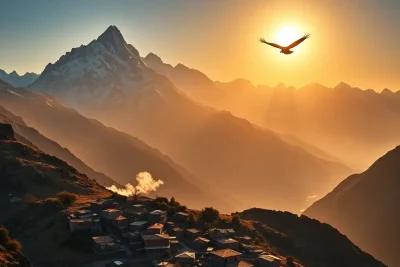
Discover how ancestor veneration and beliefs about death shaped the spiritual life of the ancient Andes. Within the wider worldview of the Inca, Moche, Nazca, and Tiahuanaco civilizations, death was not always understood as an absolute ending. Instead, the dead could remain connected to their families, communities, sacred landscapes, and the cycles of nature. Explore funerary traditions, mummification, burial offerings, ancestor shrines, sacred mountains, and beliefs about the afterlife through the archaeology, religion, art, and history of ancient Andean civilizations.
Ancient Andean societies often viewed existence as a continuing relationship between the living, the dead, and the supernatural world. Death could represent a transition to another form of presence rather than complete disappearance. Beliefs about the afterlife were connected to reciprocity, fertility, ancestral power, and the sacred geography of the Andes, including mountains, caves, springs, and agricultural fields.
Readers can learn how Andean cosmology linked death with renewal, seasonal cycles, and community identity. This section examines the spiritual meaning of funerary rituals, the role of ancestors in protecting descendants, and the ways different cultures understood the journey of the soul or life force after death.
Inca religion placed great importance on deceased rulers and noble ancestors. Royal mummies, known as mallki in some contexts, could be treated as active members of society. Families and religious specialists preserved, dressed, fed, and consulted these ancestors during ceremonies, demonstrating the belief that the dead continued to possess social, political, and spiritual influence.
Explore how Inca ancestor veneration supported royal legitimacy, territorial claims, and state religion. Readers will discover the connection between mummified rulers, panacas or royal lineages, temple ceremonies, offerings, ancestor portraits, and the sacred authority of Cusco within the Inca Empire.
The Moche, Nazca, and Tiahuanaco civilizations developed distinctive burial customs that reveal their ideas about status, identity, and the supernatural. Tomb architecture, grave goods, textiles, ceramics, food offerings, body position, and ritual treatment provide important evidence for understanding ancient Andean death rituals and beliefs about the relationship between human beings and divine powers.
This subcategory explores how archaeology interprets burials across the Andes, from elite tombs and ceremonial centers to community cemeteries. Readers can expect discussions of Moche funerary art, Nazca burial bundles, Tiahuanaco religious traditions, and the ways material culture expressed social rank, family memory, and spiritual transformation.
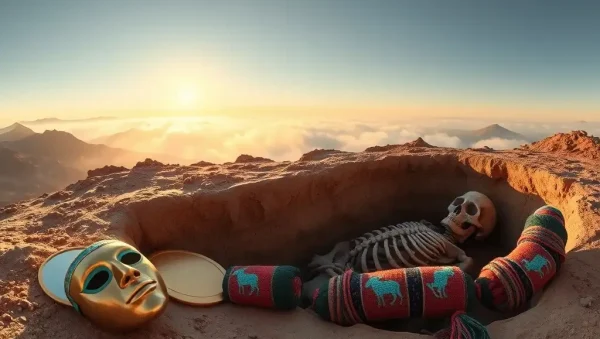
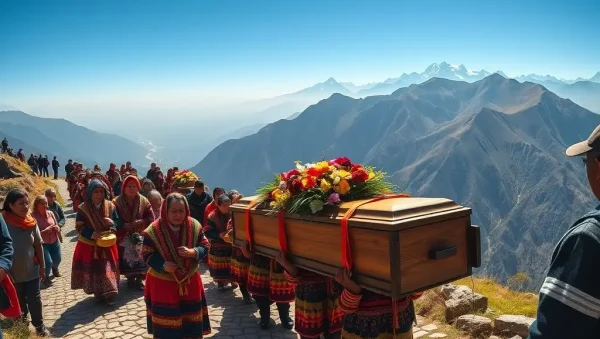
Mummification and careful burial were central to many Andean traditions. Natural conditions in deserts, highlands, and caves sometimes preserved human remains, while deliberate preparation could include wrapping bodies in textiles, placing them in seated positions, or surrounding them with food, tools, ornaments, and ritual objects. These practices reflected respect for the deceased and the continuing importance of ancestral presence.
Learn how burial offerings helped sustain relationships between the living and the dead. Ceramics, coca, maize, llamas, precious metals, woven garments, and personal objects could communicate identity, occupation, social status, or religious devotion. Archaeological evidence also reveals changing practices across regions and historical periods.
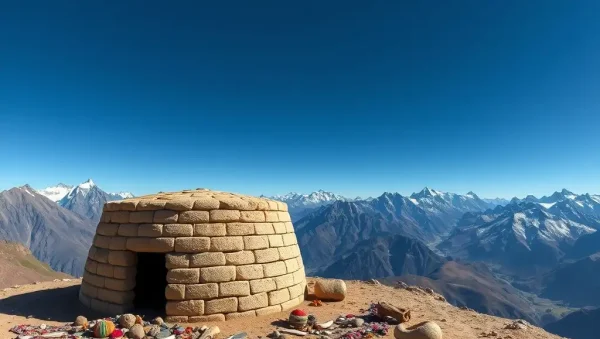
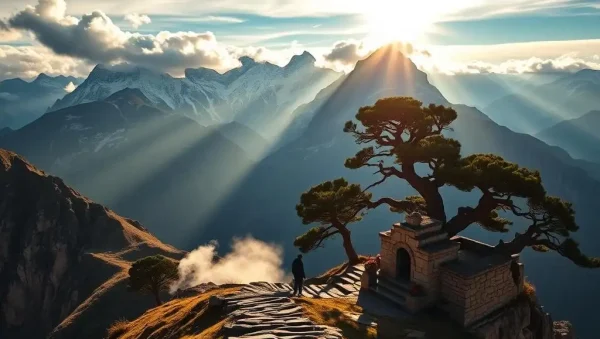
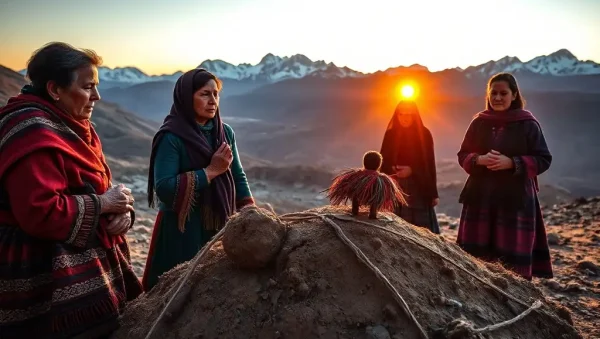
In Andean worldview, ancestors were closely associated with the landscape. Sacred mountains, known as apus in many Indigenous Andean traditions, were regarded as powerful beings connected to weather, water, fertility, and protection. Caves, springs, rocks, and places of emergence could also serve as points of contact between human communities, ancestors, and the spirit world.
This section explains how sacred geography shaped Andean religion and daily life. Readers can explore the relationship between ancestor veneration, agricultural ceremonies, pilgrimage, offerings to mountains, and the belief that the natural environment was inhabited by living spiritual forces rather than being separate from society.
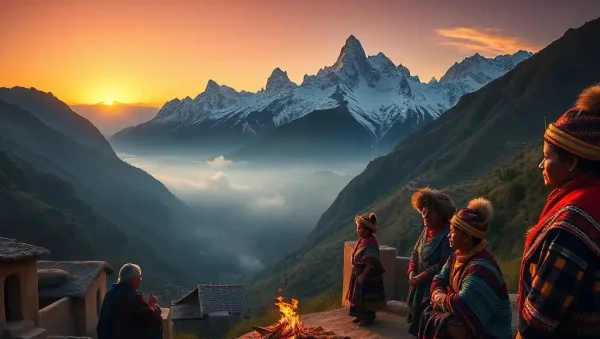
Andean religious traditions emphasized ayni, or reciprocal exchange, as a foundation of social and cosmic order. Communities honored ancestors through offerings, food, drink, music, prayer, and ceremonial gatherings, while expecting protection, fertility, health, and prosperity in return. This reciprocal relationship connected households with broader networks of kinship and sacred power.
Discover how ancestor rituals helped maintain community cohesion and preserve cultural memory. From seasonal festivals to household ceremonies, these practices demonstrate that beliefs about death were deeply integrated into farming, family organization, political authority, and the continuity of Andean society.
Ancient Andean art provides valuable insight into beliefs about death and the supernatural. Moche portrait vessels, Nazca textiles, Inca ritual objects, monumental architecture, and Tiahuanaco stone carvings often portray beings, ceremonies, animals, and symbols associated with transformation and sacred power. These works reveal how artists represented ancestral identity, ritual authority, and the passage between worlds.
Readers will find accessible explanations of archaeological discoveries and visual symbolism. The subcategory considers how scholars interpret tombs, murals, ceramics, textiles, skeletal remains, and ceremonial spaces while acknowledging the complexity of reconstructing ancient belief systems from material evidence.
Many ancient Andean societies viewed death as a transition rather than a complete ending. The deceased could remain connected to family, community, ancestors, sacred places, and divine forces. Ideas about the afterlife varied among the Inca, Moche, Nazca, Tiahuanaco, and other cultures.
Ancestors, especially deceased rulers, were believed to retain spiritual and social power. Royal mummies could be honored in ceremonies, consulted by living relatives, and used to reinforce the authority of royal lineages and the Inca state.
Mummies preserved the identity and presence of important individuals. They could receive offerings, clothing, food, and ritual attention, allowing families and communities to maintain an ongoing relationship with the dead.
Burial offerings were objects or substances placed with the deceased, including ceramics, textiles, food, coca, ornaments, tools, and animal remains. These items could express social status, support the deceased in the next world, or maintain reciprocity between ancestors and the living.
Mountains were often understood as sacred and powerful beings. They were associated with ancestors, weather, water, fertility, and protection. Offerings and ceremonies directed toward sacred mountains helped communities maintain balance with the natural and spiritual worlds.