Andean Cosmology and Worldview


Discover how Andean civilizations understood their profound connection with the natural world 🌿. Explore the spiritual beliefs, sacred landscapes, ecological knowledge, and sustainable traditions that shaped Andean cosmology and worldview—from reverence for mountains, rivers, and the Earth to the enduring principle of living in harmony with nature.

Discover how ancient Andean civilizations understood, respected, and interacted with the natural world. This subcategory explores the deep relationship between people, mountains, rivers, animals, plants, weather, and the earth within the worldview of the Incas, Moche, Nazca, Tiahuanaco, and other cultures of the Andes. Far from being viewed as passive resources, nature was considered alive, sacred, and spiritually connected to human communities. Through archaeology, mythology, agriculture, art, architecture, and traditional practices, readers can learn how Andean societies developed a profound sense of environmental balance and reciprocity.
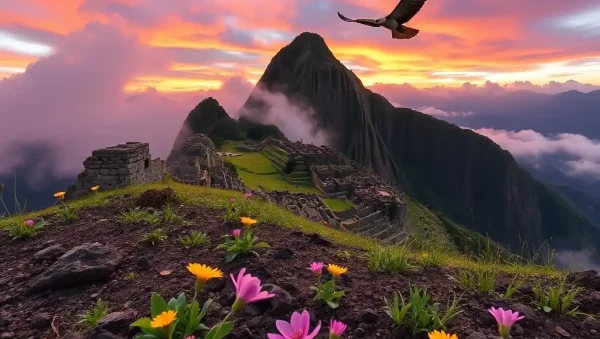
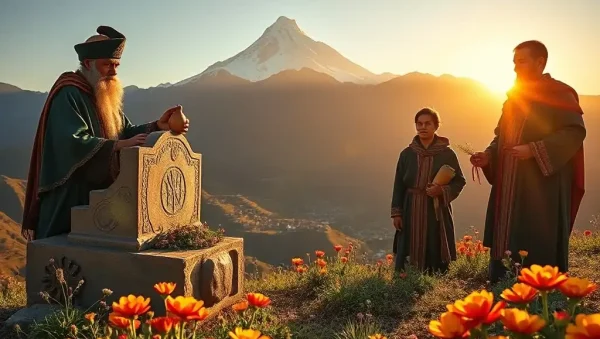
Explore the importance of mountains, known in many Andean traditions as apus, within Andean spirituality and cosmology. High peaks were regarded as powerful beings and protective forces that influenced rainfall, fertility, health, travel, and the well-being of entire communities. This section examines how sacred mountains shaped religious beliefs, pilgrimage routes, settlements, terraces, and ceremonial architecture.
Readers will discover how the Andean landscape functioned as a sacred map filled with meaning. Topics may include mountain worship, offerings to the apus, Inca religious geography, high-altitude sanctuaries, and the continuing importance of sacred peaks in Indigenous Andean traditions. These perspectives reveal how nature, religion, politics, and community identity were closely interconnected.
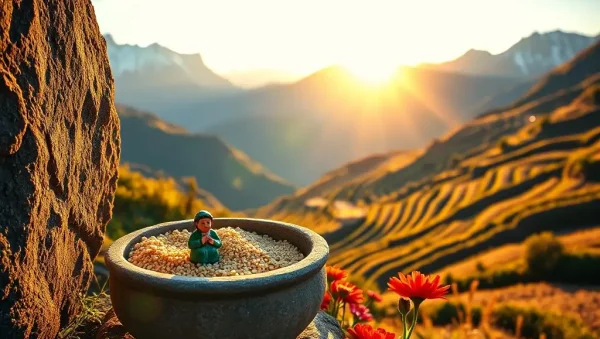
Learn about Pachamama, often understood as Mother Earth or the generative force of nature, and her central role in Andean cosmology. Pachamama represented fertility, nourishment, land, time, and the conditions necessary for life. Andean communities expressed respect through ceremonies, offerings, agricultural rituals, and acts of reciprocity known as ayni.
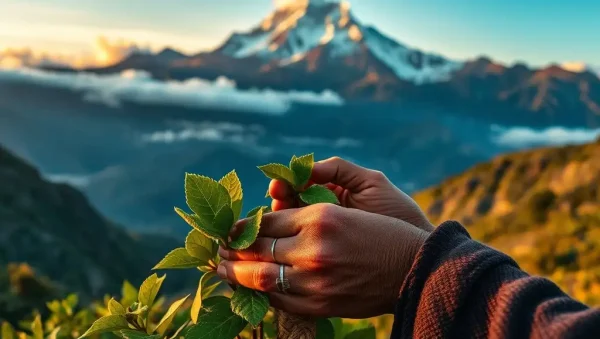
This section explains why receiving from the earth was traditionally balanced by giving back. Offerings of food, drink, coca leaves, textiles, or other valued objects reflected the principle that prosperity depended on maintaining harmonious relationships with the natural and spiritual worlds. Discover how Pachamama traditions continue to influence Andean culture, identity, agriculture, and environmental consciousness.
Water was essential to the survival and prosperity of Andean civilizations. Investigate how the Incas, Moche, Nazca, and Tiahuanaco understood rivers, springs, lakes, glaciers, rainfall, and irrigation channels as both physical resources and sacred elements. Andean societies developed sophisticated hydraulic systems, reservoirs, canals, terraces, and agricultural technologies to manage water across challenging environments.
Readers can explore the religious meaning of rain and seasonal cycles, as well as the ceremonies performed to encourage fertility and protect crops. The section also highlights how water management supported the cultivation of maize, potatoes, quinoa, coca, and other crops. It demonstrates that Andean environmental knowledge combined practical engineering with spiritual responsibility.
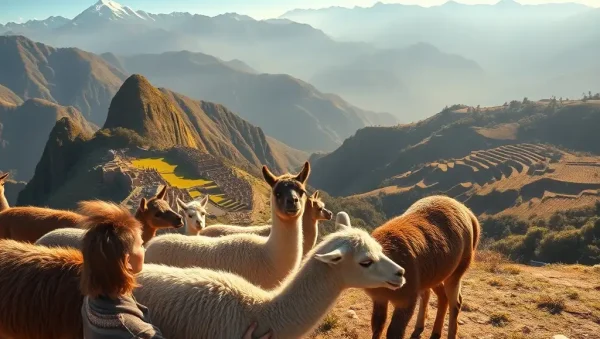
Discover the symbolic and practical importance of animals and plants in the Andean worldview. Llamas and alpacas provided transport, wool, meat, and ritual value, while condors, pumas, serpents, and other animals represented powerful dimensions of the cosmos. Plants such as coca, maize, potatoes, quinoa, and medicinal herbs were valued not only for their uses but also for their cultural and sacred significance.
Through Andean art, mythology, ceramics, textiles, and ritual objects, readers can examine how humans and other living beings were understood as part of an interconnected community. Learn how animal symbolism reflected ideas about strength, transformation, fertility, and the structure of the universe. These traditions emphasize respect for biodiversity and the interdependence of all forms of life.
Understand how the movement of the sun, moon, stars, and planets influenced Andean religious life and seasonal planning. Ancient Andean civilizations observed celestial patterns to organize agricultural activities, ceremonies, festivals, and political events. The sky was not separated from the earth; instead, it formed part of a larger living cosmos connected to human society.
This section explores Andean astronomy, solstices, equinoxes, lunar cycles, constellations, and the relationship between celestial observation and agriculture. Readers will learn how temples, plazas, geoglyphs, and ceremonial centers reflected an awareness of natural rhythms. The result is a deeper understanding of how Andean people interpreted time, climate, fertility, and cosmic order.
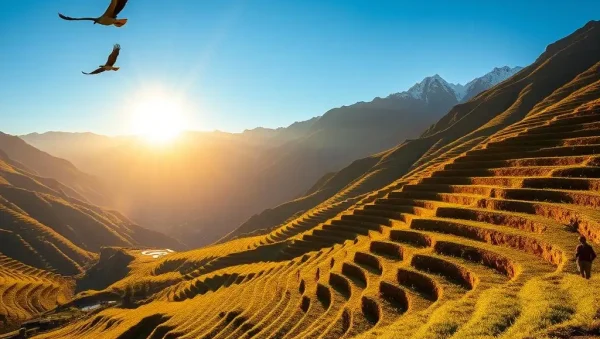
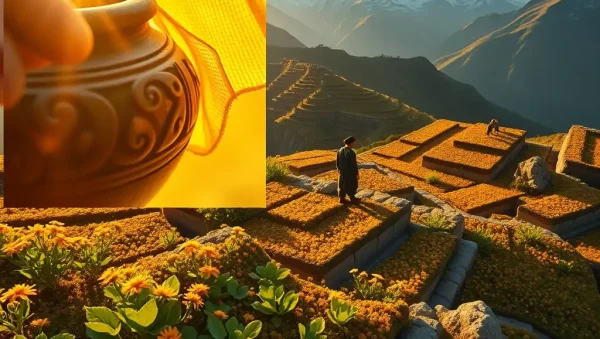
Explore the innovative agricultural systems that allowed Andean civilizations to thrive in deserts, valleys, highlands, and tropical regions. Terraced fields, raised beds, crop diversification, soil management, irrigation, and food storage helped communities adapt to dramatic changes in altitude and climate. These achievements reveal extensive knowledge of local ecosystems and natural processes.
Readers can learn how Andean farmers reduced erosion, protected crops from frost, conserved water, and cultivated a remarkable variety of plants. Technologies such as waru waru, agricultural terraces, and high-altitude storage facilities demonstrate the practical application of ecological knowledge. These examples show that Andean civilization was sustained by cooperation, adaptation, and long-term environmental stewardship.
Examine how the natural world appeared in Andean art, architecture, textiles, ceramics, sculpture, and oral traditions. Images of mountains, animals, plants, rivers, celestial bodies, and supernatural beings communicated ideas about fertility, authority, transformation, and spiritual power. Moche ceramics, Nazca geoglyphs, Inca stonework, and Tiahuanaco monuments all provide valuable evidence of this relationship with nature.
This section helps readers interpret natural symbols and understand the cultural meanings behind them. Architectural alignments, animal motifs, agricultural imagery, and mythological narratives reveal that art was often connected to ritual and environmental knowledge. Discover how Andean visual culture transformed landscapes and living beings into expressions of sacred order.
In Andean cosmology, nature was considered alive, powerful, and spiritually connected to human beings. Mountains, rivers, lakes, animals, plants, and the earth were understood as participants in a reciprocal relationship rather than as lifeless resources.
Pachamama was traditionally associated with Mother Earth, fertility, nourishment, and the generative forces of nature. Andean communities honored her through offerings and ceremonies intended to maintain balance, gratitude, and reciprocity.
Mountains were viewed as powerful spiritual beings called apus in many Andean traditions. They were believed to protect communities, influence weather and water, support fertility, and connect the earthly world with the divine realm.
Andean societies used advanced systems including terraces, irrigation canals, reservoirs, raised fields, crop diversification, and food storage. These technologies helped them adapt to difficult environments while supporting water conservation, soil protection, and food security.
Llamas and alpacas were essential for transport, textiles, food, and ceremonies. Condors, pumas, and serpents also held major symbolic importance, often representing different levels or forces within the Andean cosmos. Together, these animals reflected the close relationship between biodiversity, religion, and society.