
Pachamama's Gifts: Understanding the Andean Concept of Mother Earth

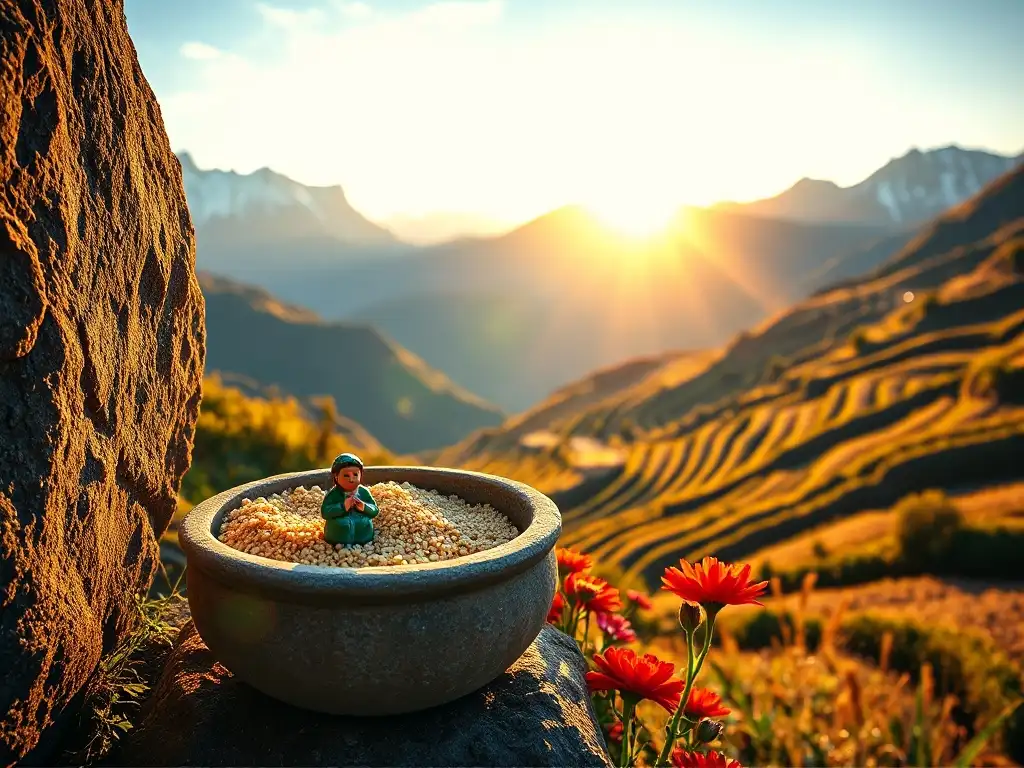
Dive into the captivating world of Andean civilizations and uncover the secrets of a profound connection with the natural world. For centuries, these ingenious cultures thrived, leaving behind a legacy of breathtaking artistry and sophisticated engineering. But what was the core of their beliefs, the very foundation of their society? Prepare to be amazed as we explore the intricate Andean civilizations Pachamama concept, a worldview that reveals a deep reverence for Mother Earth and its profound influence on their lives. Unravel the mysteries of Pachamama and discover the wisdom held within this ancient cosmology.
The Andean civilizations, a tapestry woven from the threads of Inca, Moche, Nazca, and Tiahuanaco cultures, amongst others, possessed a profound and deeply spiritual connection with the natural world. Central to their worldview was the concept of Pachamama, a powerful deity representing Mother Earth. This article delves into the significance of Pachamama, exploring her role in Andean cosmology, the diverse ways Andean civilizations revered her, and the enduring legacy of her worship in contemporary Andean culture.
Understanding Pachamama provides crucial insight into the values, beliefs, and practices that shaped these remarkable societies and their relationship with the environment. This exploration will reveal how the reverence for Pachamama wasn't merely a religious practice, but a fundamental aspect of daily life, deeply intertwined with agriculture, social structures, and even their understanding of the cosmos itself.
We will uncover how this profound connection to the earth shaped their societies and left an indelible mark on their cultural heritage. This detailed examination of the Andean civilizations' Pachamama concept will illuminate a crucial aspect of their rich and complex history.
The Significance of Pachamama in Andean Worldview
Pachamama, meaning "Mother Earth" in Quechua, was far more than a simple deity; she was the very essence of life itself. She was the provider, the nurturer, and the ultimate source of sustenance for Andean communities. Her fertile womb provided the crops that sustained their lives, and her unwavering presence shaped their understanding of the universe.
The Andean worldview saw Pachamama as a dynamic and reciprocal force. Her generosity demanded respect, reciprocity, and mindful stewardship. The people believed their actions directly impacted Pachamama's wellbeing, and consequently, their own.
This reciprocal relationship fostered a deep sense of responsibility towards the environment and a sustainable way of life, drastically different from many contemporary approaches. Failure to respect Pachamama's gifts was believed to result in natural disasters, crop failures, and illness – a testament to the profound interconnectedness they perceived between humanity and the natural world. This understanding permeated every aspect of their social and religious life.
Andean Civilizations and their Reverence for Mother Earth
Different Andean civilizations expressed their reverence for Pachamama in unique yet interconnected ways. The Incas, for example, performed elaborate ceremonies and offered pagos (offerings) to appease and honor her. These offerings often included coca leaves, food, and even precious metals, placed in carefully chosen sacred sites.
The Moche, known for their intricate pottery depicting scenes of daily life and religious rituals, frequently portrayed Pachamama as a powerful and nurturing figure. Their art reveals a deep understanding of the agricultural cycle and the vital role Pachamama played in its success. The Nazca, famous for their enigmatic geoglyphs, likely integrated their reverence for Pachamama into their astronomical observations and agricultural practices, although the precise nature of their beliefs remains a subject of ongoing research.
Even the Tiahuanaco civilization, with its monumental architecture, likely incorporated elements of Pachamama worship into their complex religious system, though further research is needed to fully understand the extent of this integration. The common thread across all these civilizations was a profound respect for the earth and its life-giving power.
The Deep Roots of Pachamama's Worship in Andean Culture
The worship of Pachamama is not a relic of the past; it continues to thrive in contemporary Andean culture. Indigenous communities throughout the Andes still perform ceremonies, offerings, and rituals to honor Pachamama, demonstrating the enduring power of this ancient tradition. The deep-rooted connection to the land and the cyclical nature of life remain central to their worldview. This persistent reverence for Pachamama highlights the resilience of Andean culture and its enduring connection to its ancestral heritage.
Furthermore, the ongoing practice of Pachamama worship offers valuable insights into sustainable living and harmonious coexistence with nature. It serves as a powerful reminder of the importance of respecting and protecting our planet, lessons that are increasingly relevant in our modern world. The continued significance of Pachamama underscores the timeless wisdom of the Andean civilizations and their profound understanding of the interconnectedness of all life.
- The Significance of Pachamama in Andean Worldview
- Andean Civilizations and their Reverence for Mother Earth
- The Deep Roots of Pachamama's Worship in Andean Culture
Pachamama: More than Just Earth
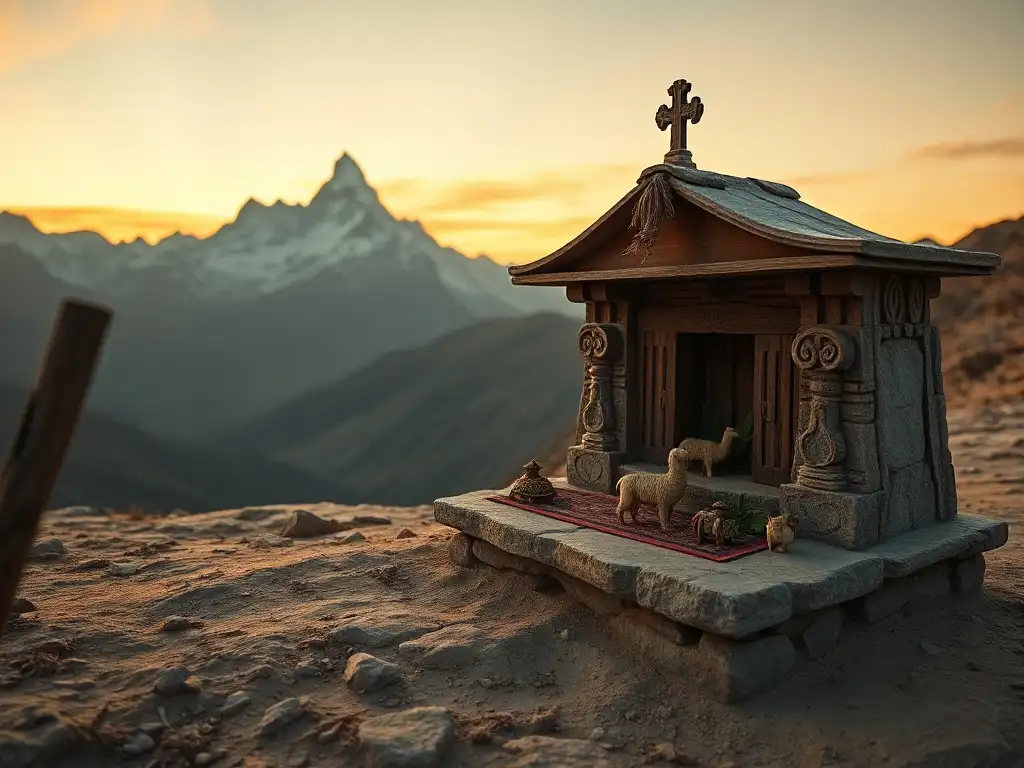
This section delves into the profound significance of Pachamama within the context of Andean civilizations, exploring its multifaceted nature beyond a simple understanding of "Mother Earth." We will examine how this concept shaped Andean societies' worldview, their relationship with the environment, and their spiritual practices. Understanding Pachamama is key to unlocking a deeper appreciation for the complex cosmology and beliefs of these remarkable cultures. The term "Andean civilizations Pachamama concept" itself highlights the central role this deity played in shaping their lives.
Defining Pachamama: The Living Earth
Pachamama, in the Andean worldview, is not merely inert soil or a passive landscape. It is a vibrant, sentient being, a powerful feminine deity who embodies the life-giving force of the earth. She is the source of all sustenance, from the fertile valleys that yielded bountiful harvests to the mountains that provided minerals and water.
Unlike a passive, inanimate earth, Pachamama is actively involved in the cycles of life, death, and regeneration. This active participation is reflected in the various rituals and offerings made to her. The concept transcends a simple ecological understanding; Pachamama is a deity whose power is intimately intertwined with the well-being of the Andean communities.
Her influence is seen in the daily lives of the people, from agricultural practices to spiritual ceremonies. Even the very landscape itself – the mountains, rivers, and valleys – are considered manifestations of Pachamama's body. This deep connection fosters a sense of responsibility and respect towards the environment, a key element of Andean culture.
Pachamama as a Source of Life and Sustenance
The Andean civilizations' agricultural practices clearly demonstrate their understanding of Pachamama as a provider. Terracing, a sophisticated agricultural technique, allowed for the cultivation of crops on steep slopes, maximizing land use and demonstrating a profound respect for the land's productivity. The careful management of water resources, through complex irrigation systems, further underscores this symbiotic relationship. These were not simply practical solutions; they were expressions of reverence for Pachamama's generative power.
The abundance of crops, the success of harvests, and the overall well-being of the community were directly linked to the appeasement and respect shown towards Pachamama. Failure to honor her could result in crop failures, droughts, or other calamities, highlighting the integral role she played in the daily lives and survival of these civilizations. This direct connection between agricultural success and spiritual practice is a unique aspect of the Andean civilizations' relationship with their environment.
Furthermore, the varied ecosystems within the Andes – from high-altitude grasslands to coastal deserts – each contributed to the sustenance of these communities. The diverse flora and fauna were not simply resources to be exploited, but gifts from Pachamama, to be used responsibly and respectfully. This perspective fostered a sustainable approach to resource management, a practice that contrasts sharply with many modern exploitative models.
The Spiritual Dimension of Pachamama in Andean Beliefs
The spiritual dimension of Pachamama is deeply interwoven with the daily lives of Andean communities. Rituals and offerings, often involving coca leaves, chicha (a fermented corn beverage), and other gifts, were performed regularly to express gratitude and seek Pachamama's favor. These offerings weren't mere acts of appeasement; they were acts of communication and reciprocity, acknowledging the sacredness of the earth and the mutual dependence between humans and nature.
The Pachamama wasn't just a provider; she was a powerful entity whose moods and intentions needed to be respected and understood. This understanding was not limited to the elite; it permeated all levels of Andean society, reflecting a deeply ingrained spiritual connection with the natural world. The various festivals and ceremonies dedicated to Pachamama served as communal expressions of this profound relationship, reinforcing social cohesion and a shared reverence for the earth.
These rituals, passed down through generations, continue to be practiced in many Andean communities today, showcasing the enduring power of the Pachamama concept within Andean culture and its enduring relevance to understanding Andean civilizations' unique worldview. The continued relevance of these practices underscores the lasting impact of the Andean civilizations' profound connection with Pachamama.
Understanding the Andean Cosmovision and Pachamama
This section delves into the core Andean worldview, exploring how the concept of Pachamama, or Mother Earth, is deeply intertwined with the understanding of the cosmos and the interconnectedness of all living things. Understanding this cosmological perspective is crucial to grasping the profound reverence and respect Andean civilizations held for the natural world. The Andean cosmovision wasn't simply a belief system; it was a way of life, dictating social structures, agricultural practices, and even artistic expression.
The concept of Pachamama is central to this holistic understanding, representing not merely the physical earth but also a powerful, life-giving force that permeates all aspects of existence. This section will lay the groundwork for a more detailed exploration of Pachamama's specific roles and the ways in which Andean peoples interacted with this vital force. We will examine how this concept shaped their societies and continues to resonate in contemporary Andean cultures.
The Interconnectedness of Nature in Andean Thought
Andean thought emphasizes a profound interconnectedness between humanity and the natural world. Unlike many Western perspectives that often view humans as separate from or dominant over nature, the Andean cosmovision posits a holistic, symbiotic relationship. Everything – the mountains, rivers, plants, animals, and humans – is considered part of a single, interconnected system. This interconnectedness is vividly illustrated in their intricate agricultural practices, which were carefully attuned to the rhythms of nature.
For example, the ayllu, a traditional Andean community structure, often organized its activities around the agricultural cycle, ensuring a harmonious balance between human needs and the well-being of the environment. The concept of ayni, reciprocal exchange, further reinforces this interdependence, emphasizing the need for balanced interactions within the ecosystem. This principle extended beyond human interactions to encompass the entire natural world, highlighting the reciprocal relationship between humans and Pachamama.
Failure to maintain this balance was believed to disrupt the cosmic order, leading to misfortune and ecological imbalance. This belief system fostered a deep respect for the environment and sustainable practices that ensured the long-term viability of Andean communities. The cyclical nature of Andean agriculture, mirroring the cyclical nature of the cosmos, is another testament to this interconnectedness.
Pachamama's Role in the Andean Cosmic Order
Pachamama, literally translated as "Earth Mother," holds a central position within the Andean cosmic order. She is not merely the physical earth but a powerful, life-giving force, responsible for fertility, abundance, and the overall well-being of all living creatures. She is often depicted as a nurturing figure, providing sustenance and protection. Her role extends beyond the material realm; she is also a spiritual entity, deeply connected to the ancestral spirits and the broader cosmic forces.
Many Andean rituals and ceremonies are dedicated to honoring and appeasing Pachamama, ensuring her continued benevolence. These rituals often involve offerings of coca leaves, food, and other precious items, reflecting the deep respect and gratitude Andean peoples felt towards her. The importance of Pachamama is also evident in Andean art and iconography, where she is frequently depicted in various forms, reflecting her multifaceted nature.
Her presence is felt in the landscapes themselves, with sacred mountains and other natural features often considered manifestations of her power. The concept of Pachamama thus transcends simple geographical definition, embodying a profound spiritual and cosmological significance. Understanding her role is key to understanding the Andean worldview and their relationship with the natural world.
How Andean Peoples Interact with Pachamama
Andean peoples interacted with Pachamama through a variety of practices designed to maintain a harmonious relationship and ensure her continued benevolence. These interactions were not simply religious rituals but were integrated into the fabric of daily life. Agricultural practices, for instance, were deeply intertwined with rituals aimed at ensuring a bountiful harvest. Before planting, offerings were made to Pachamama, seeking her blessing for a successful growing season.
Similarly, after the harvest, a portion of the crops was offered as a sign of gratitude. These offerings were not simply symbolic gestures; they were seen as essential for maintaining the reciprocal exchange between humans and Pachamama. Furthermore, many Andean communities still practice pago a la tierra, or payment to the earth, a ritual offering to Pachamama to express gratitude and seek her favor. This might involve offerings of coca leaves, alcohol, food, or other items of significance.
The specific practices varied among different Andean groups, reflecting the diverse cultural expressions within the region. However, the underlying principle of maintaining a reciprocal and respectful relationship with Pachamama remained consistent across diverse Andean communities, demonstrating the enduring importance of this concept in Andean culture. The continuity of these practices highlights the enduring relevance of Pachamama in contemporary Andean societies.
Rituals and Offerings to Pachamama
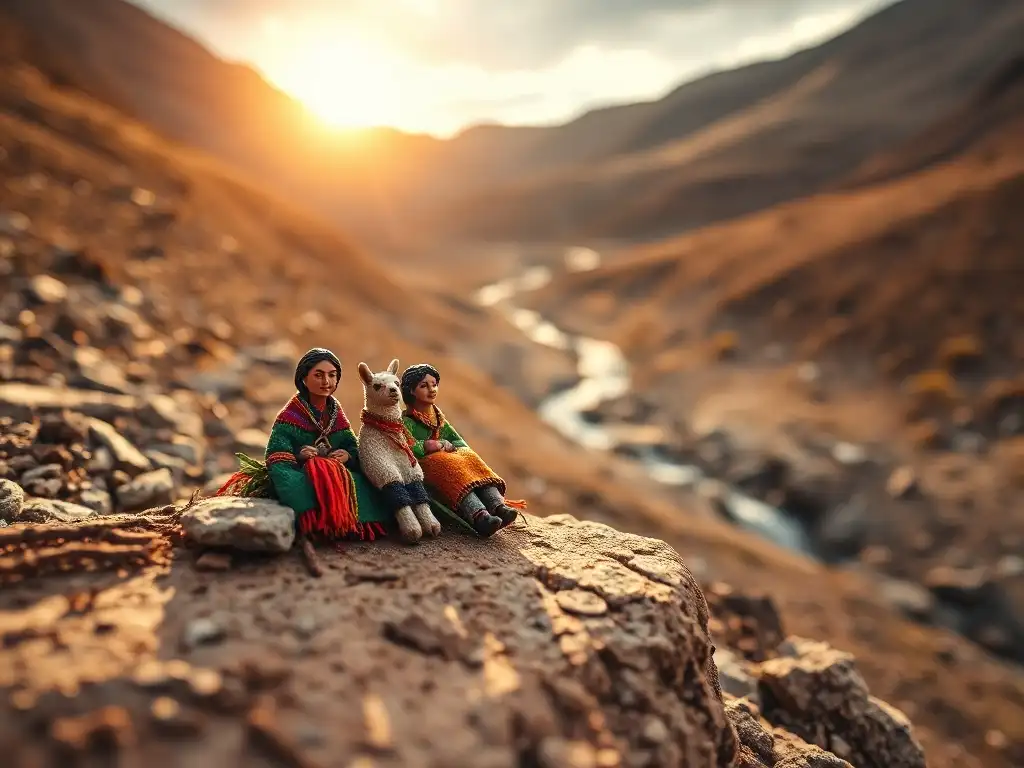
The Andean concept of Pachamama, the Earth Mother, is deeply intertwined with a complex system of rituals and offerings designed to maintain a harmonious relationship with the natural world. Understanding these practices is crucial to grasping the profound reverence Andean civilizations held for their environment and the intricate reciprocity inherent in their worldview. The concept of ayni, reciprocal exchange, is central to these rituals; offerings are not merely appeasements, but acts of communication and partnership aimed at ensuring the continued bounty of the earth.
The frequency and type of offerings varied depending on the specific community and the time of year, reflecting the cyclical nature of Andean agricultural practices and the rhythms of life itself. This section explores some of the key rituals and their significance within the broader context of Andean cosmology.
The enduring legacy of these practices continues to influence contemporary Andean communities, demonstrating the resilience and power of this ancient worldview. Keywords associated with this section include: Andean rituals, Pachamama offerings, ayni, reciprocity, Andean cosmology, traditional ceremonies.
Traditional Ceremonies Honoring Mother Earth
Traditional ceremonies honoring Pachamama often involved elaborate preparations and community participation. These weren't solitary acts but rather communal events that strengthened social bonds and reaffirmed the community's connection to the land. The timing of these ceremonies was critical, frequently coinciding with agricultural cycles – planting, harvesting, and important seasonal transitions.
For example, the Capacocha ceremonies, though primarily associated with the Inca Empire, involved the offering of children and other precious items to appease the gods and ensure a bountiful harvest. While this practice is ethically problematic from a modern perspective, it highlights the immense importance placed on maintaining a harmonious relationship with the divine forces, including Pachamama. The pago a la tierra (payment to the earth) is a more contemporary manifestation of these traditions, still practiced today in many Andean communities.
These ceremonies often involve the pouring of chicha (a fermented corn beverage), the burning of coca leaves, and the scattering of offerings into the earth. The specific rituals and offerings varied across different ethnic groups and regions but shared the common goal of expressing gratitude and seeking Pachamama's continued blessings. The vibrant colors and symbolic significance of the offerings themselves further underscore the profound spiritual meaning attached to these ceremonies.
The Meaning of 'Pagapu': Reciprocity with Pachamama
The Quechua word pagapu encapsulates the essence of the relationship between humans and Pachamama. It doesn't simply translate to "offering" but rather signifies a complex exchange, a reciprocal relationship built on mutual respect and obligation. Pagapu implies an ongoing dialogue, a continuous negotiation between humans and the earth, where both sides fulfill their respective roles.
Humans provide offerings – food, drink, coca leaves, textiles, and other valuable items – as a gesture of gratitude and a request for continued prosperity. In return, Pachamama provides the essential resources for life: fertile land, water, and the bounty of the harvest. This reciprocal exchange is not a transactional relationship; it's a deeply spiritual connection rooted in the belief that humans are an integral part of the natural world and dependent on its continued health and well-being.
The concept of pagapu transcends simple material exchange; it represents a commitment to living in harmony with the environment and respecting the interconnectedness of all living things. The failure to uphold this reciprocal relationship was believed to result in misfortune, highlighting the importance of maintaining a balance in the exchange.
Specific Examples of Offerings and Rituals in Quechua and Aymara Cultures
The specific offerings and rituals associated with Pachamama varied significantly across different Andean cultures. Quechua communities, for example, often employed coca leaves as a central element in their offerings. These leaves, chewed ritually as a sign of respect and communion, are considered sacred and possess medicinal properties. The act of offering coca leaves to Pachamama represents a gesture of respect and a request for her blessings.
In contrast, Aymara communities might emphasize different offerings, such as llama fetuses or other significant items, reflecting their unique cultural practices and beliefs. The frequency of these ceremonies varied depending on the agricultural cycle. For instance, during the planting season, offerings might focus on ensuring a bountiful harvest, while during the harvest, the focus shifts to expressing gratitude for the abundance received. These variations highlight the diverse ways in which Andean communities expressed their reverence for Pachamama and their deep connection to the land.
Further research is needed to fully document the specific practices of all Andean communities, and to understand the nuances of regional variations. Detailed ethnographic studies would greatly enhance our understanding of this rich tapestry of traditions. The diversity of these practices underscores the richness and complexity of the Andean worldview and the enduring significance of Pachamama in their lives.
Pachamama's Influence on Andean Daily Life
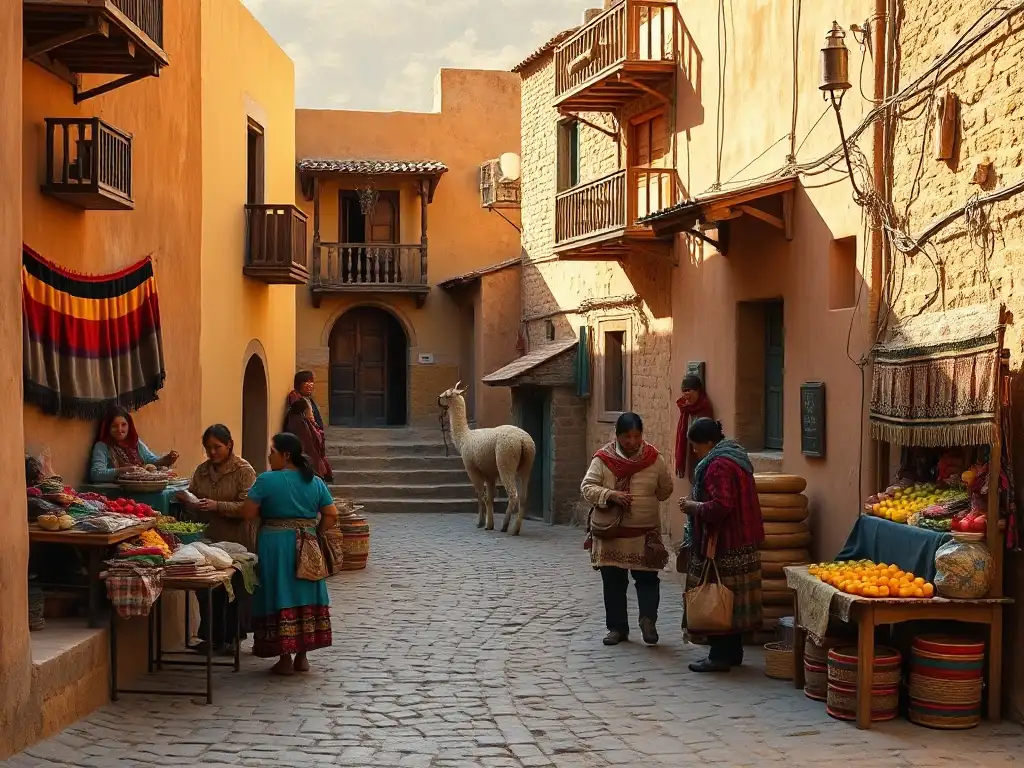
The concept of Pachamama, the Andean Mother Earth, wasn't merely a philosophical idea; it was, and in many ways still is, the very foundation of Andean daily life. It permeated every aspect of their existence, from agricultural practices to social structures and spiritual beliefs. Understanding Pachamama's influence is key to grasping the holistic worldview of Andean civilizations and their remarkable achievements in harmony with their environment.
This deep connection fostered a sustainable way of life, significantly impacting their societal organization and cultural expressions. The reverence for Pachamama ensured the continuity of life and the prosperity of their communities for centuries. This section explores the tangible ways Pachamama shaped the daily routines and societal structures of these remarkable civilizations.
Agriculture and the Cycles of Pachamama
Andean agriculture wasn't simply a means of subsistence; it was a sacred act deeply intertwined with the cycles of Pachamama. The success of their harvests was directly attributed to the benevolence of the Earth Mother. Farmers meticulously observed natural rhythms, understanding that planting and harvesting times were dictated by Pachamama's moods and the celestial movements. This intricate knowledge, passed down through generations, allowed them to cultivate diverse crops, including potatoes, maize, quinoa, and beans, in challenging Andean terrains.
The ayllu, the traditional Andean community structure, played a crucial role in agricultural practices. Collective labor, communal land ownership, and the equitable distribution of resources were integral to their agricultural success, reflecting a deep-seated respect for Pachamama's generosity and the need for collective responsibility in managing her gifts. Failure to respect these principles was believed to incur Pachamama's wrath, resulting in poor harvests or natural disasters.
This belief system fostered a sustainable and equitable approach to agriculture, ensuring the long-term prosperity of the community. Specific rituals, such as pago a la tierra (payment to the earth), were performed to appease Pachamama and ensure bountiful harvests, demonstrating the profound connection between agricultural practices and their spiritual beliefs. The intricate knowledge of Andean agricultural techniques, adapted to the diverse Andean ecosystems, showcases a sophisticated understanding of environmental stewardship deeply rooted in their reverence for Pachamama.
The Importance of Sustainable Practices in Andean Communities
The Andean concept of Pachamama fostered a remarkable commitment to sustainable practices. Respect for the Earth Mother translated into responsible resource management and a deep understanding of ecological balance. Unlike many other societies that exploited their environments for short-term gains, Andean communities prioritized long-term sustainability. This wasn't merely an ethical consideration but a deeply ingrained belief system crucial for survival in the challenging Andean environment.
Several key sustainable practices were implemented:
- Terracing: Ingenious terracing techniques prevented soil erosion and maximized arable land in mountainous regions.
- Crop Rotation: Rotating crops helped maintain soil fertility and prevented depletion.
- Water Management: Complex irrigation systems, such as canales, efficiently distributed water resources, crucial for survival in arid climates.
- Waste Management: Organic waste was often composted and returned to the land, enriching the soil and minimizing environmental impact.
These practices demonstrate a profound understanding of ecological principles and a commitment to long-term sustainability, reflecting the deep-seated respect for Pachamama and the recognition that their well-being was intrinsically linked to her health. This holistic approach to environmental management ensured the long-term viability of their communities and stands as a testament to their wisdom and foresight. The sustainable practices of Andean civilizations, deeply rooted in their reverence for Pachamama, offer valuable lessons for modern societies grappling with environmental challenges.
The concept of Pachamama extended beyond the physical environment, profoundly shaping social relationships within Andean communities. The shared reverence for Pachamama fostered a sense of collective responsibility and interdependence, strengthening social bonds and promoting cooperation. The ayllu system, with its emphasis on communal ownership and reciprocal obligations, reflected this interconnectedness.
Individuals weren't seen as isolated entities but as integral parts of a larger, interconnected web of life, all sustained by the generosity of Pachamama. This holistic worldview emphasized the importance of mutual respect, cooperation, and social harmony. Social hierarchies existed, but they were often intertwined with responsibilities towards the community and the proper stewardship of Pachamama's resources.
Disputes were often resolved through community mediation, prioritizing social harmony and avoiding actions that might upset the delicate balance maintained by Pachamama. The concept of reciprocity – ayni – was central to Andean social life, reflecting the understanding that all members of the community were interdependent and had obligations to one another and to Pachamama.
This emphasis on collective responsibility and reciprocal exchange fostered a strong sense of social cohesion and stability within Andean communities, reflecting the pervasive influence of Pachamama on their social structures and values. The enduring legacy of these social structures underscores the profound impact of the Pachamama concept on Andean societies.
Pachamama Today: A Continuing Legacy
The reverence for Pachamama, the Andean concept of Mother Earth, persists strongly in contemporary Andean communities, demonstrating its enduring relevance and profound influence on their lives. While modern advancements have undeniably impacted traditional practices, the core principles of reciprocity and respect for the natural world remain deeply ingrained in the cultural fabric. This enduring connection highlights the resilience of Andean worldview and its capacity to adapt to changing circumstances, yet still retain its fundamental values. Understanding this continuity is crucial for appreciating the complexities of Andean societies and their relationship with the environment.
The Contemporary Relevance of Pachamama's Concept
Pachamama's influence continues to shape various aspects of daily life in Andean communities. Agricultural practices, for example, often incorporate traditional rituals and offerings aimed at ensuring bountiful harvests. Farmers may still perform pago a la tierra (payment to the earth), a ceremony involving offerings of coca leaves, chicha (fermented corn beverage), and other items to appease and thank Pachamama for her generosity. These rituals are not merely symbolic; they represent a tangible connection to the land, reinforcing sustainable agricultural practices and promoting a harmonious coexistence with nature. Furthermore, many indigenous communities incorporate Pachamama's principles into their decision-making processes, considering the long-term environmental consequences of their actions. This holistic approach to life, deeply intertwined with the concept of Pachamama, offers valuable lessons for modern societies grappling with environmental challenges. The continued practice of these traditions demonstrates the enduring power of Andean civilizations' Pachamama concept in shaping modern Andean identities and lifestyles.
The Challenges to Pachamama's Preservation in Modern Times
Despite its enduring influence, the concept of Pachamama faces significant challenges in the modern era. Rapid urbanization, industrialization, and unsustainable resource extraction pose serious threats to the environment and traditional ways of life. Mining activities, for example, often lead to deforestation, water pollution, and soil degradation, directly impacting the health of Pachamama and the communities that depend on her.
Similarly, large-scale agricultural projects, driven by global market demands, can displace indigenous populations and disrupt traditional farming practices, leading to a disconnect from the land and a weakening of the spiritual connection with Pachamama. Climate change further exacerbates these challenges, resulting in unpredictable weather patterns, droughts, and floods, impacting agricultural yields and threatening the delicate ecological balance.
These pressures necessitate a renewed focus on sustainable development and environmental protection strategies that respect and integrate traditional Andean knowledge. The preservation of Pachamama is not just an environmental issue; it is a cultural and social imperative.
Modern Initiatives to Protect the Environment Based on Andean Philosophy
Recognizing the importance of preserving Pachamama and integrating Andean wisdom into environmental protection efforts, several initiatives are underway. Many organizations work with Andean communities to promote sustainable agricultural practices, such as agroforestry and organic farming, which minimize environmental impact while respecting traditional knowledge. These initiatives often involve empowering local communities by providing them with the resources and training necessary to manage their natural resources sustainably.
Furthermore, there's a growing interest in incorporating Andean cosmology and philosophy into environmental education programs, raising awareness about the interconnectedness of all living things and the importance of respecting the natural world. This approach aims to foster a deeper understanding and appreciation for Pachamama, promoting responsible stewardship of the environment. Examples include community-based conservation projects that emphasize participatory decision-making and the integration of traditional ecological knowledge with modern scientific approaches.
Such initiatives demonstrate a promising path forward, combining ancient wisdom with modern tools to address the environmental challenges facing the Andes region. The success of these initiatives depends on continued collaboration between indigenous communities, governments, and international organizations, recognizing the critical role of Pachamama in shaping a sustainable future.
Exploring the Connection between Pachamama and Andean Art and Mythology
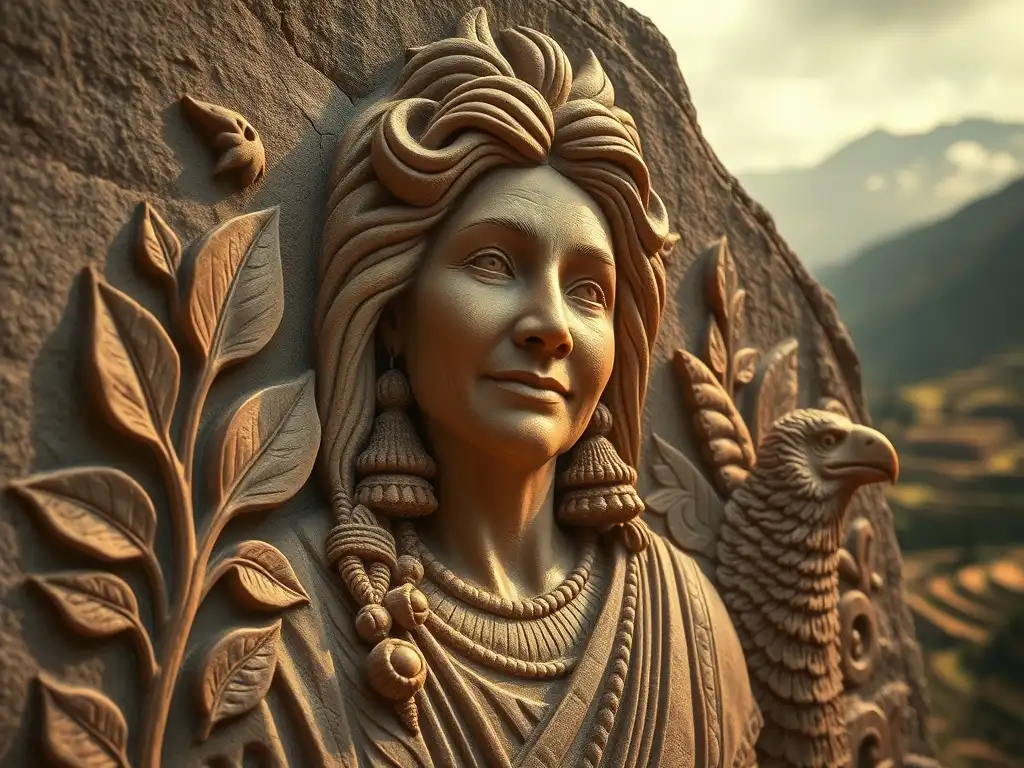
This section delves into the profound relationship between the Andean concept of Pachamama (Mother Earth) and the artistic and mythological expressions of ancient Andean civilizations. Understanding this connection provides crucial insight into the deeply spiritual and reciprocal relationship these societies held with their environment. The reverence for Pachamama wasn't merely a philosophical concept; it was woven into the very fabric of their daily lives, reflected vividly in their art, mythology, and agricultural practices. The Andean civilizations Pachamama concept is inextricably linked to their worldview and survival strategies.
Pachamama’s Representation in Andean Art
Pachamama's presence in Andean art is ubiquitous. She isn't usually depicted as a single, anthropomorphic figure, but rather through symbolic representations embedded within various artistic forms. For instance, the fertile earth itself – depicted through textured ceramics, intricate textiles portraying agricultural scenes, and even the very arrangement of fields and terraces – served as a visual representation of Pachamama's life-giving power.
Consider the Moche pottery: many pieces depict scenes of agricultural abundance, with stylized depictions of plants, animals, and humans interacting harmoniously with the land. These aren't simply decorative elements; they are powerful statements about the interconnectedness of life and the vital role of Pachamama in sustaining it. The vibrant colors and detailed craftsmanship underscore the reverence and respect the Moche held for the earth.
Similarly, Nazca ceramics often feature stylized representations of deities associated with fertility and the earth, further solidifying the importance of Pachamama in their cosmology. These artistic expressions weren't just aesthetically pleasing; they were ritualistic objects, deeply connected to ceremonies and agricultural cycles.
Myths and Legends that Illustrate the Power of Pachamama
Numerous myths and legends from different Andean cultures illustrate Pachamama's power and influence. These narratives, often passed down orally through generations, reveal a complex understanding of the earth as a living entity, capable of both nurturing and punishing. Stories of earthquakes, volcanic eruptions, and droughts are often interpreted as manifestations of Pachamama's anger, caused by disrespect or imbalance in the human-nature relationship.
One recurring theme is the importance of reciprocal exchange. Andean societies believed that offering gifts to Pachamama—through rituals, sacrifices, and careful stewardship of the land—would ensure her continued favor and abundance. Conversely, neglecting these duties was believed to invite misfortune. These myths weren't simply cautionary tales; they were integral to the social and ecological fabric of Andean society, reinforcing sustainable practices and promoting harmony between humans and the natural world. The Andean civilizations Pachamama concept, therefore, is not just a belief system, but a guide to living in balance with nature.
Artistic Expressions and Myths Relating to Pachamama in the Andes
The interplay between art and mythology in representing Pachamaco is multifaceted. For example, the Inca's highly developed agricultural techniques, such as terrace farming, weren't merely practical solutions to challenging terrain; they were also symbolic expressions of their respect for Pachamama. By carefully sculpting the landscape, the Inca demonstrated their understanding of the earth's rhythms and their commitment to working with nature, not against it.
Furthermore, the use of specific colors and materials in Andean art often held symbolic significance related to Pachamama. The prevalence of earthy tones in ceramics and textiles, for example, directly reflects the importance of the land. The use of gold, often associated with the sun and its life-giving energy, further emphasizes the connection between Pachamama and the celestial realm.
These intricate details showcase the holistic and integrated nature of the Andean worldview, where art, mythology, and daily life were all interwoven with the concept of Pachamama. Understanding these nuances provides a deeper appreciation for the sophistication and complexity of the Andean civilizations Pachamama concept.
The Importance of Understanding Pachamama for the Study of Andean Civilizations
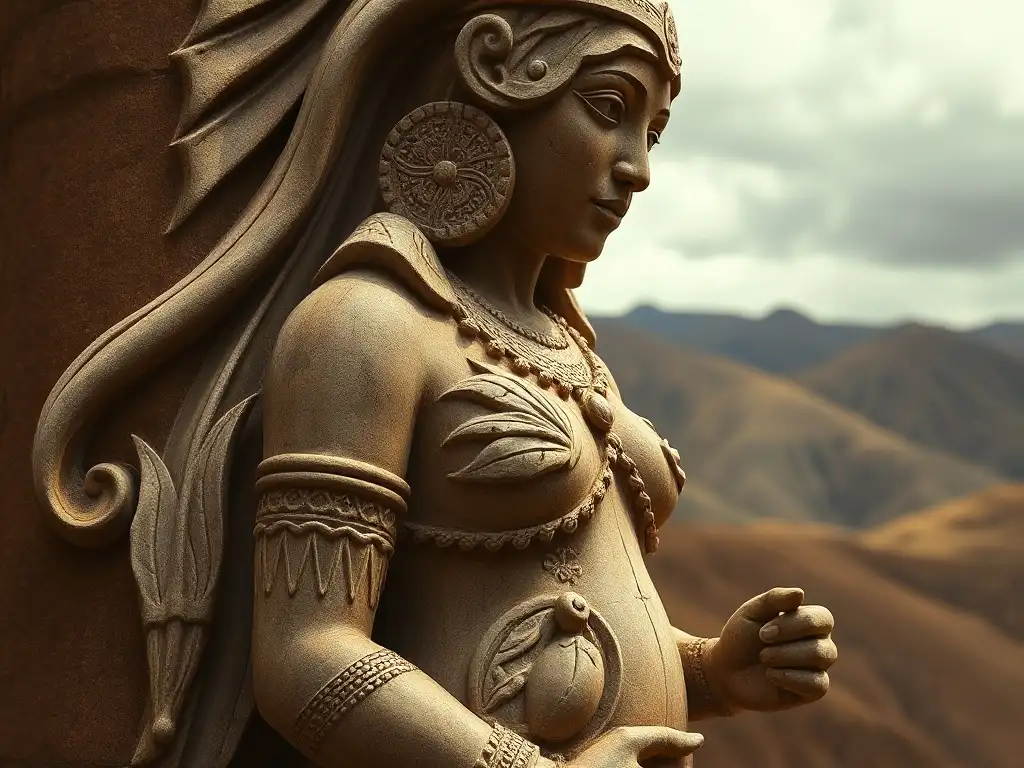
Understanding the concept of Pachamama is paramount for a comprehensive understanding of Andean civilizations. It's not merely a deity; it's a fundamental principle shaping their worldview, social structures, agricultural practices, and even artistic expressions. Ignoring Pachamama is akin to studying ancient Rome without considering the role of Jupiter or the Egyptian civilization without acknowledging Ra. The concept permeates every aspect of Andean life, offering crucial insights into their beliefs, values, and societal organization.
Without grasping this core tenet, our understanding of these fascinating cultures remains fundamentally incomplete. Analyzing Andean societies through the lens of Pachamama reveals a complex interplay between the human and natural worlds, a dynamic relationship that shaped their history and continues to resonate today. This section will explore the vital role Pachamama plays in deciphering the complexities of Andean beliefs and societal structures.
Pachamama as a Key to Deciphering Andean Beliefs
Pachamama, meaning "Mother Earth" in Quechua, transcends the simple notion of a goddess. She represents the life-giving force of the earth, a powerful entity embodying fertility, abundance, and the cyclical nature of life and death. Understanding this concept unlocks a deeper understanding of Andean religious practices.
For example, the elaborate ceremonies and rituals surrounding harvests, including offerings of coca leaves, food, and chicha (a fermented corn beverage), are not merely superstitious acts but deeply rooted expressions of gratitude and reverence for Pachamama's bounty. These rituals, meticulously documented by Spanish chroniclers and more recently by anthropologists, highlight the profound interconnectedness between the Andean people and their environment. The beliefs surrounding Pachamama also influenced their cosmology, explaining phenomena like earthquakes and volcanic eruptions as expressions of Pachamama's power and moods.
The intricate iconography found in Andean art, featuring representations of fertility and nature, further underscores the central role of Pachamama in their spiritual life. Analyzing these visual representations alongside textual evidence provides a richer understanding of their complex religious system.
Furthermore, the concept of ayni, a system of reciprocity and mutual exchange, is intrinsically linked to Pachamama. Andean communities believed that taking from the earth required giving back in return, ensuring a harmonious balance. This principle guided their agricultural practices, ensuring sustainability and respect for the environment. Failure to reciprocate was believed to incur Pachamama's wrath, leading to crop failures or other misfortunes. This belief system, deeply intertwined with the concept of Pachamama, provides a compelling explanation for the sophisticated agricultural techniques developed by Andean civilizations, reflecting a profound understanding of ecological balance.
The Role of Pachamama in the Development of Andean Societies
The influence of Pachamama extends far beyond religious beliefs; it significantly shaped the social and political structures of Andean societies. The Inca Empire, for instance, incorporated Pachamama veneration into its imperial ideology, legitimizing the ruler's authority and reinforcing social hierarchy.
The emperor was seen as a mediator between the people and Pachamama, responsible for maintaining the balance between the human and spiritual worlds. This intertwining of religion and politics is evident in the Inca's elaborate system of mit'a, a form of labor tribute, where individuals were required to contribute to communal projects, such as agriculture and infrastructure development, reflecting a societal obligation to nurture and maintain Pachamama's fertility.
The Inca's sophisticated agricultural techniques, including terracing and irrigation systems, were not simply technological advancements but also expressions of their deep respect for Pachamama. These methods aimed to maximize agricultural yields, ensuring the sustenance of the population and demonstrating a commitment to reciprocating Pachamama's gifts. The Inca's understanding of ecological balance, rooted in their veneration of Pachamama, allowed them to successfully cultivate diverse crops in challenging Andean terrains.
The success of their agricultural system, in turn, contributed to the political and economic stability of the empire. This illustrates how the concept of Pachamama was instrumental in shaping not only the spiritual life but also the social and political organization of the Inca Empire.
The Pachamama Concept as a Lens for Understanding Andean Civilizations
Considering Pachamama as a central lens allows for a more nuanced understanding of Andean civilizations. It offers a framework for interpreting their art, religion, social structures, and agricultural practices. By focusing on the relationship between humans and nature, as embodied by Pachamama, we gain insights into the Andean worldview that go beyond simplistic narratives of conquest and empire.
It allows us to appreciate the sophisticated understanding of ecological balance and sustainable resource management developed by these ancient societies. This approach challenges Eurocentric perspectives that often overlook the complexities of Andean cultures, emphasizing instead their supposed "backwardness" or lack of sophistication.
The concept of Pachamama offers a powerful corrective to such biases, highlighting the rich intellectual and spiritual traditions of Andean civilizations. Furthermore, appreciating the significance of Pachamama helps us understand the enduring legacy of these cultures, which continues to influence the lives of Andean communities today. Their deep connection to the land, their respect for the environment, and their profound understanding of ecological balance offer valuable lessons for contemporary society grappling with issues of environmental sustainability and social justice.
By acknowledging and understanding the central role of Pachamama, we can gain a far richer and more accurate understanding of the Andean civilizations and their enduring legacy. The study of Andean civilizations and the Pachamama concept remains a vibrant field of research, with ongoing discoveries continually enriching our comprehension of these remarkable cultures.
Conclusion: Embracing the Wisdom of Pachamama
This exploration of Pachamama, the Andean concept of Mother Earth, reveals a profound understanding of the interconnectedness between humanity and the natural world. Far from a mere deity, Pachamama represents a holistic worldview, a philosophy deeply woven into the fabric of Andean civilizations' social structures, agricultural practices, and spiritual beliefs. Understanding this concept offers invaluable insights into sustainable living and harmonious coexistence with our planet.
The reverence for Pachamama wasn't simply a matter of religious observance; it was a practical, everyday reality that shaped their societies and ensured their survival for centuries. The enduring legacy of this worldview provides a powerful framework for addressing contemporary environmental challenges.
The Enduring Significance of the Andean Earth Mother
The Andean Earth Mother, Pachamama, continues to hold immense significance, not only for indigenous communities in the Andes but also for those seeking sustainable and ethical ways of living. Her enduring relevance lies in her embodiment of a reciprocal relationship with nature – a relationship built on respect, reciprocity, and responsibility.
Unlike many Western worldviews that often place humans in a position of dominance over nature, the Andean concept emphasizes a balance of power, where humans are integral part of the ecosystem, not its master. This philosophy, deeply rooted in the understanding of Pachamama's life-giving power, offers a powerful counterpoint to the exploitative practices that have led to many of today's environmental problems.
The continuing veneration of Pachamama serves as a potent reminder of the interconnectedness of all living things and the need for sustainable practices. Many contemporary Andean communities continue to perform rituals and ceremonies honoring Pachamama, demonstrating the unwavering importance of this ancestral belief system.
Lessons from Andean Civilizations for Our Relationship with Nature
The wisdom embedded within the Andean civilizations' relationship with Pachamama offers several key lessons for contemporary societies grappling with environmental degradation and climate change. Firstly, it highlights the importance of sustainable resource management. Andean agricultural techniques, often characterized by terracing and crop rotation, demonstrate a deep understanding of ecological balance and the need to work with nature, not against it.
Secondly, the concept underscores the need for community-based stewardship. The collective responsibility for the well-being of Pachamama fostered a strong sense of communal ownership and respect for the environment. Finally, it emphasizes the crucial role of spiritual connection in fostering environmental responsibility.
The deep spiritual reverence for Pachamama instilled a sense of responsibility and respect that extended beyond mere economic considerations. By re-examining and integrating these principles into our own approaches to environmental stewardship, we can move towards a more sustainable and harmonious future. The Andean model provides a powerful alternative to the anthropocentric views that have dominated Western thought for centuries.
Reflecting on the Legacy of Pachamama and its Relevance to Current Global Challenges
The concept of Pachamama, with its emphasis on reciprocity, respect, and interconnectedness, offers a valuable framework for addressing contemporary global challenges. Climate change, biodiversity loss, and resource depletion are all manifestations of a worldview that separates humans from nature. The Andean worldview, centered on Pachamama, provides a powerful alternative, highlighting the need for a paradigm shift towards a more holistic and sustainable approach.
By acknowledging our integral role within the ecosystem and adopting practices that prioritize ecological balance, we can begin to heal the damage inflicted on our planet. The lessons learned from the Andean civilizations' reverence for Pachamama are not merely historical curiosities; they are essential tools for building a more sustainable and equitable future. The ongoing discussions surrounding environmental justice and indigenous rights further underscore the enduring relevance of Pachamama's legacy in the context of current global challenges.
The Andean civilizations' understanding of Pachamama provides a powerful and relevant model for navigating the complexities of the 21st century. The wisdom of Pachamama offers a path toward a more harmonious and sustainable relationship with our planet.
Frequently Asked Questions
What is Pachamama?
Pachamama is the Andean concept of Mother Earth, a revered deity representing fertility, abundance, and the interconnectedness of all living things. She is a vital part of Andean spirituality and daily life.
How did the Andean civilizations view Pachamama?
Andean civilizations saw Pachamama as a powerful and life-giving force, deserving of respect and offerings. Their worldview was deeply intertwined with the natural world, viewing her as a provider and protector.
What kind of offerings were given to Pachamama?
Offerings to Pachamama varied but often included food, drink, coca leaves, and other items of significance. These were intended to express gratitude and ensure continued prosperity. Ceremonies were often performed at sacred sites.
How is the Pachamama concept relevant to modern Andean cultures?
The Pachamama concept remains highly relevant in modern Andean communities. Many traditions and practices related to her worship and veneration continue to this day, demonstrating the enduring power of this ancient belief system.
How does the Pachamama concept relate to the broader theme of Andean civilizations?
The Pachamama concept is central to understanding Andean civilizations. It provides insights into their worldview, spiritual beliefs, agricultural practices, and social structures, reflecting a deep connection to the land and its resources.
Final Reflection: The Enduring Legacy of Pachamama
The reverence for Pachamama, Mother Earth, is not a relic of the past; it's a vital framework for understanding our present ecological crisis. The interconnectedness of human life and the natural world, so profoundly embodied in the Andean worldview, offers a powerful antidote to the exploitative practices that dominate contemporary society. Ignoring this ancient wisdom comes at a steep cost, threatening not only the delicate balance of our planet but also the very fabric of our collective future.
The enduring influence of Pachamama’s concept on Andean cultures, and indeed on the growing global movement towards environmental sustainability, is undeniable. It's a testament to the enduring power of a worldview that prioritizes harmony with nature over dominance. This deep-seated respect for the Earth as a living entity, a provider deserving of gratitude and protection, resonates deeply with me. The Earth is what we all have in common.
- Wendell Berry. This simple statement encapsulates the core message of Pachamama's legacy: our shared responsibility for the planet's well-being.
Consider, for a moment, the implications of embracing a Pachamama-inspired perspective in your own life. How might a deeper appreciation for the interconnectedness of all living things influence your consumption habits, your relationship with the natural world, and your contribution to a more sustainable future? Let the wisdom of the Andes inspire you to act, to cultivate a more harmonious relationship with the Earth, and to become a steward of Pachamama's gifts for generations to come.
Embrace Pachamama: Act Now for a Greener Tomorrow!
Thank you for exploring the profound concept of Pachamama with us! Your interest shows a commitment to understanding and respecting the Earth's invaluable gifts. This understanding can inspire both your thoughts and actions, leading to a more sustainable future.
Here are some impactful ways you can celebrate and contribute:
- Take the Pachamama Pledge: Commit to reducing your environmental impact. Start small, by using reusable bags and reducing your plastic consumption. Every little bit helps!
- Learn about Andean traditions: Discover local events or workshops celebrating Andean culture and its connection to nature. These traditions often offer valuable insights into sustainable living.
- Share your commitment: Spread awareness of Pachamama by sharing this article with friends or starting a conversation on social media about how we can all better care for our planet.
What unique ways can you integrate respect for the Earth into your daily life? Let's start a conversation!