
Water and Time in the Andes: The Sacred Flow of Life

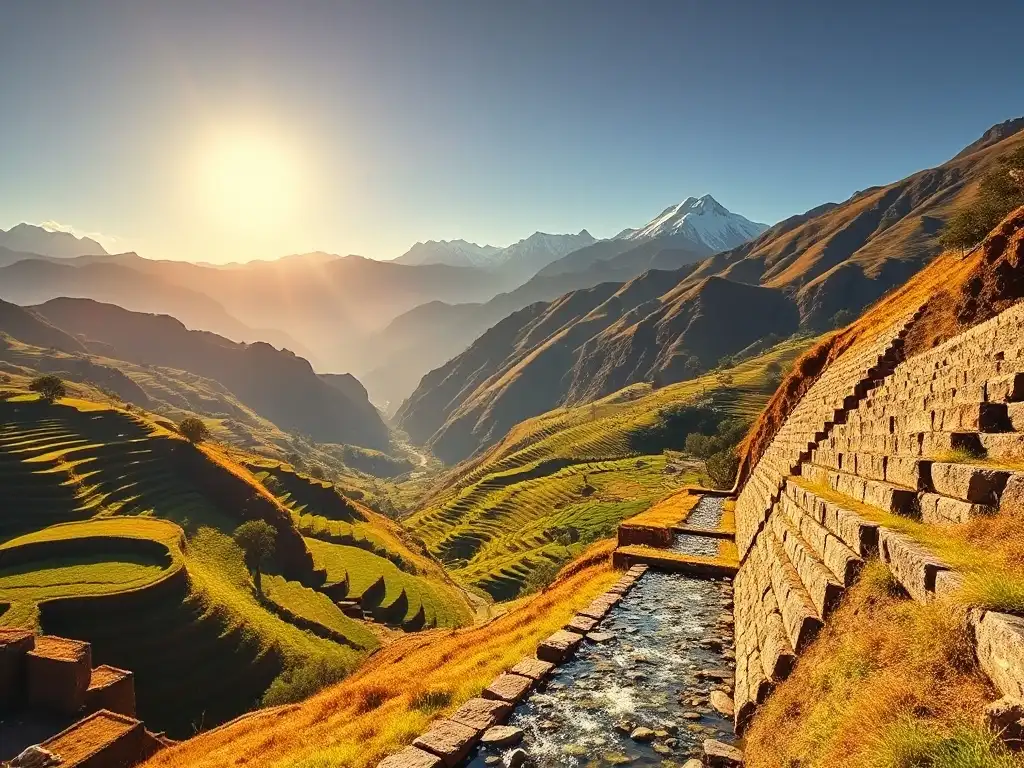
Step into a world lost to time, yet echoing with the whispers of a masterful civilization. Imagine a landscape sculpted not just by nature, but by ingenuity—a testament to the profound understanding of the Andes’ ancient inhabitants. This is the story of Andean civilizations water management, a crucial element in their complex cosmology and a key to unlocking the secrets of their enduring legacy.
Discover how the sacred flow of life shaped their world, and prepare to be amazed by the ingenuity behind their mastery of water in the heights of the Andes. Dive in and unravel the mysteries of "Water and Time in the Andes: The Sacred Flow of Life."
The Andes Mountains, a spine of colossal peaks piercing the sky, have shaped not only the geography of South America but also the very essence of the Andean civilizations. For millennia, these cultures—including the Incas, Moche, Nazca, and Tiahuanaco—have thrived in a landscape defined by dramatic altitude variations and unpredictable water cycles.
Understanding their relationship with water is crucial to grasping their sophisticated cosmology, intricate social structures, and remarkable engineering feats. This article delves into the profound connection between water and time in the Andean worldview, exploring how this vital resource shaped their understanding of the cosmos, their societal organization, and their enduring legacy.
We will examine how Andean civilizations, masters of water management, viewed water not merely as a necessity for survival but as a sacred element intimately interwoven with the fabric of time itself, reflecting their unique perspective on the universe and their place within it. This exploration of "Andean civilizations water management" will reveal a complex interplay of practical ingenuity and deeply spiritual beliefs.
The Andean Worldview: Interconnectedness of Water and Time
The Andean worldview is characterized by a profound sense of interconnectedness between all living things and the natural world. Time, in this context, is not a linear progression but a cyclical process, reflecting the rhythms of nature—the seasons, the celestial movements, and most significantly, the flow of water. Water, in its various forms—from glacial meltwater cascading down the mountains to the carefully channeled irrigation systems—was seen as a life-giving force, a tangible manifestation of the divine.
The cyclical nature of water, its constant movement from source to sea and back again through evaporation and precipitation, mirrored the cyclical understanding of time prevalent in Andean cultures. This cyclical perspective is reflected in their agricultural practices, their religious ceremonies, and their intricate systems of water management, all designed to harmonize with the natural rhythms of the Andes.
The abundance or scarcity of water directly impacted their lives, influencing agricultural yields, social stability, and their spiritual understanding of the world. 🌎
Andean Civilizations and Their Deep Connection to Water
The ingenuity of Andean civilizations in harnessing and managing water resources is truly remarkable. Their mastery of hydraulic engineering stands as a testament to their deep understanding of hydrology and their ability to adapt to the challenging Andean environment. From the sophisticated irrigation systems of the Nazca to the intricate aqueducts of the Incas, these societies developed innovative techniques to capture, store, and distribute water, ensuring the survival and prosperity of their communities.
These weren't simply practical solutions; they were deeply embedded within their spiritual and cosmological beliefs, reflecting their reverence for water as a sacred and life-giving force. The very act of managing water was an act of participating in the cosmic dance of life, a way of aligning themselves with the natural rhythms of the Andes.
The Importance of Water in Ancient Andean Societies
Water was fundamental to the survival of Andean societies. It sustained agriculture, the cornerstone of their economies. The cultivation of crops like potatoes, maize, and quinoa demanded sophisticated irrigation techniques to cope with the arid conditions in many parts of the Andes. The absence of sufficient water led to droughts, famine, and social unrest.
Therefore, controlling and distributing water was not just a matter of practicality; it was a critical aspect of social organization and political power. Access to water resources often determined the prosperity and influence of different communities, shaping their social hierarchies and political structures. The control of water sources became a powerful tool for maintaining social order and ensuring the continuity of life.
Water as a Vital Element in Andean Cosmology
In Andean cosmology, water held a sacred and symbolic significance far beyond its practical uses. It was often associated with deities and powerful spirits, representing fertility, abundance, and the life force itself. Many Andean myths and legends feature water as a central theme, highlighting its importance in their spiritual beliefs. The cyclical nature of water—its constant movement and transformation—mirrored the cyclical nature of time and the universe itself.
Water was seen as a powerful force that connected the earthly realm with the spiritual world, a conduit for communication between humans and the divine. This profound spiritual connection to water is reflected in their religious ceremonies, rituals, and artistic representations, reinforcing the integral role of water in their worldview. The intricate relationship between water, time, and the cosmos shaped their understanding of life, death, and the cyclical nature of existence. 🔄
Time as a Cyclical Force: The Rhythm of Water
The Andean worldview fundamentally differs from Western linear conceptions of time. Instead of a unidirectional arrow, time is perceived as cyclical, mirroring the recurring patterns of nature, particularly the water cycle. The constant flow of water—from rainfall to rivers, to irrigation channels, and finally back to the earth—became a powerful metaphor for the cyclical nature of life, death, and rebirth.
This cyclical understanding is deeply embedded in Andean cosmology, influencing their agricultural practices, social structures, and spiritual beliefs. The predictable rhythms of the rainy and dry seasons dictated the agricultural calendar and shaped the daily lives of Andean communities.
The cyclical nature of water, therefore, wasn't just a physical reality; it was a sacred framework for understanding the universe and their place within it. This deep connection between water's cyclical nature and their perception of time is evident in their intricate calendar systems and agricultural practices, which were meticulously aligned with the seasonal patterns of water availability.
Andean Perception of Time: Beyond Linearity
Unlike Western cultures that often view time as a linear progression, Andean civilizations embraced a more holistic and cyclical understanding. This wasn't simply a matter of recognizing seasonal changes; it was a profound philosophical perspective that permeated all aspects of life. Time wasn't seen as a commodity to be measured and managed, but rather as an interwoven fabric connecting the past, present, and future.
Ancestral spirits, for instance, were believed to actively participate in the present, their influence felt through the cycles of nature. This understanding is reflected in their intricate ceremonies and rituals, often tied to specific times of the year when the water cycle reached crucial points, such as the beginning of the rainy season or the melting of Andean glaciers.
This cyclical view fostered a deep respect for the past and a strong sense of continuity across generations. The cyclical nature of time also provided a sense of hope and renewal, as the end of a cycle always signified the beginning of another.
Water Cycles and the Andean Agricultural Calendar
The Andean agricultural calendar was intricately linked to the water cycle. Precise observations of rainfall patterns, snowmelt, and river flows allowed them to develop highly sophisticated agricultural techniques. Their understanding of these cycles was not simply based on observation; it was interwoven with their spiritual beliefs. Certain rituals and ceremonies were performed at specific times of the year to ensure a bountiful harvest, often involving offerings to water deities or spirits associated with specific water sources.
The calendar was not a rigid structure but rather a flexible framework that adapted to the variations in water availability from year to year. Farmers learned to anticipate changes in weather patterns and adjust their planting and harvesting schedules accordingly, demonstrating a remarkable level of ecological awareness and adaptability. This intimate relationship between the water cycle and the agricultural calendar highlights the profound integration of nature, time, and human activity in Andean society.
Andean Civilizations Water Management: Ingenious Techniques
Andean civilizations developed remarkable water management systems, reflecting their deep understanding of hydrology and engineering. Their ingenuity in harnessing water resources is evident in the sophisticated irrigation networks, terraced fields, and water storage facilities they constructed across diverse landscapes. These systems were not merely practical solutions to water scarcity; they were integral to their cosmology, reflecting a profound respect for water as a sacred element.
The impressive scale and complexity of these systems demonstrate a remarkable level of social organization and collaborative effort, showcasing their advanced understanding of hydraulic engineering and their ability to mobilize large workforces for long-term projects. The legacy of their water management techniques continues to inspire modern-day engineers and sustainability initiatives.
Terracing and Irrigation Systems: A Legacy of Andean Engineering
The Andes' steep slopes presented a significant challenge to agriculture, but Andean ingenuity overcame this obstacle through the development of sophisticated terracing systems. These terraced fields, carved into mountainsides, not only increased the amount of cultivatable land but also helped to conserve water and reduce soil erosion. Complex irrigation channels, often built using intricate stonework, carefully directed water to the terraces, ensuring an even distribution throughout the growing season.
The construction of these systems required meticulous planning, advanced surveying techniques, and considerable labor, demonstrating a remarkable level of engineering expertise and collaborative effort. The precise alignment and construction of these terraces and channels suggest a profound understanding of hydrology and topography. These systems represent a remarkable feat of engineering, reflecting the Andean civilizations' deep understanding of their environment and their ability to adapt to challenging conditions.
The Significance of Water Reservoirs and Aqueducts
Beyond terracing and irrigation, Andean civilizations also constructed impressive water reservoirs and aqueducts to manage water resources effectively. These structures played a crucial role in ensuring a reliable water supply, especially during dry seasons. Reservoirs, often built using stone or earth, collected rainwater and snowmelt, providing a vital source of water for irrigation and domestic use. Aqueducts, some of which were remarkably long and complex, channeled water from distant sources to populated areas and agricultural fields.
The construction of these structures required sophisticated engineering skills, including the ability to manage water pressure and gradients. The presence of these extensive water storage and distribution systems highlights the importance of water in Andean society and their commitment to long-term water security. These systems were not only functional but also held symbolic significance, reflecting a deep reverence for water as a life-giving force.
The Moche Culture and Their Mastery of Water Control
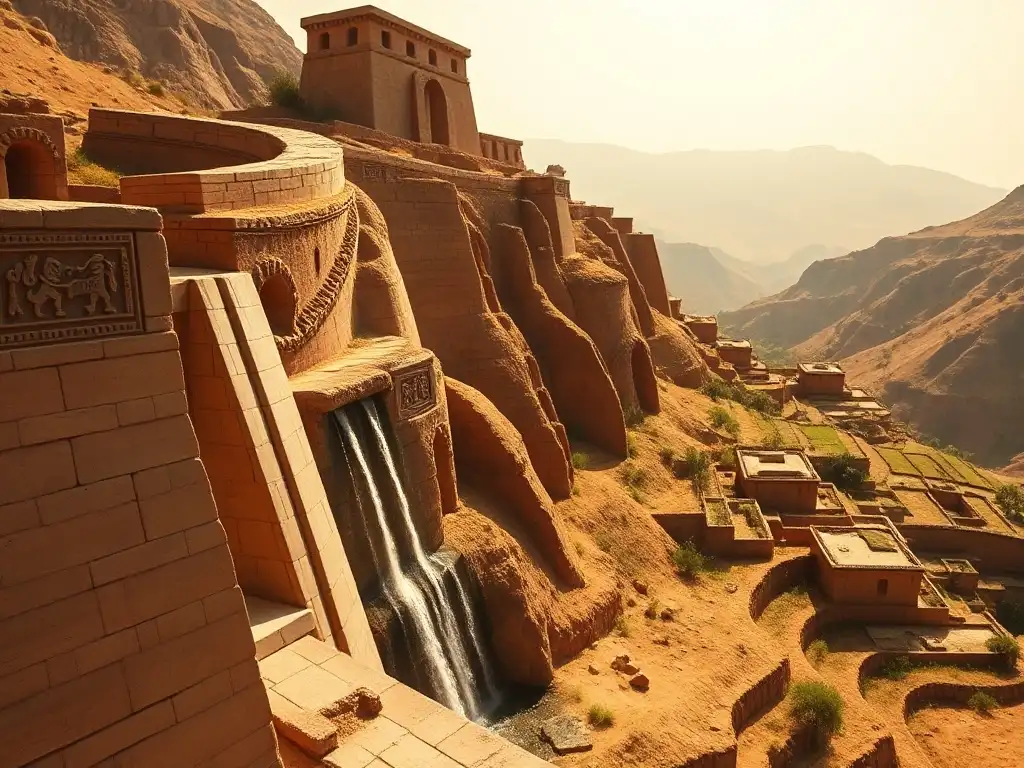
The Moche civilization (circa 100-800 CE), flourishing along the arid north coast of Peru, developed sophisticated water management techniques crucial for their survival and prosperity. Their ingenuity in harnessing scarce water resources stands as a testament to their deep understanding of their environment and their ability to adapt to its challenges. The Moche weren't simply concerned with practical irrigation; their relationship with water was deeply intertwined with their religious beliefs and social structures.
This complex interplay between practical necessity and spiritual significance shaped their unique approach to water management. The scale and complexity of their projects are remarkable, considering the tools and technologies available to them.
Their success highlights the importance of community organization and collaborative effort in tackling large-scale engineering challenges, a theme echoed in many Andean civilizations' approaches to water management. The Moche's legacy continues to inspire awe and admiration for their ability to thrive in a seemingly inhospitable environment.
Moche Water Engineering Projects: An Example of Precision
One striking example of Moche water engineering is their extensive canal systems. These weren't simple ditches; they were carefully planned and constructed networks that channeled water from rivers and streams to agricultural fields, often over considerable distances and across varied terrains. Archaeological evidence reveals the use of sophisticated techniques such as terracing, which allowed them to cultivate slopes effectively, maximizing land use and water retention.
They also employed sophisticated methods of diverting water from rivers, constructing intricate systems of dams, reservoirs, and aqueducts to ensure a consistent supply of water to their fields. The precision of their work is evident in the meticulous alignment of canals and the durable construction of their water management infrastructure, which in some cases, still bears witness to their ingenuity centuries later. These projects demonstrate not only their technical prowess but also their deep understanding of hydraulic principles and their ability to design and implement complex engineering solutions.
The scale and efficiency of these systems are a testament to the Moche's organizational skills and ability to mobilize their workforce for large-scale projects. Further research continues to unearth the intricacies of their water management techniques, revealing even more about their remarkable achievements.
The Moche and the Ritual Significance of Water
Beyond its practical applications, water held profound religious significance for the Moche. Their iconography, depicted vividly in their pottery and other artifacts, frequently portrays water deities and scenes of ritualistic offerings related to water. Water was often associated with fertility, abundance, and life itself, reflecting its crucial role in their agricultural economy and their worldview.
The Moche believed that the successful management of water resources was not only a matter of technical skill but also a matter of maintaining harmony with the supernatural world. Rituals and ceremonies aimed to appease the water deities and ensure a bountiful supply of water for their crops.
This deep spiritual connection to water is reflected in the careful planning and construction of their water management systems, suggesting that these projects were not merely utilitarian but also had a symbolic and ritualistic dimension. The Moche's approach highlights the interconnectedness between their practical needs and their spiritual beliefs, emphasizing the importance of both material and spiritual aspects in their lives.
Inca Water Management and Its Impact on the Empire
The Inca Empire (1438-1533 CE), renowned for its vast expanse and sophisticated administrative structures, also demonstrated remarkable skills in water management. Their mastery of hydraulic engineering played a critical role in supporting their large population and sustaining their extensive agricultural activities. The Inca's approach to water management was characterized by its scale, its integration into their broader imperial system, and its remarkable efficiency.
They developed sophisticated techniques for storing, transporting, and distributing water across diverse landscapes, from the high Andes to the coastal valleys. This ability to manage water resources effectively was crucial for the empire's stability and prosperity. Their systems were not only practical but also reflected their worldview and social organization.
The Inca Irrigation System: A Network of Efficiency
The Inca irrigation system was a marvel of engineering, a testament to their understanding of hydrology and their ability to organize large-scale labor projects. They constructed extensive networks of canals, aqueducts, and reservoirs, often traversing challenging terrain. These systems were not only efficient in delivering water to agricultural fields but also demonstrated a remarkable understanding of water distribution and management principles.
The Inca's ability to create level channels across uneven landscapes, using techniques like terracing and diverting water from mountain streams, is a testament to their engineering skills. They also developed sophisticated methods for maintaining their water systems, ensuring that they remained functional for extended periods.
The intricate network of canals and reservoirs was not only crucial for agriculture but also played a significant role in their urban planning, facilitating water supply to their cities and towns. Archaeological evidence continues to reveal the complexity and scale of their irrigation systems, highlighting the sophistication of their engineering and organizational capabilities.
The Inca and the Spiritual Significance of Water
For the Inca, water was not merely a resource but a sacred element, deeply connected to their religious beliefs and cosmology. Water was associated with life, fertility, and the divine, and its management was considered a sacred responsibility. The Inca worldview emphasized the importance of maintaining harmony with the natural world, and their water management practices reflect this philosophy.
They incorporated religious rituals and ceremonies into their water management practices, seeking to appease the deities associated with water and ensure the continued flow of this vital resource. This spiritual dimension of their water management highlights the interconnectedness between their practical needs and their spiritual beliefs, a common theme in Andean civilizations.
The Inca’s reverence for water, demonstrated in their rituals and the careful planning of their water systems, contributed to the overall sustainability and success of their empire. The importance of water in their worldview underscores the deep connection between humans and nature that characterized Inca society.
The Nazca Lines and Their Possible Connection to Water
The Nazca Lines, enigmatic geoglyphs etched into the Peruvian desert, continue to fascinate and puzzle researchers. While their precise purpose remains debated, a compelling theory links them to water management practices within the Nazca culture. The arid coastal plains of southern Peru presented significant challenges to the Nazca, who developed sophisticated irrigation systems to survive.
Some scholars suggest that the lines, particularly those resembling stylized rivers or channels, may have served as a form of ritual or symbolic representation of these crucial water sources. The lines' alignment with astronomical events could further support this hypothesis, suggesting a complex interplay between celestial observation, water availability, and religious beliefs. The intricate network of canals and aqueducts built by the Nazca demonstrates a deep understanding of hydrology and a profound respect for water's life-giving power.
Their ingenious solutions to water scarcity, reflected perhaps in the lines themselves, highlight the central role of water in their worldview. Further research, combining archaeological findings with astronomical and hydrological analyses, could shed more light on this intriguing connection. The Nazca's mastery of water management, a testament to their ingenuity and resilience, continues to inspire awe and admiration.
Nazca Geoglyphs: Tracing the Path of Water
Many Nazca lines bear a striking resemblance to stylized rivers, canals, or even underground water channels. This observation has led some researchers to propose a direct connection between the geoglyphs and the Nazca's sophisticated irrigation systems. The lines could have served as visual representations of these vital water routes, perhaps used for ritual purposes or to guide water flow.
The precise alignment of certain lines with known underground water sources further strengthens this hypothesis. Considering the Nazca's advanced understanding of hydrology, it's plausible that the geoglyphs served as both practical and symbolic markers within their intricate water management infrastructure. The creation and maintenance of these monumental earthworks would have required significant communal effort, highlighting the importance of water cooperation and resource management within Nazca society.
Analyzing the geoglyphs' relationship to the known water sources could reveal more about the Nazca's understanding of their environment and their ability to adapt to its challenges. This connection deserves further investigation to fully understand the intricate relationship between the Nazca Lines and their water management practices.
Water Rituals and the Nazca Culture
The Nazca civilization's reverence for water extended beyond practical applications. Evidence suggests that water played a central role in their religious and ceremonial practices. The scarcity of water in their environment likely intensified its spiritual significance.
Archaeological findings, such as depictions of water deities and ritual objects related to water sources, underscore the importance of water in their cosmology. The Nazca people may have conducted ceremonies to ensure the abundance and purity of their water supplies, appealing to supernatural forces for assistance in managing this precious resource. These rituals could have involved offerings, prayers, and processions related to water sources, reflecting a deep-seated belief in the sacred nature of water.
Furthermore, the intricate designs of their pottery often depict stylized representations of water, reinforcing the importance of this element in their cultural identity. Understanding these rituals provides invaluable insights into the Nazca worldview and their relationship with their environment. The interwoven nature of their practical and spiritual approaches to water management exemplifies a holistic perspective on life and survival in a challenging landscape.
Tiahuanaco Civilization and Their Advanced Water Management Systems
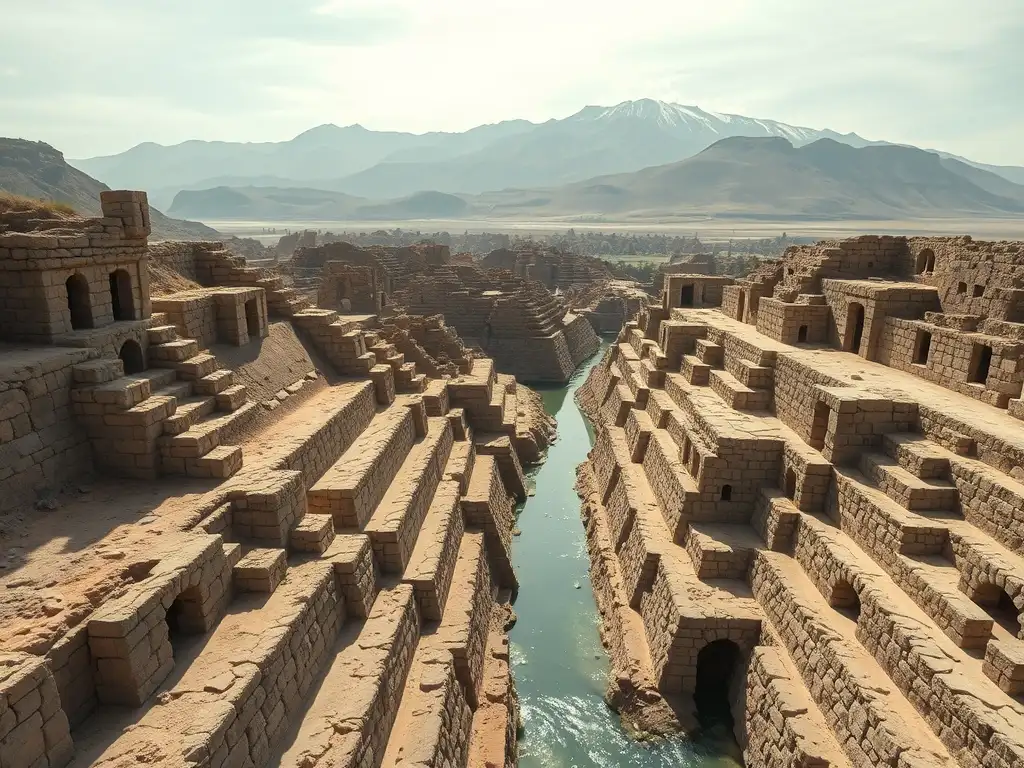
The Tiahuanaco civilization, flourishing in the high Andes around Lake Titicaca, developed remarkably advanced water management systems to support its large urban population and intensive agriculture. Their success hinged on their ability to harness and control the water resources available in their high-altitude environment, which was characterized by fluctuating water levels and challenging terrain. The sophistication of their engineering is evident in their intricate canal systems, sophisticated irrigation techniques, and monumental architecture designed to manage water flow.
These systems were not merely functional; they were integrated into the city's overall design, reflecting a deep understanding of the interplay between water, agriculture, and urban development. The Tiahuanaco's approach to water management exemplifies the ingenuity and adaptability of Andean civilizations in the face of environmental challenges. Their expertise in hydraulic engineering served as a foundation for subsequent Andean cultures, highlighting the enduring legacy of their achievements.
Tiahuanaco Water Control: Adapting to a High-Altitude Environment
The high altitude of Tiahuanaco presented unique challenges to water management. The region experiences significant variations in temperature and precipitation, demanding sophisticated solutions to ensure a reliable water supply. Tiahuanaco's engineers addressed these challenges with impressive ingenuity. They constructed intricate networks of canals and aqueducts to divert water from natural sources, such as Lake Titicaca and mountain streams, to agricultural fields and urban areas. These systems were designed to regulate water flow, preventing flooding and ensuring consistent irrigation throughout the year. Their understanding of water dynamics and their ability to adapt their systems to the specific environmental conditions demonstrate a remarkable level of technological prowess. The construction of these systems required significant labor and coordination, reflecting the importance of collective action and social organization within Tiahuanaco society. The remarkable success of their water management systems underscores their deep understanding of their environment and their capacity to overcome significant technological hurdles.
Tiahuanaco's Water Infrastructure and Urban Planning
The Tiahuanaco's water infrastructure was not merely a collection of independent canals and aqueducts. Instead, it was intricately integrated into the city's overall urban plan. The arrangement of buildings, plazas, and agricultural fields reflects a deliberate design intended to optimize water distribution and utilization. The city's layout facilitated the efficient movement of water throughout the urban environment, ensuring that both residential and agricultural areas had access to a reliable supply.
The integration of water management into urban planning demonstrates a sophisticated understanding of the relationship between infrastructure, social organization, and environmental sustainability. The Tiahuanaco's achievement highlights the importance of a holistic approach to urban development, where water management was not an afterthought, but a fundamental aspect of their urban design. This integrated approach, combining engineering prowess with a deep understanding of environmental dynamics, remains a testament to their advanced civilization.
The Modern Legacy of Andean Water Management
The ingenuity of Andean civilizations in water management continues to resonate today. Their sophisticated systems, developed over millennia to thrive in challenging environments, offer valuable lessons for contemporary water resource management. Many communities in the Andes still utilize variations of ancient techniques, demonstrating their enduring practicality and adaptability.
For instance, the intricate network of canals and reservoirs built by the Incas, while significantly altered over time, still forms the basis of irrigation systems in certain regions. These systems, though often repaired and adapted to modern needs, provide a testament to the long-term sustainability of the original designs. The careful observation of water flow, the understanding of microclimates, and the collaborative management strategies employed by ancient Andean communities continue to inform modern approaches to water conservation and equitable distribution.
Understanding these historical practices allows us to better appreciate the challenges and successes of water management in the region, and also provides a valuable framework for developing sustainable solutions for future generations. The enduring relevance of ancient Andean water management is a powerful example of how understanding the past can inform the present and shape a more sustainable future.
Lessons from Ancient Andean Water Management Practices
Ancient Andean civilizations developed a deep understanding of hydrology and implemented sophisticated water management systems tailored to their specific environments. The Nazca lines, for example, while famously enigmatic in their overall purpose, may have played a role in water management, possibly indicating water sources or facilitating irrigation. The Incas, known for their extensive empire, constructed impressive canal systems, using advanced techniques to divert water from rivers and streams, irrigating vast agricultural terraces.
These terraces, built into the steep Andean slopes, maximized arable land and minimized soil erosion, showcasing a remarkable understanding of sustainable land use practices. The Moche culture, renowned for their sophisticated irrigation systems, developed extensive networks of canals and reservoirs to support their agriculture. Careful observation of seasonal rainfall patterns and the construction of reservoirs allowed them to store water for use during drier periods, ensuring agricultural stability.
These practices highlight not only engineering prowess but also a deep understanding of ecological balance and resource management. These ancient techniques offer invaluable lessons on water conservation, efficient irrigation, and community-based resource management, principles which remain crucial in addressing modern water challenges.
Sustainable Water Practices Inspired by Andean Civilizations
Modern sustainable water practices are increasingly drawing inspiration from the innovative and environmentally conscious approaches employed by ancient Andean civilizations. The concept of ayni, a reciprocal system of exchange and mutual support central to Andean societies, finds echoes in contemporary collaborative water management initiatives. These initiatives promote community participation and shared responsibility in managing water resources, ensuring equitable distribution and preventing conflicts.
The use of traditional techniques, such as the construction of andenes (terraces) and the management of water through canals and reservoirs, are being revived and adapted to modern contexts. These methods, when combined with modern technologies, offer sustainable solutions to water scarcity and environmental degradation. For example, the use of andenes in conjunction with rainwater harvesting techniques can significantly increase water availability in arid regions.
Furthermore, the integration of traditional knowledge with modern scientific understanding is crucial in developing effective and sustainable water management strategies for the Andes and beyond. The revival and adaptation of these ancient practices offer a promising path towards a more sustainable and equitable future.
The Sacred Flow: Water as a Symbol of Life and Time
Water in Andean cosmology holds a deeply spiritual significance, representing not only the lifeblood of the land but also the cyclical flow of time itself. The continuous movement of water, from the high mountains to the valleys and eventually to the sea, reflects the cyclical nature of life, death, and rebirth. Rivers and springs were often considered sacred sites, places where the spiritual and physical worlds intersected. Many Andean communities continue to maintain traditional ceremonies and rituals associated with water, demonstrating the enduring importance of this element in their worldview.
The reverence for water is intertwined with a deep understanding of its vital role in sustaining life and shaping the landscape. This spiritual connection fostered a responsible stewardship of water resources, ensuring their sustainable use for generations. This profound spiritual connection highlights the holistic approach of Andean civilizations to their environment, where the sacred and the practical were inseparable.
The Spiritual Significance of Water in Andean Culture
Water's spiritual significance in Andean culture is profoundly embedded in its cosmology and mythology. Many Andean creation myths describe the emergence of life from water, associating it with the origin and renewal of the world. Water is often seen as a source of power and fertility, essential for agricultural prosperity and the well-being of communities.
Sacred sites associated with water, such as springs, lakes, and waterfalls, were often places of pilgrimage and ritual, where offerings were made to ensure the continued flow of water and the prosperity of the land. The spiritual veneration of water fostered a sense of responsibility and respect towards this vital resource, emphasizing its sustainable use and conservation.
This spiritual connection, deeply rooted in the Andean worldview, shaped the development of sophisticated water management systems, reflecting a holistic approach where the spiritual and the practical were intrinsically linked. The enduring reverence for water underscores the importance of this element in maintaining cultural identity and promoting sustainable practices.
The Enduring Connection Between Water, Time and Life in the Andes
The connection between water, time, and life in the Andes remains a powerful force shaping the region's culture and environment. The cyclical flow of water, mirroring the cyclical nature of life, continues to inform the worldview of many Andean communities. The intricate systems of water management developed by ancient civilizations, though adapted to modern needs, still reflect a deep understanding of the interconnectedness of water, time, and life.
The sustainable practices employed by these cultures provide valuable lessons for modern societies struggling with water scarcity and environmental degradation. Understanding this enduring connection is crucial for appreciating the rich cultural heritage of the Andes and for developing effective strategies for sustainable water management in the region.
The continuing reverence for water, deeply rooted in Andean cosmology, serves as a powerful reminder of the importance of respecting and protecting this vital resource for future generations. The legacy of Andean civilizations offers a compelling case study in the intricate relationship between culture, spirituality, and environmental stewardship.
- The Andean Worldview: Interconnectedness of Water and Time
- Andean Civilizations and Their Deep Connection to Water
- Time as a Cyclical Force: The Rhythm of Water
- Andean Civilizations Water Management: Ingenious Techniques
- The Moche Culture and Their Mastery of Water Control
- Inca Water Management and Its Impact on the Empire
- The Nazca Lines and Their Possible Connection to Water
- Tiahuanaco Civilization and Their Advanced Water Management Systems
- The Modern Legacy of Andean Water Management
- The Sacred Flow: Water as a Symbol of Life and Time
- How did Andean civilizations manage water resources?
- What role did water play in Andean religion and beliefs?
- Were there differences in water management techniques between different Andean cultures?
- What impact did climate change have on Andean water management?
- How is the knowledge of ancient Andean water management relevant today?
Frequently Asked Questions
How did Andean civilizations manage water resources?
Andean civilizations developed sophisticated water management systems, including canals, aqueducts, and reservoirs, to irrigate crops and supply water to urban centers. Their techniques were adapted to the diverse mountainous terrain and varied climates of the Andes.
What role did water play in Andean religion and beliefs?
Water was considered sacred in many Andean cultures. It was seen as a life-giving force, essential for agriculture and spiritual well-being. Many rituals and ceremonies were connected to water sources.
Were there differences in water management techniques between different Andean cultures?
Yes, different cultures developed unique approaches to water management based on their specific environments and needs. For example, the Nazca's expertise in underground canals contrasted with the Inca's large-scale terrace farming.
What impact did climate change have on Andean water management?
Changes in precipitation patterns and glacial melt presented challenges to Andean water management systems. Droughts and floods impacted agricultural production and the availability of drinking water. Communities adapted and innovated, but faced significant difficulties.
How is the knowledge of ancient Andean water management relevant today?
Understanding ancient Andean water management techniques offers valuable insights for sustainable water practices in modern times. Their innovative solutions to water scarcity can inform contemporary approaches to irrigation, conservation, and drought resilience.
Final Reflection: The Enduring Legacy of Andean Water Wisdom
The ingenious water management systems of the Andean civilizations remain a potent symbol of human ingenuity and a stark reminder of our precarious relationship with water in the face of climate change. Their sophisticated understanding of hydrology and their deeply spiritual connection to water offer invaluable lessons for a world grappling with increasing water scarcity and environmental degradation. We stand at a critical juncture, where the past holds the key to a more sustainable future.
The enduring influence of Andean water management practices extends far beyond the archaeological record; it continues to shape the cultural identity and agricultural practices of communities across the Andes. Their reverence for water, woven into their cosmology and daily lives, serves as a powerful counterpoint to our often exploitative relationship with this precious resource. Water is not merely a physical substance; it is the lifeblood of our ancestors, the spirit of our mountains, and the foundation of our future.
This sentiment, echoing through generations, underscores the profound interconnectedness between human society and the natural world, a connection that modern societies often overlook.
Consider the ingenuity of the acequias, the intricate canal systems that channeled water across vast distances, fostering agricultural prosperity for centuries. Reflect on the profound spiritual significance of water in Andean cosmology, where it is not just a resource, but a sacred entity deserving of respect and stewardship. You, too, can become a steward of water. By embracing mindful consumption, supporting sustainable water management practices, and advocating for responsible environmental policies, you can help ensure that the sacred flow of life continues to nourish future generations, just as it did for the ancient Andean civilizations.
Embrace the Flow of Life—Connect with the Sacred Waters!
Thank you for exploring the profound relationship between water and time in the Andes. Your journey through this article has revealed the deep significance these elements hold for Andean civilizations, highlighting their sacred power. Let's translate this understanding into action!
- **Deepen your understanding** by researching local water conservation efforts and exploring ways to support them. Consider volunteering your time or donating to organizations dedicated to protecting water resources.
- **Share this article** with friends and family to raise awareness about the importance of preserving these vital waterways and the rich cultural traditions they support.
- **Engage with your community** by joining local environmental groups or attending meetings focused on sustainable water practices. This allows you to actively participate in conversations about protecting these precious resources and honoring the traditions of Andean cultures.
How can you contribute to ensuring the sacred flow of life is recognized and respected in your community?