
Pre-Incan Cultures of the Coast
Discover the fascinating world of Pre-Incan Cultures of the Coast, where ancient Andean societies shaped remarkable traditions in art, religion, architecture, agriculture, and technology. Explore the enduring legacy of coastal civilizations through their intricate textiles, ceremonial objects, monumental settlements, and innovative ways of adapting to diverse environments. 🌊🏺 Uncover the origins of Andean cultural development and gain deeper insight into the history, heritage, and achievements that influenced later civilizations across South America.
Pre-Incan Cultures of the Coast reveal the extraordinary diversity, creativity, and technological achievements of ancient Andean societies that flourished long before the Inca Empire. Along the Pacific coast and neighboring regions, early civilizations developed sophisticated systems of agriculture, fishing, trade, architecture, pottery, textiles, metallurgy, and religious symbolism. Their achievements laid important foundations for later Andean cultures, including the Moche, Nazca, Chimú, and Inca.
On Andean Civilizations, explore how these communities adapted to challenging environments, from arid coastal deserts to fertile river valleys and tropical lowlands. Discover the beliefs, artistic traditions, social organization, burial customs, and technological innovations that shaped pre-Incan history. This category provides valuable insight into ancient Peru, pre-Columbian South America, Andean archaeology, coastal civilizations, and early American cultures.
🏺 The Paracas Culture
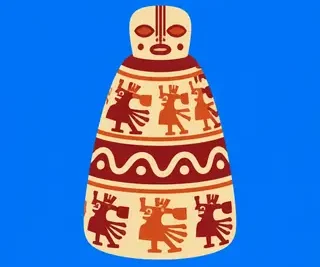
The Paracas Culture developed on the southern coast of Peru and is especially renowned for its exceptional textiles, elaborate funerary practices, and distinctive ceramics. Readers can learn about Paracas burial bundles, religious beliefs, medical knowledge, and the finely embroidered fabrics that display complex figures, supernatural beings, animals, and geometric designs. These discoveries offer a vivid view of social identity and spiritual life in ancient coastal Peru.
This section also examines how the Paracas people adapted to the desert environment through agriculture, fishing, and resource management. Expect information about Paracas chronology, archaeological sites, artistic techniques, cranial modification, and the cultural connections between Paracas and the later Nazca civilization. Detailed textile traditions and funerary archaeology make this subcategory essential for anyone studying ancient Peruvian history.
🗿 The Chavín Culture
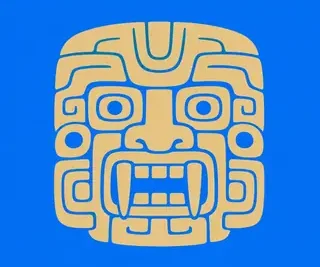
The Chavín Culture was one of the most influential early civilizations in the ancient Andes. Centered around the ceremonial site of Chavín de Huántar, this society spread religious imagery, artistic styles, and ideological traditions across large areas of Peru. Readers can explore Chavín stone sculpture, monolithic carvings, temple architecture, supernatural iconography, and the famous Lanzón, which reflects the complexity of early Andean religion.
This subcategory explains how Chavín functioned as a major ceremonial and cultural center connecting coastal and highland communities. Discover the role of pilgrimage, ritual performance, sacred animals, agricultural symbolism, and long-distance exchange in Chavín society. Chavín art and architecture provide key evidence for the development of organized religion and regional interaction in pre-Incan South America.
🌊 The Valdivia Culture
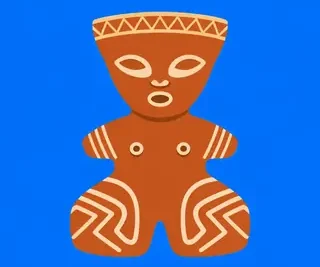
The Valdivia Culture flourished along the Pacific coast of present-day Ecuador and is recognized as one of the earliest settled societies in the Americas. This section explores Valdivia villages, agricultural practices, fishing traditions, pottery production, shell ornaments, and domestic life. Readers will discover how coastal communities created stable settlements and developed artistic traditions while making effective use of marine and terrestrial resources.
Special attention is given to Valdivia ceramics, including the famous female figurines often called “Venus” figures. These objects provide clues about identity, ritual, gender, fertility, and community life, although their precise meanings remain debated by archaeologists. Learn how the Valdivia Culture contributed to the history of early Ecuadorian civilization, ancient coastal societies, Neolithic America, and pre-Columbian pottery.
❓ Frequently Asked Questions About Pre-Incan Cultures of the Coast
What were the Pre-Incan Cultures of the Coast?
Pre-Incan coastal cultures were ancient societies that developed before the rise of the Inca Empire in areas along the Pacific coast of South America. They created advanced traditions in agriculture, fishing, architecture, textiles, ceramics, religion, and trade, influencing later Andean civilizations.
Where did these ancient coastal cultures develop?
They developed mainly along the Pacific coast of modern-day Peru and Ecuador, as well as in nearby valleys and highland regions. Important environments included desert river valleys, coastal wetlands, ocean shorelines, and tropical lowlands.
What is the Paracas Culture famous for?
Paracas is best known for its exceptionally detailed textiles, distinctive burial practices, decorated ceramics, and evidence of advanced medical procedures. Paracas embroidered fabrics are among the most important examples of ancient Andean art.
Why is the Chavín Culture important?
Chavín is important because it spread powerful religious ideas and artistic styles across much of ancient Peru. Its ceremonial center, monumental architecture, and symbolic stone carvings demonstrate the growth of organized religion and long-distance cultural exchange.
What are the Valdivia Culture’s most important achievements?
The Valdivia Culture is known for early settled villages, farming, fishing, pottery, shell craftsmanship, and figurines. It provides important evidence for the development of complex communities and ceramic traditions in ancient coastal Ecuador.