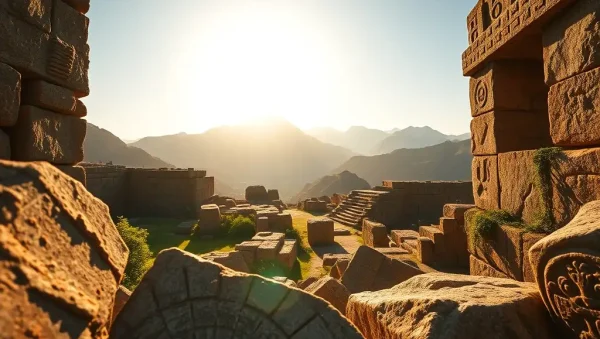
Pre-Incan Cultures of the Coast

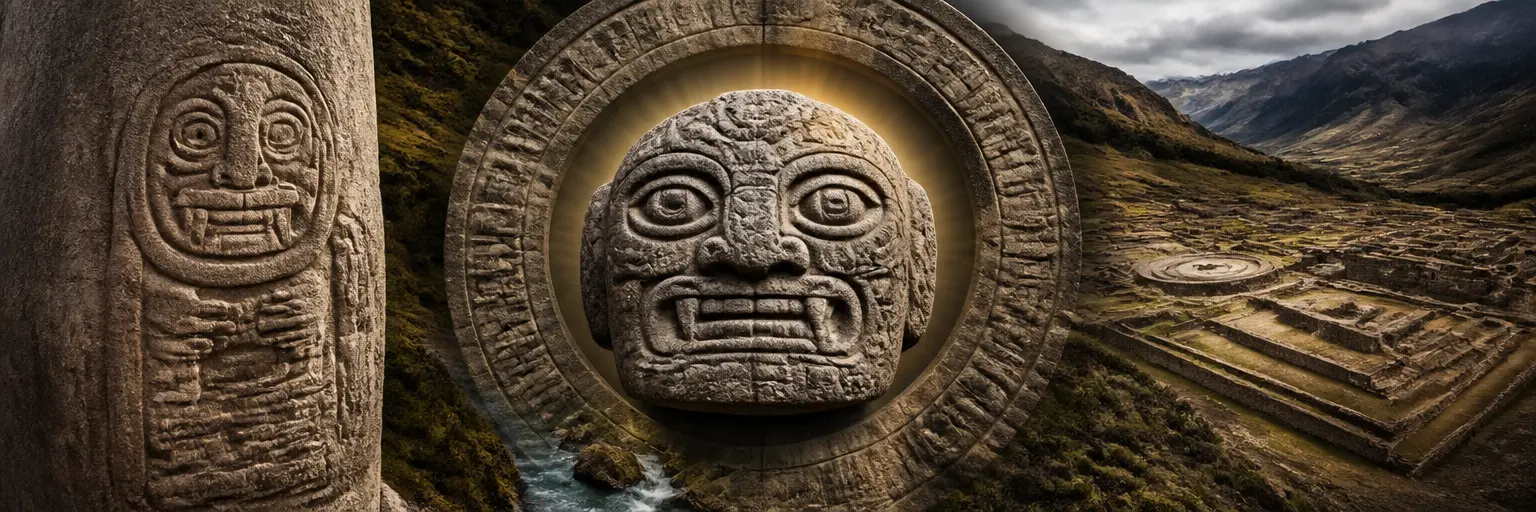
Discover the fascinating world of The Chavín Culture, one of the earliest influential civilizations of ancient Peru and a cornerstone of pre-Incan Andean history 🏺. Explore its monumental architecture, intricate stone carvings, powerful religious symbolism, advanced craftsmanship, and enduring influence on later coastal and highland societies. From the iconic Chavín de Huántar to its mysterious feline imagery, this remarkable culture reveals how art, spirituality, and innovation shaped the development of ancient Andean civilizations 🌄.
Explore the Chavín Culture, one of the most influential early civilizations of ancient Peru and a foundational tradition within the history of pre-Incan cultures of the coast. Flourishing approximately between 900 and 200 BCE, Chavín society shaped religious beliefs, artistic styles, architecture, technology, and long-distance cultural exchange across the Andes. This subcategory from Andean Civilizations examines the origins, achievements, and enduring legacy of the Chavín people through archaeology, history, art, and anthropology.
Readers can learn how the Chavín Culture developed during Peru’s Formative Period and how its influence spread beyond the highlands into coastal valleys. Although the ceremonial center of Chavín de Huántar was located in the northern Andes, Chavín traditions reached many regions, connecting communities through shared religious symbols, artistic conventions, and ritual practices.
Articles in this section explore the chronology of Chavín civilization, its relationship with earlier Andean societies, and its position among ancient Peruvian cultures. Discover how Chavín traditions interacted with coastal communities and helped create a broad cultural horizon before the rise of civilizations such as the Moche, Nazca, Wari, and Inca.
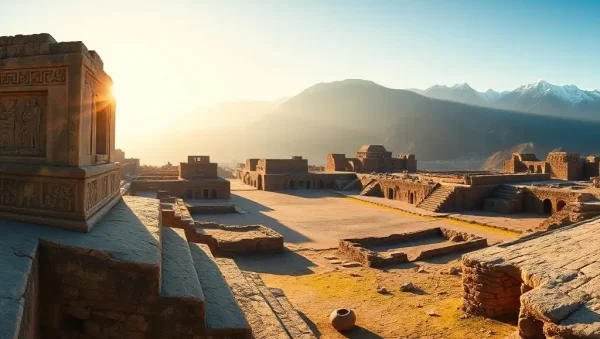
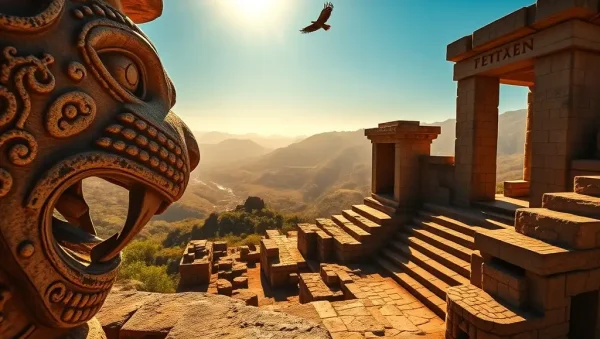
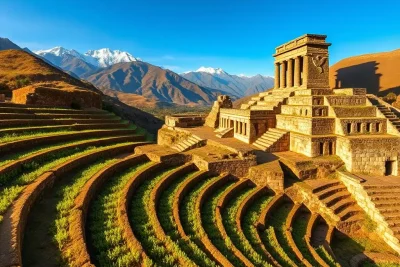
Chavín de Huántar was the most important ceremonial and religious center associated with the Chavín Culture. Visitors can explore its monumental temples, sunken plazas, underground galleries, carved stonework, and sophisticated architectural design. These structures reveal the importance of pilgrimage, ceremony, priestly authority, and sacred landscapes in ancient Andean society.
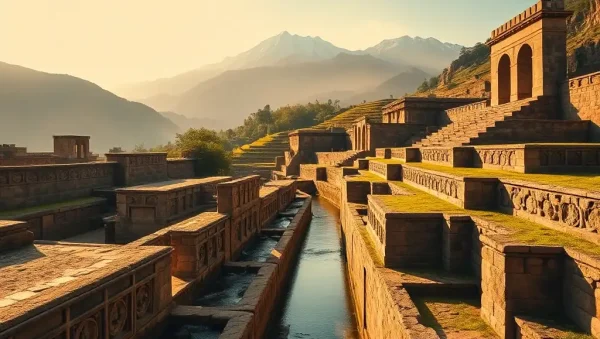
Learn how the builders used stone construction and carefully planned spaces to create powerful sensory experiences. Subterranean passages, controlled light, water channels, and acoustic effects may have supported religious ceremonies and strengthened the authority of Chavín priests. The site’s architecture offers valuable evidence about ancient Peruvian engineering and ritual life.
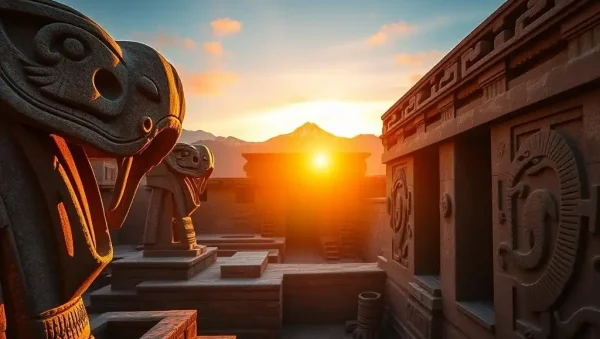
The Chavín religion centered on supernatural beings represented through powerful combinations of human, feline, avian, and serpent features. This section examines the famous Staff Deity, the Lanzón, and other sacred images that appear in stone sculptures, ceramics, textiles, and architectural decorations.
Readers can discover how Chavín artists transformed animals such as jaguars, condors, and snakes into symbols of power, transformation, fertility, and the connection between different cosmic realms. These interpretations help explain the role of shamanism, ritual transformation, sacred plants, and religious authority in Chavín culture.
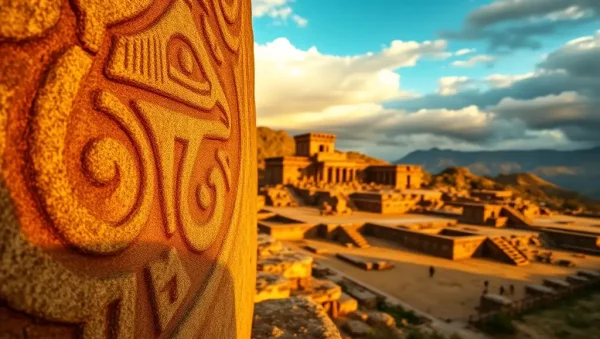
Chavín art is recognized for its intricate stone carvings, complex imagery, and distinctive visual style. Explore the meaning of the Raimondi Stele, the Tello Obelisk, the Medusa Head, carved tenon heads, and other masterpieces of ancient Andean art. These objects provide important clues about Chavín mythology and the development of religious iconography in Peru.
This subcategory also explains the artistic techniques used by Chavín sculptors, including low relief, deep carving, symmetrical composition, and the deliberate combination of human and animal forms. Chavín iconography influenced later Andean artistic traditions, making it essential for understanding the cultural history of pre-Incan Peru.
Discover the pottery, textiles, ornaments, tools, and other objects that reveal how Chavín communities lived and expressed identity. Chavín ceramics often feature polished surfaces, restricted shapes, and decorative motifs connected to religious symbolism. Archaeological evidence also helps researchers understand production methods, trade, social status, and ceremonial use.
Readers can expect detailed explanations of how material culture reflects the organization of Chavín society. Artifacts were not merely practical objects; many carried symbolic meanings and may have been used in feasts, offerings, pilgrimages, or elite rituals. Comparing Chavín objects with coastal archaeological traditions provides a broader view of cultural exchange in ancient Peru.
The Chavín people relied on farming, herding, fishing, hunting, and regional exchange to support their communities. Learn about the cultivation of crops such as maize, potatoes, quinoa, and other Andean plants, as well as the use of camelids and local environmental resources.
This section explores how Chavín communities adapted to mountains, valleys, and coastal environments. Articles may cover agricultural knowledge, stoneworking, water management, food production, trade networks, and ancient technologies. These subjects reveal that Chavín society was not only religiously influential but also skilled in managing diverse landscapes.
Chavín influence extended across large areas of the central Andes through exchange, pilgrimage, shared religious practices, and the movement of goods and ideas. Readers can investigate how materials such as seashells, exotic stones, pigments, feathers, and animal products traveled between distant ecological zones.
Rather than viewing Chavín culture as an isolated society, this subcategory presents it as part of a dynamic network of Andean communities. Long-distance interaction helped spread artistic styles, religious symbols, and technological knowledge, contributing to the development of later pre-Incan civilizations on the Peruvian coast and in the highlands.
Archaeological discoveries suggest that Chavín society included farmers, artisans, traders, religious specialists, and community leaders. This section examines how ceremonial centers may have organized social life and how priests used architecture, rituals, symbolism, and specialized knowledge to guide public belief.
Because written records from the Chavín period are unavailable, researchers rely on architecture, iconography, burials, settlement patterns, and artifacts to reconstruct social organization. Explore the evidence for social hierarchy, religious leadership, pilgrimage, labor organization, and community cooperation in early Andean civilization.
Learn how archaeologists have studied Chavín sites and artifacts to reconstruct the history of this important culture. Excavations at Chavín de Huántar and other archaeological locations continue to reveal information about ritual practices, settlement patterns, diet, trade, art, and environmental adaptation.
The legacy of Chavín Culture can be seen in the continued study of its architecture, mythology, and visual language. Its influence provides an essential foundation for understanding the development of later Andean civilizations, including the Moche, Nazca, Wari, Tiahuanaco, and Inca. Explore reliable historical context and evidence-based interpretations of one of ancient Peru’s most significant cultures.
The Chavín Culture flourished approximately between 900 and 200 BCE during Peru’s Formative Period. Its influence continued through artistic, religious, and cultural traditions that affected later Andean societies.
The cultural and ceremonial center of Chavín was Chavín de Huántar, located in the northern highlands of present-day Peru. However, Chavín religious symbols and artistic traditions spread across both highland and coastal regions.
Chavín de Huántar was a major ceremonial and pilgrimage center. Its temples, plazas, galleries, carvings, water systems, and acoustic features were likely used for religious ceremonies, offerings, political gatherings, and initiation rituals.
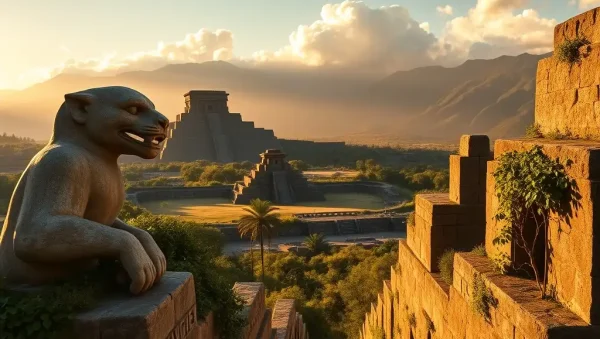
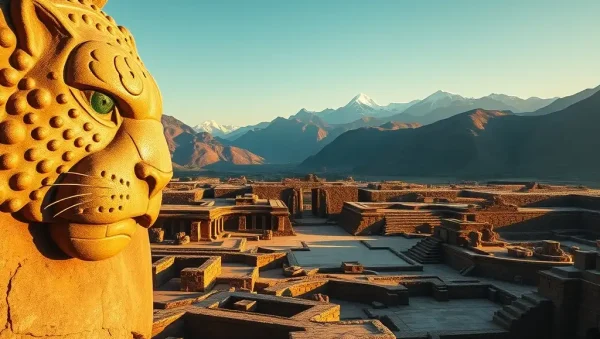
Felines, especially jaguars or powerful cat-like creatures, were central to Chavín religious imagery. Condors, eagles, snakes, and other animals also appeared in sacred art, often representing transformation, strength, fertility, and connections between different spiritual realms.
The Chavín Culture is important because it helped establish shared religious and artistic traditions across a large part of the ancient Andes. Its architecture, sculpture, iconography, and exchange networks influenced later pre-Incan cultures and provide essential insights into the origins of complex Andean civilization.