
Chavín's Impact on Nazca Culture: The Shared Iconography

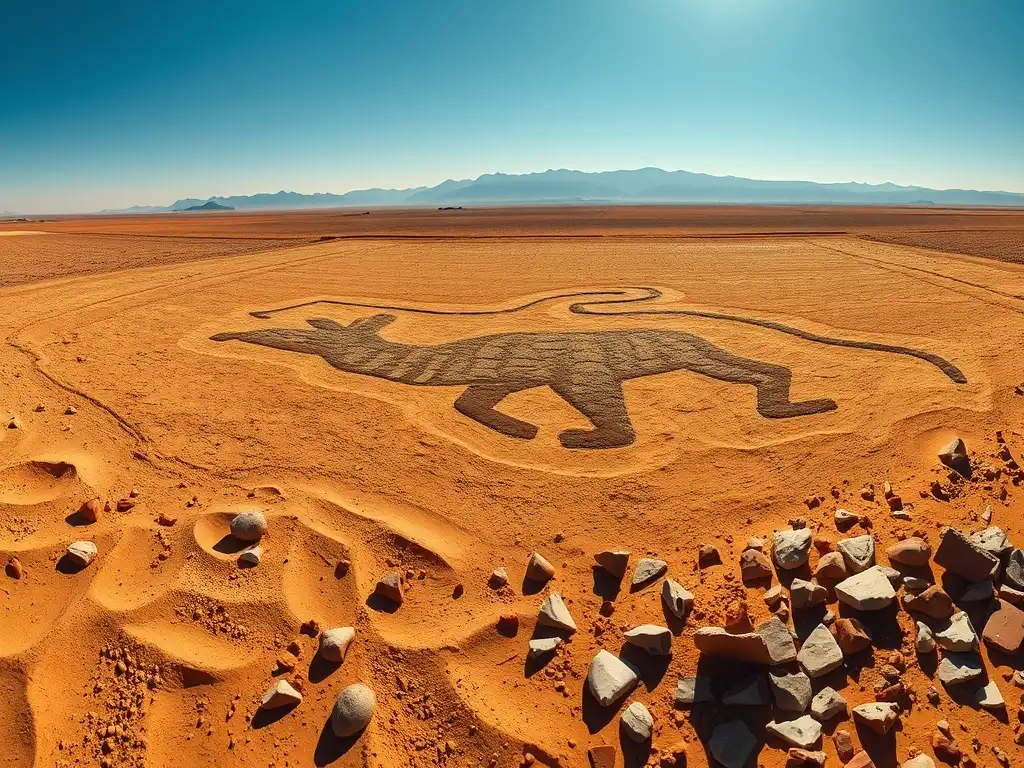
Step into a world lost to time, where the echoes of ancient empires still resonate. Dive into the captivating story of the Andean civilizations, uncovering their breathtaking artistry, ingenious engineering, and enduring legacies. But what secrets lie hidden within the intricate designs? This journey begins with exploring the Chavín influence on Nazca culture, a fascinating connection revealed through shared iconography that will reshape your understanding of these remarkable Pre-Incan Cultures of the Coast. Unravel the mystery – read on to discover the surprising links between these powerful Andean societies.
The pre-Columbian Andean world is a tapestry woven with threads of diverse yet interconnected cultures. This article delves into the fascinating relationship between two such threads: the Chavín and Nazca civilizations. While geographically separated and chronologically distinct, evidence suggests a significant cultural exchange, particularly visible in shared iconography.
We will explore the profound influence of the Chavín culture on the artistic expressions and possibly even religious beliefs of the later Nazca culture, focusing on the enduring impact of Chavín artistic motifs on Nazca textiles, ceramics, and geoglyphs. Understanding this influence provides crucial context for appreciating the complexity and dynamism of Andean cultural development, enriching our comprehension of the rich heritage of the region. The investigation into this shared iconography helps us unravel the intricate web of cultural exchange and adaptation that shaped the ancient Andean world.
This exploration will illuminate how Chavín's artistic innovations acted as a catalyst for the development of later Andean artistic styles, with a particular focus on the Nazca. The analysis will center on specific examples of shared motifs and their possible interpretations, offering a nuanced understanding of the dynamic interplay between these two powerful cultures.
Introduction to Chavín and Nazca Civilizations
The Chavín culture flourished in the northern Andes of Peru between approximately 1200 and 200 BCE, centered around the monumental Chavín de Huántar site. Known for their intricate religious iconography, the Chavín exerted considerable influence across a vast region despite not having a centralized, expansive empire in the traditional sense. Their artistic style, characterized by stylized feline and serpent motifs, intricate carvings, and a distinctive artistic language, spread widely through trade networks and possibly cultural diffusion. Their influence is undeniable, extending far beyond their immediate geographical reach.
Conversely, the Nazca culture thrived on the southern coast of Peru, primarily between 100 BCE and 800 CE. Famous for their intricate Nazca Lines, magnificent textiles, and distinctive pottery, the Nazca developed a unique artistic idiom. However, careful examination reveals striking parallels with the earlier Chavín artistic tradition, suggesting a significant debt to their northern predecessors.
This shared iconography raises compelling questions about the nature of cultural transmission and the enduring legacy of the Chavín artistic style. Were these similarities the result of direct contact, trade, or perhaps a more subtle process of cultural diffusion? This is a key question that we will explore throughout this analysis.
Understanding Chavín Culture and Its Art
Chavín art is characterized by its highly stylized and often fearsome depictions of deities and mythical creatures. The iconic Lanzón, a massive carved stone monolith found within the Chavín de Huántar temple, exemplifies this style. This imposing figure, with its feline features and sharp fangs, likely represented a powerful deity central to Chavín religious beliefs.
The recurring motifs of jaguars, serpents, and other hybrid creatures suggest a complex cosmology involving shamanistic practices and a deep connection to the natural world. These motifs were not confined to monumental architecture; they were also prevalent in smaller artifacts like ceramics and textiles, signifying the pervasive influence of Chavín religious ideology. The intricate detail and symbolic richness of Chavín art demonstrate a sophisticated understanding of artistic expression and a highly developed symbolic language.
This artistic language, with its powerful imagery, would profoundly impact subsequent Andean cultures. The use of specific techniques such as low relief carving and intricate weaving techniques also influenced later cultures.
The Rise of the Nazca Culture
The Nazca culture, emerging centuries after the decline of the Chavín, developed its own distinctive artistic style. However, the echoes of Chavín influence are unmistakable. The stylized feline and serpent motifs, so characteristic of Chavín art, reappear in Nazca ceramics and textiles, albeit adapted and transformed to reflect the unique aesthetic sensibilities of the Nazca people.
For example, the depiction of feline deities in Nazca pottery often shares a striking resemblance to similar depictions in Chavín art, suggesting a clear lineage. Furthermore, the complex iconography found in Nazca textiles, with its intricate patterns and symbolic representations, bears a strong resemblance to the intricate designs found in Chavín textiles, indicating a potential continuity in artistic traditions. The Nazca's adoption and adaptation of Chavín motifs demonstrate both cultural continuity and innovation, highlighting the dynamic nature of Andean cultural development.
The Nazca did not simply copy Chavín styles; they integrated them into their own unique artistic vocabulary, creating a rich and complex visual language that reflects their own worldview and artistic sensibilities. The extent of this influence, however, requires further investigation and analysis of specific artifacts and their context.
- Introduction to Chavín and Nazca Civilizations
- Understanding Chavín Culture and Its Art
- The Rise of the Nazca Culture
Tracing Chavín Influence on Nazca Art
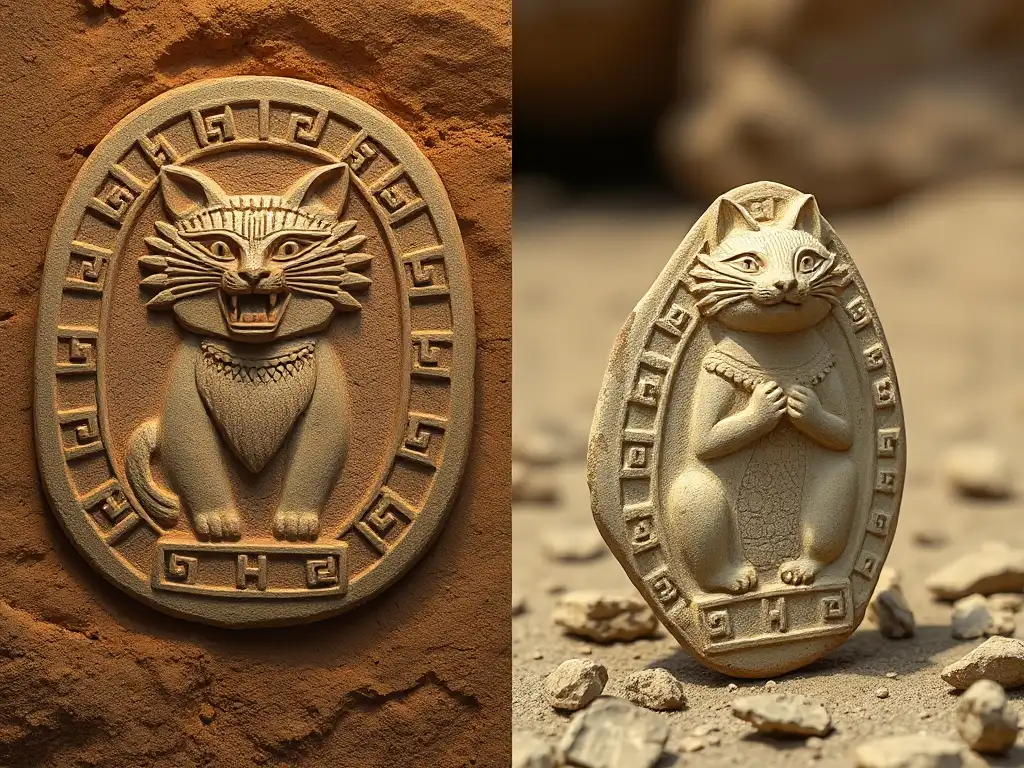
This section delves into the demonstrable influence of the Chavín culture on the artistic expressions of the Nazca civilization, focusing specifically on shared iconographic motifs. While geographically separated, the impact of Chavín's artistic style and religious beliefs on Nazca art is undeniable, showcasing a fascinating example of cultural exchange and adaptation in the pre-Columbian Andes. Understanding this influence provides crucial insights into the complexities of Andean cultural development and the dissemination of ideas across significant distances.
We'll examine specific examples to illustrate the striking similarities and subtle variations that reveal the nuanced relationship between these two powerful Andean cultures. The keyword "Chavín influence on Nazca culture" is central to understanding this complex interaction.
The most compelling evidence of Chavín influence on Nazca art lies in the recurring shared iconographic motifs. Both cultures employed stylized depictions of supernatural beings, often featuring features that are strikingly similar. These include:
- The Staff God: This iconic Chavín deity, characterized by its elaborate headdress and often depicted holding a staff, appears in modified forms in Nazca ceramics and textiles. While the Nazca interpretation might be less ferocious than its Chavín counterpart, the fundamental characteristics—the headdress, the staff, and the overall posture—remain distinctly recognizable. This suggests a direct borrowing and subsequent adaptation of the motif to fit the Nazca aesthetic and religious context.
- Crossed-banded motifs: These geometric patterns, prevalent in Chavín textiles and ceramics, are also frequently seen in Nazca artwork. While the specific arrangement and colors might differ, the underlying structure of intersecting bands remains a consistent visual link. This shared stylistic element points to a diffusion of decorative techniques, possibly through trade or cultural exchange.
- Zoomorphic representations: Both cultures featured a range of zoomorphic representations, including jaguars, birds of prey, and snakes. The stylistic treatment of these animals, particularly their stylized features and exaggerated proportions, shows clear family resemblances. However, the Nazca artists often incorporated these motifs into their own distinct narrative contexts.
The table below summarizes some key shared motifs:
| Motif | Chavín Characteristics | Nazca Characteristics | Degree of Similarity |
|---|---|---|---|
| Staff God | Ferocious features, elaborate headdress, staff | Often more serene, similar headdress, staff sometimes present | High |
| Crossed-banded | Geometric, often in vibrant colors | Geometric, often in muted earth tones | Moderate |
| Feline Representations | Powerful, stylized features, often aggressive | Stylized, sometimes integrated into narrative scenes | High |
The Depiction of Feline Deities: Chavín and Nazca Parallels
Feline deities hold a prominent position in both Chavín and Nazca pantheons. The representation of these powerful creatures showcases striking parallels in their depiction. While the specific details vary, the fundamental characteristics—the fierce gaze, the powerful physique, and the stylized features—reveal a clear connection.
The Chavín feline deity is often depicted with sharp fangs, prominent claws, and a menacing expression, embodying power and ferocity. In Nazca art, feline deities maintain a similar powerful presence, although they are sometimes integrated into more complex narrative scenes, suggesting a shift in their symbolic function. The stylistic similarities, however, remain undeniable, suggesting a lineage tracing back to the original Chavín representation. This points to the enduring impact of Chavín religious beliefs on the later Nazca culture.
Serpent Imagery in Chavín and Nazca Art
Serpent imagery, another significant motif in Andean iconography, also reveals a clear connection between Chavín and Nazca art. Both cultures used stylized representations of serpents, often incorporating them into complex designs and narratives. While the specific details of the serpent's representation differ, the underlying symbolic importance remains consistent, highlighting the enduring power of this symbol across different Andean cultures. The prevalence of this shared motif further supports the argument for a significant Chavín influence on Nazca artistic traditions.
The continued use of the serpent motif, albeit with stylistic variations, shows the persistence of certain religious and cultural ideas across time and space in the Andean region. Further research is needed to fully understand the nuances of these variations and their potential symbolic significance within the Nazca worldview. [Specific information pending: detailed analysis of serpent iconography variations between Chavín and Nazca].
Bird Representations: A Comparative Analysis
The Chavín culture's artistic repertoire heavily featured stylized birds, often depicted with sharp beaks, clawed feet, and intensely expressive eyes. These avian representations frequently appeared in their ceramics, textiles, and monumental sculptures, often integrated into complex iconographic narratives. The significance of these bird motifs remains a subject of ongoing scholarly debate, with some suggesting they represent shamanic figures or deities associated with the upper world.
Others propose connections to specific bird species native to the Andean highlands, hinting at potential symbolic associations with specific ecological environments or spiritual beliefs. The precise interpretations, however, are often context-dependent and require careful consideration of the specific artifact and its accompanying elements.
The Nazca culture, though geographically and chronologically distinct from Chavín, also demonstrated a remarkable fascination with avian imagery. Their mastery of textile production, particularly in the creation of intricate tapestries, provides an exceptional window into their artistic worldview. Nazca textiles are renowned for their vibrant colors and highly detailed depictions of various birds, often showcasing an astonishing level of naturalistic representation.
While the level of realism is notably different from the stylized Chavín representations, commonalities exist in the emphasis on powerful, predatory birds. Both cultures seemed to favor images of birds of prey, suggesting a shared appreciation of these creatures' strength and dominance.
Comparing Chavín and Nazca bird representations reveals both striking similarities and important differences. The Chavín style, characterized by its geometric abstraction and emphasis on symbolic meaning, contrasts with the Nazca preference for greater naturalism and detailed rendering. However, the shared predilection for powerful avian imagery, particularly birds of prey, suggests a possible link between the two cultures.
This shared iconography might indicate the transmission of cultural ideas or artistic motifs from Chavín to Nazca, possibly through trade networks or other forms of cultural exchange. Further research, including detailed stylistic analysis and comparative studies of specific motifs, is needed to fully understand the extent and nature of this potential influence. For instance, a detailed comparative study of the depiction of the Andean condor in both cultures could yield valuable insights into the transmission and evolution of these cultural symbols.
The subtle variations in the representation of this iconic bird across different artistic mediums and time periods could reveal the nuances of this cultural exchange. Careful examination of these variations can help us to better understand the dynamics of power and influence between these significant Andean civilizations.
Beyond Iconography: Chavín's Cultural Legacy in Nazca Society
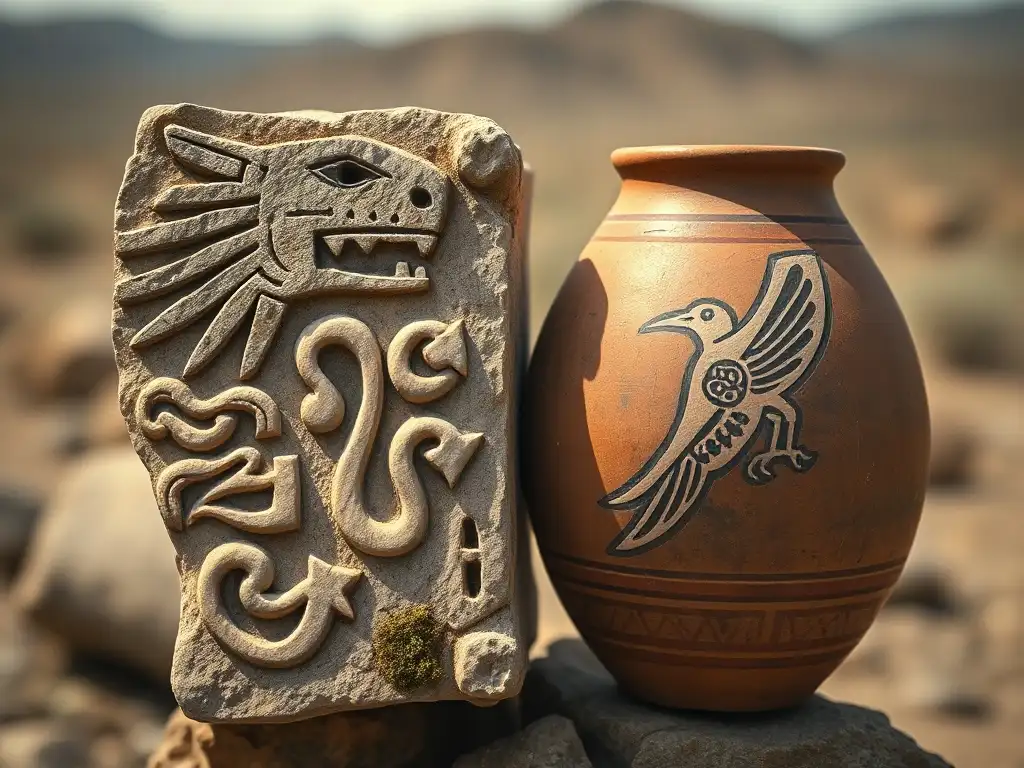
The striking similarities in iconography between the Chavín and Nazca cultures are undeniable, representing a significant aspect of Chavín influence on Nazca culture. However, the impact extends far beyond shared artistic motifs. The influence permeated Nazca society, shaping its rituals, beliefs, and even its technological advancements. This section delves into the broader cultural legacy of Chavín, examining its lasting impact on Nazca social structures and worldview.
Understanding this deeper connection reveals a more nuanced picture of the complex interplay between these two influential Andean civilizations. The extent of Chavín's influence, while debated, is supported by substantial archaeological evidence. We’ll explore this evidence, highlighting the subtle and not-so-subtle ways in which Chavín culture left an indelible mark on Nazca civilization.
Chavín's Influence on Nazca Rituals and Beliefs
The religious practices of the Nazca people show clear echoes of Chavín traditions. While Nazca developed its own unique pantheon and rituals, the underlying structure and symbolism bear a striking resemblance to Chavín religious practices. For instance, the emphasis on shamanistic practices and the use of hallucinogenic plants, evident in both cultures, suggests a direct lineage or at least a strong cultural exchange. The presence of similar deity representations, albeit adapted to the Nazca aesthetic, further strengthens this argument.
Consider the recurring motif of the feline deity, a powerful symbol in Chavín iconography. While the Nazca representation might differ stylistically, the underlying symbolism – power, ferocity, and perhaps even a connection to the underworld – remains consistent. This suggests not merely a borrowing of imagery, but a transmission of deeper religious concepts and beliefs. Further research into Nazca burial practices and associated offerings could provide additional evidence of this religious continuity. [Specific information pending on detailed comparative analysis of Nazca and Chavín burial sites].
The use of specific ritual objects, such as certain types of pottery or textiles, also points towards a shared ritualistic framework. The stylistic differences are obvious, reflecting the distinct artistic sensibilities of each culture, yet the fundamental function and symbolic meaning often align, indicating a common origin or a period of significant cultural exchange.
The Role of Religious Iconography in Nazca Culture
Religious iconography played a central role in shaping Nazca society. The intricate designs adorning Nazca pottery, textiles, and other artifacts weren't simply decorative; they served as powerful visual representations of their beliefs and worldview. The Chavín influence on Nazca culture is clearly seen in the prevalence of certain motifs and symbols that directly mirror those found in Chavín art.
The iconic Chavín "Lanzón" deity, a powerful, anthropomorphic figure often depicted with fangs and claws, has clear parallels in Nazca art, though often stylized and adapted to the Nazca aesthetic. This adaptation showcases a fascinating cultural process: the adoption and reinterpretation of existing symbols to fit within a new cultural context. The Nazca were not simply copying Chavín art; they were actively engaging with and reinterpreting its meaning within their own society.
Furthermore, the use of specific colors and patterns in Nazca iconography, such as the recurring use of red and white, might reflect a continuation of Chavín symbolic color schemes. [Specific information pending on a detailed comparative study of color symbolism in Chavín and Nazca art]. This suggests a continuity of ritual practices and beliefs, extending beyond simply shared imagery. The study of Nazca iconography, therefore, provides valuable insights into the enduring impact of Chavín culture on the development of Nazca religious beliefs and practices.
Evidence of Chavín's Influence in Nazca Pottery
The most readily apparent evidence of Chavín influence on Nazca culture lies in their pottery. While Nazca pottery is renowned for its unique style and exquisite detail, particularly in its polychrome designs, closer examination reveals undeniable links to Chavín artistic traditions. This is particularly evident in the representation of certain deities and motifs.
For example, the stylized depiction of feline and avian figures, common in both Chavín and Nazca pottery, suggests a direct transmission of artistic conventions. However, the Nazca artisans clearly adapted these motifs to their own stylistic preferences, resulting in a unique blend of Chavín influences and Nazca originality. This is not simply imitation; it represents a process of cultural exchange and adaptation.
Moreover, certain technical aspects of pottery production, such as specific firing techniques or the use of particular clay types, might also reflect Chavín influence. [Specific information pending on detailed analysis of pottery production techniques in both cultures]. While further research is needed to fully understand the extent of this technological exchange, the stylistic similarities in pottery alone provide compelling evidence of Chavín's lasting impact on Nazca artistic traditions and their understanding of Chavín influence on Nazca culture.
The analysis of ceramic styles provides a tangible and visual demonstration of this cultural connection. The careful study of these artifacts allows us to trace the evolution of artistic styles and the subtle ways in which Chavín traditions were absorbed and transformed within the Nazca context.
The Transmission of Chavín Ideas to the Nazca Region
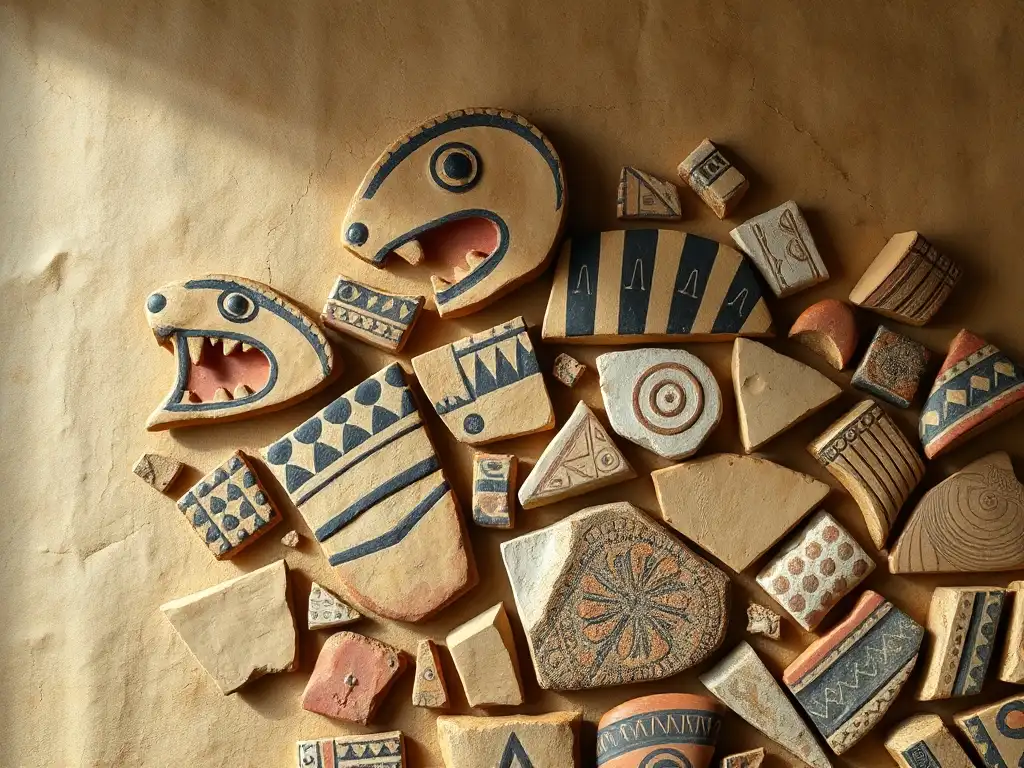
The Chavín culture's influence on the Nazca civilization, particularly regarding iconography, represents a fascinating case study in cultural transmission in the Andes. While geographically separated, the interaction between these two distinct societies wasn't solely a matter of direct conquest or migration. Instead, a complex interplay of trade networks, religious pilgrimage, and perhaps even elite marriages facilitated the dissemination of Chavín artistic motifs and religious beliefs across the vast distances separating the two cultures.
Understanding this transmission requires examining the mechanisms through which these ideas were spread and how they were subsequently adapted and transformed by the Nazca people. The degree of Chavín influence on Nazca culture varied over time and across different regions, highlighting the dynamic nature of cultural exchange.
The enduring presence of Chavín-inspired iconography in Nazca art demonstrates the significant impact of this earlier civilization on the development of later Andean cultures. This influence is particularly evident in the shared iconography, a testament to the enduring legacy of Chavín artistic and religious traditions.
Trade and Cultural Exchange: The Mechanism of Diffusion
The most likely mechanism for the dissemination of Chavín ideas to Nazca was through extensive trade networks. The coastal Nazca region possessed valuable resources, including cotton, marine products, and specialized crafts, which were highly sought after in the highlands. Conversely, the highlands provided access to different resources such as obsidian, metals, and agricultural products.
These economic exchanges provided opportunities for the movement of people, goods, and ideas. The transport of Chavín-style ceramics, textiles, and other artifacts along these trade routes would have inevitably exposed Nazca artisans and elites to Chavín artistic conventions and religious symbolism. We can envision scenarios where Chavín artisans might have migrated to the coast, bringing their skills and stylistic preferences with them, or where Nazca merchants, having travelled to the highlands, returned with Chavín-inspired goods and ideas.
This constant flow of goods and people facilitated a gradual absorption of Chavín stylistic elements into the Nazca artistic repertoire. The presence of certain Chavín motifs in Nazca textiles and ceramics suggests that this cultural exchange was not a one-time event, but rather a continuous process spanning several generations. Further research into the specific trade routes and the types of goods exchanged is needed to fully understand the extent of this influence.
The Impact of Chavín on Early Nazca Art Styles
The impact of Chavín influence on early Nazca art is undeniable. The stylized feline features, the characteristic “fanged” deity, and the intricate geometric patterns found in Chavín art reappear in early Nazca ceramics, textiles, and even architecture. However, it's crucial to note that the Nazca artists did not simply copy Chavín designs.
Instead, they adapted and transformed these motifs, integrating them into their own existing artistic traditions. For example, the Chavín emphasis on jaguar imagery is echoed in Nazca art, but the Nazca jaguars often exhibit distinct stylistic features, such as elongated bodies and more detailed ornamentation. This process of adaptation suggests a creative dialogue between the two cultures, where Nazca artists selectively appropriated Chavín elements and reinterpreted them within their own cultural context.
Analyzing the specific ways in which Nazca artists modified Chavín motifs provides valuable insights into the creative processes of these ancient societies and their complex relationship. Detailed stylistic comparisons of Chavín and early Nazca artifacts are crucial for a deeper understanding of this cultural interaction.
Regional Variations and Adaptations of Chavín Motifs
The level of Chavín influence on Nazca art wasn't uniform across the entire region. Archaeological evidence suggests regional variations in the degree and manner of Chavín motif adaptation. Some Nazca sites show a more pronounced Chavín influence than others, suggesting that the intensity of cultural exchange varied geographically.
This variation could be attributed to several factors, including the proximity to Chavín's sphere of influence, the intensity of trade networks in specific regions, and the pre-existing artistic traditions of different Nazca communities. For instance, Nazca sites closer to the highlands might have exhibited a stronger Chavín influence compared to those located further along the coast. Further research is needed to fully map the geographical distribution of Chavín-inspired motifs within the Nazca region and to understand the factors driving these regional variations.
This nuanced analysis will provide a more complete picture of the complexity of cultural exchange in the ancient Andes and highlight the dynamic nature of cultural adaptation. The study of regional variations offers a deeper understanding of the processes of cultural diffusion and the creative responses of local communities to external influences.
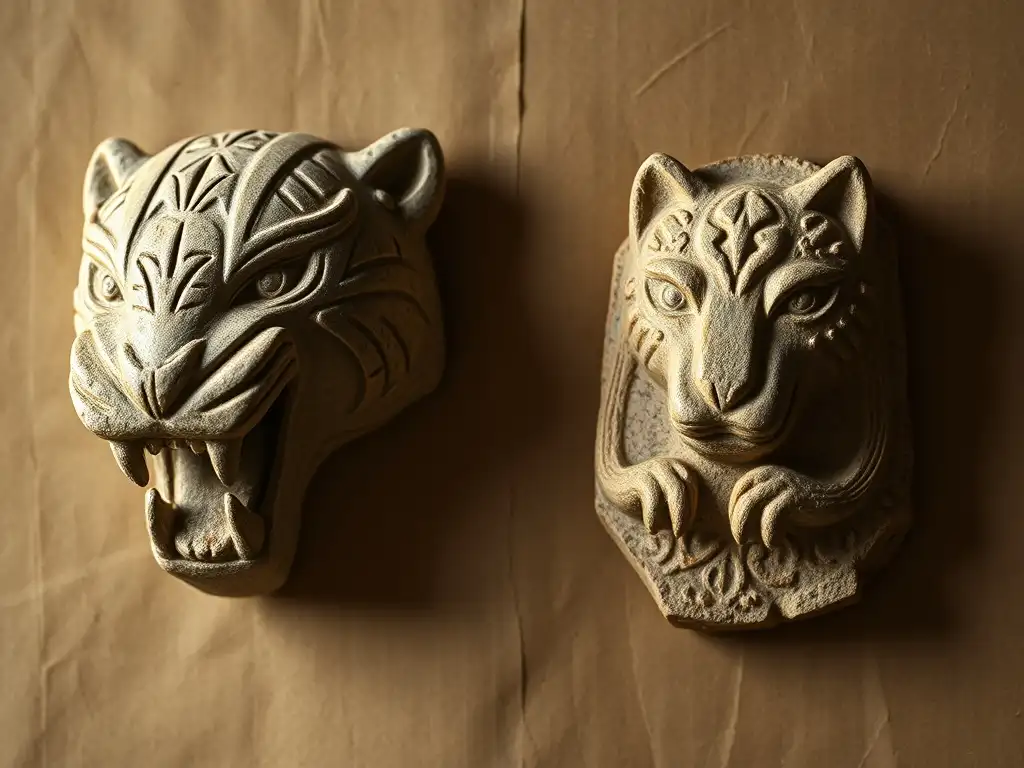
The Chavín influence on Nazca culture is profoundly evident in the shared iconography found across both civilizations' artistic expressions. This shared visual language, encompassing deities, mythical creatures, and symbolic motifs, suggests a significant cultural exchange or, perhaps, a direct lineage of artistic traditions. While the exact nature of this relationship remains a topic of ongoing scholarly debate, the striking similarities in artistic representations offer compelling evidence of a powerful connection between the two cultures.
Analyzing these shared iconographic elements provides crucial insights into the transmission of ideas, beliefs, and artistic styles across the vast Andean landscape. The presence of Chavín-inspired motifs in Nazca art isn't just a matter of superficial resemblance; it reflects a deeper cultural interaction that shaped Nazca artistic practices and, potentially, their worldview.
Interpreting the Meaning of Chavín-Inspired Symbols
Interpreting the meaning behind these shared Chavín-inspired symbols in Nazca art requires a careful examination of their context. Often, these symbols are not isolated but integrated into complex narratives depicted on textiles, ceramics, and monumental structures. For example, the recurring motif of the feline deity, a prominent figure in Chavín iconography, appears in Nazca art with subtle variations, suggesting adaptation and reinterpretation within the Nazca cultural framework.
These variations, however subtle, highlight the processes of cultural appropriation and transformation that occurred over time. Researchers have proposed various interpretations of these feline deities, ranging from representations of shamanic power to embodiments of natural forces. Further research, combining iconographic analysis with archaeological context, is needed to refine our understanding of the specific meanings these symbols held for the Nazca people.
Understanding the context of these symbols – their location on an artifact, the other symbols present, and the overall narrative – is crucial to unlocking their meaning. The nuanced differences in the representation of these symbols between Chavín and Nazca art, for instance, might reveal subtle shifts in religious beliefs or cosmological understandings.
The Importance of Iconography for Understanding Ancient Andean Beliefs
Iconography plays a pivotal role in understanding the beliefs and practices of ancient Andean civilizations. The visual language employed by these societies wasn't merely decorative; it served as a powerful means of communicating complex religious, political, and social ideas. By studying the recurring motifs, symbolic arrangements, and stylistic conventions in their art, we can gain valuable insights into their worldview, their rituals, and their social structures.
In the context of the Chavín influence on Nazca culture, the shared iconography provides a window into potential religious exchanges or the adoption of specific beliefs. The persistence of certain motifs across different cultures points to the enduring power of these ideas and their significance in shaping Andean societies.
For instance, the prevalence of specific deities or mythological creatures in both Chavín and Nazca art suggests a shared religious cosmology or at least a significant cultural exchange of religious beliefs. The study of iconography, therefore, offers a powerful methodology for tracing cultural connections and understanding the evolution of religious and cosmological thought in the Andes.
One particularly striking example of shared iconography between Chavín and Nazca cultures is the depiction of the "Staff God." This powerful figure, characterized by a staff or scepter, often adorned with feline features, appears in various forms in both cultures' art. While the specific attributes and representations vary slightly, the fundamental characteristics of the Staff God remain remarkably consistent.
This suggests a direct transmission of the deity’s image or, at minimum, a shared understanding of its symbolic significance. The Staff God's presence in both Chavín and Nazca art is not simply a matter of coincidence; it points towards a deeper cultural connection, possibly involving religious syncretism or the diffusion of religious beliefs. Further research into the specific attributes and contexts of the Staff God's depictions in both cultures is needed to fully understand the nuances of its role within their respective belief systems.
The variations in its representation may indicate evolving interpretations or adaptations of the deity within different cultural settings. The Staff God thus serves as a compelling case study of the Chavín influence on Nazca culture, highlighting the enduring power of shared iconography in revealing cultural exchange and transformation.
Conclusion: The Enduring Legacy of Chavín on Nazca
The evidence strongly suggests a significant Chavín influence on Nazca culture, particularly in their shared iconography. While the exact nature and extent of this interaction remain subjects of ongoing research and debate among archaeologists, the similarities in artistic motifs, religious practices, and possibly even societal structures point towards a compelling narrative of cultural exchange and adaptation.
This influence wasn't a simple case of direct imitation; rather, the Nazca people demonstrably adapted and transformed Chavín stylistic elements, integrating them into their own unique cultural expression. Understanding this interplay is crucial to a more complete understanding of the complexities of pre-Columbian Andean societies.
The Nazca's innovative approach to weaving, pottery, and monumental construction, when viewed in light of Chavín influences, reveals a vibrant culture capable of both absorbing external inputs and forging its own distinctive identity. The legacy of Chavín on Nazca is not one of simple dominance, but rather a testament to the dynamic processes of cultural interaction and transformation in the ancient Andes.
The Long-Lasting Impact of Chavín Ideology
The impact of Chavín ideology on Nazca culture extends beyond mere stylistic similarities. While we lack direct written records from these societies, the recurring themes in Nazca art – such as the stylized feline deity, the depiction of shamanistic rituals, and the emphasis on certain supernatural beings – strongly resonate with the known religious beliefs and practices associated with Chavín. The presence of similar motifs in both cultures suggests a shared worldview, or at least a significant borrowing of religious concepts.
This ideological influence likely played a crucial role in shaping Nazca social structures, influencing religious practices, and potentially contributing to the development of their complex societal hierarchy. Further research into the funerary practices of both cultures, and a comparative analysis of their respective elite burials, could offer valuable insights into the extent of this ideological continuity.
For example, the presence of similar grave goods or ritual objects could provide compelling evidence of shared beliefs and practices. The persistence of these themes across time and space suggests a powerful and enduring influence of Chavín religious thought.
Chavín's Influence on Nazca's Cultural Identity
The question of how Chavín influence shaped Nazca cultural identity is complex. It's crucial to avoid a simplistic narrative of direct causation. The Nazca were not simply passive recipients of Chavín culture; they actively engaged with, adapted, and transformed the elements they borrowed.
The stylistic innovations visible in Nazca pottery, textiles, and monumental architecture demonstrate their creative agency. They took elements from the Chavín artistic repertoire—like the jaguar motif or specific decorative patterns—and reinterpreted them within their own cultural framework. This process of cultural synthesis resulted in a unique Nazca identity, distinct from, yet undeniably influenced by, its Chavín predecessor.
The distinctive Nazca style, characterized by its intricate polychromy and its highly stylized representations of flora and fauna, stands as a testament to this creative assimilation and transformation of inherited traditions. Analyzing the specific ways in which Nazca artists adapted and modified Chavín motifs offers a fascinating window into the dynamics of cultural interaction and the creation of new cultural identities.
The shared iconography between Chavín and Nazca cultures remains one of the most compelling pieces of evidence supporting the existence of a significant cultural exchange. The recurrence of specific motifs, such as the stylized feline deity, the use of specific decorative patterns (e.g., the "double-headed serpent"), and the depiction of shamanistic rituals across both cultures, is difficult to explain solely through coincidence.
Detailed stylistic comparisons of these shared elements reveal both similarities and subtle differences, highlighting the creative process of adaptation and transformation that characterized the relationship between these two societies. A systematic cataloging and analysis of these shared motifs, coupled with further archaeological investigation, could provide a more comprehensive understanding of the nature and extent of Chavín influence on Nazca iconography.
The enduring presence of these shared symbols in Nazca art serves as a powerful reminder of the lasting impact of Chavín culture on the subsequent development of Andean civilizations. This shared visual language speaks volumes about the interconnectedness of these ancient societies and the enduring legacy of Chavín's artistic and religious traditions.
Frequently Asked Questions
What is the main focus of this article?
This article explores the influence of the Chavín culture on the Nazca culture, specifically focusing on the shared iconography and artistic styles that suggest a significant cultural exchange.
How did the Chavín culture impact Nazca art?
Chavín's artistic motifs, such as the feline deity and stylized jaguars, are clearly visible in Nazca ceramics and textiles, demonstrating a direct stylistic inheritance. Religious beliefs also appear to have been shared.
What specific iconographic elements link Chavín and Nazca?
Both cultures prominently feature stylized depictions of jaguars, serpents, and other mythical creatures, indicating a shared artistic language and potentially a common religious pantheon.
Was the Chavín influence direct or indirect?
While the exact nature of the relationship remains debated, evidence suggests a combination of direct contact and diffusion of ideas through trade networks or migrations.
What other Andean cultures were influenced by Chavín?
Chavín's influence extended far beyond the Nazca, impacting many other Andean cultures such as the Paracas and Moche, showcasing the widespread impact of Chavín artistic and religious concepts.
Final Reflection: Echoes of Chavín in the Nazca Lines
The intricate iconography of Chavín de Huántar continues to resonate powerfully within the Nazca culture, demonstrating the enduring influence of a preceding civilization on its successor. This shared visual language, far from being a mere coincidence, speaks volumes about the complex transmission of ideas, beliefs, and artistic styles across ancient Andean societies. The evidence presented – from the recurring motifs of jaguars and caymans to the stylistic similarities in ceramic decoration – paints a vivid picture of cultural exchange and adaptation.
The enduring legacy of Chavín's artistic and religious innovations is profoundly moving. It underscores the interconnectedness of ancient Andean cultures and challenges simplistic narratives of isolated development. The past is never dead. It's not even past.
– William Faulkner. This quote perfectly encapsulates the ongoing relevance of Chavín's influence, which continues to shape our understanding of Nazca culture and the broader Andean world. The subtle yet significant echoes of Chavín in Nazca art remind us that history is a continuous conversation, a tapestry woven from the threads of past and present.
Consider, for a moment, the implications of this cultural exchange. What can we learn from the ways in which societies adapt and transform inherited traditions? How can we apply this understanding to our own interactions and collaborations today? I invite you to reflect on the power of cultural transmission and the enduring legacy of artistic and spiritual innovation. Let the echoes of Chavín inspire you to explore the connections between past and present, and to appreciate the richness and complexity of human history.
Unveil the Treasures of Andean Iconography!
Thank you for exploring the fascinating interplay between Chavín and Nazca cultures! Your interest in their shared iconography significantly enhances your understanding of Andean history and deepens your appreciation for these vibrant civilizations. Now, let's put your knowledge to work!
- Explore further: Examine our collection of Chavín and Nazca artifacts to closely observe their distinctive symbols and artistic styles.
- Join the discussion: Share your insights on our social media platforms or in the comments below. How do you believe these two cultures influenced each other's artistic and religious expressions?
- Expand your research: Delve into our archives to discover connections between these cultures and others in the region. What hidden relationships might you uncover?
What aspect of Chavín or Nazca culture captivates you most, and how might it inspire your own creativity?