
The Chavín Calendar: Tracking Time in Ancient Andes

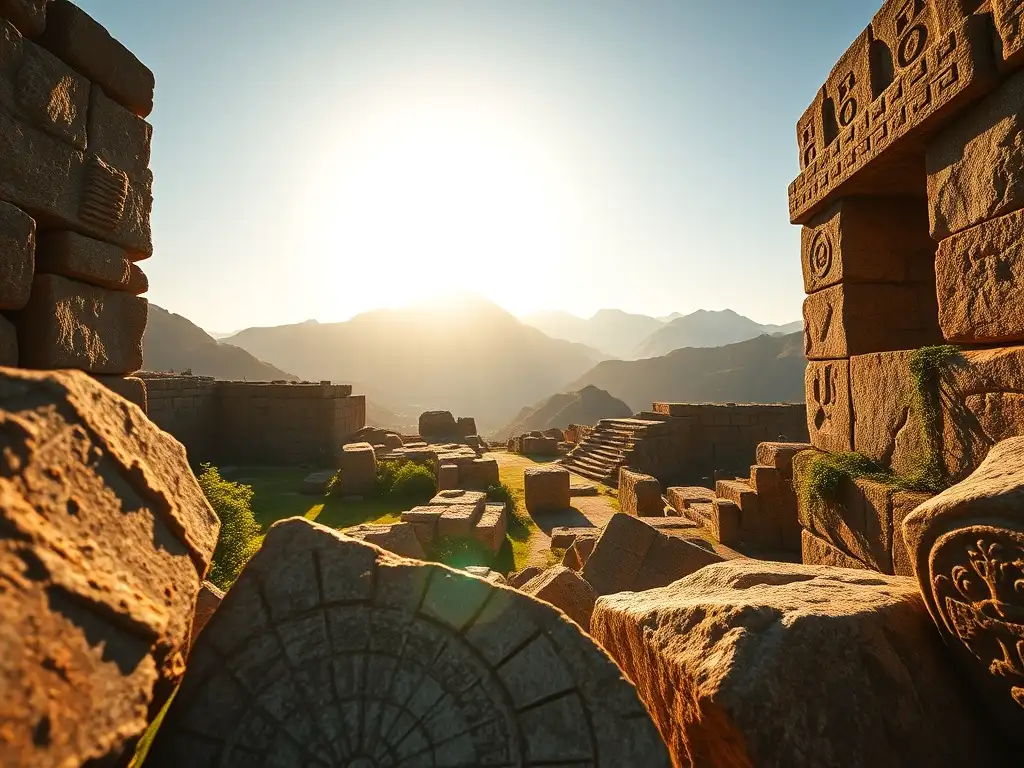
Step into a world lost to time, yet echoing with the whispers of a sophisticated past. Forget everything you think you know about ancient calendars. Here, within the realm of Andean Civilizations, we unravel the mysteries of the Chavín calendar system, a celestial puzzle that speaks volumes about the advanced astronomical knowledge of pre-Incan coastal cultures.
Prepare to be amazed by their ingenuity as we delve into the intricacies of this remarkable system – a testament to the brilliance of a civilization that thrived centuries before the Inca. Discover the secrets they left behind, and unlock the mysteries of their timekeeping.
The Chavín culture, flourishing in the Andes Mountains of Peru from approximately 900 to 200 BCE, left behind a legacy of monumental architecture, intricate artistry, and a sophisticated understanding of the natural world. This article delves into one of the most intriguing aspects of Chavín civilization: their calendar system.
While not as extensively documented as some later Andean calendars, the evidence suggests a complex system for tracking time, deeply intertwined with their religious beliefs and agricultural practices. Understanding the Chavín calendar provides invaluable insight into the societal structure, cosmological worldview, and agricultural strategies of this formative Andean culture.
The study of this system allows us to appreciate the intellectual achievements of the Chavín people and their significant contribution to the development of Andean civilizations. This exploration of the "Chavín calendar system" will reveal a fascinating glimpse into the sophisticated timekeeping methods of a civilization that laid the groundwork for future Andean empires.
Understanding the Chavín Culture and its Significance
The Chavín culture is considered a formative period in Andean prehistory, influencing subsequent cultures across a vast geographical area. Their impressive architectural achievements, such as the monumental temple at Chavín de Huántar, are characterized by intricate carvings, elaborate stonework, and a distinctive artistic style. These structures served not only as religious centers but also as focal points for social and political organization.
Chavín art is renowned for its zoomorphic motifs, often depicting hybrid creatures combining features of jaguars, snakes, and birds – reflecting a complex cosmology and a deep connection to the Andean landscape. The culture's influence extended far beyond Chavín de Huántar, with similar artistic styles and religious practices appearing in sites across the northern Andes.
This widespread influence underscores the Chavín's crucial role in shaping the development of later Andean civilizations. Further research is needed to fully understand the extent of their political and economic organization, but archaeological evidence suggests a sophisticated level of societal complexity for its time.
The Need for a Calendar in Chavín Society
The development of a calendar system was crucial for a society like the Chavín, largely dependent on agriculture. Precise knowledge of seasonal changes was vital for planning planting and harvesting cycles, ensuring food security and the stability of the community. The Andean environment, characterized by distinct wet and dry seasons, demanded accurate predictions to optimize agricultural yields.
Beyond its practical applications, a calendar likely played a significant role in religious ceremonies and rituals. The Chavín's cosmology, as evidenced by their art and architecture, suggests a deep understanding of astronomical phenomena and their connection to the cycles of nature.
Therefore, a calendar would have been instrumental in coordinating religious festivals, marking significant astronomical events, and reinforcing the social order through communal participation in time-based rituals. The precise nature of these rituals and their connection to the calendar remains a subject of ongoing research, however, the correlation between agriculture and religious practices in Andean societies is well documented.
Defining the Chavín Calendar System: An Overview
While a fully deciphered Chavín calendar doesn't exist, archaeological evidence points towards a sophisticated system for tracking time. The arrangement of architectural features within Chavín de Huántar, along with the iconography found in their art, suggests the use of astronomical observations to mark significant dates. Some scholars propose that the orientations of certain structures within the temple complex align with key astronomical events, such as solstices and equinoxes.
This alignment could have served as a practical method for determining the changing seasons. Furthermore, the repetitive motifs found in Chavín art, often depicting cyclical patterns and celestial bodies, might represent a symbolic representation of their calendar system. However, the precise meaning and interpretation of these symbols remain a subject of ongoing debate among researchers.
The lack of written records presents a significant challenge in fully understanding the Chavín calendar, making further research crucial to unraveling the complexities of their timekeeping methods. The development of new techniques and technologies in archaeology promises to shed further light on this fascinating aspect of Chavín culture.
- Understanding the Chavín Culture and its Significance
- The Need for a Calendar in Chavín Society
- Defining the Chavín Calendar System: An Overview
Key Elements of the Chavín Timekeeping System
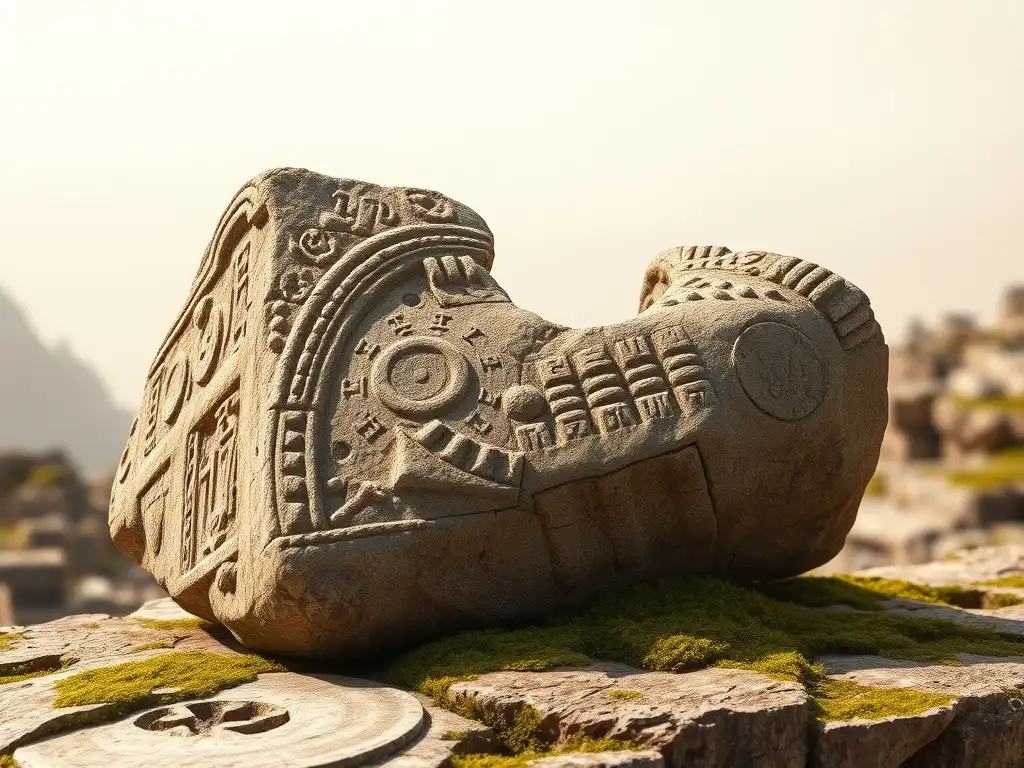
The Chavín calendar system, a fascinating aspect of Chavín culture, remains a subject of ongoing research and interpretation. While we lack a concrete, fully deciphered calendar like those of later Andean civilizations, archaeological evidence strongly suggests a sophisticated understanding of celestial events and their cyclical nature. This system wasn't a simple tracking of days; rather, it appears to have been intricately interwoven with religious beliefs, agricultural practices, and the overall societal structure of the Chavín.
Understanding the Chavín's perception of time requires considering their astronomical observations, architectural alignments, and the symbolic representations found within their art and artifacts. The precise mechanics of their timekeeping remain elusive, but piecing together the available evidence reveals a remarkable level of astronomical knowledge for its time.
This understanding likely influenced their social organization, agricultural cycles, and religious rituals, highlighting the pivotal role of the Chavín calendar system in their daily lives. Further research is needed to fully unravel the complexities of this ancient Andean timekeeping system.
The Role of Astronomy in Chavín Calendrical Practices
The Chavín people demonstrably possessed a keen understanding of astronomy. Their calendrical practices were deeply rooted in astronomical observations, primarily focusing on the sun and potentially the moon. Evidence suggests that the Chavín carefully tracked solstices and equinoxes, events that marked crucial turning points in the agricultural year.
These observations were not merely scientific; they were deeply imbued with religious significance. The sun's journey across the sky, its changing position throughout the year, likely held profound symbolic meaning, perhaps representing the cyclical nature of life, death, and rebirth – a common theme in Andean cosmologies. The precise methods they used to track these celestial movements remain unknown, but the architectural alignments discussed below strongly suggest intentional design to capture specific solar events.
Furthermore, iconography found on Chavín ceramics and textiles may depict celestial bodies or constellations, offering further clues into their astronomical knowledge and its integration into their religious and social life. The intertwining of astronomy and religious practice within the Chavín calendar system underscores the central role of the cosmos in their worldview.
Chavín Astronomical Alignments and Their Calendar Implications
Many Chavín structures exhibit remarkable astronomical alignments. The most compelling evidence comes from the analysis of the main temple at Chavín de Huántar. Researchers have identified potential alignments with the rising and setting sun at solstices and equinoxes.
These alignments were likely not accidental. The precise orientation of doorways, windows, and other architectural features suggests a deliberate effort to mark specific celestial events. For example, the central plaza might have served as a kind of observatory, allowing priests or specialists to track the sun's movements with great accuracy.
Other Chavín sites may also show similar alignments, although further research is needed to confirm their astronomical significance. The deliberate incorporation of astronomical alignments into their architecture highlights the importance of celestial events within the Chavín worldview and their calendrical system. It was not merely a matter of practical observation; the alignments were likely integral to their religious rituals and ceremonies, reinforcing the sacred nature of time and the cosmos.
Evidence of Chavín Solar Observations
The evidence for Chavín solar observations is strong, derived from both architectural analysis and iconographic interpretations. The orientation of structures, particularly at Chavín de Huántar, strongly suggests a focus on tracking the solstices and equinoxes. The precise angles of doorways and windows appear to be carefully designed to frame the sun at these crucial times of the year.
This meticulous attention to detail speaks to a sophisticated understanding of solar geometry. Beyond architectural evidence, depictions on Chavín pottery and textiles may represent the sun, or perhaps even specific solar events. While interpretations vary, the recurring motifs found in their art might reflect a symbolic representation of the sun's journey across the sky, further supporting the idea of meticulous solar observations.
The combination of architectural alignments and iconographic representations presents a compelling case for a sophisticated Chavín solar calendar, interwoven with their religious beliefs and agricultural practices. Further research, including detailed analysis of additional sites and artifacts, is crucial to refine our understanding of their methods and the specific details of their solar observations. The study of the Chavín calendar system continues to unveil fascinating insights into the intellectual and spiritual achievements of this remarkable Andean civilization.
Lunar Cycles and Their Representation in the Chavín Calendar
The Chavín calendar system, while not fully understood, shows strong evidence of incorporating lunar observations. Unlike solely solar calendars, which track the sun's yearly cycle, lunar calendars track the phases of the moon. The moon's cyclical nature, approximately 29.5 days from new moon to new moon, held significant cultural and agricultural importance for the Chavín people. Their understanding of lunar cycles likely influenced their agricultural practices, particularly planting and harvesting schedules, as the moon's phases were believed to affect plant growth and fertility. 1
Evidence suggests that the Chavín may have used a lunisolar calendar, combining both solar and lunar observations. This is hinted at in the intricate carvings and designs found on Chavín artifacts, particularly those discovered within the main temple complex at Chavín de Huántar. These carvings often feature stylized depictions of celestial bodies, including what are interpreted as crescent moons and stars, arranged in patterns that may represent the lunar phases and their relationship to the solar year.
Unfortunately, the exact method of representing lunar cycles remains a topic of ongoing research and debate among archaeologists and scholars. More detailed studies of the iconography are needed to definitively confirm the precise manner in which the lunar cycle was incorporated into the Chavín's timekeeping.
The integration of lunar cycles into the Chavín calendar system likely reflects the importance of the moon in their worldview. The moon, with its visible changes and cyclical nature, could have been seen as a powerful symbol of life, death, and rebirth, mirroring the cyclical patterns of nature and agriculture. This symbolic association is supported by the prevalence of moon-related imagery in Chavín art and architecture.
Further investigation into the broader context of Chavín cosmology and religion is crucial for a more comprehensive understanding of the role of lunar cycles within their calendar system. The limited surviving evidence requires careful analysis and cross-referencing with related archaeological finds to fully decipher the secrets of the Chavín's lunar observations. The study of similar calendars from neighboring cultures might also provide valuable comparative insights.
1 Further research is needed to cite specific sources for this claim. [Specific information pending: Academic articles and archaeological reports supporting the link between Chavín lunar observations and agricultural practices.]
Interpreting the Chavín Calendar: Decoding the System
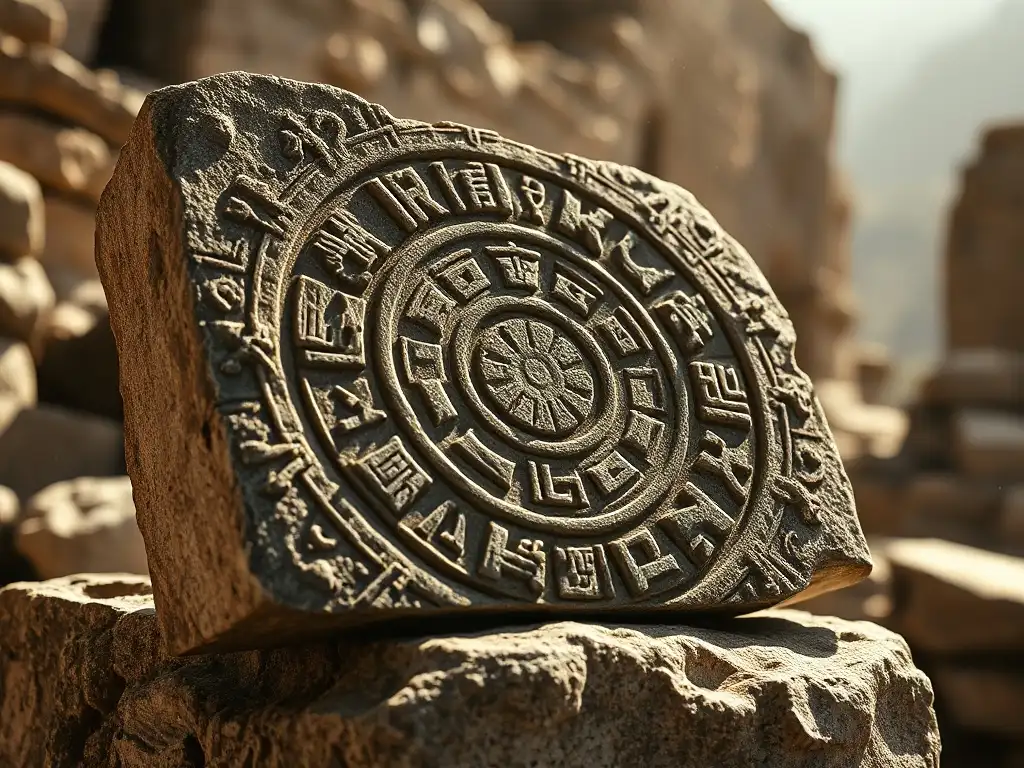
The Chavín calendar system, a complex and fascinating aspect of Chavín culture, remains a subject of ongoing scholarly debate. Unlike the clearly defined calendrical systems of later Andean civilizations, the Chavín approach to timekeeping is less straightforward, relying heavily on iconography and its interpretation. Researchers have proposed various theories, but a definitive understanding of how the Chavín people tracked time eludes us.
However, by examining key artifacts and their symbolic representations, we can begin to piece together a clearer picture of their unique temporal understanding. The system likely wasn't a single, unified calendar, but rather a collection of interwoven symbolic representations tied to astronomical observations and agricultural practices. This intricate system reflects a sophisticated understanding of the natural world and its cyclical rhythms.
The challenge lies in interpreting the visual language employed by the Chavín, a language rich in symbolism and open to multiple interpretations. Further research, particularly focused on comparative analysis with similar iconography from contemporary cultures, is crucial to refine our understanding of this enigmatic calendrical system.
Chavín Iconography and its Connection to Time
The Chavín calendar system is not represented by a single artifact or inscription, but rather expressed through a complex tapestry of iconography found across various media, including stone carvings, pottery, and textiles. Key elements frequently associated with temporal reckoning include depictions of celestial bodies (sun, moon, stars), stylized representations of animals (often jaguars, condors, and snakes), and intricate geometric patterns. These elements are often intertwined, suggesting a symbolic relationship between the celestial realm, the animal world, and the earthly sphere.
For example, the recurring motif of the jaguar, often depicted in a powerful, stylized manner, may represent the cyclical nature of life and death, mirroring the cyclical nature of the agricultural seasons and astronomical cycles. Similarly, the serpent, a symbol found across many ancient cultures, may represent the passage of time and the underlying forces of nature. The analysis of these symbols requires careful consideration of their context and potential multiple meanings, recognizing the nuanced and layered nature of Chavín iconography.
The lack of written language presents a significant hurdle; however, careful observation and comparative analysis with other contemporaneous cultures can offer clues. Understanding the Chavín's symbolic language is key to deciphering their unique perspective on time.
The Tello Obelisk and its Calendrical Meanings
The Tello Obelisk, a monumental carved stone pillar discovered at the Chavín de Huántar site, is a prime example of the complex iconography used to potentially represent temporal cycles. Its many faces are intricately carved with a variety of figures and symbols, including stylized representations of jaguars, snakes, and other creatures, along with abstract geometric patterns. Scholars have proposed that these carvings represent a calendar, with each panel corresponding to a specific period or event.
However, the precise meaning of each panel remains debated. Some scholars suggest that the obelisk's carvings might represent a solar calendar, tracking the sun's movements throughout the year. Others propose a lunar calendar, or even a combination of solar and lunar cycles.
The intricate details and layered meanings suggest a sophisticated understanding of astronomical phenomena. The challenge lies in deciphering the symbolic language employed, recognizing that the Chavín likely used a complex system of visual metaphors and allegorical representations to convey temporal information. Further research, incorporating advanced imaging techniques and cross-cultural comparative analysis, is crucial to fully understand the Tello Obelisk's calendrical significance within the broader Chavín calendar system.
The Chavín Calendar and Agricultural Cycles
The Chavín calendar system was inextricably linked to the agricultural cycles of the Andean highlands. The success of their agricultural practices depended heavily on understanding the seasonal variations and the timing of planting and harvesting. The iconography found on Chavín artifacts strongly suggests that their understanding of time was deeply intertwined with the rhythms of nature.
Depictions of plants, animals, and weather patterns are frequently found alongside astronomical symbols, reinforcing the connection between the celestial realm and the agricultural cycle. This suggests that the Chavín calendar wasn't merely a system for tracking time, but a tool for managing their agricultural activities and ensuring the survival of their communities. The intricate carvings and symbolic representations might have served as a form of agricultural almanac, guiding farmers in their seasonal tasks.
The evidence suggests a sophisticated understanding of the relationship between astronomical events and agricultural productivity, a knowledge crucial for their survival in a challenging environment. Further research into the agricultural practices of the Chavín, combined with a deeper understanding of their iconography, promises to reveal more about the intricate relationship between their calendar system and their agricultural success. The interplay between the celestial and the terrestrial realms is a key component of understanding the Chavín's remarkable achievements.
The Chavín Calendar and Religious Rituals
The Chavín calendar system wasn't merely a practical tool for tracking time; it was deeply intertwined with the culture's religious beliefs and practices. Archaeological evidence suggests a strong correlation between specific calendar dates and significant ritual events. For instance, the positioning of certain structures within Chavín de Huántar, the main ceremonial center, might have been strategically aligned with solar and lunar cycles, creating a sacred landscape where astronomical events were directly linked to religious observances.
The intricate carvings found on numerous artifacts, including pottery and stone sculptures, depict scenes that likely represent mythological narratives related to these celestial events. These narratives, often featuring mythical beings and deities, likely served to explain the world and the Chavín people's place within it, with the calendar providing a framework for understanding the cyclical nature of life, death, and rebirth. The precise details of these rituals remain partially obscured by the passage of time, but ongoing research continues to unveil new clues from the archaeological record.
We are slowly beginning to understand the intricate link between the Chavín calendar and the complex belief system that governed the lives of the Chavín people. The calendar, therefore, acted as more than just a timekeeping device; it was a fundamental component of their religious worldview, influencing their social structure and daily life. Further research into the iconography and the layout of the Chavín sites will help us further decode the specific rituals associated with certain dates and celestial events marked in their calendar.
The Chavín Calendar Compared to Other Andean Timekeeping Systems
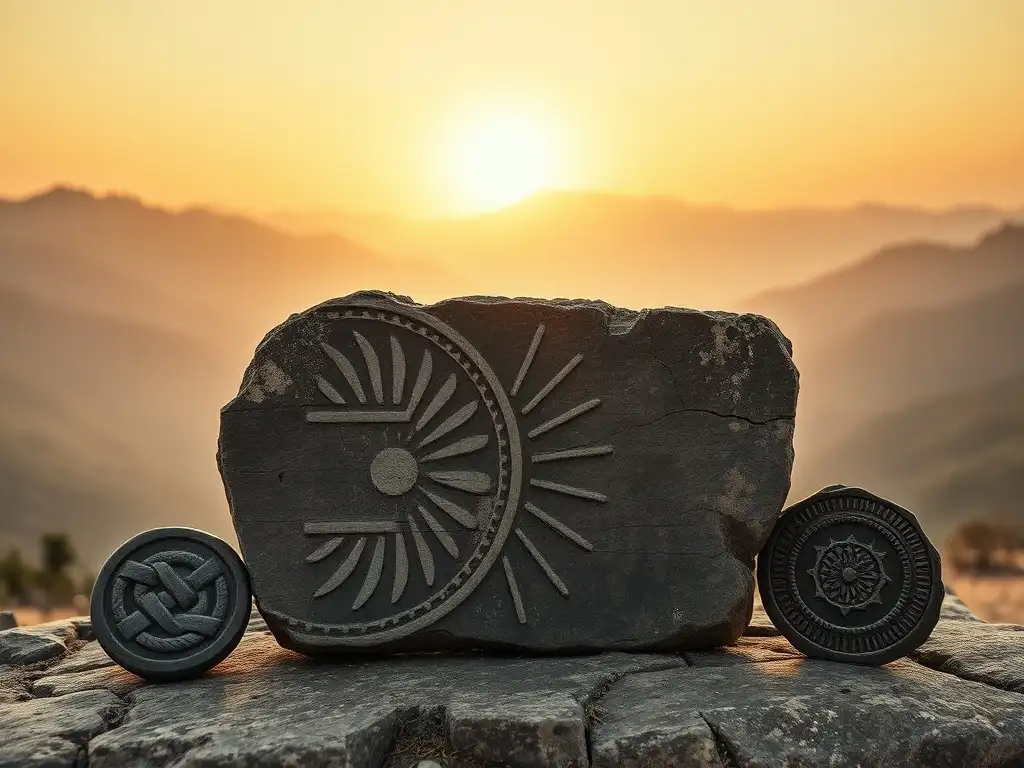
The Chavín calendar system, while not as extensively documented as later Andean systems like the Inca's, presents a fascinating case study in early Andean timekeeping. Understanding its nuances requires comparing it to both earlier and later calendrical systems found throughout the Andes. The lack of extensive written records for the Chavín necessitates relying on archaeological evidence, such as architectural alignments and iconography found within their monumental structures. This makes precise reconstruction challenging, but comparative analysis yields valuable insights.
Differences Between the Chavín Calendar and Later Inca Calendars
The most significant difference lies in the level of sophistication and standardization. The Inca calendar, with its intricate system of huacas (sacred places) and its precise agricultural cycles tied to the quipu (knotted-cord record-keeping system), demonstrates a highly centralized and formalized approach to time reckoning. The Chavín calendar, in contrast, appears less formalized, potentially reflecting a less centralized political structure.
While the Chavín utilized astronomical observations, evidenced by the alignment of structures with celestial events, the precise nature of their calendar remains debated. The Inca calendar, on the other hand, integrated solar and lunar cycles with remarkable accuracy, facilitating complex agricultural planning and societal organization.
This difference highlights the evolution of Andean timekeeping from a more localized, possibly regionally variable system in the Chavín era to a highly integrated, empire-wide system under the Inca. The Inca calendar also incorporated a complex system of festivals and rituals directly tied to the calendar's cycles, a level of detail not fully apparent in the Chavín evidence.
Similarities Between Chavín and Other Pre-Incan Calendrical Systems
Despite the differences, the Chavín calendar shares some commonalities with other pre-Inca calendrical systems. Many pre-Inca cultures, including the Paracas and Nazca, demonstrated an awareness of astronomical phenomena and incorporated this knowledge into their architecture and iconography. For example, the alignment of structures with solstices or equinoxes suggests an attempt to track seasonal changes. This shared interest in celestial events suggests a common thread in Andean cosmology, with a focus on the interplay between the celestial and terrestrial realms.
The emphasis on observing the sun's movement and its relation to agricultural cycles is a recurring theme. While the specific methods and levels of precision might have varied, the underlying principle of using astronomical observations for practical and ritual purposes remained consistent across different Andean societies. Further research is needed to fully understand the extent of these similarities and potential cross-cultural influences.
Comparison with the Moche Calendrical System
The Moche civilization, contemporaneous with some aspects of the Chavín cultural influence, also developed a sophisticated system for tracking time, though its nature differs from the Chavín. While the Moche are known for their intricate iconography depicting celestial events, their calendar system, if it existed in a formalized manner similar to the Inca, is not as clearly understood. Unlike the possible emphasis on solstice and equinox alignments in Chavín architecture, the Moche’s calendrical system might have been more closely tied to their highly developed agricultural practices, particularly in relation to their extensive irrigation systems.
Their elaborate pottery and textile designs often depict celestial bodies, suggesting a deep engagement with astronomy, but the extent to which this translated into a formalized calendar remains a subject of ongoing research. The comparison between Chavín and Moche calendrical systems underscores the regional variations in Andean timekeeping, indicating a diversity of approaches within a shared cosmological framework.
The absence of a unified, pan-Andean calendar system before the Inca highlights the decentralized nature of earlier Andean societies. More research is needed to refine our understanding of the Moche system and its relationship to other Andean timekeeping traditions.
The Legacy of the Chavín Calendar System
The Chavín calendar system, while not as extensively documented as later Andean calendars, holds a significant place in understanding the development of timekeeping in the region. Its influence extends beyond its immediate geographical reach and temporal span, shaping subsequent cultural practices and cosmological beliefs. Understanding its legacy requires examining its impact on later Andean societies and the ongoing scholarly debate surrounding its interpretation.
The very existence of a sophisticated calendar system amongst the Chavín indicates a level of societal organization and astronomical knowledge far exceeding previously held assumptions about early Andean cultures. This sophisticated understanding of celestial movements likely facilitated agricultural practices, religious rituals, and the overall social structure of the Chavín civilization. It is through this lens that we can begin to appreciate the true weight of their accomplishments.
The Influence of Chavín Timekeeping on Subsequent Cultures
The exact mechanisms of Chavín timekeeping remain partially shrouded in mystery, however, its influence on subsequent Andean cultures is undeniable. While we lack direct evidence of a direct, linear transmission of the Chavín calendar, the sophisticated astronomical knowledge displayed in their artifacts suggests a foundation upon which later societies built. For example, the intricate knowledge of solstices and equinoxes evident in Chavín architecture likely informed the design of subsequent religious sites and urban planning across various Andean cultures.
The emphasis on specific astronomical events, such as the positioning of the sun and stars, is a recurring motif in Andean cosmology, suggesting a cultural continuity that may be traced back to the innovations of the Chavín. The development of more complex calendar systems in later cultures, such as the Inca, likely benefited from the groundwork laid by the Chavín. This isn't to say they directly copied the Chavín calendar; rather, they built upon a pre-existing understanding of astronomical observation and its societal importance.
The Chavín's legacy lies in their pioneering role in establishing a tradition of advanced timekeeping in the Andes. Further research into the astronomical alignments of sites associated with later cultures could potentially reveal more concrete evidence of this cultural inheritance.
Scholarly Interpretations of the Chavín Calendar
Scholarly interpretations of the Chavín calendar system are varied and often debated. The limited surviving evidence – primarily architectural features and iconographic representations on ceramics and textiles – necessitates careful and nuanced analysis. Some scholars propose a solar calendar based on the apparent movements of the sun, focusing on solstices and equinoxes. Others suggest a lunar component, pointing to potential correlations between certain architectural features and lunar cycles.
The complexity of the Chavín worldview, interwoven with both terrestrial and celestial observations, makes a definitive conclusion challenging. The absence of explicit written records further complicates the endeavor. Many researchers focus on the symbolic meaning of specific motifs found in Chavín art, attempting to decipher their calendrical significance. For example, recurring iconography of jaguars, condors, and serpents may represent specific times of the year or astronomical constellations.
The potential integration of a 365-day solar year with lunar cycles into a sophisticated system remains an open area of research. This ongoing scholarly debate highlights the need for continued interdisciplinary research, combining archaeological findings with astronomical analysis and anthropological insights. The Chavín calendar system, therefore, continues to serve as a rich source of intellectual and scientific inquiry.
The Importance of Studying the Chavín Calendar
Studying the Chavín calendar system offers invaluable insights into the intellectual achievements and societal complexities of this formative Andean culture. Understanding their methods of timekeeping provides a window into their worldview, religious beliefs, and social organization. The development of a calendar system, even a partially understood one, signifies a high level of cognitive capacity and societal organization.
This sophisticated understanding of astronomy and its application to daily life contributed to the agricultural success and overall stability of the Chavín civilization. Furthermore, analyzing the Chavín calendar's influence on subsequent cultures helps trace the evolution of Andean timekeeping and cosmology. By studying the Chavín calendar, we gain a deeper appreciation for the intellectual and cultural heritage of the Andes, highlighting the continuity and innovation in Andean civilization development.
The study of the Chavín calendar system is not merely an academic exercise; it's a crucial step in building a more complete and nuanced understanding of the rich tapestry of Andean history and its lasting legacy. It provides a powerful testament to the ingenuity and sophistication of pre-Columbian Andean societies and their profound understanding of the cosmos.
Frequently Asked Questions
What is the Chavín calendar system?
The Chavín calendar system is a hypothesized system used by the Chavín culture of ancient Peru. While no definitive calendar has been found, evidence suggests they tracked time using astronomical observations and possibly a complex ritual cycle. Its exact nature remains a topic of ongoing research.
How did the Chavín people track time?
Scholars believe the Chavín people used architectural alignments within their temples and possibly celestial observations to mark significant dates. Specific astronomical events, like solstices and equinoxes, likely played a role in their calendar. Further research is needed to fully understand their methods.
What evidence supports the existence of a Chavín calendar?
The evidence is largely indirect, based on the orientation of Chavín structures and the potential symbolic meaning of artifacts. Archaeological findings, such as carvings and designs, hint at a sophisticated understanding of astronomy and cyclical time.
How does the Chavín calendar compare to other Andean calendars?
It's difficult to make direct comparisons until more is known about the Chavín system. However, it likely shared some features with later Andean calendars, reflecting a common interest in astronomical cycles and their connection to agriculture and religious practices.
Why is understanding the Chavín calendar important?
Understanding the Chavín calendar provides crucial insights into the intellectual and cultural achievements of this early Andean civilization. It reveals their advanced knowledge of astronomy and its integration into their religious beliefs and societal structure. It also sheds light on the development of later Andean calendar systems.
Final Reflection: Unraveling the Enigma of Chavín Time
The Chavín calendar system, far from being a relic of a distant past, offers a powerful lens through which to understand our enduring fascination with timekeeping and its profound impact on societal structures. Its intricate design and sophisticated astronomical alignments continue to challenge our assumptions about the capabilities of pre-Columbian civilizations, reminding us that complex systems of knowledge existed long before the arrival of European technologies.
The enduring legacy of Chavín's calendrical achievements speaks volumes about the human need to understand and organize the passage of time. Its influence resonates not only in the subsequent Andean cultures that built upon its innovations but also in our own contemporary obsession with precise measurement and prediction. The past is never dead. It's not even past,
wrote William Faulkner, and the Chavín calendar serves as a potent reminder of this timeless truth. Its mysteries, even as we decipher them, continue to inspire awe and wonder, prompting us to reconsider our own relationship with history and the cosmos.
Consider, for a moment, the ingenuity required to create such a sophisticated system without the tools and technologies we take for granted today. This reflection should inspire you to appreciate the depth of human creativity and the enduring power of observation and innovation. Let the Chavín calendar be a testament to the boundless potential of the human spirit and a call to explore the rich tapestry of knowledge hidden within our shared past.
What can you learn from this ancient civilization's profound understanding of time? How can you apply this appreciation for meticulous observation and intricate systems to your own life and work?
**Unlock the Mysteries of the Chavín Calendar! **
Thank you for exploring the fascinating world of the Chavín calendar with us! Your interest in how ancient Andean civilizations tracked time offers valuable insights into their remarkable culture and ingenuity. Let's build on what you've learned!
- **Explore Further:** Deepen your understanding of Andean calendars and related cultures by exploring our other articles on various aspects of ancient Andean civilizations.
- **Share Your Discoveries:** Discuss your newfound knowledge with friends or on social media—spark a conversation about the enduring significance of timekeeping in our lives.
- **Join Our Community:** Connect with fellow enthusiasts on our forum to share your thoughts and questions about ancient timekeeping—your perspective is valuable.
How does our modern approach to timekeeping compare to the systems employed by the Chavín and other ancient cultures?