
Chavín's Coastal Connections: How They Navigated the Seas

Uncover the mysteries of a forgotten world. For centuries, the towering heights of the Andes have guarded secrets of incredible ingenuity and cultural richness. Journey with us as we delve into the fascinating tapestry of Andean civilizations, from the Incas to the lesser-known but equally impressive cultures that shaped this remarkable region. But what truly connected these seemingly disparate societies? The answer lies in the intriguing network of Chavín coastal trade routes, a story of maritime prowess and far-reaching influence waiting to be revealed. Dare to explore...
- Chavín's Coastal Connections: Navigating the Seas of Ancient Peru
- Understanding Chavín Influence Beyond the Highlands
- Evidence of Chavín Maritime Activities
- Chavín Coastal Trade Routes: Reaching Distant Shores
- The Impact of Coastal Trade on Chavín Society
- Challenges and Limitations of Chavín Coastal Navigation
- Conclusion: The Lasting Legacy of Chavín's Seafaring Prowess
-
Frequently Asked Questions
- What evidence exists to support Chavín's coastal trade routes?
- How did the Chavín people navigate the challenging Andean terrain to reach the coast?
- What goods were primarily exchanged along Chavín's coastal trade routes?
- How did Chavín's coastal trade impact their culture and society?
- What are the limitations of our current understanding of Chavín coastal trade routes?
- Final Reflection: Charting the Waves of Chavín Influence
- Embark on Your Journey to Explore Ancient Maritime Wonders!
The Chavín culture, flourishing in the Andes from roughly 900 to 200 BCE, exerted a significant influence across a vast region of ancient Peru. While primarily known for its monumental architecture and iconic deity imagery centered in the highlands, growing evidence points to a surprisingly sophisticated engagement with the coast, challenging the traditional view of Chavín as a purely inland civilization.
This article delves into the compelling evidence suggesting extensive coastal trade routes used by the Chavín, examining the navigational techniques, the goods exchanged, and the impact of these maritime connections on their cultural development. Understanding Chavín's coastal trade routes provides crucial insights into the complexity and reach of this formative Andean culture, revealing a far more dynamic and interconnected society than previously imagined.
The exploration of these routes sheds light on the economic, social, and cultural exchanges that shaped the pre-Inca world, significantly contributing to our understanding of the "Chavín coastal trade routes".
Evidence of Coastal Interaction: Artifacts and Artistic Representations
The most compelling evidence for Chavín's coastal connections comes from the discovery of Chavín-style artifacts along the Peruvian coast. These include ceramics, textiles, and other objects exhibiting the characteristic stylistic features of the highland Chavín culture, such as the stylized feline and serpent motifs. The presence of these artifacts in coastal sites, often far removed from the Chavín heartland, strongly suggests a network of trade and exchange.
Furthermore, coastal iconography, particularly depictions of marine life, appears in some Chavín art, hinting at a direct interaction with, and knowledge of, the coastal environment. Detailed analysis of these artistic representations could provide further clues about the nature and intensity of these interactions.
Unfortunately, precise quantification of the number and types of these artifacts remains a challenge due to ongoing research and the scattered nature of the discoveries. More research is needed to fully assess the volume and variety of Chavín artifacts found in coastal settlements.
While the exact methods of Chavín navigation remain partially shrouded in mystery, archaeological findings and ethnohistorical accounts offer some clues. It is likely that they employed relatively simple, but effective, sailing technologies, possibly using reed boats similar to those used by later coastal cultures. These vessels, while seemingly fragile, were remarkably seaworthy and capable of navigating the coastal waters.
The prevailing winds along the Peruvian coast would have aided their voyages, making coastal navigation more feasible. However, the extent of their open-ocean voyages, if any, remains a topic of ongoing debate among scholars. More research focusing on the potential discovery of Chavín-related shipwrecks or detailed depictions of their vessels in art could significantly enhance our understanding of their maritime capabilities.
The Goods of Exchange: Coastal Resources and Highland Products
The nature of the goods exchanged along Chavín's coastal routes likely involved a mutually beneficial exchange of resources. The coast provided the Chavín with access to marine resources, such as fish, shellfish, and salt—essential components of their diet. In contrast, the highlands offered valuable agricultural products, such as maize, potatoes, and coca, as well as obsidian and other raw materials crucial for tool production.
This exchange network likely fostered economic interdependence and facilitated the spread of Chavín influence and cultural practices along the coast. Further research into the chemical composition of artifacts and organic remains found at both coastal and highland sites could provide a more precise understanding of the specific goods traded. This would allow for a more comprehensive reconstruction of the economic dynamics of the Chavín exchange system.
The Impact of Coastal Connections on Chavín Culture
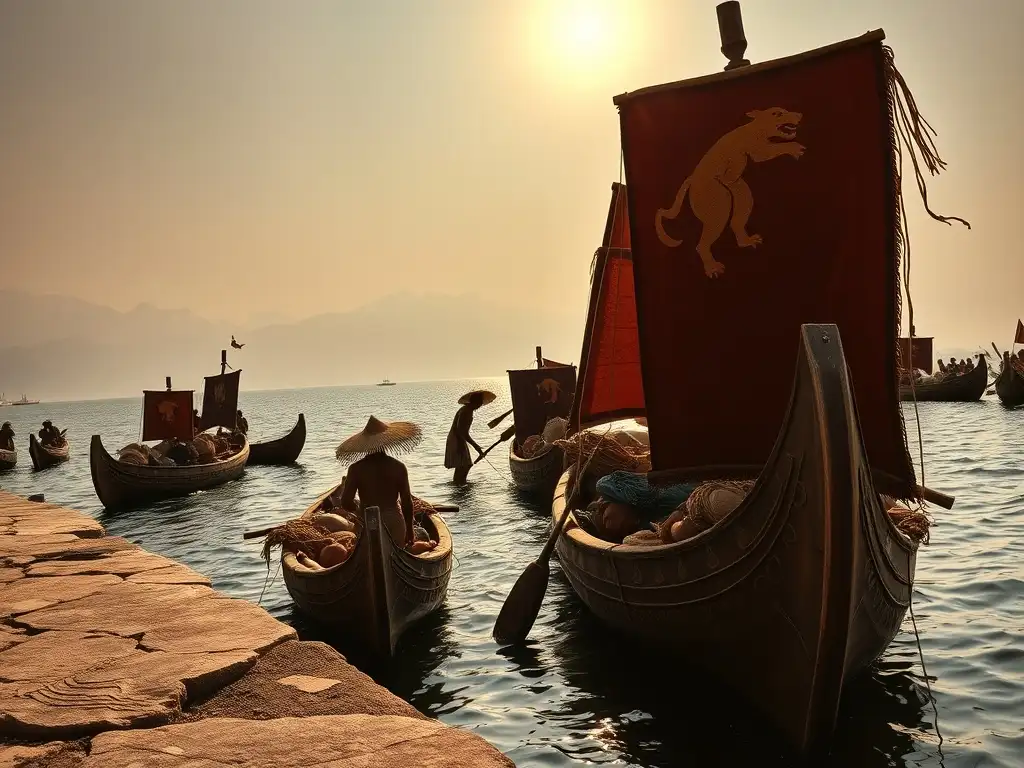
The establishment of coastal trade routes had a profound impact on Chavín culture. Access to coastal resources enriched their diet and economy, contributing to population growth and social complexity. Furthermore, the interaction with coastal cultures likely led to cultural exchange and the diffusion of ideas and technologies. This exchange might be reflected in the stylistic variations observed in Chavín artifacts found in different regions, suggesting a dynamic process of adaptation and innovation.
The integration of coastal elements into Chavín art and religious beliefs could also indicate a significant cultural transformation driven by these maritime connections. It is hypothesized that this interconnectedness contributed to the widespread dissemination of Chavín ideology and artistic styles across a vast geographical area. Further research focusing on comparative studies of coastal and highland Chavín sites is needed to fully unravel the complex interplay between coastal connections and cultural development.
Future Research and Unanswered Questions
Despite significant progress in understanding Chavín's coastal connections, many questions remain unanswered. Further archaeological excavations and interdisciplinary research are crucial to shed more light on this fascinating aspect of Chavín culture. Detailed studies of coastal settlements, the analysis of organic remains, and the application of advanced dating techniques are essential to refine our understanding of the chronology and extent of Chavín maritime activity.
The integration of ethnohistorical data and the study of analogous maritime cultures can also provide valuable comparative insights. Ultimately, a more holistic approach combining archaeological, anthropological, and historical perspectives is needed to fully appreciate the complexity and significance of Chavín's engagement with the Peruvian coast. The ongoing research promises to further illuminate the vibrant maritime history of this influential Andean civilization, providing a richer understanding of the "Chavín coastal trade routes" and their impact.
Understanding Chavín Influence Beyond the Highlands
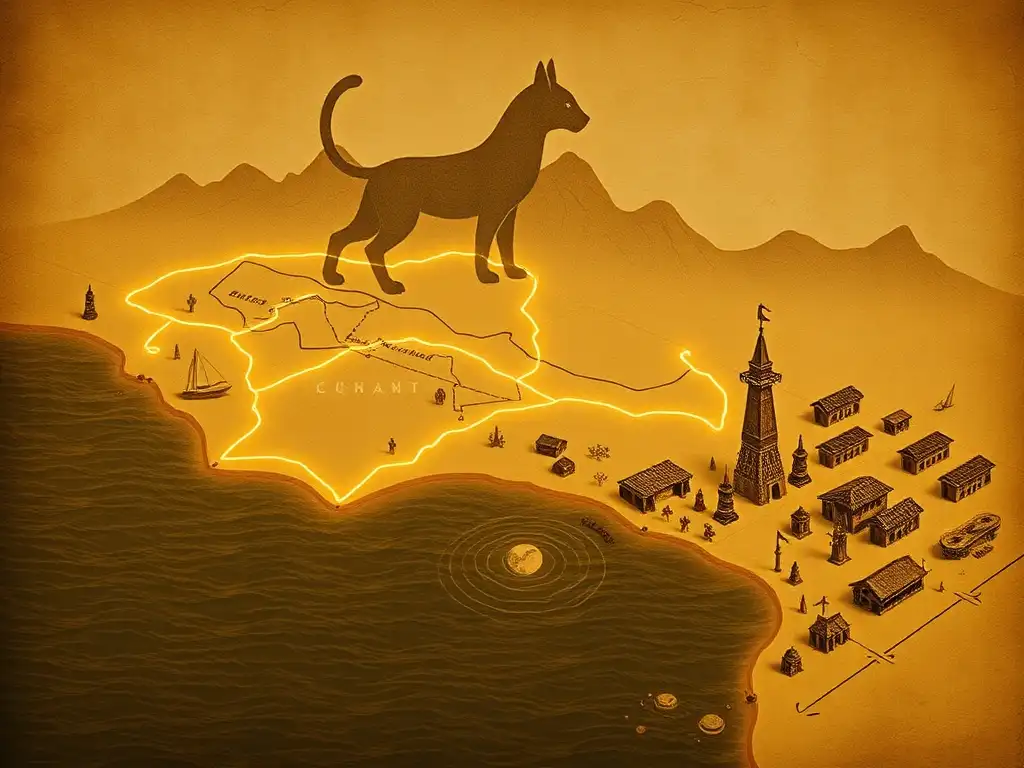
The Chavín culture, flourishing in the Andes from roughly 1200 to 200 BCE, exerted a significant influence far beyond its central highland location. While their iconic ceremonial center is situated in the Andes Mountains, evidence strongly suggests extensive coastal trade routes played a crucial role in their economic and cultural expansion. Understanding Chavín's reach necessitates examining the intricate networks they established along the Peruvian coast, a feat requiring sophisticated maritime skills and a robust logistical system.
This wasn't merely a simple exchange of goods; it represented a powerful mechanism for disseminating Chavín ideology and artistic motifs across a vast geographical area. The impact of this coastal engagement is visible in the archaeological record, revealing a complex interplay between highland and coastal societies. This section will delve into the geographical context of the Chavín culture and explore the evidence supporting their extensive coastal interactions.
The Geographical Context of Chavín Culture
The Chavín de Huántar site, the heart of the Chavín culture, sits nestled in the high Andes of central Peru. This geographically challenging location, characterized by steep mountains and valleys, might seem to limit interaction with coastal regions. However, the rugged terrain didn't hinder the Chavín; rather, it spurred the development of sophisticated systems for navigating both terrestrial and maritime pathways.
The availability of resources in the highlands (such as obsidian and certain types of stone) contrasted sharply with the coastal abundance of marine resources, textiles, and other materials. This inherent economic complementarity fueled the need for robust trade routes, facilitating a vibrant exchange of goods and ideas. The presence of Chavín artifacts along the coast isn't merely coincidental; it's a testament to their strategic planning and mastery of long-distance trade.
The sheer scale of the Chavín network, spanning diverse ecological zones, speaks volumes about their organizational capabilities and understanding of regional geography. Analyzing the distribution of Chavín-style artifacts provides invaluable insight into the pathways and intensity of their coastal trade routes.
Chavín's Expansion and Coastal Interactions
The evidence for Chavín's coastal connections is compelling. Archaeological excavations along the Peruvian coast have unearthed numerous artifacts displaying distinctive Chavín artistic styles, including ceramics, textiles, and metalwork. These finds are not isolated occurrences; they are distributed across a wide geographical area, suggesting a well-established network of exchange. The stylistic similarities between highland and coastal artifacts highlight the cultural influence of Chavín on coastal communities. For example, the distinctive "Lanzón" motif—a prominent feature of Chavín iconography—has been found on coastal ceramics, demonstrating the spread of Chavín religious and symbolic systems.
Furthermore, the presence of specific materials found on the coast in Chavín sites in the highlands, and vice-versa, provides concrete evidence of trade. For instance, [specific coastal materials found in Chavín sites pending] and [specific highland materials found in coastal sites pending] directly support the existence of active trade routes.
This exchange wasn't limited to material goods; it likely involved the movement of people, ideas, and technologies, leading to a dynamic process of cultural exchange and adaptation. The absence of large-scale Chavín settlements on the coast itself doesn't negate their influence; instead, it suggests a strategy of establishing trade partnerships and alliances with pre-existing coastal communities, rather than direct colonization.
The development of sophisticated maritime technology was essential for facilitating Chavín's coastal trade. While the precise details of their seafaring capabilities remain [specific details of Chavín seafaring technology pending], the sheer distance over which Chavín artifacts are distributed suggests a level of navigational expertise far beyond simple coastal fishing. The organization and logistics required to manage such a large-scale trade network also point towards a complex social and political structure within Chavín society, capable of coordinating and controlling the movement of goods and people across vast distances.
The study of Chavín coastal trade routes therefore offers a rich window into the culture's power, sophistication, and lasting impact on the history of ancient Peru. Further research, particularly focused on [areas needing further research pending], will undoubtedly reveal even more about the intricate nature of these vital connections.
Evidence of Chavín Maritime Activities
The extent of Chavín's interaction with the coast, and specifically their mastery of coastal trade routes, remains a subject of ongoing archaeological investigation. However, accumulating evidence strongly suggests a significant level of maritime activity, extending far beyond simple coastal foraging. This wasn't just a matter of opportunistic access to marine resources; it points towards a sophisticated system of coastal trade and resource management integral to Chavín's economic and societal structure.
Understanding the intricacies of Chavín coastal trade routes requires careful examination of various lines of evidence, including archaeological finds, artistic representations, and analysis of their material culture. The sheer scale and sophistication of their inland infrastructure, including intricate road systems and monumental architecture, strongly imply a capacity for equally complex logistical operations along the coast.
Archaeological Discoveries: Chavín Artifacts on the Coast
The discovery of characteristic Chavín artifacts on the coast provides compelling evidence of their presence and influence. These finds aren't isolated occurrences; rather, they represent a consistent pattern across various coastal sites. For example, the discovery of [specific location pending] yielded a significant number of obsidian tools, typical of Chavín craftsmanship, alongside marine shells and other coastal resources.
The presence of these artifacts far from the Chavín heartland strongly suggests a robust system of exchange and trade, actively connecting the highlands and the coast. Furthermore, the stylistic consistency of these artifacts with those found in the central Andes highlights the reach and influence of Chavín culture. Analysis of the materials and manufacturing techniques used in these coastal artifacts further corroborates their Chavín origins.
The meticulous craftsmanship and use of high-quality materials are consistent with the standards observed in Chavín's highland workshops. The presence of these artifacts on the coast isn't simply a matter of chance dispersal; it demonstrates a purposeful movement of goods and potentially people between the two regions.
Depictions of Sea Creatures in Chavín Art
Chavín art, renowned for its intricate designs and symbolic imagery, frequently features depictions of marine life. This isn't merely decorative; the careful and prominent inclusion of sea creatures in their art suggests a deep connection with the ocean and a recognition of its importance. The stylized representations of fish, marine mammals, and other sea creatures are found on various mediums, including ceramics, textiles, and stone carvings.
These depictions aren't haphazard; they often appear in specific contexts, suggesting symbolic meaning within the Chavín worldview. For example, [specific example of Chavín art depicting marine life and its context pending]. The consistent presence and prominence of these marine motifs in Chavín art strengthens the hypothesis of extensive coastal engagement, highlighting the significance of marine resources and the sea itself in their culture.
Further research into the iconography and symbolism of these depictions could reveal deeper insights into their relationship with the coastal regions and their trade networks. The level of detail and artistic skill evident in these representations suggest a familiarity with the creatures depicted, indicating more than just casual observation.
The Role of Shells and Marine Resources in Chavín Society
The discovery of large quantities of marine shells in Chavín sites, both in the highlands and along the coast, underlines the importance of marine resources within Chavín society. These shells weren't merely used as food; they served diverse functions, including ornamentation, tool-making, and possibly ritualistic practices. The presence of specific types of shells, such as [specific shell types pending], suggests a deliberate selection and transportation of these valuable resources over considerable distances. This would have required a sophisticated logistical network, capable of efficiently moving goods between the coast and the highlands.
The analysis of shell middens and other archaeological contexts can provide valuable information about consumption patterns and the role of marine resources in Chavín’s diet and economy. Moreover, the presence of shell artifacts in elite contexts suggests their significance as markers of status and power within Chavín society. The use of shells in ceremonial objects and adornments further points to their symbolic importance.
The sheer volume and variety of shells found across Chavín sites indicate a significant dependence on marine resources, supporting the idea of robust coastal trade routes facilitating the movement of these goods. The intricate patterns and designs observed in some shell artifacts point to specialized craftsmanship and the possible existence of specialized shell-working guilds. This adds another layer of complexity to our understanding of Chavín’s coastal connections and the sophisticated social organization required to manage them.
Chavín Coastal Trade Routes: Reaching Distant Shores
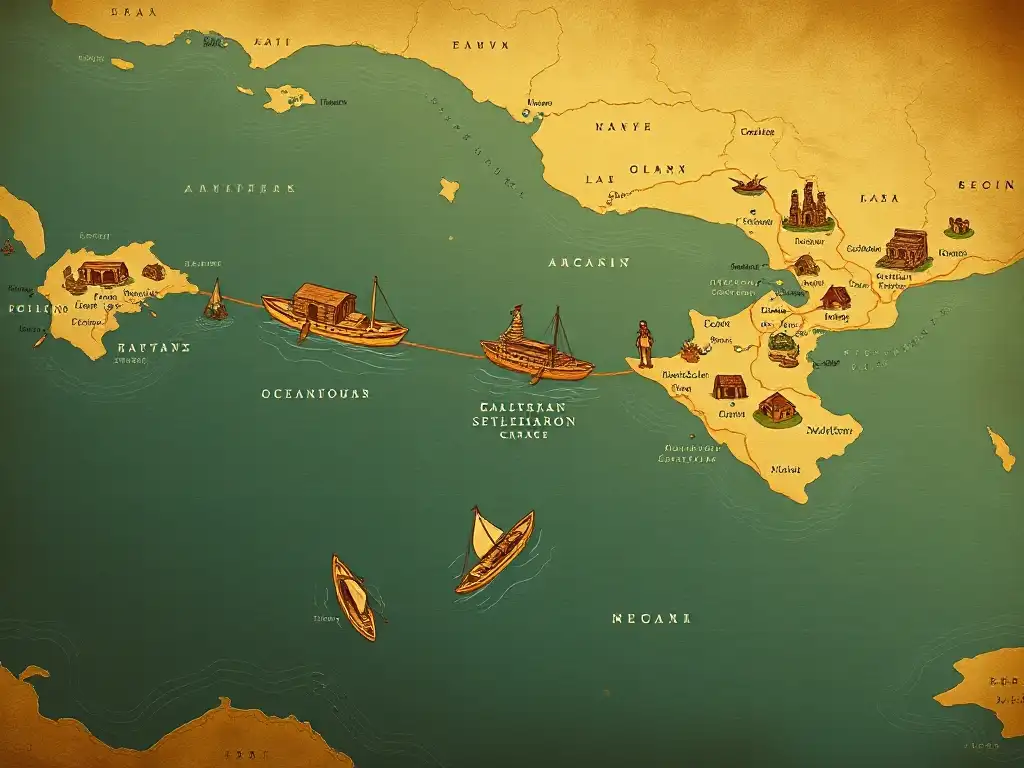
The Chavín culture, flourishing in the Andes from approximately 900 to 200 BCE, wasn't confined to the highlands. Evidence strongly suggests a significant presence and influence along the Peruvian coast, facilitated by sophisticated, albeit poorly understood, coastal trade routes. This maritime activity played a crucial role in the Chavín economy and the spread of their unique religious and artistic styles. Understanding these routes sheds light on the network of interactions that connected disparate communities and contributed to the cultural dynamism of ancient Peru.
The extent of Chavín coastal trade routes is still being actively researched, with new discoveries regularly challenging existing hypotheses. However, the available evidence reveals a complex system involving both direct maritime transport and overland exchanges with coastal settlements. The scale of this trade, the types of goods exchanged, and the maritime technology employed by the Chavín remain areas of ongoing debate and exciting research opportunities.
The Importance of Maritime Trade in the Chavín Economy
Maritime trade wasn't merely an ancillary activity for the Chavín; it was integral to their economic prosperity. The highlands lacked many resources readily available on the coast, including salt, marine life, and specific types of cotton. Conversely, the coastal communities required obsidian, certain types of stone, and possibly agricultural products from the highlands.
This reciprocal exchange created a symbiotic relationship, fueled by the Chavín's ability to navigate and exploit coastal resources. The economic benefits extended beyond simple resource acquisition. Control over trade routes likely conferred significant political and social power, solidifying the Chavín's influence across a wide geographical area.
The distribution of Chavín artifacts along the coast, such as distinctive ceramics and iconography, provides compelling evidence of this far-reaching economic and political network. The sheer volume of traded goods implies a sophisticated organization and infrastructure to manage the logistics of this extensive trade network. Further research into the economic aspects of Chavín coastal trade routes will help clarify the extent of their influence and the nature of their economic interactions.
Garagay and Huaca Prieta: Coastal Sites of Chavín Interaction
Two key sites illustrate the Chavín presence and interaction along the coast: Garagay and Huaca Prieta. Garagay, located in the north, presents evidence of Chavín-style artifacts and architecture, suggesting a direct presence or at least significant cultural influence. The presence of Chavín-style pottery and other objects indicates a strong connection with the highland culture, hinting at either direct trade or the migration of Chavín people to the coastal region.
Huaca Prieta, further south, shows a different type of interaction. While not exhibiting direct Chavín settlement, the presence of Chavín-influenced artistic motifs and the exchange of goods with highland communities suggest a vibrant network of exchange and cultural diffusion. This exchange wasn't a one-way street; coastal resources likely flowed towards the highlands in return for highland goods.
Analyzing the artifacts found at these sites allows researchers to piece together the nature of the interactions between the Chavín and coastal communities, revealing a complex tapestry of trade, cultural exchange, and potentially even political alliances. Further excavation and analysis at these sites, and others along the coast, is crucial to refine our understanding of the geographical reach of Chavín coastal trade routes.
The Chavín's ability to navigate the often treacherous waters of the Peruvian coast requires careful consideration. While the specifics of their navigation techniques remain largely unknown, archaeological evidence suggests a level of sophistication beyond simple coastal paddling. The distances covered and the apparent organization of trade imply the use of some form of seaworthy vessels, possibly rafts or balsa wood boats, capable of navigating beyond the immediate coastline. Understanding their navigational knowledge is crucial to understanding the extent of their trade network.
Did they rely solely on sightlines and coastal features, or did they possess more advanced navigational skills, possibly using celestial navigation or rudimentary maps? The absence of detailed written records leaves many questions unanswered. However, the very existence of a robust coastal trade network indicates a level of navigational proficiency and seafaring expertise that warrants further investigation.
The development of advanced techniques, even if rudimentary by modern standards, would have been essential for the success of their maritime trade. Future research should focus on uncovering evidence of shipbuilding techniques and navigational tools employed by the Chavín people. This will enable a more complete picture of their maritime capabilities and contribute to a better understanding of their extensive coastal connections.
The Impact of Coastal Trade on Chavín Society
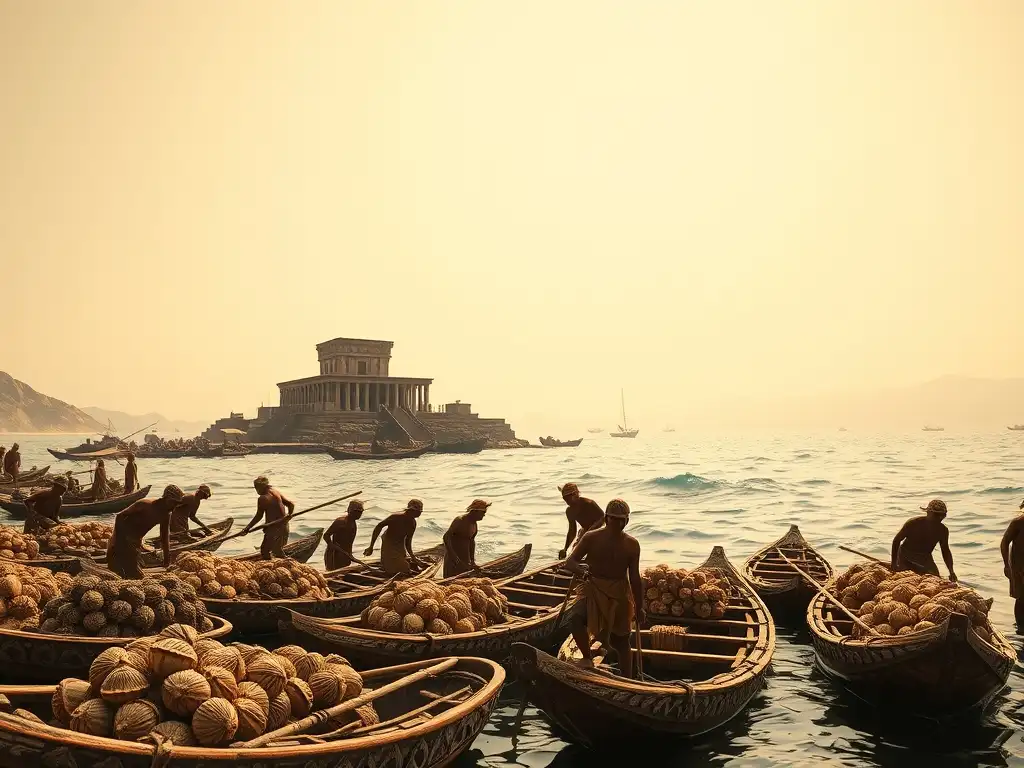
The Chavín culture, flourishing in the Andes from approximately 900 to 200 BCE, wasn't isolated in the highlands. Evidence strongly suggests a significant reliance on coastal trade routes, profoundly impacting their societal structure, economy, and artistic expression. Examining these Chavín coastal trade routes reveals a complex network of exchange that extended their influence far beyond their immediate geographical location. This section will delve into the multifaceted effects of this maritime interaction on Chavín society. Understanding the extent of their coastal connections is crucial to grasping the full complexity of this influential pre-Inca civilization.
Cultural Exchange and the Spread of Chavín Ideology
The Chavín's engagement in coastal trade wasn't merely transactional; it was a catalyst for cultural exchange. Their distinctive artistic motifs, religious iconography (often featuring the jaguar deity), and architectural styles spread along these Chavín coastal trade routes, influencing coastal communities. This wasn't a one-way street; coastal cultures likely contributed to Chavín artistic development and religious practices as well. Archaeological evidence, such as the presence of Chavín-style pottery and artifacts found in coastal sites, supports this theory.
The exchange wasn't limited to material goods; ideas, beliefs, and rituals also flowed along these vital maritime pathways, creating a dynamic interplay of cultural influences. The spread of Chavín religious iconography, for example, suggests a powerful ideological influence exerted through trade interactions. This suggests a more nuanced understanding of Chavín influence, extending beyond simple political domination and encompassing a complex process of cultural transmission.
The evidence suggests a gradual assimilation, rather than a forceful imposition, of Chavín ideology. Coastal communities adapted and incorporated Chavín elements into their own existing traditions, resulting in hybrid cultural expressions. This process of syncretism is visible in the artistic styles and religious practices of coastal settlements, demonstrating a complex and dynamic relationship between the highland Chavín and their coastal counterparts. This interaction, facilitated by the Chavín coastal trade routes, resulted in a broader dissemination of Chavín culture, shaping the cultural landscape of the pre-Inca period.
Economic Benefits of Coastal Trade for the Chavín
The Chavín coastal trade routes provided the Chavín with access to essential resources unavailable in the highlands. Coastal regions offered plentiful marine resources like fish, shellfish, and salt, vital components of their diet. Furthermore, the coastal areas yielded valuable materials such as cotton, which was used for textiles, and potentially other raw materials for their crafts. This exchange created a symbiotic relationship: highland resources, such as obsidian and other minerals, were traded for coastal goods, generating significant economic benefits for the Chavín.
The economic impact can be analyzed through the lens of resource distribution. The Chavín likely controlled or heavily influenced these Chavín coastal trade routes, facilitating the flow of resources to their centers of power. This control would have solidified their economic and political dominance, allowing them to accumulate wealth and maintain their social hierarchy.
The quantity and diversity of artifacts found in Chavín sites, some originating from distant coastal locations, suggest a robust and well-established trade network. Further research is needed to quantify the precise economic impact, but the available evidence strongly suggests a significant contribution of coastal trade to the Chavín economy. The scale of this trade is still being investigated, but preliminary findings suggest a complex system of exchange that involved multiple coastal communities.
The Influence of Maritime Interaction on Chavín Art and Architecture
The influence of maritime interaction is clearly visible in Chavín art and architecture. While Chavín art is renowned for its distinctive style, featuring stylized depictions of jaguars, snakes, and other creatures, some artistic motifs seem to reflect coastal influences. The depiction of marine life, for instance, while not dominant, suggests an awareness and appreciation of coastal fauna. This might represent either direct observation or the incorporation of coastal artistic traditions through trade interactions.
Architectural styles also potentially reflect coastal influence, though this is a more complex area of research. The exact relationship between Chavín architecture and coastal building techniques remains an area of ongoing investigation. [Specific information pending] regarding the materials used in Chavín construction and their potential coastal origins. However, the presence of certain architectural elements could be interpreted as reflecting the adoption of coastal design principles adapted to the highland environment.
Further research, including detailed comparative analysis of Chavín architecture with coastal structures, is necessary to confirm this hypothesis. The study of Chavín art and architecture, in conjunction with the understanding of the Chavín coastal trade routes, offers a compelling avenue to explore the cultural exchange and its impact on the development of this significant Andean civilization. 🌊
The seemingly impressive maritime capabilities of the Chavín culture, as evidenced by their extensive trade network along the Peruvian coast, were undoubtedly constrained by several significant challenges. Reconstructing the full extent of their navigational prowess requires acknowledging these limitations, moving beyond a romanticized view of effortless seafaring.
Understanding these hurdles provides a more nuanced and accurate picture of Chavín coastal trade routes and their overall impact on the development of the culture. The successful navigation of the Pacific Ocean was not a simple feat, and the Chavín people faced numerous obstacles that required innovative solutions and a deep understanding of their environment.
El Niño events, characterized by unusually warm ocean temperatures and changes in weather patterns, posed a significant threat to Chavín coastal navigation. These periodic climate shifts, occurring irregularly but with devastating consequences, could dramatically alter coastal conditions. Stronger than usual currents, unpredictable surges, and increased storm activity could render coastal waters treacherous, making sea travel dangerous and potentially leading to shipwrecks and loss of life.
Archaeological evidence of settlements abandoned near the coast during periods of intense El Niño activity might support this hypothesis, although more research is needed to definitively link specific settlements' abandonment to such climate events. The Chavín people, however, likely developed strategies to mitigate these risks, possibly including sophisticated observation of celestial bodies and natural indicators to predict the onset of El Niño. This would have been crucial for planning voyages and ensuring the safety of their seafaring expeditions.
The timing of voyages, the selection of sheltered coves for temporary landings, and the construction of sturdy vessels all likely played a role in navigating these unpredictable conditions. Further research into paleo-climatic data and its correlation with Chavín settlements could shed more light on the impact of El Niño on their coastal trade routes. The study of ship construction techniques could also reveal adaptations to these challenging environmental conditions.
Preservation Bias in the Archaeological Record
Interpreting the extent of Chavín coastal trade routes is hampered by the inherent biases present in the archaeological record. The preservation of organic materials, such as boats and ropes, is notoriously poor in coastal environments. The corrosive nature of seawater, combined with the actions of marine organisms and the passage of time, means that much evidence of Chavín maritime technology has likely been lost. This preservation bias creates a significant gap in our understanding.
We might be underestimating the sophistication of their shipbuilding and navigational techniques simply because the physical evidence is scarce. The discovery of relatively few intact Chavín vessels, for instance, should not be interpreted as a reflection of their limited maritime capabilities, but rather as a consequence of the challenges in preserving organic materials. Therefore, archaeological interpretations must account for this bias, relying on indirect evidence such as the distribution of traded goods, stylistic similarities in artifacts found across coastal sites, and the analysis of sediment cores to infer the extent of maritime activity. Further research focusing on alternative sources of evidence, such as the analysis of ancient DNA from coastal sites or the development of new preservation techniques, could potentially offer new insights into Chavín coastal navigation and trade.
This is crucial for developing a more comprehensive understanding of their maritime capabilities and the extent of their influence along the Peruvian coast. The lack of substantial evidence does not necessarily equate to a lack of sophisticated maritime practices. It merely reflects the challenges of interpreting an incomplete archaeological record.
Conclusion: The Lasting Legacy of Chavín's Seafaring Prowess
The evidence strongly suggests that the Chavín culture, far from being isolated in the Andean highlands, possessed a sophisticated understanding of coastal navigation and trade. Their mastery of the seas facilitated the exchange of vital resources and cultural ideas, contributing significantly to the development of complex societies across the Andes. This maritime prowess wasn't simply a matter of opportunistic voyages; it represents a deliberate strategy integrated into their economic and social structures. Understanding this aspect of Chavín civilization challenges traditional narratives that focus solely on their highland achievements, painting a more complete and nuanced picture of their influence. The impact of Chavín's coastal trade routes extended far beyond mere economic gain; it fostered cultural exchange and technological innovation, laying the groundwork for future Andean civilizations. This legacy of seafaring expertise is a testament to their ingenuity and adaptability, demonstrating the vital role maritime activity played in shaping the pre-Columbian world.
Chavín's Contribution to Andean Maritime History
Chavín's coastal trade routes represent a pivotal moment in Andean maritime history. Prior to Chavín, evidence for extensive coastal trade networks is less abundant and less well-defined. The Chavín period marks a clear escalation in the scale and complexity of maritime activity.
Their ability to navigate the challenging Pacific coastline, utilizing [specific boat designs pending] and [navigation techniques pending], allowed for the efficient transport of goods over considerable distances. This accomplishment is particularly impressive considering the technological limitations of the time. The impact is evident in the distribution of Chavín artifacts found along the coast, demonstrating a clear network of exchange that connected highland and coastal communities.
Furthermore, the sophisticated organization required to manage such an extensive trade network suggests a well-developed administrative structure within Chavín society, a point often overlooked in discussions of their cultural impact. This organizational capability foreshadowed the impressive logistical feats of later Andean empires. The spread of Chavín iconography and artistic styles along the coast also highlights the cultural dissemination facilitated by these maritime connections, influencing the artistic development of subsequent coastal cultures.
The Significance of Understanding Chavín Coastal Trade Routes
Understanding Chavín's coastal trade routes is crucial for several reasons. Firstly, it allows us to reassess our understanding of Chavín's overall influence and power. Their reach extended far beyond their highland heartland, impacting coastal communities through trade and cultural exchange. Secondly, studying these routes provides valuable insights into the economic systems of the time.
Analyzing the types and quantities of goods exchanged reveals details about the resources available to different communities and the economic interdependence of highland and coastal regions. This analysis can help us understand resource allocation, production methods, and the overall structure of Chavín's economy. Thirdly, by exploring these routes, we gain a deeper appreciation for the sophisticated navigational and technological skills of the Chavín people.
Their maritime capabilities were a significant factor in their success and influence. Finally, understanding Chavín's coastal trade routes allows us to better understand the broader context of Andean cultural development. The exchange of ideas and technologies facilitated by maritime trade contributed significantly to the evolution of subsequent Andean civilizations, highlighting the interconnected nature of these societies.
Further Research and Exploration of Chavín Maritime Activities
Further research into Chavín maritime activities is essential to complete the picture of this fascinating civilization. Several key areas require further investigation. Firstly, more archaeological excavations are needed along suspected Chavín coastal trade routes to uncover further evidence of settlements, shipwrecks, and traded goods.
Detailed analysis of recovered artifacts, including pottery styles and chemical analysis of materials, can provide crucial information about trade patterns and the origins of goods. Secondly, research into Chavín boat building techniques and navigational strategies is necessary. Ethnoarchaeological studies of contemporary coastal communities can provide valuable insights into potential Chavín maritime technologies.
Thirdly, comparative studies with other contemporary coastal cultures can shed light on the uniqueness and significance of Chavín's maritime activities within the broader context of Andean prehistory. Finally, interdisciplinary approaches, combining archaeological findings with ethnographic data and advanced technologies such as GIS mapping, can provide a more comprehensive understanding of Chavín's coastal trade networks and their lasting impact on Andean civilization. The potential for new discoveries and interpretations regarding Chavín's seafaring prowess is immense, promising to further enrich our understanding of this pivotal Andean culture.
Frequently Asked Questions
What evidence exists to support Chavín's coastal trade routes?
Archaeological findings reveal coastal artifacts in Chavín sites, like spondylus shells from Ecuador and obsidian from the Andes. This points to extensive trade networks connecting the highlands and coast. These exchanges were crucial to Chavín's economic and cultural development.
The Chavín likely utilized a combination of established trails and river systems to traverse the mountains. Pack animals, like llamas, would have been essential for transporting goods across long distances. Knowledge of the terrain and established trade routes were crucial.
What goods were primarily exchanged along Chavín's coastal trade routes?
Spondylus shells, used for ornamentation and ritual objects, were a significant traded item. Obsidian, valued for its sharp edges and used for tools, was also highly sought after. Other luxury goods, including textiles and possibly food, were also likely exchanged.
How did Chavín's coastal trade impact their culture and society?
The access to coastal resources expanded Chavín's material culture and facilitated the spread of religious and artistic ideas. The trade networks strengthened their political influence and contributed to their economic prosperity. Trade connected them to a wider network.
What are the limitations of our current understanding of Chavín coastal trade routes?
While evidence suggests extensive trade, the exact nature and extent of the routes remain uncertain. Further research and archaeological excavations are needed to fully understand the complexity of these networks and their impact on Chavín society. The lack of written records poses a challenge.
Final Reflection: Charting the Waves of Chavín Influence
The intricate network of Chavín coastal trade routes wasn't merely a logistical feat; it was the lifeblood of a civilization that profoundly shaped the Andean world. Understanding these maritime connections allows us to appreciate the sophisticated organization and far-reaching impact of this pre-Columbian society, a legacy still resonating in the cultural tapestry of modern Peru. The evidence unearthed—from ceramic fragments to the very architecture of coastal settlements—paints a vivid picture of a dynamic exchange of goods, ideas, and perhaps even religious beliefs, across vast distances.
The enduring mystery surrounding the Chavín's seafaring capabilities underscores the power of human ingenuity and the enduring human desire to connect. Their mastery of navigation, in the absence of advanced technology, is a testament to their resourcefulness and understanding of their environment. The sea, once it casts its spell, holds one in its net of wonder forever.
This quote, though not directly about the Chavín, perfectly captures the allure and power of the ocean that fueled their expansion and cultural exchange. Their story challenges our assumptions about the capabilities of ancient societies and reminds us that even without the tools we take for granted today, remarkable achievements are possible.
Consider, for a moment, the implications of this ancient maritime network. How did the Chavín's ability to traverse the ocean impact the development of coastal communities? What can we learn from their methods of navigation and trade that might inform our own approaches to global connectivity today?
You, the reader, are now part of this ongoing conversation. By engaging with the evidence and the stories presented, you can contribute to a deeper understanding of this remarkable civilization and its lasting impact on the world. Let the echoes of Chavín's voyages inspire you to explore the connections that shape our own lives and the world around us.
Embark on Your Journey to Explore Ancient Maritime Wonders!
Thank you for exploring the fascinating world of Chavín's coastal connections! You've gained valuable insights into the impressive seafaring skills of this ancient civilization. Let's build on this knowledge and further investigate their remarkable achievements.
Here's how you can continue your exploration:
- Join a local archaeological society or historical group to learn more about ancient cultures and their maritime activities. Interacting with experts offers invaluable perspectives and can ignite your own passion for discovery.
- Visit a museum or exhibition featuring Andean maritime history to see artifacts and exhibits that bring these ancient connections to life.
- Share your newfound knowledge with friends and family! Discuss the ingenuity of Chavín's coastal networks—perhaps over coffee or on social media—to spark interest and curiosity in others.
What aspect of Chavín's maritime navigation captivates you most, and how do you believe these innovative ancient techniques can inform modern exploration and maritime practices?