
The Chavín Oracle: Seeking Guidance from the Spiritual Realm

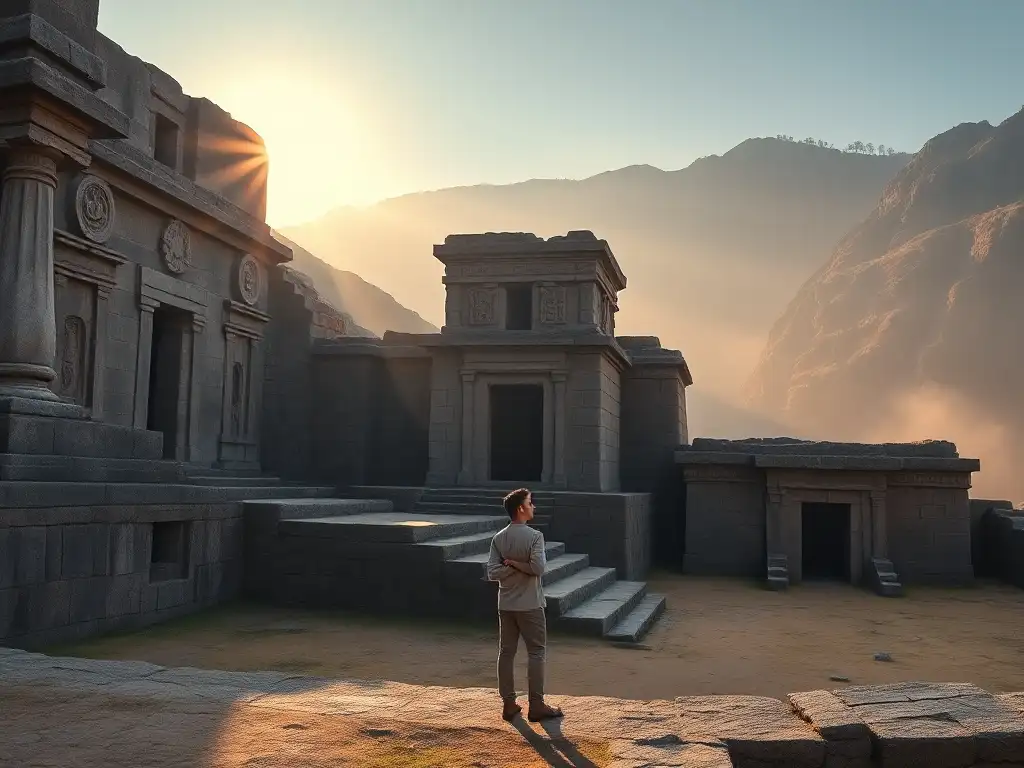
Dive into the enigmatic world of the Andean civilizations—a realm of breathtaking artistry, sophisticated engineering, and profound spiritual practices. Journey beyond the familiar narratives of the Inca, and uncover the secrets held within the Pre-Incan Cultures of the Coast, where the power of the Chavín oracle offered spiritual guidance to a burgeoning civilization. Are you ready to unlock the mysteries of this ancient wisdom? Explore the fascinating world of the Chavín and their connection to the spiritual realm.
-
The Chavín Oracle: Seeking Spiritual Guidance in Ancient Andes
- Understanding the Chavín Culture and its Spiritual Beliefs
- The Role of the Chavín Oracle in Religious Practices
- Chavín de Huántar: The Center of Oracle Consultations
- The Layout of Chavín de Huántar and its Oracular Significance
- Deciphering the Iconography: Clues to Chavín Spiritual Messages
- The Lanzón Stela: A Key Element in Chavín Oracle Rituals
- Interpreting Chavín Art for Spiritual Insights
- How the Chavín Oracle Provided Guidance to the Andean People
- Methods of Divination and Communication with the Spirit World
- The Process of Consulting the Chavín Oracle
- Offerings and Rituals Associated with the Oracle
- The Influence of the Chavín Oracle on Later Andean Cultures
- Legacy of Chavín Spiritual Traditions
- Exploring the Enduring Impact of Chavín Oracle Practices
- The Chavín Oracle: A Window into Ancient Andean Spirituality
- Insights into Chavín Cosmology and Belief Systems
- The Importance of the Oracle in Chavín Society
-
Frequently Asked Questions
- What was the Chavín culture's significance in Andean history?
- How did the Chavín people use the oracle?
- What role did hallucinogens play in Chavín spiritual practices?
- Where can I learn more about Chavín art and architecture related to the oracle?
- How does the Chavín oracle connect to modern spiritual practices?
- Final Reflection: Echoes of the Chavín Oracle in the Modern World
- Embrace Your Spiritual Journey Today!
The Chavín Oracle: Seeking Spiritual Guidance in Ancient Andes
The Chavín culture, flourishing in the Andes from roughly 900 to 200 BCE, left behind a legacy shrouded in mystery and intrigue. Their sophisticated artistry, complex societal structures, and innovative technologies are well-documented, but perhaps the most captivating aspect of Chavín civilization is its deeply ingrained spirituality.
This article delves into the fascinating world of the Chavín oracle, exploring its role in daily life, religious practices, and the quest for spiritual guidance within this enigmatic pre-Incan society. We will examine the evidence suggesting a highly developed system of divination and spiritual leadership centered around the iconic Chavín de Huántar site, uncovering the ways in which the Chavín people sought answers and direction from the spiritual realm.
Understanding the Chavín oracle provides crucial insight into the worldview and beliefs of this formative Andean culture, offering a glimpse into a sophisticated system of spiritual guidance that profoundly shaped their society. The search for "Chavín oracle spiritual guidance" leads us to a rich tapestry of archaeological findings and scholarly interpretations, revealing a complex and captivating spiritual landscape.
Understanding the Chavín Culture and its Spiritual Beliefs
The Chavín people were not unified under a single, centralized political structure in the way later Andean empires were. Instead, their influence spread through a network of religious and cultural exchange, with Chavín de Huántar serving as a central pilgrimage site. Their religious beliefs were deeply intertwined with nature, evidenced by their iconic depictions of jaguars, snakes, and other powerful creatures representing both the earthly and spiritual worlds.
Archaeological discoveries reveal elaborate ceremonial centers, intricate carvings, and complex iconography, all suggesting a sophisticated understanding of the cosmos and a reverence for unseen forces. The emphasis on hallucinogenic plants, like the brugmansia, further underscores the significance of altered states of consciousness in their spiritual practices. These rituals, likely overseen by priestly figures, played a vital role in maintaining social order and providing guidance for the community.
The intricate designs found on ceramics and textiles also suggest a complex system of symbolic communication, with specific motifs potentially representing different deities or spiritual concepts. Evidence suggests that these beliefs were not limited to a priestly elite but rather permeated all levels of Chavín society.
The Role of the Chavín Oracle in Religious Practices
The Chavín oracle, though not explicitly defined in surviving textual records (as the Chavín didn't possess a writing system), appears to have held a central position in their religious practices. The interpretation of dreams, the observation of natural phenomena, and perhaps even the use of hallucinogenic substances may have been employed to access the spiritual realm and receive guidance.
Archaeological evidence, such as the arrangement of structures and the placement of artifacts within Chavín de Huántar, suggests a deliberate organization designed to facilitate these practices. The complex labyrinthine architecture of the site itself might have been intended to guide participants on a symbolic journey into the spiritual world.
The careful selection and placement of materials used in construction, along with the intricate carvings and sculptures, could have served as visual aids in these spiritual rituals, reinforcing the power and authority of the oracle's pronouncements. Furthermore, the presence of specialized artifacts and the apparent existence of a priestly class points towards a structured system of divination and spiritual leadership.
Chavín de Huántar: The Center of Oracle Consultations
Chavín de Huántar, located in the Andes mountains of Peru, stands as a testament to the Chavín people's spiritual sophistication. The site's complex architecture, featuring intricate galleries, subterranean passages, and monumental plazas, suggests a deliberate design intended to create a powerful and awe-inspiring environment for ritualistic activities. The iconic Lanzón monolith, a massive carved stone figure, likely served as a focal point for these rituals, representing a powerful deity or spiritual force.
The discovery of numerous artifacts, including ceremonial objects, and the presence of evidence suggesting large gatherings, points to the site's importance as a center for pilgrimage and oracle consultations. The layout of the city, with its carefully planned plazas and interconnected passages, could have been designed to guide participants through a symbolic journey, culminating in a consultation with the oracle.
The sheer scale and complexity of Chavín de Huántar highlight the significant role of the oracle within the Chavín culture and its lasting impact on subsequent Andean societies. The site continues to fascinate scholars and visitors alike, offering a tangible connection to a rich and complex spiritual past.
The Layout of Chavín de Huántar and its Oracular Significance
The layout of Chavín de Huántar itself served as a powerful tool for channeling spiritual energy and facilitating oracular practices. The complex's intricate design, with its maze-like passages, strategically placed plazas, and subterranean chambers, created a deliberate sense of mystery and awe. This architectural labyrinth wasn't merely a functional arrangement of buildings; it was a carefully constructed environment designed to induce altered states of consciousness and enhance communication with the spiritual realm.
The carefully orchestrated movement through the site, from the dimly lit underground galleries to the open-air plazas exposed to the sun and elements, likely contributed to a powerful sensory experience, heightening the participants' receptiveness to spiritual messages. The use of acoustics, with echoes and reverberations within certain spaces, may have further enhanced the mystical atmosphere, creating an environment ripe for divination and spiritual communication. The placement of key structures, such as the Lanzón, within the heart of the complex, further emphasized their importance in the Chavín oracle system.
The overall design suggests a conscious effort to manipulate the physical environment to facilitate spiritual experiences and enhance the efficacy of the oracle. This deliberate architectural manipulation underscores the central role of the site's layout in the Chavín people's spiritual practices.
Deciphering the Iconography: Clues to Chavín Spiritual Messages
The intricate iconography found throughout Chavín de Huántar offers crucial clues to understanding the nature of the Chavín oracle and its spiritual messages. The frequently depicted jaguar, a powerful symbol in many Andean cultures, represents both ferocity and shamanic power, suggesting a connection between the oracle and the spirit world. Other common motifs, such as stylized snakes, birds, and anthropomorphic figures with feline features, further enhance the sense of power and mystery associated with the oracle.
These images, often carved in stone or depicted in textiles, were not simply decorative elements; they served as powerful visual representations of spiritual forces and concepts. Scholars have interpreted these iconographic elements in various ways, often focusing on their symbolic meaning within the context of Chavín cosmology and religion. For example, the intertwining of different creatures might represent the interconnectedness of the natural world and the spiritual realm, emphasizing the oracle's ability to bridge these two domains.
Analyzing the specific combinations and contexts in which these symbols appear provides crucial insights into the specific messages being conveyed through the oracle. The careful study of Chavín iconography is essential for a full understanding of the spiritual guidance sought and received through the Chavín oracle. Further research into the meanings of these symbols is needed to fully unlock the secrets of Chavín spiritual beliefs.
The Lanzón Stela: A Key Element in Chavín Oracle Rituals
The Lanzón stela, a massive carved stone monolith, stands as a central element in the Chavín oracle rituals. This imposing figure, depicting a deity with feline and possibly other hybrid features, likely served as a focal point for rituals and divination practices. Its placement deep within the complex suggests its importance and sacred nature. The Lanzón's size and imposing presence would have undoubtedly created a powerful visual impact on those who participated in the rituals.
The intricate carvings on the Lanzón, possibly representing various deities or spiritual forces, may have been interpreted as conveying specific messages or predictions. The ceremonial use of the Lanzón may have involved offerings, prayers, and perhaps even trance-inducing practices to facilitate communication with the spiritual world. The specific rituals associated with the Lanzón are not fully understood, but evidence suggests a profound connection between the stela and the oracle's function. The Lanzón may have served as a conduit for spiritual energy, allowing the shaman or priest to access information from the supernatural realm.
The physical interaction with the Lanzón, perhaps through touch or ritualistic gestures, could have been an essential part of the process of seeking spiritual guidance. Further research into the material culture and ritual practices of the Chavín culture is needed to fully understand the Lanzón’s role in the oracle system. The Lanzón stela remains a powerful testament to the importance of spiritual guidance and the sophisticated religious practices of the Chavín civilization.
Interpreting Chavín Art for Spiritual Insights
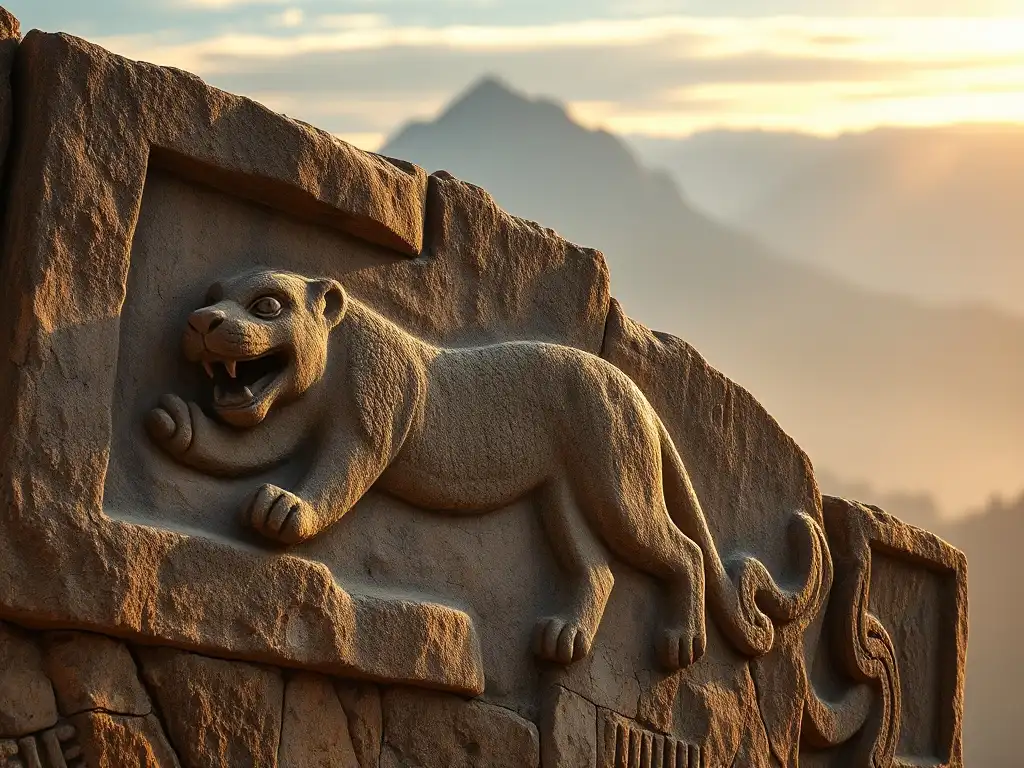
Chavín art, renowned for its intricate carvings and mesmerizing iconography, served as a powerful tool for spiritual interpretation. The stylized depictions of jaguars, serpents, and other mythical creatures weren't merely aesthetic choices; they held profound symbolic meaning, providing clues to understanding the Chavín worldview and their methods of seeking spiritual guidance. Scholars have meticulously analyzed these carvings, identifying recurring motifs that likely represented specific deities, cosmological concepts, or shamanistic experiences.
For example, the recurring image of the "Lanzón," a massive, carved stone monolith found at the Chavín de Huántar site, is believed to have been a central focus of ritual and divination, its intricate carvings possibly representing a powerful deity or a conduit to the spirit world. The careful observation of these artistic expressions allowed Chavín priests and shamans to interpret omens, predict the future, and gain insight into the will of the supernatural forces they believed governed their lives. The complexity and detail of the carvings suggest a sophisticated understanding of symbolism and its role in communicating with the spiritual realm.
This wasn't simply a matter of randomly interpreting images; it was a highly specialized practice, requiring years of training and deep understanding of Chavín cosmology and mythology. The stylistic choices, the placement of figures, and even the materials used all contributed to the overall meaning and provided layers of interpretation for the initiated.
How the Chavín Oracle Provided Guidance to the Andean People
The Chavín oracle wasn't a single entity or object but rather a complex system of practices and beliefs centered around accessing and interpreting the spiritual realm. It provided guidance to the Andean people in various aspects of life, from agricultural planning and warfare to matters of health and social organization. The Chavín people believed that their priests and shamans, through specialized rituals and practices, could communicate with the spirit world and receive divine guidance.
These individuals acted as intermediaries, interpreting the messages received from the gods and relaying them to the community. This guidance might have taken the form of prophecies, warnings of impending dangers, or instructions on how to perform rituals to ensure a successful harvest or victory in battle. The oracle’s influence extended beyond immediate practical concerns; it played a crucial role in shaping Chavín society, reinforcing social hierarchies, and legitimizing the power of the ruling elite.
The priests' ability to access and interpret spiritual knowledge cemented their authority and ensured their position as key figures within the community. Evidence suggests that the oracle's pronouncements were highly valued and deeply influenced decision-making at all levels of Chavín society. The weight given to these pronouncements highlights the profound role of spirituality in shaping their daily lives and communal identity.
Methods of Divination and Communication with the Spirit World
Chavín priests and shamans employed a variety of methods to communicate with the spirit world and obtain divine guidance. These methods likely involved a combination of ritualistic practices, altered states of consciousness, and careful observation of natural phenomena. The use of hallucinogenic substances, such as the San Pedro cactus, is believed to have played a significant role in shamanistic practices, allowing for altered perceptions and direct communication with the spirit world. Furthermore, the intricate maze-like architecture of Chavín de Huántar suggests that the physical environment itself was designed to facilitate these experiences, manipulating acoustics and light to create an atmosphere conducive to altered states of consciousness.
Other divination techniques might have involved interpreting the flight patterns of birds, the positions of stars, or the entrails of sacrificial animals. The interpretation of dreams and visions was also likely crucial. The process of interpreting these signs and omens was highly complex and specialized, requiring years of training and a deep understanding of Chavín cosmology and symbolism.
These practices were not haphazard; they followed established protocols and were performed within specific ritual contexts, emphasizing the structured and organized nature of Chavín spirituality and the importance of maintaining a connection with the spirit world for societal well-being. The effectiveness of these methods, however, was based on faith and the belief in the power of the spiritual realm to guide and influence human affairs. The Chavín oracle, therefore, was not merely a system of divination but a fundamental aspect of their social and religious life.
The Process of Consulting the Chavín Oracle
Consulting the Chavín oracle was not a casual affair; it was a deeply ritualized process requiring careful preparation and adherence to specific protocols. While the precise steps remain shrouded in the mists of time, archaeological evidence and interpretations of iconography provide glimpses into this fascinating practice. It's likely that individuals seeking guidance first underwent a period of purification, possibly involving fasting, abstinence, or ritual cleansing ceremonies.
This preparation was crucial to ensuring a clear connection with the spiritual realm and to making the oracle's pronouncements more accurate. The journey to the temple itself might have been a pilgrimage, further emphasizing the sacred nature of the consultation.
The consultation likely involved interaction with the temple's intricate architecture and its symbolic representations. The maze-like layout of the Chavín de Huántar temple, with its labyrinthine passages and dimly lit chambers, may have been designed to induce a state of altered consciousness, fostering a receptive mind for divine communication. Shamans, or individuals with specialized knowledge of the spiritual world, likely played a crucial role, guiding the process and interpreting the oracle's messages.
These individuals may have used hallucinogenic substances, such as the San Pedro cactus, to enhance their visionary abilities and facilitate communication with the spiritual realm. The specific methods of divination are uncertain, but they might have involved interpreting the behavior of animals, observing patterns in the stars, or interpreting the intricate carvings and symbols adorning the temple walls.
The experience was undoubtedly intense, blending sensory deprivation, altered states of consciousness, and the weight of religious expectation. The interpretations offered by the shaman would have held immense significance, shaping individual decisions and influencing communal actions. The entire process underscored the Chavín's profound reverence for their deities and the importance of seeking divine guidance in all aspects of life. Further research and archaeological discoveries may one day unveil a more complete understanding of this captivating ritual.
Offerings and Rituals Associated with the Oracle
The Chavín oracle wasn't consulted without appropriate reverence and appeasement of the deities. Offerings played a central role in the process, signifying respect, gratitude, and a plea for favorable outcomes. Archaeological excavations at Chavín de Huántar have unearthed a wealth of artifacts used as offerings, including intricately carved stone objects, precious metals, textiles, and ceramics. These items weren't simply discarded; they were carefully placed in specific locations within the temple complex, suggesting a deliberate and symbolic placement reflecting their intended purpose.
The types of offerings likely varied depending on the nature of the consultation and the specific deity being addressed. For instance, offerings associated with fertility might have included agricultural products, while those related to warfare or hunting might have incorporated animal remains or weaponry. The sheer quantity and quality of the offerings discovered at Chavín de Huántar point to the significant resources invested in these rituals, illustrating the importance of the oracle within Chavín society. The offerings weren’t just material; they represented a commitment and a tangible expression of faith.
Beyond material offerings, rituals undoubtedly accompanied the consultations. These rituals likely involved specific gestures, chants, dances, and possibly the consumption of sacred substances. The temple's architecture itself, with its intricate carvings and symbolic imagery, would have served as a backdrop for these rituals, enhancing their mystical power and reinforcing the sacredness of the space.
While the precise details of these rituals remain largely unknown, the sheer scale and complexity of the Chavín de Huántar temple complex suggest that the rituals associated with the oracle were elaborate and highly significant. The combination of material offerings and ritual actions created a powerful atmosphere conducive to spiritual communication and divine guidance.
The Influence of the Chavín Oracle on Later Andean Cultures
The Chavín culture's influence extended far beyond its geographical boundaries and temporal lifespan. The sophisticated religious practices, including the oracle system, left a lasting impact on subsequent Andean civilizations. The iconic Chavín style, characterized by its distinctive artistic motifs and religious iconography, permeated the art and religious practices of many later cultures, suggesting a widespread adoption of Chavín religious beliefs and practices. This diffusion is evidenced in the widespread distribution of Chavín-style artifacts across a vast geographical area, demonstrating a remarkable level of cultural exchange and influence.
The concept of a centralized, powerful religious authority, embodied in the Chavín oracle, likely served as a model for later Andean societies. The highly organized and hierarchical nature of Chavín society, with its specialized priesthood and intricate ritual practices, may have influenced the development of similar structures in later cultures.
The emphasis on shamanistic practices and the use of hallucinogenic substances in religious rituals also appears to have continued in later Andean traditions, suggesting a direct link to the Chavín heritage. This continuity is evident in the persistent use of such substances in religious contexts across various Andean cultures, showcasing a lasting legacy of Chavín spiritual practices.
The influence of the Chavín oracle system isn't merely a matter of stylistic similarities or shared religious motifs; it represents a deeper transmission of religious concepts and practices. The way in which later cultures adapted and reinterpreted Chavín religious ideas demonstrates the enduring power of Chavín religious thought and its ability to shape the spiritual landscape of the Andes for centuries to come.
This long-lasting influence underscores the significance of the Chavín oracle as a pivotal element in the development of Andean spirituality and its profound impact on the region's cultural identity. The legacy of the Chavín oracle continues to resonate in the rich tapestry of Andean religious traditions, a testament to its enduring power and influence.
Legacy of Chavín Spiritual Traditions
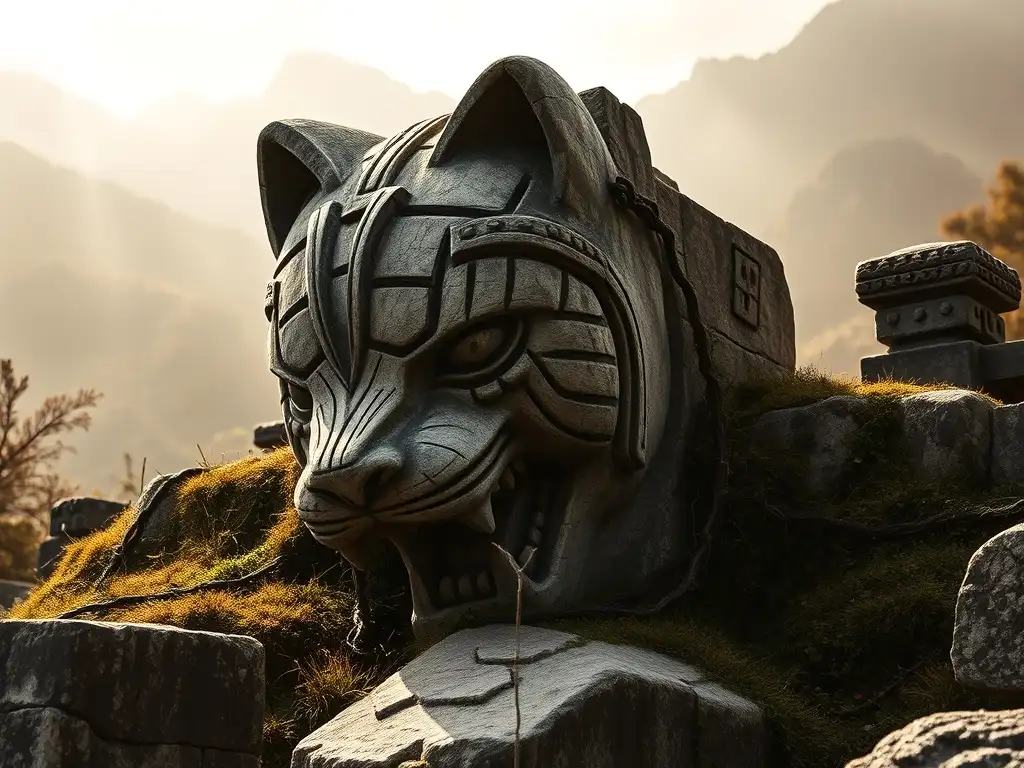
The Chavín culture, flourishing in the Andes from roughly 900 to 200 BCE, left an indelible mark on subsequent Andean civilizations. Their sophisticated religious beliefs and practices, centered around a powerful priestly class and elaborate ceremonial centers, significantly influenced the spiritual landscape of the region for centuries. The Chavín's unique iconography, featuring stylized jaguars, snakes, and other powerful creatures, became widespread motifs adopted and adapted by later cultures.
This artistic continuity points to a lasting spiritual legacy, suggesting that the core tenets of Chavín religious thought resonated deeply within the Andean worldview. The influence extended beyond mere aesthetics; the architectural styles and ritualistic practices of Chavín also served as prototypes for later temple complexes and religious ceremonies. Evidence suggests a diffusion of Chavín religious ideas through trade networks and migration patterns, spreading their spiritual influence far beyond the immediate geographical boundaries of their civilization.
This enduring impact underscores the central role of the Chavín oracle and its associated spiritual practices in shaping the religious beliefs of later Andean societies. The profound impact of Chavín spirituality is a testament to the power and longevity of their religious systems.
Exploring the Enduring Impact of Chavín Oracle Practices
The Chavín oracle's influence wasn't limited to a single generation; its impact reverberated through centuries of Andean history. While the exact methods of the Chavín oracle remain shrouded in some mystery, archaeological evidence, such as the meticulously crafted ceremonial centers and the presence of hallucinogenic plants, suggests a complex system of divination and spiritual communication. The use of these plants, possibly in ritualistic contexts, may have facilitated altered states of consciousness, allowing for what the Chavín people may have perceived as direct communication with the spiritual realm.
This practice, or variations thereof, seems to have persisted in later Andean cultures, suggesting a direct lineage in spiritual techniques. The intricate iconography found in Chavín art, often depicting hybrid creatures and supernatural beings, likely served as visual aids in these rituals, reinforcing the perceived power and authority of the oracle and its interpreters.
The architectural design of Chavín sites themselves, with their labyrinthine passages and dimly lit chambers, likely contributed to the overall atmosphere of mystery and awe, further enhancing the perceived power of the oracle's pronouncements. The enduring impact of these practices demonstrates the deep-seated importance of spiritual guidance within Andean society, a need that the Chavín oracle effectively addressed, leaving a lasting legacy on subsequent belief systems.
The Chavín Oracle: A Window into Ancient Andean Spirituality
The Chavín oracle offers a fascinating glimpse into the complex spiritual beliefs of the ancient Andes. Unlike later Andean civilizations which often had more clearly defined pantheons, the Chavín religious system appears to have been more syncretic and less rigidly structured. The oracle, therefore, likely played a vital role in interpreting the will of the gods or spirits, providing guidance on matters of both individual and communal importance.
Archaeological findings, such as the numerous artifacts discovered at Chavín de Huántar, suggest a sophisticated understanding of the cosmos and a deep reverence for the natural world. The centrality of the jaguar and other powerful animals in Chavín iconography suggests a belief in shamanistic practices and the ability of certain individuals to interact with the spirit world. The oracle likely served as the conduit for this interaction, interpreting the messages received and translating them into actionable advice for the community.
The power dynamics inherent in this system, with the priestly class interpreting the oracle's pronouncements, also illuminate the social structure of Chavín society. By studying the Chavín oracle, we gain invaluable insight into the beliefs, rituals, and social structures of one of the most influential pre-Inca cultures, enriching our understanding of ancient Andean spirituality and its lasting impact on the region. The study of the Chavín oracle continues to provide valuable insights into the complex religious worldview of this remarkable civilization and its lasting impact on “Chavín oracle spiritual guidance”.
Insights into Chavín Cosmology and Belief Systems
The Chavín culture, flourishing in the Andes from approximately 900 to 200 BCE, developed a complex cosmology deeply intertwined with their spiritual practices. Their worldview was likely shaped by the dramatic Andean landscape—towering mountains, fertile valleys, and the powerful forces of nature. Evidence suggests a belief in a pantheon of deities, often depicted in zoomorphic forms—combinations of animals and human characteristics.
These hybrid creatures, such as the jaguar-human deity frequently found in Chavín art, likely represented powerful forces of nature or spiritual entities. The Chavín people may have viewed these deities as intermediaries between the human and spiritual realms, capable of influencing harvests, weather patterns, and other aspects of their lives.
Understanding Chavín cosmology requires examining their intricate iconography. The Lanzón, a massive monolithic sculpture found in the main temple at Chavín de Huántar, is a prime example. This imposing figure, often interpreted as a deity, is covered in intricate carvings depicting stylized jaguars, snakes, and other creatures.
These carvings weren't simply decorative; they likely conveyed complex narratives about the cosmos and the interactions between human and divine realms. The repetitive patterns and symbolic motifs suggest a structured system of beliefs, possibly involving rituals and ceremonies designed to appease or connect with these powerful forces. Scholars continue to debate the precise meanings of these symbols, but their complexity points to a sophisticated understanding of the spiritual world.
Further research into Chavín art and architecture, including the intricate carvings found on pottery and textiles, is crucial to a more comprehensive understanding of their cosmology and belief systems. The meticulous detail and symbolic richness of their artifacts suggest a culture deeply engaged with the spiritual dimension of their existence.
The Importance of the Oracle in Chavín Society
The Chavín oracle held a central position within the social and political structure of Chavín society. It wasn't merely a place for individual spiritual seeking; rather, it served as a crucial institution for maintaining social order and legitimizing the power of the elite. The ability to access and interpret spiritual guidance through the oracle likely conferred considerable authority on those who controlled it—perhaps priests or shamans—making them key figures in Chavín society.
The oracle's pronouncements might have influenced decisions regarding warfare, agriculture, or other crucial aspects of communal life. The elaborate architecture of the Chavín temples, with their labyrinthine passages and carefully designed spaces, suggests a deliberate attempt to create an atmosphere conducive to trance-like states and ritualistic practices associated with divination.
The use of hallucinogenic substances, such as the San Pedro cactus, may have played a significant role in Chavín oracle practices. Archaeological evidence suggests the use of these substances in ritual contexts, potentially facilitating altered states of consciousness necessary for communicating with the spiritual realm. These rituals, likely performed by specialists, would have been carefully orchestrated to enhance the perceived authority and power of the oracle.
The oracle's pronouncements, delivered under the influence of such substances, would have carried immense weight, shaping the beliefs and actions of the entire community. The power dynamics inherent in the oracle system underscore its importance in shaping Chavín society and maintaining the authority of its ruling class. The oracle wasn't simply a means of seeking personal guidance; it was a powerful tool for social control and political legitimacy, deeply embedded in the fabric of Chavín culture.
Further research is needed to fully understand the intricate relationship between the oracle, social structure, and political power in Chavín society. The oracle's influence extended beyond individual spiritual concerns, impacting the broader social and political landscape of the Chavín civilization.
Frequently Asked Questions
What was the Chavín culture's significance in Andean history?
The Chavín culture (c. 900 – 200 BCE) is considered a mother culture of the Andes, influencing later civilizations like the Moche and Inca. Their religious beliefs and artistic styles spread widely, shaping the region's spiritual landscape. Their sophisticated technology also impacted Andean development.
How did the Chavín people use the oracle?
The Chavín oracle, likely involving ritualistic practices and hallucinogenic substances, was used to seek spiritual guidance and communicate with the supernatural world. This helped legitimize their religious leaders and maintain social order.
What role did hallucinogens play in Chavín spiritual practices?
The use of hallucinogenic plants, like San Pedro cactus, was likely central to Chavín religious rituals and oracle consultations. These substances facilitated altered states of consciousness, enabling communication with deities and the spirit world.
You can find information in academic journals and books on Andean archaeology. Museums showcasing Chavín artifacts, such as the National Museum of Archaeology, Anthropology, and History of Peru, offer valuable insights into their complex iconography.
How does the Chavín oracle connect to modern spiritual practices?
The Chavín oracle's legacy resonates in contemporary Andean spirituality, influencing concepts of shamanism and the search for spiritual guidance. Its emphasis on connecting with the natural world and the supernatural remains relevant to modern spiritual seekers.
Final Reflection: Echoes of the Chavín Oracle in the Modern World
The enduring power of the Chavín oracle lies not just in its ancient history, but in its timeless relevance to the human search for spiritual guidance. We, like the ancient Chavín people, grapple with uncertainty, seek meaning in the face of the unknown, and yearn for a connection to something larger than ourselves. The methods may have changed, but the fundamental human need for spiritual solace remains constant.
The influence of the Chavín culture's spiritual practices continues to resonate today, shaping our understanding of ancient Andean spirituality and informing contemporary approaches to introspection and self-discovery. Their sophisticated cosmology, intricate iconography, and the very existence of the oracle itself speak to a deep-seated human desire for connection with the divine. The past is never dead. It's not even past,
wrote William Faulkner, and the echoes of the Chavín oracle's wisdom reverberate through the ages, reminding us of the enduring power of spiritual seeking.
Consider the ways in which you seek guidance in your own life. Do you find solace in nature, meditation, prayer, or perhaps through other spiritual practices? The Chavín oracle, with its complex symbolism and ritualistic practices, offers a powerful example of the diverse paths we can take on our individual journeys of self-discovery. Embrace the spirit of inquiry, explore your own inner landscape, and allow the echoes of ancient wisdom to guide you toward a deeper understanding of yourself and the world around you.
Embrace Your Spiritual Journey Today!
Thank you for exploring the wisdom of the Chavín Oracle with us! Your curiosity is the first step toward understanding this ancient civilization's profound spiritual insights. Now that you've discovered their connection to the spiritual realm, it's time to integrate this knowledge into your life.
What's next?
- Connect with Nature: Spend time outdoors, meditating on what you've learned. Reflect on your spiritual path and the guidance you seek.
- Share Your Discoveries: Discuss your newfound understanding with friends, family, or online communities. Sharing your insights can deepen your own understanding and inspire meaningful conversations.
- Expand Your Knowledge: Explore Andean spirituality further through local workshops, online courses, or spiritual retreats. Connecting with like-minded individuals can be incredibly enriching.
How will your spiritual journey unfold, and how might it transform your perspective? We'd love to hear your thoughts!