
Chavín Art: Where Myth and Reality Intertwine

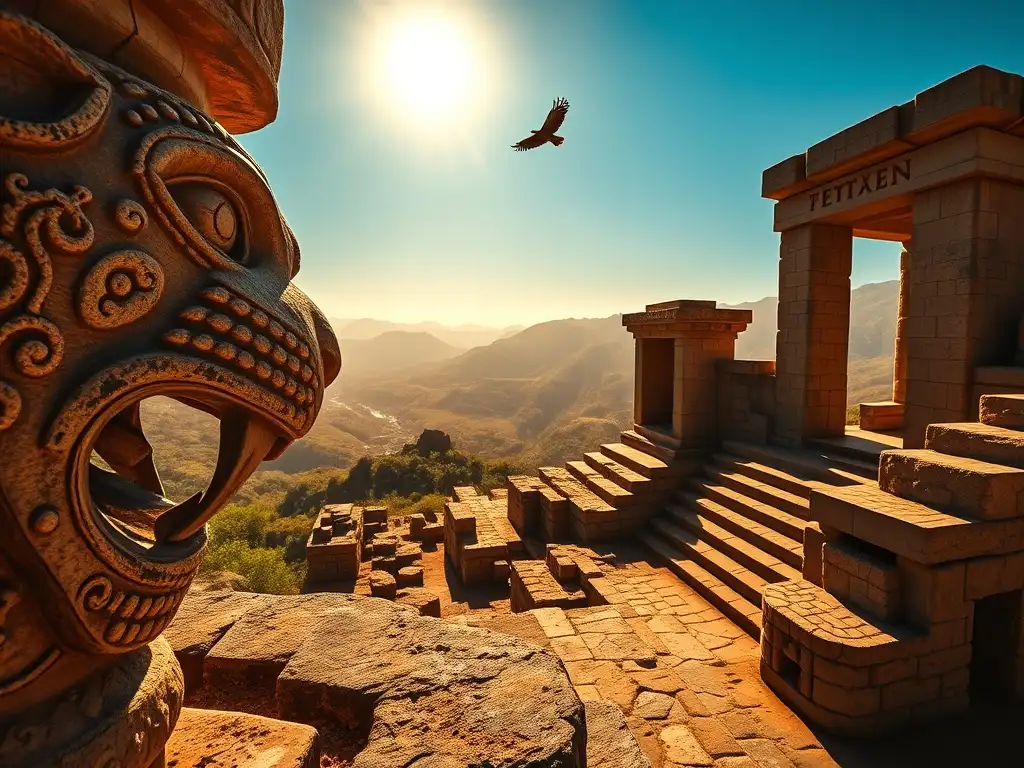
Unravel the mysteries of a lost world. Journey back in time to the Andes, where powerful empires rose and fell, leaving behind a legacy of breathtaking artistry and enigmatic rituals. Prepare to be captivated by the intricate details and symbolic power of Chavín art style characteristics, a gateway to understanding the Pre-Incan cultures of the coast. Discover how myth and reality intertwine in this extraordinary civilization – your exploration begins now.
The Chavín culture, flourishing in the Andes Mountains of Peru from approximately 900 to 200 BCE, left behind a captivating legacy—a unique art style that blends the mystical and the practical. This art, characterized by its powerful imagery and sophisticated techniques, provides invaluable insights into the religious beliefs, social structures, and technological capabilities of this enigmatic civilization. Understanding the Chavín art style characteristics is key to unlocking the secrets of this formative period in Andean history, a period that profoundly influenced subsequent cultures across the region.
This exploration delves into the distinctive features of Chavín art, examining its iconic motifs, masterful craftsmanship, and the profound impact it had on the development of Andean artistic expression. We will uncover how myth and reality intertwined in the creation of these extraordinary works, revealing a culture deeply connected to its environment and its spiritual world.
Distinctive Iconography: Unveiling the Chavín Pantheon
Chavín art is immediately recognizable for its distinctive iconography, dominated by a complex pantheon of deities and supernatural beings. These figures, often depicted with feline, avian, and reptilian features, are frequently portrayed in a highly stylized manner, combining elements of different animals to create hybrid creatures. The most prominent of these is the caviar, a supernatural being often represented with a fierce feline face, fangs, and clawed hands.
These representations weren't merely decorative; they likely held significant religious meaning, reflecting the Chavín people's cosmology and their relationship with the natural world. The intricate details and symbolic layering within these images suggest a sophisticated understanding of religious symbolism and a complex hierarchical structure within their society.
Many scholars believe these figures represent shamans or powerful leaders, further highlighting the importance of religious authority in Chavín society. The repetition of these motifs across various mediums, from stone carvings to textiles (where evidence is still being uncovered), emphasizes their central role in Chavín culture and belief systems.
Masterful Craftsmanship: Techniques and Materials
The technical skill evident in Chavín art is equally impressive. Chavín artisans displayed a remarkable mastery of various materials, including stone, ceramic, and textiles. Their stone carvings, often executed in granite or diorite – incredibly hard materials – demonstrate an advanced understanding of stoneworking techniques. They employed sophisticated tools and methods to create intricate reliefs, meticulously carving detailed figures and patterns onto obelisks, ceremonial centers, and smaller artifacts. Similarly, their ceramic work showcases a high level of refinement, with intricate designs and polished surfaces. The use of negative space in many of their designs is a particularly notable characteristic. This skillful use of empty space enhances the overall composition and emphasizes the importance of the carved or painted elements. Unfortunately, much of the textile work has degraded over time, limiting our understanding of the full range of their textile techniques. However, recently discovered fragments suggest complex weaving techniques and the use of vibrant dyes, indicating a sophisticated understanding of textile production as well.
The Impact of Chavín Art: A Legacy Across the Andes
The influence of Chavín art extended far beyond the immediate geographical boundaries of the Chavín culture. Its distinctive style and iconography are evident in the art of subsequent Andean civilizations, suggesting a widespread diffusion of ideas and artistic practices. The caviar motif, for example, appears in the art of later cultures, indicating the enduring power of Chavín religious imagery.
This cultural dissemination highlights the importance of Chavín as a formative influence on the development of Andean art and, by extension, Andean civilization as a whole. The stylistic elements and techniques pioneered by the Chavín artisans were adopted and adapted by later cultures, demonstrating the lasting impact of their artistic achievements. The legacy of Chavín art serves as a testament to the creativity and ingenuity of this early Andean civilization and its profound impact on the cultural landscape of the Andes.
Further research continues to reveal the extent of this influence, promising more fascinating discoveries about the Chavín artistic legacy and its role in shaping the trajectory of Andean art history. The spread of Chavín artistic motifs can be seen as a form of cultural exchange, demonstrating the interconnectedness of Andean societies during this period.
- Distinctive Iconography: Unveiling the Chavín Pantheon
- Masterful Craftsmanship: Techniques and Materials
- The Impact of Chavín Art: A Legacy Across the Andes
Understanding the Chavín Culture and its Artistic Legacy
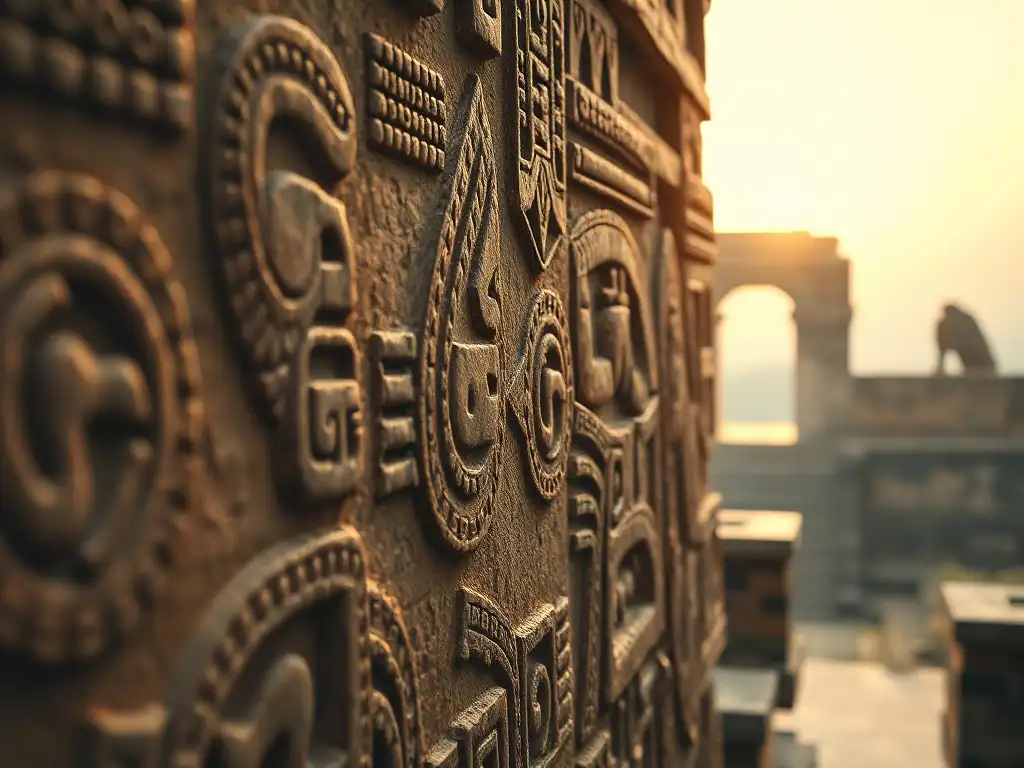
This section delves into the core characteristics of Chavín art, exploring its unique style and the cultural context that shaped its development. Understanding the Chavín art style characteristics requires examining not only the aesthetic elements but also the societal and religious beliefs that fueled its creation. We will explore how these artistic expressions reflect the power and influence of the Chavín culture across the Andes.
The striking iconography, the mastery of material, and the widespread dissemination of the Chavín style all speak to a sophisticated and influential civilization. The legacy of Chavín art continues to resonate today, influencing subsequent Andean artistic traditions and captivating researchers and art enthusiasts alike.
The Chavín Culture: A Pre-Incan Andean Civilization
The Chavín culture flourished in the northern Andes of Peru between approximately 1200 and 400 BCE. It's considered a formative period in Andean prehistory, significantly impacting later cultures like the Moche and Nazca. Unlike many later Andean civilizations that developed along the coast, the Chavín heartland was located in the mountainous region surrounding the modern-day town of Chavín de Huántar.
This high-altitude location, with its challenging terrain, likely played a role in shaping the culture's unique artistic and religious expressions. The Chavín people were not unified politically in the same way as later empires; instead, their influence spread through a complex network of religious and trade connections. Their power stemmed from their control over key resources and their ability to disseminate their religious ideology through their distinctive art style.
Archaeological evidence suggests a sophisticated understanding of agriculture, animal husbandry, and metallurgy, contributing to their economic and social prominence. The Chavín's mastery of these skills is reflected in the complexity and detail of their artistic creations.
Geographical Context of Chavín Art Development
The geographical setting of Chavín de Huántar significantly influenced the development of its unique art style. Nestled in the Andes Mountains, the area offered limited arable land, yet provided access to diverse materials used in Chavín artistry. The availability of specific stones, like the greywacke used for their monumental sculptures, shaped their sculptural techniques.
The mountainous terrain also influenced the design and construction of their architectural marvels, such as the main temple at Chavín de Huántar, a complex structure incorporating intricate passages and subterranean galleries. This architectural complexity mirrored the symbolic depth and layered meanings found in their art. The location, situated along important trade routes, facilitated the exchange of ideas and materials, contributing to the dissemination of the Chavín artistic style across a wide geographical area.
The influence of Chavín art can be found in artifacts and styles across a vast area of the Andes, demonstrating the far-reaching impact of this culture. This widespread influence underscores the importance of understanding the geographical context to fully appreciate the distinctive characteristics of Chavín art.
Chronological Placement of the Chavín Period
The Chavín period is typically divided into several phases, each characterized by subtle but significant changes in artistic style and technological advancements. While precise dating remains a subject of ongoing research, the Early Chavín phase (circa 1200-900 BCE) is characterized by simpler artistic motifs and a focus on smaller-scale artifacts. The Middle Chavín phase (circa 900-700 BCE) witnessed the development of more elaborate styles, including the iconic feline and serpent motifs, and the construction of larger-scale monuments like the Lanzón monolith.
The Late Chavín phase (circa 700-400 BCE) shows a gradual decline in the distinctiveness of the Chavín style, possibly reflecting a shift in power dynamics and the emergence of regional variations. This chronological understanding is crucial for analyzing the evolution of Chavín art style characteristics. The changes in artistic expression over time reflect shifts in religious beliefs, technological capabilities, and social organization within the Chavín culture and its sphere of influence.
Further research and archaeological discoveries continue to refine our understanding of this crucial period in Andean prehistory. Careful study of the chronological development allows for a deeper appreciation of the complexity and dynamism of the Chavín artistic tradition.
Decoding the Chavín Art Style: Key Features and Characteristics
The Chavín culture, flourishing in the Andes from approximately 1200 to 200 BCE, left behind a remarkable artistic legacy. Understanding the Chavín art style characteristics is crucial to appreciating their complex worldview and sophisticated artistic techniques. Their art, often found in monumental architecture and intricately carved artifacts, presents a unique blend of stylistic elements that set it apart from other Andean cultures.
This section dives deep into the defining features of Chavín art, exploring its iconography, use of materials, and overall aesthetic impact. The distinctive artistic style reflects a powerful centralized religious system, influencing subsequent Andean artistic traditions for centuries. Analyzing these characteristics allows us to piece together a more complete understanding of Chavín society and its beliefs.
The Distinctive Iconography of Chavín Art
Chavín iconography is undeniably striking and often unsettling. Central to their artistic expression are depictions of supernatural beings, often hybrid creatures combining features from different animals and humans. These figures are frequently portrayed in a dynamic, almost frenzied manner, conveying a sense of power and otherworldliness. Consider, for example, the iconic "Lanzón" monolith found at the Chavín de Huántar site. This massive, carved stone depicts a deity with a complex array of features, including fangs, claws, and a terrifying visage. This is not merely decoration; it's a powerful statement of religious authority and cosmic forces.
The use of repetitive motifs also plays a significant role. We see stylized jaguars, snakes, and birds appearing repeatedly in different contexts, suggesting a symbolic significance tied to their cosmology. These motifs aren't randomly placed; they are carefully arranged to create a sense of rhythm and visual impact. This deliberate arrangement speaks to the sophisticated artistic planning and understanding of visual composition within the Chavín culture. Further research is needed to fully decipher the meaning behind these specific motifs, but their prevalence points to a deeply symbolic system deeply embedded in their religious practices.
Chavín Art Style Characteristics: A Detailed Look
Beyond the iconography, several other Chavín art style characteristics deserve attention. The Chavín artists demonstrated a mastery of various materials, including stone, ceramics, and textiles. Their stone carving, in particular, is renowned for its precision and detail. They employed intricate techniques to create three-dimensional reliefs and highly polished surfaces. The artistry is evident not only in the large-scale monuments but also in smaller, more portable objects such as ceremonial vessels and ornaments.
The use of color also contributes to the overall aesthetic effect. While many stone carvings rely on the natural color of the stone, the Chavín artisans also used pigments, often reds and yellows, to enhance their artwork. This careful application of color further emphasizes the symbolic nature of the images.
The overall style is characterized by a sense of dynamism and energy, with figures often depicted in contorted poses, suggesting movement and intense emotion. This is a stark contrast to the more static representations found in some contemporary cultures. The combination of intricate detail, masterful technique, and powerful imagery makes Chavín art a truly unique phenomenon.
The stylistic features of Chavín art, including the use of specific motifs, the dynamic portrayal of figures, and the mastery of various materials, are all interconnected and contribute to the overall aesthetic impact. This cohesive style sets Chavín art apart, highlighting its importance within the broader context of Andean artistic development.
The Use of Feline Imagery in Chavín Art
The feline, particularly the jaguar, holds a prominent position within Chavín iconography. This isn't simply a decorative element; it reflects the deep symbolic importance of the jaguar within Chavín culture. Jaguars were likely seen as powerful, supernatural beings, embodying strength, ferocity, and perhaps even shamanistic abilities. Their depiction in Chavín art often incorporates features that enhance their mystical qualities, such as exaggerated fangs, claws, and intense eyes.
The jaguar motif appears in various forms, from realistic depictions to stylized representations. Sometimes, the jaguar is shown in isolation, while in other instances, it is integrated into more complex compositions with other supernatural beings. This variation suggests a range of meanings associated with the feline imagery, ranging from representations of individual deities to symbols of broader cosmological concepts.
The consistent presence of the jaguar throughout Chavín art underscores its significance within their worldview and religious beliefs. The prevalence of this powerful symbol reinforces the idea of a centralized, highly structured religious system, which permeated all aspects of Chavín society. Further research into the specific contexts in which feline imagery appears could shed more light on its deeper symbolic meaning within the Chavín pantheon.
Depictions of Supernatural Beings and Mythological Figures
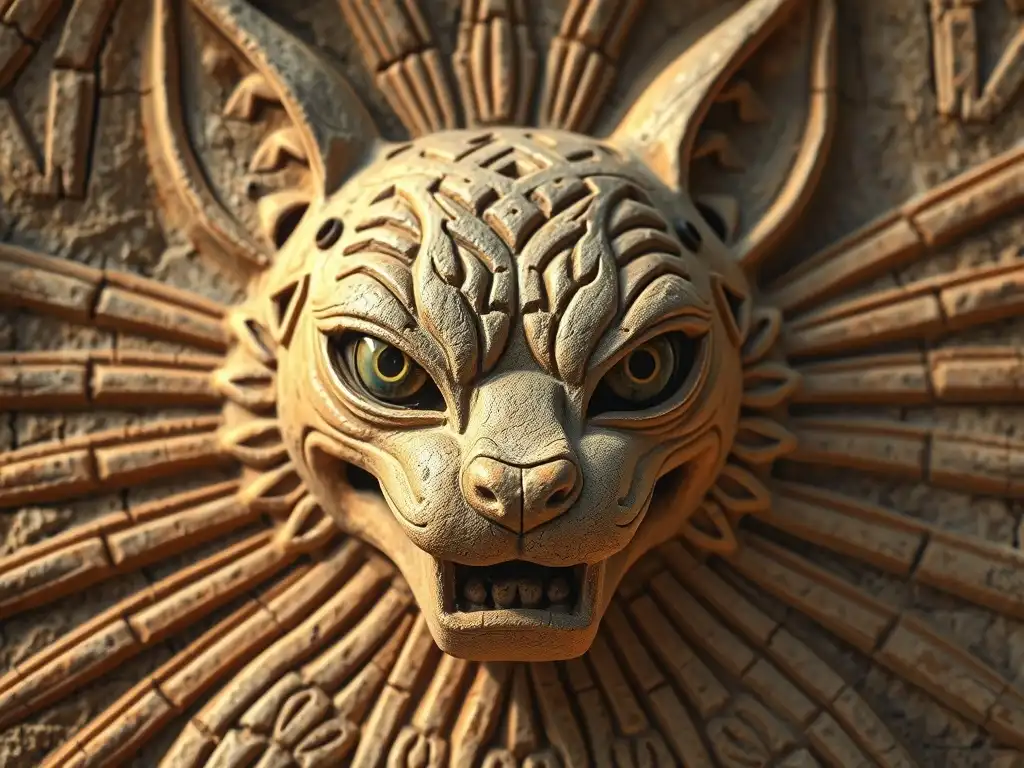
Chavín art is renowned for its captivating depictions of supernatural beings and mythological figures. These representations are not merely decorative; they offer profound insights into the cosmology and religious beliefs of the Chavín culture. The figures are often depicted with hybrid features, combining elements of different animals and humans, suggesting a complex understanding of the relationship between the natural and supernatural worlds.
For instance, we frequently see figures with feline features, such as jaguar-like heads or claws, combined with human-like bodies. This blending of characteristics is not random; it likely reflects the Chavín belief in the interconnectedness of all living things and the power of the animal spirits. The expressions on these faces are often intense and somewhat unsettling, conveying a sense of power and mystery that continues to fascinate researchers today.
The style of representation, with its exaggerated features and often grotesque elements, serves to emphasize the otherworldly nature of these beings. These figures are not simply illustrations; they are powerful symbols communicating a complex spiritual reality. The precise meaning behind each figure remains a topic of ongoing scholarly debate, with researchers proposing various interpretations based on iconographic analysis and archaeological context.
The Importance of the Serpent Motif in Chavín Art
The serpent motif is arguably one of the most prevalent and significant symbols in Chavín art. Its pervasive presence across various media, from intricate carvings on obsidian mirrors to massive stone sculptures, highlights its central role in Chavín cosmology. The serpent is not simply a representation of a physical creature; it embodies a powerful spiritual force.
Many scholars interpret the serpent as a symbol of fertility, water, and the underworld. This interpretation is supported by the frequent association of the serpent with other motifs representing these concepts, such as water sources and agricultural imagery. Furthermore, the serpent's sinuous form, its ability to shed its skin, and its association with darkness and hidden depths all contribute to its symbolic power.
The Chavín artists masterfully depicted serpents in various ways, sometimes as stylized, almost abstract representations, and other times as highly realistic portrayals, showcasing their technical skills and profound understanding of the animal's anatomy. Analyzing the different representations of serpents across various Chavín artifacts offers clues to understanding the nuances of their beliefs and the evolving significance of this potent symbol within their culture. The varied depictions, ranging from coiled serpents to those intertwined with other figures, underscore the multifaceted nature of the serpent's symbolism in Chavín art.
The Role of Eagles and Birds of Prey in Chavín Iconography
Eagles and other birds of prey hold a significant position in Chavín iconography, frequently depicted in a manner that reflects their power and symbolic importance within the Chavín worldview. Their prominence is not accidental; these birds, with their sharp vision, aerial dominance, and predatory nature, likely symbolized attributes highly valued by the Chavín people. These could include aspects like power, strength, vigilance, and even supernatural insight.
The artists skillfully rendered these birds, capturing their powerful forms and fierce expressions with remarkable detail. The use of dynamic poses and sharp lines further emphasizes their predatory nature and suggests a sense of movement and energy. Unlike the somewhat grotesque depictions of some supernatural beings, the eagles and birds of prey often exhibit a more realistic rendering, though still imbued with a sense of awe and respect.
The specific iconographic context in which these birds appear—for example, alongside other mythological figures or within specific architectural settings—offers valuable insights into their role within the broader Chavín religious system. Further research is needed to fully understand the range of meanings associated with these avian figures and their place within the complex tapestry of Chavín symbolism. The careful study of their representation across different mediums and contexts can provide further clues to unraveling the mysteries of Chavín art and culture.
Chavín Art Mediums and Techniques
The Chavín art style, flourishing in the Andes from roughly 900 to 200 BCE, is renowned for its unique blend of religious symbolism and masterful technical execution. Understanding the Chavín art style characteristics requires a close examination of the mediums and techniques employed by these skilled artisans. Their artistic prowess extended across diverse materials, each showcasing a remarkable level of sophistication and precision.
This section delves into the primary mediums used in Chavín art, exploring the techniques that brought their iconic imagery to life. The distinct characteristics of Chavín art are indelibly linked to the materials and processes used in their creation, revealing much about their beliefs and societal structure.
Chavín Stone Carving: Monoliths and Stelae
Chavín artists were particularly adept at stone carving, demonstrating a remarkable ability to manipulate large blocks of stone into intricate and imposing sculptures. The most striking examples are the monumental monoliths and stelae, often depicting powerful feline deities and other supernatural beings. These weren't simply decorative pieces; they were integral parts of the Chavín religious landscape, possibly serving as focal points for rituals or representing ancestral figures.
The process involved selecting suitable stones, likely from nearby quarries, and then employing a combination of techniques to shape and refine them. Evidence suggests that they utilized various stone tools, including hammers, chisels, and abrasives, to carefully carve the intricate details. The precision required to achieve the smooth surfaces and sharp lines visible on many of the surviving pieces is astounding, especially considering the tools available at the time.
Analyzing the wear patterns on these tools reveals insights into the techniques, labor division, and the overall scale of the artistic production. For example, the Lanzón, a massive obsidian monolith found at the Chavín de Huántar site, is a testament to their skill and the importance placed upon their religious art.
Its imposing size and intricate carvings speak to the power and prestige of the Chavín civilization. The meticulous detail in the depiction of the deity's fangs, claws, and other features showcases a level of artistry rarely seen in other contemporary cultures.
The Art of Chavín Ceramics: Forms and Decoration
Chavín ceramics offer another fascinating window into their artistic capabilities and worldview. While stone carving dominated monumental art, ceramics provided a more accessible medium for everyday use and artistic expression. The Chavín art style characteristics are clearly present in their pottery, although the style frequently exhibits regional variations. These variations in form and decoration provide further insights into the complexity of the Chavín cultural sphere.
The forms varied greatly, ranging from simple bowls and jars to more elaborate vessels with intricate designs. Many pieces are characterized by their use of distinctive colors, particularly a range of reds, browns, and blacks. The decoration frequently involves both painted and incised designs, often incorporating the same feline and supernatural motifs found in stone carvings. The techniques used in the production of Chavín pottery involved careful shaping of the clay, followed by firing in kilns to achieve durability and a specific color palette.
The intricate painted details, sometimes involving multiple layers of paint, showcase a high degree of artistic skill and patience. Analysis of the clay composition and the firing techniques used can provide further information about the technology and trade networks of the Chavín civilization. For example, the presence of certain pigments may indicate trade connections with distant regions.
Chavín Textiles: Weaving and Symbolic Representation
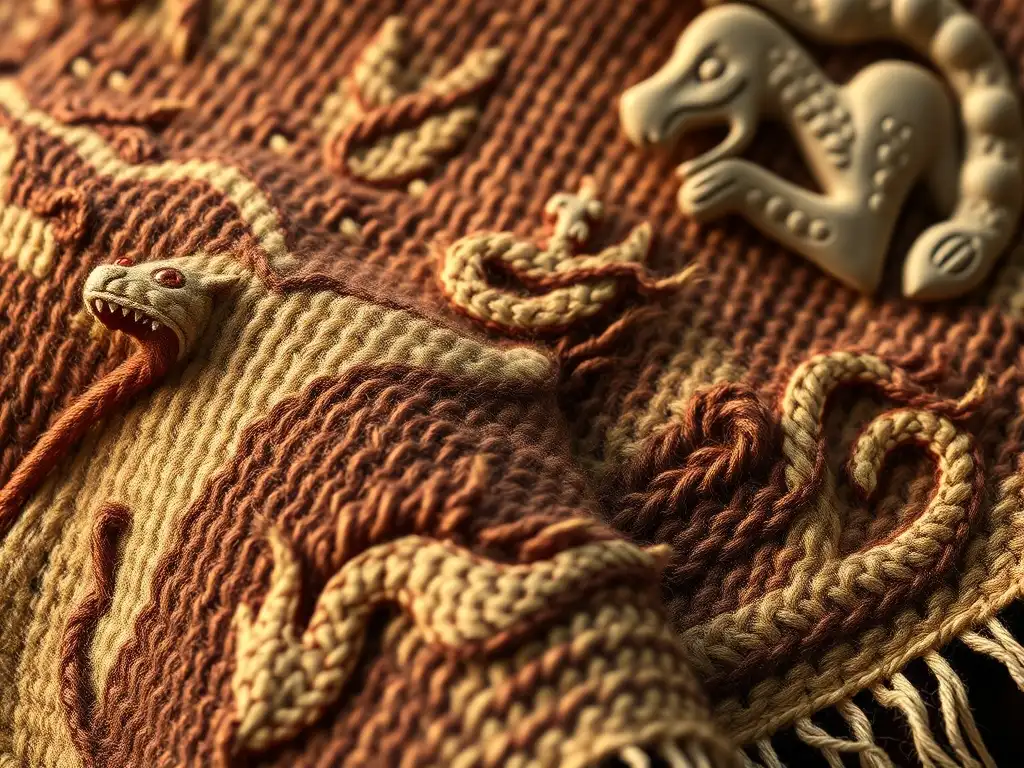
While less readily preserved than stone and ceramic artifacts, evidence suggests that textiles played a significant role in Chavín culture. Fragments of woven fabrics have been unearthed, revealing a sophisticated understanding of weaving techniques and a preference for intricate designs. Unfortunately, much remains unknown about the full extent of Chavín textile production, as the perishable nature of the material limits the surviving evidence. However, the existing fragments still showcase remarkable craftsmanship and artistic skill.
The surviving textile fragments often feature geometric patterns and symbolic motifs reminiscent of those found in stone and ceramic art. These designs suggest that textiles, like other art forms, served important religious and social functions. The complex weaving techniques, including the use of various colors and textures, demonstrate a high level of technical skill and artistic creativity.
Further research into Chavín textile production could provide valuable insights into their social structure, economic activities, and beliefs. The analysis of dyes and fibers used in the textiles could reveal information about trade networks and access to resources.
The limited number of surviving examples highlights the need for further archaeological investigation to fully understand the importance of textiles within Chavín society and how they reflect the overall Chavín art style characteristics. The scarcity of these artifacts underscores the fragility of organic materials and the challenges faced by archaeologists in reconstructing a complete picture of Chavín culture.
Chavín Metallurgy: Working with Gold and Other Metals
Chavín metallurgic achievements represent a significant leap in Andean technology. While not as prolific as later cultures like the Moche, their mastery of metalworking, particularly gold, reveals sophisticated techniques and a deep understanding of material properties. The scarcity of readily available metal ores in the Chavín region suggests extensive trade networks facilitating the acquisition of raw materials. This trade, itself, speaks volumes about the cultural influence and power wielded by the Chavín.
The Chavín artisans displayed impressive skill in hammering, annealing, and alloying metals. Gold, often combined with copper and silver to create alloys of varying colors and hardness, was meticulously shaped into intricate objects. These included delicate ornaments, such as ear spools and nose rings, as well as larger ceremonial items. The process of creating these pieces would have involved careful planning and execution, requiring specialized tools and expertise passed down through generations. The surviving examples showcase a remarkable ability to manipulate the metal, achieving thin, delicate forms while maintaining structural integrity.
Evidence suggests the use of lost-wax casting, a complex technique involving creating a wax model, covering it in clay, melting the wax, and then pouring molten metal into the resulting mold. This method allowed for the creation of intricate three-dimensional forms, impossible to achieve through hammering alone. The precision and detail found in surviving examples of Chavín metalwork strongly indicate a high level of technical proficiency and artistic vision.
While specific details about their casting techniques remain to be fully elucidated by ongoing archaeological research, the surviving artifacts offer compelling glimpses into their metallurgical capabilities. Further research into the chemical composition of the alloys used could shed more light on the sourcing of raw materials and the specific techniques employed.
The use of gold in Chavín art wasn’t merely decorative; it held significant symbolic value, likely connected to their religious beliefs and worldview. The association of gold with the sun and divine power is a recurring theme in Andean cultures, and the Chavín were no exception. The careful craftsmanship and the preciousness of the materials used point to the importance of these metal objects within their society, likely serving as markers of status, power, and spiritual connection.
The careful selection of materials and the intricate techniques employed underscore the sacred nature of the objects and the high status of those who commissioned and wore them. The enduring legacy of Chavín metallurgy lies not only in its technical sophistication but also in the profound cultural and religious significance embedded within these remarkable artifacts.
Chavín Art as a Reflection of Ideology and Beliefs
Chavín art, flourishing from roughly 900 to 200 BCE in the Andes of modern-day Peru, wasn't merely aesthetic; it was a powerful tool for expressing and reinforcing a complex worldview. The stylistic choices, the iconography, and the very materials used all contribute to a deeper understanding of the Chavín people's beliefs and social structure.
Analyzing Chavín art style characteristics reveals a society deeply invested in religious rituals, shamanistic practices, and the control of both the natural and supernatural worlds. The pervasive themes of jaguars, snakes, and caiman, often depicted in hybrid forms, suggest a cosmology where the boundaries between the earthly and spiritual realms were fluid and interconnected.
The intricate carvings, often found on ceremonial objects and architecture, weren't simply decorative; they were potent symbols designed to evoke awe and inspire reverence for the religious elite who controlled the interpretation of these powerful images. This section delves into the specific ways in which Chavín art embodies their cultural ideology.
The Shamanic Influence on Chavín Art
The shaman, a central figure in many Andean cultures, is strongly implied within Chavín art. The recurring motif of the feline-human hybrid, often depicted in a trance-like state, strongly suggests the shaman's role as an intermediary between the human and spirit worlds. These figures, frequently found in stone carvings and ceramics, are often portrayed with exaggerated features: wide eyes, elongated fangs, and clawed hands – hallmarks of supernatural power.
The intricate headdresses and elaborate costumes further emphasize their otherworldly status. Analysis of Chavín art reveals a clear emphasis on altered states of consciousness, a key element of shamanistic practices. The use of hallucinogenic plants, as evidenced by archaeological findings, likely played a significant role in these rituals, influencing the artistic representations of these experiences.
The intense, almost psychedelic quality of some Chavín artwork supports this theory. Consider, for example, the swirling patterns and distorted figures that seem to capture the visual hallucinations induced by such substances. The Chavín artist wasn't just creating art; they were visually documenting and perpetuating the shaman's crucial role in their society.
Chavín Art and its Connection to Religious Practices
Chavín art is inextricably linked to the religious practices of the culture. The monumental architecture, such as the Lanzón monolith at the Chavín de Huántar site, served as focal points for elaborate ceremonies. The Lanzón itself, a massive carved stone, is considered a powerful religious symbol, its intricate carvings depicting deities and supernatural beings.
The careful placement of these structures, often aligned with astronomical events, suggests a sophisticated understanding of the cosmos and its influence on their lives. The art found within these structures – the intricate carvings on the walls, the sculpted figures, and the ceremonial objects – served to enhance the sacred atmosphere and reinforce the religious beliefs of the community. Many pieces show evidence of ritual use, with wear patterns indicating repeated handling during ceremonies.
The iconography itself, as discussed later, further underscores the deep connection between art and religious practice. The creation and display of Chavín art were not simply artistic endeavors but integral components of their religious system. The art acted as a conduit to the spiritual realm, a visual manifestation of their beliefs.
The Symbolic Significance of Chavín Iconography
The iconography of Chavín art is rich in symbolism, with recurring motifs conveying complex religious and cosmological ideas. The most prominent symbols include the jaguar, the serpent, and the caiman, often combined in hybrid forms representing a fusion of different power sources. The jaguar, symbolizing power and strength, frequently appears alongside the serpent, associated with fertility and the underworld. The combination of these two often represents the duality inherent in their worldview – the balance between opposing forces.
The caiman, a powerful predator of the Amazon basin, further emphasizes the connection between the Chavín and other regions. The depiction of these creatures in hybrid forms emphasizes the interconnectedness of the natural world and the supernatural realms within their cosmology. These weren't mere representations of animals; they were potent symbols representing complex concepts crucial to their religious system. The stylistic choices, including the use of sharp angles, geometric patterns, and intricate detail, all contribute to the symbolic power of these images.
The repetition of these motifs across various mediums – stone carving, ceramics, textiles – emphasizes their importance and reinforces their cultural significance. Understanding the symbolism within Chavín art provides a key to understanding the beliefs and worldview of this enigmatic culture. Further research is needed to fully elucidate the meaning of each symbol and their interrelationships.
The imposing scale and intricate detail of Chavín art served not only as aesthetic expressions but also as powerful tools for social control and the consolidation of power within the Chavín culture. The monumental architecture, featuring massive plazas and towering temples, likely served as centers for ritualistic practices and gatherings, reinforcing the authority of the priestly elite.
The sheer size and complexity of these structures would have been awe-inspiring to the populace, fostering a sense of reverence and obedience towards the ruling class. Imagine the impact of witnessing the intricate carvings on the Lanzón, a monolithic stone sculpture, or participating in ceremonies within the dimly lit confines of the temple complex – these experiences would have undeniably strengthened the social hierarchy.
The standardization of artistic motifs across vast geographical areas suggests a centralized control over artistic production and dissemination. The consistent depiction of deities, such as the feline-like figures and the staff gods, across various artifacts, from ceramics to textiles, indicates a deliberate effort to promote a unified ideology and cultural identity. This visual consistency helped to unify diverse populations under the Chavín banner, fostering a sense of shared belief and purpose.
The repetition of these symbols acted as a constant reminder of the Chavín worldview and their place within it, subtly reinforcing social norms and expectations. This artistic homogeneity served as a powerful instrument for maintaining social order and cohesion across a geographically dispersed population.
Furthermore, the complex iconography employed in Chavín art, with its blend of realistic and abstract elements, likely held symbolic meanings that were only understood by the elite. This esoteric knowledge, controlled by the priestly class, further strengthened their authority and social standing. The ability to interpret and manipulate these symbols granted them access to a realm of power and influence inaccessible to the common people.
This created a system where the elite maintained their position through a combination of religious authority and control over artistic expression, thereby solidifying social stratification. The ambiguity of much of the iconography ensured that it continued to inspire awe and reverence, even centuries after the peak of the Chavín civilization. This enduring impact highlights the enduring power of art as a tool for social control and the construction of a unified cultural identity.
The Legacy of Chavín Art and its Influence
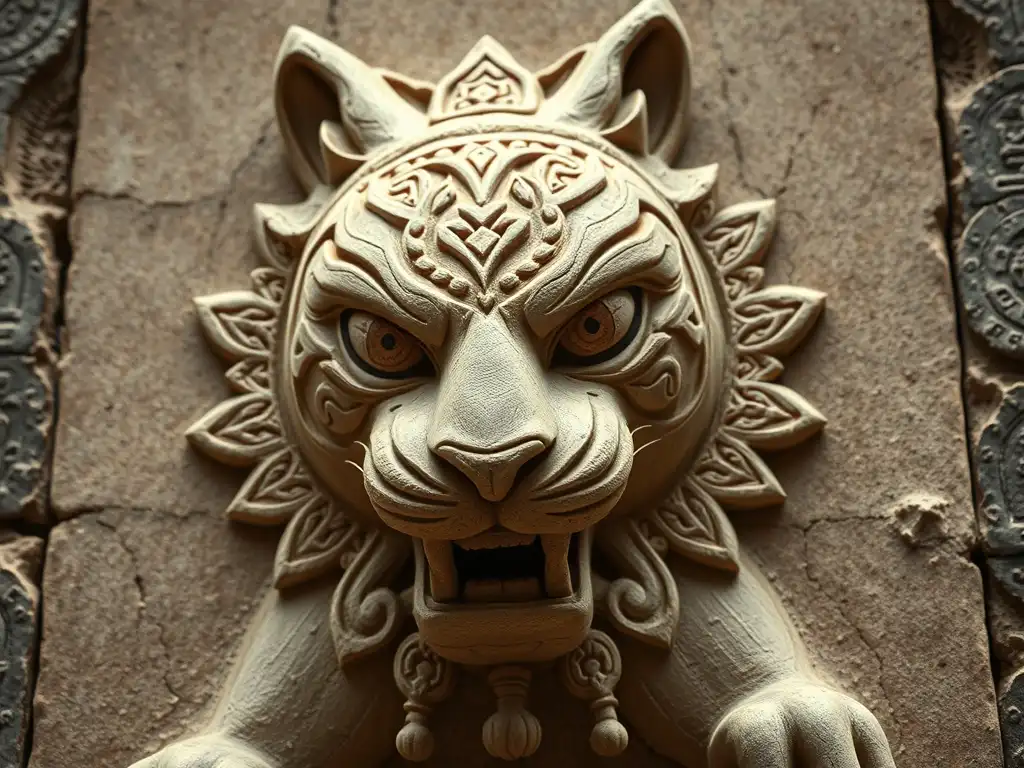
The Chavín culture, flourishing in the northern Andes from approximately 1200 to 200 BCE, left an indelible mark on the artistic landscape of the region. Its unique style, characterized by a blend of terrifying and mesmerizing imagery, profoundly impacted subsequent Andean artistic traditions. Understanding the Chavín art style characteristics is key to appreciating the evolution of Andean art. The influence wasn't merely stylistic; it represented a transmission of powerful religious and cosmological beliefs that resonated for centuries. This section delves into the lasting legacy of Chavín art and its far-reaching influence.
Chavín Art's Impact on Later Andean Cultures
The stylistic elements of Chavín art, particularly its iconic feline and supernatural beings, recur in the artwork of later cultures across the Andes. The Moche, for instance, incorporated similar motifs into their elaborate ceramics and metalwork, albeit with their own distinctive regional variations. The Nazca, known for their monumental geoglyphs, also show subtle echoes of Chavín iconography in their textile designs and ceramic painting.
This suggests a continuous thread of artistic inspiration, with Chavín serving as a foundational source of imagery and stylistic conventions. The spread wasn't a simple copy-paste; later cultures adapted and transformed Chavín motifs, reflecting their own unique cultural identities and beliefs. This process of adaptation and innovation is a testament to the enduring power and flexibility of the Chavín artistic legacy.
We see a clear evolution, not a simple imitation. For example, the fierce feline deity so prominent in Chavín art is reinterpreted in later cultures, sometimes becoming a symbol of power, other times a representation of a specific deity within a new pantheon.
The Transmission of Chavín Artistic Ideas
How did these artistic ideas spread? Several factors contributed to the dissemination of Chavín artistic styles. Trade networks played a vital role. The Chavín heartland was strategically located, facilitating the exchange of goods and ideas across the Andes.
Objects bearing Chavín motifs have been found in distant archaeological sites, suggesting a wide-reaching trade network that facilitated the transmission of artistic styles. Furthermore, migration patterns likely contributed to the spread of Chavín artistic traditions. As people moved, they carried with them their artistic knowledge and practices. This cultural exchange is evident in the similarities between Chavín art and the artistic styles of neighboring cultures.
Another significant factor was the adoption of Chavín religious beliefs. The Chavín pantheon, with its complex and often terrifying deities, exerted a powerful influence on the religious practices of later Andean cultures. The adoption of these beliefs frequently came with the adoption of associated artistic motifs and styles. This religious syncretism ensured that Chavín iconography retained its potency and symbolic significance across the centuries. The spread of Chavín art wasn't simply a matter of imitation; it was a process of cultural exchange, adaptation, and innovation, shaped by trade, migration, and the enduring power of religious beliefs.
Chavín Art in the Context of Pre-Incan Andean Art
Analyzing Chavín art style characteristics within the broader context of Pre-Incan Andean art reveals its unique contribution and enduring influence. Before Chavín, Andean art was characterized by regional styles with less stylistic uniformity. Chavín art stands out for its distinct stylistic coherence and the widespread adoption of its motifs across a vast geographical area.
This suggests a powerful unifying force, possibly linked to the religious and political influence of the Chavín culture. The distinctive use of stone carving, the emphasis on zoomorphic and anthropomorphic figures with often unsettling features, and the intricate decorative patterns all contributed to the creation of a highly recognizable and influential artistic style. Later cultures built upon this foundation, adapting and reinterpreting Chavín motifs to create their own distinctive artistic expressions, thereby demonstrating the profound and lasting impact of Chavín art on the development of Andean artistic traditions.
The legacy of Chavín art is not just about aesthetic influence; it’s a reflection of the complex interplay between cultural exchange, religious beliefs, and artistic innovation in the pre-Columbian Andes. It's a powerful testament to the enduring power of a single artistic style to shape the artistic landscape of an entire region for centuries.
Analyzing Specific Examples of Chavín Art
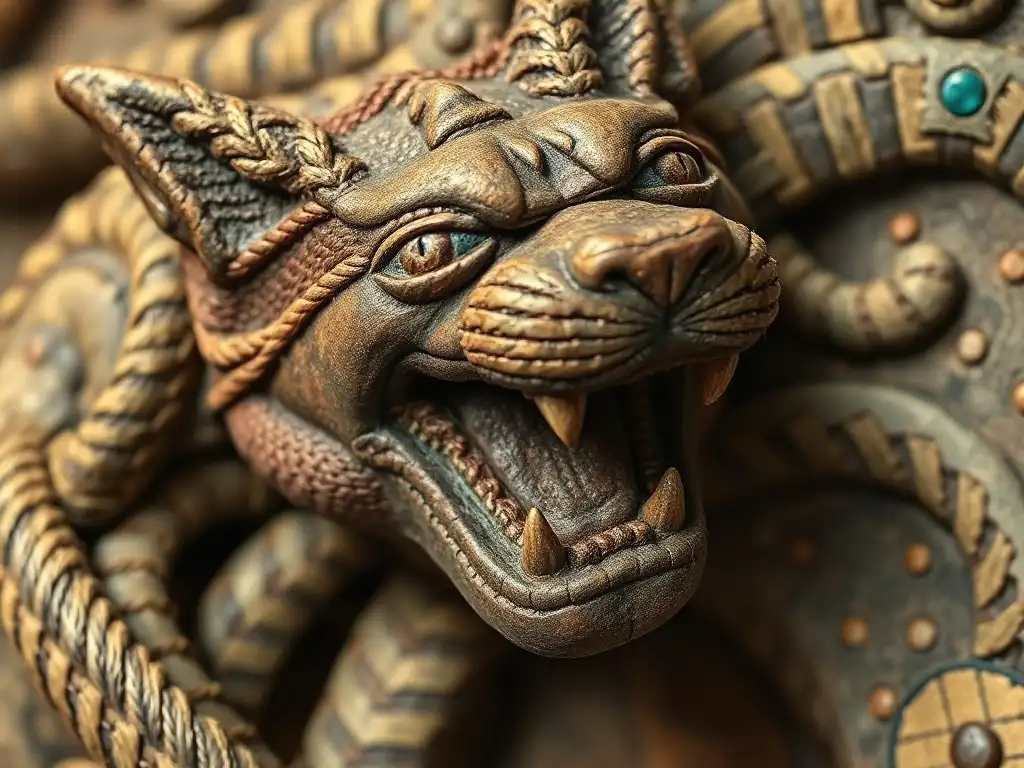
This section delves into the distinctive characteristics of Chavín art style through the analysis of several key artifacts. Understanding these pieces allows us to appreciate the complexity and sophistication of Chavín artistic expression, revealing much about their cosmology and societal structure. The recurring motifs and stylistic choices evident in these examples highlight the core tenets of the Chavín art style and its enduring influence on subsequent Andean cultures. We will explore how these pieces exemplify the key characteristics of Chavín art, solidifying our understanding of this fascinating artistic tradition.
The Lanzón Monolith: A Masterpiece of Chavín Carving
The Lanzón, meaning "great lance" in Spanish, is arguably the most iconic example of Chavín art. This massive, 4.5-meter-tall monolith, carved from a single block of diorite, dominates the central chamber of the Chavín de Huántar temple. Its imposing presence and intricate carvings are testaments to the skill and power of Chavín artisans. The Lanzón depicts a deity, often interpreted as a jaguar-like figure, with fierce features and elaborate ornamentation. The figure is characterized by its sharp claws, fangs, and a headdress adorned with snakes and other symbolic elements.
The carving technique itself is remarkable. The deep relief carving, achieved through meticulous hammering and polishing of the incredibly hard diorite, demonstrates an advanced level of technical mastery. The surface is highly polished, enhancing the visual impact of the intricate details.
The details, such as the meticulously rendered fangs and the complex patterns on the headdress, showcase the high level of skill and the importance placed upon the creation of this powerful artistic statement. The Lanzón's powerful presence and intricate details are quintessential examples of the Chavín art style characteristics. Its influence can be seen in subsequent artistic expressions across the Andes, making it a pivotal piece for understanding the broader development of Andean art.
The Raimondi Stela: Unveiling Complex Symbolism
The Raimondi Stela, another significant piece of Chavín art, is a smaller, but equally important, example. This limestone stela, measuring approximately 1.9 meters in height, is covered in intricate relief carvings. Unlike the Lanzón's single, dominant figure, the Raimondi Stela presents a more complex composition, with multiple figures and symbolic elements interwoven to create a narrative of considerable complexity. Central to this narrative is a central figure, often interpreted as a shaman or deity, surrounded by various creatures and symbols.
The stylistic elements are consistent with the Chavín art style characteristics. The use of sharp lines, deep relief carvings, and a focus on powerful, often fearsome, imagery are all hallmarks of the style. The figures exhibit the same stylized features observed in the Lanzón, including prominent fangs, claws, and serpentine motifs. However, the Raimondi Stela’s complexity goes beyond simple representation, suggesting a more intricate understanding of the Chavín worldview and its intricate mythological system.
The interwoven imagery presents a rich tapestry of symbolic meaning, demanding further study to fully understand its significance within the context of Chavín culture. Further research is needed to fully decipher the specific narratives embedded within the stela's intricate carvings. [Specific information pending: Detailed scholarly interpretations of the Raimondi Stela's iconography].
The Tello Obelisk: A Study in Complex Iconography
The Tello Obelisk stands as a testament to the Chavín mastery of stone carving and their complex iconography. This imposing 2.5-meter-tall obelisk, found at Chavín de Huántar, is covered with a dense array of figures and symbols, arranged in a seemingly chaotic, yet meticulously planned, composition. Unlike the more focused imagery of the Lanzón and the narrative complexity of the Raimondi Stela, the Tello Obelisk presents a rich tapestry of interwoven motifs, creating a visually striking and intellectually challenging piece of art.
The Chavín art style characteristics are evident in the Obelisk's use of deep relief carving, the stylized depiction of figures with feline and reptilian features, and the prominent use of serpentine motifs. However, the sheer density of imagery and the complex interplay of different elements make interpretation particularly challenging. Scholars continue to debate the precise meaning of the various figures and symbols, suggesting a complex and layered system of religious and cosmological beliefs.
The Tello Obelisk serves as a powerful reminder of the sophistication and complexity of Chavín thought, as reflected in their artistic expressions. The intricate details and layered symbolism within this obelisk contribute significantly to our understanding of the broader Chavín art style characteristics. [Specific information pending: A comprehensive analysis of the various interpretations of the Tello Obelisk's iconography].
Chavín Tapestries: Depictions of Mythological Creatures
Unfortunately, the survival of Chavín tapestries is extremely limited. The harsh Andean climate and the perishable nature of textile materials haven't been kind to these artifacts. What little evidence we do have suggests a vibrant and complex tapestry tradition, deeply interwoven with Chavín mythology and religious beliefs. While complete, well-preserved examples are rare, fragmented pieces and depictions on ceramics offer valuable clues. These fragments often display stylized depictions of animals, both real and fantastical, which are consistent with the broader Chavín artistic canon. We see recurring motifs of jaguars, snakes, and birds, often combined in hybrid forms that represent supernatural beings.
The limited surviving examples show a high level of textile craftsmanship, suggesting sophisticated weaving techniques and a deep understanding of fiber manipulation. The use of vibrant, natural dyes further emphasizes the importance of these tapestries within Chavín society. Scholars speculate that these tapestries may have served ritualistic purposes, possibly used in ceremonies or adorning important figures or sacred spaces. Further research and potentially new discoveries are needed to fully understand the role and significance of Chavín tapestries within the broader context of their art and culture. The scarcity of surviving examples, however, underlines the challenges in reconstructing a complete picture of this aspect of Chavín artistry.
The current research focuses on analyzing the available fragments for clues about color palettes, weaving techniques, and the representation of mythological themes. The study of Chavín tapestries remains a fascinating area of ongoing investigation, promising further revelations about the artistry and beliefs of this ancient civilization. The few surviving fragments offer tantalizing glimpses into a lost world of intricate designs and powerful symbolism. The challenge lies in piecing together this fragmented evidence to reconstruct the full picture of Chavín textile art and its role within their society. Analyzing the surviving fragments using advanced scientific techniques could potentially reveal further details about the dyes used and the origins of the fibers, adding valuable context to our understanding of Chavín tapestries.
Conclusion: The Enduring Significance of Chavín Art
The Chavín culture, though relatively short-lived in the grand scheme of Andean history, left an indelible mark on the artistic landscape of the region. Its influence reverberated through subsequent cultures, shaping artistic styles and iconography for centuries. Understanding Chavín art is not merely an academic exercise; it's a key to unlocking a crucial chapter in the development of Andean civilization.
The sophisticated techniques, the powerful symbolism, and the sheer artistry displayed in Chavín artifacts offer invaluable insights into the worldview, beliefs, and social structures of this enigmatic civilization. The legacy of Chavín art continues to inspire awe and wonder, reminding us of the incredible creativity and ingenuity of ancient Andean peoples. Its enduring appeal lies in its ability to bridge the gap between myth and reality, offering a glimpse into a world both familiar and profoundly different from our own.
The Importance of Studying Chavín Art
Studying Chavín art provides a unique opportunity to delve into the complexities of a formative period in Andean history. By analyzing the stylistic elements, iconography, and the materials used in Chavín art, scholars can reconstruct aspects of Chavín society, religion, and daily life. For example, the recurring motifs of jaguars, snakes, and other powerful animals suggest a close connection between the Chavín people and the natural world, perhaps reflecting a shamanistic worldview.
The intricate carvings and the use of rare materials indicate a highly skilled artisan class and a sophisticated level of social organization. Furthermore, the widespread distribution of Chavín-style artifacts across the Andes demonstrates the culture's significant influence and its role in forging connections between geographically dispersed communities.
Careful study of Chavín art allows us to piece together a more complete picture of this influential pre-Inca culture and its lasting impact on the development of Andean art and culture. This understanding also contributes to a broader appreciation of the diversity and richness of pre-Columbian art in the Americas.
Chavín Art: Bridging the Mythical and the Real
Chavín art is characterized by a captivating blend of the mythical and the real. While many motifs are clearly rooted in the natural world—depictions of animals, plants, and landscapes—they are often presented in stylized and symbolic ways. For instance, the iconic Chavín jaguar, often depicted with fangs bared and eyes wide, is more than just a realistic representation of the animal.
It represents a powerful force in the Chavín cosmology, possibly embodying both fearsome power and spiritual significance. Similarly, the intricate carvings on ceremonial objects frequently depict intertwined figures and abstract designs that seem to allude to complex mythological narratives and ritual practices. These narratives, although largely lost to time, are hinted at through the careful analysis of the art itself, its context of discovery, and comparative studies with related artifacts.
The challenge lies in interpreting these symbolic representations, balancing scientific analysis with the recognition of the spiritual and mythical dimensions embedded within the artwork. This duality makes the study of Chavín art especially fascinating, urging scholars to engage with both the tangible and the intangible aspects of this ancient culture.
Chavín Art and its Contributions to Andean Culture
The impact of Chavín art on subsequent Andean cultures is undeniable. Its distinctive style, characterized by its use of zoomorphic and anthropomorphic motifs, its emphasis on intricate detail, and its powerful symbolism, served as a template for artistic expression for centuries. The stylistic elements of Chavín art can be traced in the artwork of later cultures such as the Paracas, Nazca, and even the Inca.
This continuity suggests a long-lasting influence, not only in terms of aesthetics but also in the transmission of religious beliefs and cultural values. The spread of Chavín artistic motifs across the Andes also points to the culture's role in fostering communication and exchange between different communities. By analyzing the evolution and adaptation of Chavín artistic conventions in later periods, we can gain a better understanding of the processes of cultural transmission and the dynamic interplay between innovation and tradition in Andean art history.
The study of Chavín art's influence highlights its profound and lasting contribution to the rich tapestry of Andean culture. It serves as a testament to the power of art to transcend time and space, leaving an enduring legacy on the artistic traditions of a vast region.
Frequently Asked Questions
What are the main characteristics of the Chavín art style?
Chavín art is characterized by its powerful and often terrifying imagery, featuring feline and serpent motifs, often depicted with jagged, stylized features and a sense of intense spiritual power. Geometric patterns and intertwined designs are also prevalent.
How did the Chavín culture influence other Andean civilizations?
The Chavín culture's artistic style and religious beliefs spread widely throughout the Andes through trade and cultural exchange, impacting the development of later civilizations like the Moche and Nazca. Their influence is evident in iconography and artistic techniques.
What materials did Chavín artists typically use?
Chavín artists worked with a variety of materials, including stone, wood, textiles, and metals such as gold and copper. Stone carving, particularly in obsidian and granite, was particularly significant in their monumental architecture and sculpture.
What is the significance of the Chavín's iconic feline figures?
The feline imagery, often depicted as powerful jaguars or other felines, likely held religious and symbolic importance, representing spiritual power, shamanic abilities, or deities. These figures frequently appear in ceremonial contexts.
Where can I see examples of Chavín art today?
Examples of Chavín art can be found in museums worldwide, as well as at the Chavín de Huántar archaeological site in Peru. The site itself showcases the monumental architecture and stone carvings characteristic of the culture.
Final Reflection: Echoes of Chavín: A Legacy in Stone and Spirit
The intricate artistry of the Chavín culture, far from being a relic of a distant past, continues to resonate powerfully in contemporary discussions of Andean identity and artistic innovation. Its influence is not merely historical; it's a living testament to the enduring power of artistic expression to shape cultural narratives and inspire future generations. The unique blend of religious symbolism, masterful craftsmanship, and the sheer scale of Chavín monuments continues to challenge and captivate researchers and art enthusiasts alike.
The enduring mystery surrounding the Chavín civilization and its artistic output underscores the importance of preserving and understanding our shared cultural heritage. The stylistic elements, from the iconic feline deities to the complex geometric patterns, speak to a sophisticated understanding of the natural world and a profound spiritual connection to the Andes. The past is never dead. It's not even past.
– William Faulkner. This quote perfectly encapsulates the ongoing relevance of Chavín art; its influence echoes through subsequent Andean artistic traditions, reminding us of the interconnectedness of history and the present.
Consider the impact of Chavín art on your own understanding of artistic expression. How does the boldness of its imagery, the precision of its execution, and the enigmatic nature of its symbolism challenge your preconceptions about ancient art?
Take a moment to reflect on the power of art to transcend time and culture, to communicate across millennia, and to inspire awe and wonder. Let the legacy of Chavín serve as a reminder of the importance of preserving and celebrating the rich tapestry of human creativity, and the enduring power of artistic expression to connect us to our past and shape our future.
**Unleash Your Inner Explorer: Discover Chavín Art Today! **
Thank you for exploring the captivating world of Chavín art! We hope you were inspired by how this remarkable culture seamlessly blends myth and reality. Now, let's deepen your connection to its rich history and vibrant creativity.
Here are some ways to continue your journey:
- **Visit a Museum:** Immerse yourself in the intricate details of Chavín artifacts by visiting a local or national museum with a collection of their art. Witnessing these pieces firsthand will significantly enhance your understanding of their significance.
- **Join a Discussion Group:** Connect with fellow enthusiasts by participating in online forums or local groups dedicated to Andean cultures. Sharing insights and perspectives with others who share your passion will enrich your experience.
- **Create Your Own Art:** Let the power of Chavín motifs inspire you! Try creating your own art, reflecting your interpretation of their mythology and artistic style. We'd love to see what you create!
What most captivates you about Chavín art—its mythology, its innovative techniques, or its profound cultural impact? Let's discuss!