
Valdivia's Relationship with Neighboring Cultures: Interactions and Exchanges

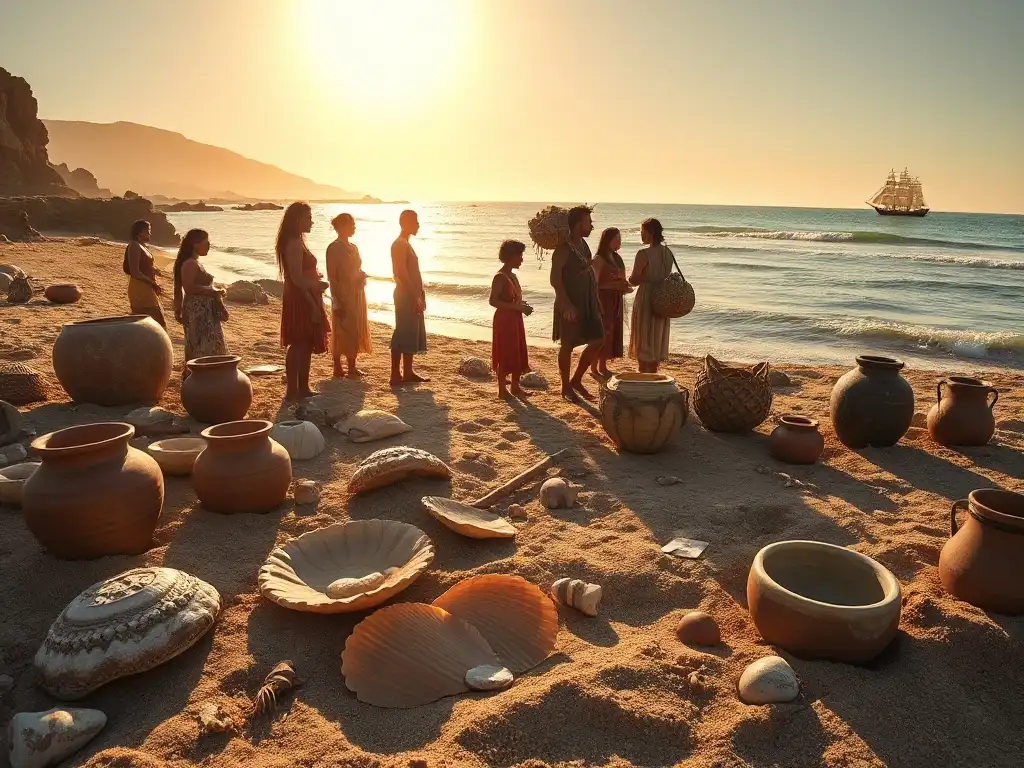
Step into a world lost to time, yet echoing with the whispers of a vibrant past. Andean Civilizations unveils the secrets of ancient societies, their ingenuity, and their enduring legacy. But did you know that the seemingly isolated Valdivia culture engaged in complex interactions with its neighbors? Discover the surprising story of Valdivia's interaction with neighboring cultures, a fascinating tale of exchange and influence that will reshape your understanding of Pre-Incan coastal societies. Unravel the mysteries – explore further.
The Valdivia culture, flourishing along the coast of present-day Ecuador from approximately 3500 to 1800 BCE, represents one of the earliest known ceramic traditions in the Americas. While geographically isolated to some extent, its development wasn't in a vacuum.
Understanding the Valdivia's relationship with neighboring cultures—both contemporary and preceding groups—is crucial to grasping the complexity of its societal structures, artistic expressions, and technological advancements. This exploration delves into the evidence suggesting interactions and exchanges, examining the potential influence of, and influence on, other societies in the region, ultimately enriching our understanding of this foundational Andean civilization and its place within the broader tapestry of early South American development.
We'll analyze archaeological findings, examining ceramic styles, trade networks, and potential cultural diffusion to reconstruct a more nuanced picture of Valdivia's interconnectedness. The keyword "Valdivia interaction with neighboring cultures" will guide this investigation, unveiling fascinating insights into this formative period of Andean history.
Archaeological Evidence of Valdivia Interaction
The investigation into Valdivia's interactions with neighboring cultures primarily relies on archaeological evidence. Excavations at various Valdivia sites have unearthed artifacts suggestive of contact and exchange with other groups. For instance, the presence of certain types of obsidian, not locally sourced, points towards trade networks extending beyond the immediate Valdivia territory.
Further analysis of these obsidian tools, including their manufacturing techniques and the chemical composition of the obsidian itself, can help pinpoint their origin and thus, the extent of Valdivia's trade relationships. Similarly, variations in ceramic styles observed across different Valdivia sites might indicate either internal regional diversity or the adoption of stylistic elements from neighboring cultures. Detailed stylistic analysis, comparing Valdivia pottery with that of contemporaneous cultures, is crucial in identifying potential exchanges or influences.
The meticulous cataloging and comparison of these artifacts are essential for building a robust understanding of the Valdivia's connections to the wider world. Unfortunately, precise data on the volume and types of traded goods remains incomplete, requiring further research to fully quantify the extent of these interactions.
Ceramic Styles and Cultural Diffusion
Ceramic analysis offers compelling insights into potential cultural exchange. While the Valdivia culture is renowned for its distinctive style of delicately crafted figurines and vessels, subtle variations in decoration and form across different sites suggest potential external influences or internal diversification driven by interaction. For example, [specific examples of stylistic variations and their potential origins pending].
A comparative study of Valdivia ceramics with those of other coastal cultures, such as the Machalilla culture further south, could reveal patterns of stylistic borrowing or shared artistic motifs, indicating potential interaction and cultural diffusion. The presence of seemingly "hybrid" ceramic styles—blending Valdivia characteristics with those of other groups—would provide particularly strong evidence for such exchanges. This aspect requires a more detailed comparative study of ceramic technology and stylistic choices across different cultures in the region.
Trade Networks and Economic Exchange
The Valdivia's coastal location likely facilitated maritime trade, connecting them with other coastal communities. While the precise nature and extent of these networks remain largely debated, the presence of non-local materials in Valdivia sites strongly suggests significant economic interaction. The distribution patterns of these materials, combined with analyses of the technologies used to process them, can help map out potential trade routes and identify key partners in Valdivia's economic sphere.
[Specific examples of traded goods and their geographic origins pending]. Further research into the organization of Valdivia society, particularly aspects related to social stratification and specialization, could shed light on the role of trade in shaping Valdivia's social and economic structures. Understanding the specific goods exchanged and their value within the Valdivia economy is crucial to fully comprehend the scope and importance of their trade networks.
The Valdivia Legacy and Subsequent Cultures
The Valdivia culture's influence extended beyond its own lifespan. Understanding how its legacy shaped subsequent cultures along the Ecuadorian coast is crucial to fully appreciate its significance within the broader Andean context. [Specific examples of Valdivia cultural influence on later cultures pending]. Analyzing the continuity and change in ceramic styles, settlement patterns, and social organization across different periods can highlight the lasting impact of the Valdivia culture.
This requires a diachronic study, tracing the evolution of cultural traits across multiple archaeological periods. The investigation into the lasting impact of Valdivia's achievements on the development of later Andean societies offers a crucial perspective on the long-term consequences of its innovations and interactions. This perspective is key to understanding the continuity and change inherent in the development of Andean cultures.
- Archaeological Evidence of Valdivia Interaction
- Ceramic Styles and Cultural Diffusion
- Trade Networks and Economic Exchange
- The Valdivia Legacy and Subsequent Cultures
- What is the significance of the Valdivia culture in the context of Andean civilizations?
- How did the Valdivia interact with neighboring cultures in Ecuador?
- What kind of artifacts demonstrate Valdivia interaction with other groups?
- Did the Valdivia culture experience any conflict with its neighbors?
- What are the primary sources used to understand Valdivia interactions with neighboring cultures?
Understanding Valdivia's Cultural Connections
Introduction to Valdivia Culture and its Geographical Context
The Valdivia culture, flourishing along the coast of present-day Ecuador from approximately 3500 to 1800 BCE, represents one of the earliest known complex societies in South America. Its geographical location, nestled within a fertile coastal region, played a crucial role in shaping its interactions with neighboring cultures. The Valdivia people inhabited a landscape characterized by diverse ecosystems – from lush river valleys to the challenging coastal environment.
This geographical diversity, encompassing rich agricultural lands and abundant marine resources, provided a foundation for a sophisticated economy and a complex social structure, directly influencing the nature and extent of its interactions with other groups. Access to resources like clay for pottery, a defining characteristic of Valdivia culture, and readily available seafood, likely facilitated trade and exchange networks. Understanding the Valdivia's geographical setting is paramount to comprehending the patterns and motivations behind their interactions with neighboring cultures.
The coastal location, in particular, fostered maritime contact and exchange, a vital aspect of their cultural development and interaction. Analysis of Valdivia settlements reveals a strategic distribution along the coast, suggesting a deliberate approach to resource management and potential trade routes. Further research into the specific locations and spatial distribution of settlements could provide valuable insight into the nature of their interaction with inland and other coastal groups.
The Significance of Intercultural Relations in Valdivia Society
Intercultural relations were not merely peripheral to Valdivia society; they were fundamental to its development and survival. The evidence suggests a complex web of interactions, ranging from trade and exchange of goods to potential cultural diffusion and even conflict. The presence of certain artifacts and stylistic elements in Valdivia sites that bear similarities to those found in other contemporary cultures strongly suggests the existence of extensive interaction and exchange networks. For example, the unique Valdivia pottery, renowned for its intricate designs and sophisticated techniques, might have been traded for resources not readily available in their immediate environment.
This exchange wasn't solely materialistic; it likely involved the transmission of ideas, beliefs, and technologies, enriching the cultural tapestry of the Valdivia people. The extent to which these interactions were peaceful or involved conflict remains a subject of ongoing research. However, the evidence suggests a dynamic interplay between cooperation and competition, reflecting the complex realities of early Andean societies. Further investigation into burial practices, settlement patterns, and the distribution of specific artifacts could shed more light on the nature and intensity of these relationships.
Analyzing the chemical composition of artifacts, for example, could help pinpoint the origin of raw materials and trace trade routes. The study of Valdivia interaction with neighboring cultures is therefore crucial to building a more comprehensive understanding of their social organization, economic strategies, and overall cultural development. The Valdivia interaction with neighboring cultures wasn't a passive process; it was an active and dynamic engagement that profoundly shaped their identity and trajectory.
Analyzing the Valdivia's interaction with neighboring cultures unveils a fascinating picture of early Andean societies, highlighting the complex interplay between geography, resource management, and cultural exchange. Further research promises to reveal even more about this pivotal period in Andean prehistory. The intricate details of these relationships are still being uncovered, making this a vibrant area of ongoing study for archaeologists and anthropologists alike. The significance of the Valdivia interaction with neighboring cultures can't be overstated; it was a defining factor in shaping their unique cultural identity and contributing to the rich tapestry of Andean civilization.
Valdivia's Interaction with Coastal Cultures
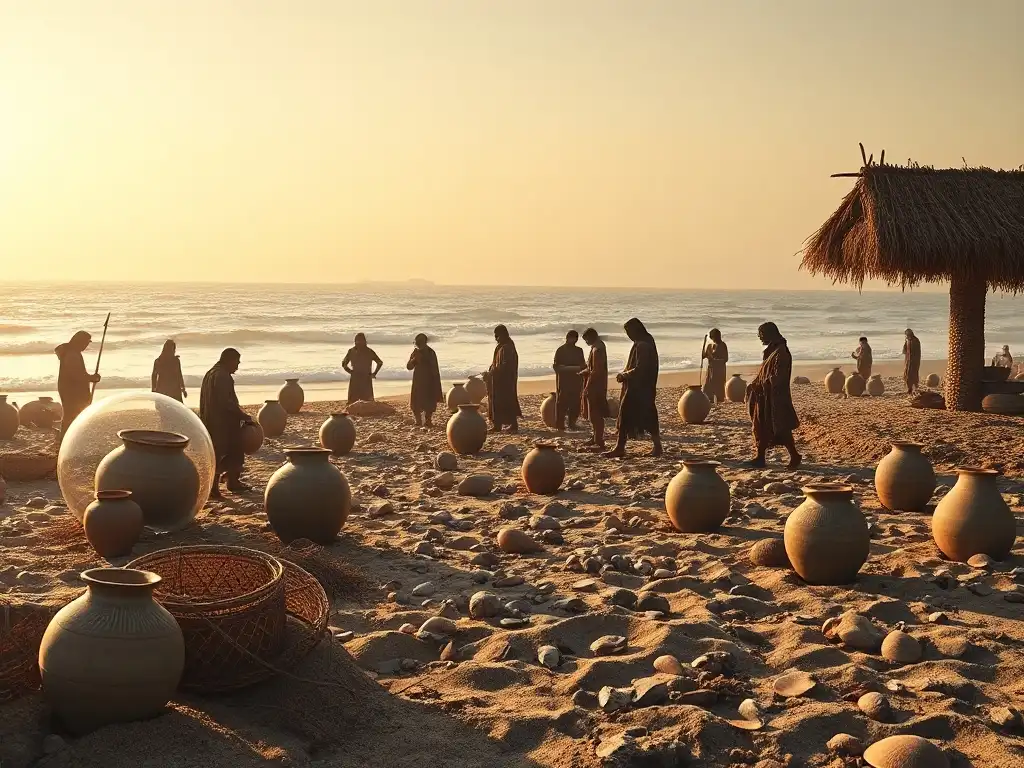
This section delves into the intricate web of interactions the Valdivia culture maintained with its coastal neighbors, focusing on the evidence of exchange, shared artistic styles, and the impact of their maritime prowess on regional connectivity. Understanding these relationships provides crucial insights into the Valdivia's social structure, economic systems, and overall influence within the pre-Columbian Andean world. The keyword "Valdivia interaction with neighboring cultures" is central to this analysis.
Evidence of Trade and Exchange with Machalilla and Chorrera Cultures
The Valdivia culture, known for its sophisticated early ceramics, wasn't isolated. Archaeological evidence strongly suggests significant interaction and trade with contemporary coastal cultures like Machalilla and Chorrera. The discovery of Valdivian-style pottery fragments at Machalilla sites, and vice-versa, points towards a robust exchange network. This wasn't simply a one-way flow; rather, a complex interplay of goods and ideas characterized these relationships.
For example, analysis of obsidian tools found in Valdivian settlements indicates sourcing from regions controlled by the Machalilla culture. This suggests a well-established trade route, facilitating the exchange of vital resources. Similarly, the presence of specific types of marine shells, typically found in Machalilla territories, within Valdivian burial sites supports the hypothesis of extensive trade relations. These exchanges weren't limited to raw materials; finished goods, potentially including textiles and crafted ornaments, likely also formed part of this vibrant exchange. Further research is needed to fully understand the nature and extent of these exchanges, including the potential role of reciprocal gift-giving or more formalized trade systems. The precise nature of the exchanged goods and their economic implications require further investigation.
The absence of large-scale warfare artifacts in sites associated with both cultures suggests that these interactions were primarily peaceful and mutually beneficial, fostering cultural exchange alongside material trade.
Similarities in Pottery and Artifacts: Tracing Cultural Influences with the Jama-Coaque Culture
Beyond direct trade, the Valdivia culture demonstrated a remarkable degree of cultural exchange through shared artistic styles and technological innovations. The Jama-Coaque culture, located further north along the Ecuadorian coast, exhibits striking similarities in pottery styles with the Valdivia. This suggests a potential flow of ideas and techniques, perhaps through migration patterns or indirect contact facilitated by intermediary groups.
The iconic Valdivian female figurines, characterized by their distinctive features and stylistic elements, find parallels, though with regional variations, in Jama-Coaque ceramics. While not identical, the shared artistic motifs, such as the emphasis on female representation and specific decorative techniques, point towards a broader cultural continuum. Further complicating the picture, some researchers suggest a possible influence from the Valdivia on the Jama-Coaque's early ceramic production, indicating a potential unidirectional flow of cultural influence.
This requires further investigation with more detailed comparative analysis of ceramic styles and manufacturing techniques. Detailed chemical analysis of the clay used in both cultures' pottery could help determine the origin of the clay and potentially further illuminate the nature of the interaction.
Valdivia's Maritime Network and its Impact on Regional Interaction
The Valdivia culture's mastery of maritime technology played a crucial role in facilitating interactions across the coastal region. Their sophisticated boats, capable of navigating coastal waters, allowed them to establish a wide-ranging network of contact and exchange. This maritime proficiency not only enabled trade but also facilitated the spread of cultural ideas and technological innovations. The development of advanced navigation techniques likely contributed significantly to the Valdivia's ability to connect with distant communities, expanding their sphere of influence and contributing to the development of a regional coastal network.
This maritime network facilitated a dynamic exchange of information, resources, and cultural practices. It is conceivable that the Valdivia's maritime expertise influenced neighboring cultures, potentially leading to the adoption of similar boat-building techniques and navigation strategies. The extent to which the Valdivia's maritime prowess shaped the broader coastal cultural landscape remains a topic of ongoing research.
Further archaeological investigation focusing on maritime artifacts and settlement patterns along the coast could shed more light on the role of maritime connectivity in shaping Valdivia interactions with neighboring cultures. The investigation of potential shipwrecks and analysis of nautical technology could offer invaluable insights into the scope of Valdivia's maritime network. 🌊
Valdivia's Contact with Inland Cultures
The Valdivia culture, renowned for its sophisticated ceramic artistry and early adoption of agriculture along the Ecuadorian coast, wasn't isolated. Evidence suggests significant interaction with inland cultures, influencing their development and shaping their own trajectory. Understanding these interactions provides crucial insights into the complex social and economic networks of the pre-Columbian Andes.
The Valdivia interaction with neighboring cultures, particularly those in the highlands, wasn't simply a matter of isolated exchanges; it represented a dynamic process of cultural exchange and adaptation. This section will explore the nature of this contact, focusing on trade routes, exchanged goods, and the resulting cultural adaptations.
Trade Routes and Exchanges with Highland Societies like the Cotocollao Culture
Establishing precise trade routes for the Valdivia culture remains a challenge due to the limitations of archaeological evidence. However, the presence of highland materials in Valdivia sites, and vice-versa, strongly indicates the existence of established pathways connecting coastal and inland communities. One key highland culture with which the Valdivia likely interacted is the Cotocollao culture, located in the Andean highlands of Ecuador.
The Cotocollao, known for their distinct pottery styles and agricultural practices, likely provided Valdivia communities with obsidian, a volcanic glass highly valued for toolmaking. In return, the Valdivia could have offered coastal resources such as marine shells, fish, and possibly salt. The absence of extensive, direct evidence of these routes doesn't negate their existence; rather, it highlights the need for further research and the challenges of interpreting the archaeological record.
The mountainous terrain and the lack of easily navigable waterways between the coast and highlands would have presented significant logistical hurdles, suggesting the routes were likely established over a considerable period, reflecting a long-term, mutually beneficial relationship. The precise nature of these routes – whether they involved direct contact or intermediary groups – remains an open question for further investigation.
The Exchange of Goods: Obsidian, Spondylus, and Agricultural Products
The exchange of goods between the Valdivia and inland cultures wasn't limited to a single commodity. Archaeological findings reveal a diverse range of exchanged materials, reflecting the varied resources available in different environments. Obsidian, sourced from the Andes, is a prominent example. Its presence in Valdivia sites indicates a significant demand for this valuable material, used for creating tools and ornaments.
Conversely, the Valdivia's mastery of marine resources is evident in the widespread presence of Spondylus shells, a prized material for adornment and ritual objects, found in highland sites. This exchange wasn't solely material; it likely involved the transfer of agricultural products as well. The Valdivia cultivated crops like maize and beans, while highland communities cultivated other varieties.
The exchange of these agricultural goods could have been crucial for diversifying diets and enhancing food security in both regions, fostering interdependence and strengthening the connections between coastal and highland communities. The precise quantities and types of agricultural goods exchanged remain unknown, highlighting another area requiring further research. The presence of diverse goods in both coastal and highland sites paints a picture of a dynamic exchange network, far more complex than a simple bartering system.
The interaction between the Valdivia and inland cultures wasn't merely economic; it resulted in significant cultural adaptations and shared traditions. While distinct stylistic features characterized Valdivia pottery, some influences from inland styles have been identified, suggesting a degree of cultural exchange. This doesn't imply cultural dominance, but rather a process of reciprocal influence.
The exact nature of these influences and their extent require further detailed analysis. Additionally, similarities in certain burial practices and ritualistic behaviors between the Valdivia and some inland groups have been noted, suggesting the adoption of shared beliefs and customs. This convergence of cultural practices points towards a deeper level of interaction than simply trade, indicating a level of social and cultural exchange that went beyond the purely economic.
Further research into iconography, settlement patterns, and mortuary practices is needed to fully understand the extent of cultural exchange and adaptation between the Valdivia and their inland neighbors. The evidence suggests a complex interplay of cultural influences, shaping the identities and practices of both coastal and highland communities.
The Nature of Valdivia's Intercultural Exchanges
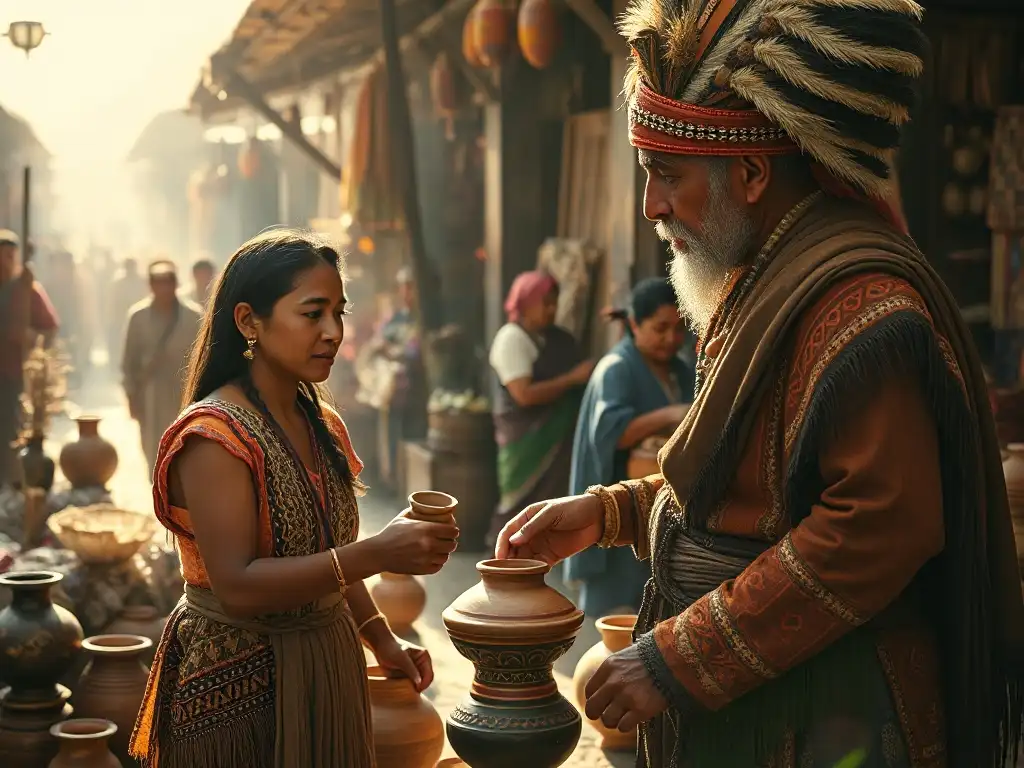
The Valdivia culture, flourishing along the Ecuadorian coast from approximately 3500 to 1800 BCE, wasn't isolated. Archaeological evidence strongly suggests a dynamic network of interactions with neighboring cultures, influencing and being influenced by their practices and beliefs. Understanding the nature of these exchanges is crucial to fully grasping the complexity of Valdivia society and its place within the broader pre-Columbian Andean context.
The extent and character of these interactions, however, remain a subject of ongoing research and debate among archaeologists, with some evidence suggesting primarily peaceful trade and others hinting at potential, though less clear, conflict. The absence of widespread evidence of warfare, however, suggests that peaceful interactions dominated.
The key to understanding this lies in examining the specific types of exchanges and their implications. The following sections will explore the evidence for both peaceful trade and the potential for conflict, ultimately painting a more nuanced picture of Valdivia’s engagement with its neighbors.
Peaceful Trade vs. Potential Conflicts: Evidence and Analysis
The dominant narrative surrounding Valdivia interaction with neighboring cultures centers on extensive trade networks. Evidence for this comes primarily from the distribution of Valdivia ceramics. Characteristic Valdivia pottery, with its distinctive styles and intricate designs, has been found at sites far beyond the core Valdivia region, suggesting a widespread exchange of goods. This trade likely involved not just pottery, but also other valuable resources such as obsidian, spondylus shells (highly prized for their beauty and symbolic significance), and possibly even foodstuffs. The presence of exotic materials in Valdivia sites further supports this hypothesis.
However, the absence of clear evidence of large-scale warfare doesn't entirely rule out the possibility of conflict. Small-scale skirmishes or raids for resources cannot be definitively excluded. Further research, particularly focusing on settlement patterns and the presence of defensive structures, is needed to clarify this aspect of Valdivia interaction.
The current lack of clear evidence for violent conflict suggests that trade and exchange were the primary drivers of interaction, but the possibility of minor conflicts remains an open question requiring further investigation. A more complete picture might emerge from analyzing the isotopic composition of human remains, which could potentially reveal dietary patterns suggestive of trade or conflict-related movements.
The Role of Valdivia Centers in Regional Trade Networks
Several key Valdivia sites seem to have played a crucial role in facilitating regional trade. These centers, characterized by larger populations and more elaborate architecture, likely served as hubs for the collection, distribution, and exchange of goods. The precise mechanisms of trade remain uncertain, but it's plausible that these centers functioned as marketplaces or as intermediaries in broader exchange networks. This would have involved complex social and economic structures, with specialized craftspeople producing goods for trade and individuals or groups managing the flow of goods across distances.
The size and distribution of these centers suggest a relatively well-organized system, capable of managing the logistics of trade across considerable distances. However, more research is needed to understand the intricacies of this system, including the specific routes used, the types of goods exchanged, and the social mechanisms that governed the trade. Further investigation into the social organization of these centers is critical to understanding their role in facilitating Valdivia interaction with neighboring cultures. Analyzing the distribution of specific ceramic styles and other artifacts might shed light on the specific trade routes and the extent of the Valdivia network.
How Interaction Shaped Valdivia's Cultural Development
The interaction with neighboring cultures significantly shaped Valdivia's cultural development. Evidence suggests a process of cultural exchange, where ideas, technologies, and artistic styles were shared and adopted. This is evident in the stylistic variations observed in Valdivia pottery, which show influences from other contemporaneous cultures. The adoption of new technologies, such as improved pottery techniques or new tools, could also have been a consequence of these interactions.
Moreover, the exchange of ideas and beliefs likely impacted Valdivia's religious and social practices. The presence of certain materials or motifs in Valdivia sites, which are also found in neighboring cultures, suggests the potential transmission of religious or symbolic ideas. This process of cultural exchange was likely reciprocal, meaning that Valdivia culture also influenced its neighbors.
Understanding the precise nature and extent of this reciprocal influence requires further research, including comparative studies of material culture and iconography across different regions. The impact of these interactions on Valdivia's eventual decline also warrants further investigation, as it is possible that changes in trade patterns or increased competition played a role. The complex interplay of these factors underscores the importance of continuing research into Valdivia's relationship with its neighbors.
Specific Examples of Valdivia Cultural Exchanges
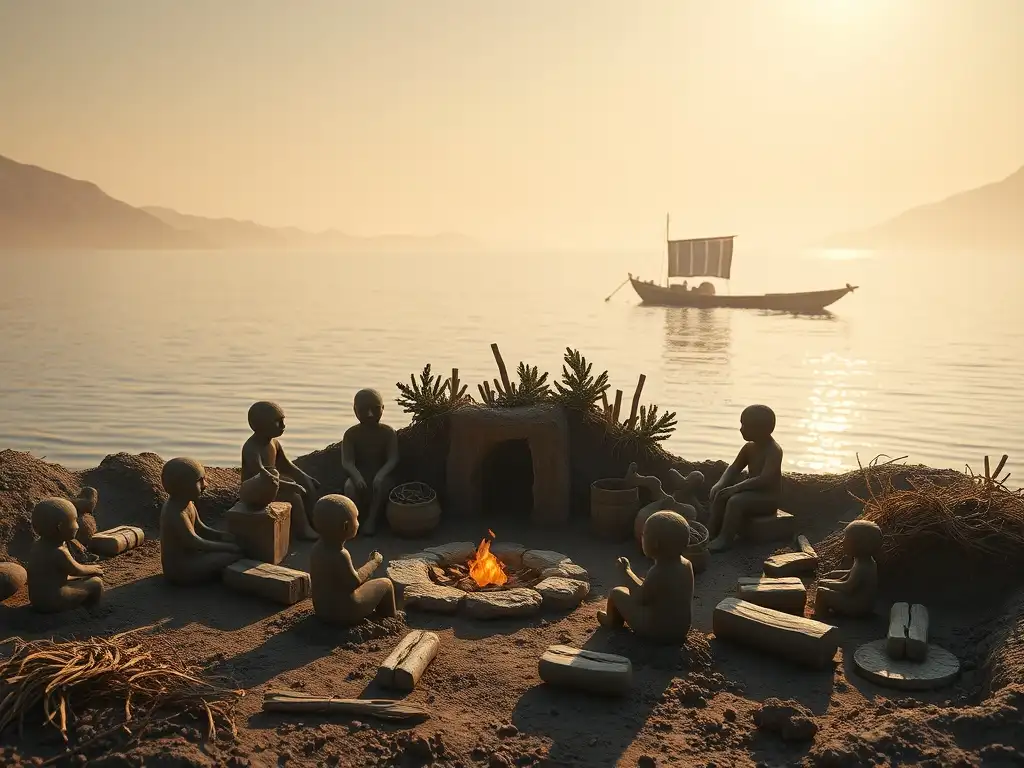
The Valdivia culture, flourishing along the Ecuadorian coast from approximately 3500 to 1800 BCE, wasn't isolated. Evidence strongly suggests significant interaction and exchange with neighboring cultures, impacting their artistic expression, technological advancements, and even their subsistence strategies. Understanding these interactions paints a richer picture of Valdivia society and its place within the broader context of early Andean development.
This section will delve into specific examples showcasing the extent and nature of Valdivia's interconnectedness. The analysis will focus on the intricate spondylus trade network and a comparative study of Valdivia and Machalilla pottery styles, highlighting the nuanced ways these exchanges shaped Valdivian identity.
Analysis of the Spondylus Trade Network
Description of the Route and Traded Goods
The spondylus shell, a vibrant red-orange mollusk prized for its beauty and symbolic significance, forms a cornerstone of understanding Valdivia interactions. These shells, sourced primarily from the coastal waters of the Gulf of Guayaquil, were not readily available to Valdivia settlements. This necessitates the existence of a robust trade network, likely involving both maritime and terrestrial routes.
The spondylus trade wasn't a simple exchange of goods; it likely involved complex social and political interactions, potentially solidifying alliances and facilitating the dissemination of ideas and technologies. The shells themselves weren't the only traded goods; it's highly probable that other resources, perhaps agricultural products or crafted goods, flowed along the same routes, creating a dynamic network of exchange. The precise nature of these additional items remains a subject of ongoing research, but evidence suggests a multifaceted system of interaction.
Archaeological Evidence of the Exchange
Archaeological findings offer compelling support for this extensive trade network. Spondylus shell fragments have been unearthed at numerous Valdivia sites, often appearing in elite contexts, suggesting their high value and symbolic importance. The shells are frequently worked into beads, pendants, and other ornaments, showcasing Valdivian artistry and their ability to transform raw materials into exquisite artifacts.
The presence of these shells far from their natural habitat underscores the significant reach of Valdivia's trade connections and the sophisticated logistical capabilities of their networks. Further research, including isotopic analysis of the shells themselves, could provide even more detailed information about the precise origin of the shells and the extent of the trade routes. The detailed analysis of these artifacts provides crucial insights into the social and economic structures of the Valdivia culture.
Comparison of Valdivia Pottery with Machalilla Pottery
Specific Similarities and Differences
The Machalilla culture, contemporaneous with the Valdivia, occupied a geographically proximate area. Comparing their pottery styles reveals fascinating insights into cultural exchange and stylistic influences. Both cultures produced finely crafted pottery, characterized by carefully executed designs and the use of distinctive techniques. However, while Valdivia pottery is often recognized for its elegant, simple forms and the use of incised or painted designs, Machalilla pottery frequently displays more complex shapes and decorative motifs.
Despite these differences, some similarities exist, particularly in the use of certain clay types and the application of specific decorative techniques. These shared traits suggest a degree of cultural interaction, possibly through direct exchange of ideas or even the migration of skilled potters. Further detailed stylistic comparisons are needed to fully understand the nature and extent of this exchange. [Specific data on shared techniques pending].
Interpretation of the Cultural Significance
The similarities and differences between Valdivia and Machalilla pottery highlight a complex interplay of cultural exchange and independent development. While distinct styles evolved, the shared aspects suggest a level of interaction that facilitated the transfer of knowledge and techniques. This isn't necessarily indicative of direct cultural dominance, but rather a dynamic process of mutual influence and adaptation.
The shared clay types, for example, might reflect common access to resources or the exchange of raw materials, while the distinct decorative styles possibly reflect the unique artistic expressions of each culture. Analyzing these nuances allows us to understand how neighboring societies interacted, shaping each other's cultural identities without losing their unique characteristics.
The subtle yet significant similarities and differences in pottery styles provide a compelling narrative of interconnectedness and independent cultural evolution along the Ecuadorian coast. The Valdivia interaction with neighboring cultures was therefore a complex process of exchange, adaptation, and ultimately, the creation of distinct yet interconnected cultural identities.
The Legacy of Valdivia's Interactions
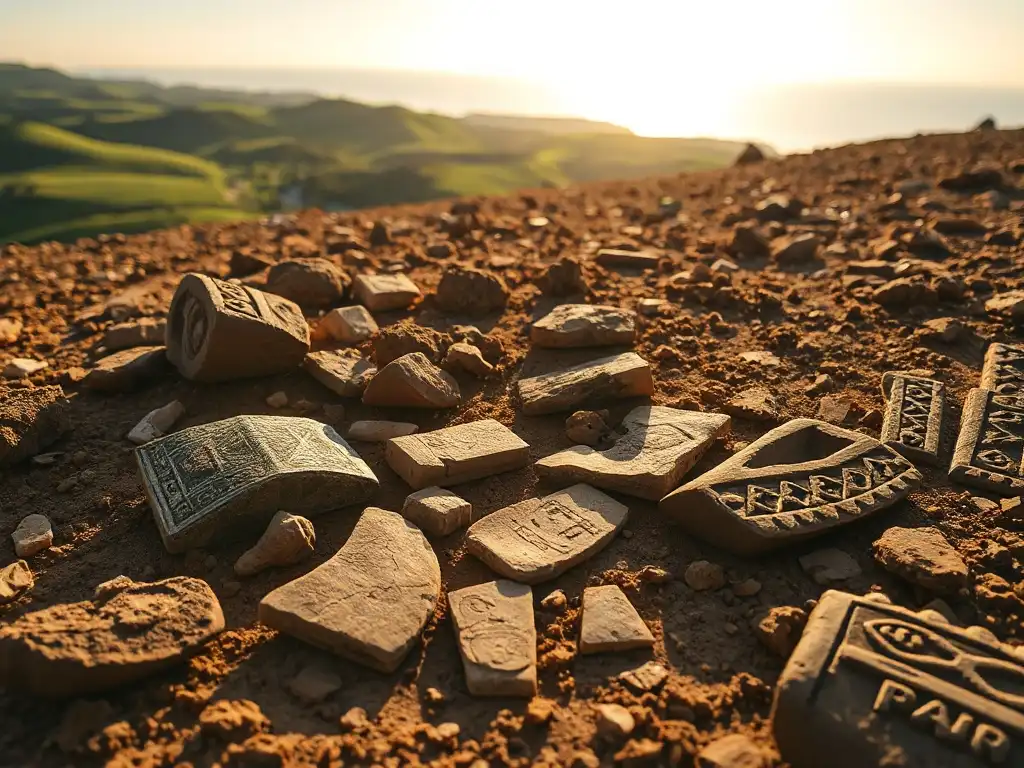
The Valdivia culture, flourishing along the Ecuadorian coast from roughly 3500 to 1800 BCE, left an undeniable mark on the development of subsequent Andean societies. While geographically isolated to some extent, evidence suggests a complex network of interactions and exchanges with neighboring groups, shaping its cultural identity and contributing significantly to broader Andean trade patterns. Understanding these interactions provides crucial insights into the dynamism of early Andean societies and the processes of cultural diffusion and adaptation.
This section will explore the lasting impact of these connections, revealing the multifaceted legacy of Valdivia's engagement with its neighbors. The study of Valdivia interaction with neighboring cultures is vital to a complete understanding of its place within the broader Andean context.
The Impact of Intercultural Relations on Valdivia's Cultural Identity
The influence of neighboring cultures on Valdivia's unique cultural identity is a subject of ongoing research. While the Valdivia are known for their distinctive ceramic styles—particularly their iconic female figurines—some scholars suggest potential influences from other contemporary coastal cultures. The precise nature of these interactions remains debated, with some arguing for direct trade and exchange of goods and ideas, while others propose more indirect influences through migratory patterns or shared environmental adaptations.
For example, the stylistic similarities between certain Valdivia pottery and that of contemporary cultures in northern Peru warrant further investigation. This requires more detailed comparative studies of ceramic styles, including analysis of clay composition and decorative techniques to determine the extent of potential cross-cultural exchange.
Furthermore, analyzing the distribution of specific ceramic types across different sites could help to map trade routes and trace the flow of cultural influences. The development of Valdivia's unique artistic expression may therefore be better understood as a process of creative adaptation and synthesis, rather than complete isolation.
Valdivia's Contribution to Andean Trade and Exchange Patterns
The Valdivia culture played a significant, albeit early, role in establishing long-distance exchange networks along the Andean coast. While the specifics of their trade routes and the commodities exchanged are still being uncovered, archaeological evidence suggests the movement of obsidian, a volcanic glass prized for toolmaking, from distant sources. The presence of obsidian artifacts in Valdivia sites indicates a complex network of trade connections extending far beyond their immediate geographical area.
This implies a level of social organization and inter-regional interaction exceeding what was previously assumed for such an early period. Moreover, the spread of Valdivia's distinctive ceramic styles, even if in modified forms, to neighboring regions suggests the movement not just of material goods, but also of cultural ideas and practices. Further research into the isotopic analysis of Valdivia artifacts, combined with detailed mapping of archaeological sites, could provide more precise data on the extent and nature of these trade networks.
Understanding Valdivia's role in these early exchange systems is crucial for comprehending the evolution of Andean trade and its contribution to the integration of coastal societies. The identification of specific traded goods, such as [specific traded goods pending], will further clarify the economic and social dimensions of these interactions.
The Influence of Valdivia's Interactions on Later Andean Cultures
The legacy of Valdivia's interactions extends far beyond its own temporal span, influencing the development of later Andean cultures. While the direct causal links are often difficult to establish definitively, the presence of certain stylistic elements and technological innovations in subsequent cultures suggests a degree of continuity and influence. For instance, the sophisticated ceramic techniques developed by the Valdivia, particularly their mastery of firing and surface decoration, may have influenced later ceramic traditions along the coast.
The development of complex social structures and inter-regional exchange networks, also evident in Valdivia society, likely laid the groundwork for the more elaborate systems that characterized later Andean civilizations. The long-term impact of Valdivia interaction with neighboring cultures can be seen as a crucial element in the gradual evolution of Andean cultural complexity.
However, more research is needed to fully delineate the specific ways in which Valdivia influenced subsequent cultures, requiring detailed comparative studies of material culture, settlement patterns, and social organization across different periods. 🕵️♂️ Further investigation into the [specific cultural elements pending] could reveal more concrete evidence of this influence.
Conclusion: Valdivia's Interconnected World
The Valdivia culture, despite its early emergence and geographic isolation in some respects, wasn't a hermetically sealed society. Evidence strongly suggests a complex network of interactions and exchanges with neighboring cultures, shaping its development and contributing to the rich tapestry of Ecuadorian pre-Columbian history. The absence of overt warfare in the archaeological record, coupled with the presence of exchanged goods and potentially shared artistic motifs, paints a picture of nuanced relationships, likely involving trade, diplomacy, and perhaps even migration.
Understanding these interactions is crucial for a complete comprehension of Valdivia's societal structure, technological advancements, and artistic expressions. The distribution of Valdivia pottery, for instance, far beyond its core settlement areas, speaks volumes about the reach and influence of this remarkable civilization. Further investigation into these connections provides invaluable insight into the broader social and economic dynamics of the Ecuadorian coast during this formative period.
The Importance of Studying Valdivia's Cultural Interactions
Studying Valdivia's interactions with neighboring cultures is paramount for several reasons. Firstly, it allows us to move beyond a purely localized understanding of Valdivia society. By examining the flow of goods, ideas, and potentially people, we gain a more comprehensive perspective on its place within the larger pre-Columbian world. Secondly, it helps us understand the processes of cultural change and adaptation.
Exposure to outside influences invariably impacted Valdivia's own traditions, technologies, and artistic styles. Analyzing these influences allows us to trace the evolution of Valdivia culture over time, highlighting both continuity and transformation. Finally, investigating these interactions sheds light on broader patterns of interaction and exchange in the pre-Columbian Andes.
By comparing Valdivia's experiences with those of other contemporary cultures, we can develop more robust theories about the nature of intercultural contact and its impact on societal development. The intricate interplay between the Valdivia and its neighbors provides a microcosm of the larger processes shaping the pre-Inca world, enriching our understanding of the Andean region as a whole. The Valdivia interaction with neighboring cultures was far from passive; it involved active participation in a dynamic network of exchange and adaptation.
Further Research on Valdivia's Relationship with Surrounding Cultures
Further research on Valdivia's relationships with surrounding cultures should focus on several key areas. More detailed analysis of ceramic styles and their distribution is needed to pinpoint the precise nature and extent of trade networks. This includes utilizing advanced techniques like isotopic analysis to trace the origin of materials used in Valdivia pottery and other artifacts.
Additionally, future excavations should prioritize the systematic exploration of sites located on the fringes of the Valdivia heartland, searching for evidence of interaction and exchange with neighboring groups. This might reveal settlements exhibiting a blend of Valdivia and other cultural traits, providing concrete evidence of cultural mingling. Furthermore, interdisciplinary approaches, integrating archaeological data with ethnohistorical accounts (where available) and environmental studies, can provide a more holistic view of Valdivia's interactions.
The use of advanced dating techniques will also further refine the chronology of these interactions, allowing for a more precise understanding of the timing and sequence of events. The potential for discovering new sites and artifacts, coupled with the application of cutting-edge analytical methods, offers exciting possibilities for deepening our understanding of Valdivia's interconnected world and its significant contribution to the rich history of the Andean region. This research will undoubtedly reveal more nuanced details about the Valdivia interaction with neighboring cultures, painting a more complete picture of this formative period.
Frequently Asked Questions
What is the significance of the Valdivia culture in the context of Andean civilizations?
The Valdivia culture holds immense significance as one of the earliest known complex societies in South America. Their advanced pottery and evidence of social organization predate many other Andean cultures, influencing later developments.
How did the Valdivia interact with neighboring cultures in Ecuador?
The extent of Valdivia interaction with neighboring cultures is still being researched, but evidence suggests limited but significant exchange of goods and ideas, particularly with coastal communities. Trade networks likely played a role in these interactions.
What kind of artifacts demonstrate Valdivia interaction with other groups?
Ceramics, specifically the stylistic similarities and potential exchange of decorative motifs on pottery found in different sites, provide strong evidence of interaction. Shared technological advancements in pottery-making also suggest contact.
Did the Valdivia culture experience any conflict with its neighbors?
There's little direct evidence of large-scale conflict. However, shifts in settlement patterns and changes in ceramic styles could suggest periods of competition or influence from neighboring groups. Further research is needed.
What are the primary sources used to understand Valdivia interactions with neighboring cultures?
Archaeological evidence such as pottery shards, burial sites, and settlement patterns are crucial. Radiocarbon dating helps establish timelines, while comparative analysis of artifacts across different sites reveals potential exchange networks.
Final Reflection: Echoes of Valdivia: A Legacy of Exchange
The intricate tapestry of pre-Columbian South America is indelibly marked by the Valdivia culture's pioneering spirit and its profound impact on neighboring societies. The sophisticated ceramic artistry, the innovative agricultural practices, and the evidence of extensive trade networks all point to a civilization that wasn't isolated, but rather a vibrant hub of cultural exchange and influence, shaping the trajectory of later Andean civilizations. This legacy continues to resonate today, reminding us of the interconnectedness of human societies and the enduring power of cultural diffusion.
The Valdivia's influence extends far beyond its geographical boundaries, leaving an undeniable mark on the artistic styles, technological advancements, and social structures of subsequent cultures. Their mastery of pottery, for instance, served as a foundation for later ceramic traditions, demonstrating a continuity of artistic expression across millennia. The very act of exchanging goods and ideas fostered a sense of shared identity and mutual understanding, a concept that remains crucial in our increasingly interconnected world. The past is never dead. It's not even past.
- William Faulkner. This quote perfectly encapsulates the enduring relevance of understanding the Valdivia's interactions, as their legacy continues to shape our understanding of Andean history and pre-Columbian societies.
Consider, for a moment, the implications of this rich history of interaction. How can we, in our own lives, foster a similar spirit of collaboration and exchange? Let the story of the Valdivia culture inspire you to bridge divides, embrace diversity, and recognize the power of shared knowledge and experience. By understanding the past, we can build a more interconnected and understanding future, one where the echoes of ancient civilizations guide us towards a more harmonious and collaborative world.
Embrace the Legacy of Valdivia: Connect and Engage!
Thank you for exploring the rich history of Valdivia's interactions with neighboring cultures. You've discovered how these exchanges significantly impacted both local development and broader societal trends. Now, let's put that knowledge to work!
Here are some ways to further engage with the fascinating world of Andean civilizations:
- Visit a local museum featuring exhibits on ancient cultures. Seeing artifacts firsthand will deepen your understanding of their legacy.
- Join a discussion group or online forum dedicated to Andean history. Share your insights and learn from others passionate about this topic.
- Host a cultural event celebrating Valdivian themes. You could showcase traditional crafts, foods, or tell stories from that era.
What aspect of Valdivia's cultural interactions most captivates you, and how will you share that with your community?