
Chavín's Religious Practices: The Rituals They Performed

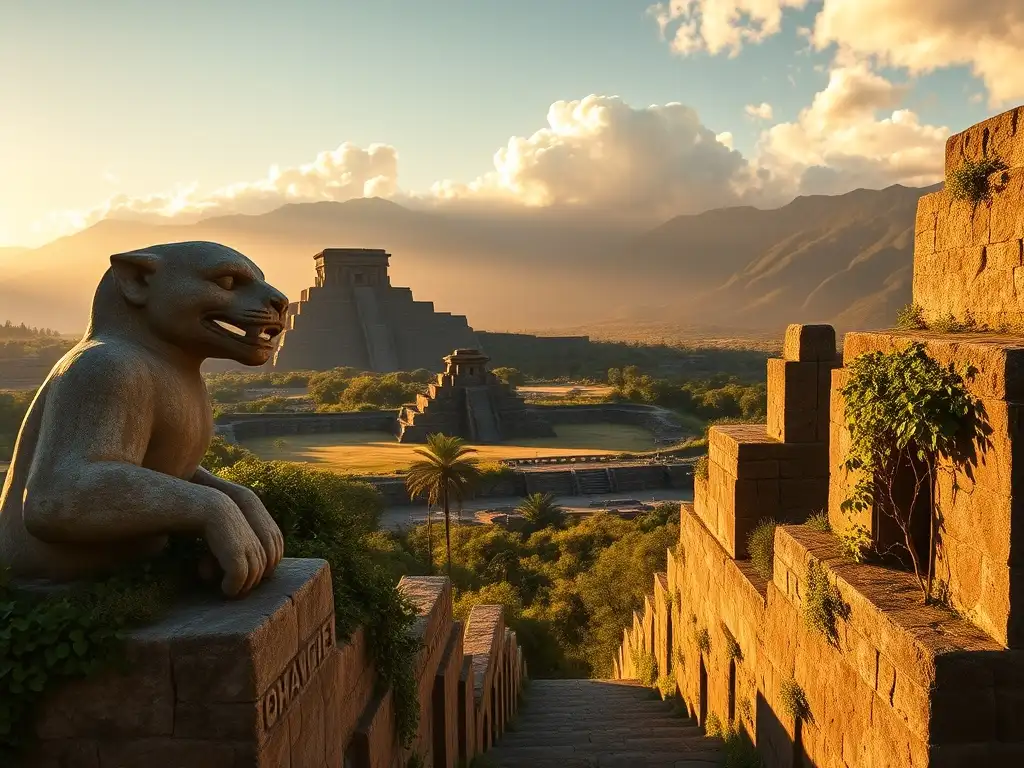
Welcome, explorer! Prepare to journey into the enigmatic heart of the Andes, a realm of towering mountains and breathtaking civilizations. Forget everything you think you know about ancient societies. This website delves into the captivating history, art, and technology of the Andean world, from the Incas to the lesser-known but equally fascinating cultures. But first… unravel the mysteries surrounding Chavín religious rituals, a key to understanding the pre-Incan cultures of the coast. Dare to uncover their secrets? Then begin your exploration now!
- Chavín Religious Practices: The Rituals They Performed
- Understanding Chavín Religious Beliefs
- Key Chavín Religious Rituals and Practices
- Chavín Iconography and Religious Symbolism
- The Impact of Chavín Religious Practices on Later Andean Cultures
-
Frequently Asked Questions
- What were the most important aspects of Chavín religious rituals?
- What role did the Chavín temple play in their rituals?
- What evidence exists to support our understanding of Chavín religious rituals?
- How did the Chavín people interact with their deities through rituals?
- What is the significance of Chavín religious rituals in the context of Andean civilizations?
- Final Reflection: Echoes of Chavín: A Legacy of Ritual and Belief
- **Unveil the Mysteries of Chavín Rituals! **
Chavín Religious Practices: The Rituals They Performed
The Chavín culture, flourishing in the Andes Mountains of Peru from approximately 900 to 200 BCE, remains one of the most enigmatic and influential pre-Inca civilizations. Their sophisticated art, complex social structures, and particularly their unique religious practices, have captivated archaeologists and historians for decades. This article delves into the fascinating world of Chavín religious rituals, exploring the evidence gleaned from archaeological excavations and interpreting the symbolic meaning embedded within their artifacts.
Understanding Chavín religious practices offers a crucial window into the beliefs, social organization, and worldview of this formative Andean culture, providing a foundational understanding for the development of subsequent Andean civilizations. We will examine the evidence suggesting a pan-Andean influence, the role of shamanism, and the likely importance of ritual sacrifice in their belief system. The keyword "Chavín religious rituals" will be explored throughout this article to offer a comprehensive understanding of this captivating topic.
Evidence of Ritual Practices at Chavín de Huántar
The main site of Chavín de Huántar, located in the Callejón de Huaylas, serves as the primary source of information regarding Chavín religious practices. Extensive archaeological excavations have unearthed a wealth of evidence pointing towards elaborate and complex rituals. The architecture itself, with its intricate maze-like passages, subterranean chambers, and strategically placed plazas, strongly suggests a deliberate design intended to facilitate ritualistic activities.
The presence of numerous carved stone sculptures, depicting both human and animal figures often in hybrid forms, further supports this interpretation. These sculptures, many found in specific ritual contexts, are believed to represent deities or supernatural beings central to Chavín religious beliefs.
The sheer scale and complexity of the site itself hint at the importance of religious activity in Chavín society, suggesting a highly organized and centralized religious system. Furthermore, the discovery of numerous offerings, including artifacts made from precious metals, textiles, and ceramics, provides additional evidence of ritualistic practices, potentially connected to appeasement of deities or honoring ancestors.
The Role of Shamanism in Chavín Religion
Many scholars believe that shamanism played a central role in Chavín religious practices. The intricate iconography found on Chavín artifacts, frequently depicting figures in altered states of consciousness or interacting with supernatural entities, is often interpreted as evidence of shamanistic rituals.
The presence of hallucinogenic plants, such as the brugmansia (Angel's Trumpet), in the region lends further credence to this theory, suggesting their potential use in shamanistic ceremonies to induce altered states and facilitate communication with the spirit world. The maze-like structure of Chavín de Huántar itself may have been designed to symbolically represent a journey into the underworld, a common theme in shamanistic traditions.
The discovery of specific artifacts, such as intricately carved staffs and ceremonial vessels, also suggests a hierarchy within the religious system, with certain individuals—likely shamans—possessing specialized roles and responsibilities in conducting rituals. Analysis of skeletal remains from the site may also provide further insights into the role and social status of shamans within Chavín society, although further research is necessary in this area.
Ritual Sacrifice and its Significance
Evidence suggests that ritual sacrifice, possibly involving both human and animal victims, was a significant aspect of Chavín religious practices. While the exact nature and frequency of these sacrifices remain debated, the discovery of human remains in specific contexts within the site, along with the presence of animal bones exhibiting signs of ritualistic treatment, provide compelling evidence. These findings suggest that sacrifice may have served multiple purposes, potentially including appeasing deities, ensuring successful harvests, or maintaining cosmic balance.
The symbolic significance of the sacrificed individuals or animals, as well as the specific rituals surrounding the sacrifices, remain areas of ongoing research. Interpretations vary, with some researchers suggesting that sacrifices were intended to strengthen the power and legitimacy of the Chavín elite, while others emphasize their role in maintaining social cohesion and affirming religious beliefs.
Further research, including isotopic analysis of skeletal remains and detailed contextual analysis of archaeological finds, is needed to better understand the full extent and significance of ritual sacrifice within Chavín culture. The discovery of new evidence could significantly alter our understanding of these practices.
The Spread of Chavín Religious Beliefs: A Pan-Andean Influence?
The influence of Chavín religious beliefs extended far beyond the immediate vicinity of Chavín de Huántar, suggesting a significant degree of cultural exchange and interaction across the Andes. The stylistic similarities found in artifacts from various sites across a wide geographical area indicate the dissemination of Chavín iconography and religious motifs. This suggests the potential for a pan-Andean religious network, with Chavín de Huántar serving as a central pilgrimage site or a source of religious inspiration.
The spread of Chavín religious ideas may have been facilitated by trade networks, migration patterns, or the movement of religious specialists. However, the precise mechanisms by which these beliefs spread and adapted to different regional contexts remain a subject of ongoing debate among researchers.
Further research is needed to fully understand the extent and nature of this pan-Andean influence, particularly examining the degree of local adaptation and innovation in the adoption of Chavín religious practices in different regions. The complexities of this cultural diffusion present a rich area for future study.
Understanding Chavín Religious Beliefs
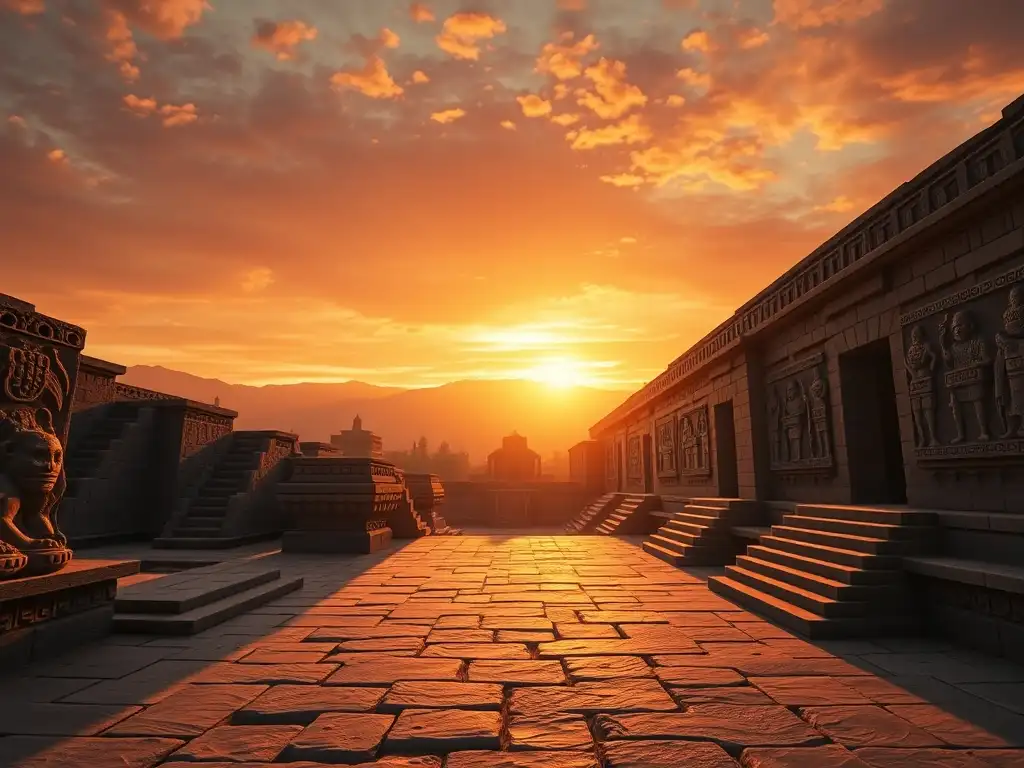
The Chavín culture, flourishing in the Andes from approximately 1200 to 200 BCE, developed a complex and sophisticated religious system that profoundly impacted their society. Unlike later Andean civilizations with clearly defined pantheons, Chavín religious beliefs remain somewhat enigmatic, interpreted primarily through archaeological evidence like temple architecture, artifacts, and iconography. The central focus appears to have been on a powerful, possibly supernatural, force often represented by a feline-like deity, sometimes depicted with fangs, a jaguar-like head, and serpentine features.
This deity, while not explicitly named in any surviving textual record (as writing systems were not yet developed), permeated all aspects of Chavín life, influencing their rituals, art, and social structure. Scholars debate the precise nature of this deity – was it a single supreme being, or a representation of multiple interconnected forces? The lack of written records necessitates relying on careful interpretation of material culture to piece together a coherent picture of their beliefs.
Understanding Chavín religious practices requires a deep dive into the archaeological record and considering the context of their unique environmental setting in the Andean highlands. The religious system wasn't just a set of beliefs; it was the very foundation upon which their society was built. The power and influence wielded by religious leaders likely played a key role in maintaining social order and facilitating collective action, crucial for a complex society in a challenging environment.
The Role of Religion in Chavín Society
Religion permeated every facet of Chavín society, acting as a powerful unifying force. The impressive architectural feats, such as the Lanzón monolith at Chavín de Huántar, were not merely feats of engineering but also powerful symbols of religious authority. The construction itself likely involved substantial collective effort, strengthening social bonds and emphasizing the importance of religious unity. Evidence suggests that religious specialists, perhaps shamans or priests, played a significant role in society, holding considerable power and influence.
These individuals may have mediated between the human and supernatural realms, performing rituals designed to ensure successful harvests, appease the deities, and maintain cosmic balance. Their influence is evident in the intricate carvings and depictions found throughout Chavín sites, often depicting ritual scenes and symbolic imagery related to the feline deity. The distribution of artifacts, particularly those with religious significance, also suggests a centralized religious organization, possibly involving a hierarchical structure with different levels of religious authority.
Further research is needed to fully understand the social stratification and the precise roles of different religious figures within the Chavín community. The intricate system of beliefs and practices likely contributed to the stability and longevity of the Chavín culture, solidifying their position as a significant force in the pre-Columbian Andes. The religious system provided a framework for social cohesion, economic organization, and political control, making it an integral component of Chavín civilization.
Chavín De Huántar: A Ceremonial Center
Chavín de Huántar, located in the northern Peruvian Andes, stands as a testament to the power and influence of Chavín religious practices. This monumental ceremonial center wasn't a city in the traditional sense, but rather a place of pilgrimage and ritual activity. Its labyrinthine architecture, designed to create a sense of awe and mystery, suggests a deliberate attempt to create a space that facilitated altered states of consciousness and religious experience. The Lanzón, a massive, intricately carved monolith depicting the feline deity, is the centerpiece of the main temple. The intricate carvings covering its surface, depicting various mythical creatures and symbolic patterns, likely served as powerful focal points for ritualistic activities.
Evidence suggests the use of hallucinogenic substances, such as San Pedro cactus, in religious ceremonies. These substances may have been used to induce altered states of consciousness, facilitating communication with the supernatural world and enhancing the religious experience. The complex network of tunnels, galleries, and chambers within the temple likely played a role in these ceremonies, creating a carefully orchestrated environment that contributed to the overall ritual experience. The layout itself may have been designed to manipulate sound and light, further enhancing the impact of the ceremonies.
Analysis of the skeletal remains found at Chavín de Huántar could provide further insights into the nature of the rituals and the social dynamics involved. However, more research is needed to fully understand the significance of the architectural design and the precise nature of the rituals performed within the temple complex. The site continues to be a rich source of information, providing valuable clues about the complex religious beliefs and practices of the Chavín civilization. The ongoing research and new discoveries at Chavín de Huántar promise to further illuminate this enigmatic culture and its profound religious legacy.
Key Chavín Religious Rituals and Practices
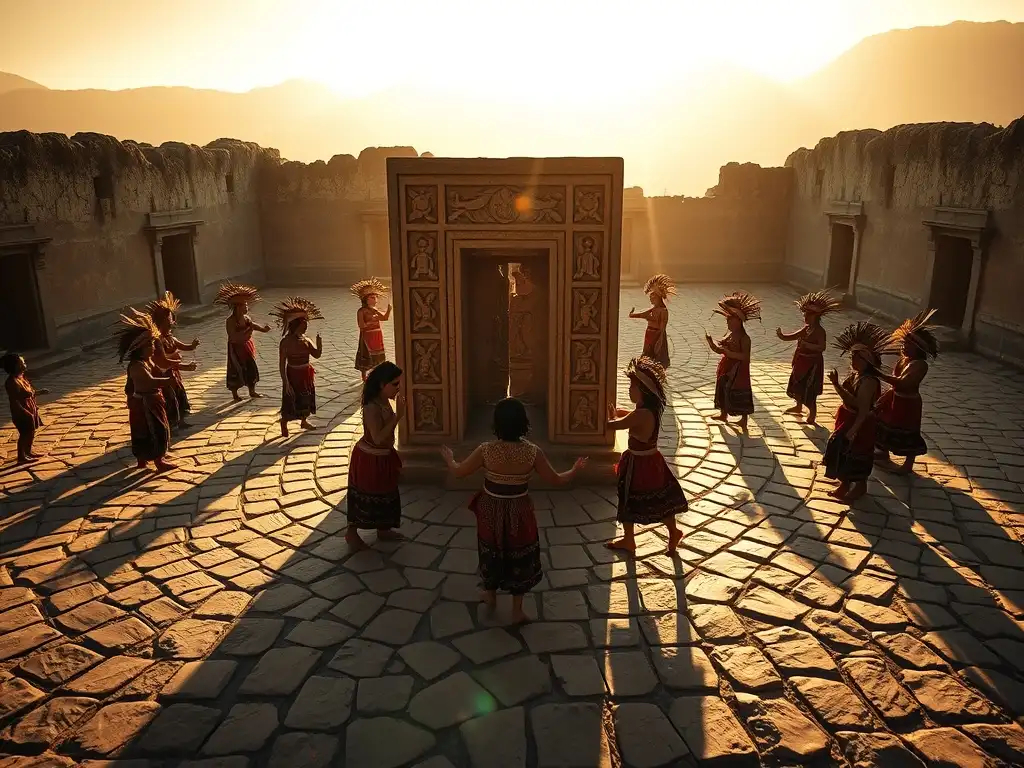
The Chavín culture (900-200 BCE), a formative Andean civilization, developed a complex religious system deeply interwoven with their daily lives. Understanding their religious practices provides crucial insight into their societal structure, beliefs, and worldview. Their rituals, often elaborate and mysterious, involved a combination of offerings, hallucinogenic substances, and shamanic practices, all aimed at connecting with the supernatural world and ensuring the prosperity of their communities.
Research into Chavín religious rituals is ongoing, with new discoveries constantly refining our understanding of this fascinating culture. The term "Chavín religious rituals" itself encompasses a wide range of activities, suggesting a sophisticated and nuanced religious system.
Chavín Rituals: Offerings and Sacrifices
Evidence suggests that offerings and sacrifices played a central role in Chavín religious rituals. Archaeological excavations at the Chavín de Huántar site have unearthed numerous artifacts interpreted as offerings, including intricately carved stone objects, pottery vessels filled with offerings, and even human remains. These findings indicate a hierarchical system of offerings, with some items seemingly more valuable or significant than others.
The types of offerings varied, reflecting the diverse aspects of Chavín life and beliefs. For example, some offerings consisted of agricultural products, such as maize and coca leaves, suggesting a connection between the rituals and the success of their harvests. Other offerings included precious metals like gold and silver, highlighting the importance of these materials in Chavín society. The discovery of human remains, both adult and child, suggests that human sacrifice, while not ubiquitous, was a part of certain significant rituals.
The precise reasons for these sacrifices remain a subject of ongoing debate among researchers, with theories ranging from appeasement of deities to ensuring the fertility of the land. Further research is needed to fully understand the context and frequency of human sacrifice within Chavín religious practices. The careful placement and arrangement of the offerings within the temple complex indicate a highly structured and ritualized process.
The Significance of Hallucinogenic Substances in Chavín Rituals
The use of hallucinogenic substances, most likely San Pedro cactus and possibly other plants, was likely a crucial element of Chavín religious rituals. Depictions of stylized figures and motifs on Chavín pottery and textiles suggest altered states of consciousness, possibly induced by these substances. These depictions often feature supernatural beings and creatures, reinforcing the idea that these rituals aimed to facilitate communication with the spirit world.
The consumption of hallucinogens may have been reserved for select individuals, such as priests or shamans, who acted as intermediaries between the human and supernatural realms. The ingestion of these substances could have been part of initiation rites, allowing individuals to experience visions and gain spiritual insight. The powerful hallucinogenic effects likely played a significant role in shaping Chavín religious beliefs and practices, influencing their iconography and worldview.
Analysis of organic residues on artifacts from Chavín sites could potentially provide further evidence of the specific plants used and the extent of their use in ritual contexts. The combination of archaeological evidence and ethnobotanical studies is crucial for a more comprehensive understanding of this aspect of Chavín culture.
Chavín Shamanic Practices and Their Importance
Shamanistic practices were likely central to Chavín religious rituals. The complex iconography found throughout Chavín sites, featuring hybrid creatures and supernatural beings, suggests the presence of powerful shamanistic figures who mediated between the human and spirit worlds. These individuals likely played a crucial role in conducting rituals, interpreting visions, and guiding the community's spiritual life.
Shamanic practices may have involved various techniques such as trance induction, divination, and healing. The intricate carvings and designs found on Chavín artifacts might represent symbolic representations of shamanic journeys and experiences. The role of the shaman in Chavín society was likely multifaceted, encompassing both religious and political authority.
Further research focusing on the social organization of Chavín society and the roles of different social groups within the religious system is crucial to fully understand the importance of shamanic practices. Detailed analysis of Chavín iconography and its symbolic meanings could reveal more about the specific rituals and techniques employed by Chavín shamans. The impact of shamanistic practices on the development of Chavín religious beliefs and the broader Andean religious landscape remains a significant area of study.
Chavín Iconography and Religious Symbolism
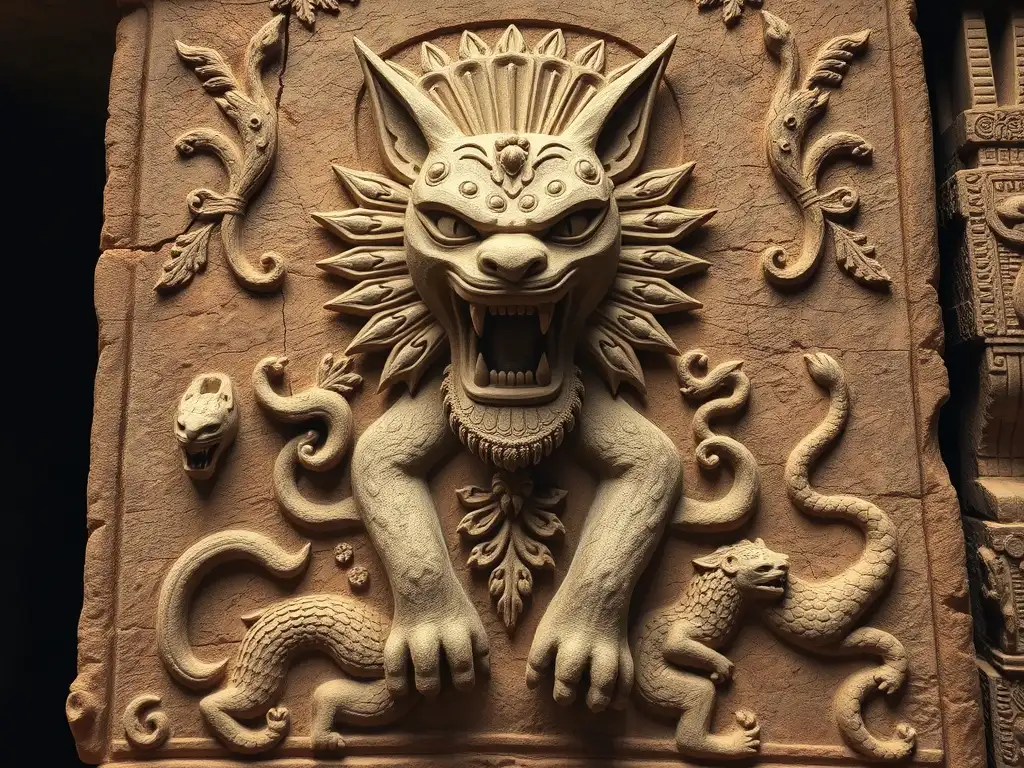
The Chavín culture, flourishing in the Andes from approximately 1200 to 200 BCE, left behind a complex and fascinating legacy of religious practices reflected in their distinctive iconography. Understanding Chavín religious rituals requires deciphering the intricate symbolism etched into their monumental architecture, ceramics, and textiles. Their art wasn't merely decorative; it served as a powerful medium for communicating religious beliefs, cosmological concepts, and societal structures.
The recurring motifs, often featuring hybrid creatures and stylized figures, point towards a sophisticated pantheon of deities and a complex ritual system. Analyzing these visual representations allows us to glimpse into the worldview and spiritual life of this influential Andean civilization.
The prevalence of certain symbols across various media suggests a standardized system of religious expression, possibly overseen by a priestly class who controlled the interpretation and performance of rituals. The intensity and ubiquity of the iconography underscore the central role religion played in Chavín society.
The Use of Animalistic Deities in Chavín Religion
Chavín religious rituals revolved heavily around animalistic deities, a common feature in many Andean religions. However, the Chavín approach was unique. Instead of representing animals realistically, they created hybrid forms, combining features from various species into single, powerful entities.
This fusion of characteristics likely represented the interconnectedness of the natural world and the power of different animals. For example, we frequently see representations combining feline features (jaguars, pumas) with avian elements (birds of prey), serpentine bodies (snakes), and even human characteristics. These composite creatures were not simply symbolic; they likely represented specific deities or aspects of deities, each with distinct powers and roles within the Chavín cosmology.
The use of these hybrid forms suggests a complex theological system where different aspects of nature and power were interwoven. The combination of a jaguar's predatory strength with a serpent's association with the underworld, for instance, might represent a deity controlling both the terrestrial and subterranean realms.
This intricate layering of symbolism makes the interpretation of Chavín iconography challenging but also incredibly rewarding, offering a glimpse into their sophisticated understanding of the world around them. Further research into the specific contexts in which these hybrid deities appear – for instance, on ceremonial objects found in specific temple locations – is crucial to refining our understanding of their roles within Chavín religious practices.
Interpreting Chavín Religious Motifs: The Feline Deity
The feline deity, often depicted with fangs, claws, and piercing eyes, is one of the most prominent figures in Chavín iconography. This powerful creature, usually a jaguar or puma, represents strength, ferocity, and often, a connection to the underworld or shamanistic experiences. Its presence on numerous artifacts suggests its importance in Chavín religious rituals. Some scholars believe the feline deity symbolized a supreme being or a powerful shaman, embodying the ability to traverse between the world of the living and the spirit world.
The depiction of the feline deity varies across different media. Sometimes it is depicted in a relatively realistic manner, while other times it is highly stylized, almost abstract. These variations may reflect different aspects of the deity or different interpretations across different Chavín communities. The positioning of the feline deity within specific architectural contexts also offers valuable clues.
For example, its placement within a temple's central chamber might suggest its role as a central figure in ritualistic practices. The presence of other symbolic elements surrounding the feline deity – such as stylized plants, serpents, or other hybrid creatures – further enriches our understanding of its significance within the Chavín religious system. The careful study of these contextual factors is essential for a nuanced interpretation of this pivotal figure within Chavín religious rituals.
Interpreting Chavín Religious Motifs: The Staff God
Another key figure in Chavín religious iconography is the "Staff God," a deity often depicted holding a staff or scepter. This figure, frequently portrayed with a more human-like form than the feline deity, is often shown wearing elaborate headdresses and adorned with symbolic elements. The staff itself holds significant symbolic weight, potentially representing power, authority, and a connection to the supernatural. The Staff God's presence suggests a hierarchical structure within Chavín society, possibly indicating a priestly class responsible for mediating between the human and divine realms.
The Staff God's appearance varies significantly across different artifacts. Sometimes it is portrayed in a relatively naturalistic style, while other times it is highly stylized, with exaggerated features and symbolic embellishments. This variability might reflect variations in regional styles or the representation of different aspects of the deity. Understanding the context in which the Staff God appears is critical for its proper interpretation.
Is it featured prominently in a temple's central chamber? Is it accompanied by other deities or symbolic motifs? These contextual factors provide essential clues to unraveling the Staff God's role in Chavín religious rituals and its significance within their broader cosmology. Further research, including detailed analysis of the specific attributes and accompanying symbols, is needed to fully understand the Staff God's complex symbolism and its place within the Chavín pantheon.
The Impact of Chavín Religious Practices on Later Andean Cultures
The Chavín culture, flourishing from roughly 900 to 200 BCE in the Andes, left an undeniable mark on the religious landscape of subsequent Andean civilizations. Their unique blend of iconography, ritual practices, and possibly even a theocratic structure, served as a powerful template for later societies. While the exact mechanisms of cultural transmission remain debated – did it involve direct conquest, peaceful exchange, or a combination of both?
– the evidence of Chavín influence is compelling and widespread. Understanding this influence is key to appreciating the complex tapestry of Andean religious development. The pervasive nature of Chavín motifs, particularly the stylized jaguar and other zoomorphic representations, suggests a significant level of cultural interaction and adoption.
This wasn't simply imitation; later cultures often adapted and syncretized Chavín elements, integrating them into their own evolving belief systems. The enduring power of Chavín religious ideas highlights the culture's sophisticated religious practices and their ability to resonate across time and space. Further research into the specific pathways of cultural diffusion is necessary to fully understand the nuances of this influence.
Chavín's Influence on Subsequent Religious Traditions
The impact of Chavín religious practices is evident in the religious traditions of later Andean cultures like the Paracas and Nazca. The stylized feline imagery, so prominent in Chavín art and possibly representing a powerful deity or shamanistic figure, appears repeatedly in the iconography of these later groups. However, the meaning and context of these symbols likely evolved.
While the Chavín jaguar might have held specific ritualistic significance within the Chavín worldview, later cultures repurposed and reinterpreted it within their own systems of beliefs. This is not a case of simple copying, but rather a process of cultural adaptation and transformation. For example, [Specific examples of Chavín iconographic influence in Paracas and Nazca religious contexts pending].
This dynamic interplay between continuity and change is a defining characteristic of Andean cultural development. The spread of Chavín religious ideas wasn't a monolithic imposition, but rather a complex process of negotiation, adaptation, and innovation. This understanding challenges the simplistic narrative of a direct linear cultural evolution, instead revealing a far more nuanced and interconnected historical reality.
Legacy of Chavín Rituals: Paracas Textile Iconography
The Paracas culture, known for its exquisite textiles, offers a compelling case study of the enduring legacy of Chavín ritual practices. Paracas burial bundles, often richly adorned with intricate textiles, frequently incorporate motifs clearly derived from Chavín artistic conventions. These include stylized jaguars, serpents, and other zoomorphic figures, often depicted in a manner reminiscent of Chavín stone carvings and ceramics. The presence of these symbols within a funerary context suggests that Chavín religious beliefs, or at least their visual representations, played a significant role in Paracas mortuary rituals.
This is further supported by [Specific examples of Chavín motifs in Paracas textiles, including descriptions and analysis pending]. The meticulous detail and artistic skill evident in these textiles highlight the importance placed on these symbols and their connection to the afterlife. The Paracas adaptation of Chavín iconography, however, shows evidence of stylistic innovation and cultural integration.
While the basic motifs might be recognizable, the Paracas artisans transformed them, weaving them into their own unique aesthetic and religious expression. The vibrant colors and intricate designs of Paracas textiles provide a powerful testament to the enduring influence of Chavín religious practices on the artistic and spiritual landscape of the Andean region. The continuation and transformation of Chavín imagery in Paracas textiles underscores the complex and dynamic nature of cultural exchange in the ancient Andes.
Frequently Asked Questions
What were the most important aspects of Chavín religious rituals?
Chavín religious rituals centered around ancestor veneration, fertility, and shamanistic practices. These often involved complex ceremonies within their impressive temples.
What role did the Chavín temple play in their rituals?
The grand temple served as the focal point for rituals. Its intricate architecture and elaborate carvings likely enhanced the spiritual experience and facilitated communication with deities.
What evidence exists to support our understanding of Chavín religious rituals?
Archaeological evidence, including sacrificial remains, elaborate artifacts, and the temple's design itself, provides insights into their rituals. Iconography found on ceramics and textiles also offers crucial clues.
How did the Chavín people interact with their deities through rituals?
Through ritual sacrifices, offerings, and altered states of consciousness, likely achieved through the use of hallucinogenic substances, the Chavín attempted to communicate with and appease their gods.
What is the significance of Chavín religious rituals in the context of Andean civilizations?
Chavín religious practices were highly influential on subsequent Andean cultures. Their ritualistic styles and iconography left a lasting impact, shaping the religious beliefs and practices of later civilizations.
Final Reflection: Echoes of Chavín: A Legacy of Ritual and Belief
The intricate religious practices of the Chavín culture, far from being relics of a distant past, continue to resonate with us today. Their sophisticated understanding of cosmology, their masterful manipulation of symbolism, and their commitment to ritualistic expression offer a powerful lens through which to examine our own relationship with spirituality and the search for meaning. The enduring mystery surrounding their practices serves as a constant reminder of the vast unknown that still surrounds us.
The influence of Chavín religious ideology extended far beyond its geographical boundaries, shaping the religious landscape of subsequent Andean cultures. Their iconic imagery, the intricate carvings depicting jaguars, serpents, and other powerful symbols, became deeply embedded in the collective consciousness of the region. These motifs, passed down through generations, speak to the enduring power of shared belief systems and the lasting impact of a culture's spiritual core. The past is never dead. It's not even past.
- William Faulkner. This quote perfectly encapsulates the continuing relevance of understanding Chavín religious rituals in understanding the development of Andean cultures and their enduring legacy.
Consider, for a moment, the dedication and artistry evident in the Chavín rituals. What can we learn from their commitment to expressing their beliefs through such elaborate ceremonies and artistic creations? How can we, in our own lives, find ways to connect with our own spiritual core and express our values with similar passion and dedication? Let the echoes of Chavín inspire you to explore your own beliefs, to appreciate the power of ritual, and to seek meaning in the world around you. The journey of understanding, like the journey of faith, is a lifelong pursuit.
**Unveil the Mysteries of Chavín Rituals! **
Thank you for exploring the fascinating religious practices of the Chavín civilization with us! You've uncovered the profound rituals that shaped their spiritual world. Now, let's build on that understanding.
Here are some ways to continue your exploration of the Chavín and engage further with their rich history:
- **Learn More:** Delve deeper into the world of Andean cultures by reading our in-depth articles comparing their rituals and beliefs.
- **Join the Discussion:** Share your thoughts on Chavín practices in our community forum; your insights are sure to spark interesting conversations!
- **Experience Chavín firsthand:** Plan a visit to an archaeological site or museum showcasing Chavín artifacts for a more profound connection to their traditions.
Which aspect of Chavín rituals resonates most with you, and why do you believe these practices were so central to their society? Let's continue the conversation!