
The Chavín Art of Body Modification: Ritual Scarification and Piercing

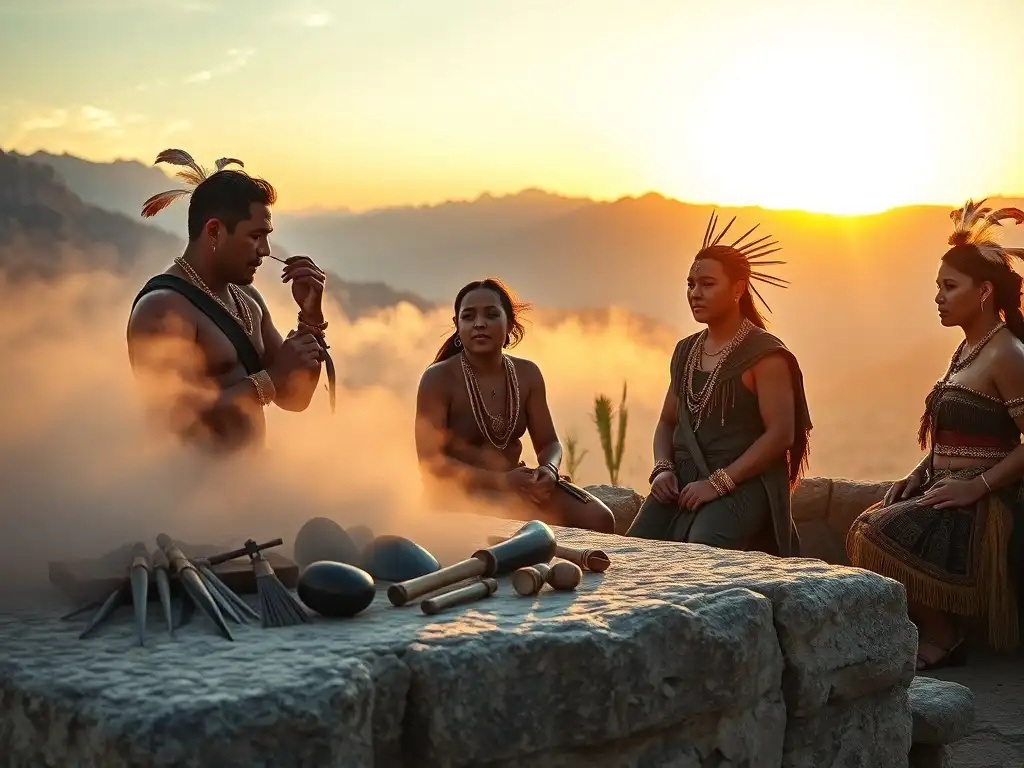
Step into a world lost to time, where the echoes of ancient Andean empires still resonate. Prepare to be captivated by the intricate artistry and profound symbolism of the Pre-Incan Cultures of the Coast, a realm teeming with mystery and innovation. Discover the secrets behind the Chavín body modification techniques, rituals that intertwined the physical with the spiritual, leaving an indelible mark on their civilization. Uncover the fascinating story of scarification and piercing, and delve into a culture where the body itself became a canvas for sacred expression. Are you ready to explore?
The Chavín culture, flourishing in the Andean highlands of Peru from approximately 900 to 200 BCE, left behind a complex and enigmatic legacy. Beyond their impressive architectural feats and sophisticated religious iconography, the Chavín people practiced elaborate forms of body modification, primarily scarification and piercing, which served as potent symbols of social status, religious devotion, and connection to the supernatural world.
This article delves into the fascinating world of Chavín body modification techniques, exploring the artistry, symbolism, and significance of these practices within the broader context of Chavín society and spirituality. We will examine the methods employed, the patterns observed, and the profound social and religious implications of altering the body in this way.
Understanding Chavín body modification provides crucial insights into the complexities of their belief system and social structure, offering a glimpse into the vibrant and ritualistic life of this influential pre-Inca civilization. The intricate designs and deliberate application of these modifications highlight the advanced artistic skills and sophisticated cosmological understanding of the Chavín people, a testament to their rich cultural heritage.
Introduction to Chavín Body Modification Practices
Exploring the Significance of Body Adornment in Chavín Culture
Body adornment in Chavín culture was not merely decorative; it was deeply intertwined with religious beliefs and social hierarchy. Archaeological evidence, primarily from ceramic artifacts depicting individuals with modified bodies and from the analysis of skeletal remains showing healed scarification, suggests that these practices were widespread and integral to Chavín identity. The meticulous detail and precision evident in the surviving examples suggest a highly formalized and ritualistic process, overseen by specialists or shamans.
The specific types of modifications, their placement on the body, and the complexity of the designs likely indicated an individual's social standing, clan affiliation, or spiritual achievements within the community. Further research is needed to fully understand the nuances of these variations.
The Role of Ritual in Chavín Aesthetic Practices
The act of body modification itself was likely a ritualistic event, imbued with spiritual meaning. It is hypothesized that the process involved specific preparations, chants, offerings, and perhaps even altered states of consciousness. The pain endured during the procedure may have been viewed as a sacrifice, strengthening the individual's connection to the supernatural realm.
The designs themselves often featured iconic Chavín motifs, such as jaguars, snakes, and stylized figures, further reinforcing the religious and cosmological significance of the modifications. [Specific ritual details pending further research]. The use of specific tools and pigments also likely held symbolic meaning, adding layers of complexity to the ritual.
Chavín Scarification: Techniques and Symbolism
Methods of Scarification Used by the Chavín
Chavín scarification likely involved various techniques, ranging from simple linear cuts to more intricate designs created through a combination of cutting, incising, and raising of skin. The tools used remain largely unknown, but they were likely made of stone, bone, or obsidian, materials commonly used in other Chavín crafts. The process would have been painful, requiring a high degree of skill and endurance from both the practitioner and the individual undergoing the modification.
[Specific tool types and techniques require further archaeological investigation]. The healing process would have left permanent raised or indented scars, forming the basis of the elaborate designs.
Chavín Scarification Patterns and Their Meanings
The patterns observed in Chavín scarification are diverse and complex, ranging from simple geometric shapes to elaborate depictions of animals and mythical creatures. These designs were not randomly applied; their placement and arrangement likely held specific meanings related to Chavín cosmology and mythology. For instance, facial scarification might have indicated shamanistic abilities or a connection to specific deities.
Scarification on the chest or back could have represented clan affiliations or social status. [Further analysis of existing archaeological findings is needed to decipher the full range of symbolic meanings]. The interpretation of these patterns is an ongoing area of research, requiring a multidisciplinary approach involving archaeology, anthropology, and iconography.
The Social and Religious Significance of Scarification
Scarification in Chavín society served multiple functions. It was a powerful means of reinforcing social identity and group membership. The shared experience of undergoing the ritual and displaying the resulting markings fostered a sense of community and solidarity. Moreover, scarification acted as a visible marker of an individual's spiritual journey and achievements.
The more complex and elaborate the designs, the higher the individual's presumed status within the religious hierarchy. This system of visible markers created a complex social landscape where identity and spiritual standing were inextricably linked. The prevalence of scarification in Chavín art suggests its profound importance in shaping social relations and reinforcing religious beliefs. The practice of scarification thus reflects the intricate interplay between the social, religious, and aesthetic dimensions of Chavín culture.
Chavín Piercing Practices: Materials and Placement
Chavín piercing practices, a significant aspect of their body modification traditions, involved the perforation of various body parts for the insertion of ornaments. The placement of these piercings wasn't arbitrary; it followed specific patterns likely linked to ritual, social status, and possibly even cosmological beliefs. Archaeological evidence suggests that ear piercing was particularly common, with multiple piercings in each earlobe being observed in some individuals.
Nose piercing, while less frequently encountered than ear piercing, also appears to have been a practiced form of body modification. Other areas, including the lips and possibly even the septum, may have been pierced, though the evidence for this is less conclusive and requires further research. The precise placement of piercings, the number of piercings, and the types of adornments used likely conveyed intricate social messages within Chavín society.
The careful and deliberate nature of these piercings suggests a high level of skill and expertise among the individuals performing the procedure. Further analysis of Chavín artifacts and skeletal remains is needed to fully understand the nuances of their piercing practices.
Chavín Piercing Techniques and Tools
The techniques employed by Chavín artisans for piercing were likely quite sophisticated, considering the precision and delicacy required. While we lack direct evidence of the precise tools used, we can infer their nature based on similar practices in other ancient cultures and the materials found associated with Chavín remains. Sharp, pointed instruments made from obsidian, bone, or possibly even thorns were likely used to create the initial puncture.
The process may have involved the application of a numbing agent, although the exact nature of such a substance remains unknown. Following the piercing, ornaments were inserted, often requiring careful manipulation to avoid damaging the newly created hole.
The absence of widespread infection in discovered remains hints at a degree of antiseptic knowledge or at least a thorough understanding of hygiene during the procedure. The expertise needed to perform these piercings, with minimal risk of infection or significant scarring, suggests the existence of specialized practitioners within Chavín society.
Types of Piercings: Ears, Nose, and Other Areas
Ear piercing appears to have been the most prevalent form of body modification in Chavín culture. Multiple piercings in a single earlobe were common, sometimes arranged in carefully planned patterns. These piercings were often adorned with elaborate ear spools, plugs, and pendants made from materials such as gold, shell, and stone. Nose piercing, though less common than ear piercing, was also practiced, typically in the septum or nostril.
The exact types of adornments used for nose piercings are less well documented, but likely included similar materials to those used in ear piercings, potentially with smaller, more delicate pieces. The possibility of lip or other facial piercings remains under investigation. Future research may reveal further evidence of these less common practices, offering a more comprehensive understanding of the diversity of Chavín piercing techniques.
Materials Used in Chavín Piercings: Gold, Obsidian, and Shell
The materials used for Chavín piercings reflect the society's access to and appreciation of diverse resources. Gold, a highly valued metal, was used to create ornate ear spools and other adornments, signifying wealth and high social standing. Obsidian, a volcanic glass, was likely used for piercing tools due to its sharpness and ease of shaping. Its hardness also lent itself to creating durable and long-lasting adornments.
Shell, often from marine mollusks, provided another readily available material for creating decorative piercings. The craftsmanship evident in these ornaments showcases the artistry and technical skill of Chavín artisans. The choice of material may have also held symbolic significance, potentially reflecting the wearer's status, affiliation, or spiritual beliefs.
The Purpose of Chavín Body Modifications: A Deeper Look
The practice of body modification within Chavín culture served multiple interconnected purposes. It wasn't merely a matter of aesthetics; rather, it was deeply embedded within the social, spiritual, and cosmological framework of the society. The patterns, materials, and placement of modifications likely held significant meaning, conveying information about an individual's status, role, and relationship to the supernatural world. Unraveling the full significance of these practices requires careful consideration of various lines of evidence, including the archaeological record, iconography, and comparative studies of other Andean cultures.
Body Modification as a Marker of Social Status
The type and extent of body modification within Chavín society were likely closely tied to social status. Individuals of higher social standing may have been able to afford more elaborate adornments and more extensive modifications. The use of precious metals like gold in ear spools and other ornaments strongly suggests a correlation between wealth and the degree of body modification.
The complexity of designs and the number of piercings may have also served as visual indicators of social rank within the community. Further research focusing on the burial contexts of Chavín individuals could help to solidify the connection between body modification and social hierarchy.
Chavín Body Modifications and Shamanic Practices
Many scholars believe that Chavín body modifications were intimately connected to shamanic practices. The altered states of consciousness associated with shamanistic rituals may have been enhanced or symbolized by the modifications. The use of specific materials, such as obsidian (associated with sharp energy and cutting through illusions in some spiritual traditions), might have held particular significance in shamanic contexts.
The intricate designs and patterns observed on Chavín artifacts may reflect visions or experiences encountered during altered states of consciousness. The placement of piercings, particularly those associated with the ears and nose (often believed to be entry points for spiritual energy in some traditions), further suggests a link between body modification and shamanic practices.
The Connection Between Body Art and Chavín Cosmology
The patterns and symbols found in Chavín body modifications may reflect their understanding of the cosmos. The elaborate designs, often featuring stylized animals and deities, might have been intended to represent celestial bodies, constellations, or other cosmological concepts. The placement of modifications on specific parts of the body may have held symbolic meaning related to the body's relationship to the cosmos.
Further analysis of the iconography associated with Chavín body art, in conjunction with studies of their cosmology, is needed to fully understand the relationship between body modification and their worldview. The integration of these elements into a cohesive framework will provide a deeper understanding of Chavín culture and its sophisticated practices.
Chavín Body Modification and Artistic Representations
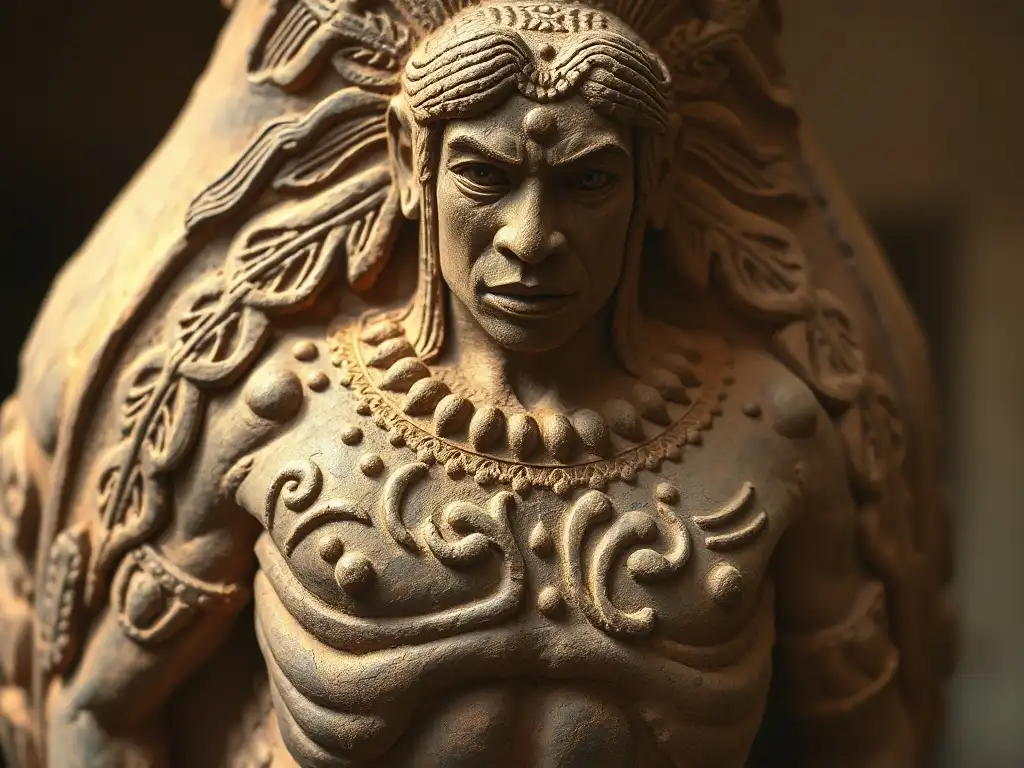
The intricate artistry of the Chavín culture, renowned for its sophisticated religious iconography and stylistic innovations, provides invaluable insight into their practices of body modification. While direct archaeological evidence, such as mummified remains exhibiting scarification or piercing, is limited, the extensive surviving artistic record offers compelling clues. Depictions of human figures, both in monumental sculpture and smaller ceramic artifacts, frequently display features suggestive of ritual body alteration.
The style of these representations, often highly stylized and symbolic, requires careful analysis to discern the intended meaning and accurate interpretation of the artistic choices. The prevalence of these representations across various media, however, strongly suggests the importance of body modification within Chavín society and its integration into their religious and social structures. Further research, particularly through advanced imaging techniques on existing artifacts, could potentially reveal more subtle details that would enhance our understanding of these practices.
Examining Chavín Iconography for Evidence of Body Modification
Chavín iconography is rich with symbolic imagery, often featuring anthropomorphic figures with exaggerated features and elaborate headdresses. Careful examination reveals recurring motifs that may represent scarification or piercing. For example, certain figures display linear patterns on their skin, which could be interpreted as stylized representations of scarification.
These patterns are often symmetrical and located on prominent areas of the body, such as the face, chest, and limbs, suggesting a deliberate, ritualistic application. The precision and consistency of these markings in various artistic representations point towards a standardized practice, perhaps reflecting social status, religious affiliation, or initiation rites. Further studies comparing the patterns across different artifacts could potentially reveal variations correlating with social hierarchy or specific ceremonies.
How Chavín Art Depicts Scarification and Piercing
The depiction of piercing in Chavín art is less explicit than that of scarification, but certain clues remain. Some figures are shown with enlarged or elongated earlobes, which may indicate the use of heavy earrings or the stretching of earlobes through piercing and weight-bearing ornaments. The presence of holes or perforations in certain ceramic figurines could also suggest the existence of body piercing.
However, the interpretation of these features requires careful consideration of artistic conventions and the potential for symbolic representation. The limited direct evidence necessitates a cautious approach, relying on comparative analysis with other Andean cultures and a thorough understanding of Chavín artistic styles to avoid misinterpretations.
Interpretations of Body Modification in Chavín Ceramics and Sculptures
The interpretation of body modification in Chavín art is inherently complex and multifaceted. Some scholars argue that the depicted modifications served primarily as markers of social status or clan affiliation, differentiating individuals within the complex social hierarchy of Chavín society. Others propose a more religious interpretation, suggesting that body modification was an integral part of ritual practices, perhaps signifying a connection to the supernatural or demonstrating devotion to specific deities.
The context in which these figures appear—whether in temple settings, domestic contexts, or funerary artifacts—can offer crucial insights into the meaning and significance of these practices. Analyzing the association of modified body parts with specific iconographic elements or ritual objects can further illuminate the symbolic meaning within the Chavín cosmology. The blending of both social and religious interpretations is likely the most accurate representation of the practice's role within Chavín culture.
Contrasting Chavín Body Modification with Other Andean Cultures
The Chavín culture's distinctive artistic style and religious beliefs also shaped their unique approach to body modification. Comparing Chavín practices to those of other contemporaneous and subsequent Andean cultures reveals both similarities and crucial differences. While many Andean cultures practiced forms of body modification, the specific techniques, symbolic meanings, and social implications varied considerably.
Comparing Chavín Practices to Later Andean Body Modification Traditions
Comparing Chavín body modification to later Andean traditions, such as those of the Inca, reveals fascinating continuities and divergences. While the Inca also practiced body modification, their techniques and artistic representations differed significantly from those of the Chavín. For instance, the Inca often used elaborate headdresses and textiles to adorn their bodies, whereas Chavín art suggests a focus on scarification and potentially piercing.
This difference may reflect evolving religious beliefs and social structures across different periods and regions of the Andes. Further research is needed to fully understand the transmission and transformation of body modification practices across these cultures. The extent of influence, if any, from the Chavín tradition on the Inca's body modification practices remains an open question requiring further investigation.
Unique Aspects of Chavín Body Art Compared to Neighboring Cultures
Compared to neighboring cultures such as the Paracas or Nazca, Chavín body modification exhibits unique characteristics. While these cultures also engaged in body modification, the stylistic representations and potential techniques appear to have differed. For example, Paracas textiles often depict elaborate body painting and adornment, whereas Chavín art emphasizes scarification and potentially piercing.
The specific symbolic meanings associated with body modification also likely varied across these cultures, reflecting their distinct religious and cosmological beliefs. Further comparative analysis of artistic styles and archaeological evidence is crucial for understanding the unique position of Chavín body modification practices within the broader context of Andean cultures.
The Influence of Chavín Techniques on Subsequent Andean Civilizations
The influence of Chavín culture extended far beyond its geographical boundaries, impacting the religious beliefs, artistic styles, and potentially the practices of subsequent Andean civilizations. While the direct influence of Chavín body modification techniques on later cultures is difficult to definitively prove, the stylistic similarities and the widespread adoption of certain Chavín iconographic motifs suggest a potential connection. The stylistic elements found in later Andean art, possibly reflecting body modification, warrant further investigation to determine the extent of Chavín influence.
The persistence of certain symbolic patterns across different Andean cultures might point to a diffusion of ideas and practices, highlighting the enduring legacy of Chavín culture on the development of body modification traditions throughout the Andes. Further research focusing on comparative iconography and stylistic analysis can shed more light on the transmission of Chavín artistic and cultural elements into later Andean societies.
Conclusion: The Legacy of Chavín Body Modification
The Chavín culture's sophisticated body modification practices, encompassing intricate scarification and piercing, offer a captivating glimpse into their worldview and social structures. These weren't merely cosmetic enhancements; they were deeply embedded in religious rituals, signifying status, power, and connection to the supernatural realm. The meticulous artistry involved, evident in the surviving archaeological evidence, suggests a high level of skill and specialized practitioners within Chavín society.
The symbolic meaning behind specific patterns and placements remains a subject of ongoing scholarly debate, highlighting the richness and complexity of their cultural expressions. Further research, particularly through advanced archaeological techniques and interdisciplinary collaboration, promises to unlock more secrets of this fascinating aspect of Chavín civilization.
Understanding Chavín body modification techniques provides valuable insight into the broader context of Andean pre-Columbian cultures and their enduring influence on subsequent societies. The legacy of Chavín's innovative approaches to body alteration is undeniably significant, shaping the trajectory of artistic expression and ritual practices across the Andes for centuries to come.
The Enduring Importance of Chavín Body Modification Techniques
The techniques employed by Chavín artisans in body modification were remarkably advanced for their time. Evidence suggests the use of specialized tools, likely crafted from obsidian or other hard materials, to create precise incisions and piercings. The precision and artistry displayed in the surviving examples indicate a high level of skill and training among the practitioners.
These techniques were not only aesthetically significant but also likely played a crucial role in the healing process, minimizing infection and scarring. This mastery of surgical procedures speaks to a deep understanding of anatomy and hygiene, far exceeding the expectations for a pre-Columbian civilization. The legacy of these techniques can be traced in later Andean cultures, suggesting a continuity of knowledge and practice across generations.
The enduring importance of these techniques lies not only in their artistic merit but also in their reflection of the Chavín's sophisticated understanding of the human body and their ability to manipulate it for ritualistic and social purposes. The careful preservation of these techniques, passed down through oral traditions and practical demonstrations, ensured their survival and adaptation in subsequent Andean societies.
The Impact of Chavín Rituals on Andean Cultural Identity
Chavín body modification rituals profoundly impacted the development of Andean cultural identity. The shared experience of these rituals fostered a sense of community and collective identity, strengthening social bonds within the Chavín society. The distinctive patterns and styles of scarification and piercing likely served as markers of social status, differentiating individuals based on their roles and affiliations within the community.
These practices also played a significant role in shaping religious beliefs and practices, reinforcing the connection between the human body and the spiritual world. The influence of Chavín rituals extended far beyond their immediate geographical area, spreading across the Andes and impacting the development of subsequent cultures. The adoption and adaptation of Chavín body modification techniques in later Andean societies demonstrates the enduring power of these rituals in shaping cultural identity and artistic expression.
The symbolic language embedded in these practices continues to resonate with scholars and researchers today, offering valuable insights into the beliefs, values, and social structures of the ancient Andean world. The study of Chavín body modification provides a crucial lens through which to understand the complex interplay between ritual, identity, and cultural transmission in the Andes.
- Introduction to Chavín Body Modification Practices
- Chavín Scarification: Techniques and Symbolism
- Chavín Piercing Practices: Materials and Placement
- The Purpose of Chavín Body Modifications: A Deeper Look
- Chavín Body Modification and Artistic Representations
- Contrasting Chavín Body Modification with Other Andean Cultures
- Conclusion: The Legacy of Chavín Body Modification
- What were the most common forms of body modification practiced by the Chavín?
- What is the significance of Chavín body modifications?
- How did Chavín people perform scarification?
- Are there any surviving examples of Chavín body modification?
- How does Chavín body modification compare to other Andean cultures?
Frequently Asked Questions
What were the most common forms of body modification practiced by the Chavín?
The Chavín people practiced both ritual scarification and body piercing. These practices were likely deeply intertwined with their religious beliefs and rituals. Specific techniques varied, but evidence suggests extensive use of both.
What is the significance of Chavín body modifications?
Body modification in Chavín culture held significant religious and social meaning. It likely served to demonstrate affiliation with specific groups or deities, and possibly indicated social status or individual spiritual achievements.
How did Chavín people perform scarification?
The exact tools and techniques used for Chavín scarification remain unknown, but it's believed that sharp instruments were used to create cuts and incisions on the skin. These incisions may have been left to heal naturally or treated to create raised scars.
Are there any surviving examples of Chavín body modification?
While mummified remains provide some evidence, surviving examples are limited due to the perishable nature of soft tissues. Artistic representations on pottery and textiles offer additional, though indirect, insight into these practices.
How does Chavín body modification compare to other Andean cultures?
While specific techniques varied between Andean cultures, body modification was a widespread practice. However, the specific iconography and the apparent religious significance of Chavín body modification set it apart from other Andean traditions.
Final Reflection: Echoes of the Chavín: A Legacy Etched in Flesh and Stone
The intricate artistry of Chavín body modification, far from being a relic of a distant past, resonates powerfully with contemporary discussions of self-expression and cultural identity. These ancient practices, meticulously carved into the very fabric of Chavín society, offer a compelling lens through which to examine our own relationship with body art and its enduring significance in shaping individual and collective narratives. The enduring power of these techniques speaks volumes about the human need to mark the body, to transform it into a living canvas reflecting both personal and societal beliefs.
The Chavín's dedication to ritual scarification and piercing wasn't merely decorative; it was a profound act of spiritual communion, a visible testament to their beliefs and social standing. The body is a living archive, a repository of memories, experiences, and beliefs.
This quote, though not directly from a Chavín source, perfectly encapsulates the enduring power of body modification across cultures and time periods. The echoes of their practices continue to reverberate in modern body art, reminding us of the deep-seated human desire to transform the physical self as a means of expressing inner truths and connecting with something larger than ourselves. Understanding their techniques allows us to appreciate the rich tapestry of human expression, transcending geographical and temporal boundaries.
Consider the choices you make regarding your own body. How do you express your identity? What stories do you wish to tell through your appearance? The Chavín's legacy invites you to reflect on the powerful connection between the physical and the spiritual, the individual and the collective. Let their artistry inspire you to explore the myriad ways in which we, too, can use our bodies as canvases for self-expression and cultural connection, ensuring that the echoes of ancient traditions continue to resonate in the modern world.
Unveil the Beauty of Body Art: Transform Your Understanding!
Thank you for exploring the fascinating world of Chavín art and the rich traditions of body modification. Your investigation into ritual scarification and piercing has deepened your understanding of the vibrant history and cultural significance of these practices. Now, let's put that knowledge into action!
- Learn and Experiment: Explore various body art forms inspired by ancient cultures, researching contemporary artists who incorporate traditional techniques. Remember to prioritize safe practices in any experimentation.
- Share Your Insights: Discuss your newfound knowledge with friends and family. Host a gathering, either in person or virtually, focusing on body modification and its cross-cultural significance.
- Engage with the Community: Connect with other body art enthusiasts online through forums or social media groups. Sharing experiences and perspectives will broaden your understanding of different styles and techniques.
Reflect on how embracing body modification might reshape your personal identity and cultural connection. Let's discuss this further in the comments!