
Chavín Agriculture: How Advanced Farming Sustained a Civilization

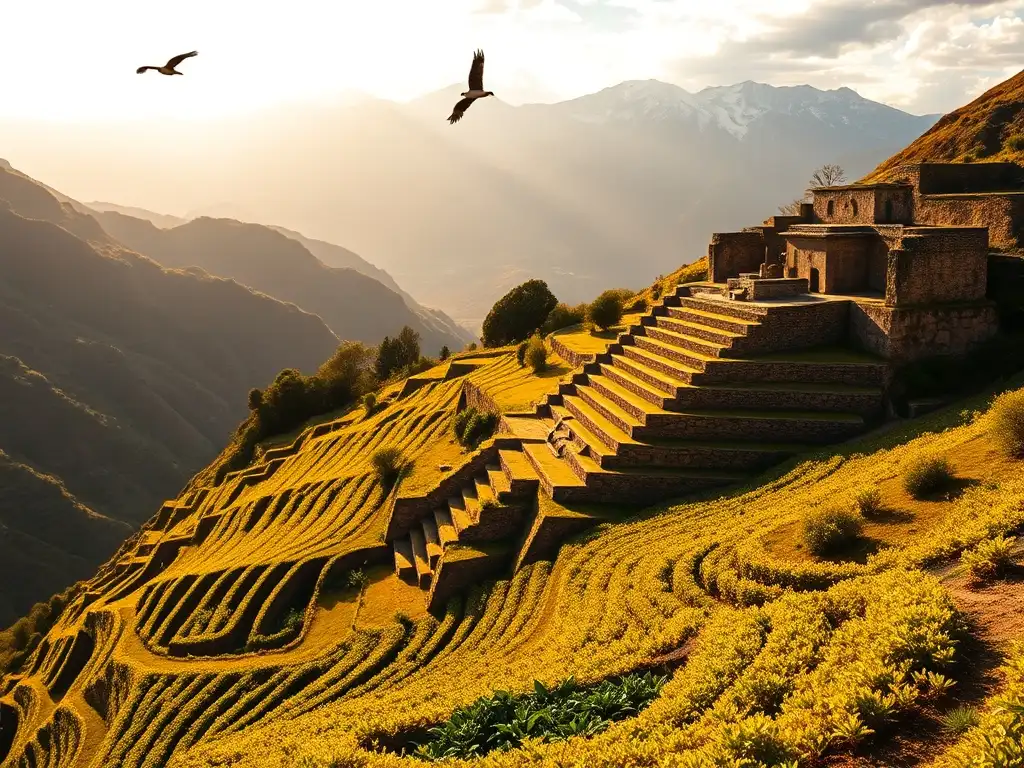
Step into a world lost to time, yet echoing with innovation. Imagine a civilization flourishing in the harsh Andean landscape, defying the odds with ingenuity and resilience. Discover the secrets of Chavín farming techniques, a testament to the advanced agricultural practices that sustained the remarkable Chavín culture and laid the foundation for future Andean empires.
Unravel the mysteries of their sophisticated systems and prepare to be amazed by the ingenuity of a people who harnessed the power of the Andes to build a thriving society. Dive into the fascinating world of Pre-Incan Cultures of the Coast and uncover the story of Chavín agriculture.
The Chavín culture, flourishing in the Andes Mountains of Peru from approximately 900 to 200 BCE, stands as a testament to human ingenuity and adaptation. While renowned for its iconic religious iconography and sophisticated artistry, the Chavín's remarkable achievements wouldn't have been possible without their mastery of agriculture. This article delves into the advanced farming techniques employed by the Chavín, exploring how these innovative methods not only sustained their population but also contributed significantly to the development of their complex society.
We will examine the challenges posed by the Andean environment, the ingenious solutions developed by the Chavín, and the lasting impact of their agricultural practices on subsequent Andean civilizations. Understanding Chavín farming techniques provides crucial insight into the foundation of their remarkable cultural achievements and their influence on the broader history of the Andes.
Harnessing the Andean Environment: Challenges and Adaptations
The rugged terrain and variable climate of the Andean highlands presented significant challenges to early agriculturalists. Steep slopes, limited arable land, and unpredictable rainfall patterns required innovative solutions. The Chavín, however, demonstrated remarkable adaptability. Their mastery of terracing, for example, allowed them to cultivate even the steepest slopes, increasing available farmland dramatically. This involved constructing a series of interconnected platforms and retaining walls, creating level fields for planting.
Furthermore, their understanding of water management was crucial. They developed sophisticated irrigation systems, channeling water from rivers and streams to their fields, ensuring a reliable water supply even during dry periods. Evidence suggests they employed canals, aqueducts, and reservoirs to manage water resources effectively. This wasn't just about survival; it was about maximizing yields to support a growing population and a complex social structure.
Crop Diversification and Agricultural Innovation
The Chavín diet wasn't limited to a single crop. Their agricultural practices involved a sophisticated system of crop diversification, utilizing a variety of plants adapted to the high-altitude environment. Archaeological evidence points to the cultivation of potatoes, maize, beans, quinoa, and other crops. This diversity provided resilience against crop failures and ensured a balanced diet rich in nutrients.
Beyond basic cultivation, the Chavín likely employed techniques such as crop rotation and intercropping to maintain soil fertility and maximize yields. They also developed specialized tools, such as stone hoes and digging sticks, perfectly suited to the Andean soil and terrain. The precise methods they used remain a subject of ongoing research, but the success of their agricultural system is undeniable.
The Legacy of Chavín Farming Techniques
The impact of Chavín agricultural innovations extended far beyond their own civilization. Their sophisticated terracing techniques, irrigation systems, and crop diversification strategies were adopted and adapted by subsequent Andean cultures, influencing the development of agriculture throughout the region. The sophisticated understanding of Andean ecology demonstrated by the Chavín laid the groundwork for future agricultural advancements, contributing significantly to the growth and stability of later empires like the Inca.
Their legacy is not only visible in the ruins of their settlements but also in the enduring agricultural practices of the Andes. The ingenuity and resilience of the Chavín farmers continue to inspire, demonstrating the profound connection between human innovation and environmental adaptation.
Understanding their techniques offers invaluable insights into the remarkable achievements of this influential pre-Incan culture. Further research into specific crop yields and the precise construction methods of their irrigation systems would provide a more complete picture of their impressive agricultural accomplishments.
- Harnessing the Andean Environment: Challenges and Adaptations
- Crop Diversification and Agricultural Innovation
- The Legacy of Chavín Farming Techniques
- Terraced Farming: A Key to Chavin Agricultural Success
- Irrigation Systems: Managing Water Resources Effectively
- Canal Construction and Water Distribution Techniques
- Crop Diversification: Ensuring Food Security in Chavín
- Cultivation of Key Andean Crops: Potatoes, Quinoa, Maize
- The Use of Specialized Agricultural Tools and Implements
- Agricultural Surplus and its Role in Social Organization
- The Connection Between Agriculture and Chavín Religious Practices
- How Farming Supported the Growth of Chavín Centers
- The Relationship Between Chavín Food Production and Trade
- The Influence of Agricultural Advancements on Chavín Art and Architecture
- What were the main crops cultivated by the Chavín civilization?
- How did the Chavín adapt their farming techniques to the Andean environment?
- What evidence supports our understanding of Chavín farming practices?
- How did Chavín farming techniques contribute to the civilization's success?
- Were the Chavín's farming techniques unique, or did they share similarities with other Andean cultures?
The Foundation of Chavín Society: Understanding its Agricultural Base
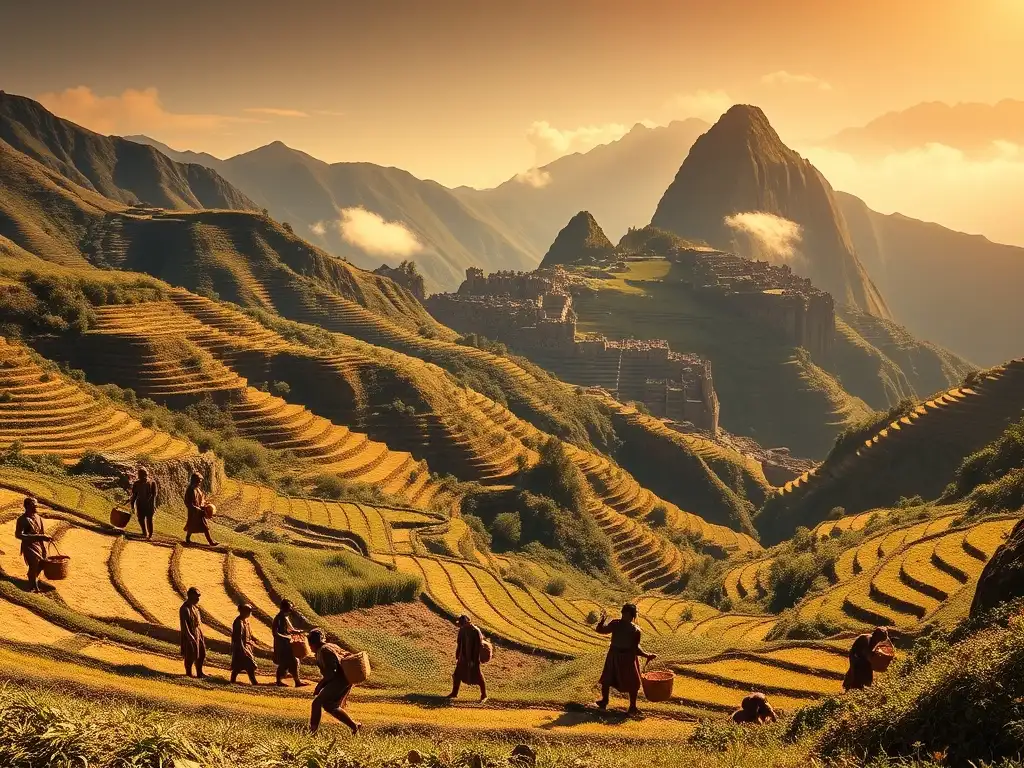
The Chavín culture, flourishing in the Andes from approximately 900 to 200 BCE, stands as a testament to human ingenuity and adaptation. While renowned for its iconic religious iconography and sophisticated artistic achievements, the very foundation of Chavín society rested upon its remarkably advanced agricultural practices. Understanding Chavín farming techniques is crucial to comprehending the civilization's rise, its societal structure, and its lasting impact on the Andean region.
The success of Chavín wasn't solely due to religious beliefs or artistic prowess; it was intrinsically linked to its ability to efficiently produce and manage food resources in a challenging environment. This mastery of agriculture allowed for population growth, specialization of labor, and the development of complex social hierarchies. The intricate network of agricultural innovations enabled the Chavín to create a surplus, supporting a burgeoning population and facilitating the construction of monumental architecture and the creation of elaborate religious artifacts.
The Crucial Role of Agriculture in Chavín Culture
Agriculture was not merely a means of subsistence for the Chavín; it was deeply interwoven into the fabric of their social, religious, and political life. Evidence suggests a strong connection between agricultural cycles and religious rituals. The cyclical nature of planting, growing, and harvesting likely informed their cosmology and influenced their religious beliefs.
The abundance or scarcity of crops could have directly impacted social standing, political power, and even religious practices. Furthermore, the management of irrigation systems and agricultural lands likely involved a complex system of labor organization and social control. Archaeological findings indicate the existence of specialized labor focused on agriculture, suggesting a hierarchical structure within the Chavín society where skilled farmers and agricultural managers held significant positions.
The control of water resources, a critical element in Andean agriculture, likely granted significant power to those who managed irrigation systems. This control over essential resources further solidified existing power structures within the Chavín civilization.
Geographical Challenges and Agricultural Adaptation in the Andes
The Andes Mountains present a formidable challenge to agriculture. Steep slopes, unpredictable rainfall, and varying altitudes demanded innovative farming techniques. The Chavín people, however, demonstrated remarkable ingenuity in adapting to these harsh conditions. Their solutions included the construction of sophisticated irrigation systems to channel water from rivers and streams to terraced fields.
These terracing techniques, still visible in some areas today, allowed for the cultivation of crops on steep slopes, maximizing arable land. Furthermore, the Chavín likely employed a variety of crop diversification strategies, cultivating a range of crops adapted to different altitudes and microclimates. This included the cultivation of potatoes, maize, beans, and other crops that provided a diverse and resilient food supply.
The development of raised fields in some areas also increased agricultural productivity by improving drainage and soil fertility. These adaptations showcase the Chavín's deep understanding of their environment and their ability to sustainably manage resources in a challenging landscape. Their success in overcoming these geographical hurdles highlights the sophistication of their agricultural practices and their crucial role in supporting the Chavín civilization.
The Significance of Food Production for Chavín Development
The impact of Chavín farming techniques on the development of the civilization cannot be overstated. The ability to produce a reliable food surplus enabled population growth and the development of specialized labor. This surplus also facilitated the construction of monumental architecture, such as the impressive temple complexes at Chavín de Huántar, which required significant labor and resources.
The organization and management of agriculture likely played a key role in the development of complex social structures and political hierarchies within Chavín society. The control of water resources and the management of agricultural lands likely provided a basis for political power and social control. The success of Chavín agriculture was not just a matter of survival; it was a driving force in the development of a complex and influential civilization.
The resulting economic stability fostered artistic innovation, religious development, and the expansion of Chavín influence throughout the Andean region. The legacy of Chavín farming techniques continues to resonate in modern Andean agricultural practices, demonstrating the long-lasting impact of this innovative civilization.
Chavin Farming Techniques: Innovations and Strategies
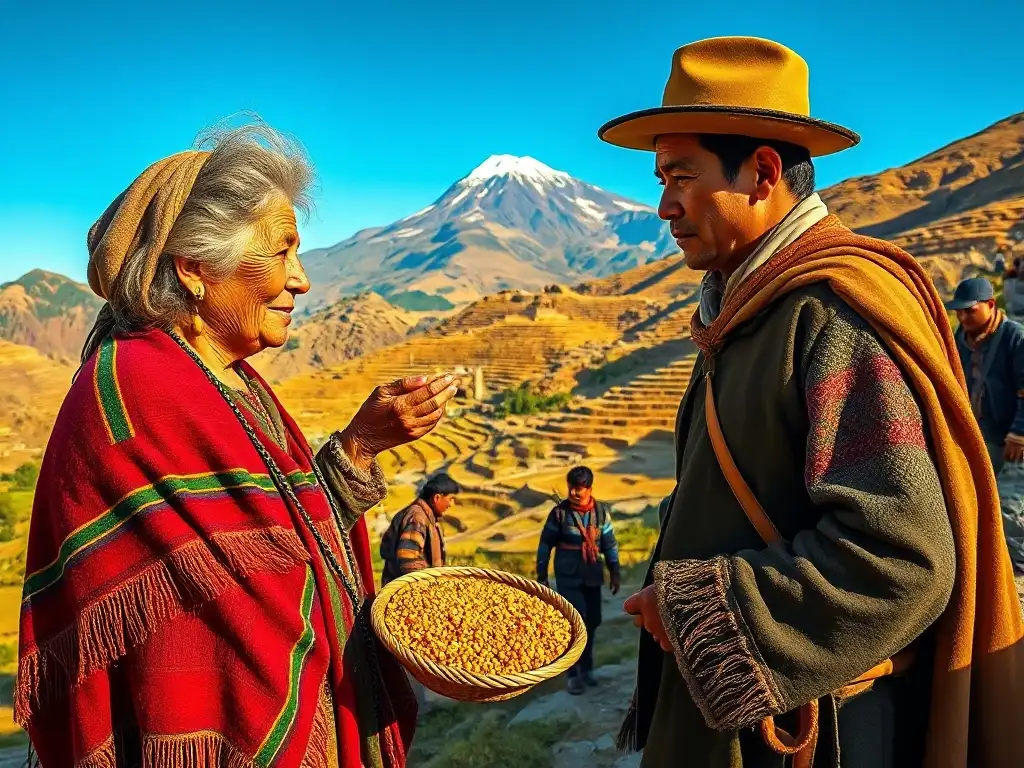
The Chavín culture, flourishing in the Andes from approximately 900 to 200 BCE, wasn't solely defined by its iconic religious iconography and monumental architecture. Their remarkable success hinged significantly on sophisticated agricultural practices, allowing them to support a relatively dense population in a challenging, mountainous environment. Understanding their "Chavin farming techniques" reveals an impressive mastery of water management and land modification, showcasing ingenuity and resilience in the face of environmental constraints.
These innovations were crucial for the social and political complexity that characterized the Chavín civilization. The techniques detailed below highlight their advanced understanding of agriculture and its vital role in their societal development.
Terraced Farming: A Key to Chavin Agricultural Success
Terracing, the practice of creating level platforms on slopes, was a cornerstone of Chavín agricultural success. This technique dramatically increased the amount of arable land available, transforming steep, otherwise unusable hillsides into productive farming areas. The terraces were carefully constructed, often using stone retaining walls to hold the soil in place.
The careful design prevented soil erosion, a significant problem in mountainous regions with heavy rainfall. This meticulous approach allowed for efficient crop cultivation, maximizing yield and minimizing resource waste. Furthermore, the orientation of the terraces was likely optimized to capture optimal sunlight exposure throughout the day, further boosting crop production.
Evidence suggests that different terraces were used to cultivate various crops, reflecting a sophisticated understanding of microclimates and crop requirements. The scale and precision of the Chavín terraces are a testament to their advanced engineering skills and organized labor force, showcasing their ability to undertake large-scale projects requiring significant planning and coordination. Analyzing the remaining terrace structures provides invaluable insights into their agricultural expertise and societal organization.
Irrigation Systems: Managing Water Resources Effectively
Water scarcity is a defining characteristic of the Andean highlands. The Chavín people recognized this challenge and developed intricate irrigation systems to manage water resources effectively. Their systems weren't simply rudimentary canals; they involved complex networks of channels, aqueducts, and reservoirs, designed to divert water from rivers and streams to agricultural fields.
These systems were often integrated into the terraced farming landscape, ensuring a consistent water supply even during dry periods. The construction of these systems required a high degree of engineering skill and collective effort, reflecting a sophisticated understanding of hydrology and hydraulics. The precision of the canals and their adaptation to the terrain showcase a deep knowledge of the local environment and its water patterns.
Furthermore, the systems likely incorporated techniques to control water flow and prevent flooding, demonstrating a level of agricultural engineering far beyond simple subsistence farming. [Specific data on the length and capacity of Chavín irrigation systems pending].
Canal Construction and Water Distribution Techniques
The construction of Chavín canals involved sophisticated techniques. Evidence suggests the use of stone tools and possibly even rudimentary metal implements for excavation and shaping of the channels. The canals were often lined with stones or other materials to prevent erosion and leakage, ensuring efficient water transport. The distribution of water within the fields was likely managed through a system of smaller channels and ditches, allowing for precise control of water flow.
This sophisticated distribution ensured that all areas of the terraces received adequate irrigation, optimizing crop yields. The integration of these canals with the terraced fields showcases a holistic approach to water management, maximizing the efficiency of both systems. The precision and scale of the canals are evidence of a highly organized society capable of mobilizing labor and resources for large-scale public works projects. The enduring legacy of these canals, many of which are still visible today, underscores the remarkable engineering skills and agricultural prowess of the Chavín civilization.
The survival of these structures also provides valuable insights into their construction techniques and the materials used. Careful study of these systems could reveal further details about their agricultural practices and societal organization. The enduring impact of their water management strategies on subsequent Andean cultures further highlights their significance.
Crop Diversification: Ensuring Food Security in Chavín
Chavín farmers understood the crucial role of crop diversification in ensuring food security. Their agricultural practices weren't reliant on a single crop, but rather on a complex system of polyculture. This strategy minimized the risk of complete crop failure due to disease, pests, or adverse weather conditions. Archaeological evidence suggests that Chavín agriculture incorporated a wide array of plants, including various types of potatoes, beans, quinoa, maize, squash, and numerous other native Andean species.
This wasn't simply a matter of planting different crops in close proximity; it involved a deep understanding of the unique needs of each plant and their interaction within the ecosystem. For example, certain legumes might have been planted alongside other crops to improve soil fertility through nitrogen fixation, a practice still used by Andean farmers today. The sophisticated understanding of plant interactions demonstrates a high level of agricultural knowledge and planning far beyond simple subsistence farming.
This diversification wasn't merely a reaction to environmental challenges; it was a proactive strategy for sustained food production, a testament to Chavín's agricultural ingenuity. The success of this system contributed significantly to the stability and prosperity of the Chavín civilization, allowing for population growth and the development of a complex social structure. Further research into the specific combinations of crops planted and their spatial arrangements would significantly enhance our understanding of Chavín agricultural practices and their impact on the civilization's development.
Cultivation of Key Andean Crops: Potatoes, Quinoa, Maize
The Chavín people cultivated a range of staple crops fundamental to their diet and survival. Potatoes, in their diverse varieties adapted to different altitudes and microclimates, formed a cornerstone of their agricultural system. Evidence suggests sophisticated techniques for potato cultivation, including terracing and irrigation systems to optimize water use and maximize yields in the challenging Andean terrain.
Quinoa, another highly nutritious and adaptable crop, played a significant role in the Chavín diet, providing essential proteins and carbohydrates. The cultivation of quinoa likely involved similar techniques to those used for potatoes, taking advantage of the plant's resilience to harsh conditions. Maize, while possibly less dominant than potatoes and quinoa in the Chavín diet compared to later Andean cultures, was nonetheless an important crop, providing additional calories and nutritional diversity.
The cultivation of these three crops, along with others, showcases the Chavín's understanding of the unique characteristics of each plant and their ability to adapt their farming techniques to diverse environmental conditions. The successful cultivation of these crops, in conjunction with other agricultural practices, laid the foundation for the growth and prosperity of the Chavín civilization. Further studies on ancient pollen and plant remains could reveal more precise details about the cultivation methods and the relative importance of these crops in the Chavín diet.
The Use of Specialized Agricultural Tools and Implements
Chavín agriculture relied on a range of specialized tools and implements, reflecting a sophisticated understanding of agricultural techniques. While the exact materials and designs of many tools remain unknown due to the degradation of organic materials over time, archaeological discoveries provide insights into some of the tools used. Stone tools, including hoes and digging sticks, were likely employed for tilling the soil and planting crops. Irrigation systems, crucial for the success of Chavín agriculture, required the construction of canals and channels, indicating the use of tools for excavation and shaping earth.
The construction of these irrigation systems, often involving significant engineering feats, required a coordinated effort and specialized tools for moving large quantities of earth and rock. Moreover, the processing of harvested crops likely involved specialized tools for grinding grains and preparing food. While the precise forms of these tools are often debated among archaeologists, their existence is evidenced by the scale and sophistication of Chavín agriculture.
The development and use of these specialized tools represent a crucial aspect of Chavín technological advancement, showcasing their ability to adapt and improve their agricultural practices over time. Further research and excavation are needed to uncover more examples of these tools and to gain a more complete understanding of their design and functionality. The discovery of new tools could significantly enhance our knowledge of Chavín technology and its contribution to their agricultural success.
The Impact of Advanced Agriculture on Chavín Civilization
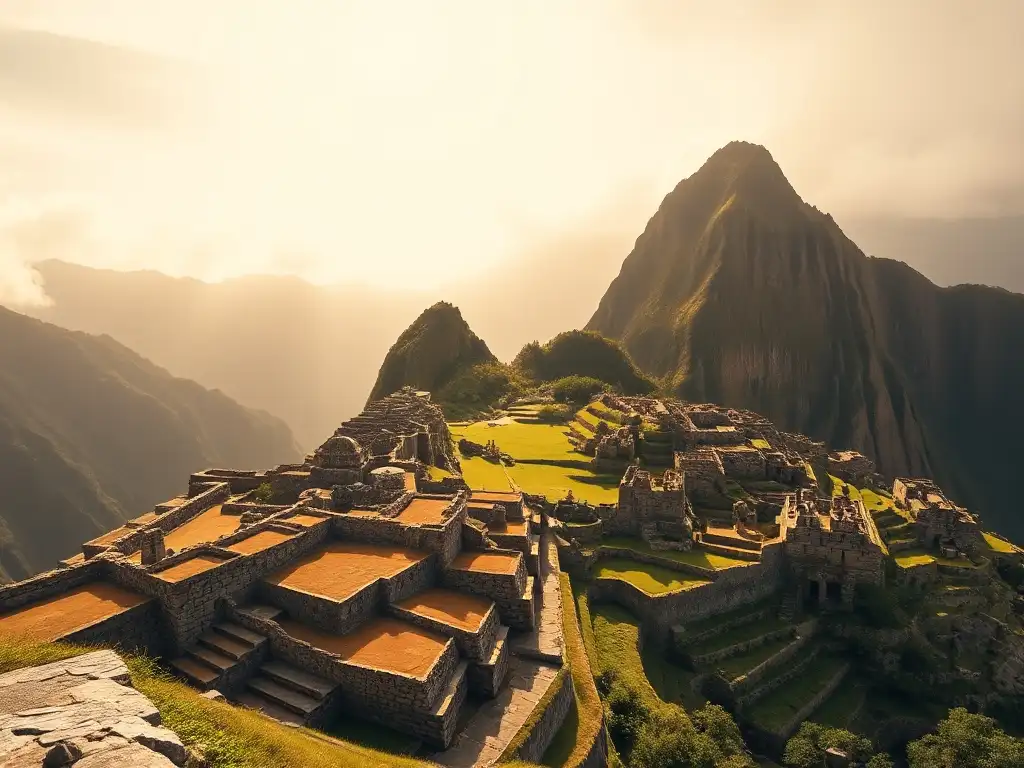
The Chavín civilization, flourishing in the Andes from approximately 1200 to 200 BCE, wasn't solely defined by its iconic religious iconography. A sophisticated and highly productive agricultural system was the bedrock of its success, profoundly shaping its social structure, religious beliefs, and urban development. Understanding Chavín farming techniques reveals a complex interplay between environment, innovation, and societal organization, highlighting the civilization's remarkable adaptation to the challenging Andean terrain.
The mastery of these techniques allowed for the creation of a surplus that fueled the growth of powerful religious centers and complex social hierarchies. This section will explore the crucial role of agriculture in supporting and shaping the Chavín way of life, focusing on the direct impact of their innovative farming methods.
The development of advanced Chavín farming techniques resulted in a significant agricultural surplus. This wasn't merely a matter of producing enough food to survive; it generated a considerable excess. This surplus had profound implications for the social organization of the Chavín. Evidence suggests a stratified society, with specialized labor likely emerging due to the availability of surplus food.
While precise population figures remain elusive, archaeological findings indicate sizable settlements concentrated around fertile valleys and irrigation systems. The surplus likely enabled a division of labor, freeing individuals from constant subsistence farming to dedicate their time to other specialized crafts, religious activities, and the construction of monumental architecture.
This surplus also likely contributed to the emergence of a priestly elite, controlling and distributing resources, a structure further reinforced by the integration of agriculture into Chavín religious practices. The ability to consistently generate a surplus food supply was a crucial factor in the consolidation of power and the development of a complex societal hierarchy within the Chavín civilization.
The Connection Between Agriculture and Chavín Religious Practices
The Chavín culture's religious beliefs were deeply intertwined with their agricultural practices. The cyclical nature of planting, growing, and harvesting mirrored the rhythms of their cosmology. This is evidenced in their art, where depictions of deities and sacred animals are frequently associated with agricultural themes. For example, the iconic Chavín jaguar deity, often portrayed with fangs and claws, could be interpreted as a symbol of both fertility and destructive power—reflecting the unpredictable nature of Andean agriculture and the need for both reverence and control over the natural world.
Furthermore, the construction of large-scale irrigation systems, essential for successful farming, likely held significant religious importance. These weren’t merely functional; they were carefully planned and integrated into the landscape, possibly reflecting a sacred understanding of water management and its connection to the divine. The religious elite likely played a crucial role in managing these systems, reinforcing their authority and control over the agricultural resources.
The intricate relationship between agriculture and religious practices firmly cemented the importance of farming within the Chavín worldview. The interconnectedness of these aspects underscores the holistic nature of Chavín society, where the practical and the spiritual were inextricably linked.
How Farming Supported the Growth of Chavín Centers
The agricultural surplus generated by advanced Chavín farming techniques directly facilitated the growth and development of their major ceremonial centers. These centers, such as Chavín de Huántar, were not simply places of worship; they were hubs of social, political, and economic activity. The surplus food provided the resources necessary to support a large population of specialists, artisans, and priests who resided in or near these centers.
The construction of these monumental sites required an immense investment of labor and resources. The ability to consistently produce a food surplus allowed for the mobilization of large workforces to undertake such projects without jeopardizing the community's survival. Moreover, the centers themselves likely served as repositories for surplus agricultural products, further solidifying their importance as centers of power and distribution.
The scale and complexity of these centers are a testament to the success of Chavín agriculture, demonstrating its crucial role in supporting a sophisticated and centralized society. The agricultural surplus wasn't just a byproduct of their farming practices; it was the engine driving the expansion and consolidation of Chavín power and influence. The impressive scale of Chavín de Huántar and other sites stands as a tangible monument to the effectiveness of their agricultural innovations.
The Relationship Between Chavín Food Production and Trade
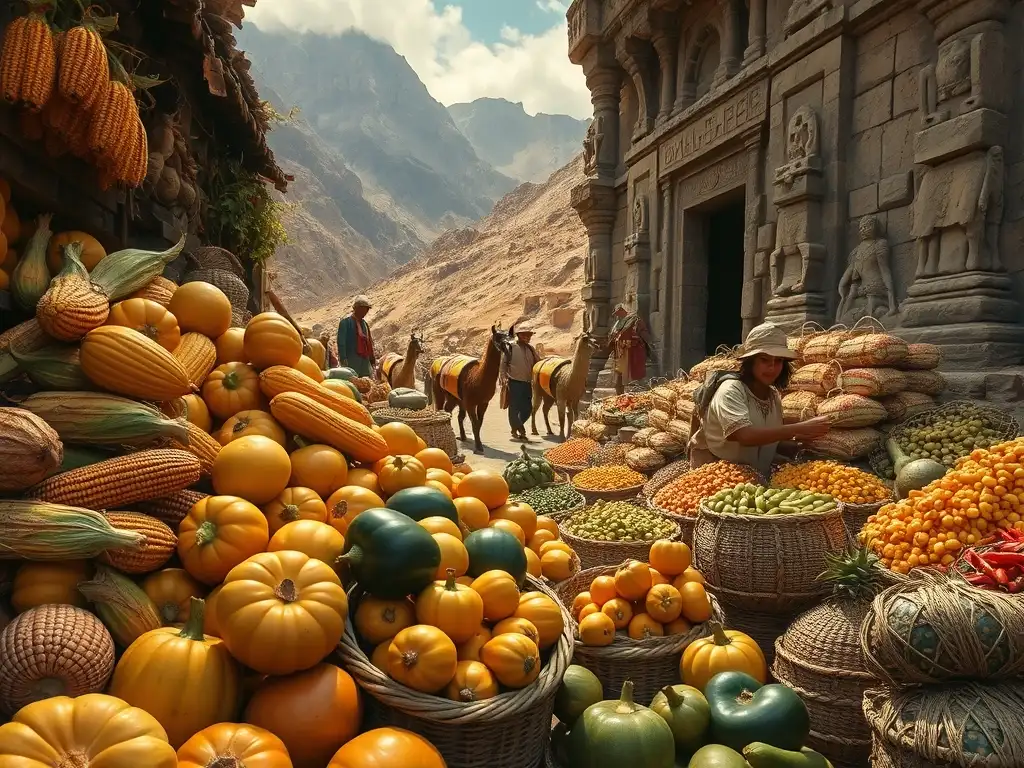
The sophisticated agricultural practices employed by the Chavín people were intrinsically linked to their extensive trade networks. Their ability to cultivate diverse crops, including maize, beans, squash, and potatoes, in the challenging Andean environment created agricultural surpluses. These surpluses weren't simply consumed locally; they formed the backbone of a vibrant trade system that extended across the Andes. The Chavín controlled access to vital resources and agricultural products, leveraging this control to establish economic and political dominance.
Evidence suggests that they traded surplus agricultural goods for coveted items like obsidian, cotton, and precious metals from distant regions. This trade wasn't simply a bartering system; it was a carefully managed exchange that reinforced Chavín power and influence. The control of food production thus acted as a powerful engine driving economic growth and political expansion within the Chavín sphere of influence. The organization required to manage this intricate system of production and distribution speaks to the advanced level of social and political organization within Chavín society.
Archaeological findings, including the discovery of storage facilities and evidence of long-distance trade routes, support this interpretation of a complex, trade-based economy fueled by agricultural surpluses. The strategic placement of settlements near fertile lands and trade routes further underscores the importance of agricultural production in the Chavín's overall economic strategy. This sophisticated system allowed for the accumulation of wealth and resources, which in turn fueled further technological and artistic development.
The Influence of Agricultural Advancements on Chavín Art and Architecture
The success of Chavín agriculture had a profound impact on the culture's art and architecture. The abundance of food fostered population growth and a more sedentary lifestyle, leading to the development of larger, more complex settlements. This is reflected in the impressive architecture of Chavín de Huántar, the civilization's main ceremonial center. The monumental structures, intricate carvings, and sophisticated water management systems all point to a society with the resources and organizational capacity to undertake such ambitious projects.
The surplus food production allowed for specialization of labor, with some individuals dedicating their time to artistic pursuits rather than solely focusing on farming. This specialization is evident in the highly skilled craftsmanship displayed in Chavín art, characterized by its distinctive style featuring stylized jaguars, snakes, and other zoomorphic motifs. These motifs often appear in textiles, ceramics, and stone carvings, reflecting the deep connection between the Chavín people and their environment, including their successful agricultural practices. The depictions of agricultural themes in Chavín art, such as stylized maize cobs and other crops, further suggest the importance of agriculture in their worldview.
The monumental scale of Chavín architecture and the intricate detail of their art serve as powerful testaments to the cultural flourishing made possible by their mastery of agricultural techniques. The impressive irrigation systems and terraced fields not only provided sustenance but also inspired awe and reverence, shaping the aesthetic and spiritual landscape of Chavín civilization. The very success of their agriculture is thus indelibly imprinted on their artistic and architectural legacies.
Comparing Chavin Agricultural Practices with Other Andean Cultures
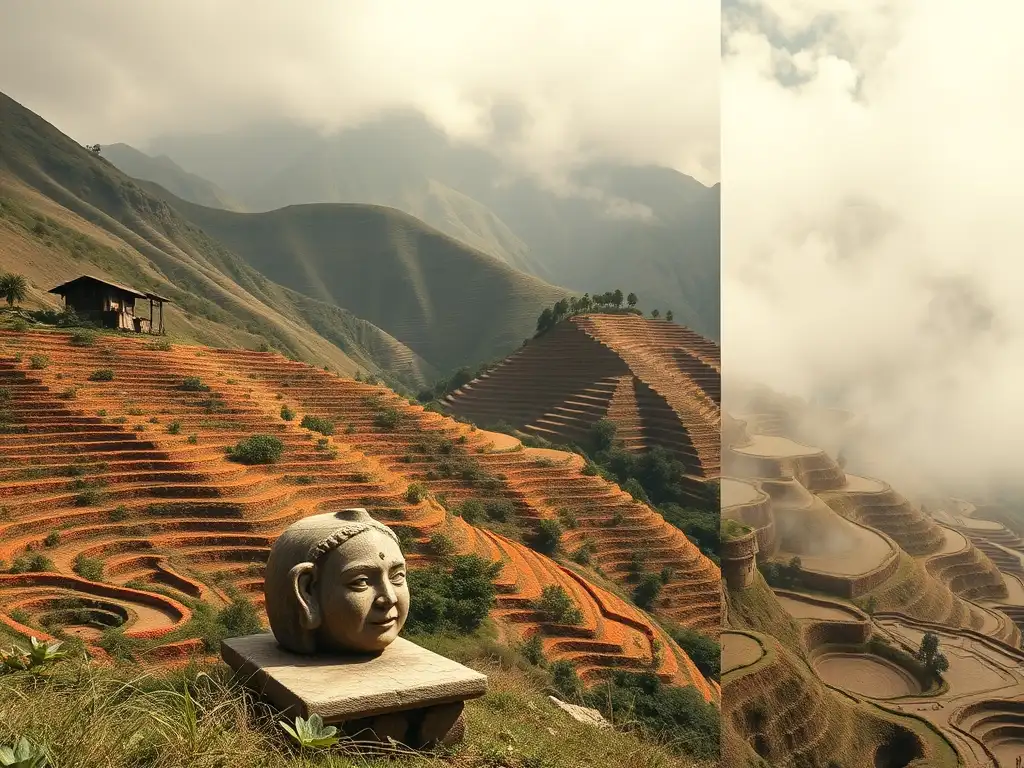
This section delves into a comparative analysis of Chavín agricultural practices against those of other contemporary Andean cultures. Understanding these comparisons illuminates the unique aspects of Chavín farming and its contribution to the overall development of Andean agricultural techniques. While precise data on all aspects of every culture's farming methods remains elusive, sufficient evidence exists to draw meaningful comparisons.
The focus here will be on identifying key similarities and differences, highlighting the innovative aspects of the Chavín approach. The analysis will contribute to a deeper understanding of how Chavín farming techniques influenced, and were influenced by, the broader Andean agricultural landscape.
Contrasting Chavin Farming Methods with Earlier Andean Practices
Before the flourishing of the Chavín culture (c. 900 – 200 BCE), Andean societies practiced various agricultural strategies adapted to their specific environments. Coastal communities relied heavily on irrigation systems, while those in the highlands utilized terracing and other techniques to maximize crop yields in challenging terrains. However, the Chavín period witnessed a significant advancement in agricultural intensification.
While earlier cultures undoubtedly employed sophisticated techniques for their time, the scale and complexity of Chavín agriculture suggest a significant leap forward. For example, evidence suggests a more systematic approach to water management, potentially including sophisticated canal systems that went beyond simple irrigation ditches, allowing for the cultivation of larger areas and a greater diversity of crops. This represents a move towards more complex social organization required for large-scale collaborative farming projects.
Further research is needed to fully quantify the differences in crop yields and overall agricultural productivity between earlier Andean societies and the Chavín. However, the existing archaeological evidence strongly suggests a notable increase in agricultural output during the Chavín period.
Similarities and Differences with Moche Agriculture
The Moche culture (c. 100 – 800 CE), a later coastal civilization, also developed impressive irrigation systems. However, the approaches differed in some key aspects. While both cultures relied heavily on irrigation, the Moche developed even more extensive and intricate canal networks, demonstrating a higher level of engineering prowess. The Moche also focused heavily on the cultivation of cotton and other specialized crops for textile production and trade. This contrasts with the Chavín, whose agricultural focus appears more diversified, encompassing a wider range of crops adapted to the varied altitudes and climates of their territory.
While the Moche are known for their elaborate artwork depicting agricultural practices, detailed comparative analysis of the specific techniques used in crop cultivation, harvesting, and storage between the two cultures requires further study. The availability of detailed data on the specific tools and methods employed by both cultures is limited, hindering a more precise comparison. A deeper investigation of the agricultural practices of each civilization is needed to pinpoint the exact distinctions between their approaches. Despite these limitations, the comparison highlights the evolutionary nature of Andean agricultural development, with each culture building upon and modifying existing techniques to suit their specific needs and environments.
The Uniqueness of Chavin Agricultural Innovations
The Chavín culture's agricultural success wasn't merely about scale; it was also about innovation. Evidence suggests the Chavín developed advanced techniques for soil management, including the possible use of fertilizers and crop rotation, although direct evidence for these practices remains limited. This might have contributed to increased soil fertility and sustained high yields over extended periods. The precise methods employed by the Chavín remain a subject of ongoing research.
The impact of their agricultural innovations extended beyond mere food production. The surplus generated likely supported a growing population and enabled the development of a complex social hierarchy and specialized labor. This surplus also facilitated the development of the impressive ceremonial centers and monumental architecture characteristic of the Chavín culture.
The ability to consistently produce a surplus of agricultural goods played a critical role in shaping Chavín society and its cultural achievements, cementing its place as a pivotal moment in the evolution of Andean agriculture. The legacy of Chavín farming techniques is evident in the subsequent development of Andean agriculture, demonstrating the long-lasting impact of their innovations on the region. 🌱
Legacy of Chavin Farming: Contributions to Andean Agriculture
The Chavín culture, flourishing in the Andes from approximately 900 to 200 BCE, left an indelible mark not only on religious iconography and artistic expression but also on agricultural practices. Their innovative farming techniques significantly impacted subsequent Andean civilizations, shaping agricultural development for centuries. Understanding their contributions provides crucial insight into the sophisticated methods employed to sustain a complex society in a challenging environment. The ingenuity displayed in Chavín farming techniques laid the groundwork for the agricultural achievements of later cultures like the Moche, Nazca, and ultimately, the Inca.
The Enduring Impact of Chavin Farming on Later Andean Societies
The Chavín's mastery of irrigation systems stands out as a key legacy. They developed intricate networks of canals and terraces, harnessing water from rivers and streams to irrigate crops in otherwise arid regions. This technology wasn't simply copied; it evolved and expanded upon by later Andean societies.
The evidence suggests a gradual refinement of these techniques, with improvements in canal construction, water management, and the integration of terraced farming across diverse landscapes. For instance, the Nazca further developed sophisticated irrigation systems, building upon the foundational knowledge inherited from the Chavín. The intricate network of aqueducts and canals used by the Nazca is a testament to the enduring impact of the Chavín's initial innovations in water management.
These advancements in irrigation directly influenced food production, population growth, and the overall prosperity of subsequent Andean societies. The success of Chavín agriculture facilitated the rise of larger, more complex societies, paving the way for the later development of powerful empires.
Lessons from Chavín Farming Practices for Modern Agriculture
Studying Chavín farming practices offers valuable lessons for modern agriculture, particularly in regions facing similar environmental challenges. Their emphasis on water conservation, through the construction of efficient irrigation systems, is highly relevant today, in the face of increasing water scarcity. The Chavín's understanding of terracing, creating level platforms on slopes to maximize arable land, provides a sustainable model for hillside farming.
Modern agricultural practices can learn from the Chavín's approach to soil management, which likely involved crop rotation and the use of organic fertilizers to maintain soil fertility. While the precise methods remain partially unknown, the evidence points towards a sophisticated understanding of sustainable agricultural practices. Furthermore, the Chavín's ability to cultivate diverse crops in varied environments demonstrates the importance of crop diversification for resilience against climate change and pests.
Their example serves as a potent reminder of the benefits of traditional agricultural knowledge in addressing contemporary agricultural challenges. By adapting and integrating aspects of Chavín farming techniques, modern agriculture can improve sustainability, productivity, and resilience.
The Importance of Preserving Chavin Agricultural Heritage
The preservation of Chavín agricultural heritage is crucial for several reasons. First, it offers valuable insights into the ingenuity and adaptability of past Andean societies. Understanding their successes and challenges provides a historical perspective on sustainable agricultural practices. Secondly, preserving archeological sites related to Chavín agriculture allows for ongoing research and the discovery of new information about their farming techniques.
This research is essential for understanding the long-term impact of their agricultural innovations. Finally, preserving this heritage has educational value, allowing us to learn from the past and apply these lessons to modern agriculture. Protecting these sites and promoting research fosters a deeper understanding of Chavín farming techniques and their contribution to the development of Andean agriculture.
This preservation effort is not just about the past; it's about securing sustainable agricultural practices for the future. The legacy of Chavín farming deserves continued study and protection to ensure its enduring impact on our understanding of Andean civilization and sustainable agriculture. The continued exploration and preservation of this cultural heritage are essential for both historical understanding and the development of modern, sustainable agricultural practices.
Frequently Asked Questions
What were the main crops cultivated by the Chavín civilization?
The Chavín primarily cultivated potatoes, maize, beans, and squash. These crops formed the basis of their diet and sustained their population.
How did the Chavín adapt their farming techniques to the Andean environment?
They utilized terracing on mountain slopes to create level planting surfaces, and developed irrigation systems to manage water resources effectively in diverse, challenging terrains.
What evidence supports our understanding of Chavín farming practices?
Archaeological evidence includes irrigation canals, terraces, and storage facilities discovered at Chavín de Huántar and other sites, alongside plant remains found in excavated contexts.
How did Chavín farming techniques contribute to the civilization's success?
Efficient farming methods allowed the Chavín to produce surplus food, supporting a larger, more complex society and contributing to their cultural and political development.
While exhibiting innovations, Chavín agricultural practices shared similarities with other contemporary Andean cultures, showing a gradual evolution of techniques adapted to the specific environment and available resources across different regions.
Final Reflection: The Enduring Legacy of Chavín Agricultural Innovation
The ingenuity of Chavín farming techniques continues to resonate today, a testament to the power of human adaptation and the profound impact of sustainable practices on societal development. Understanding their sophisticated irrigation systems, terraced farming, and crop diversification offers invaluable lessons for addressing modern challenges of food security and environmental sustainability in the face of climate change. The echoes of their success remind us that even in seemingly inhospitable environments, human ingenuity can flourish, creating thriving civilizations.
The Chavín's mastery of their environment wasn't merely about survival; it was a cornerstone of their cultural and spiritual identity. Their agricultural achievements fostered a complex social structure, fueling artistic expression, religious beliefs, and technological advancements. As anthropologist Richard Burger notes, The Chavín's success in manipulating their environment laid the foundation for a remarkable cultural florescence.
This highlights the interconnectedness between environmental stewardship and societal progress, a lesson that remains profoundly relevant in our increasingly interconnected world.
Consider the ingenuity of the Chavín for a moment. Imagine the meticulous planning, the collaborative effort, the deep understanding of their environment required to build and maintain such intricate systems. You, too, possess the capacity for innovation and adaptation. Reflect on how you can apply the principles of sustainable practices in your own life, whether it's reducing your environmental footprint, supporting local farmers, or simply appreciating the intricate balance of nature. Let the legacy of Chavín inspire you to cultivate a more sustainable and resilient future.
Unveil the Secrets of Sustainable Agriculture!
Thank you for exploring the fascinating world of ancient Andean agricultural techniques! You've discovered how sophisticated farming practices not only supported a thriving civilization but also laid the groundwork for modern agricultural methods. Now, it's time to put this knowledge into practice.
Take action today with these steps:
- **Begin experimenting** with sustainable practices in your own garden or community—try crop rotation or build a small compost bin!
- **Join a local gardening or farming group** to connect with like-minded individuals, share knowledge, and learn about innovative techniques.
- **Share this article** with friends and family or post it on social media to inspire others to explore the wonders of sustainable agriculture.
Which sustainable farming technique will you adopt first to help create a healthier planet?