
Chavín Music: The Sounds That Echoed Through the Andes

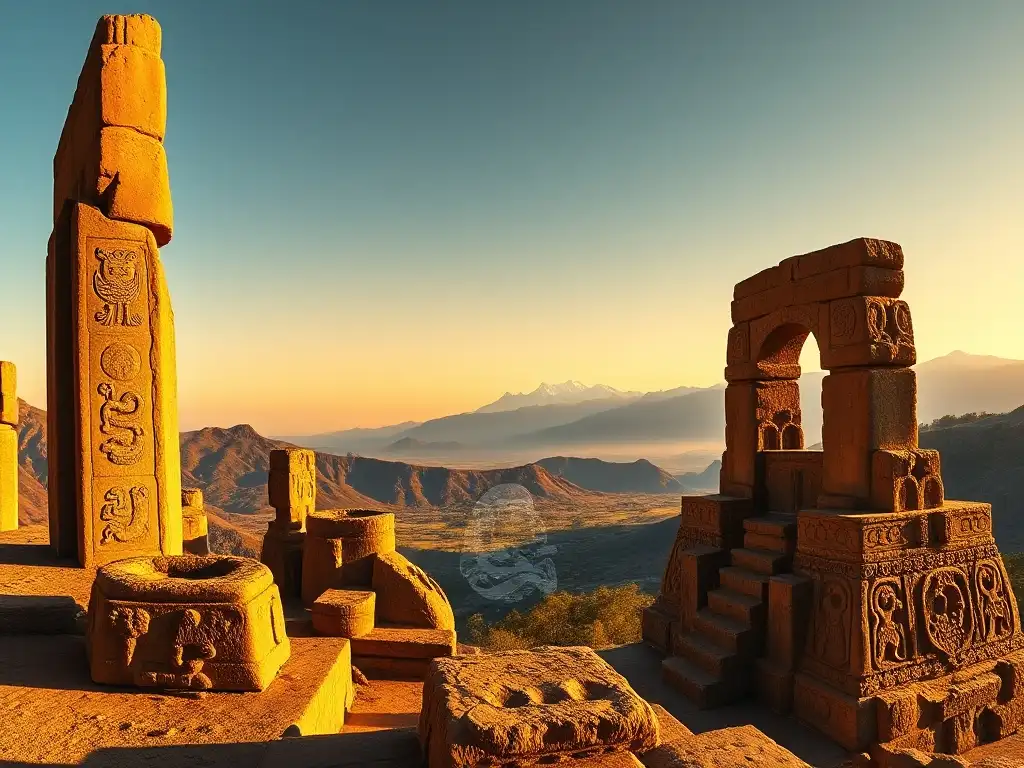
Unravel the mysteries of a lost world. Journey back in time to the heart of the Andes, where echoes of ancient empires still resonate. Dive into the captivating world of Andean civilizations, from the Incas to the enigmatic Nazca. But first, prepare to be enthralled by Chavín civilization music, a sonic landscape that will transport you to the dawn of Andean culture. Discover the intriguing rhythms and melodies that shaped a civilization – prepare to be amazed. Read on to explore the sounds that echoed through the Andes.
The Andes Mountains, a spine of towering peaks running down the western coast of South America, have echoed with the sounds of human life for millennia. Long before the Inca Empire rose to dominance, a vibrant tapestry of cultures flourished, each leaving its unique mark on the landscape and its soundscape. Among these pre-Incan societies, the Chavín culture stands out for its enigmatic influence, spreading its artistic and religious ideas across a vast territory.
While the written word was absent, the Chavín civilization left behind a wealth of archaeological evidence hinting at a sophisticated musical tradition, a sonic legacy that whispers through the ages. This article delves into the fascinating, albeit fragmented, world of Chavín music, exploring the instruments, rituals, and potential social functions that shaped their musical practices.
We will examine the available evidence to reconstruct, as accurately as possible, the sounds that once resonated through the sacred plazas and mountain valleys of the Chavín world. Understanding Chavín music provides a crucial lens through which to view their complex society and its lasting impact on Andean culture.
Introduction to Chavín Civilization Musical Practices
The reconstruction of Chavín music presents a significant challenge to archaeologists and musicologists. Unlike many later Andean cultures, the Chavín did not leave behind written musical scores or detailed descriptions of their musical practices. Our understanding relies heavily on the careful analysis of archaeological finds, primarily the discovery of musical instruments and iconographic representations on ceramics and textiles. These artifacts offer tantalizing glimpses into their musical world, but much remains shrouded in mystery.
The limited evidence suggests a rich and diverse musical landscape, possibly incorporating instruments like flutes, panpipes, and possibly percussion instruments, although the exact types and construction techniques remain uncertain. Furthermore, the social context of Chavín music is largely speculative, but it is likely that music played a crucial role in religious ceremonies, social gatherings, and possibly even agricultural rituals. The presence of musical instruments in elite tombs suggests a connection between music and power, and their use in religious contexts points towards the power of sound to connect the living with the supernatural.
We will explore these aspects further, examining the available evidence in detail and considering various interpretations. The study of Chavín music is an ongoing process, with new discoveries continually refining our understanding. The lack of direct evidence necessitates careful consideration of related cultures and the broader Andean musical tradition to build a more complete picture.
The Role of Music in Chavín Culture
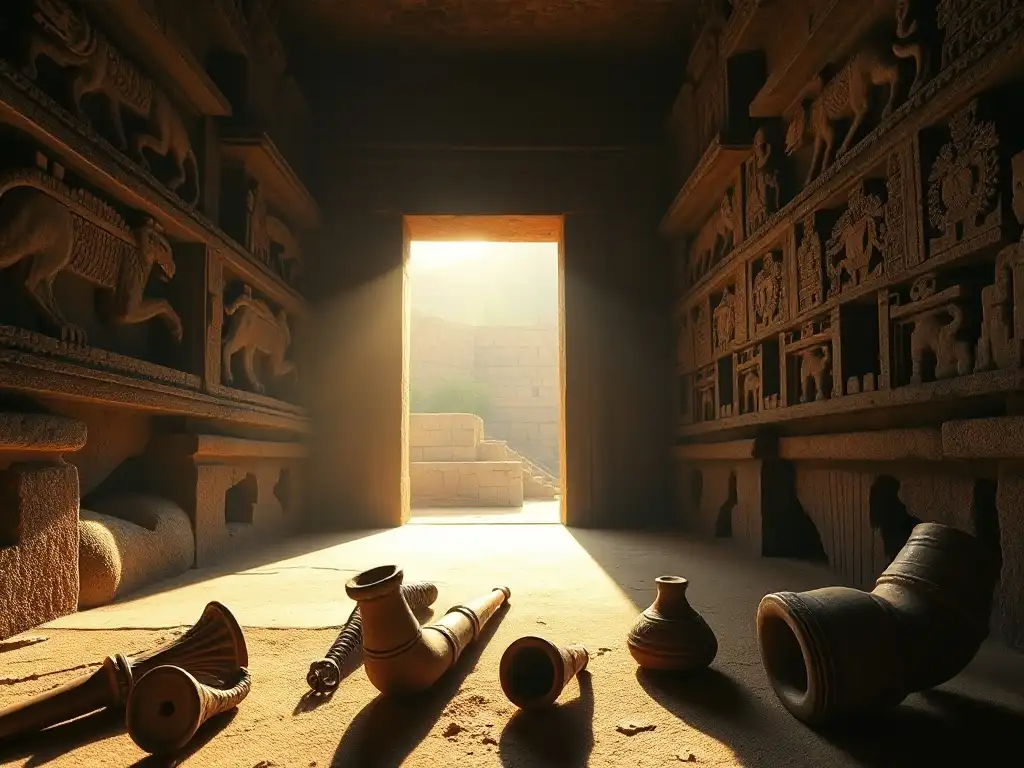
The Chavín civilization, flourishing in the Andes from approximately 900 to 200 BCE, left behind a rich archaeological record, but the sounds of their world remain largely elusive. Reconstructing Chavín music requires piecing together fragmented evidence – primarily architectural features of their ceremonial centers and depictions in their art.
While we lack recordings of their music, the significance of music within their society is undeniable, inferred from the prominent role of sound-producing instruments and imagery within their culture. The study of Chavín civilization music is a fascinating blend of archaeological deduction and informed speculation, offering a glimpse into the spiritual and social fabric of this formative Andean culture.
Understanding the role of music in Chavín society helps us understand their worldview and the powerful influence of sound in their daily lives and religious practices. The echoes of their musical traditions, though faint, continue to resonate through the Andes today, influencing subsequent Andean cultures and shaping our understanding of the region's musical heritage.
Music and Rituals in Chavín Society
Archaeological evidence strongly suggests that music played a central role in Chavín religious rituals. The design of Chavín temples themselves points towards an acoustic purpose. The structures, with their intricate network of chambers and passages, may have been designed to amplify and manipulate sound, creating a powerful and resonant environment for ceremonies.
Consider the Lanzón monolith at the Chavín de Huántar site – its imposing size and location likely played a part in ritualistic soundscapes. The precise acoustics of the temple complex are still under investigation, but preliminary studies suggest that the architecture facilitated the projection and manipulation of sound, enhancing the ritualistic experience.
Furthermore, the discovery of numerous musical instruments within Chavín sites further confirms the importance of music in their rituals. These instruments, including flutes, panpipes, and possibly drums (though evidence for drums is less concrete), were likely used to accompany ceremonies, chants, and dances. The materials used to create these instruments – bone, wood, and possibly shell – indicate a range of sounds and textures, suggesting a diverse musical palette.
We can imagine the interplay of these instruments during rituals, creating a complex and evocative soundscape designed to connect participants with the supernatural realm. The use of these instruments wasn't limited to elite classes; evidence suggests broader societal participation in musical practices, indicating music's importance across social strata.
The interplay between architecture, instruments, and ritualistic practices likely created a powerful and immersive experience for participants, forging a strong connection between the human and spiritual worlds. The exact nature of these rituals remains a subject of ongoing research, but the available evidence strongly suggests music's essential role in shaping the religious landscape of Chavín civilization.
Chavín Music's Connection to Religious Beliefs
The connection between Chavín music and their religious beliefs was likely profound. The Chavín pantheon, featuring deities often depicted with jaguar-like features, suggests a powerful connection between the natural world and the supernatural. Music, with its ability to evoke emotion and transcend the mundane, would have been a powerful tool for communicating with these deities and accessing the spiritual realm. The repetitive and often hypnotic rhythms of many Andean musical traditions might have been used to induce altered states of consciousness, facilitating communication with the spirit world.
The artistic representations found at Chavín sites, depicting figures playing instruments or participating in musical performances, further underscore the importance of music in their religious beliefs. These depictions are not simply decorative; they are integral to the overall religious message conveyed by the Chavín culture. The detailed carvings and the careful placement of these images within the temple complexes highlight the sacred significance attached to musical practices.
The imagery itself may provide clues to the types of music played, the instruments used, and the social context of these performances. Analyzing these artistic representations alongside the archaeological evidence provides a more comprehensive understanding of the role of music within Chavín religious beliefs. Further research into the iconography and symbolism within Chavín art could unlock deeper insights into the relationship between music, religion, and cosmology in this fascinating civilization.
The study of Chavín civilization music is an ongoing process, with new discoveries constantly refining our understanding of this important aspect of their culture. The sounds may be lost to time, but their impact remains etched in the stones and art of the Andes.
Musical Instruments of the Chavín People
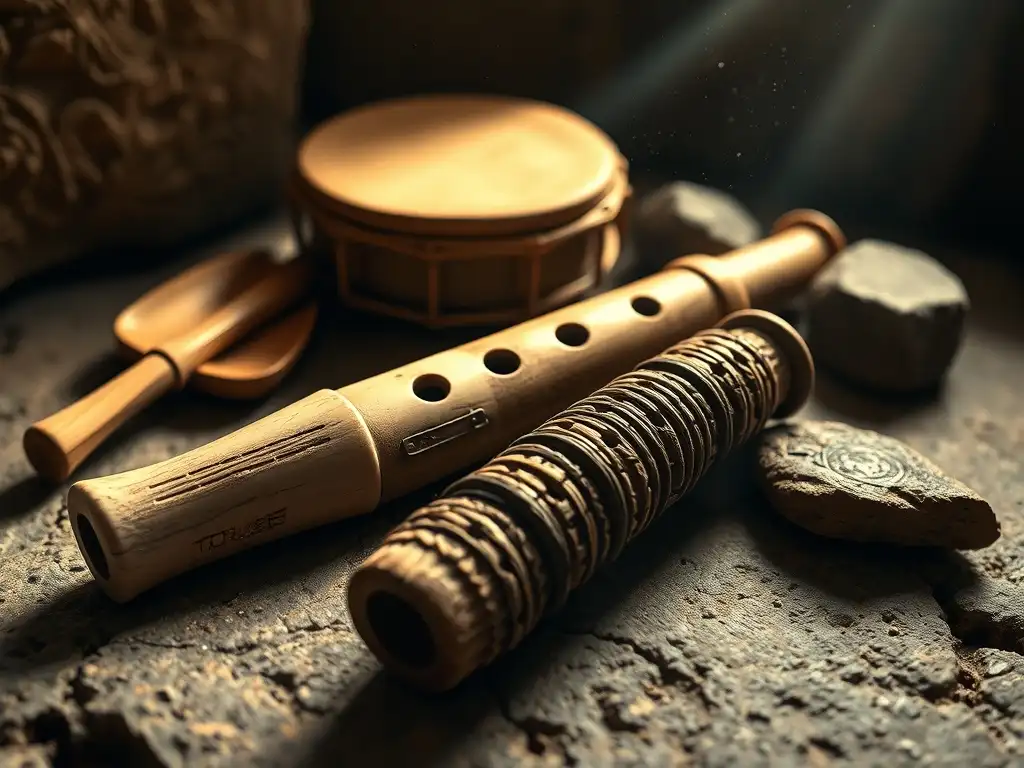
The Chavín civilization, flourishing in the Andes from approximately 900 to 200 BCE, left behind a rich legacy of art, architecture, and surprisingly, compelling clues about their musical practices. While no recordings of their music exist, careful examination of archaeological finds provides insights into the instruments they used and the potential soundscapes of their rituals and daily life. The reconstruction of Chavín civilization music relies heavily on the analysis of these artifacts, offering a glimpse into the sonic world of this enigmatic culture.
Understanding their instruments helps us better appreciate the sophistication and complexity of Chavín society. The study of Chavín civilization music is an ongoing process, with new discoveries continually refining our understanding.
Flutes and Whistles: The Wind Instruments of Chavín
Flutes and whistles represent a significant portion of the discovered Chavín musical instruments. These instruments, often crafted from bone, stone, or possibly even reeds (though evidence for reed instruments is scarce), were likely used in a variety of contexts. Archaeological excavations have unearthed numerous examples, varying in size, shape, and the number of holes. This suggests a potential range of musical styles and functions.
Some flutes exhibit intricate carvings, hinting at a connection to religious or ceremonial practices. The designs, often featuring stylized animals or mythical creatures common in Chavín iconography, reinforce the idea that music played a vital role in their spiritual life. The meticulous craftsmanship displayed on these instruments underscores their importance within the society.
The sounds produced by these instruments, imagined through careful study of their construction, likely ranged from high-pitched, piercing whistles to deeper, more resonant flute tones. This variety would have allowed for complex melodies and harmonies within their musical performances. Further research into the acoustics of these instruments is needed to fully understand their sonic potential. The discovery of new specimens would also contribute significantly to a more complete understanding of Chavín wind instruments.
Percussion Instruments in Chavín Musical Performances
While wind instruments are more readily identified in Chavín archaeological sites, evidence suggests the use of percussion instruments as well. The rhythmic pulse of drums or rattles would have added another layer of complexity and energy to their musical expressions. Unfortunately, organic materials like wood and hide, commonly used for drums, rarely survive the passage of time. Therefore, direct evidence for these types of instruments is limited.
However, indirect evidence supports their use. The presence of large, ceremonial plazas and the emphasis on ritualistic dance in Chavín culture strongly suggest the use of percussion instruments to accompany these events. The rhythmic pounding of drums would have amplified the energy of the ceremonies and provided a powerful backdrop for religious performances.
Furthermore, the discovery of small, stone objects with possible markings suggesting a role in creating rhythmic sounds offers tantalizing hints. These could have been used as rattles or clappers, providing a percussive counterpoint to the flutes and whistles. More research is needed to confirm their use as musical instruments definitively.
The potential for a diverse range of percussion sounds within Chavín music adds another layer to the richness of their musical culture. The combination of wind and percussion instruments likely created a vibrant and dynamic soundscape, reflecting the complexity of their society.
Strombus Shell Trumpets and Their Use
The use of strombus shell trumpets in Chavín society represents a fascinating aspect of their musical culture. These large, marine shells, when properly prepared, can produce a powerful, resonant sound capable of carrying across considerable distances. Their discovery in Chavín sites suggests their use in large-scale ceremonies or to communicate across valleys.
The powerful sound of the strombus shell trumpet, likely used for signaling and ceremonial purposes, would have been a dramatic addition to Chavín musical performances. The sheer volume of the instrument would have added an element of awe and power to religious rituals. Its use likely transcended purely musical functions, serving as a powerful symbol of authority and possibly even used for announcements or warnings. The presence of these trumpets provides a compelling example of how Chavín culture incorporated elements from diverse geographical locations into their musical practices.
Further analysis of the shells themselves, including any modifications made to enhance their acoustic properties, is needed to fully understand their role in Chavín society. The study of Chavín civilization music continues to reveal the rich complexity of this ancient Andean culture. 🐚
Characteristics of Chavín Music
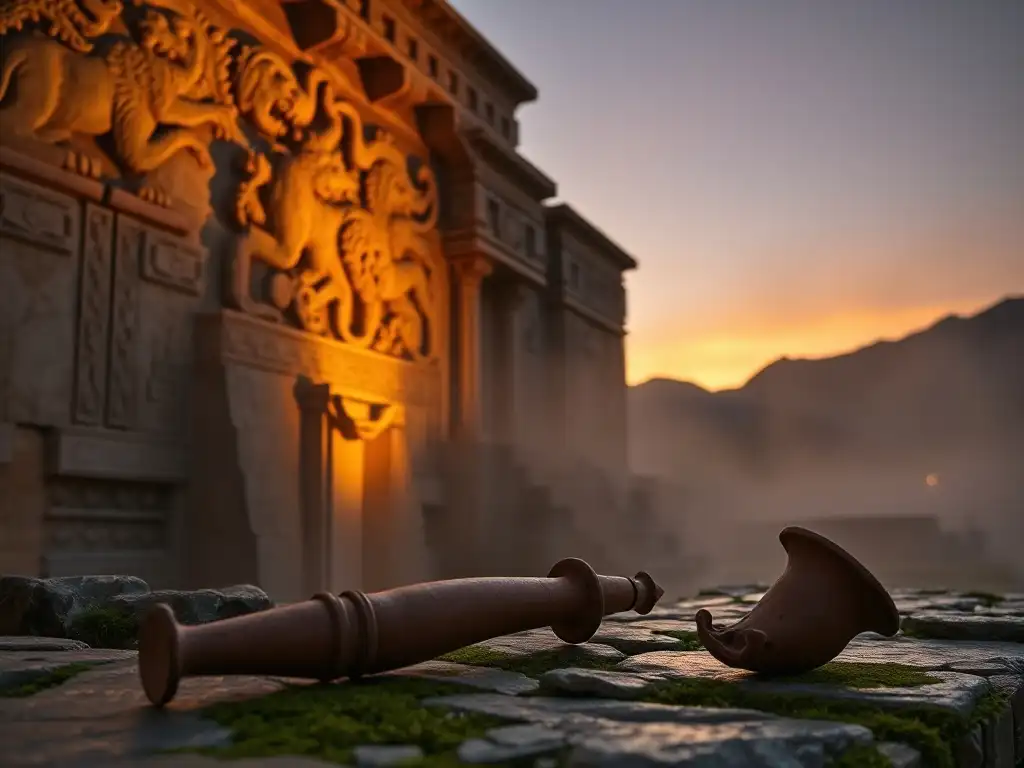
The reconstruction of Chavín civilization music presents a significant challenge to researchers. Direct evidence, such as preserved musical instruments or written notation, is unfortunately lacking. However, by analyzing iconography found in Chavín art and comparing it to the musical traditions of later Andean cultures, we can begin to paint a picture of the soundscapes of this influential civilization.
The limited evidence suggests a musical style characterized by repetitive melodies, complex rhythms, and a deep integration of music into religious and ceremonial life. This section will delve into the characteristics of Chavín music, focusing on melodic structures, rhythmic patterns, and the role of sound in their society. The pursuit of understanding Chavín civilization music is an ongoing process, relying on careful interpretation and informed speculation based on available archaeological and anthropological data.
Melodic Structures and Rhythms in Chavín Soundscapes
The limited archaeological evidence available, primarily consisting of depictions of instruments and ritual scenes in ceramics and stone carvings, hints at a musical style emphasizing repetitive melodic phrases. These phrases, likely played on instruments like panpipes (similar to those used by later Andean cultures), might have been simple in structure, yet capable of creating a hypnotic and ritualistic effect through repetition. The rhythms, however, may have been more complex.
Analysis of iconography showing dancers and musicians suggests the possibility of polyrhythms – the simultaneous use of multiple rhythmic patterns – a characteristic that would have added depth and intricacy to their music. Consider, for example, the intricate designs found on Chavín pottery: the complexity of these designs might mirror the complexity of their musical rhythms.
Further research into the manufacturing techniques of potential musical instruments, such as the analysis of the wood or stone used, could reveal more information about the specific sounds they produced. Unfortunately, precise details regarding the specific melodic intervals or rhythmic notation remain elusive, requiring further investigation.
The Significance of Sound in Chavín Ceremonies
Sound played a vital role in Chavín religious ceremonies. The presence of large plazas and temples in Chavín sites suggests that music was integral to large-scale public rituals. The architectural design of these spaces, with their acoustic properties, might have been deliberately created to enhance the impact of musical performances.
Imagine the reverberations of panpipes or drums echoing through the vast plazas, creating a powerful and immersive experience for participants. The use of sound might have been intended to induce altered states of consciousness, facilitating communication with the spirit world, or reinforcing the authority of the priestly class. Chavín iconography often portrays figures engaged in ritualistic activities, with musical instruments prominently featured, highlighting the importance of music within their religious practices.
The exact nature of these ceremonies and the specific roles of music within them remain subjects of ongoing scholarly discussion and require more detailed archaeological investigation. However, the evidence strongly suggests that Chavín civilization music was far more than mere entertainment; it was a powerful force shaping their religious and social lives.
Repetitive Melodies and Rhythmic Complexity
A key characteristic of the inferred Chavín musical style is the likely use of repetitive melodies combined with complex rhythmic structures. This combination created a unique sonic texture, possibly intended to evoke a trance-like state or to enhance the ritualistic atmosphere of ceremonies. Think of the mesmerizing effect of a simple, repeated melody played against a backdrop of intricate polyrhythms – a sound that could both captivate and overwhelm the listener.
This hypothesis is supported by the observation of similar musical structures in later Andean cultures, suggesting a possible continuity of musical traditions. The repetitive elements might have provided a sense of stability and predictability, while the rhythmic complexity added layers of depth and intrigue. This interplay between simplicity and complexity is a recurring theme in Andean music, and it likely played a crucial role in shaping the Chavín musical experience.
Further research, particularly a comparative analysis with similar musical traditions from other pre-Columbian cultures, could provide more insights into the unique characteristics of Chavín civilization music and its place within the broader Andean musical landscape. The potential discovery of new archaeological artifacts could also significantly contribute to our understanding of this fascinating aspect of Chavín culture. 🎵
Archaeological Evidence of Chavín Musical Instruments
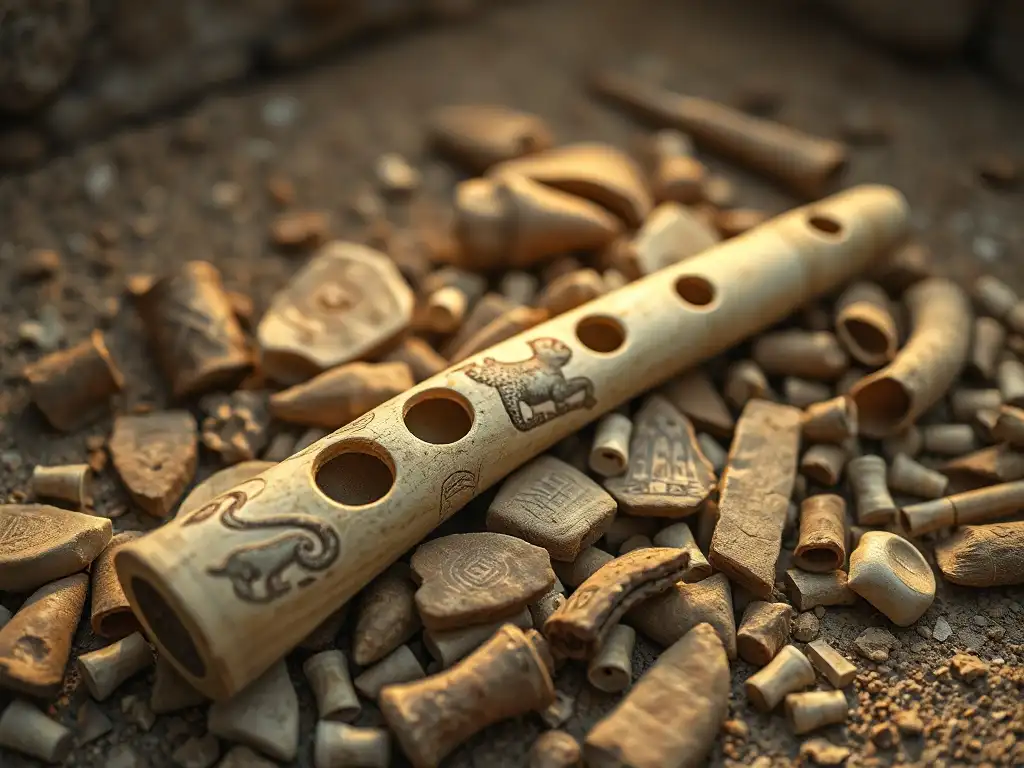
The reconstruction of Chavín civilization music relies heavily on the limited, yet fascinating, archaeological evidence unearthed at Chavín de Huántar and other related sites. While complete, playable instruments are rare, fragments and iconographic depictions offer valuable clues about the soundscapes of this influential Andean culture. The scarcity of findings underscores the challenges faced by archaeologists in recovering organic materials like wood and animal hides, which were likely the primary materials used in instrument construction.
However, the discoveries made, though fragmented, are significant enough to provide a glimpse into the musical practices of the Chavín people. Understanding the context of these discoveries is crucial for accurate interpretation.
Discovery of Chavín Musical Artifacts
The most significant discoveries related to Chavín music have been made at the main ceremonial center of Chavín de Huántar. Excavations have yielded fragments of what are believed to be flutes and possibly drums. These fragments, often made of bone or possibly wood (though the wood hasn't survived well due to the environmental conditions), are typically small and incomplete.
Their condition presents significant challenges for analysis, requiring careful examination under microscopes and advanced imaging techniques. The limited number of finds suggests that either musical instruments were not commonly deposited as grave goods, or that the organic materials used in their construction have simply decayed over millennia. Further research may uncover more artifacts at the site, as well as at other settlements associated with the Chavín cultural sphere.
The careful documentation of each find, including its precise location within the site, is vital for understanding its context and potential significance. The meticulous nature of this work helps researchers piece together a more comprehensive picture of Chavín musical practices. There are also records of discoveries in other sites that are thought to be related to Chavín culture, however, further study is needed to confirm their association.
Analysis of Musical Remains at Chavín de Huántar
Analyzing the recovered fragments requires interdisciplinary collaboration. Archaeologists work alongside musicians and material scientists to determine the materials used, the construction techniques employed, and, if possible, the musical range and potential sounds produced. For example, the analysis of bone fragments might reveal the type of animal bone used, providing clues about the availability of resources and potentially even social status associated with specific instruments.
Microscopic analysis can also help identify any traces of pigments or decorations that might have adorned the instruments. Unfortunately, the fragmentary nature of the findings often limits the conclusions that can be drawn. However, even small fragments can offer valuable insights into the craftsmanship and technology of Chavín instrument makers.
The use of digital modeling and 3D printing is becoming increasingly important in reconstructing the instruments based on fragmentary remains, allowing for a more comprehensive understanding of their potential sounds. This detailed, multi-faceted approach is crucial for providing a nuanced understanding of Chavín music. Further research is needed, however, to determine the exact sounds produced and the role of these instruments in the Chavín culture.
Iconographic Representations of Musicians
Beyond the physical remains, iconographic representations on pottery, textiles, and stone carvings offer additional evidence of Chavín musical practices. These depictions often show individuals playing instruments that bear a resemblance to the fragmentary artifacts found at Chavín de Huántar. These visual representations, while not providing direct audio evidence, are invaluable for understanding the social context of music within Chavín society.
For instance, the presence of musicians in elaborate ceremonial scenes suggests that music played a significant role in religious rituals and social gatherings. The instruments depicted often seem to be highly stylized and ceremonial, suggesting that music may have held a powerful symbolic meaning within the Chavín culture. The detailed study of these iconographic representations, combined with the analysis of musical artifacts, offers a more complete picture of the role of music in Chavín life.
Further research could focus on comparing the iconographic representations across different Chavín sites to determine regional variations in musical instruments and practices. The careful examination of these images, using advanced imaging techniques, may also reveal subtle details that have previously gone unnoticed, furthering our understanding of Chavín civilization music. The combination of archaeological evidence and iconographic analysis is crucial for a complete understanding of Chavín culture’s musical heritage.
The Legacy of Chavín Music
The Chavín civilization, flourishing in the Andes from roughly 900 to 200 BCE, left behind a complex and fascinating legacy. While their monumental architecture and intricate iconography are well-documented, reconstructing their musical traditions presents a significant challenge. Direct evidence, such as preserved instruments, is scarce.
However, the pervasive influence of Chavín artistic styles and religious beliefs across a vast geographical area strongly suggests a similarly widespread impact of their music. Understanding the legacy of Chavín music requires a nuanced approach, combining archaeological findings with analyses of later Andean musical practices and artistic representations. This section will explore this enduring impact and the challenges inherent in its study.
Influence of Chavín Musical Traditions on Later Andean Cultures
The Chavín's artistic and religious influence spread throughout the Andes, impacting subsequent cultures like the Moche, Nazca, and even the later Inca. This cultural diffusion likely extended to musical practices. While we cannot definitively trace specific melodies or instruments, we can observe stylistic continuities. For example, the emphasis on ritual and ceremony in Chavín culture, evident in their monumental architecture, likely translated into a significant role for music in religious and social contexts. This emphasis on ritual music is a recurring theme throughout later Andean civilizations.
The use of specific instruments, while difficult to pinpoint directly, can be inferred. The iconic Chavín iconography often depicts stylized figures playing instruments, though their precise form remains debated. Some interpretations suggest the presence of wind instruments, possibly panpipes or flutes, and percussion instruments like drums. These types of instruments continued to be prevalent in Andean music for centuries, suggesting a possible link to earlier Chavín traditions.
Furthermore, the presence of shared iconographic motifs across different Andean cultures may hint at the spread of musical ideas. For example, the recurring depiction of stylized feline figures, a prominent feature of Chavín art, could represent musical instruments or deities associated with music. Further research comparing iconography across different cultures could reveal additional connections and support the hypothesis of a widespread Chavín musical influence.
Exploring Chavín Soundscapes in Modern Interpretations
The absence of preserved Chavín musical instruments necessitates a creative approach to understanding their soundscapes. Modern researchers and musicians often engage in speculative reconstructions, drawing upon archaeological evidence, ethnomusicological studies of contemporary Andean music, and analyses of related cultural practices. These interpretations are not intended to be definitive recreations but rather offer plausible hypotheses based on existing knowledge.
One approach involves extrapolating from the instruments used in later Andean cultures that show stylistic similarities to Chavín art. By analyzing the construction and acoustic properties of these instruments, researchers can gain insights into the possible sounds of Chavín music. This approach, however, relies on the assumption of a direct lineage, which may not always be accurate.
Another approach focuses on the cultural context. Analyzing the social and religious functions of music in later Andean cultures, particularly those influenced by Chavín, can provide clues about the possible role and character of Chavín music. Was it primarily ritualistic? Did it accompany dances or ceremonies? Did it serve social functions as well? These questions, while challenging to answer definitively, can inform speculative reconstructions of Chavín soundscapes. The use of modern instruments to interpret these potential soundscapes is an ongoing and evolving field of study.
Limited Direct Evidence but Enduring Cultural Impact
Despite the scarcity of direct evidence, the indirect evidence strongly suggests a significant role for music in Chavín civilization. The pervasive influence of Chavín art, religion, and societal structures across the Andes points to the likely dissemination of their musical traditions. The lack of preserved instruments is a challenge, but it does not negate the importance of music in the lives of the Chavín people.
The enduring legacy of Chavín culture is undeniable, evidenced by its impact on subsequent Andean societies. Its artistic and religious influences are clearly documented, and it is highly plausible that these influences extended to musical practices as well. While we may never fully reconstruct the specific sounds of Chavín music, the study of its cultural impact continues to reveal valuable insights into the rich and complex history of Andean musical traditions.
Further archaeological research, coupled with interdisciplinary studies combining archaeology, ethnomusicology, and art history, promises to shed more light on this fascinating yet elusive aspect of Chavín civilization. The quest to understand Chavín civilization music is a journey of discovery, a testament to the enduring power of culture and the echoes of the past. 🎶
Frequently Asked Questions
What is known about Chavín civilization music?
While direct evidence like musical instruments is scarce, we can infer musical practices from iconography. Depictions on ceramics and textiles suggest the use of wind and percussion instruments, potentially in religious ceremonies. Further research is needed to fully understand their musical landscape.
What instruments might the Chavín have used?
Images suggest the use of flutes, trumpets, and drums. The specific materials and construction techniques remain uncertain, but these are likely candidates based on artistic representations and those used by later Andean cultures.
How did Chavín music relate to their religion?
Chavín religious practices were likely deeply intertwined with music. Ceremonies and rituals probably incorporated music to enhance their spiritual experiences, possibly to invoke supernatural forces or communicate with deities.
What is the significance of Chavín iconography in understanding their music?
Chavín art, particularly ceramics and textiles, provides valuable clues. Depictions of figures playing instruments, along with musical motifs, offer insights into their musical instruments and potentially even their musical styles.
How does Chavín music compare to that of later Andean cultures?
While direct comparison is difficult due to limited evidence, some scholars suggest that Chavín musical traditions may have influenced subsequent Andean cultures. Shared stylistic elements or instrumental types could point to a cultural continuity across different Andean civilizations.
Final Reflection: The Enduring Resonance of Chavín
The haunting melodies and rhythmic complexities of Chavín music, once confined to the Andean highlands, continue to resonate today, offering a powerful testament to the ingenuity and cultural depth of this ancient civilization. Their musical innovations, reconstructed through painstaking archaeological research and informed speculation, provide a window into a society far removed from our own, yet surprisingly relevant in its exploration of sound and its capacity to express complex social and spiritual ideas. The echoes of their instruments still whisper across the millennia, challenging us to understand the power of music to shape culture and connect us across time.
The enduring legacy of Chavín music lies not just in its archaeological significance, but in its ability to inspire awe and wonder. It forces us to consider the profound ways in which music has always been integral to human experience, transcending the boundaries of language and geography. Music is the universal language of mankind,
said Henry Wadsworth Longfellow, and the haunting soundscapes we can only partially reconstruct from Chavín artifacts powerfully reinforce this truth. The mystery surrounding their musical practices, the limited surviving evidence, and the sheer scale of their societal achievements all contribute to a sense of wonder that continues to captivate researchers and enthusiasts alike.
Consider, for a moment, the power of sound to shape your own life. Think about the music that has moved you, the rhythms that have energized you, the melodies that have soothed you. Now, imagine the emotional depth and cultural significance embedded within the music of a civilization that flourished thousands of years ago.
Let the echoes of Chavín inspire you to explore the musical traditions of your own heritage, to appreciate the universal language of music, and to recognize the enduring power of sound to connect us across time and cultures. Let the legacy of Chavín continue to resonate within you.
Reignite Your Passion for Andean History!
Thank you for exploring the captivating world of Chavín music! You've discovered how these ancient sounds profoundly shaped Andean culture and left a lasting legacy. Now, let's build on that inspiration.
Here are some ways to continue your journey into this rich heritage:
- Immerse yourself in the rhythm: Listen to traditional Andean music, letting the sounds transport you back in time. Seek out playlists featuring instruments like the charango and panpipes.
- Connect with your community: Share your musical discoveries on social media or with local cultural groups to spark conversations about Andean traditions.
- Attend cultural events: Experience the vibrancy of Andean music and culture firsthand by attending a concert or workshop. Connect with musicians and fellow history enthusiasts!
What aspect of Andean culture most inspires you, and how will you share that passion with others?