
Paracas Art: A Visual Exploration of their Worldview

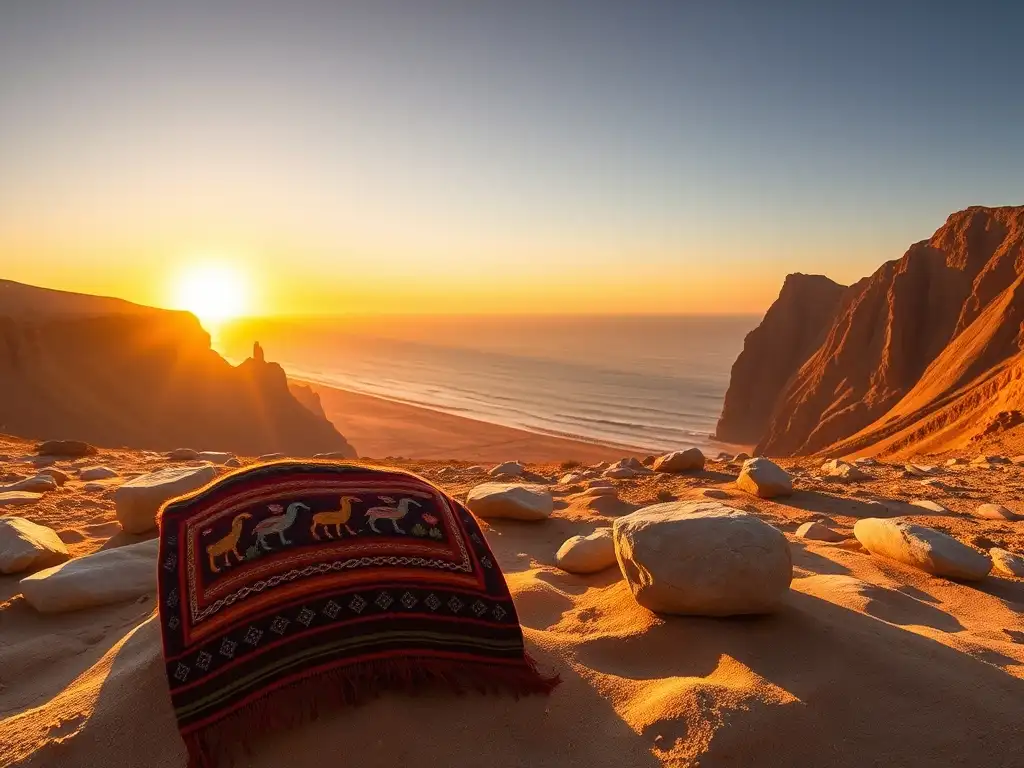
Step into a world lost to time, yet vibrantly alive in its artistry. Journey with us to the ancient coast of Peru, where the enigmatic Paracas civilization flourished. Prepare to be captivated by the bold and intriguing Paracas art style characteristics, a visual language that speaks volumes about their worldview and sophisticated culture. Discover the secrets hidden within their textiles, ceramics, and intricate designs – a legacy that continues to fascinate and inspire. Unravel the mysteries of this remarkable civilization and delve deeper into the vibrant tapestry of Andean history.
The Paracas culture, flourishing on the southern coast of Peru between approximately 700 BCE and 200 CE, left behind a legacy of breathtaking artistry that continues to captivate and inspire. Their unique artistic style, characterized by vibrant colors, intricate textile work, and striking iconography, offers a compelling window into their worldview, social structures, and spiritual beliefs. This article delves into the key characteristics of Paracas art, exploring how these visual expressions reflect their complex society and place within the broader context of pre-Incan coastal civilizations.
Understanding the Paracas art style characteristics is crucial to appreciating the richness and sophistication of this remarkable Andean culture, a period brimming with innovation and artistic expression far exceeding many of its contemporaries. We will examine not only the technical mastery demonstrated in their textiles but also the symbolic meanings embedded within their designs, providing a deeper understanding of the Paracas people and their enduring legacy.
Prepare to be amazed by the vibrant tapestry of their artistic achievements! 🎉
The Significance of Paracas Art in Andean History
Paracas art holds a pivotal position in the history of Andean art. It represents a significant bridge between earlier traditions and the later, more widely known, Nazca and Inca cultures. The unparalleled skill in textile production, particularly the mastery of intricate embroidery and complex weaving techniques, sets Paracas art apart. Their textiles, often found in elaborate burial bundles, are not merely decorative; they are rich narratives woven into fabric, depicting deities, mythical creatures, and scenes of daily life.
These intricate pieces provide invaluable insights into their religious beliefs, social hierarchy, and understanding of the natural world. The exceptional preservation of these artifacts, often due to the arid desert climate, has allowed archaeologists to meticulously study and appreciate the sophistication of their techniques and the complexity of their artistic vision. The use of vibrant natural dyes, the innovative use of different textile techniques within a single piece, and the sheer scale of some of the textiles found point to a highly organized and specialized artistic community.
Further research is needed to fully understand the social organization that supported such a high level of artistic production. [Specific information pending regarding the number of artisans and workshops]. The legacy of Paracas art is undeniable, influencing subsequent Andean artistic traditions and continuing to inspire awe and wonder in contemporary viewers.
Locating the Paracas Culture within the Pre-Incan Coastal Civilizations
The Paracas culture occupies a crucial position in the chronology of pre-Incan coastal civilizations. Preceding the Nazca culture, the Paracas people built upon earlier traditions, refining and expanding upon existing techniques and artistic styles. Their location along the arid southern coast of Peru influenced their resource management and artistic practices. The limited availability of certain resources, such as wood, likely contributed to their focus on textiles as a primary artistic medium.
The Paracas’ mastery of textile production stands in contrast to other contemporary cultures in the region, highlighting their unique specialization and artistic innovations. Their artistic expression, while unique, also shows connections and influences from earlier cultures, suggesting a continuous evolution of Andean artistic traditions. The development of highly specialized techniques, such as the use of multiple layers of fabric and intricate embroidery, demonstrates a sophisticated understanding of textile production far surpassing its contemporaries. Archaeological evidence suggests a complex social structure supporting this artistic endeavor, with specialized artisans and possibly a centralized system for the distribution of finished textiles.
Understanding the Paracas' place within the timeline of pre-Incan coastal civilizations allows us to appreciate the gradual evolution of Andean artistic styles and the enduring influence of the Paracas legacy on subsequent cultures. Further research into trade networks and cultural exchange will help to clarify the extent of Paracas influence on neighboring societies. [Further data needed on the extent of Paracas trade networks].
- The Significance of Paracas Art in Andean History
- Locating the Paracas Culture within the Pre-Incan Coastal Civilizations
Paracas Art Style Characteristics: An In-depth Look
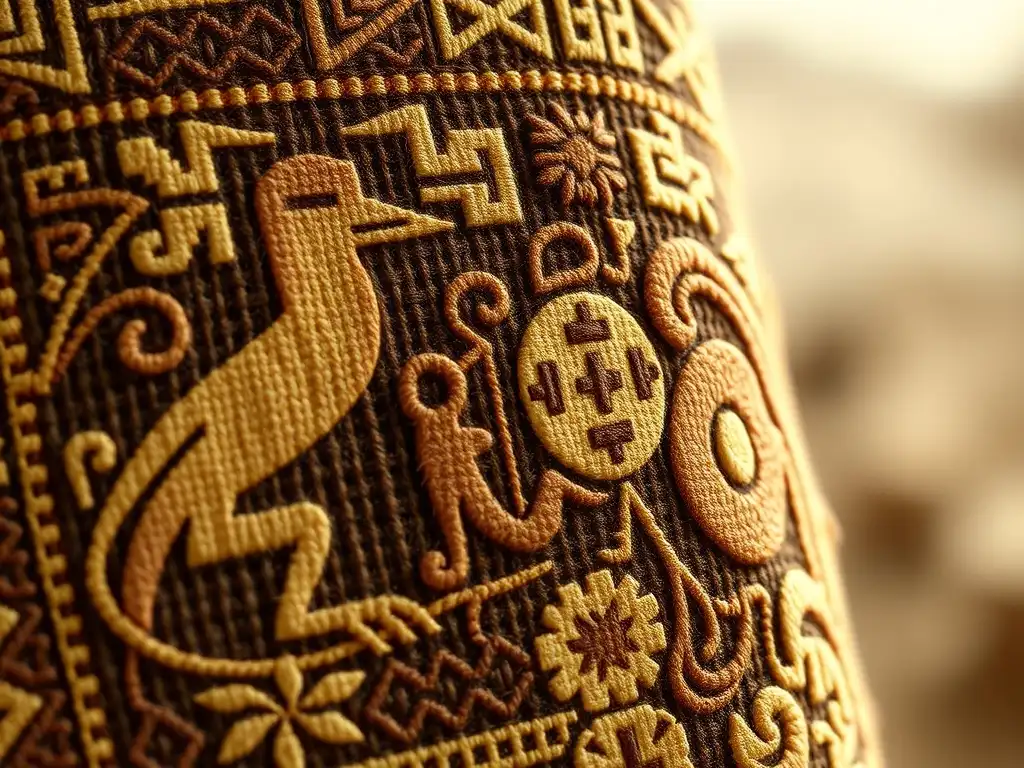
This section delves into the distinctive features that define Paracas art, focusing on the elements that make it instantly recognizable and unique within the broader context of Andean art. Understanding these Paracas art style characteristics is key to appreciating the sophistication and complexity of this pre-Inca culture. The Paracas people, inhabiting the southern coast of Peru between 700 BCE and 100 CE, left behind a legacy of breathtaking artistry, primarily expressed through their exceptional textiles. Their artistic vision offers a fascinating window into their cosmology, social structures, and daily life.
Defining the Unique Features of Paracas Artistic Expression
The Paracas art style is characterized by several key features. Firstly, its vibrant color palette is striking. Deep reds, oranges, yellows, blues, and greens are frequently employed, often in bold and contrasting combinations. These rich hues were achieved through the use of natural dyes derived from plants and minerals, a testament to their advanced knowledge of chemistry and resource management.
The mastery of color is further enhanced by the intricate techniques used to apply the dyes, ensuring their longevity and brilliance. Secondly, the scale and complexity of the designs are remarkable. Paracas textiles are often densely covered with intricate motifs, demonstrating an exceptional level of skill and patience on the part of the artisans. This densely packed imagery speaks to the importance of visual communication within their culture.
Finally, the use of symbolism is pervasive, with various motifs carrying profound religious or social significance. Unraveling these symbolic meanings provides deeper insights into the Paracas worldview and belief system. The detailed depictions of supernatural beings, mythical creatures and scenes from daily life give a rich sense of their culture. This meticulous attention to detail and symbolic representation is a hallmark of Paracas artistic expression, setting it apart from contemporary styles found in other Andean cultures.
Paracas Textile Art: A Masterpiece of Design and Craftsmanship
Paracas textiles represent the pinnacle of their artistic achievement. These aren't merely functional items; they are elaborate works of art, serving both practical and ceremonial purposes. From intricately woven mantles and tunics to exquisitely embroidered burial shrouds, each piece reflects a deep understanding of textile production and design.
The sheer volume of textiles discovered in Paracas tombs is astounding, suggesting a highly organized and specialized craft production system. The scale of production implies a significant social investment in textile creation, highlighting its importance in their society. Furthermore, the exceptional condition of many surviving textiles, despite their age, speaks volumes about the quality of their craftsmanship and the durability of the materials and techniques they employed.
The use of high-quality cotton and camelid fibers, along with innovative weaving techniques, contributed significantly to the longevity and resilience of their creations. The textiles are not only visually stunning but also incredibly durable, a testament to the skill and expertise of the Paracas artisans.
Paracas Textile Techniques: Embroidered and Painted Cloth
Paracas artisans employed a variety of sophisticated textile techniques, including embroidery, tapestry weaving, and resist dyeing. Embroidery, in particular, was a highly valued skill, used to create intricate patterns and designs. The needlework is incredibly fine and precise, with thousands of stitches often used to create a single motif.
The use of multiple colors and textures within a single piece adds depth and complexity to the designs. These techniques were not merely decorative; they were integral to the symbolic meaning of the textiles. For example, the choice of color and the specific motifs embroidered onto a garment could indicate the wearer's social status, religious affiliation, or even their role within the community.
The combination of embroidery and painted cloth further enhanced the visual impact of their creations, creating a rich tapestry of color and texture. The precision and detail achieved through these techniques are unparalleled, showcasing the high level of skill and expertise of Paracas artisans. Analysis of these techniques provides valuable insights into their social organization and technological capabilities.
Common Motifs in Paracas Textiles: Feline Figures, Snakes, and Supernatural Beings
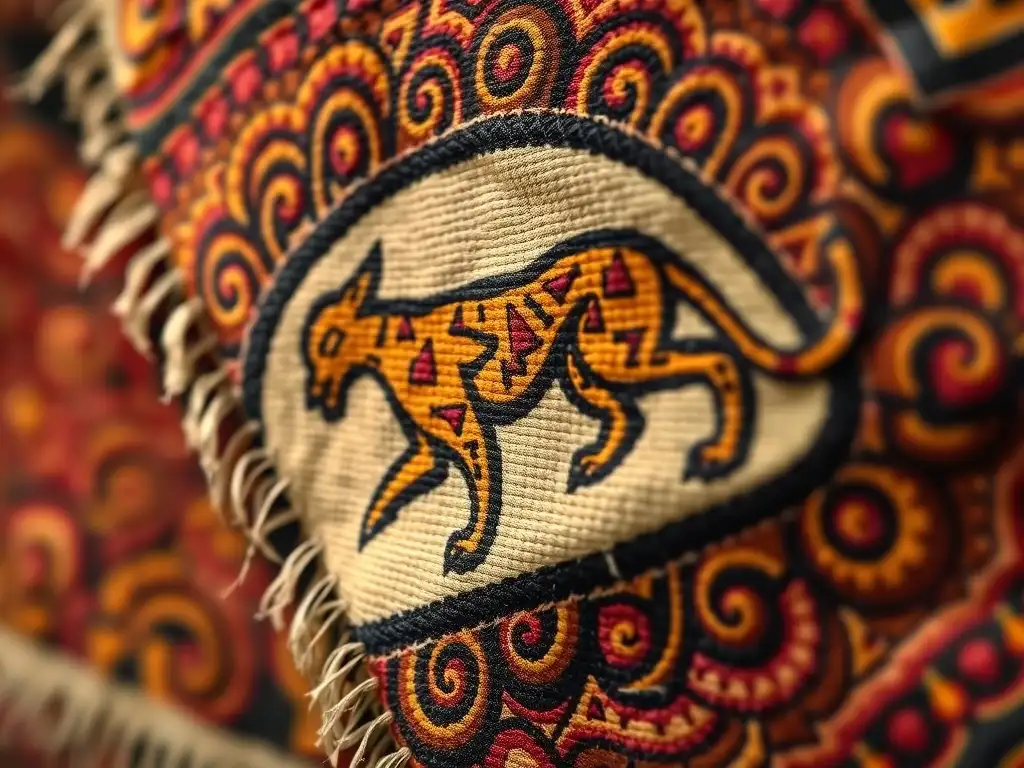
Recurring motifs in Paracas textiles offer crucial insights into their worldview and beliefs. Feline figures, often depicted in a stylized manner, are frequently found, suggesting the importance of these animals in their culture. Snakes, too, appear regularly, possibly representing deities or symbols of fertility and power.
However, the most striking motifs are the depictions of supernatural beings, often grotesque and otherworldly in appearance. These figures, with their exaggerated features and complex iconography, likely represent deities or spirits, reflecting their complex religious beliefs and cosmology. The combination of these motifs, often intricately interwoven within a single piece, creates a visually stunning and symbolically rich narrative.
Detailed studies of these motifs, comparing them across various textile pieces, help to understand the evolution of Paracas iconography and the underlying beliefs they represented. The careful observation of these recurring elements provides a key to unlocking a deeper understanding of Paracas mythology and spirituality. Further research is needed to fully decipher the meaning and significance of all the motifs encountered in Paracas textiles.
Paracas Pottery: Forms and Symbolism
Paracas pottery stands out for its unique forms and intricate symbolism, reflecting the worldview and beliefs of this pre-Inca civilization. Unlike the simpler pottery of some contemporary cultures, Paracas ceramics display a remarkable sophistication in both design and execution. The artisans demonstrated a mastery of various techniques, creating pieces that were not merely functional but also served as powerful vehicles for expressing spiritual and social ideas.
The shapes, colors, and decorative elements all contribute to a complex narrative, offering invaluable insights into Paracas society. Analyzing their pottery allows us to understand their social hierarchy, religious practices, and daily life with unprecedented detail. The careful study of Paracas pottery reveals a civilization deeply connected to its environment and its spiritual world.
Further research into specific motifs and their recurrence across different pottery pieces could provide even more detailed understanding. We can observe a clear evolution in styles throughout different Paracas periods, demonstrating adaptation and innovation within the society.
Decorative Elements and Techniques in Paracas Ceramics
The decorative elements on Paracas ceramics are incredibly diverse and meticulously executed. Common motifs include stylized animals, such as birds, felines, and marine creatures, often depicted in dynamic poses. Geometric patterns, intricate lines, and symbolic representations of plants and deities also frequently appear.
The techniques employed are equally impressive. The artisans expertly utilized slip painting, a process where a liquid clay mixture is applied to the surface, allowing for vibrant colors and fine details. Incising, the process of carving designs into the clay surface, was also widely used, particularly for creating geometric patterns and fine lines.
Some pieces showcase a combination of these techniques, layering colors and incised lines to create complex and visually striking designs. The level of skill and precision evident in these pieces demonstrates the high social value placed on pottery production within the Paracas culture. Analysis of the tools and techniques used in Paracas pottery production is a continuing area of study, revealing sophisticated knowledge of materials and processes.
Paracas Pottery Shapes and their Ritualistic Significance
The shapes of Paracas pottery are far from arbitrary; they often reflect ritualistic significance and social status. While some vessels were clearly functional, serving as containers for food or liquids, others were clearly designed for ceremonial purposes. For example, large, elaborately decorated jars likely held offerings for religious rituals, while smaller, intricately sculpted vessels may have been used in funerary practices. The presence of specific shapes in elite tombs suggests their use as markers of social standing.
The shapes themselves, such as stirrup-spout vessels, unique to the Paracas culture, were likely imbued with symbolic meaning, perhaps representing specific deities or cosmological concepts. Further investigation into the context of discovery for these vessels is crucial to fully understanding their function and significance. This contextual analysis, combined with stylistic analysis, is essential for a complete interpretation of the meaning and purpose of Paracas pottery shapes.
The Use of Color in Paracas Art: A Symbolic Language
Color in Paracas art is not merely decorative; it forms a complex symbolic language reflecting the culture's worldview and beliefs. The vibrant hues and sophisticated dyeing techniques employed in both textiles and ceramics suggest a deep understanding of color symbolism, which is still being deciphered by researchers today. The choice of color combinations likely held specific meanings, potentially relating to religious beliefs, social status, or seasonal cycles.
The study of color usage across different types of Paracas artifacts provides further clues to understanding their symbolic system. By comparing the color palettes used in pottery, textiles, and other artifacts, researchers can begin to identify recurring patterns and establish potential correlations between color and meaning. Further research is needed to fully unpack the intricate color symbolism employed by the Paracas artisans.
Color Palette and its Meanings in Paracas Textiles and Ceramics
The Paracas color palette is remarkably diverse, featuring a wide range of vibrant hues, including reds, oranges, yellows, greens, blues, and purples. These colors were achieved through the use of natural dyes derived from plants, minerals, and insects. Red, for example, a dominant color in many Paracas textiles, might have represented blood, life force, or a connection to the underworld. Similarly, blue, often associated with water and the sky, may have held spiritual significance, representing deities or cosmological concepts.
The specific meanings of each color and their combinations are still under investigation, but the evidence suggests a highly developed system of visual communication. Careful analysis of textile fragments and ceramic pieces, paying close attention to the context of discovery, is crucial to understanding the symbolic value of specific colors and color combinations. Further research focusing on the specific sources and properties of the dyes used would provide valuable insights.
The Importance of Dyeing Techniques in Paracas Art
The dyeing techniques employed by Paracas artisans were sophisticated and highly effective, resulting in richly colored textiles and ceramics that have survived for centuries. Evidence suggests they used various methods, including resist dyeing, where certain areas of the fabric are prevented from absorbing dye, creating intricate patterns. The use of natural dyes, extracted from plants, minerals, and insects, required a deep understanding of botanical and chemical processes, demonstrating advanced technological capabilities.
Maintaining the vibrancy and longevity of the dyes required considerable skill and knowledge, highlighting the high level of expertise within the Paracas dyeing community. The discovery of new textile fragments and ceramic pieces continues to expand our understanding of the techniques and materials used, enriching our knowledge of Paracas technology and artistry. Research into the specific chemical composition of the dyes used could provide further evidence of their sophisticated knowledge of natural materials.
Paracas Art and its Connection to their Worldview
The Paracas culture, flourishing on the southern coast of Peru between 700 BCE and 200 CE, left behind a remarkable artistic legacy that offers invaluable insights into their worldview. Their textiles, pottery, and other artifacts reveal a complex society with deeply rooted religious beliefs, sophisticated shamanic practices, and a clearly defined social hierarchy. Understanding the stylistic characteristics of Paracas art is key to unlocking the secrets of their beliefs and social structures. Analyzing the "Paracas art style characteristics" reveals a society deeply connected to the supernatural and organized around a complex social order.
Religious Beliefs and their Manifestation in Paracas Art
Paracas religion was likely polytheistic, with deities associated with the sea, fertility, and the afterlife playing prominent roles. This is vividly portrayed in their art. The intricate textiles, often featuring anthropomorphic figures with exaggerated features and vibrant colors, likely represent deities or supernatural beings.
For example, the recurring motif of feline figures, often depicted with powerful, stylized features, might symbolize a powerful deity associated with hunting, power, or the underworld. The use of specific colors also holds symbolic meaning; the prevalence of reds and yellows could represent the sun and life-giving forces, while blues and greens might symbolize the ocean and its bounty. Detailed studies of these textiles reveal elaborate narratives woven into the fabric, hinting at complex mythological stories and rituals.
The sheer scale of some of these textiles, demanding immense time and effort to create, speaks to the significance of religious practice within Paracas society. The meticulous detail and symbolic imagery present in even the smallest artifacts underscores the deep religious devotion of the Paracas people. Further research into the specific iconography and recurring motifs could provide a more comprehensive understanding of their pantheon and religious beliefs.
Shamanic Practices and their Representation in Paracas Imagery
Evidence suggests a significant role for shamanic practices within Paracas society. Many textile designs depict figures in trance-like states, possibly representing shamans in ritualistic ceremonies. These figures often have elongated limbs, distorted features, and are surrounded by symbolic imagery associated with altered states of consciousness.
The use of hallucinogenic plants, such as San Pedro cactus, is well-documented in other Andean cultures of the time, and it is plausible that similar practices were employed by Paracas shamans. The intricate designs might depict the shaman's journey to the spirit world, their interaction with supernatural entities, or the effects of hallucinogens. The intricate weaving techniques themselves might even be seen as a form of ritual, a meticulous process mirroring the shaman's careful manipulation of spiritual energies.
The presence of certain motifs, such as birds and snakes, could be interpreted as symbolic representations of shamanic power and their connection to the spirit world. Further research, specifically focusing on the iconography related to altered states and shamanic practices in other Andean cultures, could provide valuable comparative data.
The variation in the quality and complexity of Paracas artifacts suggests a stratified social structure. Elaborately decorated textiles and finely crafted pottery were likely reserved for the elite members of society, indicating their high social standing. The use of specific materials, such as fine vicuña wool and precious metals, further emphasizes this social distinction.
Simpler textiles and pottery were likely produced for the common population. This social hierarchy is also reflected in burial practices, with elaborate tombs containing rich grave goods found alongside simpler burials. The level of craftsmanship and the materials used in the artifacts can be used to infer the social status of the individual who owned them.
By studying the distribution of these artifacts, we can gain a better understanding of the social organization and power dynamics within Paracas society. More detailed archaeological analysis, focusing on the relationship between burial sites and the quality of artifacts found within them, would significantly enhance our understanding of the social structure and inequality within the Paracas culture. The study of “Paracas art style characteristics” allows us to interpret not only their worldview but also their societal organization.
Paracas Art: Legacy and Influence
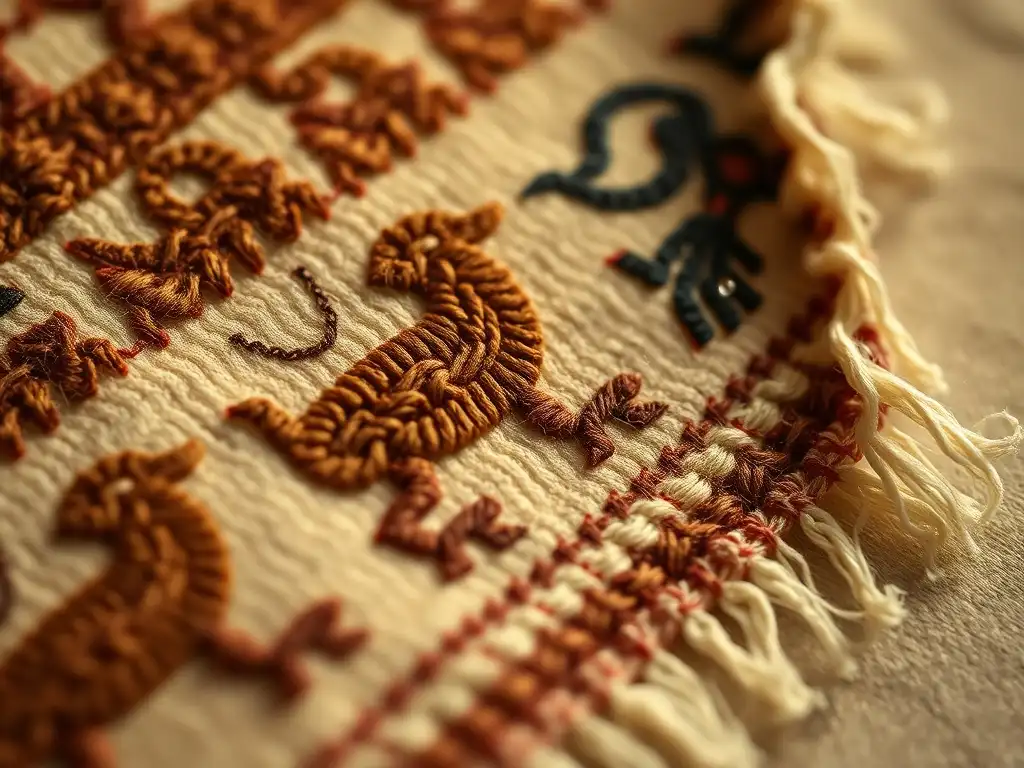
The Paracas culture, flourishing on the southern coast of Peru from roughly 800 BCE to 200 CE, left behind a stunning artistic legacy. Their distinctive style, characterized by vibrant colors, intricate textile work, and unique iconography, profoundly impacted subsequent Andean cultures, notably the Nazca and Inca civilizations. Understanding the influence of Paracas art is key to appreciating the broader development of Andean artistic traditions.
The vibrant color palettes, complex weaving techniques, and symbolic representations found in Paracas textiles served as a foundation upon which later artists built. This influence wasn't merely stylistic; it also involved the adoption of specific artistic techniques and the perpetuation of certain iconographic motifs. For example, the intricate use of multiple colors and the representation of stylized animals and mythical creatures are readily apparent in both Paracas and Nazca textiles.
The Influence of Paracas Art on Later Andean Cultures
The impact of Paracas art on later Andean cultures is undeniable. Their mastery of textile production, particularly the use of complex weaving techniques like tapestry and gauze, was adopted and refined by subsequent groups. The Nazca, known for their massive geoglyphs, also demonstrated a sophisticated understanding of textile art, exhibiting clear stylistic connections to the Paracas tradition.
The intricate designs, the use of vibrant hues, and the representation of mythological creatures all suggest a direct lineage. Furthermore, certain iconographic elements, such as anthropomorphic figures and stylized animals, continued to appear in the art of later cultures, albeit with modifications reflecting the unique artistic sensibilities of each group. The Inca, for instance, while possessing their own distinct style, incorporated elements of Paracas textile techniques and iconography into their royal garments and ceremonial textiles.
This continuity underscores the enduring power and influence of Paracas artistic innovations. It showcases how a relatively early coastal culture exerted a significant and lasting impact on the broader trajectory of Andean art. The continuity in motifs and techniques across centuries indicates a rich cultural exchange and artistic inheritance.
Paracas Artistic Techniques and their Enduring Impact
Paracas artists were masters of several techniques that continue to fascinate and inspire scholars and artists today. Their most renowned achievement lies in their textile production. They employed a range of techniques, including tapestry weaving, gauze weaving, and embroidery, to create incredibly detailed and richly colored textiles.
The use of multiple colors within a single piece, often numbering in the dozens, demonstrates a remarkable level of skill and planning. They also employed a unique method of dyeing using natural pigments derived from plants and minerals, resulting in a vibrant and long-lasting color palette. Moreover, the precision and complexity of their designs, which often incorporate intricate geometric patterns and representations of mythological beings, are truly astonishing.
The enduring impact of these techniques is evident in the continued study and appreciation of Paracas textiles by textile conservators, art historians, and anthropologists. The intricate designs and color combinations have inspired modern artists and designers, demonstrating the timeless appeal of Paracas artistic innovation. The legacy of their skills continues to influence contemporary textile arts.
| Technique | Description | Impact |
|---|---|---|
| Tapestry Weaving | Weaving different colored threads together to create intricate designs. | Influenced later Andean cultures, inspiring complex textile designs for centuries. |
| Gauze Weaving | Creating a lightweight, open-weave fabric. | Led to innovative textile forms and textures used in clothing and ceremonial items. |
| Embroidery | Adding decorative stitching to fabric. | Enhanced the detail and sophistication of Paracas textile designs. |
| Natural Dyes | Utilizing pigments from plants and minerals for vibrant colors. | Created a long-lasting and unique color palette still admired today. |
Studying Paracas Art: Methods and Interpretations
Studying Paracas art requires a multidisciplinary approach, combining art historical analysis with anthropological and archaeological investigations. The sheer volume and diversity of surviving artifacts, primarily textiles but also pottery and metalwork, provide a rich source of information. Scholars utilize various methods to analyze Paracas art, including stylistic analysis to identify patterns and trends, technological analysis to understand the production techniques, and iconographic analysis to interpret the meaning and symbolism of the images. Interpretations of Paracas art often focus on the social and religious beliefs of the culture.
For instance, the frequent depiction of anthropomorphic beings and mythical creatures suggests a complex cosmology and perhaps a shamanistic worldview. The use of specific colors and patterns may also hold symbolic significance, although precise interpretations remain a subject of ongoing debate among researchers. Further research, including advanced scientific analysis of pigments and fibers, and broader cross-cultural comparisons, is needed to fully understand the nuances of Paracas artistic expression.
This ongoing investigation enhances our understanding of not only Paracas art itself, but also of the broader Andean cultural landscape. The detailed study of Paracas art provides valuable insights into the worldview and cultural practices of this fascinating civilization. The vibrant legacy of Paracas art continues to inspire awe and wonder and fuels ongoing research into the rich tapestry of Andean history and culture.
Conclusion: Appreciating the Richness of Paracas Art
This exploration of Paracas art style characteristics reveals a civilization deeply connected to its environment and profoundly expressive in its artistic endeavors. The intricate textiles, the striking pottery, and the unique funerary practices all contribute to a vibrant tapestry depicting the Paracas worldview. Their mastery of textile techniques, particularly their use of complex weaving and dyeing processes, remains unparalleled, showcasing exceptional skill and artistic vision.
The iconic Paracas style, with its distinct features, continues to fascinate and inspire, offering invaluable insights into the beliefs, rituals, and daily life of this remarkable pre-Inca culture. Understanding the nuances of Paracas art allows us to appreciate not only their aesthetic achievements but also their profound spiritual and social structures.
The legacy of Paracas art continues to resonate, influencing subsequent Andean artistic traditions and enriching our understanding of the region's rich cultural heritage. The careful study of their art provides a window into the past, allowing us to connect with a civilization that, despite its antiquity, remains remarkably relevant and engaging.
The Enduring Value of Paracas Artistic Expression
The enduring appeal of Paracas art lies not only in its aesthetic beauty but also in its historical and anthropological significance. These artifacts serve as primary sources for understanding the social organization, religious beliefs, and daily life of the Paracas people. The elaborate textiles, often adorned with intricate figures and symbolic motifs, offer glimpses into their cosmology, mythology, and social hierarchies. The vibrant colors and detailed imagery suggest a society rich in symbolism and deeply connected to its natural surroundings.
The meticulous craftsmanship evident in their work highlights the high value placed on artistic expression within their culture. Moreover, the preservation of these artifacts through the arid coastal climate has allowed us to access a remarkably well-preserved collection, providing unparalleled opportunities for research and analysis. The study of Paracas art continues to yield new insights, enriching our understanding of this complex and fascinating civilization. The meticulous detail in their work, combined with the vibrant colors and unique styles, makes them highly sought after by collectors and museums alike, further emphasizing the enduring value and artistic merit of Paracas artistic expression.
Their legacy continues to inspire contemporary artists and researchers, showcasing the timeless quality of their creative genius. The detailed depictions of flora, fauna, and human figures provide a wealth of information on their environment and society. Furthermore, the ongoing research and analysis of Paracas art continue to unveil new discoveries and deepen our appreciation of their cultural achievements.
Further Exploration of the Paracas Culture
Further research into Paracas culture can delve into several fascinating aspects beyond their art. The intricate details of their burial practices, including the mummification techniques and the elaborate grave goods, offer valuable insights into their belief systems and funerary rituals. Analysis of their agricultural practices and their relationship with the coastal environment provides a deeper understanding of their adaptation to the challenging conditions of the desert coast.
Studying their social structure, political organization, and interaction with neighboring cultures would further illuminate their place within the broader Andean context. Investigating the evolution of their art style over time, tracing stylistic changes and identifying potential influences from other cultures, provides a more nuanced understanding of their artistic development. Additionally, examining the technological advancements that allowed them to create such intricate textiles and pottery can shed light on their innovative approaches to material culture.
The Paracas culture offers a rich tapestry of possibilities for further exploration, promising to reveal even more about this fascinating and influential pre-Inca civilization. Exploring their language, if any decipherable remnants remain, could offer invaluable clues to their worldview and social structures. The potential for new discoveries and insights into the Paracas culture remains vast, promising years of fruitful research and exploration.
Frequently Asked Questions
What are the key characteristics of Paracas art?
Paracas art is renowned for its vibrant colors, complex textile designs, and elaborate embroidery. It often features anthropomorphic and zoomorphic figures, reflecting their worldview and beliefs.
How did the Paracas people create such intricate textiles?
They employed advanced techniques like gauze weaving, tapestry, and embroidery, using a variety of natural dyes derived from plants and minerals to achieve their stunning colors. Their mastery of these techniques is unparalleled.
What are some common motifs found in Paracas art?
Common motifs include mythical creatures, deities, plants, and geometric patterns. These motifs often relate to their religious beliefs and daily life.
How does Paracas art differ from that of other Andean cultures?
While sharing some similarities with other Andean cultures, Paracas art is distinguished by its exceptional textile quality, its unique style of embroidery, and the complexity of its iconography.
Where can I see examples of Paracas art today?
Many examples of Paracas art are housed in museums in Peru, such as the Larco Museum in Lima and the Museo Nacional de Arqueología, Antropología e Historia del Perú in Lima. You can also find some pieces in international collections.
Final Reflection: Echoes of the Paracas: A Legacy Woven in Thread and Time
The vibrant artistry of the Paracas culture continues to resonate today, a powerful testament to the enduring human capacity for creativity and spiritual expression. Their intricate textiles, imbued with symbolic meaning and technical mastery, offer a window into a sophisticated society that thrived centuries ago. The unique characteristics of their art style – the bold colors, the intricate iconography, the masterful weaving techniques – remain a source of fascination and inspiration for artists and scholars alike.
The Paracas' legacy extends far beyond the museum walls; their artistic vision continues to shape our understanding of ancient Andean civilizations and the profound connection between art and spirituality. Their commitment to meticulous detail and symbolic representation speaks to a deep-seated belief system, a worldview that valued both the earthly and the supernatural. Art washes away from the soul the dust of everyday life.
– Pablo Picasso. This quote, while not directly referencing the Paracas, perfectly encapsulates the timeless power of their art to transcend the boundaries of time and culture, offering a glimpse into the human spirit's enduring quest for meaning.
Consider the intricate details, the vibrant colors, the sheer skill involved in creating these masterpieces. Now, imagine the hands that wove them, the minds that conceived them, the stories they silently tell. You, too, possess the power to create, to express, to leave your own mark on the world.
Let the legacy of the Paracas inspire you to explore your own creativity, to find your own voice, and to share your unique perspective with the world. Let their art be a reminder of the enduring power of human expression and the importance of preserving and celebrating cultural heritage for generations to come.
Unveil the Beauty of Paracas Art!
Thank you for exploring the rich tapestry of Paracas art. By examining their unique visual expressions, you've gained insights into a civilization that masterfully integrated their worldview into breathtaking artwork. Now, deepen your connection with this fascinating culture!
- Dive deeper: Research a specific Paracas artifact or technique that captivated you and share your discovery with friends or on social media. For example, you might explore the intricate textiles or the symbolic meaning behind their iconic imagery.
- Create your own piece: Inspired by the vibrant colors and complex designs? Try creating your own Paracas-inspired artwork. Experiment with textiles, embroidery, or painting to express your interpretation of this ancient culture.
- Join the conversation: Connect with fellow enthusiasts in online forums or local art communities to share ideas and insights about Paracas and other ancient cultures.
What aspect of Paracas art most inspires you to learn more?