
Chavín Social Organization: Understanding Their Community Structure

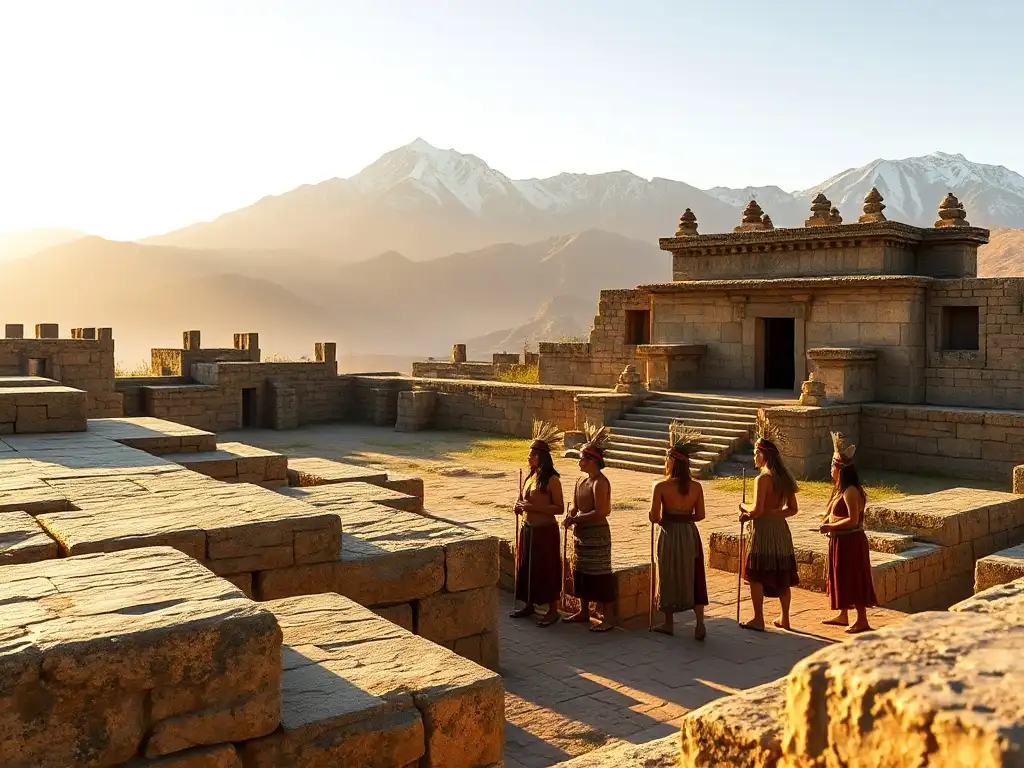
Step into a world lost to time, yet echoing with the whispers of a sophisticated society. Imagine a civilization whose intricate social structure shaped the Andes long before the Incas. The Chavín civilization remains shrouded in mystery, but within these pages, we unravel the complexities of their community organization. Prepare to be captivated by the intriguing social dynamics of the Chavín – a journey into a fascinating pre-Incan culture awaits. Discover the secrets of their Chavín civilization social structure and delve deeper into the heart of their remarkable achievements.
- Unraveling the Chavín Civilization Social Structure: An In-Depth Look
- The Foundations of Chavín Society: Setting the Stage
- Key Components of the Chavín Social Structure
- Understanding Chavín Social Hierarchies
- The Impact of Chavín Social Organization on Their Culture
- The Legacy of Chavín Social Structure: A Pre-Incan Model
- Conclusion: The Significance of Chavín's Social Framework
-
Frequently Asked Questions
- What was the Chavín civilization's social structure like?
- How did the Chavín organize their society without a centralized state?
- What role did religion play in Chavín social organization?
- What evidence supports the idea of a hierarchical Chavín society?
- How did the Chavín civilization's social structure compare to other Andean societies?
- Final Reflection: The Enduring Legacy of Chavín Social Organization
- Discover and Engage with Chavín Communities!
The Chavín civilization, flourishing in the Andes Mountains of Peru from approximately 1200 to 200 BCE, remains a captivating enigma for archaeologists and historians. Their influence spread widely across the northern Andes, leaving behind a legacy of monumental architecture, intricate artistry, and a complex social organization that continues to fascinate researchers. This article delves into the intricacies of the Chavín social structure, exploring the evidence gleaned from archaeological digs and analyzing the implications for understanding their societal hierarchy and daily life.
We will examine the various theories surrounding their social organization, considering the roles of religious specialists, artisans, farmers, and other potential social strata within this influential pre-Inca culture. Understanding the Chavín social structure provides crucial insight into the development of Andean societies and the foundations upon which later, more complex civilizations were built. The keyword "Chavín civilization social structure" will be explored thoroughly throughout this analysis.
Evidence from Chavín de Huántar: The Central Hub
The main archaeological site of Chavín de Huántar, located in the Callejón de Huaylas, offers critical clues about Chavín social organization. The monumental architecture itself—the massive plazas, temples, and intricate underground passages—suggests a highly stratified society capable of mobilizing significant labor resources. The scale of construction implies a centralized authority capable of organizing and directing large-scale projects.
The presence of specialized workshops within the complex indicates a division of labor, with artisans dedicated to producing intricate carvings, ceramics, and textiles. Analysis of the remains found within the site, including burial practices and the distribution of artifacts, further illuminates the social hierarchy. For example, the presence of elaborate burials containing prestigious artifacts in certain areas suggests an elite class with significant power and influence.
The Role of Religious Specialists in Chavín Society
The Chavín culture is renowned for its unique religious iconography, featuring jaguar-like deities and other supernatural beings depicted in intricate carvings and textiles. The presence of numerous temples and ceremonial structures at Chavín de Huántar and other sites strongly suggests the importance of religious specialists within their society. These individuals likely held considerable power and influence, acting as intermediaries between the human and spiritual worlds.
Their role in performing rituals, interpreting omens, and mediating social conflicts likely placed them at the top of the social hierarchy, influencing political decisions and economic activities. The elaborate nature of the religious artifacts found suggests a significant investment in religious practices, reflecting their central role in Chavín society. Further research is needed to fully understand the specific social roles and power dynamics within the religious hierarchy.
The Chavín civilization relied heavily on agriculture, cultivating crops such as maize, potatoes, and beans. The development of sophisticated irrigation systems and agricultural techniques suggests a complex understanding of environmental management and resource allocation. This successful agricultural system likely supported a growing population and contributed to the development of social stratification.
Those controlling access to resources and land, such as elite landowners or religious leaders, would have held significant power. This control over resources likely shaped the social hierarchy, creating a distinction between those who controlled production and those who worked the land. Further research into agricultural practices and land ownership could provide valuable insight into the social dynamics within Chavín communities.
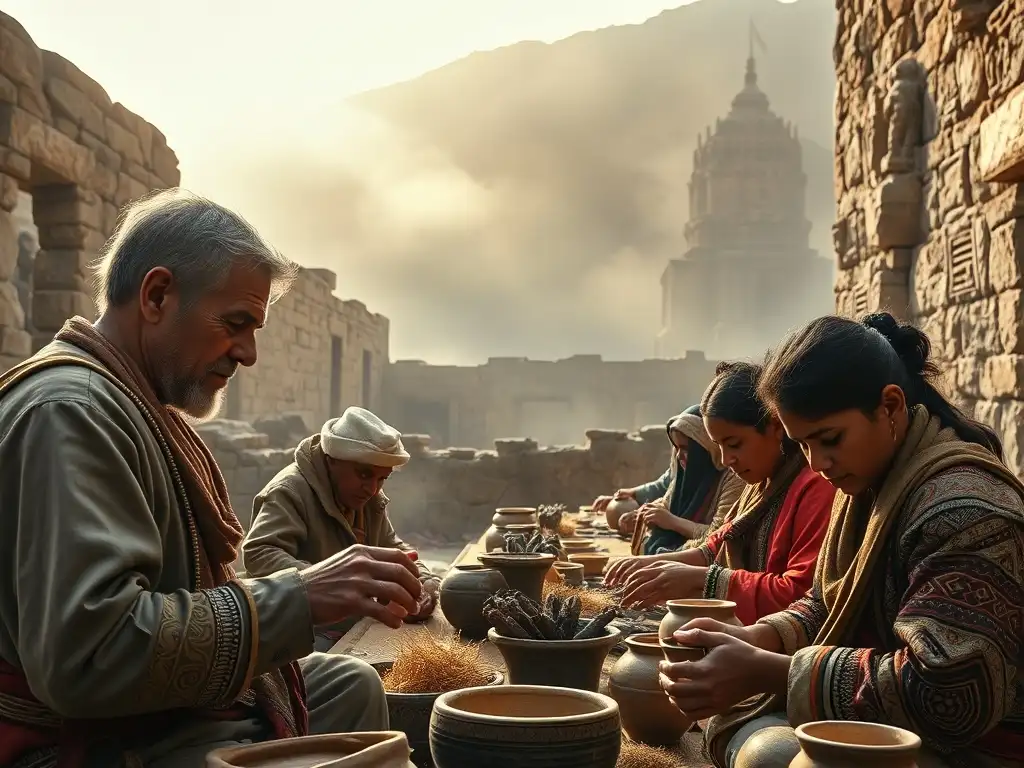
The exquisite craftsmanship evident in Chavín art and artifacts points to a high level of artisan specialization. The production of intricate carvings, textiles, and ceramics required specialized skills and training, suggesting the existence of skilled artisans holding a specific social standing. These artisans may have been organized into workshops or guilds, working under the patronage of religious leaders or elites.
The quality and complexity of their work suggest that they held a respected position within society, though the exact nature of their social standing requires further investigation. The distribution of artifacts and the presence of workshops within the Chavín de Huántar complex offer valuable insights into the role of artisans in the broader social structure.
Interpreting the Evidence: Ongoing Research and Debates
The study of Chavín social organization is an ongoing process, with new discoveries and interpretations constantly emerging. While the evidence suggests a hierarchical society with distinct social strata, the precise nature of these divisions and the dynamics between them remain subjects of debate among scholars. Further research, including more detailed analysis of burial practices, artifact distribution, and settlement patterns, is essential to refine our understanding of Chavín social structure.
The application of new technologies and methodologies promises to provide further insights into the complexities of this fascinating ancient civilization. The ongoing investigation of the "Chavín civilization social structure" continues to unravel the secrets of this influential Andean culture.
The Foundations of Chavín Society: Setting the Stage
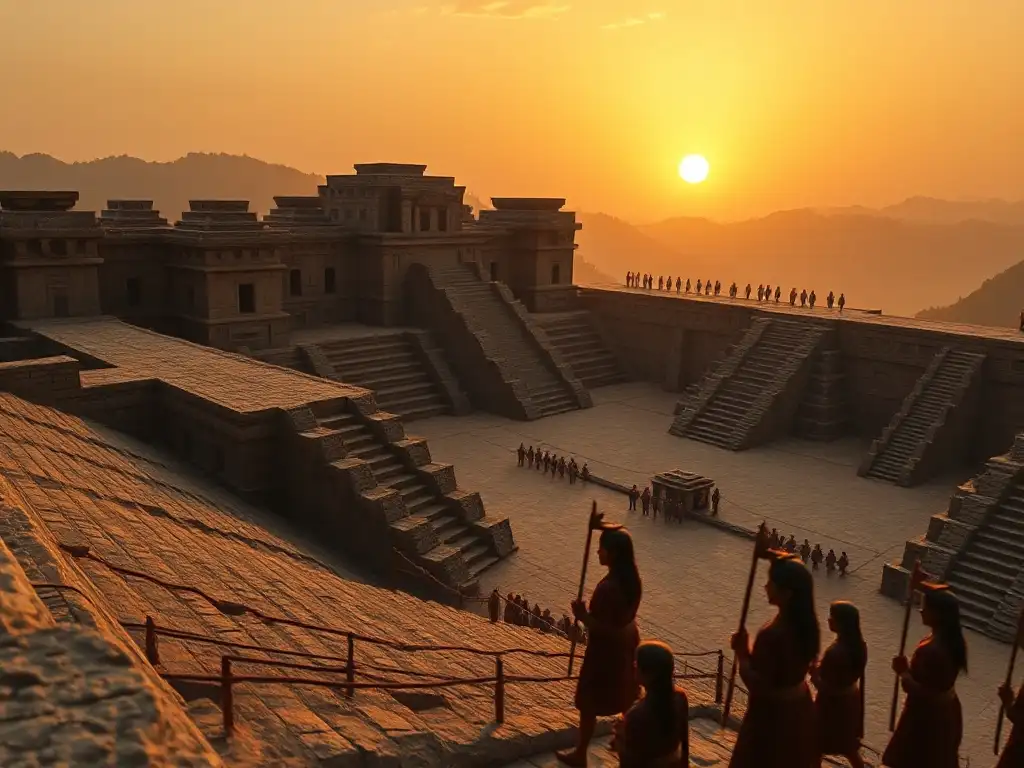
This section delves into the fundamental aspects of Chavín civilization social structure, exploring the factors that contributed to the development of their unique societal organization. Understanding the Chavín social structure requires examining their environment and the early stages of their societal complexity. The keyword "Chavín civilization social structure" will be woven throughout this analysis, highlighting the key elements of their community organization.
Geographical Context: Andean Highlands and its Impact
The rugged terrain of the Andean highlands significantly shaped the Chavín social structure. Located in a geographically challenging area, the Chavín people had to develop sophisticated strategies for resource management and community organization to survive. The high altitude, steep slopes, and varied microclimates necessitated a hierarchical system to coordinate agricultural practices, water distribution, and the construction of monumental architecture.
This geographical context fostered a need for centralized leadership and specialized labor, laying the groundwork for a complex social hierarchy. Evidence suggests that control over vital resources like water and fertile land likely played a crucial role in establishing social status and power within the Chavín civilization. The intricate network of irrigation canals discovered at Chavín de Huantar, for example, points to a highly organized system of water management requiring significant coordination and labor allocation, likely overseen by a powerful elite.
This control over essential resources cemented the elite's position within the Chavín social structure. The distribution of agricultural surplus, likely controlled by those in power, further reinforced the hierarchical nature of their society.
The emergence of Chavín de Huantar as a major ceremonial center is inextricably linked to the development of Chavín civilization social structure. This monumental site, with its impressive architecture and sophisticated artistic expression, suggests a high degree of social organization and centralized power. The construction of such a large-scale complex required the mobilization of significant human resources and the coordination of specialized labor. Archaeological evidence reveals the existence of distinct social strata within Chavín society, with some individuals enjoying higher status and access to resources than others.
This is evident in the elaborate burials found at Chavín de Huantar, which contain prestigious artifacts and evidence of ritual practices. The presence of specialized craftspeople, evidenced by the creation of intricate textiles, ceramics, and stone carvings, also suggests a division of labor and a complex social hierarchy where certain individuals held specialized skills and social standing. The intricate iconography found throughout Chavín art, often depicting supernatural beings and complex religious symbolism, likely played a key role in reinforcing the power and authority of the elite, who controlled and interpreted these religious narratives, further solidifying the Chavín civilization social structure.
Further research is needed to fully understand the nuances of their social stratification, particularly regarding the roles and responsibilities of different social groups within the Chavín civilization. The extent of social mobility within the Chavín social structure also remains an area of ongoing investigation. However, preliminary evidence strongly suggests a hierarchical system with limited social fluidity.
The Chavín civilization, flourishing in the Andes from approximately 1200 to 200 BCE, developed a complex social structure that reflected their sophisticated religious beliefs and advanced technological capabilities. Understanding the Chavín civilization social structure reveals a hierarchical society with clear distinctions in power, roles, and prestige. While direct evidence, such as written records, is scarce, archaeological findings—including monumental architecture, intricate artifacts, and burial patterns—provide valuable insights into the organization of their communities.
The analysis of these findings suggests a society stratified into distinct social groups, each playing a vital role in maintaining the intricate social fabric of the Chavín civilization. This social stratification, although not fully understood, appears to have been based on a combination of religious authority, economic control, and specialized skills. The intricate interplay of these factors shaped the daily lives and societal roles of the Chavín people.
The apex of the Chavín social pyramid was occupied by a powerful elite class. Evidence suggests that this group controlled access to resources, including land and the labor force, and held significant political and religious authority. Their elevated status is reflected in their lavish burials, often containing fine textiles, gold ornaments, and other prestigious artifacts.
These burials are typically located in prominent areas within Chavín sites, further emphasizing their social standing. Archaeological excavations at sites like Chavín de Huántar have unearthed impressive structures, such as the Lanzón temple, believed to have been reserved for elite use and ceremonial practices. The construction of these monumental buildings required the mobilization of substantial human resources, underscoring the elite's ability to command labor and organize large-scale projects.
Furthermore, the elite likely played a crucial role in managing trade networks, controlling the distribution of valuable goods, and maintaining social order within the Chavín civilization. The precise mechanisms of their control, however, remain a subject of ongoing research and debate among scholars of the Chavín culture. Further investigation into the composition of the elite class—whether it was inherited through lineage or achieved through merit—is also needed to complete our understanding of their societal influence.
Religious Leaders: Priests and Shamans
A significant component of the Chavín social structure was the powerful influence of religious leaders—priests and shamans. The Chavín religion, characterized by its emphasis on powerful deities and complex rituals, played a central role in shaping social life. Priests and shamans, as intermediaries between the human and spiritual worlds, likely held considerable authority and social prestige.
Their influence is evident in the elaborate iconography found on Chavín artifacts, which depict stylized figures and deities associated with religious practices. The design and construction of the monumental temples, such as the Castillo at Chavín de Huántar, also suggest the central role of religious leaders in shaping the physical environment and guiding religious ceremonies. The production of ritual objects, such as intricately carved stone sculptures and ceremonial vessels, was likely overseen by these religious specialists, further indicating their influence on the broader society.
The extent of their power and the degree to which their authority intersected with political control remains a subject of ongoing scholarly investigation. More detailed analysis of the archaeological remains, including the identification of specific burial sites potentially belonging to religious leaders, would offer further insights into their role in the Chavín social structure.
Artisan Specialization: Craftsmanship and Status
The Chavín civilization also featured a degree of artisan specialization, indicating a level of social stratification based on specialized skills and craftsmanship. The creation of highly sophisticated artifacts—including intricately carved stone sculptures, finely woven textiles, and meticulously crafted ceramics—requires specialized knowledge and training. The remarkable artistry displayed in these objects suggests the existence of skilled artisans who dedicated their lives to mastering their crafts.
These artisans likely occupied a relatively high social status within the Chavín community, given the value and prestige associated with their creations. The organization of artisan production, whether through workshops or independent practitioners, remains unclear. However, the consistency and quality of Chavín artifacts suggest a degree of standardization and possibly centralized control over certain aspects of production.
The presence of specialized tools and workshops at Chavín sites would support this hypothesis. Future research focusing on the analysis of workshop remains and the identification of artisan burial sites could provide further clarity on the social organization of artisan communities within the Chavín civilization. The study of Chavín art and technology is crucial to understand the social structure and the role of skilled artisans in this remarkable Andean civilization.
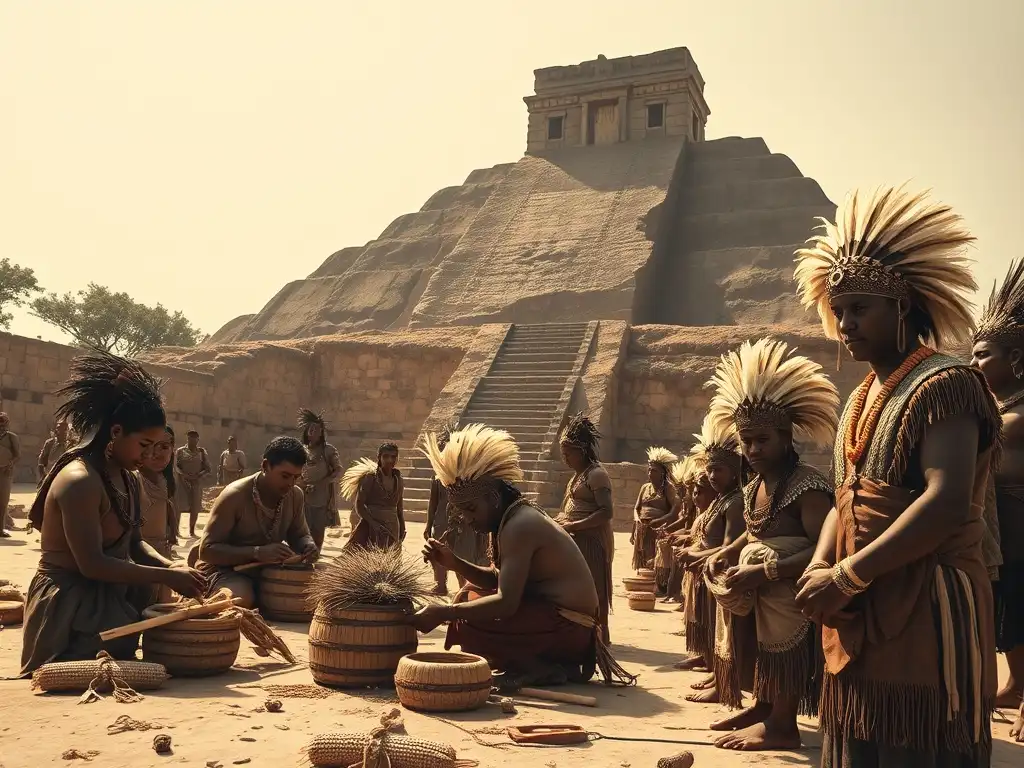
The Chavín civilization, flourishing in the Andean highlands from roughly 900 to 200 BCE, presents a complex puzzle for archaeologists seeking to understand its social organization. While a fully centralized state in the modern sense is debated, evidence strongly suggests a hierarchical social structure, with clear distinctions in power, prestige, and access to resources. Understanding this social stratification is crucial to grasping the Chavín's influence and the mechanisms by which they maintained control over a vast and geographically diverse territory.
The analysis of architectural remains, artifacts, and burial patterns allows us to reconstruct, albeit imperfectly, the intricacies of Chavín society. This section will delve into the key evidence supporting the existence of social hierarchies within the Chavín civilization, examining the interplay between the urban center and surrounding rural communities. The keyword "Chavín civilization social structure" is central to this exploration.
The monumental architecture of Chavín de Huantar, the civilization's principal center, provides compelling evidence of social stratification. The temple complex, with its intricate maze-like passages, imposing plazas, and elaborately carved stonework, was clearly not accessible to all members of society. The sheer scale of the construction project, requiring significant labor and organizational skills, points to a centralized authority capable of mobilizing and directing human resources. Furthermore, the presence of elite residential areas within the complex, distinct from the common populace's dwellings, further emphasizes the existence of a privileged class.
Analysis of artifacts unearthed at Chavín de Huantar reveals further distinctions. Finely crafted objects made of precious metals, such as gold and silver, along with intricately carved stone sculptures and ceramics, were likely reserved for the elite. These items, often depicting stylized figures of jaguars, snakes, and other powerful symbols, may represent the religious and political authority of the ruling class.
In contrast, simpler, utilitarian artifacts found in other areas suggest a significant difference in material culture and lifestyle between the elite and the common people. The distribution of these artifacts suggests a carefully controlled system of resource allocation, reflecting the hierarchical nature of Chavín society. The sheer craftsmanship and the use of rare materials point to specialized artisans, indicating a degree of occupational specialization and a sophisticated social organization.
Chavín de Huantar and Rural Communities: Core-Periphery Dynamics
The relationship between the urban center of Chavín de Huantar and the surrounding rural communities is crucial to understanding the Chavín civilization's social structure. While Chavín de Huantar served as a powerful religious and political center, the civilization's influence extended far beyond its immediate surroundings. Evidence suggests a core-periphery model, where Chavín de Huantar controlled the flow of resources and exerted its authority over a network of smaller settlements. This control likely manifested in various ways, including the extraction of tribute, the control of trade routes, and the dissemination of religious beliefs and practices.
The distribution of Chavín-style artifacts across a wide geographical area supports this model. While the most elaborate and sophisticated artifacts were found in Chavín de Huantar, similar, albeit simpler, objects have been discovered in distant settlements, suggesting a degree of cultural and economic integration. This exchange, however, was not necessarily egalitarian.
The presence of high-quality artifacts in the capital and their absence or simpler versions in rural areas suggests a system where resources flowed from the periphery to the core, enriching the elite at Chavín de Huantar. Further research is needed to fully understand the nature of this interaction and the mechanisms of control exerted by the central authority. The specifics of tribute systems and trade networks remain areas of active investigation.
Analysis of Burial Sites: Differential Access to Resources
The study of Chavín burial sites offers further insight into the social hierarchy. Archaeological excavations have revealed significant variations in burial practices, reflecting the unequal distribution of resources and social status. Elite burials often contained elaborate grave goods, including finely crafted ceramics, textiles, and precious metals, indicating a high social standing and access to luxury items. These burials frequently exhibit elaborate rituals and symbolic displays, reflecting the importance of the deceased within the Chavín social structure.
In contrast, commoner burials are typically much simpler, containing few or no grave goods. The absence of elaborate rituals and the lack of prestigious artifacts highlight the stark contrast in social status and access to resources between the elite and the common people. The variation in burial practices underscores the existence of a clearly defined social hierarchy, where access to resources and prestige was not evenly distributed across the population.
Further analysis of isotopic ratios in skeletal remains could provide additional information on diet and lifestyle differences between social groups, potentially confirming the existing evidence of social stratification. The study of Chavín burial sites continues to reveal valuable information about the complexities of their social organization and the inequalities that characterized their society.
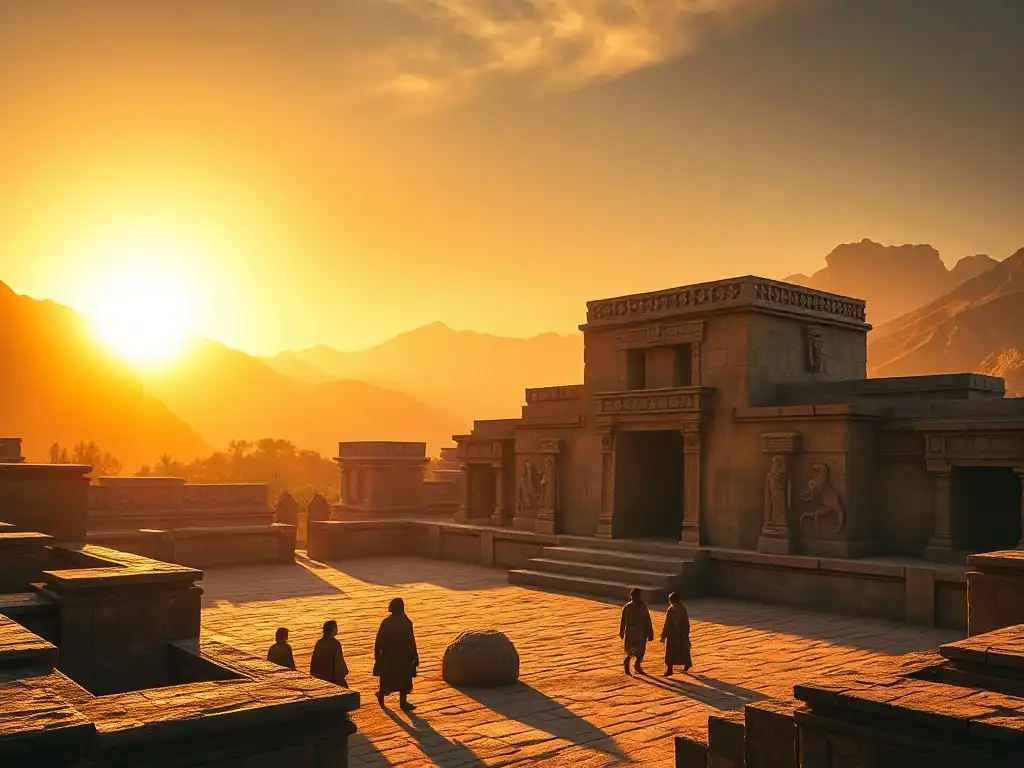
The Chavín civilization, flourishing in the Andes from approximately 900 to 200 BCE, left behind a remarkable legacy of monumental architecture, intricate religious practices, and sophisticated agricultural techniques. Understanding their social organization is key to deciphering the complexities of their culture and its lasting influence on subsequent Andean societies. The intricate interplay between social structure, religious beliefs, and agricultural practices formed the bedrock of Chavín society, shaping its development and ultimately, its decline. Analyzing the "Chavín civilization social structure" reveals a sophisticated system that facilitated both impressive achievements and internal tensions.
The imposing architecture of Chavín de Huántar, the civilization's central ceremonial center, reflects a highly stratified social structure. The massive stone structures, intricate carvings, and labyrinthine passages weren't built by a homogenous population. Evidence suggests a specialized workforce, implying a hierarchical system where skilled artisans, architects, and laborers were organized under the direction of a powerful elite. The sheer scale of the project—consider the precise cutting and fitting of massive stones—indicates a significant degree of social control and centralized planning. This wasn't a simple communal effort; it required a sophisticated system of resource management, labor allocation, and social hierarchy.
The layout of the site itself hints at social differentiation. Certain areas, such as the Lanzón chamber, were likely reserved for elite members of society, suggesting a clear distinction between the priestly class and the general population. The intricate carvings depicting jaguars, snakes, and other powerful symbols further reinforce the religious authority of the elite and their control over the resources and labor necessary for monumental construction.
Analysis of skeletal remains from Chavín de Huántar might reveal further insights into social stratification, although further research is needed on this specific area. The presence of elaborate burial practices could also indicate a social hierarchy. [Specific information regarding burial practices and skeletal analysis pending]
Religious ceremonies played a central role in Chavín society, reinforcing and legitimizing the social hierarchy. The Lanzón, a massive monolithic sculpture of a deity, dominated the ceremonial center. Its imposing presence served as a powerful symbol of religious authority, likely controlled by a priestly class that held significant power and influence. Ceremonies involving the Lanzón and other religious artifacts were probably performed by this elite, further solidifying their position within the social structure.
Evidence of Religious Influence
The pervasive presence of religious iconography throughout Chavín sites suggests a deeply ingrained religious belief system. Offerings found within the temples, including various artifacts and animal remains, show the importance of ritual sacrifice and appeasement of the deities. The complexity of the religious symbolism indicates a sophisticated understanding of the cosmos and the role of humans within it.
The religious practices may have also served as a mechanism for social control. By controlling access to religious rituals and interpreting divine messages, the elite could maintain their power and influence over the population. The use of hallucinogenic substances during ceremonies might have further enhanced the priests’ authority, allowing them to manipulate the beliefs and actions of their followers. [Further research is needed on the specific types of hallucinogens used and their societal impact.]
The Chavín civilization's success was also tied to its agricultural innovations. The development of sophisticated irrigation systems allowed for the cultivation of crops in challenging Andean environments. The construction and maintenance of these systems required a degree of social organization and cooperation, indicating a level of social cohesion and coordination. The management of water resources was likely overseen by a group of individuals or a specialized authority, highlighting the importance of centralized planning and resource allocation.
The increased agricultural productivity resulting from these innovations likely contributed to the growth and complexity of Chavín society. A surplus of food resources could have supported a larger population and a more specialized workforce, allowing for the development of monumental architecture and complex religious institutions. The distribution of agricultural goods might have also been controlled by the elite, reinforcing their economic and political power. Further investigation into the agricultural practices, including crop yields and distribution networks, is required to fully understand the impact on the Chavín social organization. [Data on specific crop yields and distribution methods pending.]
The efficient management of resources, including water and agricultural produce, was crucial for the success of the Chavín civilization. This successful management, in turn, contributed to the stability and complexity of their social structure. The intertwining of social organization, religious beliefs, and agricultural practices shaped the rise and fall of the Chavín, leaving a significant mark on the history of Andean civilizations.
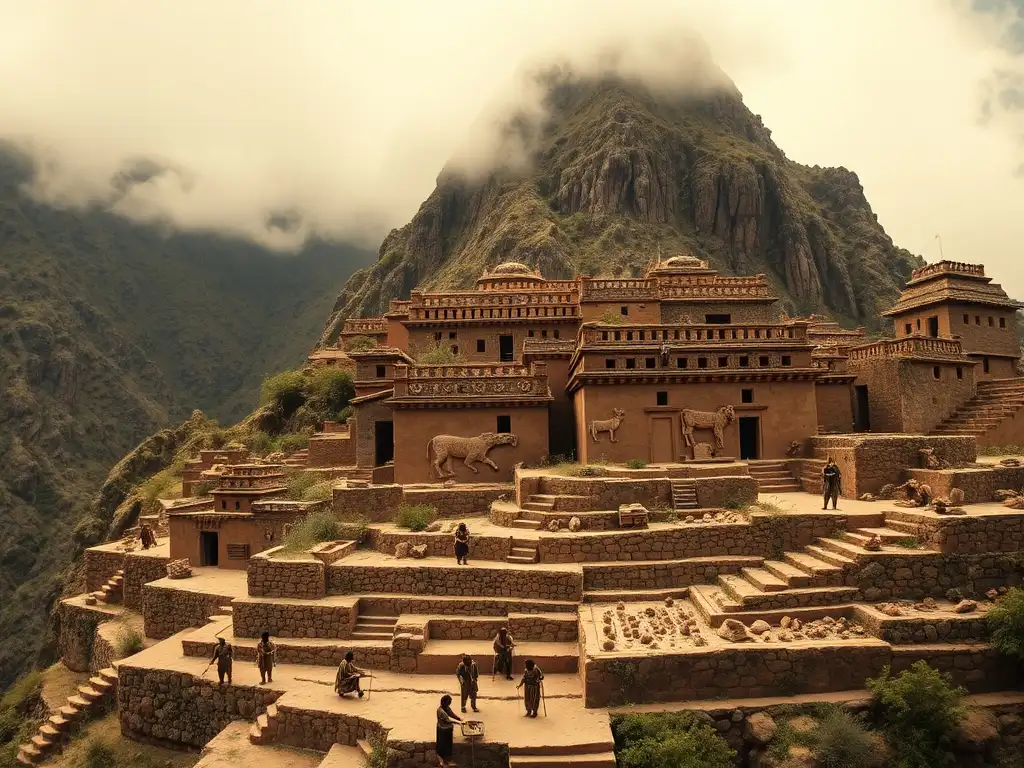
The Chavín civilization, flourishing in the Andes from approximately 900 to 200 BCE, left behind a complex and enduring legacy, particularly in its social organization. While the specifics remain debated among archaeologists, evidence suggests a stratified society, significantly impacting subsequent Andean cultures. Understanding the Chavín social structure provides crucial insights into the development of pre-Incan social complexity and the evolution of power structures in the region. The term "Chavín civilization social structure" itself encapsulates the core mystery: how did this seemingly centralized power operate in a geographically dispersed civilization?
Chavín Influence on Later Andean Societies
The influence of Chavín social structures is undeniable in later Andean societies. Their sophisticated religious ideology, symbolized by the iconic Chavín deity, spread widely through the Andes, often accompanied by similar hierarchical social patterns. The adoption of Chavín artistic motifs and architectural styles in later cultures suggests not merely cultural diffusion, but the potential transmission of social models.
For instance, the use of monumental architecture, a hallmark of Chavín, continued in later societies, implying the persistence of a social structure capable of organizing large-scale labor projects. This suggests a powerful centralized authority capable of mobilizing resources and manpower on a significant scale, a characteristic mirrored in the later development of more complex Andean states. The precise mechanisms of this influence, whether through conquest, trade, or religious conversion, remain a subject of ongoing research and debate.
However, the similarities in social organization across geographically distant regions strongly suggest a connection to the Chavín model. The spread of Chavín iconography, for example, points to a possible religious hegemony, with the associated social structures mirroring this centralized belief system.
Comparisons with Moche and Tiwanaku Societies
Comparing the Chavín social structure with those of later Andean civilizations like the Moche and Tiwanaku reveals both similarities and significant differences. While the Moche developed a sophisticated hierarchical society with powerful rulers and specialized craftspeople, their social organization differed from Chavín in its emphasis on military power and expansive territorial control. The Tiwanaku, on the other hand, displayed a more centralized state structure with a sophisticated bureaucracy, possibly reflecting a more advanced level of social organization than the Chavín.
| Feature | Chavín | Moche | Tiwanaku |
|---|---|---|---|
| Political Structure | Possibly theocratic, decentralized influence | Centralized, militaristic state | Highly centralized, bureaucratic state |
| Economic System | Primarily agricultural, with some specialized crafts | Intensive agriculture, specialized crafts, extensive trade | Intensive agriculture, specialized crafts, extensive trade networks |
| Social Stratification | Evidence suggests a hierarchical structure | Clearly defined social hierarchy | Highly stratified society |
| Religious Beliefs | Centralized religious ideology, widespread iconography | Diverse religious beliefs, shamanistic practices | Complex religious system, emphasis on water management |
The table above highlights some key distinctions, indicating a gradual evolution of social complexity in the Andean region. However, the underlying principle of hierarchical social organization, with a concentration of power at the top, appears to have been a common thread connecting these different cultures, suggesting a lasting legacy of the Chavín model.
The study of Chavín social structure offers invaluable insights into the development of pre-Incan social complexity. The evidence suggests that Chavín was not a unified empire in the traditional sense, but rather a network of interconnected settlements sharing a common religious ideology and possibly a similar social organization.
This "interaction sphere" model suggests that social complexity in the Andes developed gradually through the interaction and exchange of ideas and practices between different groups. The emergence of large-scale public works, such as the monumental architecture at Chavín de Huántar, indicates a capacity for collective action and social organization on an impressive scale – a precursor to the more sophisticated state structures of later Andean civilizations.
This complexity wasn't simply about size or population; it involved intricate systems of resource management, religious authority, and social control, laying the groundwork for the future development of Inca civilization and its sophisticated social hierarchy. Further research, particularly focused on uncovering more detailed evidence of daily life in Chavín settlements, is crucial for deepening our understanding of this pivotal pre-Incan society.
The Chavín civilization's social structure, while still partially enigmatic, reveals a sophisticated and influential system that laid the groundwork for later Andean societies. Its hierarchical organization, centered around a powerful religious elite, facilitated the construction of monumental architecture and the development of complex religious ideologies. Understanding this framework is crucial not only for comprehending Chavín itself but also for tracing the threads of social evolution throughout the Andes.
The evidence suggests a society capable of mobilizing significant resources and labor, indicative of a strong centralized authority and effective social control mechanisms. This ability to coordinate large-scale projects highlights the effectiveness of their social organization in managing complex tasks and maintaining social cohesion. The influence of Chavín religious beliefs and practices is evident in the iconography found throughout the Andes, suggesting a far-reaching impact on the cultural development of subsequent civilizations.
This pervasive influence underscores the importance of studying the Chavín social structure to understand the broader context of Andean history and the development of its complex societies. The legacy of Chavín's organizational prowess continues to resonate in the architectural marvels and cultural practices of later Andean cultures.
Several key elements characterized the Chavín social organization, contributing to its success and influence. Archaeological evidence points to a stratified society with a clear hierarchy. At the apex were likely religious specialists, priests, or shamans, who controlled access to religious knowledge and rituals. These individuals likely held significant political power, directing large-scale public works projects and influencing the lives of ordinary citizens.
Below this elite, different social strata likely existed, perhaps based on occupation, kinship, or access to resources. Evidence of specialized craftsmanship, such as intricate pottery and metalwork, suggests the presence of skilled artisans who held a respected position within the society. Furthermore, the existence of large-scale ceremonial centers suggests the mobilization of substantial labor forces, indicating a system of social organization capable of coordinating and directing the efforts of numerous individuals. The distribution of artifacts and the architectural layout of Chavín de Huántar itself hints at a complex system of power and control, with certain areas reserved for elite members and others for commoners.
The precise nature of social mobility within this hierarchy remains an area of ongoing research. However, the evidence suggests a relatively stable social structure, with limited social fluidity. This rigid structure likely contributed to the stability and longevity of the Chavín civilization, allowing for the accumulation of knowledge and the development of complex technologies and artistic styles.
Understanding Chavín for Andean Archaeology
The study of Chavín social organization provides invaluable insights into the broader context of Andean archaeology. Its influence on subsequent cultures is undeniable, with many features of Chavín art, religion, and architecture appearing in later Andean societies. This cultural continuity highlights the importance of understanding Chavín as a formative period in the development of Andean civilization.
Analyzing the Chavín social structure allows archaeologists to trace the evolution of social complexity in the Andes, identifying key transitions and transformations in social organization over time. By comparing the Chavín model with those of later Andean societies, researchers can better understand the factors that contributed to the rise and fall of different civilizations. For example, understanding Chavín’s centralized authority helps contextualize the later Inca empire's sophisticated administrative system.
The analysis of Chavín's social stratification also provides a framework for interpreting similar hierarchical structures in later Andean societies. The insights gained from studying Chavín's social organization are therefore essential for a comprehensive understanding of the broader trajectory of Andean civilization. Furthermore, understanding the specific mechanisms of social control and resource management in Chavín can inform our understanding of similar processes in other ancient societies across the globe.
Future Research: Exploring Regional Variations
While much progress has been made in understanding the Chavín civilization's social structure, several areas remain open for future research. One critical area is exploring regional variations within the Chavín sphere of influence. While Chavín de Huántar serves as the primary site for understanding Chavín culture, the civilization's impact extended far beyond this central location.
Future research should focus on investigating regional variations in social organization, identifying differences in social stratification, religious practices, and economic activities across different Chavín sites. This will provide a more nuanced understanding of the complexities of the Chavín civilization and its adaptation to diverse ecological and geographical settings. Further research could employ advanced techniques like Geographic Information Systems (GIS) to map and analyze the spatial distribution of artifacts and settlements, offering new insights into settlement patterns and social dynamics.
Additionally, the application of isotopic analysis to human remains could reveal details about diet, mobility, and social status, providing further evidence to support or challenge current hypotheses about social stratification. Finally, comparative studies with other contemporary Andean societies will help to contextualize Chavín's unique characteristics and its place within the broader Andean cultural landscape. By addressing these research questions, a more comprehensive and accurate picture of the Chavín civilization's social structure can be achieved.
Frequently Asked Questions
The Chavín social structure was likely hierarchical, with a powerful elite class controlling religious and political power. Evidence suggests a stratified society with specialized artisans and farmers supporting the elite. Religious specialists held significant influence.
How did the Chavín organize their society without a centralized state?
While lacking a formal state, the Chavín exerted influence through religious authority and prestige. Their impressive temples and sophisticated art likely attracted followers and fostered a network of interconnected communities. Control over resources might have played a role in maintaining their power.
Religion was central to Chavín society. The impressive ceremonial centers and iconography suggest a powerful priesthood that controlled rituals and influenced daily life. The jaguar and other powerful deities were likely worshipped.
What evidence supports the idea of a hierarchical Chavín society?
Archaeological evidence, such as elaborate burials with rich grave goods for elites and simpler burials for commoners, points to social stratification. The size and complexity of Chavín sites also suggests a hierarchical organization of labor and resources.
Compared to later Andean civilizations like the Inca, the Chavín social structure was less centralized. However, it exhibited a similar emphasis on religious authority and a stratified social hierarchy. Its influence spread through cultural and religious means rather than direct political control.
The intricate social structure of the Chavín civilization, far from being a relic of the past, offers crucial insights into the development of complex societies and the enduring power of religious ideology. Understanding their hierarchical system, sophisticated religious practices, and the role of specialized labor provides a framework for analyzing similar societal structures throughout history, and even helps us understand the dynamics of power and influence in our own world.
The Chavín's impact resonates far beyond their geographical boundaries and temporal existence. Their influence on subsequent Andean cultures is undeniable, a testament to the enduring power of their religious and political innovations. The Chavín horizon represents a crucial moment in the development of Andean civilization, laying the groundwork for future empires and shaping the cultural landscape for centuries to come.
The meticulous organization of their society, evident in their monumental architecture and sophisticated craftwork, continues to inspire awe and wonder, prompting us to consider the human capacity for collective achievement and the enduring power of shared belief systems.
Consider the implications of the Chavín model for your own understanding of societal structures. How do power dynamics, religious belief, and specialized labor shape the societies you encounter today? What lessons can we glean from the Chavín's successes and challenges in building and maintaining a complex social order? Take a moment to reflect on these questions, and let the legacy of Chavín inspire you to examine the intricate tapestry of human social organization with renewed curiosity and understanding.
Discover and Engage with Chavín Communities!
Thank you for exploring the fascinating world of Chavín social organization! Your interest demonstrates a valuable understanding of their community structure and cultural importance. Now, let's delve even deeper.
Here are some ways to enhance your knowledge and appreciation:
- Explore local museums and online resources: Immerse yourself in Chavín culture by visiting a museum with relevant exhibits or exploring online resources dedicated to Andean civilizations.
- Connect with other enthusiasts: Join online forums or social media groups focused on Andean history and culture to share your passion and learn from others.
- Share your newfound knowledge: Write a blog post or article summarizing your findings, and share it with friends or on social media to spark conversations about Chavín heritage.
What aspect of Chavín culture captivates you most, and how will you continue to explore it?