
Paracas Trade Networks: Connecting the Coast with the Andes

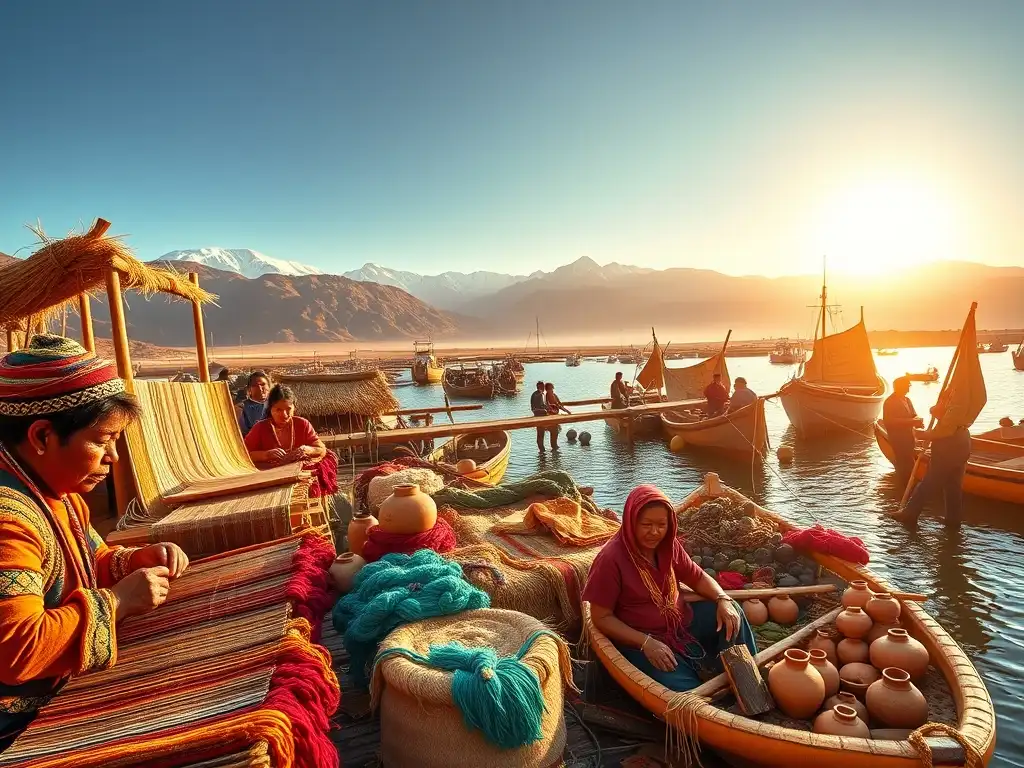
Step into a world lost to time, yet echoing with the whispers of a vibrant past. Imagine sprawling Andean empires, intricately woven tapestries, and the hum of bustling marketplaces. This is the realm of the Andean civilizations, where innovation thrived and cultures intertwined. But what secrets lie hidden within the Paracas trade routes that connected the coast to the heart of the Andes? Unravel the mysteries and discover the astonishing story of these ancient networks – delve deeper into the captivating world of the Pre-Incan Cultures of the Coast and uncover the truth.
The Paracas culture, flourishing along the southern coast of Peru between 700 BCE and 200 CE, stands as a testament to the ingenuity and adaptability of Andean civilizations. This article delves into the intricate trade networks that connected the Paracas people to distant regions, highlighting their significant role in shaping the economic and cultural landscape of the pre-Inca era.
Understanding the Paracas trade routes provides crucial insight into their societal organization, technological advancements, and the broader context of Andean connectivity—a complex web of exchange that influenced the development of subsequent civilizations. We will explore the geographical factors that facilitated their trade, the goods exchanged, and the impact of these networks on the wider Andean world.
This exploration will reveal how the Paracas, despite their relatively localized coastal settlement, exerted a considerable influence on the pre-Columbian Andean world, leaving a lasting legacy on the trajectory of Andean civilizations. The keyword, "Paracas trade routes Andean civilizations," will guide our investigation into this fascinating aspect of Paracas history.
Introduction to Paracas Trade and Andean Connectivity
The Paracas were not isolated. Archaeological evidence overwhelmingly supports the existence of extensive trade networks connecting their coastal settlements with inland communities and even other coastal cultures. This wasn't simply a matter of bartering essential goods; it represented a sophisticated system of exchange that facilitated cultural diffusion, the transfer of technological innovations, and the consolidation of power. The Paracas, renowned for their textile artistry, elaborate burial practices, and distinctive ceramics, actively participated in this exchange, both importing and exporting a variety of goods.
The nature of Paracas trade was multifaceted. It involved both direct exchange and indirect trade, utilizing intermediary groups to facilitate transactions across larger distances. This complex system involved both luxury goods, such as finely woven textiles and ornate metalwork, and everyday necessities like food and raw materials. The scale of the trade networks is impressive, indicating a well-established system of communication and transportation.
Evidence suggests that the Paracas likely used a combination of land and sea routes, adapting their methods to suit the terrain and the goods being transported. This intricate system highlights the Paracas' understanding of their environment and their capacity for long-distance interaction. Further research is needed to fully quantify the volume and precise nature of these exchanges, but existing evidence strongly suggests a significant impact on the broader Andean economic and social structure.
The Geography of Paracas and its Influence on Trade
The Paracas Peninsula's unique geography played a crucial role in shaping their trade networks. Located on the southern coast of Peru, the region boasts a rich marine ecosystem, providing a ready source of food and resources. The abundant marine life fueled the Paracas economy, providing sustenance and materials for their famed textiles.
The coastal location provided access to both sea and land routes. Seafaring was essential for trade with other coastal communities, while the valleys and passes of the Andes offered pathways inland. This dual access facilitated a diverse range of trade partnerships. The availability of navigable rivers and coastal waterways significantly reduced the challenges of transporting goods, enabling efficient movement across significant distances.
The Paracas were not just passive recipients of goods; their strategic location allowed them to control key trade routes, potentially influencing the flow of goods and accumulating wealth through their control of these vital pathways. This control likely contributed to their social and political prominence within the wider Andean region. Furthermore, the arid climate of the region, while challenging for agriculture, led to the development of specialized techniques for water management and resource utilization, which could have been traded or exchanged for other commodities. [Specific data on the types of irrigation systems used by Paracas pending]
The combination of abundant marine resources, strategic location, and adaptable trade strategies allowed the Paracas to establish and maintain extensive trade networks, firmly connecting them to the wider Andean world and contributing to their cultural and economic success. Further research into the specific routes and the goods exchanged will further illuminate the sophistication and reach of Paracas trade.
Key Trade Routes of the Paracas Culture
The Paracas culture, flourishing along the southern coast of Peru between 800 BCE and 200 CE, developed extensive trade networks that connected them to both coastal communities and inland Andean populations. Their sophisticated maritime technology, including the use of reed boats (caballitos de totora), allowed them to navigate the Pacific Ocean and establish trade relationships across vast distances. The Paracas people weren't merely isolated coastal dwellers; they were active participants in a complex exchange system that fueled their economic and social development.
Their trade routes weren't simply linear paths; they were dynamic networks, constantly adapting to changing circumstances and expanding their reach. Archaeological evidence suggests a sophisticated understanding of geography and navigation, enabling them to exploit resources from diverse environments and build strong alliances with neighboring groups.
This intricate network facilitated the flow of goods, ideas, and potentially even religious beliefs, shaping the cultural landscape of the region. The extent of their influence is a testament to their mastery of maritime navigation and trade.
Coastal Trade Networks of Paracas
Paracas coastal trade routes extended hundreds of kilometers along the Peruvian coast. Evidence suggests a robust system of maritime transport, with the caballitos de totora playing a crucial role. These small, reed boats were incredibly versatile, capable of navigating both calm waters and rough seas. Trade likely occurred between numerous coastal settlements, with specialized centers producing specific goods that were then exchanged with other communities.
For example, fishing communities might have traded surplus fish for textiles or pottery from other settlements. This interconnectivity fostered a vibrant exchange of goods and resources, contributing to the economic prosperity of coastal societies. The sheer volume of trade suggests well-established routes and perhaps even seasonal patterns linked to weather conditions and resource availability. The scale of these coastal networks underscores the Paracas' maritime prowess and their ability to effectively manage a complex system of exchange.
Paracas Inland Trade Routes to the Andes
While the Paracas are primarily known for their coastal influence, their trade networks also extended inland, connecting them to the Andean highlands. These routes were likely more challenging than coastal ones, involving arduous journeys over mountainous terrain. The precise nature of these routes remains a subject of ongoing research, but archaeological discoveries suggest the exchange of goods such as textiles, agricultural products, and possibly even precious metals between the Paracas and Andean communities.
The exchange wasn't just a one-way street; it likely involved a complex system of reciprocal trade, with both coastal and Andean groups benefiting from the partnership. These inland trade routes highlight the Paracas' ability to connect with and integrate into a wider regional trade network, demonstrating a sophisticated understanding of both coastal and highland environments and their resources. The logistical challenges involved in traversing these routes suggest a high level of organization and planning.
Traded Goods in the Paracas Network
The Paracas trade network facilitated the exchange of a diverse range of goods, reflecting the varied resources available along the coast and in the Andes. This complex system played a vital role in their economic and social structure, reflecting their understanding of regional resources and economic specialization. The meticulous craftsmanship evident in their artifacts underscores the value placed on these goods and the skill of the artisans who produced them. The range and quantity of traded goods reveal a dynamic and sophisticated economic system.
Paracas Textiles and their Trade Value
Paracas textiles are renowned for their intricate designs, vibrant colors, and exceptional quality. The mastery of textile production was a hallmark of Paracas culture, and their textiles were highly valued trade items. The complex weaving techniques, use of diverse materials (including cotton, camelid fibers, and possibly even feathers), and elaborate designs indicate a high level of skill and artistic talent.
These textiles likely served not only as clothing but also as prestigious ceremonial objects, further enhancing their value in trade. The discovery of Paracas textiles in distant locations provides strong evidence of their widespread exchange, demonstrating their importance within the broader Andean trade network. Their durability and aesthetic appeal made them highly sought-after items, contributing significantly to the economic success of Paracas communities.
Agricultural Products in the Paracas Exchange System
The Paracas region, while arid, supported some agriculture, but they likely relied heavily on trade for certain agricultural products. Evidence suggests the exchange of crops like maize, beans, and possibly even potatoes from the Andean highlands. These agricultural products were essential for sustenance and played a significant role in their diet.
The efficient trade of these essential food staples underscores the importance of their trade networks in ensuring food security. Seasonal variations in agricultural production likely played a role in the timing and volume of agricultural exchange. The successful integration of agricultural products into their trade system reflects a sophisticated understanding of resource management and economic interdependence.
Precious Metals and Stone Trade in Paracas Society
While less prominent than textiles, the trade of precious metals and stones also played a role in the Paracas economy. The Paracas likely obtained these materials through trade with communities in the Andes, who had access to richer deposits of these resources. The use of gold, silver, and various types of stone in their ceremonial objects and adornments suggests that these items held significant social and religious value.
The presence of these precious materials in Paracas contexts indicates access to extra-regional resources and the existence of long-distance trade relationships. The limited availability of these materials likely contributed to their high value and their role in social status and ritual practices. The careful working of these materials showcases the advanced skills of Paracas artisans and the significance of these goods in their society.
The Role of Paracas Trade in Andean Civilization Development

The Paracas culture, flourishing between 700 BCE and 200 CE along the southern coast of Peru, played a pivotal role in the development of Andean civilization through its extensive trade networks. These networks weren't merely conduits for goods; they facilitated the exchange of ideas, technologies, and cultural practices, significantly impacting the trajectory of subsequent Andean societies. The Paracas' mastery of textile production, particularly their renowned fine textiles and intricate embroidery, became a highly sought-after commodity, establishing trade relationships that extended far beyond their coastal heartland.
This economic influence spurred innovation and diversification in other Andean communities, as they adapted and integrated Paracas techniques into their own artistic traditions. The widespread distribution of Paracas textiles and other artifacts serves as tangible evidence of their influence on the cultural landscape of the Andes.
Their trade connections fostered a sense of interconnectedness and laid the groundwork for future complex social and political structures within the region. The Paracas' success in establishing and maintaining these trade routes demonstrates their sophisticated organizational capabilities and their understanding of the Andean geography and its diverse resources.
Paracas Influence on Later Andean Cultures through Trade
The impact of Paracas trade extended far beyond their own era. Their distinctive textiles, renowned for their vibrant colors, intricate designs, and exceptional craftsmanship, served as a significant influence on later Andean cultures, including the Nazca and Inca.
Archaeological evidence reveals the presence of Paracas-style textiles in distant regions, indicating the wide reach of their trade networks and the adoption of their artistic styles by other groups. The distinctive techniques employed by Paracas artisans, such as the use of complex weaving techniques and the incorporation of exotic dyes, were emulated and adapted by subsequent Andean cultures, demonstrating a lasting legacy of cultural exchange.
This continuity in textile production across different Andean societies reflects the deep-seated influence of Paracas trade in shaping the artistic traditions of the region. The adoption of Paracas aesthetic elements and techniques underscores the power of trade in disseminating cultural practices and shaping artistic identity across vast distances and over considerable time periods.
The Impact of Paracas Trade on Social Structures
Paracas trade had a profound impact on the social structures of the coastal communities and beyond. The control and management of trade routes likely led to the emergence of specialized roles and hierarchies within Paracas society. Artisans, traders, and perhaps even intermediaries played vital roles in the economic system, contributing to a more complex social organization.
The accumulation of wealth through trade likely led to the concentration of power and resources in the hands of certain individuals or groups, potentially influencing the development of elite classes and social stratification. The success of Paracas trade facilitated the accumulation of both material wealth and social prestige, contributing to the development of increasingly complex social hierarchies.
Further research is needed to fully understand the nuanced relationship between trade, social stratification, and political power within the Paracas society and its interactions with other Andean groups. The distribution of traded goods may also reflect patterns of social interaction and power dynamics between different communities.
Evidence of Paracas Trade Networks: Archaeological Findings
Archaeological findings provide compelling evidence of the extensive Paracas trade networks. The discovery of Paracas textiles and other artifacts in sites far from their coastal origins demonstrates the reach of their trade connections. These finds are not limited to nearby regions but extend to sites in the Andes, indicating a sophisticated system of exchange that connected coastal and highland communities.
The presence of exotic materials, such as certain types of minerals or shells, in Paracas sites also points to long-distance trade relationships. These materials, not found locally, clearly indicate the exchange of goods across significant geographical distances. The analysis of these artifacts, combined with radiocarbon dating and other scientific techniques, allows researchers to reconstruct the timelines and geographical extent of Paracas trade networks, revealing the scale and complexity of their economic interactions.
Paracas Burial Sites and Evidence of Long-Distance Trade
Paracas burial sites are rich sources of information about their trade networks. The elaborate grave goods found in these burials often include textiles, pottery, and other artifacts from distant regions, providing direct evidence of long-distance trade. The presence of such goods within these burials suggests that these items held significant social and symbolic value, reinforcing the importance of trade in Paracas society.
The diversity of materials found in these burials indicates the reach and breadth of their trade connections, spanning vast geographical areas and connecting them to a variety of different Andean communities. The careful analysis of these grave goods, particularly the origin and provenance of materials, offers crucial insights into the exchange networks that sustained Paracas society.
Analysis of Artifacts and their Origins
The scientific analysis of artifacts recovered from Paracas sites and those found in other Andean regions provides crucial evidence for understanding their trade networks. Techniques like petrographic analysis of pottery, isotopic analysis of textiles, and trace element analysis of metal objects help determine the origin of materials and identify trade routes. For example, the identification of specific types of clay used in pottery or the analysis of dye components in textiles can pinpoint their source regions, revealing the geographical extent of Paracas exchange networks.
This detailed analysis reveals not only the movement of goods but also the movement of ideas and technologies, further highlighting the significance of Paracas trade in Andean development. The combination of archaeological evidence with scientific analysis offers a powerful approach to reconstructing the complexities of Paracas trade and its impact on the wider Andean world.
The Decline of Paracas Trade and its Contributing Factors
The flourishing Paracas trade network, a vital artery connecting the coastal regions with the Andean highlands, did not endure indefinitely. Its decline, spanning several centuries, was likely a multifaceted process influenced by a confluence of factors. Environmental shifts played a significant role. Changes in climate, possibly including prolonged droughts or periods of intense rainfall, could have disrupted agricultural production in both the coastal valleys and the highland areas, impacting the availability of goods for exchange. This scarcity would have inevitably constricted trade volumes and potentially led to economic instability.
Furthermore, the rise of competing power structures within the Andes likely impacted Paracas dominance. The emergence of new cultural groups, vying for resources and influence, may have challenged Paracas control over crucial trade routes. Evidence suggests that the Nazca culture, for example, gradually asserted its influence in the southern coastal region, potentially diverting trade flows and weakening Paracas economic power.
Internal political instability within Paracas society itself could also have contributed to the decline. A weakening central authority, coupled with internal conflicts or power struggles, could have disrupted the efficient organization and management of the trade network. Archaeological evidence, while still incomplete, could eventually shed more light on these internal dynamics.
Lastly, the gradual shift towards new technologies and trade practices across the Andes might have rendered some Paracas trade goods less competitive, further contributing to the decline. The introduction of new materials or production techniques could have altered demand and shifted trade patterns.
Conclusion: The Legacy of Paracas Trade in Andean History
Paracas Trade and its contribution to Pre-Incan cultures
The Paracas trade network represents a crucial chapter in the story of Andean civilizations. Its impact extended far beyond mere economic exchange; it facilitated the dissemination of ideas, technologies, and cultural practices across vast geographical distances. The exchange of textiles, ceramics, and precious metals not only enriched the material culture of different groups but also fostered cultural interaction and the adoption of innovative techniques.
The widespread distribution of Paracas textiles, for instance, demonstrates the reach of their craftsmanship and its influence on the aesthetic traditions of subsequent Andean cultures. The sophisticated techniques employed in Paracas textile production, including intricate weaving and dyeing methods, were likely adopted and adapted by other groups, enriching their own textile traditions. Similarly, the exchange of ceramics and metalwork contributed to the development of diverse artistic styles and technological advancements across the Andes.
The legacy of Paracas trade is embedded in the artistic and technological advancements of many pre-Incan cultures. The impact of Paracas artistry on later cultures like the Nazca and the Inca highlights the lasting influence of their trade networks.
The Importance of Paracas Trade Routes in Understanding Andean Civilizations
Understanding the Paracas trade routes is paramount to grasping the complexities of Andean civilization. These routes served as vital conduits for the exchange of goods, ideas, and cultural practices, shaping the trajectory of development across diverse regions. The intricate network connected the coastal regions, rich in marine resources and unique craft traditions, with the Andean highlands, a source of agricultural products and precious minerals.
This interconnectedness fostered interdependence and facilitated the development of complex social structures. Analyzing the geographical extent and the types of goods exchanged along these routes provides invaluable insights into the economic strategies, political relationships, and cultural interactions of various Andean groups. The distribution patterns of Paracas artifacts, for example, reveal the extent of their trade network and their influence on neighboring cultures.
By studying these routes, archaeologists and historians can reconstruct the dynamics of power, exchange, and cultural transmission within the ancient Andean world, enriching our understanding of these sophisticated civilizations and their interconnectedness. The Paracas trade routes, therefore, serve as a crucial lens through which to examine the broader tapestry of Andean history and the complex interplay of cultural and economic forces that shaped the region. Further research, including detailed analysis of archaeological finds along these routes, is crucial to fully appreciate their significance in the development of Andean civilizations.
- Introduction to Paracas Trade and Andean Connectivity
- The Geography of Paracas and its Influence on Trade
- Key Trade Routes of the Paracas Culture
- Traded Goods in the Paracas Network
- The Role of Paracas Trade in Andean Civilization Development
- Evidence of Paracas Trade Networks: Archaeological Findings
- The Decline of Paracas Trade and its Contributing Factors
- Conclusion: The Legacy of Paracas Trade in Andean History
Frequently Asked Questions
What role did trade play in the Paracas civilization?
Trade was essential to the Paracas. They established extensive networks exchanging coastal resources like fish and cotton for Andean goods such as metalwork and wool. This fueled their economic growth and cultural development.
How did the Paracas connect the coast and the Andes?
The Paracas utilized a complex system of trade routes, both land and sea-based, to connect the coastal regions with the Andean highlands. This involved traversing challenging terrains and establishing relationships with various inland groups.
What goods were most commonly traded by the Paracas?
Key traded items included cotton textiles, renowned for their quality, fish, sea shells, and metalwork from the Andes. These goods reflect the rich resources available to the Paracas and their trading partners.
How did Paracas trade influence other Andean cultures?
Paracas trade networks fostered cultural exchange and technological diffusion across the Andes. Their textile techniques and artistic styles influenced neighboring societies, leaving a lasting impact on Andean art.
What evidence exists to support the existence of Paracas trade routes?
Archaeological evidence, including the discovery of Paracas textiles and other artifacts in distant Andean sites, strongly supports the existence of extensive trade routes. Analysis of traded goods further confirms this extensive network.
Final Reflection: The Enduring Legacy of Paracas Trade
The intricate trade networks of the Paracas culture remain a powerful testament to the interconnectedness of ancient Andean societies, a legacy that continues to shape our understanding of pre-Columbian civilizations and their sophisticated economic systems. Their ability to navigate challenging terrains and forge alliances across vast distances underscores the ingenuity and resilience of these early Andean communities, a story that resonates even today in our increasingly globalized world.
The impact of Paracas trade extends far beyond the mere exchange of goods; it represents a fundamental shift in our understanding of Andean social structures and power dynamics. The distribution of luxury items like textiles and exotic materials reveals complex social hierarchies and the existence of extensive communication networks that facilitated cultural exchange and technological innovation. The threads of Paracas textiles are not just threads of cotton and wool, but threads that connect us to a past rich in ingenuity and cultural exchange.
This quote encapsulates the profound influence of Paracas trade on the development of subsequent Andean civilizations, influencing artistic styles, religious practices, and political organization.
Consider the implications of this ancient network. What can we learn from the Paracas' ability to overcome geographical barriers and build lasting relationships? How can we apply their strategies of collaboration and resource management to address the challenges of our modern world? You, the reader, are now part of this ongoing conversation. Reflect on the ingenuity and resilience of the Paracas, and let their story inspire you to build bridges and forge connections in your own life, fostering collaboration and understanding across diverse communities.
Unleash the Potential of Paracas Trade!
Thank you for exploring the fascinating world of Paracas trade networks with us! You've gained valuable insights into how these ancient connections shaped coastal and Andean cultures and economies. Now let's put that knowledge to use.
Here are some ways to continue your journey of discovery:
- Explore Local Artifacts: Visit a local museum to examine artifacts from the Paracas culture and experience their historical significance firsthand. You might be surprised by what you discover!
- Share Your Knowledge: Discuss your newfound understanding of Paracas trade networks with friends, family, or online communities. Help spread awareness of this remarkable civilization.
- Deepen Your Research: Expand your knowledge by learning about other Andean civilizations and their trade practices and cultural connections. We have a list of recommended books on our site to help you get started.
What aspect of the Paracas trading system most captivates you, and how do you think it could inform modern global trade practices?