
Chavín's and the Importance of Agriculture: Sustaining the Empire

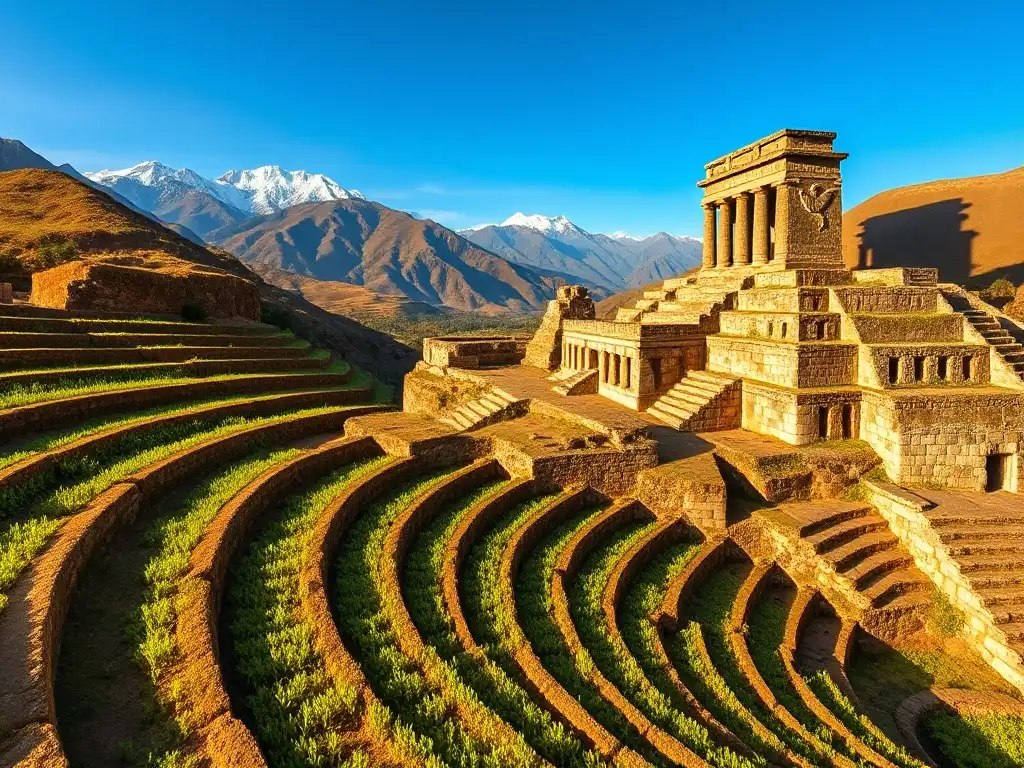
Uncover the mysteries of a world lost to time, a world sculpted by ingenuity and shaped by the Andes themselves. Journey with us into the heart of the ancient Andean civilizations, where innovation thrived and empires rose. But what secrets lie buried beneath the soil? Discover the surprising sophistication of Chavín culture agricultural practices and how these innovative techniques sustained a powerful empire – a story far more complex than you might imagine. Prepare to be captivated by the Pre-Incan Cultures of the Coast and their enduring legacy.
- The Crucial Role of Agriculture in the Chavín Civilization
- Chavín Culture Agricultural Practices: Key to Societal Development
- The Impact of Agriculture on Chavín's Growth and Influence
- Chavín's Agricultural Legacy
- Frequently Asked Questions
- Final Reflection: The Enduring Legacy of Chavín Agriculture
- Sustain Your Knowledge and Grow Your Passion for Agriculture!
The Crucial Role of Agriculture in the Chavín Civilization
The Chavín culture, flourishing in the Andes Mountains of Peru between 1200 and 200 BCE, stands as a pivotal moment in the pre-Columbian history of South America. Often considered a formative influence on later Andean civilizations, the Chavín's remarkable achievements weren't solely confined to their iconic monumental architecture and sophisticated religious iconography. Their mastery of agricultural techniques was equally crucial, forming the bedrock of their social structure, economic prosperity, and overall societal development.
This article delves into the ingenious agricultural practices employed by the Chavín, highlighting their importance in sustaining this influential empire and shaping the course of Andean civilization. We will explore how their agricultural innovations not only ensured food security but also contributed to the rise of complex social hierarchies and the flourishing of artistic and religious expression.
Understanding the Chavín's relationship with agriculture provides critical insight into their enduring legacy and the foundations of later Andean societies. The keyword "Chavín culture agricultural practices" is central to this exploration.
Understanding the Chavín Culture and Its Context
The Chavín civilization wasn't a unified empire in the traditional sense. Instead, it's characterized by a widespread cultural influence radiating from its central ceremonial center located in the northern Peruvian Andes. Archaeological evidence suggests a complex network of interaction and exchange across diverse ecological zones, facilitated by the Chavín's innovative agricultural strategies.
The rugged Andean terrain presented significant challenges to agriculture, requiring sophisticated techniques to cultivate crops at varying altitudes and in diverse microclimates. The Chavín successfully adapted to these challenges, developing advanced irrigation systems, terracing techniques, and specialized crop cultivation methods. This adaptation was not merely a matter of survival; it was instrumental in shaping their unique social and religious beliefs.
Their success in harnessing the land’s resources allowed for population growth, the development of specialized labor, and the creation of a complex social hierarchy reflected in their impressive monumental architecture and religious practices. The impact of their agricultural innovations extended far beyond their immediate region, influencing the agricultural practices of subsequent Andean cultures.
The Foundation of Chavín Society: Agriculture
The Chavín economy was fundamentally agrarian. Their agricultural practices were remarkably sophisticated for their time, demonstrating a deep understanding of Andean ecology and a capacity for innovative engineering. Evidence suggests the use of sophisticated irrigation systems, including canals and terraces, to manage water resources effectively in the often-arid Andean environment. These systems allowed for the cultivation of staple crops like maize, potatoes, beans, and squash, providing a diverse and nutritious diet that supported a growing population.
The construction and maintenance of these irrigation systems required significant coordinated labor, fostering social cooperation and potentially contributing to the development of centralized authority. Furthermore, the Chavín likely employed techniques such as crop rotation and fertilization to maximize yields and maintain soil fertility. The ability to produce surplus food was essential for supporting specialized craftspeople, religious leaders, and the construction of monumental structures – all hallmarks of a complex and developing society.
The success of their agricultural strategies directly contributed to the emergence of a powerful and influential culture that would leave an indelible mark on the history of the Andes. The intricate relationship between Chavín agricultural practices and their social and religious development underscores the vital role of agriculture in shaping their civilization. This mastery of agriculture was not merely a practical skill; it was a foundation upon which their entire society was built.
Chavín Culture Agricultural Practices: Key to Societal Development
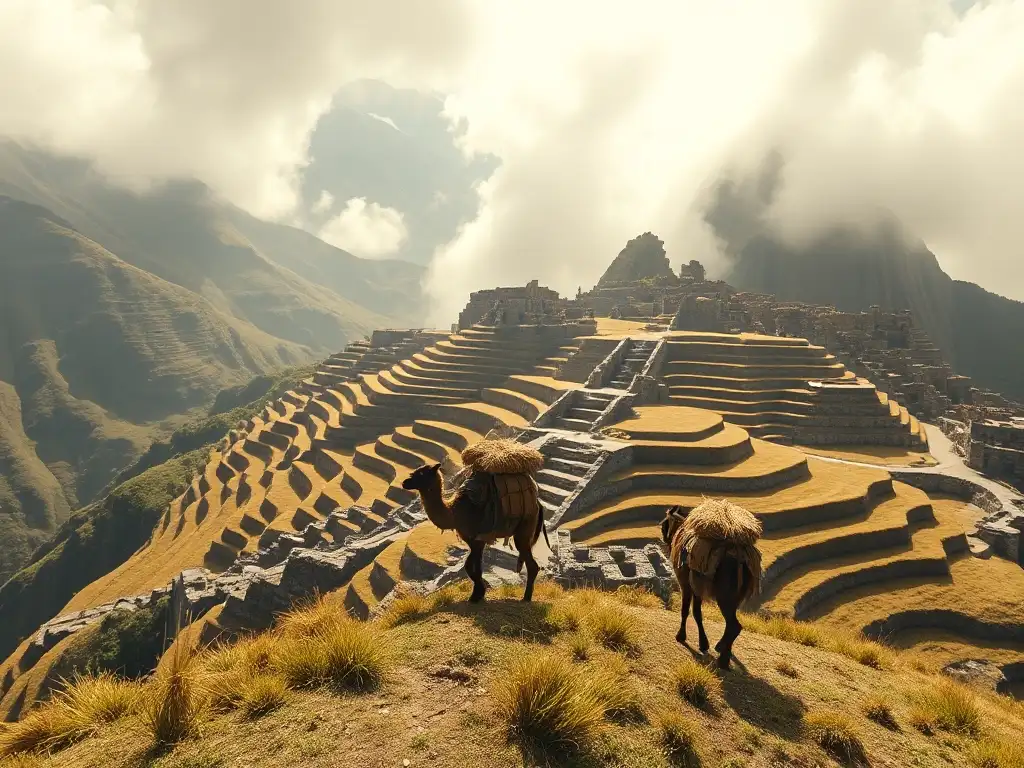
The Chavín culture, flourishing in the Andes from approximately 1200 to 200 BCE, demonstrates a remarkable mastery of agriculture, a crucial factor in its societal development and the growth of its influence. Understanding the Chavín culture's agricultural practices reveals a sophisticated understanding of Andean ecology and resource management, laying the foundation for subsequent Andean civilizations. This section will explore the key aspects of Chavín agriculture, highlighting its ingenuity and its significant contribution to the rise of this powerful pre-Inca society. The keyword "Chavín culture agricultural practices" is central to understanding their success.
The Importance of Agricultural Surplus in Chavín Society
The Chavín's success hinged on their ability to generate an agricultural surplus. Unlike earlier cultures that primarily focused on subsistence farming, the Chavín developed techniques that allowed them to produce more food than was necessary for their immediate needs. This surplus was not simply a matter of abundance; it was strategically vital. It fueled population growth, supported specialized labor (like artisans and priests), and facilitated the development of complex social hierarchies.
The surplus also allowed for the accumulation of wealth, reflected in the impressive monumental architecture and elaborate religious artifacts characteristic of the Chavín civilization. The existence of a significant agricultural surplus is evidenced by the size and complexity of Chavín settlements, which could not have been sustained without efficient food production. Further research into the storage capacity of Chavín sites is needed to fully quantify this surplus, but the scale of their settlements strongly suggests a considerable excess.
Diversification of Crops in Chavín Agriculture
Chavín agriculture wasn't limited to a single crop. Instead, it involved a diverse range of plants adapted to the varied ecological zones of the Andes. This diversification minimized the risk of crop failure and provided nutritional variety. Archaeological evidence points to the cultivation of potatoes, maize, beans, squash, and various other tubers and root vegetables.
The precise mix of crops likely varied across different microclimates within Chavín territory, reflecting an astute understanding of local conditions and optimal growing environments. This sophisticated approach to crop selection reflects a deep knowledge of plant ecology and a commitment to resilience in the face of variable weather patterns. Further botanical analysis of Chavín sites is needed to fully characterize the extent of their agricultural biodiversity.
Chavín Agricultural Techniques and Innovations
The Chavín's success wasn't solely due to crop diversification; it was also a result of innovative agricultural techniques that maximized yields in challenging Andean terrain.
Irrigation Systems and Water Management in Chavín
The Chavín developed sophisticated irrigation systems to manage water resources efficiently, especially crucial in the arid and semi-arid regions where they lived. These systems involved canals, terraces, and reservoirs, allowing them to channel water from rivers and streams to their fields, even in areas with limited rainfall. The precision and scale of these systems are a testament to their engineering skills and their understanding of hydrology.
Analysis of these irrigation systems reveals a remarkable level of planning and coordination, suggesting a centralized authority overseeing agricultural production. The longevity of some of these systems hints at effective maintenance practices, a key factor in their continued productivity.
Terracing and Land Use Optimization in the Chavín Culture
Terracing was another crucial technique employed by the Chavín. By creating level platforms on steep slopes, they dramatically increased the amount of arable land available for cultivation. This innovative land management strategy allowed them to maximize agricultural output in challenging mountainous environments. The construction of terraces also helped to prevent soil erosion and conserve moisture, further enhancing agricultural productivity. The remarkable precision and scale of many Chavín terraces point to a highly organized workforce and a deep understanding of landscape engineering. The enduring legacy of these terraces is visible even today in some Andean regions.
Crop Rotation and Soil Fertility Practices
While direct evidence is limited, it's likely that the Chavín practiced some form of crop rotation and soil fertility management. This would have been crucial in maintaining the long-term productivity of their agricultural lands. Crop rotation would have helped prevent soil depletion and the build-up of pests and diseases.
The use of organic fertilizers, such as animal manure and compost, is also a likely practice, although further research is needed to confirm these hypotheses. The sustainability of Chavín agriculture suggests a sophisticated understanding of soil health and the importance of maintaining its fertility over the long term. Further studies focusing on soil samples from Chavín sites could provide valuable insights into their agricultural practices.
The Impact of Agriculture on Chavín's Growth and Influence

The Chavín culture (c. 900 – 200 BCE), flourishing in the northern Andes of Peru, stands as a testament to the transformative power of sophisticated agricultural practices. Their success wasn't solely due to their iconic religious iconography and impressive architectural feats; it was fundamentally rooted in their mastery of agriculture, which fueled population growth, societal complexity, and extensive trade networks. Understanding Chavín's agricultural innovations is crucial to comprehending the rise and influence of this formative Andean civilization.
Analyzing their techniques reveals a deep understanding of their environment and a remarkable capacity for adaptation and innovation in food production. This section will explore the profound impact of agriculture on the Chavín's development and enduring legacy. The keyword "Chavín culture agricultural practices" is central to this analysis.
Agricultural Abundance and Population Growth in the Chavín Era
The fertile valleys of the Andes, particularly those in the northern highlands where the Chavín thrived, provided a rich, albeit challenging, environment for agriculture. The Chavín weren't simply subsistence farmers; they developed advanced techniques to maximize yields. Evidence suggests the use of sophisticated irrigation systems, including canals and terraces, to manage water resources effectively, especially crucial in a region prone to both drought and intense rainfall.
These irrigation systems, combined with their knowledge of crop rotation and soil fertilization (likely using animal manure and other organic matter), allowed for significant increases in agricultural output. This surplus of food was a critical factor in supporting a larger, denser population. Archaeological findings suggest a considerable population increase during the Chavín period, directly correlating with the evidence of improved agricultural practices.
The availability of food surpluses freed a portion of the population from constant agricultural labor, allowing for specialization in other crafts and professions, furthering societal development. This surplus also played a vital role in supporting the growth of the Chavín's powerful religious centers, requiring substantial labor and resources.
Agriculture and the Development of Chavín's Complex Society
Chavín's agricultural success wasn't merely about producing enough food; it was instrumental in shaping the very structure of their society. The surplus production facilitated the emergence of a stratified social hierarchy. While the exact nature of Chavín social organization remains a subject of ongoing research, the agricultural surplus likely supported a priestly elite who controlled the distribution of resources and wielded significant religious and political power.
The construction of monumental architecture, such as the iconic Chavín de Huántar temple complex, required a massive coordinated labor force, only possible with a food surplus ensuring the sustenance of the workers. Furthermore, the increased food production could have fueled the development of specialized crafts and trades, including pottery, textiles, and metalworking.
This specialization further contributed to the complexity of Chavín society, fostering inter-regional exchange and the development of a centralized system of governance. The organization and management of agriculture itself may have laid the groundwork for the development of complex social structures and administrative systems within the Chavín culture.
The Role of Agriculture in Chavín's Trade and Economy
The abundance of agricultural products generated by the Chavín's advanced techniques didn't just sustain their own population; it formed the basis of a thriving trade network. Surplus crops like maize, beans, and squash were traded with neighboring communities, strengthening economic ties and expanding Chavín influence. This exchange wasn't solely based on agricultural products; the economic prosperity derived from agriculture allowed for the procurement of other vital resources, such as obsidian for tools and exotic materials for ornamentation.
The Chavín's mastery of agriculture, therefore, played a central role in their economic success and their ability to exert control and influence over a wide region. The exchange of agricultural goods facilitated the spread of Chavín religious beliefs and artistic styles throughout the Andes, solidifying their cultural impact.
Analyzing the distribution of Chavín artifacts reveals a network of interconnected communities, all linked through trade relationships partly driven by agricultural products. The economic power derived from agricultural abundance enabled the Chavín to establish a far-reaching trade empire, significantly impacting the development of subsequent Andean cultures.
Chavín's Agricultural Legacy
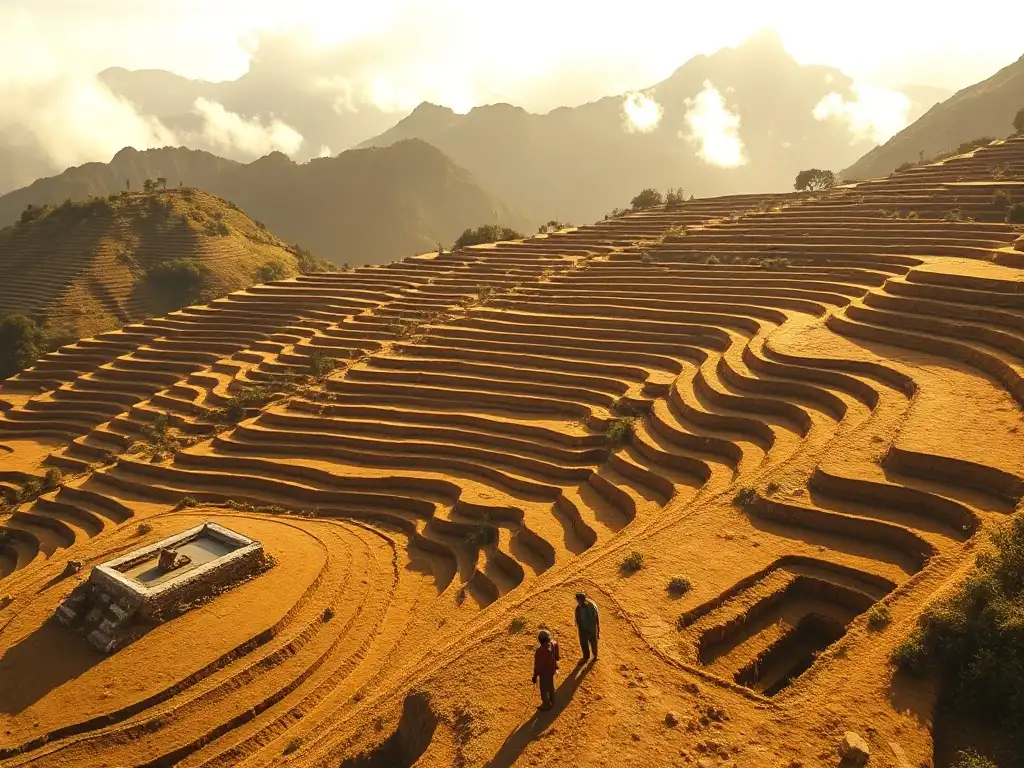
The Chavín culture, flourishing in the Andean highlands of Peru from approximately 1200 to 200 BCE, left an indelible mark on the region, not only through its iconic religious iconography and artistic achievements but also through its sophisticated agricultural practices. Understanding Chavín's agricultural legacy is crucial to comprehending the rise and sustainability of this influential civilization. Their innovations in farming techniques laid the groundwork for subsequent Andean cultures, shaping the agricultural landscape for centuries to come.
The strategic adaptation to the challenging Andean environment showcases a deep understanding of ecological principles and sustainable resource management, a testament to their ingenuity and resilience. Their success in cultivating diverse crops in a high-altitude, often unpredictable climate underscores their profound knowledge of agriculture and its importance to their societal structure. This section delves into the specifics of their methods, highlighting their innovative approaches to irrigation, terracing, and crop diversification.
Influence of Chavín Agricultural Methods on Later Andean Cultures
The impact of Chavín agricultural techniques reverberated throughout the Andean region for centuries. Their mastery of irrigation systems, particularly the construction of intricate canal networks to divert water from rivers and streams to fields, became a model for later cultures. The evidence suggests a significant transfer of knowledge and technology, with subsequent civilizations like the Moche and Inca adopting and refining Chavín methods.
This continuity is evident in the sophisticated terracing techniques used throughout the Andes, allowing for cultivation on steep slopes and maximizing arable land. The Chavín emphasis on crop diversification, cultivating a variety of crops adapted to different altitudes and microclimates, also influenced later Andean societies, promoting resilience and food security.
This approach reduced reliance on single crops, mitigating the risks associated with crop failure and ensuring a more stable food supply. The widespread adoption of these techniques highlights the lasting influence of Chavín agricultural innovations, contributing to the overall agricultural development of the Andes.
For example, the intricate network of canals built by the Chavín, designed to manage water flow efficiently, directly influenced the Moche's sophisticated irrigation systems. The Moche further developed these techniques, creating large-scale irrigation projects that supported their extensive agricultural production. Similarly, the Inca, known for their advanced agricultural practices, built upon the foundations laid by the Chavín, employing similar terracing techniques and crop diversification strategies to sustain their vast empire. The enduring legacy of Chavín agriculture is not simply a historical curiosity; it represents a fundamental contribution to the long-term success of Andean civilizations.
The Lasting Impact of Chavín Farming Practices
The Chavín's agricultural practices were not merely a means of subsistence; they were integral to the social, economic, and political structures of their society. Their success in cultivating a diverse range of crops, including potatoes, maize, beans, and squash, provided a surplus of food that supported a growing population and allowed for the development of specialized labor and complex social hierarchies. The surplus agricultural production likely fueled the growth of their urban centers and supported the construction of monumental architecture, such as the iconic Chavín de Huántar temple complex.
This demonstrates the direct link between agricultural success and the overall development of the Chavín civilization. Furthermore, their sustainable farming techniques, including terracing and careful water management, ensured the long-term viability of their agricultural system, contributing to the stability and longevity of their culture. The meticulous planning and execution of these agricultural projects suggest a sophisticated understanding of environmental factors and a commitment to long-term sustainability—a remarkable achievement considering the technological limitations of the time.
The evidence strongly supports the notion that the Chavín's agricultural innovations were a key factor in their success and had a profound and lasting impact on the subsequent development of Andean agriculture, shaping the ecological and socio-political landscape of the region for centuries. Their legacy continues to inspire researchers and agriculturalists today, offering valuable insights into sustainable agricultural practices in challenging environments. The study of Chavín agricultural practices provides a valuable lens through which to understand not only their own remarkable civilization but also the broader history of Andean agriculture and its enduring impact.
Frequently Asked Questions
What role did agriculture play in the Chavín culture?
Agriculture was absolutely fundamental to the Chavín civilization. Their success hinged on innovative farming techniques that allowed them to support a large population in a challenging environment. This led to surplus food and societal development.
What specific agricultural practices did the Chavín employ?
The Chavín utilized terracing, irrigation systems, and fertilizer to maximize crop yields in the Andes Mountains. They also likely practiced crop rotation and other techniques to maintain soil fertility.
How did Chavín agriculture influence their societal structure?
Successful agriculture led to food surpluses, which supported specialized labor and the development of a complex social hierarchy. This surplus also facilitated trade and the expansion of Chavín influence.
What crops were most important to the Chavín?
The Chavín cultivated a variety of crops including potatoes, maize, beans, and quinoa. These crops provided a diverse and nutritious diet, essential for sustaining their population.
How did the geography of the Andes affect Chavín agricultural practices?
The challenging Andean terrain necessitated innovative agricultural techniques. The Chavín adapted to the steep slopes and varied climates through terracing, irrigation, and careful selection of crops suited to high altitudes.
Final Reflection: The Enduring Legacy of Chavín Agriculture
The ingenuity of Chavín agricultural practices resonates powerfully today, reminding us of the crucial link between innovative food production and societal flourishing. Their sophisticated understanding of water management and terracing, developed millennia ago in the challenging Andean landscape, stands as a testament to human adaptability and the enduring power of sustainable practices. This is not merely a historical curiosity; it's a vital lesson for our own time, as we grapple with climate change and the urgent need for food security.
The Chavín's impact extends far beyond their immediate geographical boundaries; their agricultural innovations laid the groundwork for subsequent Andean civilizations, shaping the cultural and social landscape of the region for centuries. Their success underscores the profound connection between a society's ability to feed itself and its capacity for cultural and technological advancement. Civilization exists by geological consent, subject to change without notice.
This quote, while not directly about the Chavín, highlights the precarious balance between human society and its environment, a balance the Chavín understood and skillfully managed.
Consider the challenges we face today: climate change, population growth, and the increasing pressure on our food systems. The Chavín's story offers a powerful reminder of the importance of sustainable practices, ingenuity, and community collaboration in ensuring a secure and prosperous future. You, too, can be a part of this legacy.
Reflect on your own relationship with food and the environment; consider how you can contribute to more sustainable practices in your daily life, and inspire others to do the same. Let the wisdom of the Chavín inspire us to build a future where both society and the environment thrive.
Sustain Your Knowledge and Grow Your Passion for Agriculture!
Thank you for exploring the vital role agriculture played in the remarkable Chavín civilization. Understanding how these ancient techniques sustained a thriving empire is a powerful step towards appreciating our agricultural heritage. Now, let's build on that knowledge and continue your journey of discovery!
- Learn more about local farming: Visit a nearby farm or community garden to connect with the origins of our food systems.
- Share your knowledge: Discuss with friends and family how ancient agricultural techniques can inspire modern sustainable practices.
- Join a community of learners: Participate in online forums or local workshops focused on traditional farming methods.
What aspect of ancient agriculture intrigues you most, and how do you envision its application in contemporary farming?