
Valdivia's Obsidian Trade: Connecting with Distant Lands

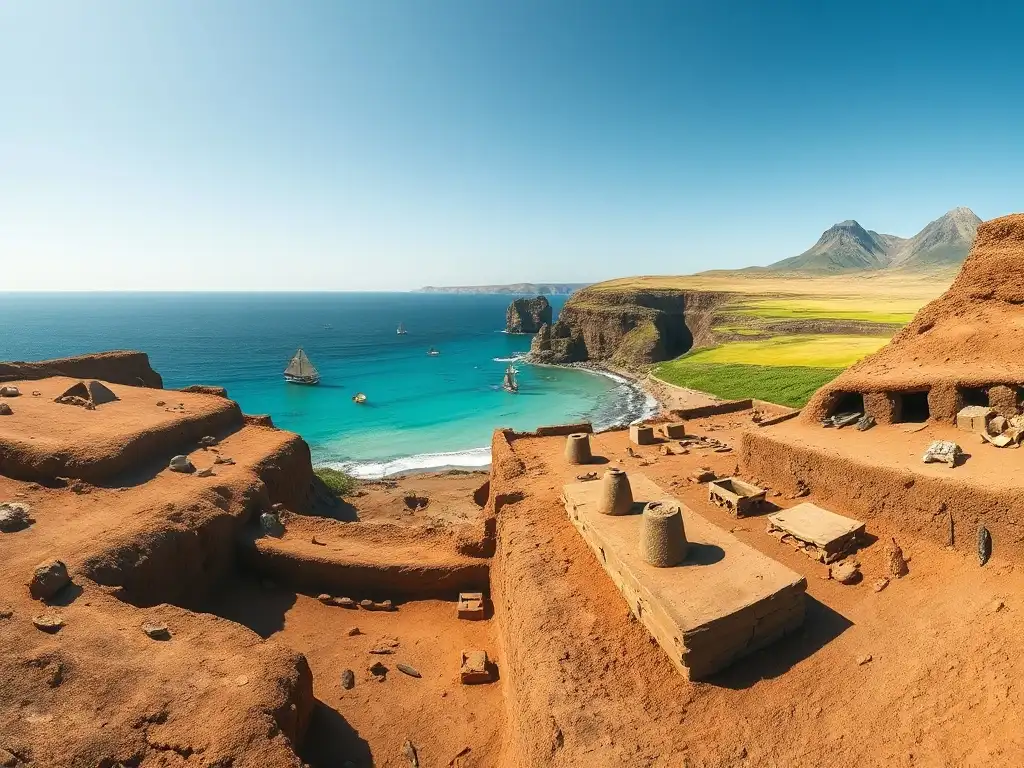
Uncover the secrets whispered on the wind across the Andes! For centuries, the towering peaks and fertile valleys have guarded the legacies of remarkable civilizations. But what if we told you that long before the Incas, a sophisticated network of trade connected distant communities? Prepare to be captivated by the story of Valdivia obsidian trade routes, a journey into the heart of Pre-Incan coastal cultures, revealing a world of ingenuity and far-reaching connections you never imagined. Dive in and discover the astonishing truth.
The Valdivia culture, flourishing along the coast of present-day Ecuador from approximately 3500 to 1800 BCE, stands as a remarkable example of early complex societies in South America. While renowned for its exquisite ceramic figurines and sophisticated social structures, the Valdivia's mastery of obsidian trade reveals a surprising level of technological and social sophistication, reaching far beyond their immediate geographical boundaries.
This article delves into the fascinating world of Valdivia obsidian trade routes, exploring the significance of this volcanic glass in their society and the intricate networks that facilitated its acquisition and distribution. Examining the archaeological evidence, we'll uncover the extent of Valdivia's connections with distant lands and the implications for our understanding of their cultural development and interactions with neighboring communities.
Understanding the Valdivia obsidian trade provides crucial insights into the early stages of complex societal development in the Andes and challenges previous assumptions about the limited interaction between coastal and highland groups during this period. The strategic acquisition and distribution of this vital resource reveal a sophisticated understanding of resource management, social organization, and long-distance exchange, painting a vibrant picture of this formative period in Andean history.
The Significance of Obsidian in Valdivia Culture
Obsidian, a naturally occurring volcanic glass, held immense importance for the Valdivia people. Its sharp edges made it ideal for crafting tools, particularly blades and projectile points, significantly enhancing hunting and processing capabilities. Archaeological excavations at Valdivia sites consistently reveal a large number of obsidian artifacts, highlighting its prevalence in daily life.
The quality and variety of obsidian tools found suggest a level of specialized craftsmanship and potentially a social hierarchy linked to its production and distribution. Beyond its utilitarian value, obsidian may have also held symbolic or ritualistic significance. The presence of obsidian in burial contexts, for example, hints at a deeper cultural meaning associated with this valuable resource.
The meticulous craftsmanship evident in some obsidian artifacts further supports this idea, suggesting that not all obsidian objects were purely functional but also served social, religious, or ceremonial purposes. Further research is needed to fully understand the intricate relationship between obsidian and Valdivia religious beliefs and practices. The scarcity of obsidian in the immediate Valdivia region underscores the importance of trade networks in acquiring this crucial material.
Understanding Valdivia's Trade Networks
The presence of obsidian, originating from sources hundreds of kilometers away in the Andes Mountains, in Valdivia sites unequivocally demonstrates the existence of extensive trade networks. Analysis of the obsidian's chemical composition allows archaeologists to trace its origin, pinpointing specific volcanic sources and mapping the routes along which it traveled. These routes likely involved complex systems of exchange, possibly incorporating both direct and indirect trade relationships. The Valdivia likely engaged in reciprocal exchange with highland communities, offering goods like ceramics and marine resources in return for obsidian.
This exchange system wasn't merely a simple bartering system; it fostered social connections and alliances, facilitating cultural exchange and the spread of ideas across vast distances. The scale and organization of these trade networks suggest a level of political and social complexity previously underestimated in early Andean societies. The logistics involved in procuring, transporting, and distributing obsidian over such long distances required sophisticated planning, organization, and potentially specialized roles within the Valdivia community.
Moreover, the consistent presence of obsidian across various Valdivia sites indicates a well-established and regulated system for its allocation and distribution, suggesting a degree of centralized control or at least a highly formalized system of exchange. Further research, including detailed analysis of settlement patterns and the distribution of obsidian artifacts across various sites, is crucial to fully elucidate the complexities of Valdivia's obsidian trade networks and their impact on the development of their society. Understanding this intricate system provides a deeper understanding of the early stages of complex societies in the Andes and their ability to establish and maintain connections across significant geographical barriers.
- What is the significance of obsidian in the Valdivia culture?
- How far did the Valdivia obsidian trade routes extend?
- What kind of artifacts were made from obsidian by the Valdivia?
- How did the Valdivia transport obsidian over such long distances?
- What does the Valdivia obsidian trade tell us about their society?
Tracing the Valdivia Obsidian Trade Routes
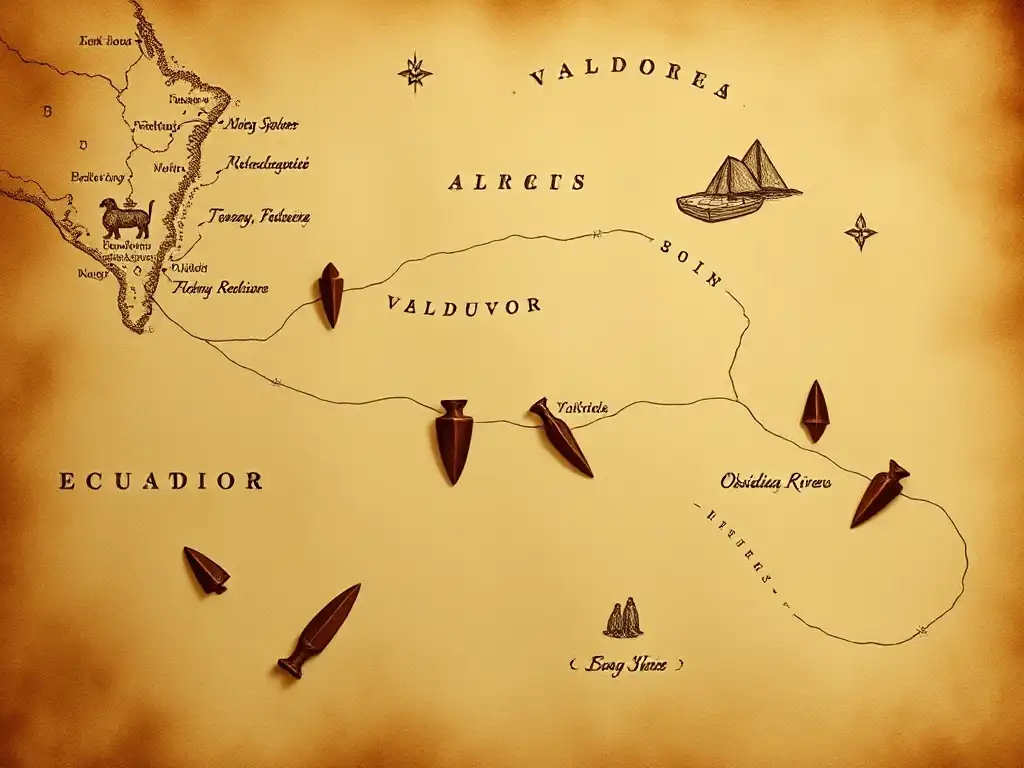
The Valdivia culture, flourishing along the coast of present-day Ecuador from approximately 3500 to 1800 BCE, stands as a remarkable example of early coastal adaptation and complex social organization in South America. A key element contributing to their societal development was their extensive obsidian trade network, a testament to their sophisticated understanding of resource management and long-distance interaction. Understanding the Valdivia obsidian trade routes provides crucial insights into their economic strategies, social structures, and connections with distant communities.
This analysis delves into the sources of their obsidian, the evidence found in settlements, and the analysis of artifacts to better illuminate this fascinating aspect of Valdivia civilization. The keyword "Valdivia obsidian trade routes" is central to understanding their complex social and economic landscape.
The Source of Obsidian: Quiscatola and Mullumica
The primary source of obsidian used by the Valdivia people was the Quiscatola and Mullumica obsidian deposits located in the Andes Mountains, hundreds of kilometers inland from their coastal settlements. This substantial distance highlights the logistical challenges and organizational capacity necessary to maintain a thriving obsidian trade. Archaeological evidence points to these specific sources through chemical analysis of obsidian artifacts found in Valdivia sites.
The consistent identification of obsidian from these sources across numerous settlements strongly suggests a well-established network for acquiring and distributing this valuable resource. The procurement of obsidian wasn't a simple task; it involved significant planning, transportation, and potentially, complex agreements or exchanges with inland communities.
This necessitates further research into the nature of these relationships, exploring the possibility of direct trade, tributary systems, or other forms of interaction. The sheer volume of obsidian artifacts found suggests a robust and well-maintained supply chain, indicating a significant investment in this trade by the Valdivia.
Evidence of Obsidian Trade in Valdivia Settlements
The presence of obsidian in Valdivia settlements provides compelling evidence of their extensive trade network. Archaeological excavations have unearthed a wide variety of obsidian artifacts, including tools, ornaments, and potentially even ceremonial objects. These artifacts are not uniformly distributed across all sites, suggesting a possible hierarchical structure in the distribution of this prized material.
Some larger, more central settlements show a greater concentration of obsidian artifacts, potentially indicating centers of distribution or elite control over the trade. Smaller, peripheral settlements may have received obsidian through exchange or redistribution from these central hubs. The types of obsidian artifacts found also vary across sites, with some specializing in specific tool types or ornaments.
This could reflect specialized craftsmanship, differing needs, or even distinct social roles within the Valdivia society. Further research is needed to fully understand the patterns of obsidian distribution and their implications for the social structure of the Valdivia. The systematic excavation and analysis of more Valdivia sites are crucial to expand our understanding of this trade network's intricacies.
Analyzing Obsidian Artifacts: Provenance and Distribution
Analyzing obsidian artifacts involves sophisticated techniques such as X-ray fluorescence (XRF) spectroscopy to determine the chemical composition of the obsidian and pinpoint its origin. This allows archaeologists to trace the obsidian back to its source, confirming the connection between the Valdivia settlements and the Andean obsidian deposits. The distribution patterns of obsidian artifacts, analyzed through geographic information systems (GIS), reveal crucial information about the trade routes.
These patterns, combined with data on settlement size and location, can shed light on the complexity and organization of the Valdivia trade network. For example, the concentration of obsidian from specific quarries in certain settlements may reveal favored trade routes or preferred trading partners. Moreover, the types of artifacts made from obsidian can provide insights into social status and technological expertise.
The presence of finely crafted obsidian tools or ornaments in certain settlements may indicate higher social standing or specialized craftsmanship within the Valdivia community. Further research using advanced analytical techniques, coupled with detailed mapping of settlement distributions, promises to significantly advance our understanding of the Valdivia obsidian trade and its role in shaping their society. The detailed analysis of these artifacts is crucial to fully understand the "Valdivia obsidian trade routes" and their impact.
The Impact of Obsidian Trade on Valdivia Society
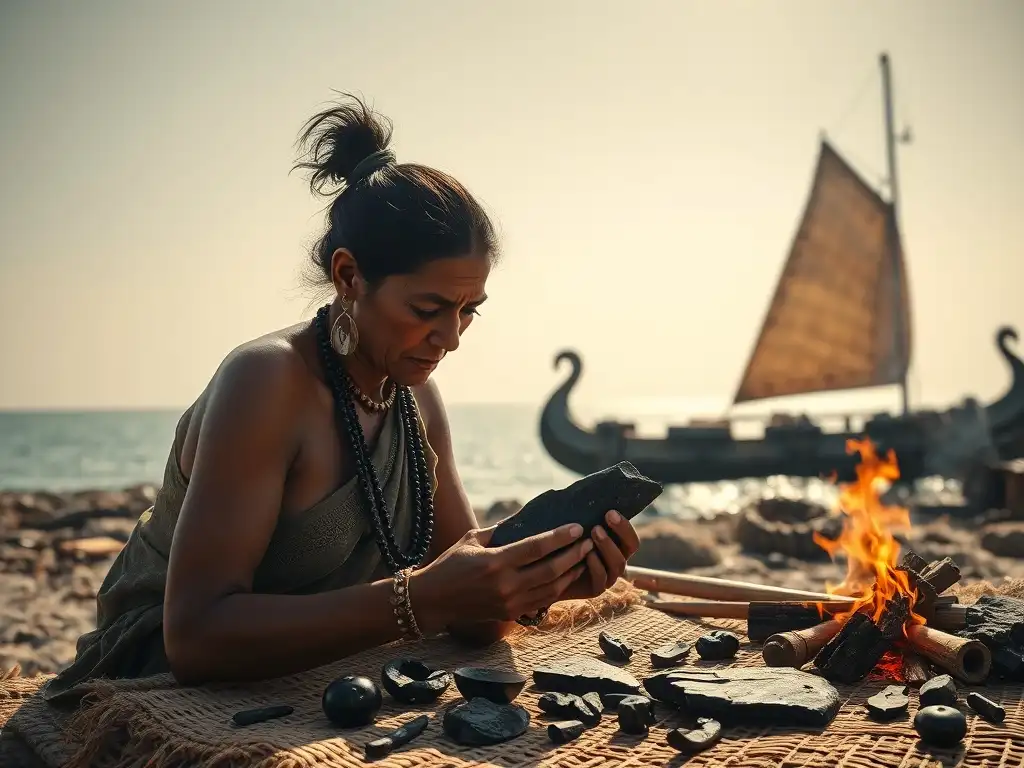
The Valdivia obsidian trade wasn't merely a commercial activity; it fundamentally shaped the social, economic, and political landscape of this early South American culture. The procurement and distribution of this prized volcanic glass fostered intricate networks that extended far beyond the Valdivia heartland, leaving an indelible mark on their civilization.
Analyzing the extent and nature of this trade provides valuable insights into the sophistication and complexity of Valdivia society, challenging previous assumptions about its relative isolation. The sheer distance covered by the obsidian trade networks speaks volumes about the Valdivia's maritime prowess and their ability to establish and maintain long-distance relationships.
Economic Implications of the Obsidian Trade
Obsidian, with its sharp edges ideal for toolmaking, represented a valuable commodity for the Valdivia. Control over its acquisition and distribution likely generated significant economic advantages. The trade itself created a specialized class of individuals involved in procurement, transportation, and exchange.
This could have involved skilled navigators, traders, and perhaps even specialized artisans who crafted obsidian tools. The presence of obsidian artifacts in sites far from its source suggests a robust system of exchange, possibly involving bartering or other forms of reciprocal trade. We can hypothesize that obsidian tools were traded for other valuable resources such as food, textiles, or other craft materials.
Further research into the types of obsidian artifacts found in different sites could help determine the relative value of obsidian compared to other goods. For example, the presence of high-quality, intricately crafted obsidian tools in elite burials could suggest that obsidian held a special status, possibly reflecting social hierarchy. Detailed analysis of Valdivia settlement patterns, in conjunction with obsidian distribution maps, could reveal whether specific settlements benefited disproportionately from the trade, potentially indicating the emergence of early forms of economic specialization and regional power imbalances.
The Valdivia obsidian trade played a crucial role in shaping the social and political structure of the society. The control over obsidian resources and trade routes likely conferred significant power and prestige upon certain individuals or groups. This might have contributed to the development of social hierarchies and the emergence of leadership structures.
The presence of obsidian in elite burials and ceremonial contexts suggests its symbolic importance, signifying status and power. The sophisticated organization required to manage the long-distance trade networks implies a level of social complexity and coordination that was previously underestimated. Archaeological evidence, such as the distribution of obsidian artifacts across different Valdivia settlements, could provide insights into the political relationships between settlements and the potential existence of inter-settlement alliances or rivalries.
The analysis of settlement sizes and the presence of defensive structures in conjunction with obsidian distribution patterns could reveal the extent to which control over the trade fostered political competition or cooperation. Further research is needed to fully understand the social and political implications of this trade network. Perhaps the analysis of settlement layouts and the discovery of specialized workshops related to obsidian tool production could shed light on this aspect.
Cultural Exchange and the Spread of Valdivia Influence
The Valdivia obsidian trade facilitated not only the exchange of goods but also the dissemination of ideas and cultural practices. The extensive network of trade routes connecting distant settlements likely fostered cultural interaction and the spread of Valdivia artistic motifs, technological innovations, and religious beliefs. The presence of Valdivia-style pottery or other artifacts in sites outside the core Valdivia region might indicate the transmission of cultural elements through trade.
However, more research is needed to determine the precise nature and extent of this cultural exchange. For example, a comparative analysis of Valdivia pottery styles found in different regions could reveal how these styles evolved and adapted over time and space. This could show the influence of local traditions on Valdivia culture, as well as the impact of Valdivia culture on other groups.
The study of obsidian tool types and manufacturing techniques could also reveal the exchange of technological knowledge and the adoption of new techniques. Ultimately, the Valdivia obsidian trade represents a significant aspect of this culture's interaction with its environment and neighboring groups, highlighting its complex social organization and long-distance connections. Further research, including detailed analysis of archaeological finds and the application of advanced analytical techniques, is necessary to gain a more comprehensive understanding of this fascinating aspect of Valdivia history.
Beyond Obsidian: Other Traded Goods
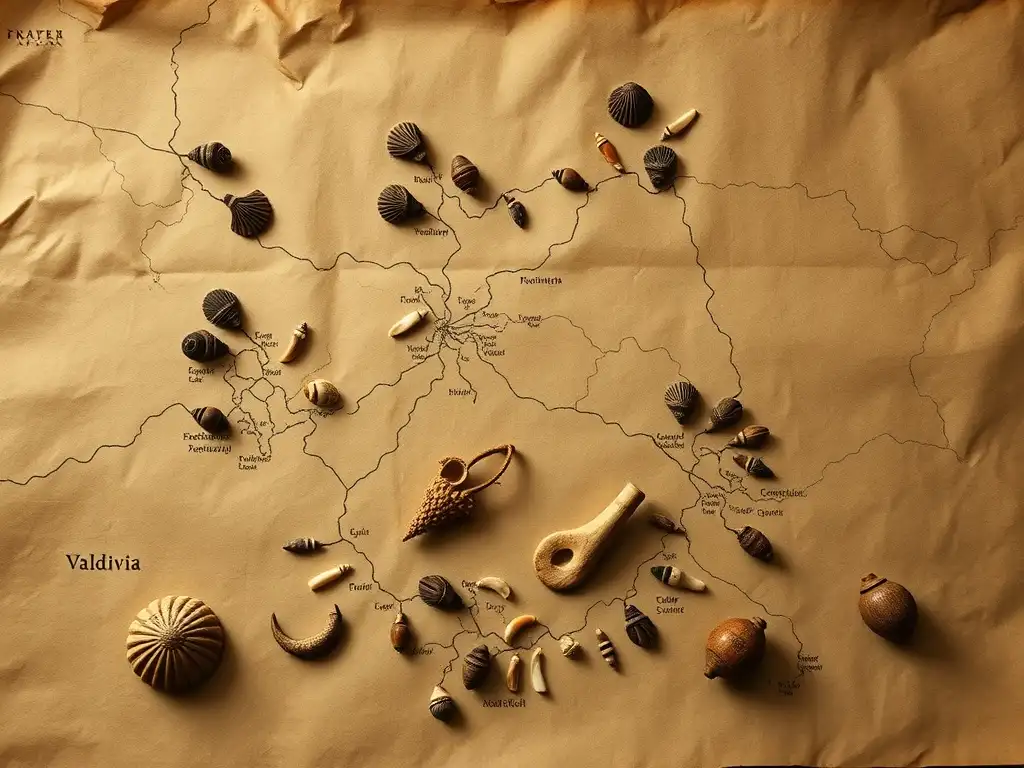
The Valdivia obsidian trade, while prominent, wasn't the sole focus of their extensive trading network. Evidence suggests a complex system of exchange involving a variety of goods, illustrating a sophisticated understanding of resource management and inter-regional relations. Understanding these complementary goods provides a richer picture of Valdivia society and its connections with other coastal and highland communities.
The sheer volume of obsidian artifacts found across a wide geographic area speaks to a robust trading system, but the presence of other traded goods confirms the existence of a multifaceted economic network that extended far beyond the simple exchange of volcanic glass. This intricate web of exchange shaped Valdivia culture, influencing its development and societal structures. Analyzing these complementary trade items reveals further nuances in understanding Valdivia's position within the broader Andean context.
Complementary Trade Items Alongside Obsidian
Beyond obsidian tools and ornaments, the Valdivia people traded a range of items reflecting their specialized skills and access to unique resources. These included:
- Spindle whorls: These small, often beautifully decorated ceramic discs were essential for spinning yarn, a crucial element in textile production. The discovery of Valdivia-style spindle whorls in distant sites suggests a significant trade in this essential crafting tool. The stylistic variations found in these whorls across different regions could even provide clues to the specific trade routes and the nature of exchanges. Further research into the clay composition of these artifacts could pinpoint their origins and further clarify the trade networks.
- Shell ornaments and beads: The Ecuadorian coast boasts a wealth of marine resources, and the Valdivia people expertly crafted shell ornaments and beads. These items, often intricately carved and polished, were highly valued trade goods, showcasing Valdivia's artistic skill and access to coastal resources. The presence of these items in sites far from the coast indicates a considerable reach of their trading system, potentially traversing significant distances inland. Analyzing the types of shell used could shed light on the specific coastal regions involved in the trade.
- Ceramics: Valdivia pottery, known for its distinctive styles and craftsmanship, was another important traded commodity. The unique styles and designs often served as markers of identity, further highlighting the cultural exchange facilitated by the trade network. Detailed analyses of the clay composition and stylistic variations in the pottery found in different regions could help researchers map the specific trade routes and identify the participating communities. The presence of specific ceramic motifs in distant locations could also illuminate cultural interactions and influences.
- Foodstuffs: While direct evidence is limited, it's highly probable that perishable goods like specialized foods or agricultural products were also part of the Valdivia trade network. The existence of a thriving agricultural system in the Valdivia region suggests surplus production that could have been traded for other resources. Further archaeological investigation, perhaps focusing on organic residue analysis, could provide more concrete evidence of this aspect of Valdivia trade.
The Reach of Valdivia's Trading System
The extent of the Valdivia obsidian trade and its associated networks remains a subject of ongoing research, but existing evidence strongly suggests a wide-reaching system. The distribution of Valdivia obsidian artifacts points to a network spanning significant distances along the coast and potentially extending into the Andean highlands. The presence of Valdivia-style artifacts in geographically distant sites provides compelling evidence for their extensive trade connections. This is further supported by the presence of other trade goods, as detailed above, which were likely part of a reciprocal exchange system.
The intricacies of these trade routes are still being uncovered, but preliminary findings suggest a complex interplay of maritime and overland transportation. Coastal navigation likely played a key role, allowing for efficient movement of goods along the coastline. However, the discovery of Valdivia artifacts in inland sites suggests that overland routes, possibly using established trails or river systems, were also utilized.
The precise routes and the mechanisms of exchange, however, require further investigation and analysis. Further research into the specific locations and characteristics of these sites, including detailed mapping of obsidian sources and the analysis of associated artifacts, will provide a more comprehensive understanding of Valdivia's extensive trading system and its importance in shaping the cultural landscape of the region.
The Valdivia obsidian trade routes represent a significant achievement in pre-Columbian Andean commerce, demonstrating advanced organizational and navigational skills. The continued study of these routes promises to reveal further insights into the social, economic, and cultural dynamics of this remarkable civilization.
Comparing Valdivia's Obsidian Trade with Other Andean Cultures
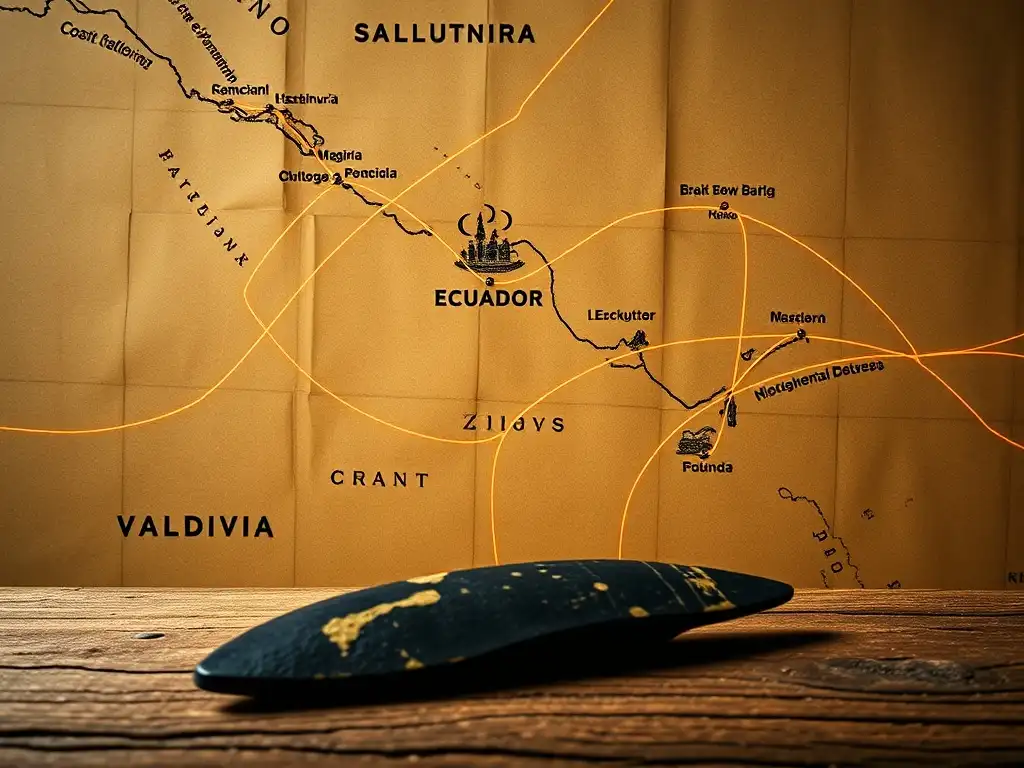
The Valdivia obsidian trade, while geographically limited compared to later Andean empires like the Inca, presents a fascinating case study in early coastal exchange networks. Unlike the Inca's vast, state-controlled system, Valdivia obsidian distribution appears to have been more localized and potentially less centralized. While the Inca utilized sophisticated relay systems and standardized weights and measures, the Valdivia likely relied on more informal, reciprocal exchange relationships.
This difference highlights the evolutionary trajectory of Andean trade practices, showcasing a shift from localized, community-based exchange towards larger-scale, state-managed systems. Evidence suggests that the Valdivia predominantly traded obsidian within a relatively circumscribed coastal region, whereas later cultures expanded their networks significantly inland and across greater distances. The type of obsidian itself also offers clues.
While later Andean cultures utilized a wider variety of obsidian sources, the Valdivia appear to have primarily relied on a limited number of readily accessible sources, suggesting a focus on immediate needs and less emphasis on long-distance acquisition. Further research into the chemical composition of Valdivia obsidian artifacts and their sources is needed to fully understand the geographical extent of their trade networks. This research could potentially reveal previously unknown connections and interactions between Valdivia communities and potentially even with other early coastal cultures.
Contrasting Trade Practices with Contemporary Societies
Analyzing the Valdivia obsidian trade through a contemporary lens reveals interesting parallels and contrasts. While modern global trade relies on complex logistical networks, sophisticated technology, and monetary systems, the Valdivia system was far simpler, reliant on personal interactions and likely bartering systems. The scale of the trade was undoubtedly smaller, reflecting the limited technological capabilities and population density of the time. However, the fundamental principles of exchange – the need for resource acquisition, the establishment of relationships, and the development of networks – remain consistent across millennia.
Modern supply chains, while vastly more intricate, share the basic principle of moving goods from producers to consumers, mirroring the Valdivia's movement of obsidian artifacts. The difference lies in the scale and methodology. Consider, for instance, the tracking capabilities of modern logistics versus the reliance on memory and personal connections in the Valdivia period.
The Valdivia obsidian trade routes, while less documented, were no less vital to the survival and prosperity of the communities involved. The lack of extensive written records necessitates a reliance on archaeological evidence and careful interpretations of the material culture, creating a unique challenge for researchers to understand the nuances of this early trade system. The limited availability of data on the social structures and economic organization of the Valdivia further complicates the comparison with modern trade systems.
Unique Aspects of Valdivia's Obsidian Exchange
What truly sets Valdivia's obsidian exchange apart is its early date and the limited geographical reach. Compared to other Andean cultures which developed extensive trade networks over centuries, the Valdivia's obsidian trade represents an early stage in the evolution of these systems. The relatively small size of the Valdivia settlements and the localized nature of their obsidian sources suggest a predominantly intra-regional trade.
This contrasts sharply with later Andean civilizations, which established extensive inter-regional trade routes, connecting distant communities across vast geographical areas. The artifacts themselves, often small tools and ornaments, indicate a focus on practical and ceremonial uses rather than large-scale construction or monumental architecture, as seen in later periods. Moreover, the absence of standardized weights and measures, a hallmark of later Andean trade, suggests a less formalized and potentially more personalized approach to exchange.
The social implications of this localized exchange are significant, suggesting strong social ties and potentially collaborative relationships between different Valdivia communities. The limited evidence available makes it challenging to fully understand the complexity of these relationships. Further research, particularly in the field of archaeobotany and zooarchaeology, could provide additional insights into the broader economic and social context of the Valdivia obsidian trade.
The Legacy of Valdivia's Obsidian Trade
This section delves into the enduring impact of the Valdivia culture's obsidian trade networks on the broader context of early Andean commerce and its significance in the development of inter-regional relationships. The Valdivia obsidian trade routes, though not as extensively documented as those of later Andean civilizations, represent a crucial early stage in the development of complex trade systems in the region. Understanding their reach and influence provides invaluable insights into the social, economic, and political structures of this formative period.
The meticulous analysis of obsidian artifacts unearthed at Valdivia sites, coupled with geochemical sourcing techniques, allows us to reconstruct these ancient pathways of exchange and their lasting contribution to Andean cultural development. The sheer distance involved in some of these exchanges underscores the advanced navigational and organizational capabilities of the Valdivia people.
Insights into Early Andean Commerce
The Valdivia obsidian trade provides a fascinating glimpse into the earliest forms of organized commerce in the Andes. Unlike later, more centralized empires with clearly defined trade routes and administrative structures, the Valdivia system likely involved a more decentralized network of exchange, possibly based on kinship ties and reciprocal relationships. The presence of obsidian artifacts from distant sources in Valdivia settlements suggests the existence of sophisticated communication and transportation networks, capable of moving goods across significant geographical distances.
This early form of trade laid the groundwork for the more complex and extensive trade systems that would characterize later Andean civilizations. Analysis suggests that obsidian wasn't just a commodity but a valuable resource with symbolic and ritualistic significance, further reinforcing its role in the social fabric of Valdivia society. The patterns of obsidian distribution, though requiring further research, hint at potential social hierarchies and power structures within the Valdivia culture.
Further investigation into the types of goods exchanged alongside obsidian could illuminate the broader economic landscape of the time. For example, were there reciprocal exchanges of other resources, creating a complex web of interdependence between different communities? [Specific details on reciprocal goods pending further research].
The Importance of Obsidian in Pre-Incan Civilizations
Obsidian, a volcanic glass, held immense value in pre-Incan Andean societies for its sharp edges, making it ideal for crafting tools and weapons. Its aesthetic qualities also made it a prized material for creating ceremonial objects and adornments. The Valdivia culture's utilization of obsidian, sourced from geographically distant locations, underscores its importance not only as a practical resource but also as a symbol of prestige and power.
The meticulous craftsmanship evident in Valdivia obsidian artifacts points to specialized skills and knowledge within the society, suggesting the existence of skilled artisans who controlled access to and the production of these valuable goods. The consistent presence of obsidian across different Valdivia sites, regardless of geographical location, emphasizes the widespread distribution and importance of this material within the culture. Moreover, the use of obsidian in burial contexts suggests its association with ritual practices and beliefs about the afterlife.
Understanding the role of obsidian in Valdivia society provides a vital key to understanding their social organization, religious beliefs, and economic activities. [Further research is needed to determine the precise ritual significance of obsidian in Valdivia culture].
Valdivia's Contribution to Andean Trade History
The Valdivia obsidian trade represents a foundational element in the long and rich history of Andean trade. It demonstrates the early emergence of inter-regional connections and exchange networks, setting the stage for the more extensive and complex trade systems of later Andean civilizations. While the precise mechanisms of exchange remain partially unclear, the presence of Valdivia obsidian in distant locations undeniably establishes the culture's active participation in regional trade.
This early engagement with long-distance trade played a significant role in shaping the cultural landscape of the Andes, facilitating the spread of ideas, technologies, and potentially even religious beliefs. The Valdivia experience offers a valuable case study for understanding the evolution of trade in the Andean region, illustrating the gradual development of complex economic systems from simpler, more localized forms of exchange.
The legacy of the Valdivia obsidian trade routes extends far beyond its immediate timeframe, contributing significantly to our understanding of the dynamics of early Andean societies and their interactions with the wider environment. Further research, particularly focusing on radiocarbon dating of obsidian artifacts and detailed geochemical sourcing, will refine our understanding of the Valdivia obsidian trade's scope and impact.
Frequently Asked Questions
What is the significance of obsidian in the Valdivia culture?
Obsidian was a highly valued resource for the Valdivia, used for creating tools and ceremonial objects. Its presence indicates extensive trade networks and connections with distant regions.
How far did the Valdivia obsidian trade routes extend?
The Valdivia's obsidian trade reached across significant distances, with evidence suggesting connections to sources in Ecuador and possibly beyond, demonstrating a sophisticated understanding of geography and trade.
What kind of artifacts were made from obsidian by the Valdivia?
Valdivia artisans crafted various obsidian items, including blades, projectile points, and possibly ornaments, showcasing their advanced skills in stone working and their access to this valuable material.
How did the Valdivia transport obsidian over such long distances?
While the exact methods remain debated, it's likely that obsidian was transported via a combination of land and sea routes, possibly using canoes and pack animals, reflecting the Valdivia's advanced seafaring capabilities.
What does the Valdivia obsidian trade tell us about their society?
The extensive obsidian trade points to a complex social structure with established trade networks and long-distance interactions, highlighting the Valdivia’s sophisticated organization and influence in the Andean region.
Final Reflection: Echoes of Obsidian, Bridges Across Time
The Valdivia obsidian trade wasn't merely a commercial exchange; it was a testament to the ingenuity and interconnectedness of early Andean societies. This intricate network of routes, spanning vast distances across treacherous terrain, speaks volumes about the sophisticated organizational skills and far-reaching influence of the Valdivia culture. Its legacy continues to resonate today, reminding us of the power of human connection and the enduring impact of ancient civilizations.
The Valdivia obsidian trade profoundly shaped the cultural landscape of the Andean region, influencing artistic expression, technological advancements, and even social structures. The sheer scale of this operation, requiring complex logistical planning and extensive social networks, is truly remarkable. The past is never dead. It's not even past.
- William Faulkner. This quote perfectly encapsulates the enduring relevance of the Valdivia obsidian trade, as its echoes continue to reverberate through archaeological discoveries and our understanding of early human societies. Its study allows us to connect with a past that, while seemingly distant, shares surprising parallels with our own interconnected world.
Consider the implications of this ancient trade network. Think about the human effort, the social organization, and the sheer determination required to establish and maintain such a far-reaching system. You too can forge connections, build bridges, and leave your own mark on the world. Let the story of the Valdivia obsidian trade inspire you to reach beyond your immediate surroundings, to embrace collaboration, and to appreciate the enduring power of human connection across time and space. Embrace the challenge of understanding our shared past to better navigate our complex present and shape a more connected future.
Unveil the Secrets of Obsidian Trade in Valdivia!
Thank you for exploring the fascinating world of obsidian trade in Valdivia. You've discovered the rich connections between ancient civilizations, and now you can continue your journey of discovery!
Here are some ways to further explore this captivating topic:
- Delve Deeper: Visit local museums or archaeological sites featuring Valdivian artifacts. Immerse yourself in the stories they tell of daily life and cultural exchange.
- Share Your Discoveries: Discuss your insights with friends, family, or online communities. Explain how ancient trade routes shaped the cultural landscape of the region.
- Connect with Fellow Enthusiasts: Join online forums or local groups dedicated to Andean history. Share resources and collaborate with other researchers and enthusiasts.
What aspect of Valdivia's obsidian trade intrigues you most, and how do you think it influenced relationships with distant communities?