
Valdivia and the Sea: Maritime Adaptations of a Coastal Culture

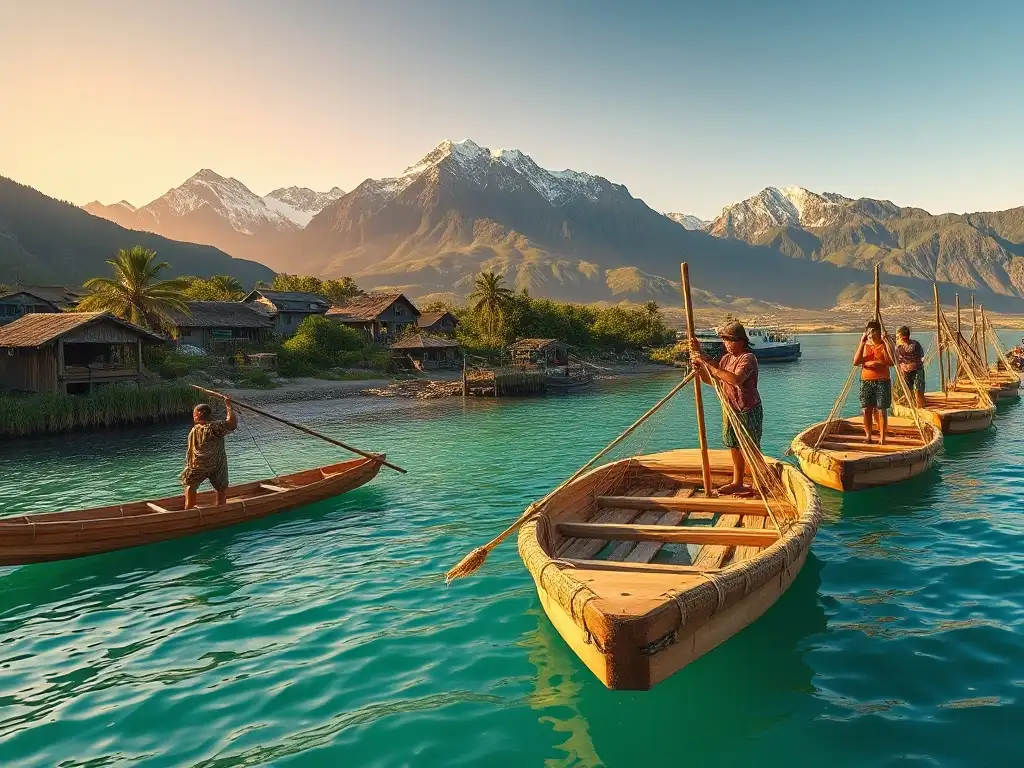
Dive into the enigmatic world of the Andean civilizations! Prepare to be captivated by their breathtaking artistry, ingenious engineering, and complex societies. But first, let's unravel the mysteries of a culture that thrived centuries before the Incas: the Valdivia. Their remarkable maritime culture adaptations, detailed in our main article, "Valdivia and the Sea," will challenge your understanding of early Andean life. Are you ready to explore the secrets hidden along the ancient coastline?
The Valdivia culture, flourishing along the coast of present-day Ecuador from approximately 3500 to 1800 BCE, stands as a remarkable example of early human adaptation to a maritime environment. Unlike many contemporary societies focused primarily on agriculture, the Valdivia people developed a sophisticated relationship with the sea, shaping their culture, technology, and daily lives around its bounty.
This article delves into the fascinating world of Valdivia maritime culture, exploring their innovative strategies for exploiting marine resources and their unique adaptations to a coastal existence. We will examine their coastal settlements, their fishing techniques, and the evidence of their maritime trade networks, highlighting the significant role the ocean played in their social and economic development.
Understanding the Valdivia's relationship with the sea provides crucial insights into the ingenuity and resilience of early coastal communities and contributes significantly to our broader understanding of the development of complex societies in the Andean region. This exploration of "Valdivia maritime culture adaptations" will reveal a civilization deeply intertwined with the Pacific Ocean, a connection that profoundly shaped their identity and legacy.
The Coastal Origins of the Valdivia Culture
The Valdivia culture emerged in a region characterized by a diverse coastal ecosystem, encompassing estuaries, mangroves, and productive marine waters. Archaeological evidence suggests that the Valdivia people established permanent settlements along the coast, taking advantage of the abundant resources available. These settlements were strategically located near sources of freshwater and sheltered bays, providing protection from the unpredictable Pacific Ocean.
Early Valdivia sites often reveal evidence of shell middens—large heaps of discarded shells—indicating a significant reliance on shellfish as a primary food source. Analysis of these middens provides valuable information about the types of shellfish consumed, seasonal variations in diet, and the overall importance of marine resources in their sustenance. Furthermore, the discovery of early ceramic artifacts, some decorated with intricate designs, suggests a developed artistic tradition closely linked to the sea.
The intricate details often depict marine life, demonstrating the deep connection between the Valdivia people and their marine environment. The earliest Valdivia settlements show a clear understanding of the rhythms of the ocean and a capacity to adapt to its challenges. This adaptability laid the foundation for the complex maritime culture that would follow.
Valdivia Maritime Culture: An Overview of Coastal Adaptations
The Valdivia people developed a range of sophisticated adaptations to thrive in their coastal environment. Their fishing techniques, though lacking advanced technologies like large boats, were remarkably effective. Evidence suggests the use of simple fishing tools, such as hooks and nets, crafted from materials readily available in their surroundings. The utilization of these tools, combined with knowledge of local marine life migration patterns, allowed them to successfully harvest a variety of fish and other marine creatures.
Beyond subsistence fishing, the Valdivia also engaged in maritime trade. The distribution of Valdivia ceramics across a wide geographical area suggests the existence of established trade networks extending along the coast. This trade likely involved the exchange of not only ceramic goods but also other valuable resources, such as shells, pigments, and possibly even food.
The scale and sophistication of this maritime trade point to a well-organized social structure and a deep understanding of navigation and seafaring. The Valdivia's mastery of their coastal environment, their innovative fishing techniques, and their extensive trade networks demonstrate a remarkable level of adaptation and resourcefulness for a pre-ceramic society. Their legacy continues to inspire research and offers invaluable insights into the complexities of early human interactions with the marine world.
Early Valdivian Fishing Techniques and Technologies
The Valdivia culture, flourishing along the coast of present-day Ecuador from approximately 3500 to 1800 BCE, demonstrated remarkable adaptations to a maritime lifestyle. Their success hinged on sophisticated fishing techniques and technologies, reflecting a deep understanding of the marine environment and its resources. Archaeological evidence suggests a diverse range of fishing methods, far beyond simple hand-gathering.
This wasn't just about sustenance; fishing was deeply integrated into their social and economic structures. The development of these techniques played a crucial role in supporting a relatively large and settled population along the coast, a significant achievement for a pre-ceramic society. The ingenuity displayed in their tools and methods showcases their adaptive capacity and technological prowess, setting the stage for later coastal cultures in the region.
Detailed analysis of excavated sites reveals a clear progression in fishing technology over time, indicating a continuous process of innovation and refinement. This reflects not only a practical need to increase efficiency but also a cultural evolution tied to their relationship with the sea.
Valdivia's Fishing Gear: Hooks, Nets, and Lines
Valdivian fishing gear, meticulously crafted from readily available materials, provides compelling insights into their maritime skills. Archaeologists have unearthed numerous examples of fishhooks, primarily made from bone and shell, showcasing a remarkable level of craftsmanship. These hooks vary in size and shape, suggesting adaptation to different types of fish.
The careful shaping and sharpening of these tools indicate a high degree of skill and precision. In addition to hooks, evidence suggests the use of nets, likely woven from plant fibers, although direct evidence of the nets themselves is scarce. The presence of net weights, small stones or shells used to keep nets submerged, supports this hypothesis.
Furthermore, the discovery of spindle whorls—devices used in spinning fibers—indicates the production of strong, durable threads suitable for net making. The combination of hooks, nets, and possibly lines demonstrates a sophisticated approach to fishing, allowing for the capture of a wider variety of fish and shellfish. This diversified approach ensured a reliable food source, crucial for the sustainability of the Valdivia settlements.
The Importance of Shellfish in the Valdivian Diet
Shellfish played a pivotal role in the Valdivian diet, providing a significant source of protein and other essential nutrients. The abundance of shellfish middens – large piles of discarded shells – at Valdivia sites is a powerful testament to their dietary importance. The sheer volume of these middens underscores the scale of shellfish consumption.
Analysis of the shellfish remains reveals a wide variety of species, indicating a diverse and sustainable approach to harvesting. This wasn't just opportunistic gathering; the Valdivia people clearly understood the seasonal patterns of shellfish populations and employed methods to maximize their harvest without depleting the resource. The presence of specialized tools, such as shell scoops and possibly even rudimentary rakes, further supports this.
The importance of shellfish extends beyond mere sustenance; their shells were also utilized for tool production, ornamentation, and possibly even in ritual contexts. The ubiquitous presence of shellfish in the Valdivian archaeological record highlights its fundamental role in shaping their culture and sustaining their coastal settlements.
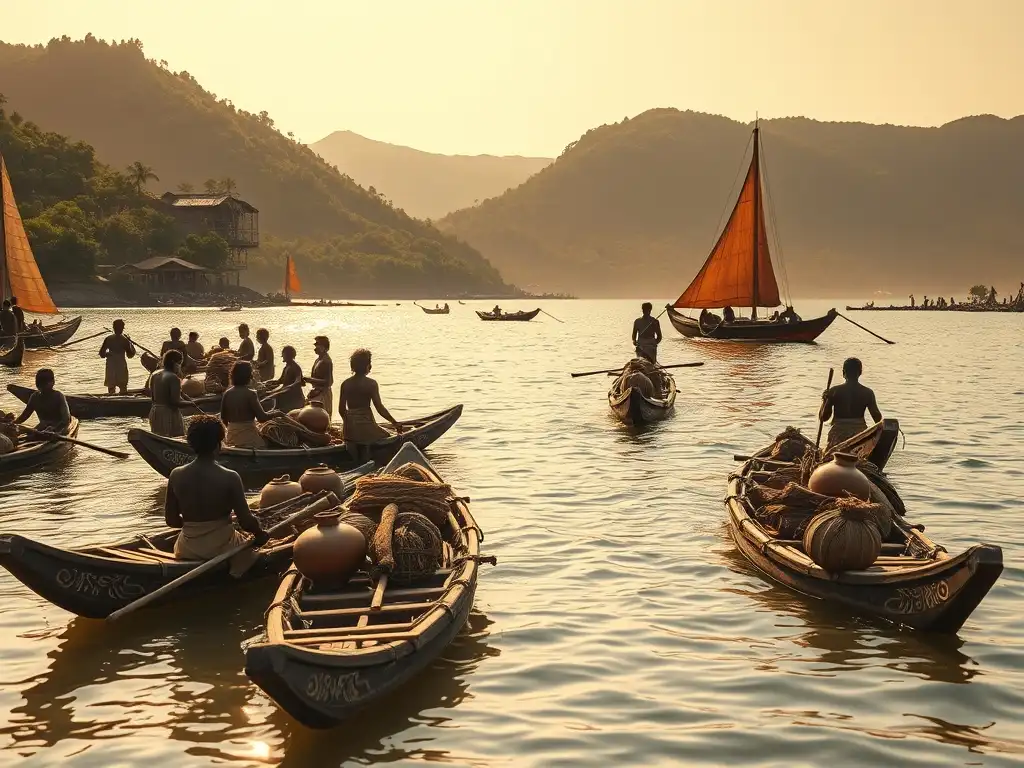
The Valdivia people's mastery of the sea extended beyond fishing; they also engaged in navigation and maritime trade. While direct evidence of elaborate vessels is limited, indirect evidence strongly suggests the existence of watercraft capable of navigating coastal waters and potentially venturing further offshore. The distribution of Valdivian artifacts across a wide geographical area suggests a well-established network of coastal trade. The exchange of goods, including obsidian from distant sources, implies the capacity for maritime travel beyond the immediate vicinity of their settlements.
The sophistication of their fishing techniques and the evidence of coastal trade hint at a level of maritime expertise that exceeded simple subsistence activities. This suggests a level of social organization and planning necessary to coordinate such activities. The development of navigation skills was not only crucial for trade but also for maintaining contact between different settlements and potentially for responding to environmental changes.
Evidence of Valdivian Boat Building and Seafaring
While complete Valdivian boats haven't been found, the archaeological record offers tantalizing clues about their boat-building capabilities and seafaring practices. The abundance of suitable timber along the coast implies the use of wood in boat construction. Furthermore, the discovery of stone tools suitable for shaping and carving wood suggests the capacity for crafting relatively sophisticated watercraft. The presence of shell ornaments and other artifacts found at distant sites provides indirect evidence of maritime travel and trade.
The distribution patterns of these artifacts suggest established routes and networks connecting different Valdivian settlements. While specific boat designs remain unknown, the cumulative evidence strongly suggests the Valdivia people possessed the skills and technology necessary for constructing and navigating boats, facilitating both fishing and long-distance trade. Further research, particularly focused on underwater archaeology, could potentially reveal more direct evidence of Valdivian vessels.
Coastal Trade Routes and Exchange Networks
The Valdivia culture participated in extensive coastal trade networks, exchanging goods with other settlements along the Ecuadorian coast and potentially beyond. The distribution of obsidian, a volcanic glass used for toolmaking, found in Valdivia sites but sourced from distant inland locations, is a strong indicator of long-distance trade. This suggests established trade routes connecting coastal communities with inland sources of raw materials.
Other traded goods likely included ceramics, shell ornaments, and possibly agricultural products. The presence of similar styles of artifacts at widely separated sites suggests a degree of cultural exchange and interaction facilitated by these trade networks. The nature of these trade networks, whether they were organized through reciprocal exchange or more complex systems, remains a subject of ongoing research.
However, the evidence clearly points to a dynamic interplay between different Valdivia settlements and their interaction with neighboring communities. The development of these trade routes was crucial for the economic and cultural development of the Valdivia culture, contributing to its overall prosperity and long-term survival.
Valdivia's Relationship with the Ocean: Religious and Symbolic Aspects
The Valdivia culture's relationship with the ocean extended far beyond mere subsistence. The sea held profound religious and symbolic significance, deeply interwoven with their worldview and daily life. Evidence suggests a reverence for marine life and the power of the ocean, reflected in their art, rituals, and settlement patterns. This spiritual connection wasn't a passive observation; instead, it was an active engagement with the marine environment, shaping their beliefs and practices.
The ocean wasn't simply a source of food but a powerful entity deserving of respect and veneration. This is a key aspect of understanding the Valdivia culture's unique maritime adaptations, differentiating it from solely utilitarian approaches to the sea seen in other cultures. Their intricate relationship with the ocean underscores the importance of the sea in their cosmology.
Marine Iconography in Valdivian Art and Ceramics
Valdivian art provides compelling visual evidence of their deep connection to the sea. Ceramics, in particular, feature prominent marine iconography. Depictions of marine animals, such as fish, shellfish, and seabirds, are common motifs found across various Valdivian pottery styles. These aren't merely decorative elements; the careful detail and prominent placement of these images suggest a symbolic significance.
Some scholars interpret specific marine creatures as representations of deities or ancestral spirits, linking the marine world to the spiritual realm. The stylistic variations in these depictions across different Valdivian phases may indicate evolving religious beliefs or changing social structures. Further research into the specific iconographic meanings is needed to fully decipher the complex symbolism embedded in Valdivian art. The presence of these marine motifs in everyday objects suggests that the sea was an integral part of their daily lives, not just reserved for special occasions or religious rituals.
The Role of the Sea in Valdivian Beliefs and Rituals
The sea played a central role in Valdivian rituals and beliefs. While the specifics remain partially obscured by time, archaeological findings hint at ceremonies and practices connected to the ocean. The discovery of shell middens, carefully arranged and often associated with other artifacts, suggests ritualistic deposition of offerings to the sea. These middens might represent offerings for bountiful harvests or appeasement of marine deities.
The presence of specific marine species in these contexts could reveal further details about their religious beliefs and the hierarchy of marine creatures in their worldview. Unfortunately, a comprehensive understanding of their ritualistic practices requires further investigation and analysis of existing archaeological data, along with more detailed ethnographic studies to better interpret the subtle clues left behind. The absence of written records necessitates careful interpretation of material culture to uncover the secrets of their maritime spirituality.
The Impact of the Marine Environment on Valdivian Settlements
The marine environment profoundly shaped the location and layout of Valdivian settlements. Their proximity to the ocean wasn't accidental; rather, it reflects a strategic adaptation to the available resources and the challenges of coastal living. The choice of settlement sites demonstrates a deep understanding of coastal geography and the dynamics of the marine ecosystem. This understanding was crucial for their survival and prosperity.
Coastal Settlements and Their Adaptation to the Sea
Valdivian settlements were strategically located along the coast, taking advantage of access to marine resources and sheltered bays. These settlements weren't simply clustered haphazardly; they were carefully positioned to optimize access to fishing grounds, shellfish beds, and safe harbors. The construction techniques employed in building their houses and structures also reflect adaptations to the coastal environment.
Materials readily available from the sea, such as shells and wood, were incorporated into their architecture. The size and layout of the settlements varied, likely reflecting the availability of resources and population density in different areas. Further investigation into the spatial arrangement of structures within settlements could reveal more about their social organization and resource management strategies.
Resource Management and Sustainable Practices
The Valdivia culture demonstrated remarkable resource management skills, ensuring the long-term sustainability of their marine-based economy. Evidence suggests they employed sustainable harvesting practices, preventing the depletion of shellfish beds and fish stocks. This wasn't simply a matter of luck; it demonstrates a sophisticated understanding of the marine ecosystem and the importance of responsible resource use. Their long-term occupation of coastal areas is a testament to their ability to successfully manage their resources.
Analyzing the composition of shell middens over time could provide insights into their harvesting strategies and their effectiveness in maintaining the health of the marine ecosystem. Understanding these sustainable practices is crucial to appreciating the ingenuity and foresight of the Valdivia people in their relationship with the sea. Their example offers valuable lessons for modern societies grappling with the challenges of sustainable resource management in coastal environments.
Valdivia Maritime Culture Adaptations: Key Factors
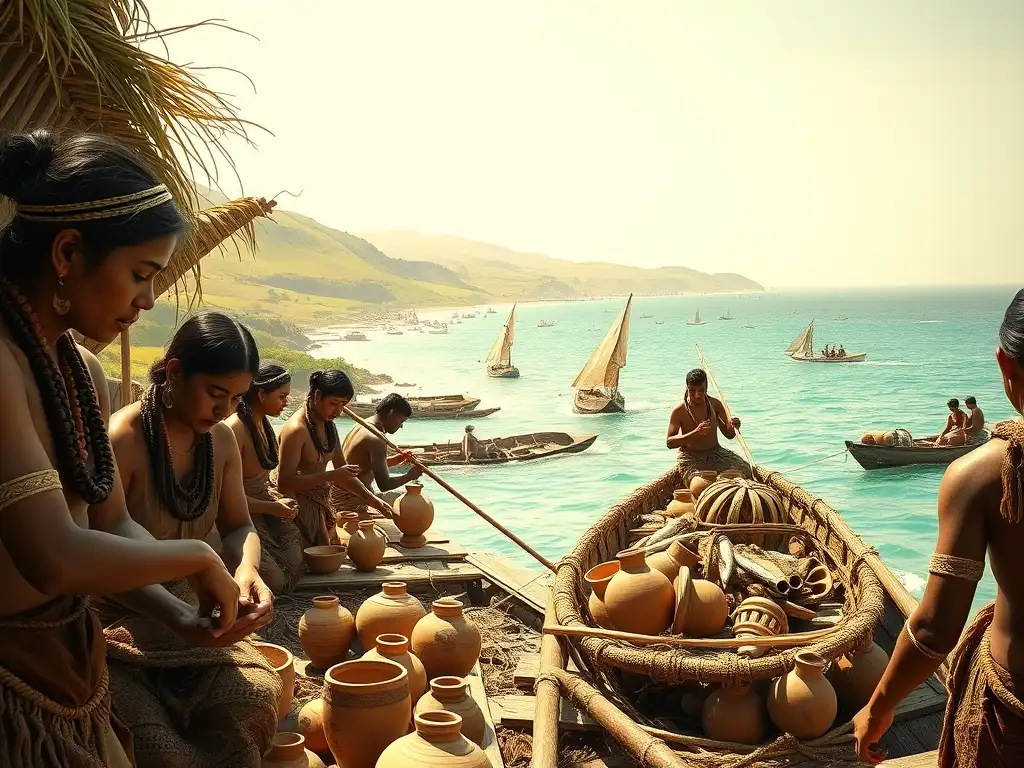
The Valdivia culture's remarkable maritime adaptations weren't born in a vacuum; rather, they were a complex interplay of environmental pressures, ingenious technological innovation, and evolving social structures. Understanding these key factors is crucial to appreciating the full scope of Valdivian achievements. Their success in navigating and exploiting the marine environment laid the groundwork for future coastal civilizations in the Andes.
The sophisticated understanding and utilization of marine resources was a defining characteristic of their society, influencing their economy, social organization, and artistic expression. The development of specialized tools and boats showcases their advanced understanding of engineering and their ability to adapt to their environment. This wasn't simply survival; it was a flourishing relationship with the sea, a relationship that shaped their identity and left a lasting legacy.
Environmental Factors Shaping Valdivian Seafaring
The coastal environment of the Guayas River basin in present-day Ecuador presented both challenges and opportunities for the Valdivia people. The rich biodiversity of the Pacific Ocean, abundant with fish, shellfish, and marine mammals, provided a substantial food source. However, navigating the often-turbulent waters of the Pacific required considerable skill and the development of appropriate seafaring technology. The seasonal variations in currents and weather patterns also played a significant role, necessitating flexible strategies for fishing and coastal trade.
The readily available resources like clay for pottery and wood for boats were key factors allowing for the development of their maritime technology. Understanding the interplay between these environmental factors and the Valdivia people's ingenuity is essential to understanding their maritime success. The specific types of wood used, their resistance to saltwater, and the techniques employed in boat building all reflect a deep understanding of the local environment.
Social and Cultural Drivers of Maritime Innovation
Beyond the environmental pressures, social and cultural factors also fueled Valdivia's maritime innovations. The development of a complex social structure likely facilitated the organization of fishing expeditions and the distribution of resources. Evidence suggests specialized roles within the community, with some individuals focusing on boat building, fishing, and trade. Ritualistic practices may have played a role in fostering a connection to the sea and encouraging exploration.
The presence of elaborate shell ornaments and the artistic representation of marine life in their pottery suggest the sea held significant cultural and spiritual importance. The need for trade, whether for essential resources or luxury goods, would have further stimulated the development of maritime technology and navigational skills. This complex interplay of social organization and cultural beliefs fostered a culture deeply intertwined with the sea, resulting in remarkable achievements in maritime technology and exploration.
Legacy of Valdivia's Maritime Adaptations in Andean History
The Valdivia culture's maritime prowess wasn't a fleeting achievement; it left a significant and lasting impact on the subsequent development of Andean coastal societies. Their innovations served as a foundation upon which later cultures built, refining and expanding upon Valdivian technologies and practices. The Valdivia's influence is evident in the continuity of certain maritime traditions and technologies across different coastal cultures.
The understanding of marine resources and the techniques employed for seafaring were not lost but rather served as a crucial base for future development. The legacy of Valdivia is not merely historical; it's a testament to the enduring impact of human ingenuity and adaptation in shaping the course of civilization.
Influence on Later Coastal Cultures
The influence of Valdivia's maritime adaptations can be traced through various coastal cultures that followed. While the specifics vary, the fundamental understanding of ocean navigation, fishing techniques, and the exploitation of marine resources shows clear connections to Valdivia's legacy. For example, [Specific examples of later coastal cultures influenced by Valdivia's maritime adaptations are pending].
The continuity of certain pottery styles and shell ornamentation also suggests a cultural link that extended beyond mere technological influence. This suggests a transmission of knowledge and practices across generations and potentially through migration or cultural exchange. The Valdivia's contribution wasn't just a technological one; it was a cultural one, shaping the worldview and practices of later Andean coastal societies.
The Enduring Importance of the Sea in Andean Civilizations
The sea continued to hold immense significance for Andean civilizations long after the Valdivia culture. From the fishing practices of later cultures to the development of coastal trade routes and the symbolic importance of marine life in art and religion, the legacy of Valdivia's maritime adaptations is evident. The ocean was not merely a source of sustenance but a vital component of their cultural identity and economic prosperity.
The lasting impact of Valdivia's maritime expertise underscores the enduring importance of the sea in shaping Andean history and culture. The sea's influence extends far beyond simple resource extraction, shaping societal structures, religious beliefs, and artistic expression across centuries. The Valdivia culture's pioneering role in establishing this enduring relationship with the sea deserves recognition as a foundational element of Andean civilization.
Conclusion: Understanding the Valdivia Maritime Legacy
The Valdivia culture's sophisticated adaptation to the maritime environment stands as a testament to human ingenuity and resilience. Their mastery of fishing techniques, evidenced by the diverse array of fishing tools unearthed at archaeological sites, allowed them to thrive in a challenging coastal ecosystem. The development of advanced navigation skills, although the exact extent remains a subject of ongoing research, suggests a deep understanding of ocean currents and weather patterns, crucial for both fishing and potentially inter-coastal trade.
The production of elaborate ceramic vessels, many depicting marine life, speaks to a strong cultural connection to the sea, reflecting its central role in their daily lives and spiritual beliefs. This intricate relationship between the Valdivia people and the Pacific Ocean is not merely a historical curiosity; it offers valuable insights into the adaptability of early coastal societies and the complex interplay between human culture and the environment. Understanding the Valdivia maritime legacy helps us appreciate the diverse strategies employed by pre-Columbian cultures to exploit marine resources and build thriving coastal communities.
Further research, particularly focused on isotopic analysis of human remains and advanced geophysical surveys of potential settlements, can provide a more complete picture of their maritime activities and societal organization. The enduring impact of the Valdivia's maritime adaptations is evident in the continued importance of the sea for coastal communities in the region, highlighting the long-term legacy of this pioneering culture. The study of Valdivia's maritime culture adaptations continues to provide crucial insights into the earliest known complex societies in South America and their unique relationship with the sea.
- The Coastal Origins of the Valdivia Culture
- Valdivia Maritime Culture: An Overview of Coastal Adaptations
- Early Valdivian Fishing Techniques and Technologies
- Navigation and Maritime Trade in Valdivia Society
- Valdivia's Relationship with the Ocean: Religious and Symbolic Aspects
- The Impact of the Marine Environment on Valdivian Settlements
- Valdivia Maritime Culture Adaptations: Key Factors
- Legacy of Valdivia's Maritime Adaptations in Andean History
- Conclusion: Understanding the Valdivia Maritime Legacy
- What is the Valdivia culture known for?
- How did the Valdivia people adapt to their maritime environment?
- What kind of technology did the Valdivia culture use?
- What is unique about Valdivia's maritime adaptations compared to other coastal cultures?
- How did the Valdivia culture's location impact its development?
Frequently Asked Questions
What is the Valdivia culture known for?
The Valdivia culture is renowned for being one of the earliest known ceramic traditions in the Americas, dating back to 3500 BCE. They also demonstrated remarkable adaptations to a coastal lifestyle.
How did the Valdivia people adapt to their maritime environment?
The Valdivia people developed sophisticated fishing techniques and specialized tools for harvesting marine resources. They also built settlements near the coast, taking advantage of the abundant seafood.
What kind of technology did the Valdivia culture use?
Their technology included advanced pottery techniques, creating elaborate figurines and vessels. They also utilized various fishing tools and boats suited to the coastal environment.
What is unique about Valdivia's maritime adaptations compared to other coastal cultures?
The Valdivia culture's early adoption of ceramic technology in conjunction with their sea-faring lifestyle is a key distinguishing feature. Their sophisticated understanding of marine resources also stands out.
How did the Valdivia culture's location impact its development?
Their coastal location provided abundant resources, fueling population growth and the development of a complex social structure. The sea was integral to their daily life and cultural identity.
Final Reflection: The Enduring Legacy of Valdivia's Maritime Mastery
The ingenuity of the Valdivia culture in adapting to their coastal environment remains a powerful testament to human resilience and innovation, a lesson profoundly relevant in our era of climate change and resource scarcity. Their sophisticated understanding of the sea, reflected in their fishing techniques, navigation skills, and artistic representations, offers a compelling model for sustainable interaction with the ocean. This is not merely history; it is a blueprint for the future.
The Valdivia's deep connection to the sea, evident in their intricate shell ornaments, sophisticated fishing tools, and the very fabric of their societal structure, continues to resonate. Their story reminds us of the profound interdependence between humanity and the natural world, a relationship often overlooked in our modern, technologically driven society. The sea, once it casts its spell, holds one in its net of wonder forever.
– Jacques Cousteau. This quote encapsulates the enduring power of the Valdivia's maritime legacy, a legacy that speaks to the enduring human fascination and dependence on the ocean.
Consider the Valdivia's achievements. Imagine their resourcefulness, their understanding of the rhythms of the ocean, their ability to thrive in a challenging environment. You too possess the capacity for innovation and adaptation. Let the story of the Valdivia inspire you to explore your own connection with the natural world, to appreciate the delicate balance of ecosystems, and to strive for sustainable practices in your own life. Let their legacy be a call to action, urging us to learn from the past to build a more resilient and harmonious future.
**Dive Deeper into Valdivia's Rich Maritime Heritage! **
Thank you for exploring the fascinating world of Valdivia and its unique maritime history. Your interest in this coastal culture highlights its resilience and innovation. Let's delve even deeper.
- Connect with local history enthusiasts: Join a group dedicated to maritime cultures to share your insights and learn from others.
- Experience Valdivian culture firsthand: Visit a maritime museum or exhibition to immerse yourself in its history.
- Document your discoveries: Start a journal or blog to record your reflections on Valdivia's coastal civilization and its broader implications.
What aspects of Valdivia's maritime culture captivate you most, and how might these influence contemporary coastal communities?