
Chavín's Economic System: How They Managed Resources

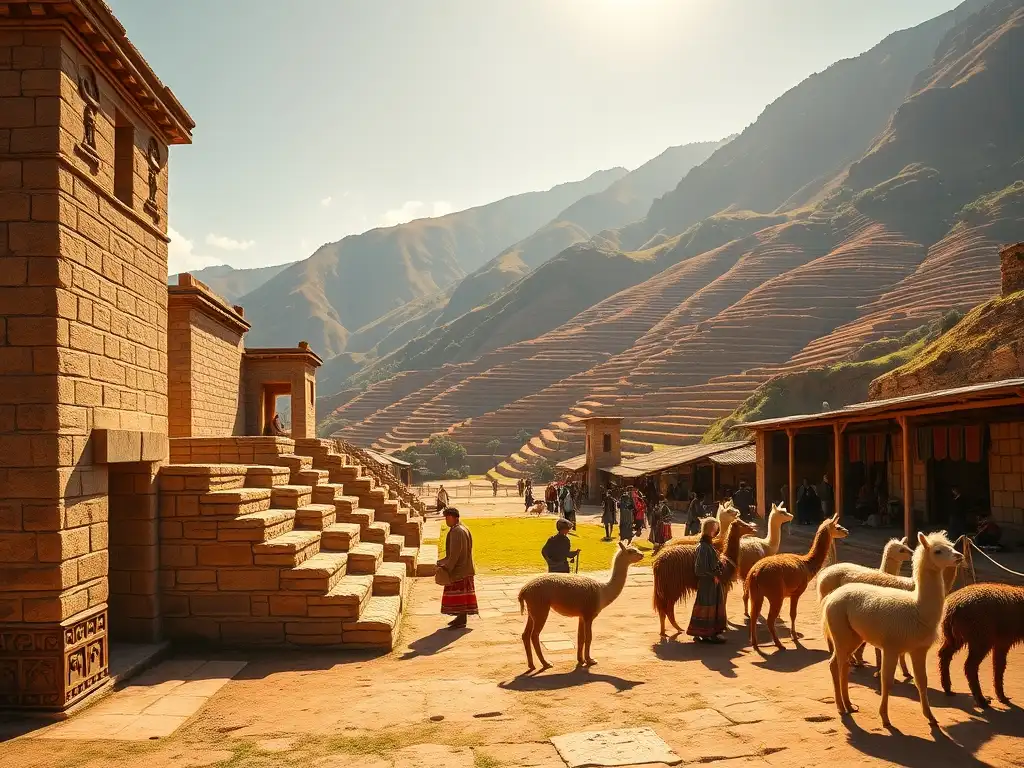
Step into a world lost to time, where towering mountain ranges cradled empires of breathtaking ingenuity. Andean Civilizations unveils the secrets of these remarkable societies, from the intricate artistry of the Nazca to the sophisticated engineering of the Incas. But what fueled their rise? Uncover the enigma of the Chavín civilization economic system, a complex network of resource management that laid the foundation for future Andean power. Dive in and discover how this pre-Incan coastal culture built its prosperity – a story waiting to be revealed.
- The Economic Foundation of the Chavín Civilization: Resource Management in Ancient Andes
- Agricultural Practices and Resource Exploitation in Chavín
- Chavín's Trade Networks and Exchange Systems
- Craft Specialization and Production in Chavín
- Labor Organization and Social Structure in Chavín Economy
- The Impact of Chavín's Economic System on its Development
- Conclusion: Understanding Chavín's Economic Legacy
-
Frequently Asked Questions
- What was the basis of the Chavín civilization's economy?
- How did the Chavín manage their agricultural resources?
- What role did trade play in the Chavín economic system?
- What evidence exists to support our understanding of the Chavín economy?
- How did the Chavín's economic system contribute to their societal structure?
- Final Reflection: The Enduring Legacy of Chavín's Economic Ingenuity
- Unveil the Secrets of Sustainable Resource Management!
The Economic Foundation of the Chavín Civilization: Resource Management in Ancient Andes
The Chavín civilization, flourishing in the Andes Mountains of Peru between 900 and 200 BCE, represents a pivotal moment in the development of Andean societies. This enigmatic culture, known for its monumental architecture, intricate religious iconography, and distinctive artistic style, also possessed a sophisticated economic system crucial to its growth and longevity.
Understanding Chavín's economic strategies provides invaluable insight into the complexities of early Andean societies and their ability to manage resources within a challenging mountainous environment. This article will delve into the intricacies of the Chavín civilization economic system, exploring the key elements that allowed this culture to thrive for centuries, leaving behind a remarkable legacy that continues to fascinate and inspire researchers today.
We will examine their resource management strategies, focusing on their agricultural practices, trade networks, and the role of religious institutions in shaping their economic activities. The keyword "Chavín civilization economic system" will be explored throughout, providing a comprehensive overview of this fascinating aspect of Chavín culture.
Introduction to Chavín Economic Practices
The Chavín economy was predominantly based on agriculture, driven by the need to sustain a growing population in a geographically challenging region. The high altitude and varied terrain of the Andes demanded innovative agricultural techniques. Evidence suggests the Chavín people utilized a sophisticated system of terraced farming, enabling them to cultivate crops on steep slopes. This involved meticulous planning and labor, reflecting a strong organizational structure within Chavín society.
They cultivated a variety of crops adapted to the altitude, including potatoes, maize, beans, and quinoa. These crops formed the backbone of their diet and were crucial for sustaining their population. Beyond agriculture, the Chavín also engaged in pastoralism, raising llamas and alpacas for their fiber, meat, and as pack animals facilitating trade.
The management of these resources required careful planning and a deep understanding of the Andean ecosystem. Furthermore, the Chavín were skilled artisans, producing textiles, pottery, and intricate metalwork. This craft production not only met the needs of their society but also formed the basis of a significant exchange network, contributing significantly to their economic system.
Key Elements of Chavín's Economic System
The Chavín economic system was characterized by several key elements that worked in concert to ensure its success. These included:
- Specialized Labor: Archaeological evidence suggests a degree of labor specialization within Chavín society. Some individuals dedicated themselves to agriculture, others to craft production, and still others to the construction and maintenance of monumental structures. This division of labor increased efficiency and productivity.
- Extensive Trade Networks: The Chavín engaged in extensive trade networks, exchanging goods with neighboring communities. This exchange involved not only agricultural products but also crafted goods, such as textiles and pottery. The presence of Chavín-style artifacts in distant locations indicates the reach and importance of their trade networks. The transportation of goods across challenging terrains likely involved the use of llamas and alpacas.
- Centralized Control?: While the exact nature of political organization remains debated, the scale of Chavín monumental architecture and the apparent coordination required for large-scale agricultural projects suggest some degree of centralized control or at least a significant level of social organization over resource allocation and distribution. The role of religious elites in managing resources also needs further investigation.
- Religious Influence: The prominent role of religious institutions in Chavín society likely influenced their economic practices. Religious rituals and ceremonies may have been integrated into agricultural practices, and the production of ceremonial objects could have played a significant role in the economy. The iconic Chavín style pottery and other artifacts may have been used as currency or as prestigious goods in exchange networks. Further research is needed to fully understand the interplay between religion and economics in Chavín society.
The Chavín civilization's economic system, therefore, was a complex interplay of agricultural production, specialized labor, extensive trade networks, and potentially centralized control, all possibly influenced by religious institutions. This system demonstrates the ingenuity and organizational capabilities of this early Andean society, paving the way for the more complex economic systems of later Andean civilizations. Further research, particularly focused on excavation and analysis of settlement patterns and trade routes, will continue to refine our understanding of this crucial aspect of Chavín culture.
Agricultural Practices and Resource Exploitation in Chavín
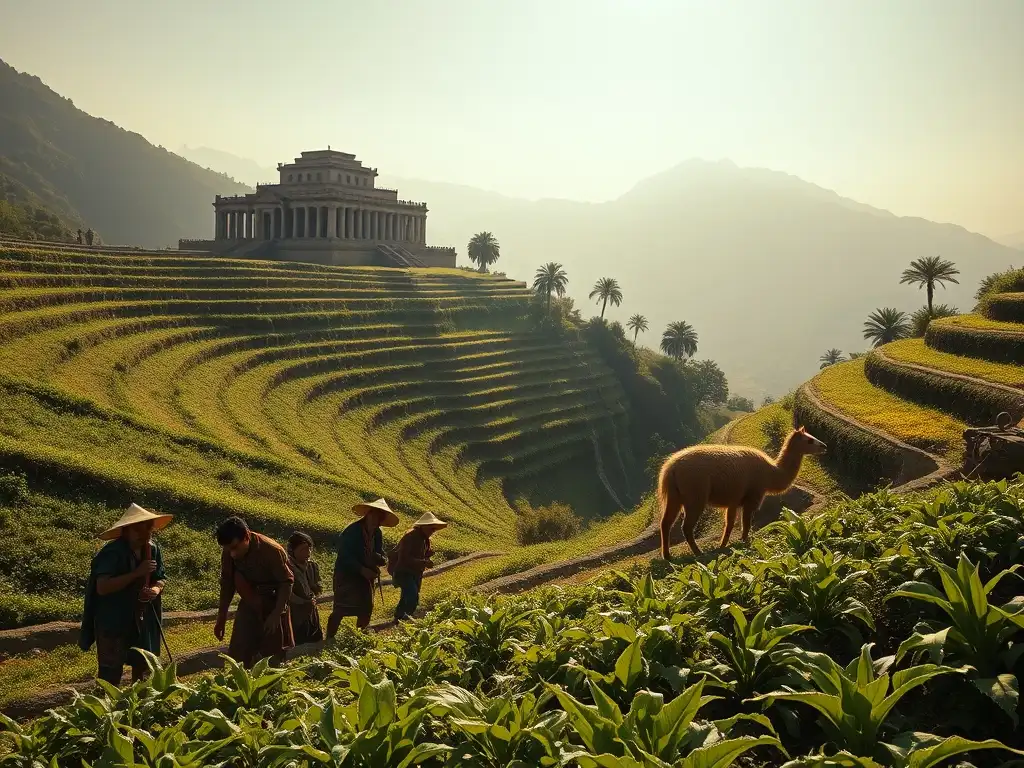
The Chavín civilization's economic system, a cornerstone of their societal development, was deeply intertwined with their sophisticated agricultural practices and resource management. Understanding their economic strategies requires a detailed look at their mastery of the challenging Andean environment, their diverse crop production, and their impressive water management systems. This analysis will reveal the ingenuity and complexity of the Chavín civilization's approach to resource exploitation, contributing significantly to their long-term prosperity and influence. The term "Chavín civilization economic system" accurately reflects the interconnectedness of these facets.
Chavín Agriculture: Adapting to the Andean Environment
The rugged terrain of the Andean highlands presented significant challenges to agriculture. The Chavín people, however, demonstrated remarkable adaptability. Their agricultural success wasn't solely reliant on fertile valleys; they developed innovative techniques to cultivate crops at varying altitudes and slopes.
Terracing, a common practice in Andean agriculture, was crucial for Chavín farmers. By creating leveled platforms on hillsides, they increased cultivable land and reduced soil erosion. This method allowed them to maximize the use of available land, a vital aspect of their economic system.
Furthermore, they likely utilized raised fields in swampy areas, creating artificial islands for cultivation, further demonstrating their ingenuity in resource management. This careful planning and execution of agricultural techniques ensured a stable food supply, supporting the growing population and the complex social structure of the Chavín civilization. The ingenuity of the Chavín people in adapting their agricultural practices to the challenging environment is a testament to their understanding of their surroundings and their ability to optimize resource use within the constraints of the Andean ecosystem.
Maize, Potatoes, and Quinoa
The Chavín diet was varied and nutritionally rich, reflecting their diverse agricultural output. Maize, a staple crop throughout the Andes, played a central role in their economy. Archaeological evidence suggests its cultivation was widespread, providing carbohydrates and energy for the population.
However, maize wasn't their only source of sustenance. Potatoes, with their numerous varieties adapted to different altitudes, were another vital component of their diet, offering a diverse range of nutrients. Quinoa, a highly nutritious grain, also contributed significantly to their food security.
The cultivation of these three crops, alongside other plants and domesticated animals, formed the foundation of the Chavín economic system, ensuring a resilient food supply capable of sustaining a complex society. The diversification of their crops provided a crucial buffer against crop failure, ensuring the stability of their food supply and contributing to the overall robustness of their economic system. This strategy effectively minimized risk and maximized resource utilization.
Irrigation Canals and Reservoirs
Water scarcity was a significant constraint in the Andean highlands. To overcome this, the Chavín people developed sophisticated irrigation systems. They constructed extensive networks of canals and reservoirs to manage water resources efficiently.
These intricate systems channeled water from rivers and streams to agricultural fields, ensuring a reliable water supply for crops, even during dry periods. The construction and maintenance of these systems required significant labor and organizational skills, reflecting a complex social structure and a well-defined economic system. The size and complexity of these irrigation projects underscore the importance of water management in the Chavín economy.
The investment in infrastructure demonstrates the long-term perspective and planning that characterized their approach to resource management, ensuring the sustainability of their agricultural production and the overall stability of their civilization. This advanced water management system stands as a testament to their engineering prowess and its crucial role in the economic success of the Chavín civilization.
The Role of Terracing in Chavín Agriculture
The Chavín civilization, flourishing in the Andes Mountains between 900 and 200 BCE, skillfully adapted to the challenging terrain through innovative agricultural techniques. Terracing played a crucial role in their economic system, maximizing arable land and crop yields in the steep slopes of the Andes. These weren't simply haphazardly carved platforms; they represented a sophisticated understanding of hydrology and soil management. The terraces were meticulously constructed, often using stone retaining walls to create level platforms for farming.
This careful engineering prevented soil erosion, a significant threat in mountainous regions, ensuring the long-term productivity of their agricultural lands. The precise methods employed varied depending on the specific slope and soil conditions, demonstrating a remarkable level of adaptability and practical knowledge. Evidence suggests that different crops were cultivated on different terraces, potentially taking advantage of microclimates and varying soil compositions to optimize growth. This sophisticated approach to terracing not only boosted food production but also contributed significantly to the Chavín civilization's economic stability and overall prosperity.
The construction itself likely involved a significant labor force, demonstrating the importance of agricultural productivity within their social structure. The scale of some terracing projects speaks to a centralized planning system and a strong understanding of communal effort, further highlighting the economic significance of this practice within the Chavín economic system. Archaeological evidence, including the remnants of irrigation channels and carefully placed terraces, continues to reveal the ingenuity and sophistication of Chavín agricultural techniques.
Chavín's Trade Networks and Exchange Systems
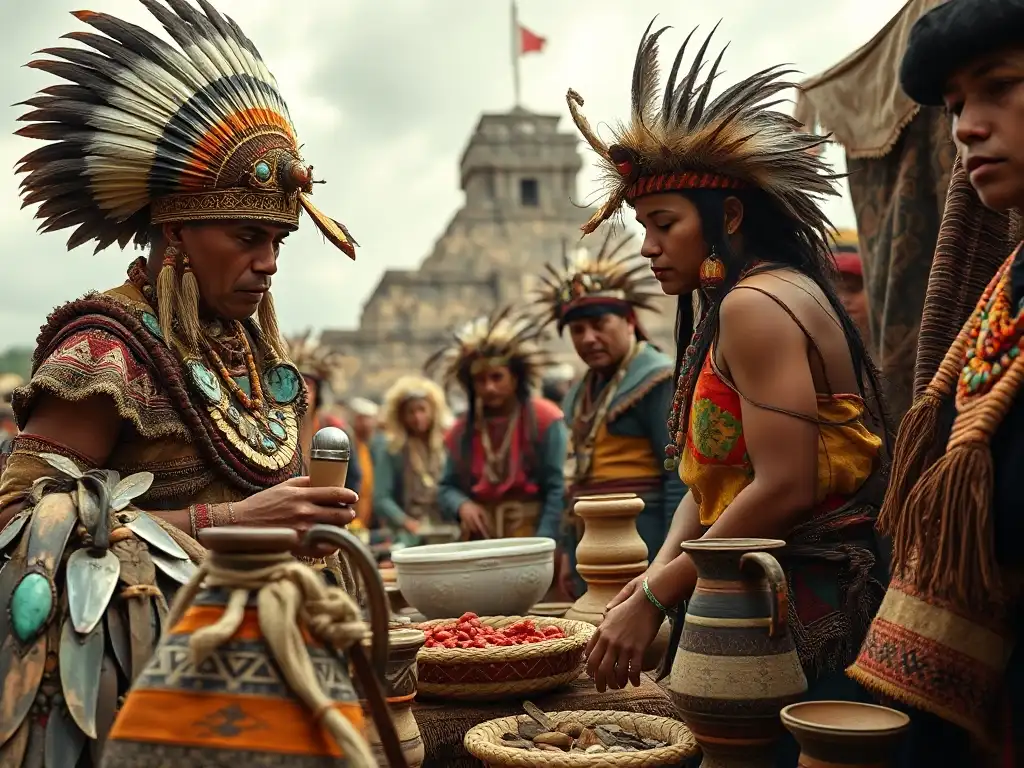
The Chavín civilization, flourishing in the Andes from approximately 1200 to 200 BCE, didn't rely solely on local resources. Their economic system was significantly shaped by extensive trade networks that connected them to distant regions, facilitating the acquisition of essential materials and the distribution of their own unique crafts. Understanding these networks is crucial to comprehending the complexity and influence of the Chavín economic system.
The spread of Chavín artistic motifs and religious iconography across vast geographical areas suggests a sophisticated system of communication and exchange that extended beyond mere economic transactions. This intricate web of interaction contributed to the cultural homogenization observed throughout the northern Andes during the Chavín horizon. Analyzing the distribution of traded goods provides valuable insights into the political and economic power wielded by the Chavín culture.
Evidence of Chavín Trade Routes
Archaeological evidence strongly supports the existence of extensive Chavín trade routes. The discovery of Chavín-style artifacts in sites far removed from the central Chavín de Huántar complex demonstrates the reach of their influence and trade networks. For example, spondylus shells, originating from the Ecuadorian coast, have been found in Chavín sites, indicating a well-established trade route connecting the highlands and the coast.
Similarly, obsidian, a volcanic glass prized for its sharp edges and used for tools and weapons, has been traced back to sources hundreds of kilometers away from Chavín de Huántar. The presence of these non-local materials in significant quantities suggests a robust and organized system of trade, possibly involving specialized long-distance traders or intermediaries.
Careful analysis of the distribution patterns of these goods, combined with isotopic studies of artifacts, continues to refine our understanding of the precise routes and mechanisms involved in Chavín trade. Further research focusing on identifying specific pathways and settlements along these routes is ongoing, promising to reveal even more about the logistical sophistication of the Chavín civilization’s economic system.
Barter and Exchange of Goods in Chavín Society
While the precise mechanisms of exchange within the Chavín economic system remain debated, barter likely played a significant role. The absence of widespread evidence for coinage or standardized currency suggests that goods and services were exchanged directly for one another. This system likely involved a complex network of reciprocal obligations and relationships between different communities and specialized craft producers.
The distribution of goods wasn't solely based on economic needs; prestige items like beautifully carved ornaments and ceremonial objects likely played a crucial role in reinforcing social hierarchies and political alliances. The exchange of these prestige goods could have served as a form of symbolic capital, strengthening ties between distant communities and solidifying Chavín's influence.
This suggests that the Chavín economic system was deeply intertwined with its social and political structures, functioning as a means of both material and symbolic exchange. Further study of Chavín settlement patterns and social organization is needed to fully unravel the intricacies of their barter system.
Obsidian, Spondylus Shells, and Precious Metals
Several key commodities highlight the scope of Chavín trade. Obsidian, sourced from distant volcanoes, was crucial for creating tools and weapons. Its widespread presence in Chavín sites underscores the importance of this material in their economy and the network required to obtain it. The presence of spondylus shells, sourced from the Pacific coast, far from the Chavín heartland, points to the value placed on these shells for adornment and ritual use.
The meticulous craftsmanship evident in the processing and incorporation of these shells into Chavín artifacts demonstrates the importance of specialized labor and trade connections. The discovery of precious metals, such as gold and silver, further supports the existence of a complex trade network. These metals, often used in the creation of ceremonial objects and elite adornments, likely held significant symbolic and economic value.
The intricate designs and high level of craftsmanship associated with these metalwork artifacts indicate a highly specialized artisan class and a sophisticated system of resource management. The presence of these goods, sourced from disparate locations, showcases the far-reaching trade connections of the Chavín civilization and the significance of long-distance exchange in their economic system. The distribution patterns of these materials provide invaluable insights into the power dynamics and social structures within Chavín society.
The Significance of Trade in Chavín Economic Growth
The Chavín civilization's economic prosperity was significantly fueled by its extensive trade networks. Unlike many contemporaneous societies that relied primarily on localized resource management, Chavín actively engaged in the exchange of goods and services across vast distances. This wasn't merely a supplementary activity; it was a cornerstone of their economic system, driving specialization, stimulating innovation, and fostering social complexity. The movement of goods, including obsidian, textiles, and exotic feathers, facilitated the accumulation of wealth and power within the Chavín elite, solidifying their control and influence.
The scale of this trade, evidenced by archaeological findings of far-flung materials in Chavín sites, suggests a well-organized and efficient system of distribution and exchange, a crucial factor in their economic success. The control over these trade routes likely provided the Chavín leadership with considerable economic leverage and political power, allowing them to consolidate their influence over a wide geographical area. This economic dominance, in turn, contributed to the growth and expansion of the Chavín cultural sphere. The economic implications of this trade extended beyond mere material gain; it facilitated the dissemination of ideas, technologies, and religious beliefs, further contributing to the unique cultural identity of the Chavín civilization.
The intricacies of their trade system, therefore, weren't merely economic but were deeply interwoven with the social, political, and religious fabric of their society. Further research into the specific trade routes and exchanged commodities could offer a more precise understanding of the full extent of its impact on Chavín's economic growth. The existing evidence strongly suggests, however, that trade played a pivotal role in shaping the economic landscape of this influential Andean civilization.
Craft Specialization and Production in Chavín
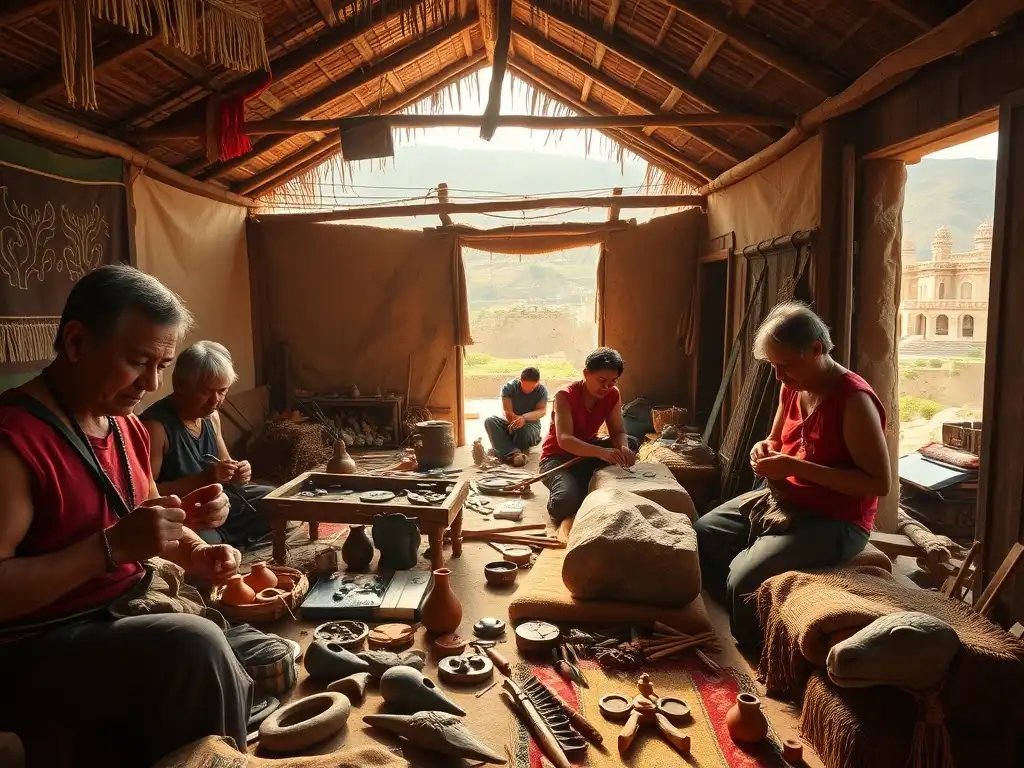
The Chavín civilization economic system, flourishing in the Andes from approximately 900 to 200 BCE, was significantly shaped by a sophisticated system of craft specialization and production. Unlike simpler societies relying on generalized production, Chavín saw the emergence of skilled artisans dedicated to specific crafts, contributing to a complex and stratified economy. This specialization wasn't solely about creating goods; it fostered a network of exchange and control that solidified Chavín's power and influence across a wide region.
The evidence suggests a centrally managed system, with elite control over resource distribution and the production process itself. This centralized approach allowed for large-scale projects like the construction of monumental architecture and the creation of elaborate artifacts, hallmarks of Chavín's impressive cultural achievements.
The system's success hinged on efficient resource management and the effective organization of labor, aspects crucial to understanding the Chavín civilization's economic strength and longevity. Analyzing the specific crafts reveals the intricacies of this remarkable system.
Specialized Craftsmanship in Chavín Culture
Evidence suggests a high degree of specialization in Chavín craftsmanship. Artisans weren't merely skilled; they were specialists, dedicated to a particular craft their entire lives. This dedication is reflected in the high quality and sophistication of Chavín artifacts.
We see this clearly in the intricate carvings on their iconic stone sculptures, the finely woven textiles, and the meticulously crafted ceramics. The level of skill displayed indicates a long apprenticeship period and a hierarchical structure within the craft guilds, likely overseen by elite members of Chavín society. The production of these specialized goods wasn't random; it followed established patterns and techniques passed down through generations, reflecting a structured and controlled process.
The standardization of certain artifact types further supports the idea of centralized control over production, suggesting a system where the elite dictated both the quantity and style of goods produced. This degree of organization was essential for the Chavín civilization's economic system to function effectively, ensuring a steady supply of goods for both elite consumption and wider distribution within the network of allied communities.
Textile Production and Artistic Expression
Textile production in Chavín played a crucial role in the economic system. The discovery of numerous fragments of finely woven textiles, often adorned with intricate designs and vibrant colors, showcases the advanced skills of Chavín weavers. These textiles weren't merely functional; they served as important status symbols, with the finest examples likely reserved for the elite.
The use of diverse materials, such as cotton and camelid fibers, indicates access to a wide range of resources, highlighting the economic reach of the Chavín civilization. The complex techniques employed, including intricate weaving patterns and the use of various dyeing methods, point to a highly specialized and organized industry. The economic significance extended beyond the production itself.
These textiles were likely used as a form of currency or tribute, facilitating trade and reinforcing social hierarchies within the Chavín economic system. The production and distribution of textiles were, therefore, not only a source of economic activity but also a powerful tool of social and political control.
Ceramic Manufacturing and its Economic Importance
Chavín ceramics represent another critical aspect of their economic system. The production of ceramics involved a complex process, from clay extraction and preparation to the firing and decoration of finished vessels. The wide variety of ceramic forms, ranging from simple utilitarian bowls to elaborate ceremonial vessels, indicates a diverse market and different levels of production.
While some ceramics were clearly for everyday use, others, decorated with intricate designs and often featuring stylized animal motifs, held significant ritual and symbolic value, suggesting a connection to religious practices and elite patronage. The standardization of certain ceramic forms, such as the iconic stirrup-spout vessels, points towards a level of centralized control over production, similar to what we see in textile production. The economic importance of ceramic manufacturing is undeniable; it provided essential goods for daily life while also serving as a medium for religious expression and social status.
The distribution of ceramics, both locally and across the Chavín network, further highlights its crucial role in the wider economic system. The careful study of ceramic styles and their distribution patterns provides valuable insights into trade routes and the extent of Chavín influence.
Metallurgy and the Production of Tools and Ornaments
The Chavín's mastery of metallurgy, particularly in gold, silver, and copper, played a pivotal role in their economic system. The production of tools and ornaments wasn't just a craft; it was a sophisticated process reflecting a complex social organization and economic strategy. Archaeological evidence suggests specialized workshops existed, possibly within or near major Chavín centers.
These weren't simply individual artisans working alone; the scale of production and the complexity of some artifacts point to organized teams of specialists, each with different skills and roles. This division of labor was crucial for efficient production, allowing for the creation of both utilitarian tools and elaborate ceremonial objects.
The tools themselves, made primarily from copper and bronze alloys, were essential for agriculture, construction, and warfare. Axes, chisels, and knives facilitated the cultivation of crops like maize and potatoes, while other tools were used in the construction of monumental architecture like the Chavín de Huántar temple complex. The production and distribution of these tools were likely controlled by the elite, solidifying their power and influence over the wider population.
The careful crafting of these tools suggests a high level of skill and knowledge transfer within the specialized workshops. The durability of these copper and bronze tools would have been a significant factor in the Chavín's economic success, allowing for increased agricultural yields and more efficient construction.
The production of ornaments, meanwhile, served a different but equally important economic function. Gold and silver ornaments, often intricately designed with zoomorphic and anthropomorphic motifs, were highly valued status symbols. Their creation involved a complex process of mining, refining, and shaping the precious metals. The distribution of these ornaments likely followed established social hierarchies, with the elite receiving the most elaborate pieces, further reinforcing their social standing and economic power.
This system of prestige goods circulated within the Chavín network, strengthening social bonds and reinforcing the centralized control of the elite. The economic value of these ornaments is evident in their careful preservation and the meticulous techniques used in their creation, showcasing the Chavín's sophisticated understanding of metallurgy and their ability to leverage this skill for economic and social advantage. The production of these ornaments facilitated trade and exchange networks, further expanding the Chavín's economic influence across the Andes.
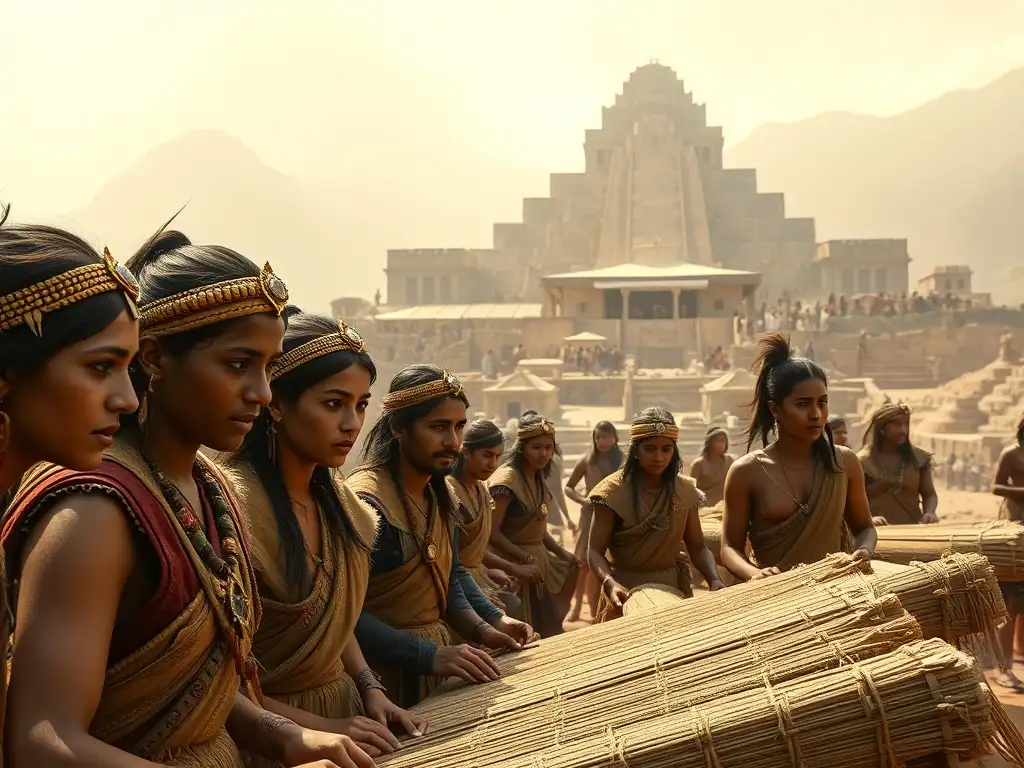
The Chavín civilization's economic system, a complex interplay of labor organization and social structure, remains a fascinating area of study for archaeologists. Understanding their resource management requires examining how labor was organized and how societal hierarchy influenced resource distribution. The Chavín, unlike later Andean empires, lacked a centralized, state-controlled economy.
Instead, their system was likely more decentralized, relying on a combination of communal efforts and specialized labor, shaped by a stratified social structure. This section delves into the intricacies of this system, exploring the roles of labor and social hierarchy in the Chavín economy. The limited evidence available necessitates careful interpretation, but the available archaeological findings paint a compelling picture of their resourceful and sophisticated economic strategies.
The Role of Labor in Chavín’s Economic Activities
The Chavín economy was heavily reliant on agriculture, with maize, beans, and squash forming the staple crops. Evidence from excavations suggests specialized labor was involved in farming. While much of the agricultural work was likely communal, the construction of extensive irrigation systems and terraced fields points to a level of planning and organization beyond simple subsistence farming.
This suggests the existence of specialized workers or groups dedicated to infrastructure development and maintenance, crucial for optimizing agricultural output. Furthermore, the impressive scale of Chavín architecture, including monumental temples and plazas, indicates a significant investment of labor in construction projects. This labor was likely drawn from different segments of society, with varying levels of skill and expertise involved.
The absence of large-scale evidence of slavery complicates the picture, suggesting a system of reciprocal obligations or specialized tasks within a hierarchical structure, rather than forced labor. Further research is needed to fully understand the nature and organization of this labor force and to precisely define the degree of specialization within the Chavín's workforce. The economic success of the Chavín civilization was undoubtedly tied to efficient and well-organized labor practices, reflecting a sophisticated understanding of resource management.
The social hierarchy within the Chavín civilization played a significant role in resource distribution. While the exact nature of their social structure is still debated, archaeological evidence points to a stratified society with a distinct elite class. This elite likely controlled access to key resources and directed large-scale projects like temple construction. The distribution of luxury goods, such as elaborate textiles and finely crafted ceramics, found primarily in elite contexts, supports this notion.
However, the system was not purely exploitative. The monumental architecture and extensive irrigation systems benefited the entire community, suggesting a degree of reciprocal exchange between the elite and the common people. This reciprocal system likely involved the elite providing organization, leadership, and access to resources in exchange for the labor and loyalty of the commoners.
The system, therefore, was likely a complex balance between centralized control and decentralized production and distribution. The exact mechanisms of resource allocation remain unclear, but understanding the social hierarchy is crucial to interpreting the Chavín's economic strategies. More research is needed to clarify the exact relationship between social status and access to essential resources and luxury goods.
Evidence of Communal Work and Cooperation
Despite the evidence for social stratification, the Chavín economy also relied heavily on communal work and cooperation. The construction of large-scale irrigation systems, for example, would have required the coordinated efforts of many individuals. Similarly, the cultivation of crops, particularly on terraced fields, necessitated communal labor.
The evidence suggests a system where individual households might have produced goods for their own consumption, while also contributing to larger communal projects. The presence of standardized weights and measures found at various Chavín sites hints at a degree of economic integration and possibly a system of reciprocal exchange or tribute. This communal aspect of the Chavín economic system likely played a crucial role in maintaining social stability and ensuring the efficient distribution of resources.
The impressive scale of the Chavín's achievements, from their monumental architecture to their advanced agricultural techniques, testifies to the power of collective action and the ability of the Chavín people to cooperate on a large scale for the common good. Further research into the material culture and settlement patterns of Chavín society could reveal even more details about the dynamics of communal work and its importance in their economic system. Analyzing the distribution of tools and artifacts across different sites can provide insights into the level of specialization and the extent of inter-community exchange.
The Influence of Religious Centers on the Economy
The Chavín religious centers, characterized by their monumental architecture and intricate iconography, played a pivotal role in shaping the civilization's economic system. These weren't merely places of worship; they were powerful economic engines, driving production and distribution networks across a vast geographical area. The construction of these massive structures required a significant mobilization of labor, resources, and expertise.
This, in turn, stimulated economic activity in various sectors. Artisans specializing in stone carving, pottery, textiles, and metalwork were employed, creating a demand for raw materials and specialized tools. The transportation of these materials, often from considerable distances, fostered the development of trade routes and infrastructure, further stimulating economic growth.
The religious elite, residing in or near these centers, likely controlled the allocation of resources and oversaw the distribution of goods. Their influence extended beyond the immediate vicinity of the temple complexes, reaching outlying communities and villages through a complex system of tribute and exchange. The prestige associated with the religious centers likely incentivized communities to contribute labor and resources, solidifying the power and influence of the religious hierarchy. This system, while seemingly centralized, likely involved a degree of reciprocal exchange, with the religious elite providing essential services or goods to the contributing communities in return for their contributions.
Archaeological evidence suggests that the religious centers served as important storage facilities for surplus agricultural products and other resources, allowing for the redistribution of goods during times of scarcity or need. This redistribution further reinforced the economic and social power of the religious leaders, solidifying their position within the Chavín social structure. The economic power vested in the religious elite was thus intricately intertwined with their spiritual authority, creating a powerful and enduring system that shaped the Chavín civilization's economic and social landscape.
Further research is needed to fully understand the intricacies of this system and the precise mechanisms of resource allocation and redistribution. However, it's clear that the religious centers were not simply passive recipients of offerings; they were active participants in the dynamic economic processes that characterized the Chavín civilization. The scale and complexity of the monumental architecture serve as a tangible testament to this economic power and influence.
The Impact of Chavín's Economic System on its Development
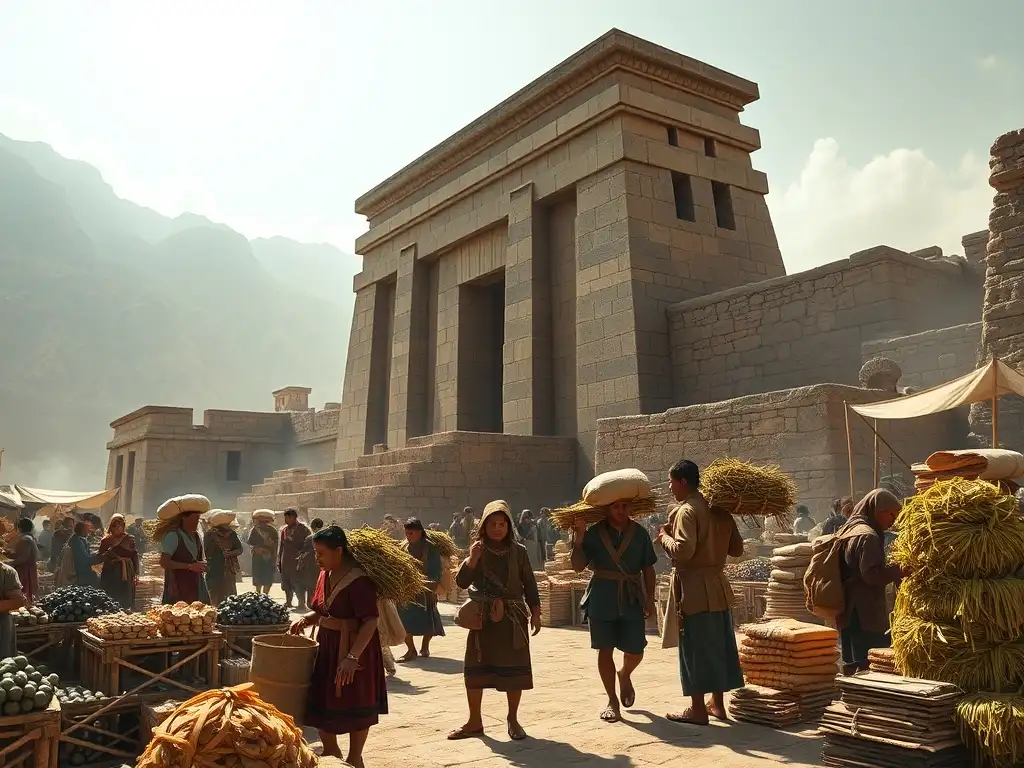
The Chavín civilization, flourishing in the Andes from approximately 1200 to 200 BCE, developed a sophisticated economic system crucial to its rise and influence. Understanding their resource management is key to comprehending their societal structure, technological advancements, and lasting legacy. Unlike many contemporaneous societies, Chavín's economic system wasn't solely based on agriculture, but rather a complex interplay of agricultural production, specialized craftsmanship, and likely extensive trade networks.
This multifaceted approach allowed for significant population growth, the construction of monumental architecture, and the development of a powerful religious center that exerted influence across a vast region. The efficient distribution of resources facilitated the accumulation of wealth and power within the elite class, further solidifying the Chavín's societal hierarchy.
How Resource Management Shaped Chavín Society
Chavín society was demonstrably hierarchical, with a priestly elite controlling the flow of resources and wielding significant political power. The efficient management of resources, particularly agricultural products and prized materials like obsidian and spondylus shells, underpinned this hierarchy. Agricultural surpluses, generated through sophisticated irrigation systems and terraced farming techniques, provided the basis for supporting a non-agricultural population, including specialists such as artisans, priests, and administrators.
The control of these surpluses by the elite allowed for the construction of massive religious structures at the Chavín de Huántar site, symbolizing their power and religious authority. This centralized control over resources also facilitated the development of specialized crafts, with artisans creating elaborate textiles, ceramics, and metalwork, many of which likely served ritualistic purposes or were used as prestigious goods for trade and elite consumption.
The ability to manage and redistribute these goods solidified the social order and the power of the ruling class. Archaeological evidence suggests a strong correlation between the complexity of the Chavín economic system and the sophistication of their social structure.
The Economic Factors Contributing to Chavín’s Influence
Chavín's economic strength extended beyond its internal organization; it played a significant role in the civilization's regional influence. The control of vital resources and the production of high-value goods facilitated extensive trade networks across the Andes. Obsidian, sourced from distant quarries, was a highly valued commodity, and Chavín's control over obsidian sources or its efficient trade networks allowed for the dissemination of this material throughout the region.
Similarly, the production of exquisite ceramics and textiles likely served as important trade goods, generating wealth and strengthening Chavín's influence among neighboring societies. This economic power translated into political and religious influence, with Chavín's iconic artistic style and religious beliefs spreading widely across the Andes, influencing the development of subsequent cultures. The economic system, therefore, wasn't merely a means of survival; it was an instrument of power and cultural dissemination.
The evidence suggests that Chavín's economic prowess was a crucial factor in establishing its pan-Andean influence. Further research is needed to fully quantify the extent of their trade networks and the precise value of traded goods. [Specific data on trade routes and exchanged goods pending].
The Legacy of Chavín's Economic Strategies
The economic strategies employed by the Chavín civilization left a lasting impact on the subsequent development of Andean societies. Their sophisticated agricultural techniques, such as terracing and irrigation, were adopted and adapted by later cultures, demonstrating the enduring practicality of their resource management approaches. The emphasis on specialized craftsmanship and the establishment of extensive trade networks also set a precedent for future Andean civilizations.
The Chavín's ability to integrate diverse economic activities and manage resources efficiently contributed to their significant cultural and political influence, establishing a model for subsequent Andean societies to emulate and build upon. The legacy of Chavín's economic success is evident in the continuing development of sophisticated agricultural practices and complex trade systems in the Andes.
Their innovative approaches to resource management laid the groundwork for the economic prosperity and cultural flourishing of future Andean civilizations. The long-term impact of Chavín's economic system highlights its significance in the broader context of Andean development.
Comparison with the Moche and Nazca Economies
The Chavín economic system, characterized by its reliance on a centralized control of resources and a complex network of exchange, differed significantly from the economic strategies employed by later coastal civilizations like the Moche and Nazca. While the Chavín focused on the management of resources obtained through agriculture and possibly some limited trade networks spanning the Andes, the Moche and Nazca developed more sophisticated and diversified economies.
The Moche, known for their intensive agricultural practices and intricate irrigation systems, generated significant surpluses. This allowed for the development of a complex social hierarchy supported by a powerful ruling class. Their economy was clearly more mercantile than that of the Chavín, evidenced by the elaborate craft production and extensive trade networks extending along the coast and potentially beyond.
The Moche's mastery of metallurgy, particularly gold and silver work, fueled a robust system of exchange and contributed significantly to their economic power and social stratification. This contrasts with the Chavín, where evidence of sophisticated metallurgy is less pronounced, suggesting a less developed craft specialization and a different focus in their economic activities.
The Nazca, renowned for their intricate geoglyphs and advanced textile production, also displayed a more diversified economy than the Chavín. Their mastery of textile arts, combined with their agricultural prowess, facilitated a thriving exchange system. The Nazca's extensive irrigation canals, though different in design from the Moche's, similarly allowed for the generation of agricultural surpluses.
These surpluses, coupled with the high value of their textiles and other craft goods, supported a complex social structure. Unlike the Chavín's apparent reliance on a more centralized control of resources, the Nazca economy seems to have involved a more decentralized system, potentially with stronger local or regional control over production and distribution. The absence of large-scale monumental architecture comparable to Chavín's suggests a different approach to resource allocation and economic organization.
While the Chavín's influence is undeniable, the Moche and Nazca clearly adapted and expanded upon earlier economic models, developing unique systems that reflect their specific environmental and social contexts. The comparison highlights the evolution of Andean economic strategies, showcasing the increasing complexity and diversification observed in later coastal cultures.
Conclusion: Understanding Chavín's Economic Legacy
This section summarizes the key aspects of the Chavín civilization's economic system, highlighting its innovative strategies and lasting impact. Understanding their resource management provides crucial insights into the development of complex societies in the Andes and lays the groundwork for further research into the economic systems of subsequent Andean civilizations. The Chavín civilization economic system, while not fully understood, reveals a sophisticated approach to resource allocation and control that facilitated their cultural and political dominance.
Recap of Chavín’s Key Economic Strategies
The Chavín, despite lacking a unified political structure in the traditional sense, demonstrated remarkable economic ingenuity. Their success hinged on several key strategies:
- Control of Vital Resources: Evidence suggests the Chavín controlled access to crucial resources like obsidian, a volcanic glass used for tools and weaponry. This control likely facilitated trade and exerted economic influence over neighboring groups. The precise mechanisms of this control, however, remain a topic of ongoing research. Further investigation into the distribution patterns of obsidian artifacts could shed more light on this aspect of their economic system.
- Specialized Production and Exchange: The discovery of diverse artifacts and the remains of specialized workshops indicates a sophisticated system of craft production. Artisans likely specialized in creating textiles, pottery, and metalwork, fostering a network of exchange that extended beyond their immediate region. This intricate network facilitated the dissemination of Chavín cultural elements and ideology throughout the Andes.
- Agricultural Innovation: While the specifics of their agricultural techniques require further study, the Chavín likely employed advanced irrigation systems and terracing to maximize agricultural yields in the challenging Andean environment. This allowed them to support a larger population and maintain a surplus for trade and elite consumption. Further archaeological research focusing on irrigation canals and terraced fields is crucial to fully understand their agricultural practices.
- Religious Influence on Economy: The prominent role of religion in Chavín society likely played a significant role in shaping their economic activities. The construction of monumental temples and the production of elaborate religious artifacts required significant labor and resources, potentially mobilizing the population through religious authority. Understanding the interplay between religious and economic systems is essential for a complete picture of Chavín society.
The Importance of Studying Chavín's Resource Management
Studying the Chavín civilization economic system is vital for several reasons:
- Understanding Andean Development: The Chavín represent a pivotal stage in the development of complex societies in the Andes. Their economic strategies, particularly their control of resources and the development of specialized production, laid the foundation for later Andean empires. Analyzing their methods provides a crucial baseline for understanding the evolution of Andean economies.
- Comparative Analysis: By comparing the Chavín’s economic system with those of other contemporaneous and later Andean cultures, we can identify commonalities and differences in resource management strategies. This comparative approach illuminates the diverse paths to economic development in the region.
- Insights into Social Organization: The economic system offers insights into the social organization of the Chavín. The control of resources and the organization of production likely reflected existing power structures and social hierarchies within their society. Further research could clarify the relationship between economic power and political influence.
- Preservation of Cultural Heritage: Understanding the Chavín's resource management is essential for the preservation of their cultural heritage. The knowledge gained can be applied to the conservation of archaeological sites and the sustainable management of resources in the Andean region today.
Final thoughts on Chavín’s Economic contributions
The Chavín civilization’s economic system, though still under investigation, reveals a complex and innovative approach to resource management that significantly impacted the development of subsequent Andean cultures. Their strategies, including the control of key resources, specialized production, and likely advancements in agriculture, demonstrate a remarkable capacity for economic organization and contributed to their cultural influence throughout the Andes. Continued research using advanced techniques and interdisciplinary collaboration is crucial to unravel the remaining mysteries surrounding this fascinating and influential civilization.
Further studies should focus on quantifying resource distribution, analyzing the social implications of specialized production, and clarifying the role of religion in shaping economic activities. The legacy of the Chavín economic system continues to resonate in the Andes, underscoring the importance of continued investigation into this pivotal pre-Incan culture. 🥂
Frequently Asked Questions
What was the basis of the Chavín civilization's economy?
The Chavín economy was primarily based on agriculture, particularly the cultivation of crops like maize, potatoes, and beans. They also relied on pastoralism, raising llamas and alpacas for wool and meat.
How did the Chavín manage their agricultural resources?
The Chavín developed sophisticated irrigation systems to support their agriculture in the challenging Andean environment. They also likely practiced terracing to maximize arable land.
What role did trade play in the Chavín economic system?
Trade was crucial, with the Chavín acting as an intermediary, exchanging agricultural products and finished goods (like textiles and ceramics) across diverse regions. This facilitated the spread of Chavín influence.
What evidence exists to support our understanding of the Chavín economy?
Archaeological evidence, including irrigation canals, storage facilities, and artifacts found at Chavín de Huántar and other sites, provides insights into their economic practices. Textiles and ceramics also reveal trade networks.
How did the Chavín's economic system contribute to their societal structure?
The control and distribution of resources, particularly agricultural products, likely played a significant role in establishing and maintaining the Chavín's religious and political hierarchy. This centralized power structure was essential to their influence.
Final Reflection: The Enduring Legacy of Chavín's Economic Ingenuity
Chavín's sophisticated resource management system wasn't just a historical curiosity; it offers a powerful lesson in sustainable development for our own era of unprecedented resource consumption. The strategies employed by this ancient civilization, from their intricate network of trade routes to their efficient agricultural practices, provide a compelling counterpoint to the unsustainable practices prevalent in modern society. Understanding their successes and failures offers invaluable insights into building a more resilient and equitable future.
The impact of Chavín's economic model extends far beyond its geographical boundaries and temporal limitations. Their ability to unify disparate communities through economic cooperation, facilitated by their control of essential resources, highlights the power of shared prosperity. The strength of a civilization is measured not by its military might, but by its ability to provide for its people and foster a sense of common purpose.
This quote, though not directly from the Chavín era, encapsulates the essence of their economic success and its enduring relevance to our understanding of societal cohesion and stability. Their achievements serve as a reminder that economic systems are not merely about wealth accumulation, but also about social organization and environmental stewardship.
Consider the intricate web of exchange and control that the Chavín civilization constructed. Reflect on how their methods of resource management, though vastly different from our own, still resonate with the challenges we face today. What innovative solutions can we draw from their experience to address issues of resource scarcity, environmental degradation, and economic inequality? Let the legacy of Chavín inspire you to explore sustainable practices in your own life, fostering a future where economic prosperity and environmental responsibility go hand in hand.
Unveil the Secrets of Sustainable Resource Management!
Thank you for exploring the fascinating economic system of the Chavín civilization! You've learned how this ancient society skillfully managed resources and established sustainable practices. Now, it's time to apply these inspiring lessons to your own life.
Here's how you can make a difference:
- Embrace sustainable practices in your daily life. Consider ways to reduce waste and conserve resources at home and in your community. For example, you could compost food scraps, reduce your water usage, or choose to buy products with minimal packaging.
- Share your knowledge! Discuss the Chavín's sustainable strategies with friends, family, or on social media to inspire others to adopt more eco-conscious lifestyles.
- Engage with your local community. Visit farmers' markets to support local producers, or join a community garden or environmental group to learn more about and participate in sustainable initiatives.
What innovative ideas can you implement today to contribute to sustainable resource management?