
The Chavín Legacy: Its Enduring Impact on Andean Culture

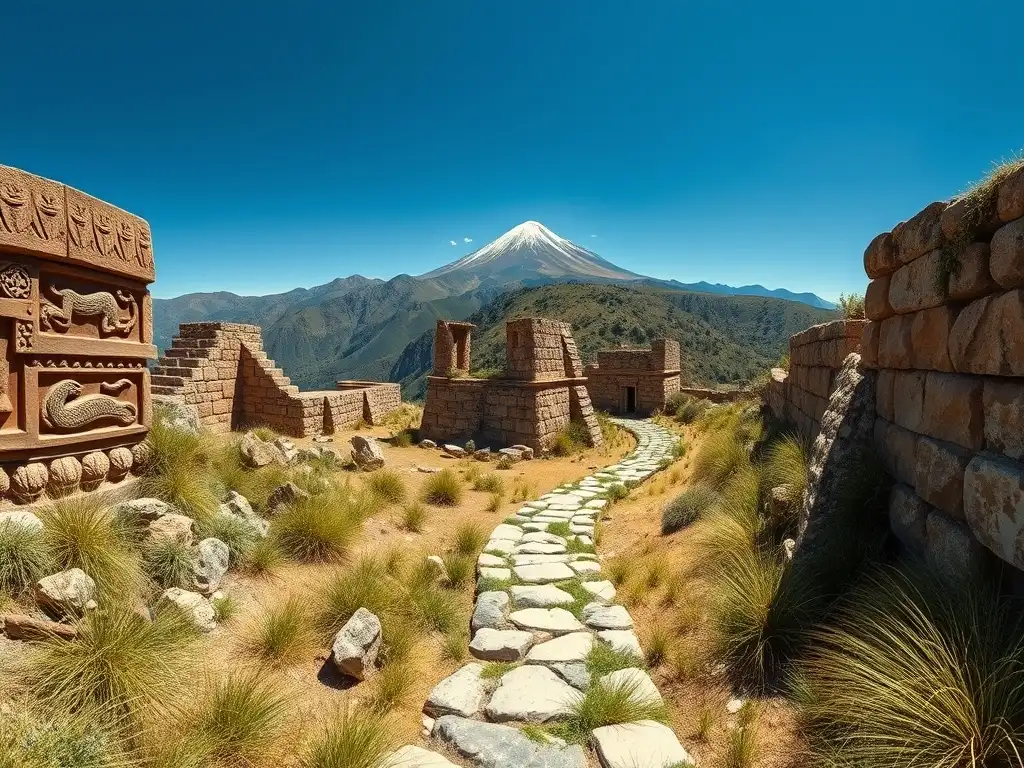
Uncover the secrets of a lost world! Journey with us through the breathtaking landscapes and enigmatic legacies of the Andean civilizations. From the intricate artistry of the Nazca lines to the sophisticated engineering of the Incas, we delve into the heart of their remarkable societies. But what if the foundation of this grandeur lay hidden centuries earlier? Discover the profound impact of the Chavín culture on the Inca Empire, a story woven into the very fabric of Andean history. Explore the mysteries that await and unravel the threads of this captivating narrative.
The Chavín culture, flourishing in the Andes from approximately 900 to 200 BCE, left an indelible mark on the subsequent development of Andean civilizations. Far from being a fleeting phenomenon, the Chavín's influence reverberated across vast geographical areas and centuries, profoundly shaping the religious beliefs, artistic styles, and even the political structures of later cultures, including the mighty Inca Empire. This article delves into the enduring impact of the Chavín, exploring how their unique religious ideology, sophisticated artistic techniques, and innovative societal organization laid the groundwork for the flourishing of subsequent Andean societies.
We will examine the specific ways in which Chavín influence can be traced in the Inca civilization, highlighting the continuity and transformation of cultural elements across millennia. Understanding the Chavín legacy is crucial to comprehending the complexity and richness of the entire Andean cultural tapestry.
The Chavín Pantheon and its Influence on Later Andean Religions
The Chavín religious system, centered around a complex pantheon of deities often depicted in zoomorphic and anthropomorphic forms, was highly influential. The iconic Chavín deity, often represented as a jaguar-like figure with fangs and a fierce expression, appears in various guises throughout Andean art and religion. This powerful imagery, imbued with both fear and reverence, likely played a significant role in shaping the religious worldview of later cultures.
Evidence suggests that the Chavín emphasis on shamanistic practices and the use of hallucinogenic plants, such as the San Pedro cactus, continued to be important aspects of Andean religious life for centuries. The intricate iconography found in Chavín temples and artifacts, depicting supernatural beings and ritualistic scenes, served as a model for subsequent artistic representations of divine power in cultures like the Moche and Inca.
The symbolic language developed by the Chavín, with its complex layering of meaning and its emphasis on the supernatural, provided a framework for later religious expression, profoundly shaping the cosmology and ritual practices of succeeding Andean societies. The persistence of certain motifs and symbolic representations across different cultures underscores the enduring impact of the Chavín religious system.
Chavín Art and its Artistic Legacy
Chavín art is characterized by its highly stylized and sophisticated aesthetic, employing intricate carvings, masterful use of stone, and a distinctive iconography. The mastery of stone carving demonstrated by Chavín artisans is particularly remarkable, evident in the intricate reliefs and sculptures found at sites like Chavín de Huántar. This advanced level of artistic skill was clearly influential on later Andean cultures.
The use of specific motifs, such as feline and serpent figures, and the characteristic style of representation continued to reappear in the art of subsequent cultures, demonstrating a clear lineage and artistic continuity. For instance, [specific examples of Chavín artistic influence on Inca art pending].
The influence extended beyond mere stylistic imitation; the very techniques employed by Chavín artists, their understanding of materials, and their sophisticated approach to three-dimensional representation undoubtedly impacted the artistic development of later Andean societies. The Chavín artistic legacy is a testament to their ingenuity and skill, shaping the visual language of the Andes for centuries to come.
While the precise nature of Chavín social organization remains a topic of ongoing research, evidence suggests a complex system of power and control, possibly involving a priestly elite that controlled access to religious and economic resources. This centralized structure, albeit imperfectly understood, may have served as a model for later Andean societies, influencing the development of hierarchical political systems in subsequent cultures. The construction of monumental architecture, such as the massive temples at Chavín de Huántar, required considerable organizational skills and the mobilization of large labor forces.
This demonstrates the Chavín capacity for large-scale projects and social engineering, a capacity that was undoubtedly emulated and expanded upon by later Andean civilizations, including the Inca. The sophisticated system of resource management and control implied by the scale of Chavín construction suggests a degree of social complexity that had a profound and lasting impact on the subsequent development of Andean political systems and social structures.
The echoes of Chavín organizational strategies can be detected in the intricate administrative systems of later empires, highlighting the lasting influence of their societal innovations. The Chavín's legacy extends beyond art and religion to encompass a crucial contribution to the development of complex Andean societies.
- The Chavín Pantheon and its Influence on Later Andean Religions
- Chavín Art and its Artistic Legacy
- Chavín Social Organization and its Impact on Subsequent Andean Societies
- What was the Chavín culture's main impact on later Andean civilizations, like the Inca?
- How did Chavín religious beliefs influence the Inca?
- Did the Chavín directly influence Inca political structures?
- What artistic elements of the Chavín culture are seen in Inca art?
- How long did the influence of the Chavín culture last in the Andes?
Introduction to the Chavín Culture and its Significance
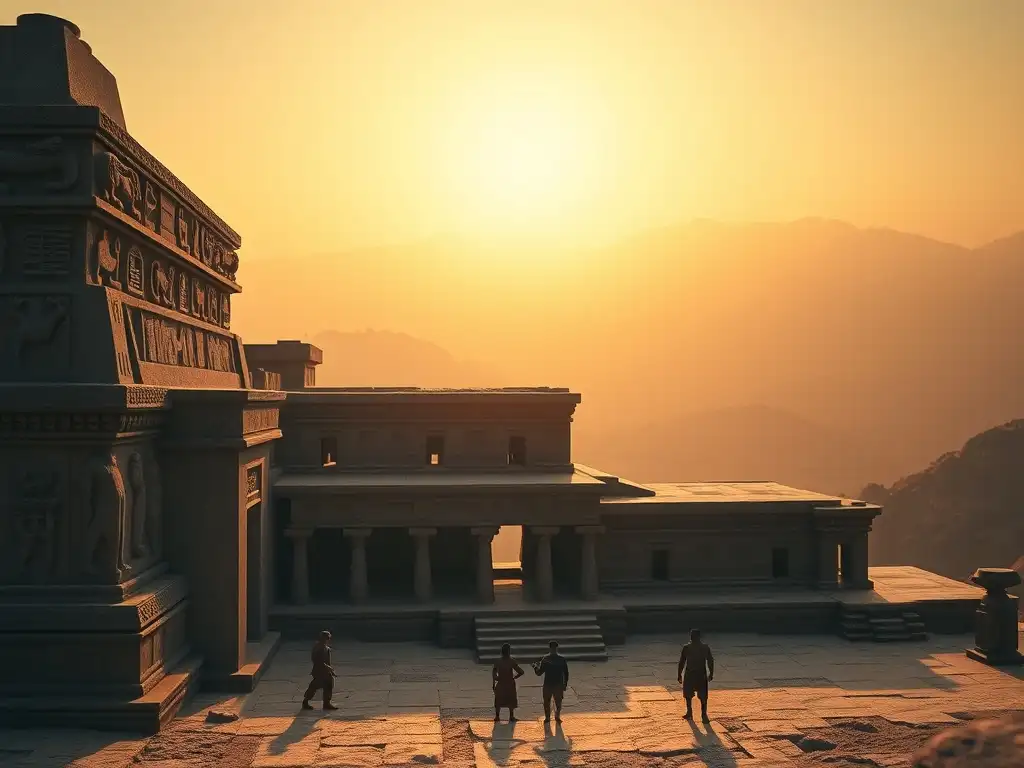
This section delves into the profound and lasting impact of the Chavín culture on subsequent Andean civilizations, particularly the Inca. While often overshadowed by later empires, Chavín's influence permeated the cultural landscape of the Andes for centuries, laying the groundwork for many of the artistic, religious, and technological advancements seen in later societies. Understanding the Chavín legacy is crucial for a complete appreciation of the complex tapestry of Andean history.
The Chavín's sophisticated artistry, innovative agricultural techniques, and complex religious beliefs left an indelible mark, shaping the development of Andean identity and paving the way for the rise of the Inca Empire. This enduring impact is evident in the artistic motifs, religious practices, and societal structures of later cultures, highlighting the Chavín's pivotal role in shaping Andean civilization. The extent of this influence is a subject of ongoing research, with new discoveries continually revealing the scope of Chavín's legacy.
The Chavín Civilization: A Foundational Andean Culture
The Chavín culture flourished in the northern Andes of present-day Peru, between approximately 900 and 200 BCE. It wasn't a unified empire in the traditional sense, but rather a powerful influence radiating from its main ceremonial center at Chavín de Huántar. This site, located in a strategically important area of the Andes, served as a focal point for religious pilgrimage and cultural exchange.
The Chavín's artistry is instantly recognizable, characterized by its distinctive iconography – often featuring stylized jaguars, snakes, and other powerful creatures – that became widespread throughout the Andes. This iconic imagery, deeply embedded in Chavín religious beliefs, was subsequently adopted and adapted by numerous other Andean cultures, testifying to the far-reaching influence of Chavín religious ideas. The Chavín's mastery of stone carving and metallurgy also left a lasting impact, influencing the development of these crafts in later periods.
Their sophisticated understanding of Andean geography and its resources enabled them to thrive in a challenging environment, a testament to their ingenuity and adaptive capabilities. The Chavín culture's sophisticated social organization, albeit not fully understood, seems to have facilitated this wide-ranging cultural dissemination.
Geographical Location and Timeline of Chavín Influence
Chavín de Huántar's location in the central Andes provided an ideal setting for the dissemination of its cultural traits. Situated in a strategically important valley, the site controlled access to important trade routes and agricultural resources. This advantageous location facilitated the spread of Chavín influence both north and south along the Andean mountain ranges.
Archaeological evidence suggests a gradual diffusion of Chavín artistic styles and religious beliefs, rather than a sudden conquest. The timeline of this influence spans several centuries, with different Andean cultures adopting and adapting Chavín elements at various points. For example, the stylistic similarities between Chavín iconography and that of the later Moche culture are striking, suggesting a direct link or at least a significant degree of cultural exchange.
However, the precise mechanisms of this transmission remain a topic of scholarly debate, with some suggesting trade networks, others suggesting migration patterns, and still others emphasizing religious pilgrimage as key factors. Further research is needed to fully elucidate the complex dynamics of Chavín cultural diffusion.
Further Exploration: Specific Examples of Chavín Influence
The influence of Chavín culture can be seen in the following:
- Ceramics: Specific decorative motifs and techniques.
- Textiles: Similar patterns and weaving styles.
- Architecture: Use of similar building techniques and layouts.
- Religious Beliefs: Evidence of shared deities and rituals.
Importance of Chavín Culture in Understanding Andean History
The Chavín culture holds a crucial position in understanding the broader history of the Andes. It represents a pivotal moment in the development of Andean civilization, establishing many of the patterns and trends that would characterize later cultures. The Chavín's sophisticated religious beliefs, artistic achievements, and technological innovations provided a foundation upon which subsequent Andean societies built.
Their influence can be traced through various aspects of Andean culture, from its religious practices to its artistic styles. By studying the Chavín culture, we gain a deeper understanding of the processes of cultural exchange, adaptation, and innovation that shaped the Andes. The enduring legacy of the Chavín culture underscores its importance in the development of later Andean civilizations, including the Inca, and emphasizes the interconnectedness of Andean societies throughout pre-Columbian history.
The Chavín culture's impact on the Inca is particularly significant, demonstrating the long-term effects of cultural transmission and the enduring influence of earlier Andean societies. Further research into the Chavín culture promises to further illuminate the complexities of Andean history and the development of the Inca Empire. Understanding the Chavín's contribution is key to fully appreciating the rich and complex history of the Andean region and its lasting impact on the world.
Chavín Art and Iconography: A Lasting Influence
The Chavín culture, flourishing in the Andes from approximately 900 to 200 BCE, left an indelible mark on subsequent Andean civilizations. Its artistic and iconographic innovations profoundly impacted later cultures, including the Inca, shaping their aesthetic sensibilities and religious beliefs. Understanding the Chavín legacy requires examining its unique artistic style and the pervasive role of religious iconography.
The Chavín culture's impact on Inca art, in particular, is a testament to the enduring power of its artistic traditions. This influence wasn't a direct copy but rather a transformative process where later cultures absorbed and reinterpreted Chavín motifs, adapting them to their own contexts and beliefs.
Chavín Art Styles: Defining Characteristics
Chavín art is characterized by its distinctive style, easily recognizable even centuries later. Key features include a focus on zoomorphic and anthropomorphic representations, often combining elements of different animals and humans into hybrid creatures. These figures frequently possess sharp, angular features, prominent fangs, and wide, staring eyes.
The use of a specific type of stone carving and relief sculpture is also notable. Many pieces showcase intricate details and high levels of craftsmanship, reflecting a sophisticated understanding of stonework techniques. The use of repetitive patterns and symmetrical designs is also prevalent, creating a sense of order and balance within the often-complex compositions.
For example, the Lanzón monolith at the Chavín de Huántar site exemplifies this style: a towering, imposing figure carved from a single block of stone, exhibiting the characteristic feline features and intricate detailing that define Chavín art. The mastery of these techniques undoubtedly influenced later Andean artists, who adopted and adapted these stylistic elements in their own works.
The Role of Religious Iconography in Chavín Art
Religious iconography played a central role in Chavín art. Many artifacts depict deities and mythological creatures, suggesting a complex pantheon and cosmology. The frequent depiction of jaguars, serpents, and other powerful animals underscores the importance of these creatures in Chavín religious beliefs. These powerful symbols, often intertwined and combined in intricate compositions, likely represented supernatural forces or aspects of the Chavín worldview.
The stylistic choices were not arbitrary; they reinforced the religious significance of the imagery. The use of specific colors, materials, and techniques further enhanced the sacred nature of these artistic expressions. The impact of this religious iconography extended beyond the Chavín culture itself, influencing the religious art of later Andean societies, where similar motifs, albeit adapted and transformed, appear frequently. For example, the influence of Chavín's jaguar imagery can be traced in the art of several succeeding cultures.
Chavín Art's Influence on Later Andean Art Forms
The influence of Chavín art is clearly visible in the art of subsequent Andean civilizations, particularly the Inca. While the Inca developed their own unique artistic style, elements of Chavín aesthetics are readily apparent. This influence is not a simple imitation but a complex process of adaptation and reinterpretation. For instance, the use of zoomorphic motifs, though refined and adapted, persists in Inca art.
Similarly, the emphasis on symmetry and detailed craftsmanship continued to be valued. The stylistic choices of the Inca clearly reflect the legacy of Chavín artistic traditions, demonstrating the enduring impact of this earlier culture. The continuity of certain motifs and stylistic elements across centuries highlights the profound and lasting influence of Chavín art on the development of Andean artistic expression.
Further research into specific examples of Inca art alongside Chavín pieces could reveal even more precise connections and demonstrate how these artistic traditions evolved over time. The Chavín culture's impact on Inca art is a compelling example of cultural transmission and artistic innovation in the Andes. The enduring legacy of Chavín art continues to inspire awe and admiration, demonstrating its significant contribution to the rich tapestry of Andean artistic heritage.
Chavín Religious Practices and Beliefs
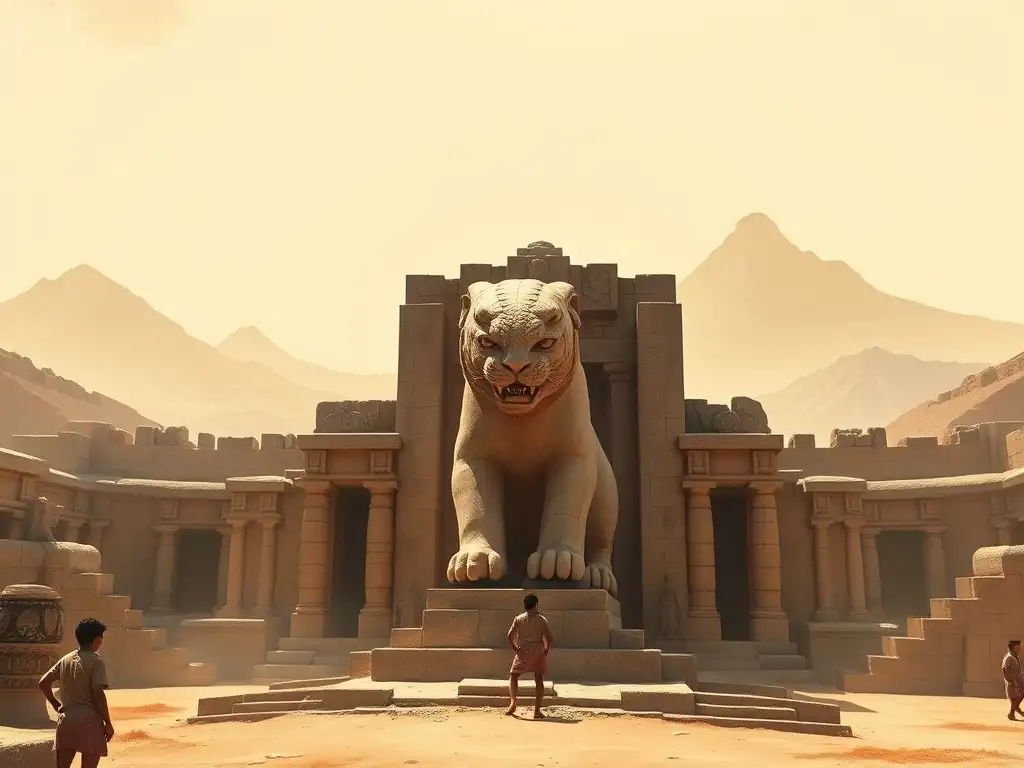
The Chavín culture, flourishing in the Andes from roughly 900 to 200 BCE, left an indelible mark on subsequent Andean civilizations. Their religious practices and beliefs, in particular, exerted a profound and lasting influence, shaping the spiritual landscape of later cultures like the Inca. Understanding these practices is key to comprehending the Chavín culture's impact on the Inca and other Andean societies. The complexity of their religious system suggests a highly organized and stratified society, with religious leaders holding significant power and influence.
The Chavín Religious Worldview
The Chavín worldview appears to have centered around a complex pantheon of deities, often depicted in zoomorphic and anthropomorphic forms. These figures, frequently combining features of animals such as jaguars, eagles, snakes, and caimans with human characteristics, suggest a deep connection to the natural world. The iconic Chavín deity, often represented as a fanged being with feline or bird-like attributes, exemplifies this blending of the human and animal realms.
Archaeological evidence, including intricate carvings on ceremonial objects and the layout of their monumental architecture, points to a sophisticated understanding of cosmology and the forces of nature. The emphasis on these supernatural beings suggests a belief system heavily focused on maintaining balance and order within the cosmos and within society itself. Studies of Chavín iconography reveal a preoccupation with transformation, duality, and the cyclical nature of life and death, themes that resonate throughout later Andean cultures.
This underlying worldview, emphasizing the interconnectedness of the natural and supernatural, formed a foundation for subsequent Andean religious beliefs. Further research is needed to fully understand the nuances of their creation myths and beliefs about the afterlife, but existing evidence suggests a profound and pervasive influence on later Andean spiritual thought.
Rituals and Ceremonies in Chavín Society
Chavín religious practices involved elaborate rituals and ceremonies, often conducted within their monumental temple complexes. These ceremonies likely served to reinforce social hierarchy and maintain the power of the religious elite. Evidence suggests the use of hallucinogenic substances, such as San Pedro cactus, played a significant role in these rituals, potentially facilitating communication with the spirit world and inducing altered states of consciousness.
The precise nature of these ceremonies remains a subject of ongoing scholarly debate, but the sheer scale of the temple complexes and the intricacy of the carvings found within them point to their central importance in Chavín society. The discovery of numerous artifacts, including ceremonial vessels, musical instruments, and offerings, provides further insights into the rituals performed within these sacred spaces.
Analysis of these artifacts reveals a level of artistry and craftsmanship unparalleled in the region at the time. The presence of such elaborate ritual paraphernalia emphasizes the importance placed on these practices and their role in shaping Chavín social structure and ideology.
The Impact of Chavín Religion on Subsequent Andean Beliefs
The impact of Chavín religious beliefs extended far beyond their geographical and temporal boundaries. Many of the iconic motifs and stylistic conventions found in Chavín art and architecture reappear in later Andean cultures, demonstrating a clear continuity of religious ideas and artistic expression. The widespread dissemination of Chavín iconography suggests the influence of their religious beliefs extended through trade networks and cultural exchange across the Andes.
For example, the depiction of feline deities and other Chavín-inspired iconography is evident in the art of subsequent cultures, including the Moche and the Inca. This suggests a process of cultural diffusion and syncretism, whereby Chavín religious beliefs were adapted and integrated into the existing belief systems of later Andean societies. The enduring presence of Chavín religious themes in the Inca worldview, particularly the emphasis on nature deities and the use of ritual practices involving altered states of consciousness, provides compelling evidence of the Chavín culture's lasting impact on the Inca.
The adoption and transformation of Chavín religious concepts illustrate the dynamic nature of Andean cultural exchange and the enduring legacy of the Chavín civilization. Further research into the specific ways in which Chavín religious ideas were incorporated and transformed by later Andean cultures will deepen our understanding of this significant cultural legacy. The enduring influence of Chavín culture on the development of Inca religious practices highlights its significant contribution to the broader tapestry of Andean civilization.
The Chavín Sociopolitical Structure and its Legacy
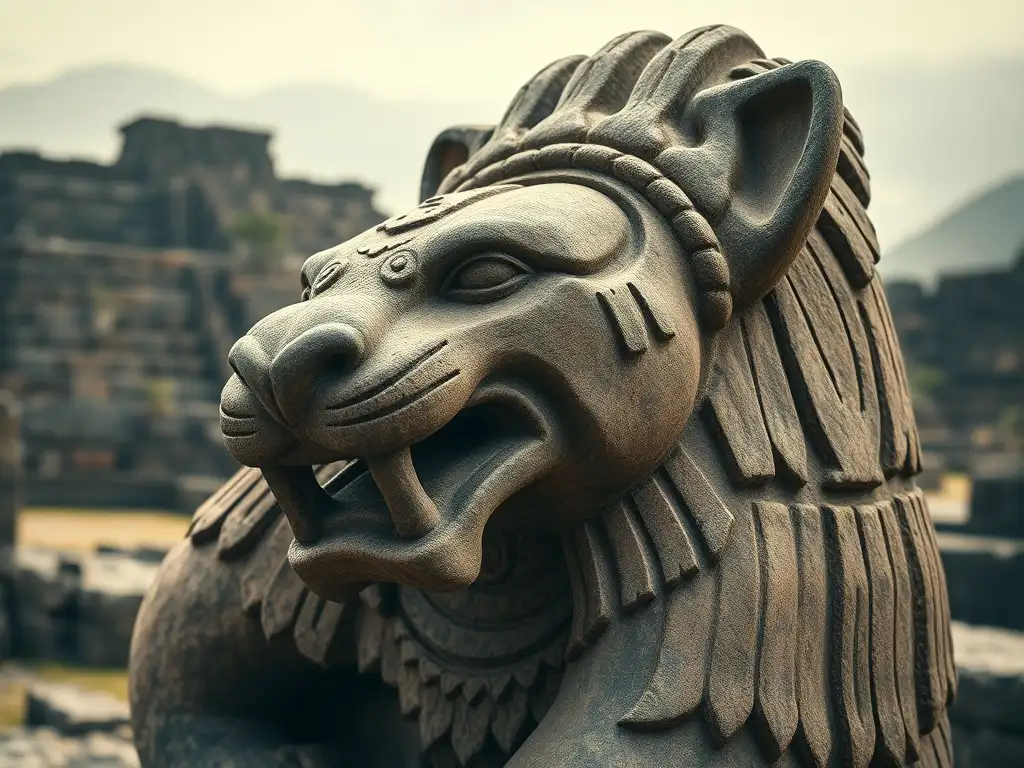
The Chavín culture, flourishing in the Andes from approximately 900 to 200 BCE, left an indelible mark on subsequent Andean societies. Understanding their sociopolitical structure is crucial to grasping the extent of their influence, particularly on the later Inca civilization. While much remains debated, archaeological evidence and analysis of their artistic and religious expressions reveal a complex system that profoundly impacted the development of Andean power structures and social organization. The Chavín culture's impact on Inca civilization is a testament to its enduring legacy.
The Chavín people weren't a unified nation-state in the conventional sense. Instead, their influence spread through a network of interconnected settlements and religious centers, radiating outward from their principal site at Chavín de Huántar. Evidence suggests a hierarchical social structure, with a priestly elite controlling religious practices and potentially wielding significant political power.
This elite likely oversaw large-scale public works projects, including the construction of monumental temples and irrigation systems. The intricate carvings and monumental architecture at Chavín de Huántar suggest a highly specialized workforce, implying a complex division of labor. This social stratification, with its clear differentiation between the priestly class and the wider population, is a recurring theme in Andean civilizations, including the Inca.
The extent to which this social hierarchy was enforced through coercive means or relied on religious authority remains a subject of ongoing research. However, the sheer scale and sophistication of Chavín projects undeniably point to a system of centralized control and effective resource management. Furthermore, the widespread adoption of Chavín artistic motifs across geographically disparate sites hints at a degree of centralized ideological control.
Chavín Political Influence and Power Dynamics
The exact nature of Chavín political power remains a subject of scholarly debate. While there's no evidence of a centralized, empire-like state, the pervasive influence of Chavín art, religion, and iconography across a vast area suggests a considerable degree of political influence. This influence likely wasn't achieved through military conquest but rather through a combination of factors: religious authority, economic exchange, and cultural prestige.
The impressive scale of Chavín de Huántar and its sophisticated water management systems suggest a capacity for large-scale organization and mobilization of labor, implying a powerful, centralized leadership. This organizational capacity likely influenced later Andean civilizations' ability to manage resources and execute complex projects.
The standardized artistic style found across numerous sites suggests a degree of cultural hegemony, where Chavín aesthetics became a symbol of prestige and power, potentially reinforcing their influence. The adoption of Chavín religious iconography by other cultures points to a process of cultural assimilation, where the religious beliefs and practices of Chavín became integrated into the belief systems of neighboring societies.
Chavín Societal Structures and Their Echoes in Later Cultures
The Chavín legacy extends far beyond its geographic boundaries and temporal limits. The sophisticated social organization and political structures of the Chavín culture served as a blueprint for many later Andean civilizations. The hierarchical societal structure, with its powerful priestly elite and specialized workforce, is reflected in the Inca Empire's highly stratified society.
The Inca's centralized administration, with its extensive bureaucracy and control over resources, echoes the apparent organizational capacity of the Chavín. Similarly, the Inca emphasis on monumental architecture and public works projects finds parallels in the impressive scale and complexity of Chavín de Huántar. The Inca's sophisticated road system and their ability to mobilize large numbers of workers for state projects likely draw inspiration from the Chavín's demonstrated capacity for large-scale organization.
Moreover, the pan-Andean distribution of Chavín iconography indicates a long-lasting cultural influence, demonstrating a template for subsequent Andean societies to develop their own unique identities while simultaneously incorporating elements of Chavín religious and artistic traditions. The impact of Chavín culture on Inca civilization is undeniable, showing a clear lineage in governance, social structure, and monumental construction. Further research is needed to fully understand the nuances of this influence, but the available evidence strongly suggests a significant and enduring legacy.
Chavín Culture's Contribution to Andean Technology and Agriculture
The Chavín culture, flourishing in the Andes from approximately 900 to 200 BCE, left an indelible mark on subsequent Andean civilizations, particularly in the realms of technology and agriculture. Their influence wasn't solely through direct conquest, but rather through a complex interplay of cultural exchange, trade networks, and the dissemination of innovative ideas. This section will explore the specific technological and agricultural advancements attributed to the Chavín, and how these innovations paved the way for later Andean empires like the Inca.
Chavín Innovations in Agriculture and Irrigation
Chavín agricultural practices were remarkably advanced for their time. Evidence suggests a sophisticated understanding of terracing techniques, allowing them to cultivate steep slopes and maximize arable land in the challenging Andean terrain. This wasn't simply a matter of carving terraces into hillsides; the Chavín demonstrated a keen awareness of soil types and drainage, optimizing planting strategies for different elevations and microclimates.
They likely employed raised fields in swampy areas, a technique that improved drainage and soil fertility. This mastery of irrigation and water management is crucial to understanding their agricultural success. They developed complex canal systems, diverting water from rivers and streams to irrigate crops across vast distances.
The intricate network of canals discovered at Chavín de Huántar testifies to their engineering prowess and the importance of controlled water distribution for their agricultural production. This efficient irrigation system, coupled with their terracing techniques, allowed for increased crop yields and supported a larger, more settled population. The impact of these innovations on subsequent Andean cultures, including the Inca, is undeniable, as they continued and expanded upon these methods to support their own vast agricultural systems.
Chavín Technological Advancements in Craftsmanship
Beyond agriculture, the Chavín were renowned for their remarkable craftsmanship. Their mastery of metallurgy, particularly in the working of gold, silver, and copper, was unparalleled in the Andean region during that period. They created intricate jewelry, ceremonial objects, and tools exhibiting a high degree of skill and artistry. The use of sophisticated casting techniques, along with the precise hammering and repoussé methods employed to shape metal, showcases a level of technological advancement that influenced future Andean metalworkers.
Furthermore, their expertise in pottery and stone carving was equally impressive. Chavín pottery is distinguished by its distinctive style, featuring intricate designs and often depicting stylized figures of animals and deities. Their mastery of stone carving is evident in the monumental architecture of Chavín de Huántar, where massive stones were precisely cut and fitted together to create impressive structures.
The precision and scale of these projects suggest a deep understanding of stoneworking techniques and a highly organized workforce. This sophisticated craftsmanship and technological know-how laid the groundwork for later Andean artistic traditions, with clear influences seen in the Inca's own artistic achievements. The legacy of Chavín craftsmanship is evident in the continuity of certain stylistic elements and techniques across centuries.
The Transmission of Chavín Knowledge to Later Civilizations
The Chavín culture's influence wasn't confined to their immediate geographical area. Their innovations spread across the Andes through various channels, including trade networks, migration patterns, and the adoption of Chavín religious beliefs and practices. The widespread dissemination of Chavín iconography and stylistic elements in the art and architecture of later cultures strongly suggests a significant cultural transmission.
For example, the distinctive Chavín style, characterized by its stylized depictions of jaguars, snakes, and other mythical creatures, is found in the art of many subsequent Andean societies. This suggests that the Chavín's religious and symbolic systems were adopted and adapted by later cultures, contributing to the development of Andean religious beliefs and practices. The Chavín's advancements in agriculture and technology were also likely transmitted through these same channels, with later civilizations building upon their innovations and adapting them to their own specific environments and needs.
The Inca, in particular, inherited and expanded upon many of the Chavín's agricultural and technological innovations, contributing to the success and longevity of their empire. The Chavín culture's enduring impact on the Inca and other Andean civilizations is undeniable, establishing their place as a pivotal force in the development of Andean culture and technology. The influence of Chavín culture on Inca civilization is a rich and complex area of study, revealing a fascinating story of cultural transmission and innovation in the Andes.
Tracing Chavín's Influence on the Inca Empire
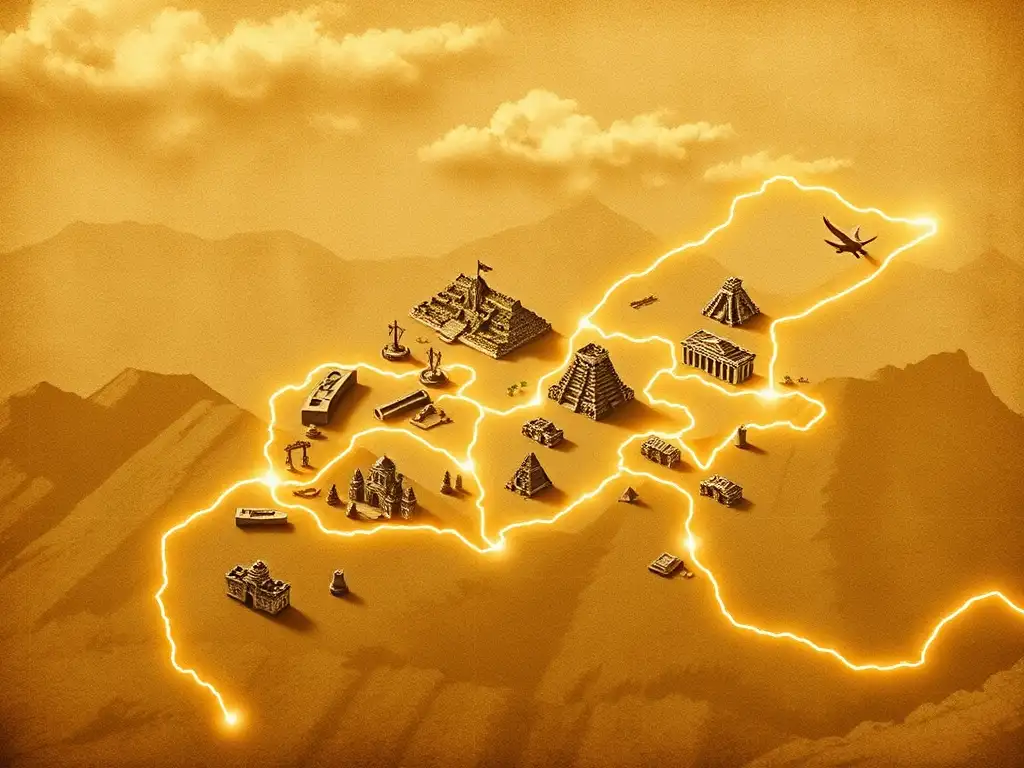
The Chavín culture, flourishing from roughly 900 to 200 BCE in the northern Andes, left an indelible mark on subsequent Andean civilizations. While the Inca Empire emerged much later, a significant thread of Chavín influence can be traced through various aspects of Inca culture, demonstrating the enduring legacy of this formative Andean society. Understanding this influence requires examining both direct and indirect connections, acknowledging the complex interplay of cultural exchange and independent development across centuries.
The impact of Chavín on the Inca is not a direct lineage, but rather a subtle yet pervasive influence on artistic styles, religious practices, and societal structures. The keyword "Chavín culture impact on Inca" accurately reflects this nuanced relationship.
Direct and Indirect Links Between Chavín and Inca Cultures
Determining the precise nature of the link between Chavín and Inca cultures is a complex task. There's no direct evidence of a continuous cultural transmission; the intervening centuries saw the rise and fall of numerous other Andean societies. However, indirect links are evident through shared iconography, architectural styles, and possibly even religious beliefs. Some scholars propose a process of cultural diffusion, where Chavín motifs and ideas spread through trade networks and migrating populations, gradually influencing later cultures, including the Inca.
The distribution of Chavín-style artifacts across a wide geographical area supports this theory. The distinctive Chavín artistic style, characterized by its intricate carvings depicting jaguars, snakes, and other supernatural beings, is found in numerous sites far from the Chavín de Huántar center, suggesting widespread influence and cultural exchange.
This widespread dissemination of artistic motifs lays the groundwork for understanding how these elements could later reappear, albeit transformed, within the Inca artistic repertoire. Further research is needed to fully clarify the pathways of this cultural transmission, but the geographical spread of Chavín artifacts strongly suggests a significant degree of indirect influence.
The Inca, known for their sophisticated administrative and infrastructural achievements, likely benefited indirectly from the earlier development of complex social structures in the Andean region, structures partly shaped by the Chavín cultural experience. While the Inca developed their own unique administrative systems, the precedent of centralized organization and large-scale public works established by earlier Andean societies, including Chavín, undoubtedly provided a context within which Inca innovations could flourish.
The Influence of Chavín Art on Inca Artistic Expressions
The striking stylistic similarities between Chavín and Inca art are undeniable. While Inca art developed its own unique characteristics, certain motifs and stylistic elements clearly echo Chavín precedents. The use of zoomorphic imagery, particularly depictions of jaguars, snakes, and birds of prey, is a common thread. While the Inca rendered these creatures in their own distinctive style, the underlying themes and the importance of these animals in religious iconography suggest a possible connection to Chavín's symbolic world.
For example, the use of feline imagery, prominent in Chavín art, appears in modified forms in Inca textiles and ceramics. While the Inca's feline representations may not be direct copies of Chavín styles, the shared symbolic weight of the jaguar as a powerful, supernatural entity points towards a continuity of religious and artistic traditions.
The enduring power of these symbolic motifs underscores the lasting impact of Chavín artistic conventions. This is not to say that Inca art was merely derivative, but rather that the Chavín artistic legacy provided a rich reservoir of imagery and symbolic language that the Inca drew upon and adapted to their own cultural context.
Furthermore, the sophisticated techniques of stone carving and metalwork developed by the Chavín, particularly their mastery of intricate relief carvings, likely influenced subsequent Andean artistic traditions, including the Inca. The precision and skill demonstrated in Chavín artifacts were certainly admired and perhaps emulated by later artisans. While the Inca developed their own highly refined techniques, the earlier achievements of the Chavín provided a foundation for the evolution of Andean artistic practices.
How Chavín Religious Ideas Shaped Inca Beliefs
While the specifics of Chavín religious beliefs remain partially enigmatic, evidence suggests a complex system involving shamanistic practices, ancestor veneration, and a pantheon of powerful deities represented by zoomorphic figures. Some scholars argue that certain aspects of this religious worldview found their way into later Andean belief systems, including that of the Inca.
The emphasis on shamanistic practices, the use of hallucinogenic substances in religious rituals, and the importance of supernatural beings in the Chavín worldview are all aspects that may have influenced subsequent Andean cultures. While the Inca religion was distinct, it shared some thematic elements with Chavín beliefs, suggesting a possible link through a long process of cultural exchange and adaptation.
The Inca's intricate cosmology, their veneration of mountains and other natural features, and their use of ritual offerings might echo, at least in part, the religious practices of earlier Andean societies, including Chavín. Further research into the religious practices of intermediate Andean cultures is crucial to clarify the extent of this influence.
The pervasive use of zoomorphic imagery in both Chavín and Inca religious contexts further strengthens the argument for a connection. The symbolic significance of animals, especially the jaguar, the serpent, and the condor, suggests a shared understanding of the supernatural world and the power of these creatures as intermediaries between the human and divine realms.
These shared motifs underscore a possible continuity of religious concepts and practices that spans centuries, illustrating the lasting influence of Chavín religious ideas on the Inca's spiritual landscape. The degree of direct influence remains a subject of ongoing debate, but the striking parallels in religious iconography and symbolism cannot be ignored.
The Enduring Legacy of the Chavín Culture
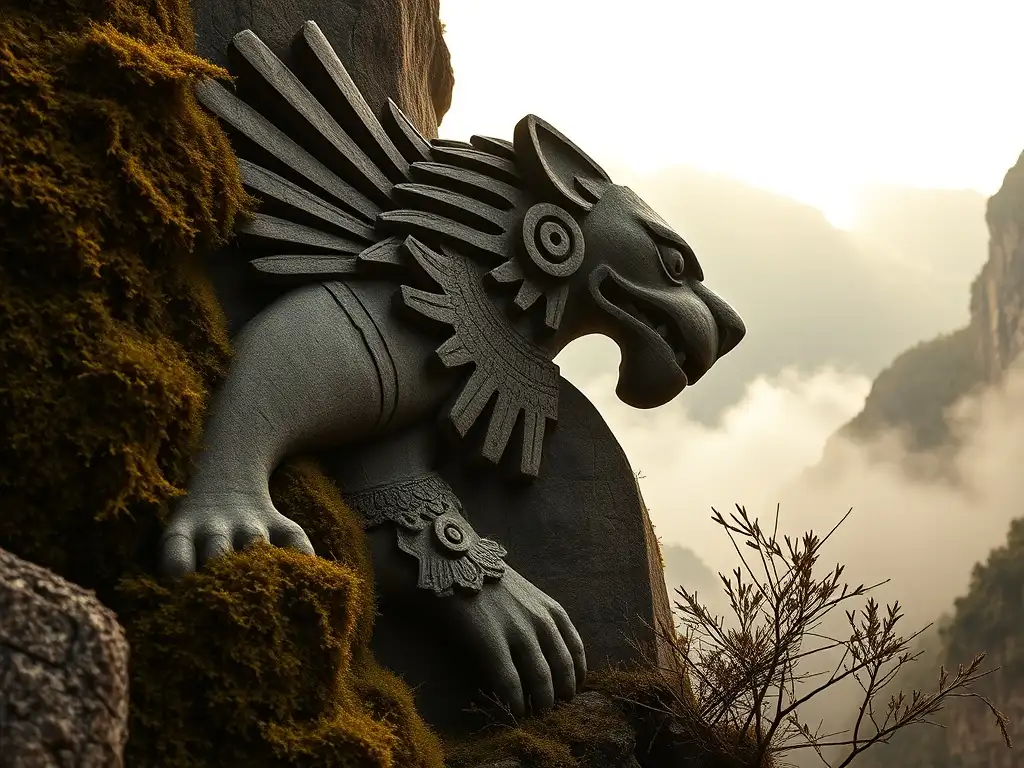
The Chavín culture, flourishing in the Andes from approximately 900 to 200 BCE, left an indelible mark on subsequent Andean societies. Its influence extended far beyond its geographical boundaries, shaping the religious beliefs, artistic styles, and even the political structures of later civilizations. While the Chavín state itself ultimately declined, its cultural legacy continued to resonate for centuries, acting as a powerful undercurrent influencing the development of cultures like the Moche, Nazca, and, most significantly, the Inca.
This enduring impact is evidenced in a wide range of areas, from iconography and architecture to agricultural practices and social organization. Understanding this legacy provides crucial context for appreciating the complexity and continuity of Andean civilization.
Chavín's Lasting Influence on Andean Identity
Chavín's impact on Andean identity is profoundly visible in the widespread adoption of its religious iconography. The iconic Chavín deity, often depicted as a jaguar-like figure with fanged mouth and wild features, became a powerful symbol replicated across numerous later cultures. This stylistic consistency suggests a shared religious framework, a pan-Andean belief system that transcended regional variations.
For example, the Moche ceramics frequently feature similar motifs, albeit adapted to their distinct artistic conventions. The Nazca lines, while possibly having astronomical significance, also echo certain geometric patterns found in Chavín textiles and pottery. This shared visual language points to a deep cultural connection, a testament to the pervasive influence of Chavín religious thought.
Furthermore, the Chavín emphasis on ritual and ceremony likely contributed to the development of elaborate religious practices in later Andean societies. The grandeur of the Chavín de Huántar temple complex, with its intricate carvings and labyrinthine passages, suggests a highly organized and centralized religious system.
This model of sophisticated religious organization may have served as a blueprint for the later development of Inca religious institutions, characterized by their own elaborate temples and priestly hierarchies. The continuity of certain ritualistic practices, such as the use of hallucinogenic plants in religious ceremonies, also suggests a direct link between Chavín traditions and those of later cultures.
The Preservation of Chavín Traditions in Modern Andean Culture
While separated by millennia, echoes of Chavín culture persist in various aspects of modern Andean life. The enduring appeal of Chavín iconography is evident in contemporary Andean art, where motifs derived from Chavín designs continue to be utilized. These designs often appear in textiles, ceramics, and other forms of artistic expression, showcasing a living connection to the past. This continuity reflects not merely aesthetic imitation but a deeper cultural resonance, a sense of shared heritage that connects modern Andean communities to their ancestral past.
Moreover, certain agricultural practices and technologies developed during the Chavín period continue to be relevant in contemporary Andean farming. The sophisticated irrigation systems implemented by the Chavín, designed to maximize crop yields in challenging terrains, continue to inspire modern agricultural techniques. This practical legacy highlights the lasting impact of Chavín ingenuity and its contribution to sustainable agricultural practices across the Andes. The adaptation and evolution of these techniques demonstrate a remarkable resilience and continuity in Andean cultural practices.
Understanding the Chavín Culture Impact on Inca and Beyond
The Chavín culture's impact on the Inca Empire is a topic of ongoing scholarly debate, but evidence strongly suggests a significant influence. The Inca, inheriting a rich tapestry of Andean traditions, incorporated many elements of Chavín culture into their own worldview and practices. The adoption of specific iconographic motifs and the continuation of certain religious rituals strongly point towards a cultural lineage.
However, it's crucial to avoid oversimplifying this relationship; the Inca were not simply imitators but active participants in a dynamic cultural exchange, adapting and transforming inherited traditions to suit their own unique context. The Inca Empire synthesized diverse cultural elements, and Chavín constituted a significant but not exclusive source of inspiration.
The broader impact of Chavín extended beyond the Inca. The spread of Chavín artistic styles and religious beliefs across a vast geographical area highlights the culture’s remarkable influence on the development of a shared Andean identity. This pan-Andean cultural sphere, characterized by common iconographic elements and religious practices, demonstrates the powerful and long-lasting legacy of Chavín.
Further research is needed to fully understand the nuances of this complex interplay of cultural exchange and adaptation across different Andean societies, but the pervasive influence of Chavín remains undeniable. The Chavín culture’s impact on the Inca, therefore, is best understood not as a singular event but as a crucial chapter in a much larger story of Andean cultural development and continuity. The legacy of Chavín continues to shape our understanding of the Andean world.
Conclusion: The Enduring Impact of Chavín on Andean Civilization
The Chavín culture, flourishing in the Andes from approximately 900 to 200 BCE, left an indelible mark on subsequent Andean civilizations. Its influence extended far beyond its geographical boundaries, shaping religious beliefs, artistic styles, and even agricultural practices across a vast region. While the exact mechanisms of this cultural transmission remain a subject of ongoing research, the evidence strongly suggests a profound and lasting impact, particularly on the later Inca civilization.
Understanding the Chavín legacy is crucial for a complete appreciation of Andean history and the complex tapestry of cultural exchange that defined it. The pervasive nature of Chavín artistic motifs, religious iconography, and architectural styles in later Andean cultures highlights the significant role this civilization played in shaping the cultural landscape.
The Significance of Chavín as a Precursor to Inca Culture
The Chavín culture's influence on the Inca, arguably the most well-known Andean civilization, is particularly striking. Many scholars posit a direct lineage, tracing specific artistic motifs, religious themes, and architectural principles from Chavín sites to Inca constructions centuries later. The iconic Chavín style, characterized by its intricate carvings depicting feline and serpent deities, finds echoes in Inca art, although adapted and refined over time.
For example, the representation of the "jaguar-god" found in Chavín temples resonates with similar feline imagery in Inca textiles and pottery. This continuity suggests a process of cultural inheritance, where Inca artists and religious leaders drew inspiration and ideas from the rich artistic and religious traditions established by the Chavín. Furthermore, the sophisticated irrigation systems developed by the Chavín likely laid the groundwork for the Inca’s impressive hydraulic engineering projects, demonstrating a practical legacy in addition to the purely artistic and religious one.
The Inca's mastery of agriculture and water management built upon the foundations laid centuries earlier by the Chavín. This is not to suggest a direct, unbroken line of influence, but rather a complex interplay of adaptation, innovation, and cultural exchange. Further research into the precise nature of these interactions will undoubtedly enrich our understanding of the Chavín culture's impact on the Inca.
Reflections on the Chavín Culture's Contributions to Andean History
The Chavín culture's contributions extend beyond its influence on the Inca. Their impact resonates throughout the broader Andean cultural landscape. The pan-Andean distribution of Chavín-style artifacts suggests a widespread network of trade and cultural exchange, indicative of a powerful and influential civilization. This network facilitated the dissemination of religious beliefs, artistic techniques, and possibly even technological innovations.
The standardization of certain artistic motifs, like the stylized feline and serpent imagery, points to a shared cultural identity that transcended geographical boundaries. The development of sophisticated architectural techniques, including complex stonework and monumental structures, also had a lasting influence on subsequent Andean civilizations. The impressive temple complexes at Chavín de Huántar, for instance, demonstrate a high level of architectural skill and engineering prowess, setting a precedent for future Andean builders.
The Chavín legacy is not merely a matter of artistic imitation; it represents a fundamental shift in Andean societal organization, religious practices, and artistic expression. Their influence can be observed in the development of regional styles and the emergence of new artistic traditions throughout the Andes. The enduring impact of Chavín underscores the importance of studying pre-Inca civilizations for a comprehensive understanding of the region's rich history.
The Importance of Studying Chavín Culture for Understanding the Andes
Studying the Chavín culture is paramount to a complete understanding of Andean civilization. Its influence, as demonstrated by the widespread adoption of its artistic styles and religious iconography, provides a crucial framework for interpreting later Andean developments. By examining Chavín art, architecture, and religious practices, we gain valuable insights into the evolution of Andean culture and the processes of cultural transmission and adaptation.
Furthermore, investigating Chavín social structures and economic systems sheds light on the broader societal dynamics of the pre-Inca Andes. The Chavín legacy serves as a powerful reminder of the interconnectedness of Andean societies and the long-term impact of early civilizations on the region's cultural heritage. The study of Chavín helps us appreciate the complexity and diversity of Andean history, moving beyond a narrative solely focused on the Inca empire.
Understanding the Chavín culture and its lasting impact is not just an academic exercise; it is essential for preserving and interpreting the rich cultural heritage of the Andes. The ongoing research and new discoveries continue to reveal the depth and breadth of the Chavín's influence, solidifying its place as a pivotal civilization in Andean history. The Chavín culture’s enduring impact on the Inca and other Andean societies highlights the importance of studying pre-Columbian cultures to gain a complete understanding of the region's rich and complex past.
Frequently Asked Questions
What was the Chavín culture's main impact on later Andean civilizations, like the Inca?
The Chavín culture's religious and artistic styles profoundly influenced subsequent Andean societies. Their iconic imagery, particularly the jaguar and stylized figures, spread throughout the Andes, impacting artistic expressions for centuries. This cultural diffusion laid the groundwork for later civilizations.
How did Chavín religious beliefs influence the Inca?
While not directly adopted, Chavín religious iconography and ritual practices appear in later Andean cultures, including the Inca. Elements like ancestor veneration and the importance of shamanistic practices likely found their roots in Chavín beliefs. These formed the basis for aspects of Inca religion.
Did the Chavín directly influence Inca political structures?
The Chavín's influence was primarily cultural and religious, rather than directly political. While the Chavín didn't establish a large empire, their cultural prestige and widespread influence undoubtedly impacted later Andean societies' development of complex political systems. The Inca benefitted from a pre-existing framework of social organization.
What artistic elements of the Chavín culture are seen in Inca art?
Inca art shows clear traces of Chavín influence in its stylized representations of animals, particularly jaguars and birds of prey. The use of specific motifs and artistic techniques, such as intricate carvings and weaving patterns, demonstrate a clear lineage connecting the two cultures. These stylistic echoes are evident in both architecture and smaller artifacts.
How long did the influence of the Chavín culture last in the Andes?
The Chavín culture's influence lasted for centuries, impacting numerous cultures across the Andes region. While the Chavín civilization itself declined, its artistic and religious innovations continued to resonate through the Wari, Tiwanaku, and finally the Inca. This enduring legacy is a testament to the Chavín's cultural significance.
Final Reflection: Echoes of Chavín in the Andes
The sophisticated artistry and complex societal structures of the Chavín culture didn't simply vanish; their influence reverberates through Andean history, profoundly shaping the civilizations that followed, including the mighty Inca. The intricate iconography, innovative agricultural techniques, and the very concept of a pan-Andean religious network laid the groundwork for future empires, demonstrating the enduring power of cultural exchange and adaptation.
The legacy of Chavín is not merely a historical footnote; it's a living testament to the interconnectedness of Andean societies. The stylistic motifs, religious beliefs, and even architectural principles found in Chavín sites reappear, albeit transformed, in later cultures, underscoring the continuous thread of Andean identity. The past is never dead. It's not even past,
wrote William Faulkner, and this rings profoundly true when considering the pervasive influence of Chavín on subsequent Andean civilizations. The impact is visible in the Inca's sophisticated road systems, their intricate religious practices, and their mastery of agriculture – all echoing the innovations pioneered centuries earlier by the Chavín.
Consider the intricate details of Chavín art, the powerful symbolism of their deities, and the evidence of their widespread influence. Now, reflect on how these elements might still resonate within you. What echoes of Chavín can you find in your own life, in the art, architecture, or social structures that surround you? Let the enduring legacy of this remarkable culture inspire you to explore the deeper connections between past and present, and to appreciate the enduring power of cultural heritage.
Unveil the Rich Tapestry of Andean Culture!
Thank you for exploring the fascinating legacy of the Chavín civilization! Your interest in this pivotal period of history significantly enhances your understanding of the vibrant cultures that shaped the Andean region. Let's build on this knowledge and continue exploring Andean heritage together.
Here are some ways you can actively participate:
- Engage with Andean communities: Attend local cultural festivals or workshops to experience rich traditions firsthand.
- Share your knowledge: Discuss the Chavín culture with friends, family, or online; spark a conversation about how ancient influences continue to shape modern Andean societies.
- Deepen your exploration: Visit museums or exhibitions featuring Andean artifacts to connect with history passed down through generations.
As you reflect on the Chavín legacy, we'd love to hear your thoughts: What aspect of Andean culture resonates most with you, and why?