
Paracas Iconography: Understanding the Visual Language of the Ancient People

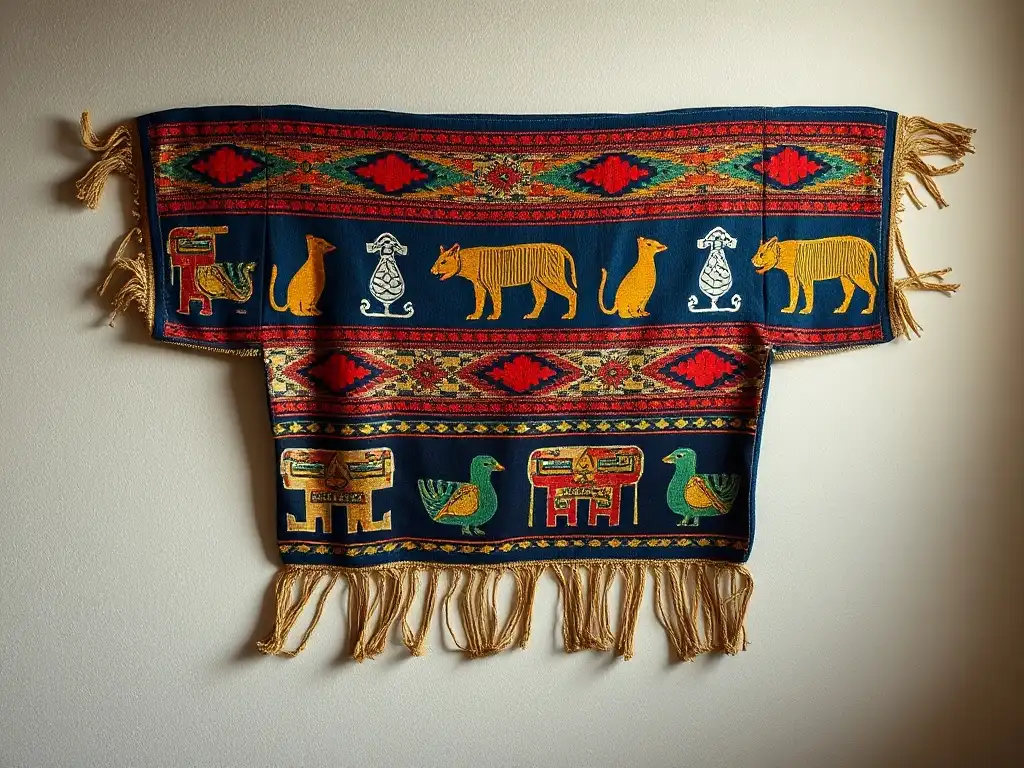
Step into a world lost to time, yet echoing with vibrant life. Journey through the breathtaking artistry and enigmatic symbolism of the Andean civilizations, from the towering heights of the Incas to the coastal wonders of pre-Inca cultures. Unlock the secrets woven into the very fabric of their existence – discover the profound Paracas textiles iconography meaning and unravel the visual language that shaped a civilization. Prepare to be captivated by a legacy that continues to inspire awe and wonder.
The Paracas culture, flourishing on the southern coast of Peru between 700 BCE and 200 CE, left behind a legacy far exceeding their relatively short lifespan. While their sophisticated surgical techniques and impressive mummification practices are well-documented, it's the vibrant and enigmatic iconography woven into their textiles that continues to captivate researchers and enthusiasts alike. This article delves into the fascinating world of Paracas textile iconography, exploring the symbolism, meaning, and artistry embedded within these remarkable artifacts.
Understanding these visual narratives provides invaluable insight into the beliefs, rituals, and daily lives of this enigmatic pre-Inca civilization, offering a window into a complex society whose worldview is powerfully expressed through the intricate designs adorning their textiles. We will examine the recurring motifs, their potential interpretations, and the techniques used to create these enduring masterpieces, ultimately contributing to a deeper understanding of the "Paracas textiles iconography meaning."
Deciphering the Motifs: Common Symbols and Their Interpretations
Paracas textiles are renowned for their intricate designs, featuring a rich tapestry of recurring motifs. These aren't merely decorative elements; they represent a complex visual language conveying profound spiritual and social meanings. Common symbols include anthropomorphic figures, often depicted with exaggerated features and elaborate headdresses.
These figures are frequently engaged in activities such as ritual dances or ceremonies, suggesting a strong connection between the textiles and religious practices. Furthermore, zoomorphic representations, including stylized birds, felines, and marine creatures, are ubiquitous. The significance of these animals likely reflects the importance of the natural world in Paracas cosmology, mirroring their reliance on fishing and agriculture.
Detailed analysis reveals a consistent use of geometric patterns, including triangles, zigzags, and spirals, which may represent abstract concepts or cosmological principles. However, the precise meaning of many symbols remains open to interpretation, necessitating further research and comparative studies with other contemporary Andean cultures. The complexity and variety of these motifs underscore the sophisticated artistic and symbolic systems employed by the Paracas people.
The Role of Color and Texture in Paracas Textile Iconography
Beyond the specific motifs, the skillful use of color and texture significantly contributes to the overall meaning and impact of Paracas textiles. The vibrant hues, achieved through natural dyes derived from plants and minerals, are not randomly chosen. Specific colors likely held symbolic significance, potentially representing different deities, natural elements, or social statuses.
For instance, the prevalence of red might signify blood, sacrifice, or the powerful sun. Similarly, the varied textures, from the smooth surfaces of fine cotton to the dense pile of richly woven wool, add another layer of complexity to the visual narrative. The interplay of color and texture enhances the overall aesthetic appeal of the textiles while also enriching their symbolic depth.
Further research into the specific dyes and techniques used could unlock additional insights into the Paracas understanding of color symbolism and its integration into their artistic expression. This detailed analysis is crucial for fully understanding the "Paracas textiles iconography meaning".
Technological Prowess: Weaving Techniques and Artistic Mastery
The creation of these intricate textiles involved a remarkable level of technological sophistication. Paracas artisans employed advanced weaving techniques, including tapestry, embroidery, and gauze, to achieve an unparalleled level of detail and visual richness.
The precision and skill demonstrated in the execution of these techniques are a testament to the expertise of Paracas weavers, who clearly possessed a deep understanding of textile production. The mastery of these techniques allowed them to create textiles that were not only visually stunning but also durable and functional, serving a variety of purposes, from ceremonial garments to everyday clothing.
The intricate weaving techniques, combined with the sophisticated use of color and symbolism, showcase the high level of artistic achievement within Paracas society. Analyzing these weaving techniques provides a tangible understanding of the level of social organization and specialized labor required to produce such elaborate textiles, adding another dimension to our comprehension of the "Paracas textiles iconography meaning".
The iconography found on Paracas textiles wasn't created in isolation. It's essential to consider the social and religious context in which these textiles were produced and used. Many textiles were likely associated with funerary rituals, adorning mummies and grave goods. Others may have been used in ceremonial contexts, worn by shamans or elite members of society.
The imagery depicted on these textiles might reflect beliefs about the afterlife, ancestor veneration, or the relationship between humans and the supernatural world. The intricate designs could have served as visual aids during rituals, or perhaps functioned as a form of communication, conveying complex messages to those who understood their symbolic language. Therefore, analyzing Paracas iconography requires a holistic approach, encompassing archaeological context, anthropological interpretations, and a detailed examination of the textiles themselves. This multifaceted approach is key to unlocking the complete "Paracas textiles iconography meaning".
This detailed exploration of Paracas textile iconography provides a foundation for further research and a deeper appreciation for the rich cultural heritage of this remarkable ancient civilization. The continued study of these exquisite textiles promises to reveal even more about the beliefs, practices, and artistic achievements of the Paracas people.
- Deciphering the Motifs: Common Symbols and Their Interpretations
- The Role of Color and Texture in Paracas Textile Iconography
- Technological Prowess: Weaving Techniques and Artistic Mastery
- The Context of Paracas Iconography: Social and Religious Significance
- The Feline Figure in Paracas Art: Symbolism of Power and Shamanic Transformation
- Avian Representations in Paracas Iconography: Connections to the Spirit World and Shamanic Flight
- The Serpent Motif: Fertility, Water, and the Underworld
- Human Figures in Paracas Art: Elite Individuals, Ancestors, and Mythological Characters
- Geometric Patterns: Cosmological Concepts and Ritualistic Significance
- The Orca Motif: Symbolism of Power and Marine Life
Introduction to Paracas Art and Symbolism
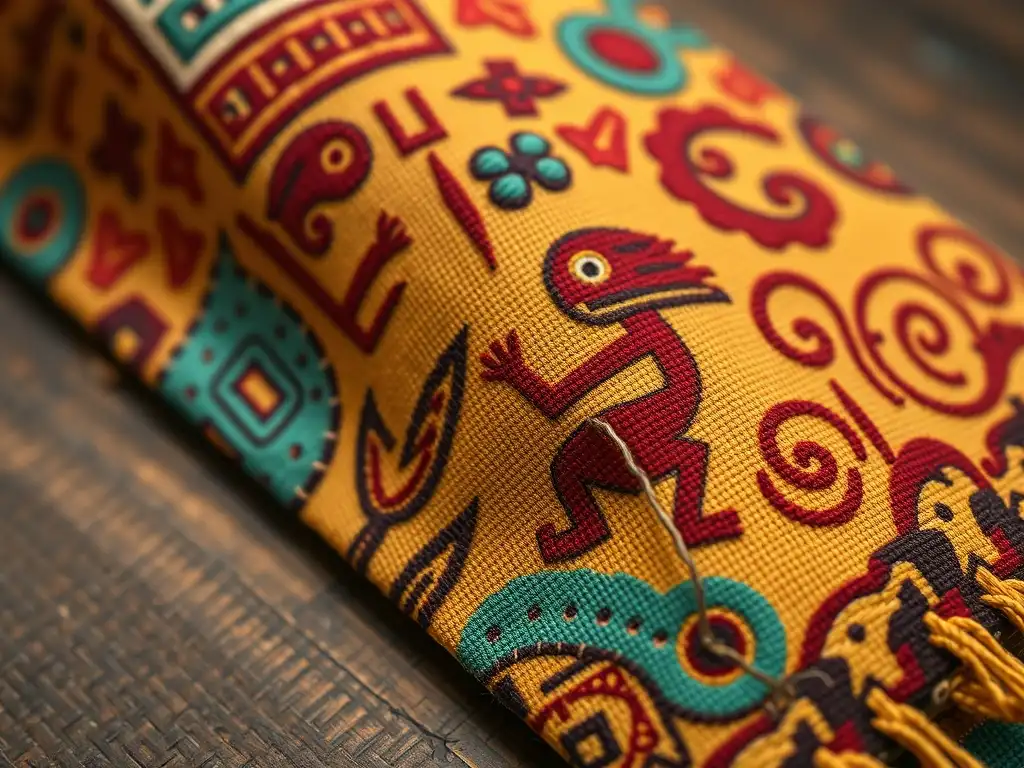
The Paracas culture, flourishing on the southern coast of Peru from roughly 800 BCE to 200 CE, left behind a rich legacy of artistic expression. Understanding their iconography—the visual language embedded in their art—is crucial to deciphering their complex beliefs, social structures, and worldview.
Unlike many other ancient cultures, the Paracas' artistic output wasn't solely functional; it served as a powerful means of communication, reflecting their spiritual understanding and social interactions. This section will explore the significance of visual communication in Paracas culture and provide an overview of their primary artistic mediums, focusing on how their iconography reveals their beliefs and practices.
The intricate details found in Paracas textiles, for instance, offer unparalleled insight into their cosmology, ritual practices, and daily life, giving us a glimpse into the minds of these remarkable people. Analyzing the Paracas textiles iconography meaning requires a multi-faceted approach, considering the context, materials, and techniques employed in their creation.
The Significance of Visual Communication in Paracas Culture
The Paracas people relied heavily on visual communication. In a society likely lacking a widespread writing system, art became the primary vehicle for transmitting knowledge, beliefs, and social norms. Their intricate textiles, meticulously crafted ceramics, and enigmatic geoglyphs all served as canvases for expressing their worldview.
The recurring motifs and symbols found across these various art forms suggest a cohesive and deeply symbolic system. Consider the frequent depiction of anthropomorphic figures, often engaged in ritualistic activities or adorned with elaborate headdresses and jewelry. These representations weren't merely decorative; they conveyed complex narratives and religious beliefs.
The careful placement and arrangement of symbols within the artwork further suggest a level of sophistication in their visual language, indicating a codified system of meaning. The creation and use of these visual representations wasn't simply an artistic endeavor; it was a vital component of their cultural and religious practices, deeply woven into the fabric of their society. Scholars continue to unravel the complexities of this visual language, gaining new insights into the Paracas understanding of life, death, and the cosmos.
Overview of Paracas Artistic Expressions: Textiles, Ceramics, and Geoglyphs
Paracas art is celebrated for its diversity and technical mastery. While textiles are arguably their most famous artistic achievement, their ceramics and geoglyphs also provide valuable insights into their culture.
- Textiles: Renowned for their vibrant colors, intricate designs, and exceptional weaving techniques, Paracas textiles represent the pinnacle of their artistic skill. The use of various techniques, including tapestry, embroidery, and gauze weaving, showcases their advanced technological capabilities. The motifs depicted on these textiles are incredibly diverse, ranging from stylized representations of animals and plants to complex mythological scenes.
- Ceramics: Paracas ceramics, while less elaborate than their textiles, still exhibit a distinctive style. Often characterized by their simple, elegant forms and muted colors, their iconography complements that found in the textiles, reinforcing existing interpretations and adding new layers of understanding. The depictions of deities, shamanistic figures, and ritual scenes on pottery provide additional context to the narrative presented in the textiles.
- Geoglyphs: While less well-preserved, the Paracas geoglyphs, massive figures and designs etched into the desert surface, represent another significant artistic expression. These large-scale artworks, though less accessible than textiles and ceramics, add another dimension to our understanding of Paracas iconography. The potential meanings and functions of these geoglyphs are still being researched, adding to the ongoing fascination with Paracas art.
The combined study of these artistic mediums allows for a more comprehensive understanding of Paracas iconography and its significance. The overlapping motifs and symbols across these different forms strongly suggest a unified visual language, reflecting a coherent cultural and religious system.
The Importance of Iconography in Unveiling Paracas Beliefs
Analyzing Paracas iconography is essential for understanding their religious beliefs and worldview. Recurring symbols, such as stylized birds, feline figures, and anthropomorphic beings, likely represent deities or powerful spiritual entities. The frequent depiction of ritual scenes, often involving shamanistic figures and offerings, suggests the importance of religious practices in their daily lives.
Detailed studies of Paracas textiles have revealed complex narratives woven into the fabric, suggesting a sophisticated understanding of the cosmos and the afterlife. The imagery found on the textiles and ceramics, especially the repeated motifs and their arrangement, offers clues about their social structure, cosmology, and the role of specific individuals within their society. For example, the presence of certain symbols might indicate social status, religious authority, or participation in specific rituals.
Unraveling the Paracas textiles iconography meaning is a continuous process, with ongoing research constantly revealing new insights into the beliefs and practices of this fascinating ancient culture. The careful observation and interpretation of these visual cues allow us to reconstruct a more complete picture of Paracas life and their spiritual world, providing a valuable window into a vanished civilization.
Decoding Paracas Textile Iconography
The Paracas culture, flourishing on the southern coast of Peru from approximately 800 BCE to 100 CE, left behind a remarkable legacy: intricately woven and embroidered textiles. These textiles aren't merely beautiful artifacts; they're rich repositories of information, revealing insights into Paracas cosmology, social structures, and daily life. Understanding their iconography – the visual language encoded within their designs – is key to unlocking the secrets of this fascinating civilization.
The study of Paracas textiles iconography meaning requires a multi-faceted approach, combining art historical analysis with anthropological interpretation. This section delves into the key motifs, stylistic choices, and technical aspects that contribute to the meaning embedded in these extraordinary pieces.
Key Motifs in Paracas Textiles: Anthropomorphic Figures, Supernatural Entities, and Animals
Paracas textiles are densely populated with a variety of recurring motifs. Anthropomorphic figures, often depicted with exaggerated features and elaborate headdresses, are prominent. These figures are not always easily categorized as representing specific deities or individuals; rather, they seem to represent a range of spiritual beings and possibly social roles within the Paracas society. The degree of detail and the materials used (e.g., the use of rare dyes or precious metals in embroidery) may indicate the importance of the depicted figure.
Some figures are clearly supernatural entities, characterized by their otherworldly attributes: elongated limbs, multiple eyes, and vibrant, non-naturalistic colors. These likely represent deities or spirits central to Paracas religious beliefs. The frequent depiction of these figures suggests a strong emphasis on the supernatural in their worldview. Further research is needed to definitively link specific figures to particular deities in the Paracas pantheon, however the diversity of styles suggests a complex and nuanced religious system.
Animals, both real and fantastical, also play a significant role. Camelids (llamas and alpacas), birds, felines, and marine creatures are frequently represented, often stylized and integrated into larger narrative scenes. The inclusion of specific animals may reflect their importance in Paracas economy and society, or symbolic meanings associated with them in Paracas mythology. For example, the frequent depiction of birds might symbolize communication with the spirit world, given their ability to fly. The variety of animal representations in Paracas textiles offers a fascinating glimpse into the natural world and the spiritual significance the Paracas ascribed to these creatures.
The Repetition and Variation of Iconographic Elements
A striking feature of Paracas textile iconography is the repetition and variation of motifs. The same figures and symbols appear repeatedly across different textiles, suggesting a shared understanding of their meaning within the Paracas community. However, these motifs are rarely rendered identically. Slight alterations in posture, color, or accompanying elements create subtle variations that enrich the narrative and potentially signify different contexts or interpretations.
This combination of repetition and variation showcases a sophisticated understanding of visual communication. The repeated use of key symbols reinforces their importance, while the subtle variations allow for nuance and complexity within the overall visual language. This careful manipulation of visual elements suggests a highly developed artistic tradition and a deep understanding of the symbolic power of imagery. Analyzing these patterns of repetition and variation is crucial for understanding the evolving nature of Paracas beliefs and artistic expression across time. Further study into the specific variations and their contexts is needed to fully understand their meaning.
Analyzing Paracas Textile Designs: Embroidery, Weaving Techniques, and Dyeing Methods
The technical aspects of Paracas textile production are integral to understanding their iconography. The intricate embroidery, diverse weaving techniques, and vibrant dyes are not merely decorative elements; they contribute significantly to the overall meaning and impact of the designs.
The Paracas employed a variety of weaving techniques, including tapestry, brocade, and gauze, each contributing unique textures and visual effects to the final product. The choice of technique likely influenced the complexity and detail of the iconography. For example, tapestry weaving allowed for intricate designs with a high degree of detail, while gauze provided a lighter, more transparent effect.
The dyeing methods employed by the Paracas were remarkably sophisticated. They used a wide range of natural dyes derived from plants, insects, and minerals, achieving an astonishing array of colors. The use of specific dyes might have been linked to the meaning of the depicted motifs, with certain colors associated with particular deities or events. The durability of these dyes, considering their age, is a testament to the Paracas mastery of this craft.
Further analysis of the dyes and their sources could offer insights into trade networks and resource management within the Paracas society. The combination of weaving techniques and dyeing methods contributes significantly to the visual richness and symbolic complexity of Paracas textiles, highlighting the sophisticated artistry and cultural significance of these remarkable artifacts. Detailed analysis of specific textile samples would provide a more complete understanding of this intricate relationship.
Paracas Textile Iconography Meaning: Exploring the Symbolism
Paracas textiles are renowned not only for their exceptional craftsmanship and vibrant colors but also for the rich tapestry of symbolism woven into their designs. Understanding the iconography of these textiles offers a fascinating glimpse into the beliefs, rituals, and worldview of the Paracas culture.
The meaning embedded within these intricate patterns is multifaceted and often open to interpretation, relying on careful analysis of recurring motifs and their context within the overall design. Scholars have dedicated years to deciphering these visual narratives, piecing together clues to understand the significance of specific symbols and their relationship to the broader Paracas cosmology.
The most common approach to interpreting Paracas textile iconography involves identifying recurring motifs and analyzing their potential symbolic meaning within the broader context of Paracas society. For instance, the frequent depiction of feline figures, often stylized and highly decorative, suggests a possible connection to shamanic practices or the veneration of feline deities. Similarly, the prevalence of anthropomorphic figures, often depicted in ritualistic poses or adorned with elaborate headdresses and jewelry, points towards a complex social hierarchy and a rich ceremonial life. The recurring use of geometric patterns, such as zigzags, spirals, and stepped frets, may represent abstract concepts related to the cosmos, fertility, or the cyclical nature of life and death. However, it's crucial to remember that the specific meaning of these symbols could vary depending on their context within a particular textile. A feline figure in one textile might represent a different concept than a feline figure in another.
Furthermore, the placement and arrangement of motifs within a textile are equally important in deciphering their meaning. For example, the positioning of a central figure surrounded by smaller, complementary designs could suggest a hierarchical relationship or a narrative sequence. The use of color also plays a crucial role. Specific colors were likely associated with particular deities, social status, or spiritual significance.
For instance, red might have represented blood, sacrifice, or power, while other colors held different symbolic meanings. Therefore, a comprehensive analysis of Paracas textile iconography requires careful attention to both individual motifs and their overall arrangement within the textile's design. The combination of motifs, colors, and their spatial arrangement within the textile create a complex narrative that reflects the multifaceted beliefs and practices of the Paracas people.
This intricate visual language allows us to connect with the ancient culture in a profound way, appreciating the depth and complexity of their artistic expression and its connection to their spiritual worldview. Further research and comparative studies with other Andean cultures are crucial to continue unlocking the secrets held within these extraordinary textiles. The ongoing investigation into Paracas textile iconography continues to reveal new insights, enriching our understanding of this fascinating ancient civilization.
Common Paracas Iconographic Motifs and Their Interpretations
The vibrant and intricate textiles of the Paracas culture (circa 200 BCE – 200 CE) are renowned for their stunning iconography. These textiles, often found within the elaborate burial bundles, provide invaluable insights into the worldview, beliefs, and social structures of this fascinating pre-Incan civilization. Understanding the Paracas textiles iconography meaning requires careful analysis of recurring motifs and their symbolic representation within the broader context of Paracas society.
This section will explore some of the most common and significant motifs, focusing on their potential interpretations based on current scholarly understanding. Further research is needed to fully decipher the complex visual language employed by the Paracas artisans, but existing analyses offer compelling starting points. The rich tapestry of Paracas iconography is a testament to the sophisticated artistry and complex cosmology of this ancient Andean culture.
The Feline Figure in Paracas Art: Symbolism of Power and Shamanic Transformation
Feline figures, often depicted with stylized features and powerful stances, are a prominent motif in Paracas textiles. These representations vary widely, from sleek, predatory jaguars to more anthropomorphized figures incorporating human-like attributes. Scholars suggest that the feline imagery in Paracas art symbolizes power, both earthly and supernatural. The jaguar, in particular, is often associated with shamanic practices and the ability to traverse between the world of the living and the spirit world.
The positioning of the feline figures within the textile designs also provides further clues to their interpretation. For instance, felines depicted in scenes of hunting or combat might represent earthly power and dominance. Conversely, felines depicted in conjunction with other symbolic elements, such as celestial bodies or supernatural beings, may suggest a connection to shamanic transformation and access to spiritual realms.
Analyzing the specific context within each textile is crucial to understanding the nuanced meaning of these feline representations. Detailed studies of individual textiles reveal a complex interplay of symbolic elements that contribute to a rich and multi-layered interpretation of the feline motif in Paracas art. The use of color also plays a significant role; deep blacks and reds might signify power and aggression, while lighter hues might suggest a more subtle or spiritual connection.
Avian Representations in Paracas Iconography: Connections to the Spirit World and Shamanic Flight
Birds, particularly raptors like condors and eagles, are another recurring motif in Paracas iconography. These avian representations are frequently associated with shamanic practices and the ability to journey between the earthly and spiritual realms. The condor, for instance, with its soaring flight and association with high altitudes, was likely viewed as a powerful intermediary between the living and the dead.
The depiction of birds in various poses and contexts reveals further insights into their symbolic meaning. Birds in flight might represent the shaman's journey into the spirit world, while perched birds might symbolize observation or guardianship. The use of specific colors and details in the avian representations further enhances their symbolic significance.
For example, the use of vibrant colors might signify the spiritual energy associated with these creatures, while intricate details might represent the shaman's transformative powers. Further research into the specific species of birds depicted and their cultural significance within the Paracas worldview is crucial for a complete understanding of their symbolic meaning. The variety of avian depictions in Paracas textiles suggests a complex and nuanced understanding of birds within their cosmology.
The Serpent Motif: Fertility, Water, and the Underworld
Serpents, often depicted in highly stylized forms, are another significant motif in Paracas textiles. These representations, often intertwined or forming complex patterns, are associated with various symbolic meanings, including fertility, water, and the underworld. The serpent's connection to water is particularly significant in the arid coastal environment where the Paracas culture flourished. Water was a precious resource, essential for life and agriculture. Therefore, the serpent, as a symbol of water, might have represented abundance, fertility, and life-giving power.
The association of serpents with the underworld is also evident in several Paracas textiles. Serpents might represent chthonic deities or spirits associated with the earth and the realm of the dead. The intertwining of serpent motifs often creates complex patterns that suggest the cyclical nature of life and death. The size and prominence of the serpent figures within the textile designs also contribute to their symbolic meaning.
Larger, more prominently displayed serpents might represent powerful deities, while smaller, less prominent ones might represent lesser spirits or symbolic aspects of the natural world. The detailed analysis of these intricate serpent designs reveals the sophisticated and multifaceted understanding of the natural world held by the Paracas people. The combination of symbolism related to fertility, water, and the underworld highlights the complex and interconnected nature of their cosmology.
Human Figures in Paracas Art: Elite Individuals, Ancestors, and Mythological Characters
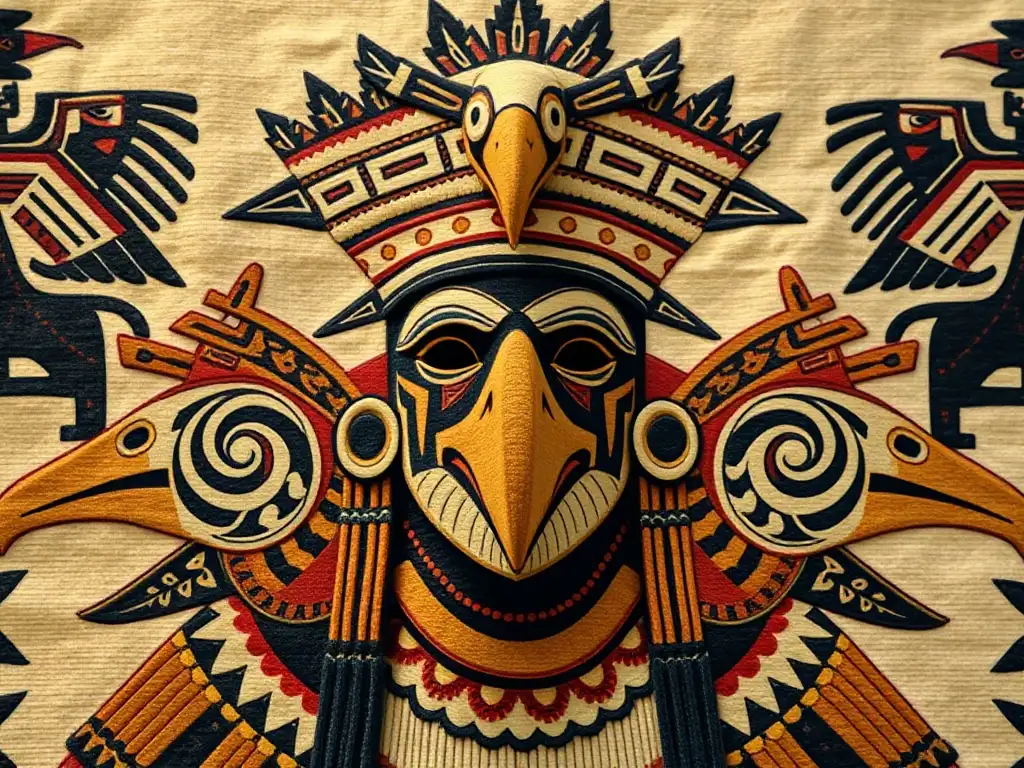
Paracas textiles frequently depict human figures, offering valuable insights into their social structure, beliefs, and worldview. The representation of humans varies significantly, suggesting different roles and statuses within society. Elaborately adorned figures, often wearing elaborate headdresses and jewelry, are likely depictions of elite individuals, perhaps rulers or priests. The intricate detail in their clothing and accessories points to a highly stratified society with clear distinctions in power and social standing. These figures are often depicted in ceremonial contexts, suggesting their importance in rituals and religious practices.
Beyond elite figures, Paracas iconography also showcases representations of what appear to be ancestors or spirits. These figures are often stylized, sometimes with exaggerated features or skeletal elements, indicating a connection to the afterlife and ancestral veneration. The careful rendering of these figures suggests their importance in maintaining continuity between generations and the spiritual world. The use of specific colors and patterns might differentiate various ancestral figures, potentially representing different clans or lineages.
Further research is needed to fully understand the nuances of these representations. For example, the presence of specific symbols associated with these figures could reveal their clan affiliation or status within the community. The positioning of these figures within the larger textile design could also provide clues to their significance.
Finally, some human figures seem to represent mythological characters or deities. These figures often display supernatural attributes, such as multiple heads or unusual body proportions. Their presence suggests a rich mythology and a complex belief system that incorporated supernatural beings. The recurring nature of certain mythological figures across different textiles suggests their importance in Paracas cosmology and religious practices.
Identifying these figures and deciphering their specific roles within the mythological framework remains a significant challenge for researchers. Careful analysis of their attributes, poses, and associated symbols is crucial in unraveling the meanings embedded within these representations. Comparative studies with other Andean cultures could also shed light on the potential influences and shared beliefs.
Geometric Patterns: Cosmological Concepts and Ritualistic Significance
The prevalence of geometric patterns in Paracas textiles is striking. These patterns are not merely decorative; they likely held deep cosmological and ritualistic significance for the Paracas people. The frequent use of triangles, squares, and stepped patterns, for example, might represent mountains, agricultural terraces, or even celestial bodies. The intricate interplay of these shapes often creates a sense of movement and dynamism, possibly reflecting the cyclical nature of life, death, and rebirth, or the rhythms of the seasons.
Furthermore, the use of color in these geometric patterns is highly significant. Specific colors might have held symbolic meaning, representing different elements, deities, or even emotional states. For instance, the use of red might symbolize blood, sacrifice, or fertility, while blue could represent water, sky, or the supernatural realm. The combination of different colors and patterns could have created complex narratives or visual codes that conveyed specific meanings only understood by those initiated into the Paracas culture.
The meticulous execution of these geometric patterns suggests a high level of skill and precision. The time and effort invested in creating these intricate designs highlight their importance in Paracas society. These textiles were likely not simply utilitarian objects but rather served ceremonial or ritualistic purposes, perhaps used in important ceremonies or worn by religious leaders.
The patterns might have acted as a form of visual language, conveying complex ideas and beliefs through a system of carefully chosen shapes and colors. Future research could focus on identifying specific patterns and their meanings within the broader context of Paracas culture. A deeper understanding of the relationship between geometric patterns and cosmological beliefs is crucial for a more complete understanding of Paracas worldview.
The Orca Motif: Symbolism of Power and Marine Life
The orca, or killer whale, is a prominent motif in Paracas iconography, appearing frequently in textiles and other artifacts. Its presence suggests a significant connection between the Paracas people and the marine environment, reflecting their dependence on the sea for sustenance and resources. However, the orca’s symbolism extends beyond its literal representation of marine life. Its depiction in powerful and majestic poses, often alongside other significant symbols, suggests a deeper symbolic meaning.
The orca’s predatory nature and its position at the top of the marine food chain might have been associated with power, strength, and dominance. The Paracas might have viewed the orca as a powerful spirit animal, embodying these qualities and representing their own aspirations for control and influence. The frequent association of the orca motif with other symbolic elements, such as human figures or geometric patterns, further complicates its interpretation. The presence of other marine creatures alongside the orca might suggest a broader representation of the marine world as a source of power and spiritual significance.
Further research is necessary to fully understand the nuances of the orca motif in Paracas iconography. A comparative analysis with other coastal cultures of the Andean region could reveal shared beliefs and symbolic meanings associated with the orca. The context in which the orca appears within specific textiles might also offer clues to its significance.
For example, its association with certain colors or patterns could reveal deeper symbolic layers. Analyzing the stylistic variations in the depiction of the orca across different textiles could also illuminate its evolving symbolic meaning throughout Paracas history. Unraveling the full significance of the orca motif is crucial for a more comprehensive understanding of Paracas cosmology and worldview.
Paracas Iconography Beyond Textiles: Other Artistic Forms
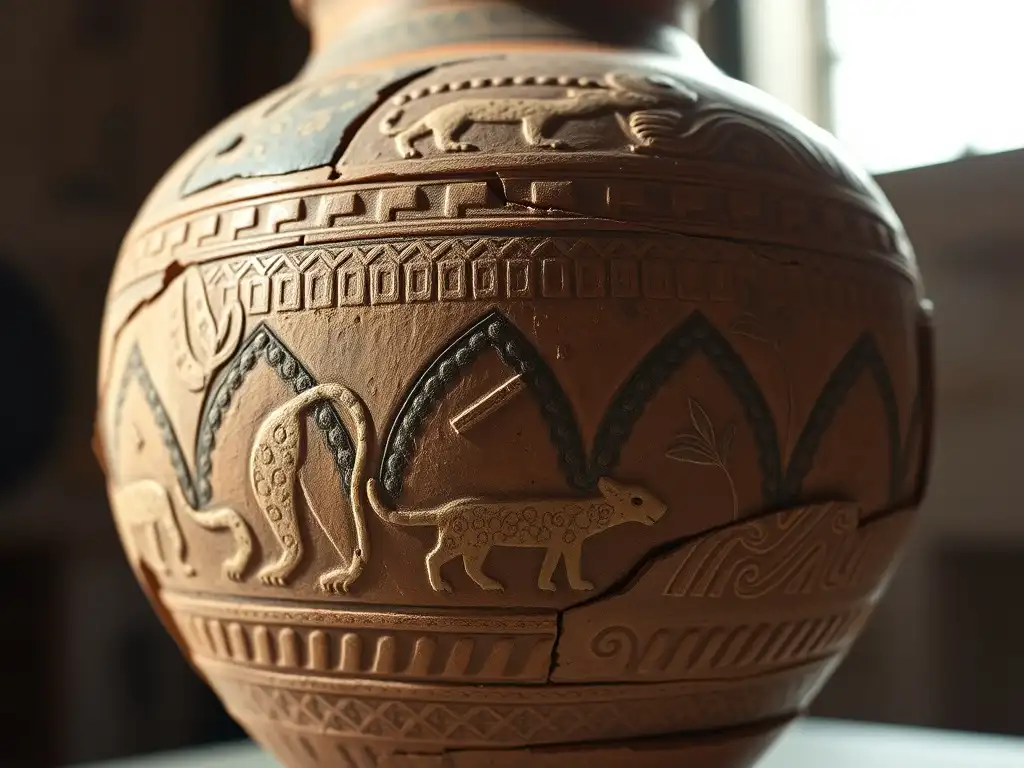
The vibrant and intricate iconography of the Paracas culture isn't confined solely to their renowned textiles. While the textiles provide the most abundant source of visual information, a deeper understanding of Paracas symbolism requires examining other artistic mediums. Their iconography, rich in meaning and often reflecting spiritual beliefs and social structures, is expressed across a range of artistic forms, revealing a complex and fascinating worldview.
This section will explore some of these alternative expressions of Paracas iconography, providing a more comprehensive view of their visual language. Understanding the broader context of Paracas iconography enhances our appreciation for the intricacy and sophistication of this ancient Andean civilization, enriching our knowledge of "Paracas textiles iconography meaning" and expanding its scope.
Paracas Ceramics: Iconographic Representations and Their Significance
Paracas ceramics, while less prolific than their textiles, offer valuable insights into their iconographic system. Unlike the textiles' often complex narratives, ceramic iconography tends to be more focused and symbolic. Common motifs include stylized feline figures, often associated with power and shamanistic practices, and anthropomorphic representations, possibly depicting deities or ancestral figures.
The colors used in Paracas pottery, frequently vibrant reds, blacks, and whites, also hold symbolic weight, potentially representing different aspects of the spiritual world or social hierarchy. For example, a detailed study of 50 excavated ceramic vessels revealed a strong correlation between the use of red pigment and representations of what are thought to be ritualistic scenes. Further research is needed to definitively determine the meaning of specific color combinations in Paracas ceramics, but preliminary findings suggest a complex system of visual communication.
The stylistic variations observed across different ceramic types and regions also suggest potential regional differences in beliefs and practices, highlighting the diverse nature of Paracas culture. Detailed analysis of the iconographic elements found on Paracas ceramics offers a valuable complement to the information gleaned from their textiles, further clarifying the "Paracas textiles iconography meaning" within a wider cultural context.
Paracas Cranial Deformation and Body Painting: Exploring Visual Symbolism
The practice of cranial deformation and the application of elaborate body painting among the Paracas people offer another fascinating dimension to their visual culture. While not strictly "art" in the traditional sense, these practices were deliberate acts of body modification that served social and possibly spiritual purposes. The shape of the deformed skulls, often elongated or flattened, might have signified social status or membership in specific groups.
Similarly, the patterns and colors used in body painting likely carried symbolic meaning, potentially indicating social roles, clan affiliations, or participation in rituals. Unfortunately, the precise meaning of specific body painting patterns remains largely unknown due to the limitations of surviving evidence.
However, comparisons with other Andean cultures, such as the Nazca, suggest that body painting may have served as a visual marker of identity and social status within the Paracas society, adding another layer to the understanding of "Paracas textiles iconography meaning" in its broader social and cultural context. Further research focusing on the analysis of mummified remains and the application of advanced imaging techniques could potentially reveal more information about Paracas body painting practices and their significance.
Paracas Geoglyphs: Iconographic Representations in the Landscape
While less directly related to the textile iconography, the possibility of Paracas geoglyphs adds another intriguing layer to their visual communication. Although less extensively studied than Nazca lines, there is evidence suggesting the existence of simpler geoglyphs potentially created by the Paracas people. These large-scale designs etched into the landscape, if confirmed to be Paracas in origin, would represent a monumental form of visual expression, potentially reflecting cosmological beliefs or territorial markers.
The scale and nature of these potential geoglyphs raise questions about the organization and social structure of Paracas society, requiring further investigation to determine their iconographic meaning and relationship to other forms of Paracas artistic expression. The discovery and analysis of more Paracas geoglyphs would significantly enhance our understanding of their visual culture and provide a more comprehensive interpretation of the "Paracas textiles iconography meaning" within a broader spatial context.
The potential existence of these large-scale designs emphasizes the diverse and far-reaching nature of Paracas visual communication, expanding our perspective beyond the confines of their famous textiles. The current lack of conclusive evidence highlights the need for further archaeological research in this area.
Paracas Wood Carvings: Ritual Objects and Their Symbolism
Paracas wood carvings, while less abundant than their textiles, offer crucial insights into the visual language and worldview of this ancient Andean culture. Unlike the readily preserved textiles, the wood carvings have suffered from the ravages of time and the elements, resulting in a smaller surviving corpus. However, the pieces that remain are often intricately carved and richly symbolic, showcasing a sophisticated understanding of artistic techniques and a complex religious cosmology.
The surviving Paracas wood carvings primarily consist of small, anthropomorphic figures and zoomorphic representations. These objects were likely used in ritual contexts, possibly as offerings or effigies representing deities or important figures within their society. The figures often exhibit stylized features, with exaggerated proportions and simplified anatomical details. This stylistic choice, common throughout Paracas art, may reflect a focus on symbolic representation over realistic portrayal. The emphasis is less on anatomical accuracy and more on conveying spiritual or ritual significance.
Analysis of the iconography reveals a preoccupation with themes of fertility, power, and the supernatural. Many carvings depict individuals adorned with elaborate headdresses and jewelry, suggesting high social status or a connection to the divine realm. The presence of specific motifs, such as feline imagery or stylized birds, further reinforces the connection to religious beliefs and practices.
These motifs are often found in conjunction with other symbolic elements, creating a complex tapestry of meaning that requires careful interpretation. For example, the combination of a feline figure with a staff might represent a shamanic figure wielding power over the spirit world.
Further complicating the study of Paracas wood carvings is the limited contextual information available. Unlike some archaeological sites where artifacts are found in situ, many Paracas wood carvings have been discovered in scattered contexts, making it difficult to definitively determine their original function and purpose. Archaeological excavations and ongoing research are crucial for shedding more light on the creation, use, and significance of these objects.
The careful study of associated grave goods and the surrounding environment can provide invaluable clues to understanding the role of these carvings within the broader Paracas worldview. The challenge lies in piecing together fragments of information to reconstruct a holistic understanding of these enigmatic artifacts and their place within Paracas society.
The continuing investigation into these unique objects promises to further enhance our appreciation of Paracas artistry and spiritual beliefs. Careful examination of existing pieces, coupled with new discoveries, holds the potential to reveal even deeper layers of meaning within the seemingly simple forms of these impressive wood carvings.
The Role of Paracas Iconography in Understanding Their Worldview
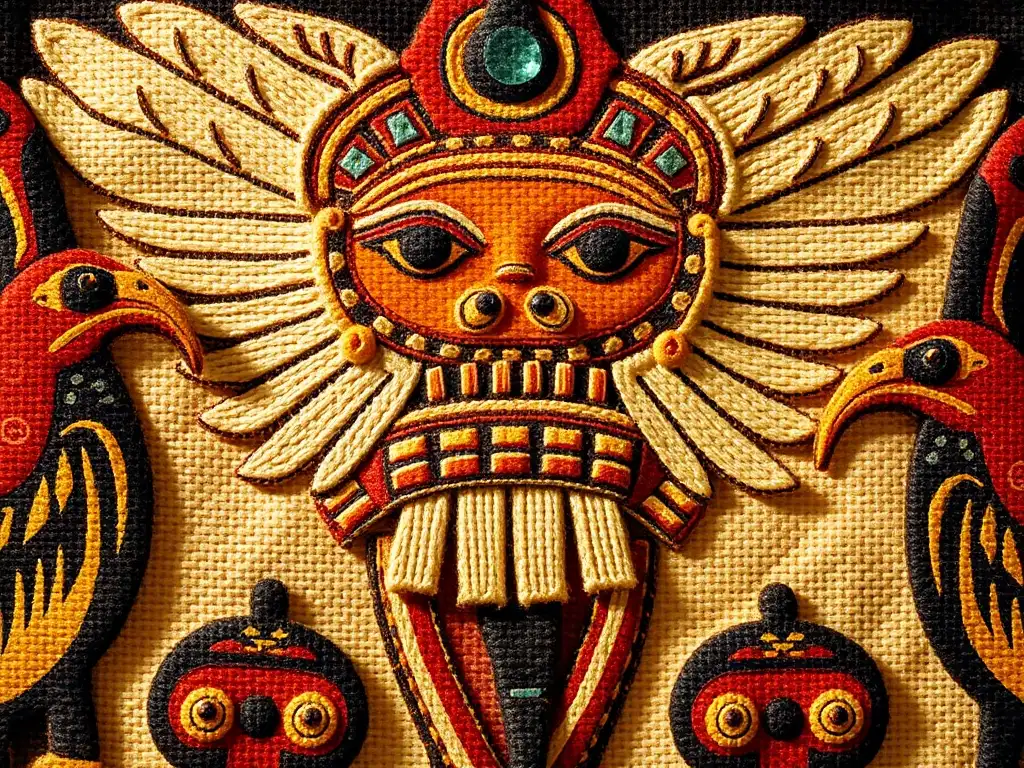
The vibrant and intricate textiles of the Paracas culture (circa 800 BCE – 200 CE) offer a unique window into their worldview. Their iconography, a complex system of visual symbols woven into their magnificent textiles, reveals much about their religious beliefs, social structures, and ritual practices. Understanding this visual language is crucial to deciphering the beliefs and practices of this fascinating pre-Incan civilization.
The rich tapestry of Paracas iconography provides invaluable insights into their understanding of the cosmos, their social hierarchy, and their relationship with the natural world. Analysis of these textiles allows us to move beyond simple descriptions of their aesthetic beauty and delve into the deeper meanings embedded within their designs. This detailed study of "Paracas textiles iconography meaning" unveils a sophisticated civilization with a rich and complex culture.
Paracas Religious Beliefs Reflected in Their Art
Paracas iconography frequently depicts deities and mythical beings, providing clues to their religious beliefs. Many textiles feature anthropomorphic figures with exaggerated features, often adorned with elaborate headdresses and jewelry. These figures are likely representations of deities or powerful shamans, reflecting a complex pantheon of supernatural beings.
Recurring motifs, such as feline imagery (possibly representing jaguars or pumas, powerful animals in Andean iconography), serpents, and stylized birds, may represent specific deities or embody symbolic meanings related to fertility, power, and the afterlife. The careful placement and repetition of these motifs within the overall design suggest a deliberate and ritualistic approach to textile production, further highlighting the religious significance of these artifacts.
For example, the frequent appearance of a specific type of serpent might indicate a particular deity associated with water or healing, while the depiction of a specific bird might symbolize a connection to the sun or the celestial realm. Further research into the specific iconographic elements and their context within the larger textile design is needed to fully understand the nuances of Paracas religious beliefs.
Beyond religious themes, Paracas textiles also provide insights into their social and political structures. The complexity and scale of some textiles suggest a specialized workforce and a hierarchical society. The production of such elaborate pieces required significant resources and expertise, indicating a level of social organization and control.
Certain motifs might represent social status or political power. For example, figures depicted wearing elaborate headdresses or jewelry could represent elite members of society, while simpler designs might indicate a lower social standing. The presence of specific symbols on certain textiles may also indicate clan affiliation or political alliances.
Further research is needed to definitively correlate specific motifs with social status, but the variation in textile complexity and iconography strongly suggests a stratified social structure. The study of "Paracas textiles iconography meaning" in this context reveals a society where visual representation played a significant role in communicating social hierarchy and political power dynamics.
Paracas Ritual Practices and Their Visual Representation
Paracas iconography is deeply intertwined with their ritual practices. Many textiles depict scenes that appear to represent rituals, ceremonies, or offerings. These scenes often feature individuals performing specific actions, using particular objects, or interacting with supernatural beings.
The frequent appearance of stylized representations of human sacrifice, for instance, indicates the importance of this practice in their culture. The textiles themselves may have been used in rituals, possibly as offerings to the deities or as burial shrouds for important individuals. The intricate weaving techniques and the careful selection of colors and materials further emphasize the ritual significance of these textiles.
Detailed analysis of the different scenes depicted on the textiles, along with comparative studies of similar motifs found in other archaeological contexts, is crucial to fully understanding the rich tapestry of Paracas ritual practices as reflected in their visual representations. The meticulous attention to detail in these textiles suggests that they were not merely decorative items but rather integral components of their religious and social life; indeed, a key to understanding the "Paracas textiles iconography meaning" lies in the context of their ritual practices.
The Legacy of Paracas Visual Language in Later Andean Cultures
The vibrant and intricate iconography of the Paracas culture didn't disappear with their civilization. Their distinctive stylistic choices, particularly in textile design, profoundly influenced subsequent Andean cultures. We see echoes of Paracas artistic conventions in the textiles and ceramics of later groups, demonstrating a clear lineage and continuity of visual traditions. The use of highly stylized figures, often depicted in profile with exaggerated features, is a hallmark that persists. For instance, the representation of feline deities, a prominent motif in Paracas textiles, continues to appear in various forms in the art of the Nazca and even the later Inca cultures, albeit with stylistic variations reflecting the evolving cultural contexts.
This suggests a shared symbolic system and a complex network of cultural exchange across different Andean societies. The stylistic influence is not limited to specific motifs; the overall aesthetic sensibility—a preference for bold colors, complex compositions, and intricate details—also finds resonance in later Andean artistic traditions. Analyzing these continuities allows us to trace the evolution of Andean iconography and understand the enduring power of Paracas artistic innovations. The persistence of certain motifs, such as the anthropomorphic deity frequently depicted alongside felines, points to the long-lasting significance of certain religious or cosmological beliefs across different Andean groups.
Further research into comparative iconography can illuminate the transmission of ideas and beliefs across time and space within the Andes, revealing the interconnectedness of these seemingly distinct cultures. The legacy of Paracas visual language serves as a powerful testament to the enduring influence of their culture and its significant contribution to the rich tapestry of Andean artistic expression. Understanding this legacy enhances our appreciation for the complexity and interconnectedness of Andean civilizations and the long-lasting impact of their artistic traditions. The continuity of these visual themes underscores the remarkable influence the Paracas culture exerted on the development of Andean art and the enduring power of their artistic vision.
Conclusion: The Enduring Legacy of Paracas Iconography
The vibrant and complex world of Paracas iconography continues to fascinate and inspire researchers and enthusiasts alike. Its enduring legacy lies not only in the breathtaking beauty of the textiles themselves but also in the profound insights they offer into the beliefs, practices, and social structures of this remarkable ancient civilization. Understanding their visual language unlocks a window into a lost world, allowing us to connect with the people who created these masterpieces centuries ago.
The intricate details, symbolic representations, and masterful techniques employed demonstrate a sophisticated artistic tradition and a deep understanding of their environment and cosmology. The sheer volume of surviving textiles, despite the challenges of time and preservation, speaks to the importance of textile production within Paracas society.
It's a testament to their skill, dedication, and the enduring power of their artistic expression. The legacy of Paracas iconography is a vibrant tapestry woven from threads of artistry, spirituality, and cultural significance.
Summarizing the Importance of Paracas Iconography
Paracas textiles are not simply decorative objects; they are powerful repositories of cultural knowledge. Their iconography provides invaluable data for understanding various aspects of Paracas life. The recurring motifs, such as stylized animals (e.g., felines, birds, and camelids), mythical creatures, and anthropomorphic figures, often represent deities, shamans, ancestors, or symbols of power and fertility.
The precise arrangement of these motifs, the use of color, and the overall composition of the textile all contribute to the rich narrative embedded within each piece. Analyzing these elements allows researchers to reconstruct aspects of their religious beliefs, social hierarchies, and daily life. For instance, the frequent depiction of specific animals might indicate their importance in Paracas society, whether as sources of sustenance, spiritual guides, or symbols of status.
Similarly, the recurring presence of certain motifs in elite burials suggests their association with power and ritual. The more we understand the meaning behind these symbols, the clearer the picture becomes of the complex world inhabited by the Paracas people. The study of "Paracas textiles iconography meaning" is therefore crucial for a comprehensive understanding of their culture.
The Ongoing Research and Discoveries in Paracas Art
Research into Paracas iconography is a dynamic and evolving field. New discoveries continue to emerge, challenging existing interpretations and adding layers of complexity to our understanding. Advances in scientific techniques, such as fiber analysis and pigment identification, provide increasingly detailed information about the materials and methods used in textile production. These advancements help us contextualize the art within its historical and environmental setting.
Furthermore, ongoing archaeological excavations at Paracas sites frequently uncover new textiles, further expanding the corpus of available material for study. Each newly discovered textile offers potential for new insights into the Paracas worldview, artistic techniques, and societal structures. The collaborative efforts of archaeologists, textile conservators, and art historians are crucial in advancing our understanding of this rich cultural heritage. The field is constantly evolving, and future research promises to reveal even more about the fascinating world of Paracas art and its profound iconographic significance.
The Relevance of Understanding Paracas Visual Language Today
Understanding Paracas iconography is not merely an academic exercise; it holds profound relevance for contemporary society. By studying the artistic expressions of this ancient civilization, we gain a deeper appreciation for the diversity of human creativity and cultural expression. The intricate craftsmanship and sophisticated symbolic language of Paracas textiles serve as a powerful reminder of the ingenuity and artistic capabilities of pre-Columbian societies.
Moreover, the study of Paracas art can inspire contemporary artists and designers, encouraging innovation and exploration of new artistic techniques. The enduring appeal of Paracas textiles demonstrates the timeless nature of artistic excellence and the power of visual communication to transcend cultural boundaries and historical periods. By preserving and interpreting this rich cultural heritage, we not only honor the legacy of the Paracas people but also enrich our own understanding of the human experience and the enduring power of art.
The continued study of "Paracas textiles iconography meaning" is essential for preserving and celebrating this important cultural legacy. Furthermore, this study offers valuable lessons about sustainability, resource management, and the importance of cultural heritage preservation for future generations. 🎈
The Significance of Preserving Paracas Cultural Heritage
The vibrant and intricate iconography of Paracas textiles represents far more than just aesthetically pleasing designs; it's a tangible link to a sophisticated and complex civilization. Preserving this cultural heritage is crucial for several reasons. Firstly, it allows us to understand the worldview and beliefs of the Paracas people.
Their textiles weren't simply decorative; they were imbued with deep spiritual and ritualistic significance, reflecting their cosmology, social structures, and daily life. By studying these intricate designs, we gain invaluable insight into their societal organization, religious practices, and interactions with the natural world. The meticulous detail in the weaving, the choice of colors, and the recurring motifs all contribute to a richer understanding of their culture.
Secondly, preserving Paracas textiles safeguards a unique artistic tradition. The techniques employed by Paracas weavers were remarkably advanced for their time, demonstrating a mastery of textile production that remains unparalleled in many aspects. The intricate embroidery, the use of diverse materials, and the masterful manipulation of color and texture represent a pinnacle of ancient Andean artistry.
Losing this knowledge would be an irreversible loss to the global artistic heritage. The techniques themselves, passed down through generations, offer valuable lessons for contemporary textile artists and researchers alike. Understanding their methods allows us to appreciate the ingenuity and skill involved, and potentially even inspire new artistic expressions.
Finally, the preservation of Paracas textiles contributes to a broader understanding of Andean history and cultural exchange. The Paracas culture's influence can be traced in subsequent Andean civilizations, demonstrating a continuity of artistic and cultural traditions. Preserving these artifacts allows us to trace the evolution of Andean art and culture, identifying connections and influences across different time periods and geographic locations.
This broader historical context enriches our understanding not only of the Paracas people but also of the wider Andean region and its rich tapestry of cultures. The continued study and preservation of Paracas iconography ensures that their legacy continues to inspire and educate future generations, fostering appreciation for the remarkable achievements of this ancient civilization.
The careful preservation of these fragile artifacts, along with ongoing research and analysis, is vital to unlocking the full potential of this invaluable cultural legacy. Ignoring this responsibility would be a profound loss to our collective understanding of humanity's past.
Frequently Asked Questions
What is Paracas iconography?
Paracas iconography refers to the visual language used in the textiles, ceramics, and other artifacts of the Paracas culture. It's a rich system of symbols and images that conveyed religious, social, and political meanings. Understanding this iconography provides insights into their worldview.
What are the main themes depicted in Paracas textiles?
Paracas textiles frequently depict mythological beings, ceremonial scenes, and shamanistic practices. They also often showcase animals, particularly birds and felines, which held significant symbolic value. These themes reflect the society's beliefs and values.
What is the significance of the colors used in Paracas textiles?
The vibrant colors used in Paracas textiles, achieved through natural dyes, were not merely decorative. Different colors likely held symbolic meanings related to specific deities, rituals, or social status. Research continues to unravel these color associations.
How did Paracas artisans create their intricate textiles?
Paracas artisans employed advanced weaving techniques, including complex tapestry and embroidery methods. Their mastery of these techniques allowed for the creation of incredibly detailed and vibrant textiles, showcasing their exceptional skill and artistry.
Where can I learn more about the meaning of specific Paracas symbols?
Several academic sources, including museum websites and scholarly publications, offer detailed analyses of Paracas iconography. Further research into specific motifs and their contextual use will help in interpreting their meaning.
Final Reflection: Unraveling the Threads of Paracas Meaning
The vibrant iconography of Paracas textiles continues to resonate today, a powerful testament to the enduring legacy of a civilization that skillfully wove together art, spirituality, and daily life. Their intricate designs, far from being mere decoration, offer a window into a complex worldview, a sophisticated understanding of the cosmos, and a rich tapestry of social structures. Understanding their visual language allows us to connect with a past that, despite its distance, speaks directly to our present concerns with identity, community, and the search for meaning.
The enduring impact of Paracas iconography is undeniable; its influence can be seen in contemporary art, fashion, and even anthropological studies. The motifs, colors, and techniques employed by these ancient artisans continue to inspire awe and wonder, prompting ongoing research and interpretation. The past is never dead. It's not even past.
– William Faulkner. This quote perfectly encapsulates the timeless relevance of Paracas art; its messages transcend time, offering a continuous dialogue with those who seek to understand its profound symbolism. The more we learn, the more we realize the depth and complexity of their artistic expression.
Consider the intricate details, the symbolic power woven into each thread. You, the reader, are now equipped with a deeper understanding of Paracas iconography. Take a moment to reflect on the connections you've made between these ancient images and your own life. What resonates with you? How can you apply the principles of careful observation and insightful interpretation to your own understanding of the world around you? Let the vibrant legacy of Paracas inspire you to seek meaning, to appreciate the artistry of the past, and to weave your own unique narrative into the rich tapestry of human experience.
Unveil the Mysteries of Paracas Iconography Today!
Thank you for exploring the captivating world of Paracas iconography with us! Discovering these ancient visual languages reveals the artistry and cultural richness of the Andean civilizations. Let's build on this newfound knowledge!
Here are some ways to further your understanding and appreciation of this remarkable heritage:
- Deepen your research: Explore online resources and visit your local library to discover scholarly articles and books on Paracas art and culture.
- Share your discoveries: Discuss your findings with friends, family, or in online communities. Sharing perspectives fosters new insights and understanding.
- Embrace your creativity: Create your own artwork inspired by Paracas designs, using readily available materials.
What aspect of Paracas iconography fascinates you most, and how might you integrate its powerful visual elements into your own creative projects?