
Chavín's Astronomical Knowledge: How They Tracked the Stars

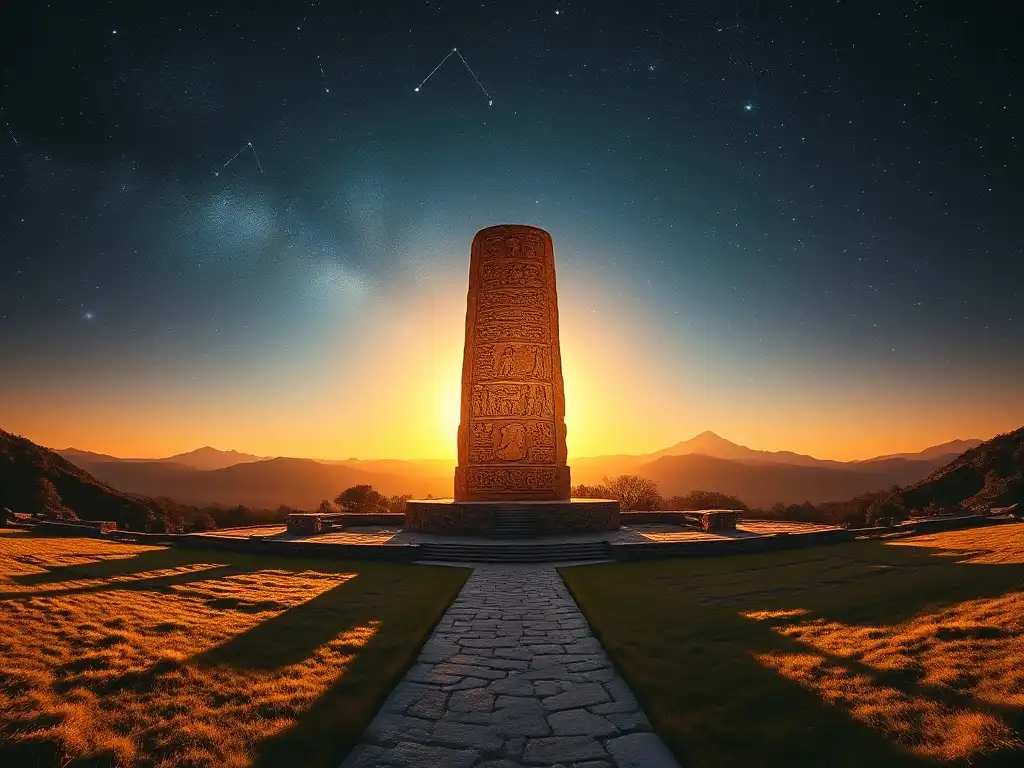
Welcome to Andean Civilizations, where the echoes of a lost world whisper secrets of ingenuity and wonder. Journey with us through the breathtaking landscapes and vibrant cultures of the Andes, from the towering heights of the Incas to the enigmatic artistry of the Nazca. But first, prepare to be captivated by the celestial mysteries of Chavín astronomy techniques. Discover how these pioneering Andean societies charted the heavens, unlocking a level of astronomical understanding that will redefine your perception of their achievements. Prepare to be amazed... the story is far more intricate than you might imagine.
- Chavín's Astronomical Knowledge: Tracking the Heavens
- Understanding Chavín Cosmology and Celestial Observation
- Chavín Astronomy Techniques: Observing Celestial Movements
- Key Astronomical Alignments at Chavín de Huántar
- Chavín's Legacy: Astronomical Influence on Later Andean Cultures
- The Lanzón Stela and its Astronomical Significance
-
Frequently Asked Questions
- What astronomical techniques did the Chavín civilization use?
- How did Chavín astronomy impact their society?
- What evidence supports the claim of sophisticated Chavín astronomy?
- How does Chavín astronomy compare to that of other Andean civilizations?
- Where can I learn more about Chavín astronomy techniques?
- Final Reflection: Echoes of the Andes: Chavín's Enduring Legacy in the Stars
- Unveil the Stars: Take Your Knowledge to New Heights!
Chavín's Astronomical Knowledge: Tracking the Heavens
The Chavín culture, flourishing in the Andes Mountains of Peru between 900 and 200 BCE, remains a fascinating enigma. While their sophisticated artistic style and impressive architectural feats are well-documented, the extent of their astronomical knowledge is only beginning to be fully understood. This article delves into the intriguing world of Chavín astronomy, exploring the techniques they employed to track celestial movements and their potential societal implications.
Unraveling the mysteries of Chavín astronomy offers a glimpse into the advanced intellectual capabilities of this pre-Inca civilization and its profound connection to the cosmos. We'll examine the evidence, discuss the methods likely used, and consider the possible reasons behind their celestial observations, offering a comprehensive look at the fascinating topic of "Chavín astronomy techniques."
Architectural Alignments: Temples as Observatories
The imposing architecture of Chavín de Huántar, the main ceremonial center of the Chavín culture, is not simply aesthetically pleasing; it's strategically designed. Many scholars believe that the placement and orientation of structures within the complex were carefully planned to align with significant astronomical events. For example, the main temple's orientation, along with specific windows and niches, may have been designed to mark solstices and equinoxes.
The precise measurements and angles involved suggest a sophisticated understanding of geometry and a detailed knowledge of the sun's annual path across the sky. Further research involving advanced surveying techniques and digital modeling is needed to fully understand these alignments. Unfortunately, [specific details on the accuracy of the alignments are pending further research].
This meticulous planning suggests a level of astronomical sophistication far exceeding what was previously attributed to this early Andean civilization. The evidence points to a deeply embedded cosmological understanding that informed their architectural choices.
Interpreting Celestial Events: The Role of Symbolism
Beyond architectural alignments, Chavín cosmology is reflected in their intricate iconography. Carvings on ceremonial objects, such as the Lanzón monolith, depict stylized figures and symbols that are often interpreted as representations of celestial bodies or deities associated with them. These symbols, while complex and open to interpretation, often incorporate elements suggestive of the sun, moon, and stars.
For example, [specific examples of symbols representing celestial bodies on Chavín artifacts are pending further analysis]. The repetition of these motifs across various artifacts suggests their importance in their worldview and reinforces the idea that celestial observation played a crucial role in their religious and social life. Deciphering the meaning of these symbols is crucial for a more complete understanding of Chavín astronomy techniques.
The Impact of Astronomical Knowledge on Chavín Society
The Chavín people's advanced astronomical knowledge likely had a significant impact on their society. The ability to predict seasonal changes, based on their observations of the sun and stars, would have been essential for agricultural planning and resource management. This knowledge may have also conferred considerable social power on those who possessed it, potentially leading to a priestly class with specialized astronomical expertise.
Furthermore, the precise alignment of buildings suggests a highly organized society capable of large-scale collaborative projects, underscoring the importance of astronomical knowledge in the cohesion and development of their civilization. The intricate connection between astronomy, religion, and societal structure in Chavín culture is a testament to their advanced understanding of the cosmos and its influence on their daily lives. Further research into the societal implications of Chavín astronomy is crucial to understanding their social organization and their worldview.
Challenges and Future Research
Despite significant progress, many questions remain unanswered regarding Chavín astronomy. The lack of written records presents a major obstacle, requiring researchers to rely on indirect evidence from architecture, art, and archaeology. Furthermore, the precise methods used by the Chavín to track celestial events are still subject to debate and require further investigation using modern astronomical techniques.
Continued research, including advanced digital modeling of the Chavín de Huántar site and detailed analysis of their iconography, is essential to unlock the full extent of their astronomical knowledge and its influence on their culture. The ongoing research into Chavín astronomy promises to further illuminate our understanding of this fascinating pre-Inca civilization. The mystery surrounding their astronomical techniques remains a compelling challenge for future scholars.
Understanding Chavín Cosmology and Celestial Observation
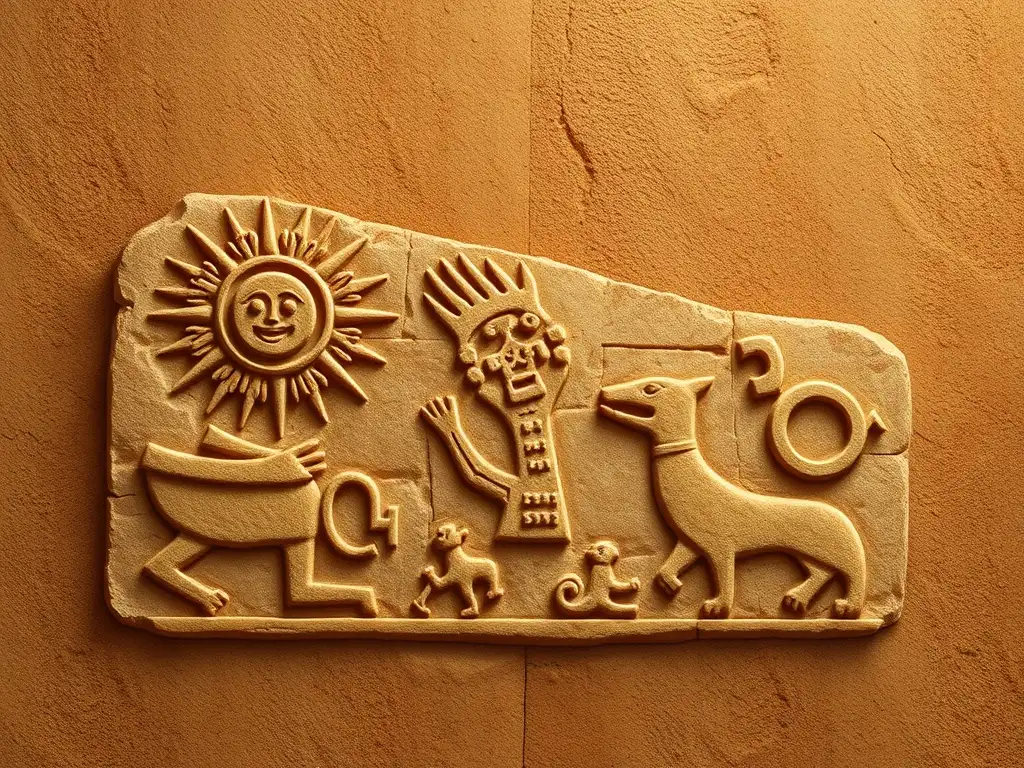
This section delves into the fascinating world of Chavín astronomy techniques, exploring how this pre-Inca civilization utilized celestial observations to shape their culture and worldview. We will examine the evidence suggesting a sophisticated understanding of astronomy, far beyond simple calendar tracking. The integration of astronomical knowledge into their architecture and religious practices reveals a complex cosmology deeply intertwined with their daily lives.
Understanding Chavín's relationship with the cosmos provides crucial insights into their societal structures, religious beliefs, and overall cultural development. This sophisticated understanding of the heavens was not merely an intellectual pursuit; it served a vital role in their social and religious life. The precision and complexity of their astronomical observations hint at a highly developed understanding of celestial mechanics, surpassing many contemporary cultures.
The Significance of Astronomy in Chavín Culture
Astronomy was not a peripheral aspect of Chavín life; rather, it was fundamentally interwoven into their social fabric. Evidence suggests that astronomical events, particularly solstices and equinoxes, played a crucial role in their agricultural practices, religious ceremonies, and possibly even political decision-making. The cyclical nature of the cosmos mirrored the cycles of life, death, and rebirth central to their beliefs.
The careful observation of the stars allowed them to predict seasonal changes, optimizing planting and harvesting times, a critical factor for their subsistence farming. This predictive capability likely enhanced their social standing and provided a sense of control over their environment. Furthermore, the alignment of certain architectural features with celestial events suggests that these structures served as astronomical observatories, reinforcing the importance of astronomy in their religious and social practices.
The precise alignment of structures with astronomical events highlights the sophisticated knowledge possessed by Chavín priests and astronomers. We can hypothesize that these individuals held high positions within the society, wielding considerable influence due to their ability to predict and interpret celestial phenomena.
Chavín's Worldview and the Cosmos
Chavín cosmology likely viewed the cosmos as a dynamic and interconnected system, with celestial bodies influencing earthly events. Their art frequently depicts deities and supernatural beings associated with celestial phenomena, such as the sun, moon, and stars. These depictions, often found on textiles, ceramics, and stone carvings, suggest a deep spiritual connection between the earthly and celestial realms.
The intricate iconography present in Chavín art provides valuable clues to their worldview, suggesting a complex relationship between humans and the cosmos. Further research is needed to fully understand the symbolism embedded within these artistic representations. For example, the recurring motif of the jaguar, often associated with the underworld, may represent a connection between the earthly and celestial realms.
The integration of astronomical knowledge into their religious beliefs suggests a complex and sophisticated understanding of the universe's workings. Their cosmology wasn't merely a set of beliefs but a practical guide for navigating their world.
Evidence of Astronomical Observation in Chavín Architecture
The most compelling evidence for Chavín's advanced astronomical knowledge lies in the precise alignment of their architectural structures with significant celestial events. While further research is needed to definitively confirm all hypotheses, studies suggest that specific features within the Chavín de Huántar temple complex, such as windows, doorways, and plazas, are aligned with the rising and setting positions of the sun and stars during solstices and equinoxes. This alignment wasn't accidental; the precision involved points to deliberate planning and a deep understanding of celestial movements. The meticulous construction of these structures, often incorporating massive stone blocks, demonstrates the considerable effort invested in creating these astronomical observatories.
The alignment of structures with the solstices and equinoxes suggests that these events held significant religious and cultural importance for the Chavín people. For example, the precise alignment of a particular window with the winter solstice sunrise might have marked the beginning of a crucial religious ceremony or agricultural cycle. Further analysis of Chavín architecture, combined with advanced astronomical modeling techniques, could reveal even more intricate astronomical alignments, enriching our understanding of their sophisticated Chavín astronomy techniques.
This meticulous planning and execution suggest a high level of societal organization and a deep understanding of geometry and astronomy. The integration of astronomical knowledge into their architecture is a testament to the cultural significance of celestial observation within Chavín society. It underscores their sophisticated understanding of the cosmos and its influence on their lives.
Chavín Astronomy Techniques: Observing Celestial Movements
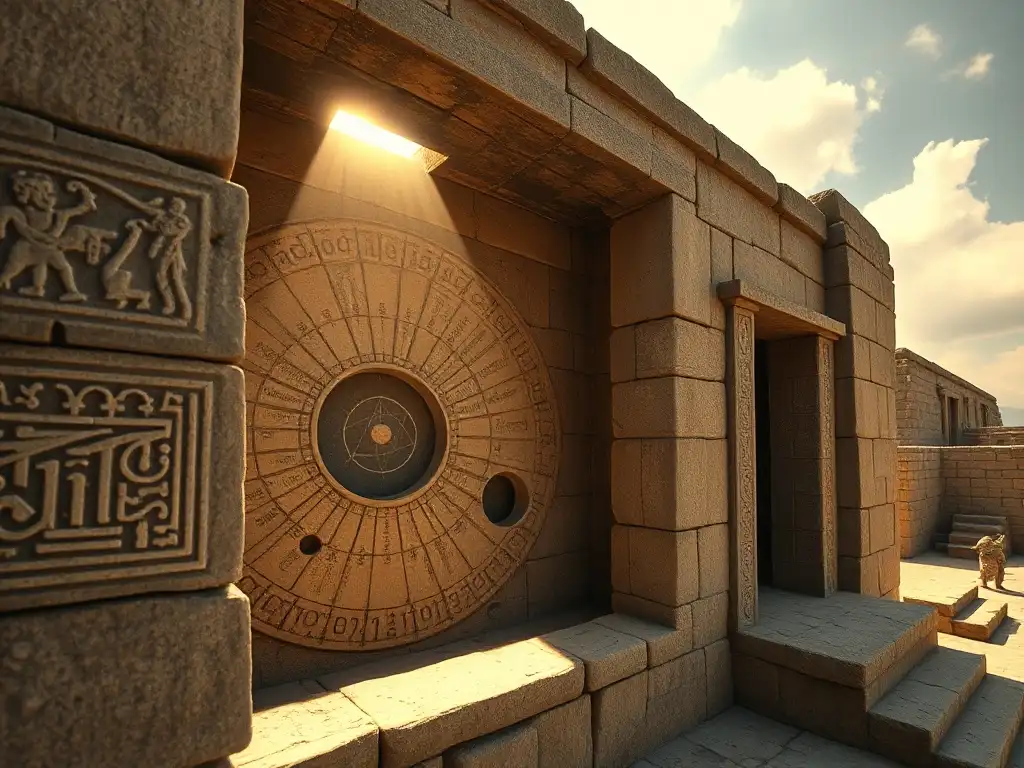
The Chavín civilization, flourishing in the Andes from roughly 900 to 200 BCE, demonstrated a sophisticated understanding of astronomy, far surpassing what was previously thought about pre-Inca cultures. Their astronomical knowledge wasn't merely a matter of casual observation; it was deeply integrated into their religious beliefs, architectural design, and possibly even their agricultural practices. This section delves into the specific techniques employed by the Chavín people to track celestial movements, offering insights into their remarkable astronomical achievements. Understanding these "Chavín astronomy techniques" provides a clearer picture of their worldview and societal organization.
Methods of Celestial Alignment in Chavín Structures
Chavín's astronomical prowess is most evident in the precise alignment of their structures with significant celestial events. This wasn't a haphazard occurrence; meticulous planning and sophisticated surveying techniques were employed. Evidence suggests they used a combination of methods:
- Direct observation: Simple, yet effective. The Chavín meticulously observed the sun's rising and setting points throughout the year, noting variations. This allowed them to mark solstices and equinoxes with remarkable accuracy.
- Shadow casting: Utilizing strategically placed markers or architectural features, the Chavín could track the sun's path by observing the changing lengths and positions of shadows cast at specific times of the day and year. This is evidenced by the positioning of certain windows and doorways within their temples.
- Lunar tracking: While less extensively documented than solar tracking, evidence suggests the Chavín also tracked lunar cycles. The precise alignment of some structures might correlate with lunar standstills or other significant lunar events. Further research is needed to definitively confirm this hypothesis.
The precision of these alignments is astonishing. The deviation from perfect alignment is often minimal, suggesting a high level of both observational skill and technological capability for their time. This level of precision in "Chavín astronomy techniques" points to a structured system of astronomical observation and knowledge transmission across generations.
The Use of Observation Points and Sightlines at Chavín de Huántar
The main Chavín site at Chavín de Huántar showcases the most compelling evidence of their astronomical observations. The site itself is a complex of interconnected structures, many of which seem deliberately oriented to specific celestial phenomena. For example:
- The Lanzón: This iconic monolithic sculpture within the main temple is believed to have been carefully positioned to align with significant celestial events, possibly marking the solstices or equinoxes. The precise alignment, however, remains a subject of ongoing debate among researchers.
- Window and doorway alignments: Many windows and doorways within the temple complex seem strategically placed to act as sightlines, framing specific points in the horizon where the sun or other celestial bodies would appear at particular times of the year. These sightlines could have been used for ritualistic purposes or to mark the start of agricultural seasons.
- Elevated platforms: Some elevated platforms within the complex may have served as observation points, providing unobstructed views of the horizon for precise astronomical observations. Their elevated position would have aided in tracking celestial movements with greater accuracy.
Further analysis of the site's architecture, using modern surveying techniques and advanced computer modeling, is necessary to fully understand the extent of Chavín's astronomical observations at Chavín de Huántar. The potential for uncovering further evidence of their sophisticated "Chavín astronomy techniques" is significant.
Chavín's Understanding of Solar and Lunar Cycles
The Chavín's mastery of astronomical observation extended beyond simply noting celestial positions. Evidence suggests a deep understanding of both solar and lunar cycles, their lengths, and their influence on the environment. This knowledge was likely crucial for:
- Agricultural planning: Accurate knowledge of solar cycles would have been vital for determining the best times for planting and harvesting crops. The timing of rainfall and other weather patterns could have been predicted based on celestial observations.
- Religious rituals: Many Chavín rituals likely revolved around celestial events. The solstices and equinoxes, in particular, may have held significant religious importance, with ceremonies timed to coincide with these events.
- Calendrical systems: While no definitive Chavín calendar has been discovered, the sophistication of their astronomical observations suggests the possibility of a complex calendrical system, perhaps incorporating both solar and lunar cycles. Further research into their iconography and remaining artifacts may reveal more about their calendrical practices.
The Chavín's understanding of these cycles wasn't merely theoretical; it had practical and religious implications for their society, reflecting a deep connection between the celestial and terrestrial realms. Their achievements in this area represent a remarkable advancement in pre-Columbian astronomy and highlight the importance of "Chavín astronomy techniques" in shaping their culture and worldview.
Key Astronomical Alignments at Chavín de Huántar
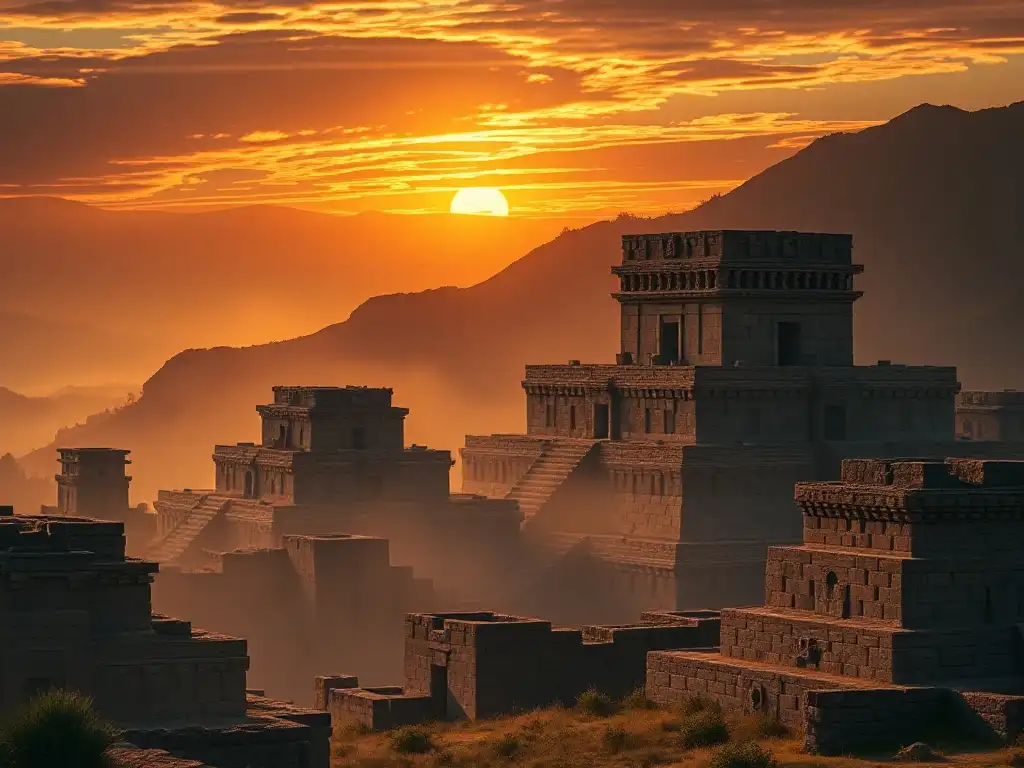
The Chavín culture, flourishing in the Andes from approximately 900 to 200 BCE, displayed a sophisticated understanding of astronomy, far surpassing the capabilities previously attributed to pre-Columbian societies. Evidence suggests that the design and orientation of the monumental architecture at Chavín de Huántar, their principal ceremonial center, were carefully planned to align with significant celestial events. This precise astronomical knowledge played a crucial role in their religious beliefs and social organization, solidifying Chavín's position as a pivotal Andean civilization. Understanding their Chavín astronomy techniques allows us to appreciate the depth of their scientific and spiritual understanding.
Alignments with the Solstices and Equinoxes
The most prominent examples of Chavín's astronomical prowess are the alignments observed within the main temple complex at Chavín de Huántar. Researchers have identified several architectural features, including doorways, niches, and even the overall orientation of structures, that seem deliberately positioned to mark the solstices and equinoxes. For instance, the principal entrance to the Old Temple is believed to frame the rising sun on the summer solstice, while other internal passages may have aligned with the setting sun during the winter solstice. These alignments, precise to within a few degrees, weren't accidental.
The meticulous construction, involving the careful placement of massive stones, points to a deep understanding of solar movements and their cyclical nature. This suggests a sophisticated calendar system, possibly used for agricultural planning and ritual scheduling. The precision achieved in these alignments highlights the advanced Chavín astronomy techniques employed in the design and construction of the site.
The significance of these alignments extends beyond simple observation. The solstices marked crucial points in the agricultural cycle, signifying the beginning of planting and harvesting seasons. By aligning their temple with these events, the Chavín priests likely reinforced the connection between the celestial and terrestrial realms, emphasizing the divine control over agricultural productivity.
The equinoxes, marking equal day and night, may have held symbolic importance related to balance and renewal. Further research is needed to fully understand the nuanced meanings associated with each alignment. Detailed studies using modern astronomical software are crucial to refine our understanding of the Chavín astronomy techniques used to achieve these alignments.
Possible Lunar Alignments at Chavín de Huántar
While the solar alignments at Chavín de Huántar are well-documented, evidence suggests that the Chavín people also tracked lunar movements. Although less readily apparent than the solar alignments, several features within the complex hint at a possible lunar calendar. For example, some researchers propose that certain internal passageways or chambers might have been used to observe lunar standstills—the points at which the moon reaches its northernmost and southernmost points in the sky. These standstills, occurring over a period of approximately 18.6 years, would have been significant events in a lunar calendar.
The difficulty in definitively proving lunar alignments stems from the complexities of lunar motion compared to the sun's more predictable path. The moon's orbit is affected by various factors, making precise alignments over long periods more challenging to detect. Additionally, the lack of detailed written records further complicates the interpretation of potential lunar alignments.
However, the presence of numerous shafts and strategically placed openings within the temple complex suggests that the Chavín may have employed sophisticated Chavín astronomy techniques to observe and record lunar events, even if the precise methods remain elusive. Further investigation, combining archaeological analysis with advanced astronomical modeling, is necessary to explore the possibility of a complex lunar calendar within the Chavín system. The potential integration of solar and lunar cycles into their calendar would represent a remarkably advanced understanding of celestial mechanics for its time.
The Role of Astronomical Knowledge in Ritual Practices
The sophisticated astronomical knowledge of the Chavín people wasn't merely an intellectual pursuit; it was deeply intertwined with their religious beliefs and ritual practices. The carefully planned alignments within Chavín de Huántar suggest that the temple served as a kind of astronomical observatory, a place where priests could observe celestial events and interpret their significance. These observations likely informed the timing and nature of religious ceremonies, reinforcing the authority of the priestly class.
The Chavín cosmos was likely a complex system of interconnected deities and forces, with celestial bodies playing a central role. The sun, moon, and possibly other stars, were probably viewed as powerful deities or intermediaries between the human and divine worlds. Rituals performed within the temple complex, timed according to astronomical events, would have served to appease these deities, ensure agricultural prosperity, and maintain cosmic balance.
The elaborate iconography found throughout Chavín art—depicting stylized jaguars, serpents, and other mythical creatures—may reflect this cosmological worldview, blending astronomical observations with symbolic representations of supernatural forces. Further research into Chavín iconography and ritual objects could illuminate the specific religious significance of their astronomical observations and the detailed Chavín astronomy techniques they employed. The integration of astronomy into their religious practices underscores the pervasive influence of celestial knowledge on Chavín society.
Chavín's Legacy: Astronomical Influence on Later Andean Cultures
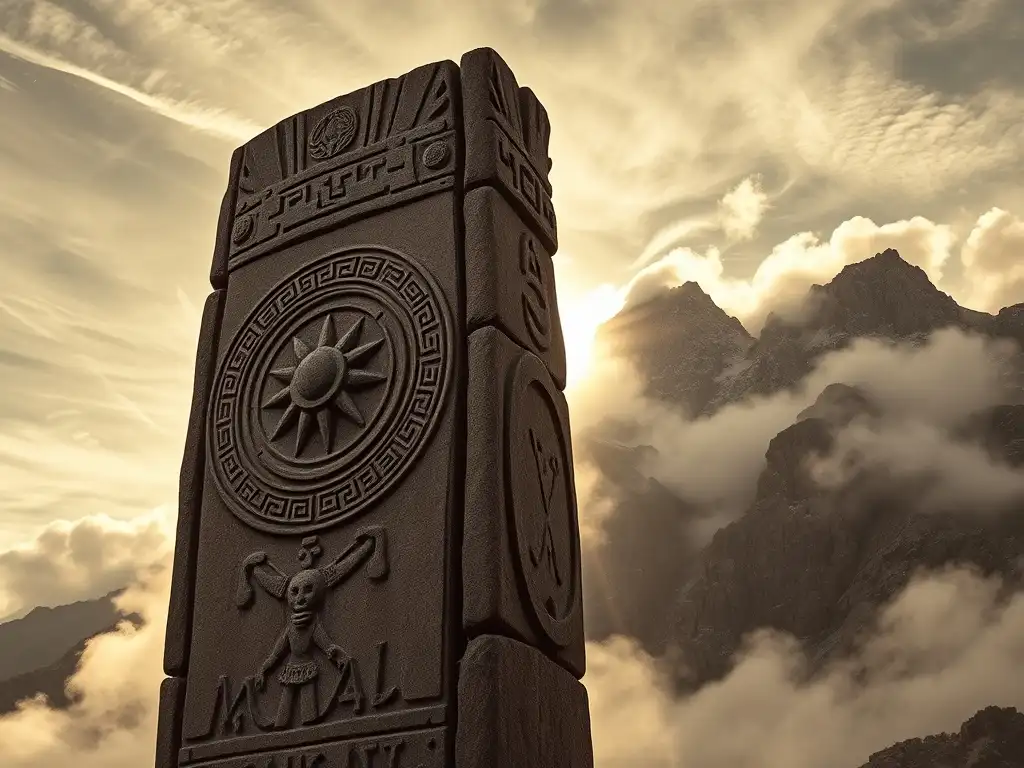
The sophisticated astronomical knowledge possessed by the Chavín civilization didn't vanish with their decline. Their understanding of celestial movements and their incorporation of astronomical principles into architecture and religious practices profoundly impacted subsequent Andean cultures. Evidence suggests a clear transmission of astronomical concepts, techniques, and even symbolic representations across generations and geographical regions, shaping the development of Andean astronomy for centuries to come.
This enduring legacy underscores the Chavín's significant contribution to the rich tapestry of Andean cosmological thought. The very fabric of later Andean cultures bears the imprint of Chavín's astronomical achievements, a testament to their lasting influence on the region's worldview.
Transmission of Astronomical Concepts in the Andes
How did Chavín astronomical knowledge spread? Several mechanisms likely contributed to this cultural transmission. Firstly, migration and population movements played a crucial role. As Chavín influence expanded, so did their astronomical expertise. People migrating from the Chavín heartland carried their knowledge and practices to new settlements, integrating them into the local cultures.
Secondly, trade networks facilitated the exchange of ideas and practices. The movement of goods and materials along established trade routes also involved the exchange of cultural information, including astronomical knowledge. Artisans, priests, and other specialists likely traveled alongside these trade routes, disseminating their expertise. Thirdly, religious and ceremonial practices acted as powerful vehicles for transmitting astronomical concepts.
Pilgrimages to Chavín de Huántar and other important sites exposed people from different regions to the sophisticated astronomical observations and rituals practiced there. These practices, often intimately tied to agricultural cycles and the calendar, were adopted and adapted by other groups, ensuring the continuation of Chavín astronomical traditions. The continuity of certain architectural styles and symbolic motifs across different Andean cultures further supports this hypothesis of a widespread dissemination of Chavín astronomical ideas. For example, the recurring use of specific astronomical alignments in later structures suggests a shared understanding of celestial phenomena.
Influence of Chavín's astronomy on subsequent cultures like the Paracas
The Paracas culture, known for its exquisite textiles and elaborate burial practices, provides a compelling example of Chavín astronomical influence. While the Paracas developed their own unique astronomical traditions, there are clear parallels with Chavín's approaches. Evidence suggests that the Paracas, like the Chavín, utilized astronomical observations to regulate their agricultural practices and religious ceremonies.
The intricate iconography found on Paracas textiles often depicts celestial bodies and constellations, reflecting a deep understanding of the night sky. Furthermore, the orientation of some Paracas structures suggests a deliberate alignment with significant astronomical events, echoing the architectural strategies employed by the Chavín. These similarities, while requiring further investigation, strongly suggest a connection and continuity in astronomical traditions between the two cultures.
Analyzing the stylistic similarities in the representation of celestial bodies in both Chavín and Paracas art could provide further evidence of this cultural transmission. More research is needed to fully understand the extent of Chavín influence on Paracas astronomy, but the initial evidence is promising and suggests a significant relationship. Perhaps future discoveries will uncover even more direct links between the two cultures' astronomical observations and beliefs.
The enduring importance of Chavín's astronomical achievements
The impact of Chavín astronomy extends far beyond the immediate successor cultures. Their sophisticated understanding of the celestial sphere laid the groundwork for later developments in Andean astronomy, influencing the cosmological beliefs and practices of cultures across the Andes for centuries. Their innovations in astronomical observation and their integration of astronomy into architecture and religious life left an indelible mark on the Andean worldview.
The legacy of Chavín astronomy is not merely a historical curiosity; it represents a fundamental aspect of Andean cultural identity and a testament to the ingenuity and intellectual prowess of this early Andean civilization. Understanding Chavín's astronomical achievements is crucial for comprehending the broader development of Andean astronomy and its enduring significance in the region's rich cultural heritage. The continued study of Chavín sites and artifacts, combined with comparative analyses of later Andean cultures, will undoubtedly reveal even more about the far-reaching impact of their astronomical knowledge.
The Chavín's legacy continues to inspire awe and wonder, reminding us of the remarkable achievements of this ancient civilization and their lasting contribution to Andean culture. Their mastery of "Chavín astronomy techniques" continues to fascinate researchers today.
The Lanzón Stela and its Astronomical Significance
The Lanzón, a massive monolithic sculpture found at the heart of the Chavín de Huántar temple complex, stands as a potent symbol of Chavín culture and its sophisticated understanding of astronomy. While its precise function remains a subject of ongoing debate amongst experts in Chavín astronomy techniques, compelling evidence suggests its significant role in tracking celestial events and integrating these observations into their worldview. The Lanzón's size, intricate carvings, and strategic placement within the temple complex all contribute to its astronomical significance.
Its imposing presence, dominating the central axis of the temple, likely served as a focal point for rituals and astronomical observations. The detailed carvings, often interpreted as depicting deities and mythical creatures, may also encode astronomical information, representing constellations, planets, or significant celestial phenomena.
Further research employing advanced imaging techniques and comparative analysis with other Chavín artifacts could unlock further secrets hidden within the Lanzón's intricate details. Understanding the Lanzón's astronomical role is crucial to deciphering the broader context of Chavín cosmology and its advanced knowledge of the cosmos.
The Lanzón's Orientation and Possible Celestial Symbolism
The orientation of the Lanzón itself is a key aspect of its potential astronomical function. While precise measurements are still being refined, preliminary studies suggest a possible alignment with significant celestial events, such as solstices or equinoxes. This alignment, if confirmed, would strongly indicate a deliberate effort to integrate the Lanzón into a larger astronomical observatory system.
The carvings on the Lanzón may represent constellations or specific stars, with their positioning mirroring the celestial layout at particular times of the year. For example, certain motifs could represent the Pleiades star cluster, a significant celestial marker for many ancient cultures, including those in the Andes. The interpretation of these symbols requires careful consideration of Chavín iconography and a deeper understanding of their symbolic language.
Future research should focus on a detailed analysis of the Lanzón's orientation using modern surveying techniques and astronomical software to pinpoint its possible celestial alignments with greater precision. This precise data will be crucial in substantiating the hypothesis of the Lanzón's function as a celestial marker. The potential discovery of further alignments with other significant stars or constellations would provide even stronger evidence supporting this theory.
The Significance of the Lanzón in Chavín Rituals
The Lanzón was not merely a decorative element; it played a central role in Chavín religious practices. Evidence suggests that rituals were performed around the Lanzón, possibly involving astronomical observations. The temple's architecture, with its intricate network of galleries and underground passages, may have facilitated these rituals and enhanced the observation of celestial events.
The presence of water features within the temple complex further suggests the incorporation of water symbolism into their astronomical practices. The combination of the Lanzón's orientation, its intricate carvings, and the temple's architecture points towards a sophisticated integration of astronomy and religious practices. Scholars hypothesize that the rituals performed around the Lanzón served to synchronize the Chavín calendar with celestial cycles, influencing agricultural practices and other aspects of their social life.
The exact nature of these rituals remains largely unknown, but further archaeological investigations and analysis of artifacts found in the temple complex could provide valuable insights into the role of the Lanzón in Chavín religious life and their sophisticated Chavín astronomy techniques. The discovery of additional artifacts related to astronomical observation near the Lanzón would significantly reinforce its importance as a focal point for ritual activities connected to the cosmos. Moreover, detailed analysis of the chemical composition of residues found on the Lanzón could reveal the use of specific substances during rituals, further enriching our understanding of these practices.
Frequently Asked Questions
What astronomical techniques did the Chavín civilization use?
The Chavín people likely employed observational astronomy, using their knowledge of the positions of the sun, moon, and stars to create a calendar and possibly predict agricultural cycles. Evidence suggests they may have used aligned structures to track celestial events.
How did Chavín astronomy impact their society?
Agricultural practices were likely heavily influenced by their astronomical observations, allowing for precise planting and harvesting. Their understanding of the cosmos may have also played a role in their religious beliefs and rituals.
What evidence supports the claim of sophisticated Chavín astronomy?
Archaeological findings, such as the precise alignment of structures with significant astronomical events (e.g., solstices and equinoxes), and the presence of iconography possibly depicting celestial bodies, strongly suggest advanced astronomical knowledge.
How does Chavín astronomy compare to that of other Andean civilizations?
While the specifics differ, Chavín astronomy shares similarities with later Andean cultures, indicating a continuity of astronomical traditions across different Andean societies. Sophisticated observation and calendar systems were common features.
Where can I learn more about Chavín astronomy techniques?
Further research can be conducted through academic journals, books, and museum exhibits focusing on Andean archaeology and astronomy. Many resources explore the specific sites and artifacts that support our understanding of Chavín astronomical practices.
Final Reflection: Echoes of the Andes: Chavín's Enduring Legacy in the Stars
Chavín's sophisticated understanding of astronomy wasn't merely a scientific pursuit; it was the very foundation of their societal structure, a testament to human ingenuity that continues to resonate today. The precision with which they tracked celestial movements, reflected in their architectural marvels and ritual practices, challenges our modern assumptions about the capabilities of pre-Columbian civilizations. Their achievements force us to reconsider the limitations we often impose on ancient cultures and to appreciate the depth of their intellectual and spiritual connection to the cosmos.
The enduring influence of Chavín astronomy is not just confined to academic circles; it speaks to a universal human desire to understand our place in the universe. Their meticulous observations, passed down through generations, offer a powerful reminder of the continuity of human curiosity and the enduring power of knowledge. The universe is within you, as you are within the universe.
This ancient wisdom, echoing across millennia, reminds us of the interconnectedness of all things, a sentiment deeply embedded in the Chavín worldview and still relevant in our increasingly complex world.
Consider, for a moment, the ingenuity and dedication required to develop such precise astronomical techniques without the aid of modern technology. Let this inspire you to explore the wonders of the universe around you, to appreciate the intricate beauty of the cosmos, and to recognize the profound legacy of those who came before us. Embrace your own curiosity, and let the echoes of Chavín's astronomical achievements guide your own journey of discovery.
Unveil the Stars: Take Your Knowledge to New Heights!
Thank you for exploring the fascinating world of Chavín astronomy with us! Your interest in how this ancient civilization tracked the stars enriches your understanding and helps preserve their incredible legacy. Now, let's put that knowledge into action!
Here are some ways you can deepen your appreciation and share the wonder of Chavín astronomy:
- **Visit a local planetarium or observatory:** Discover the connections between modern and ancient astronomical practices.
- **Explore archaeological sites** associated with Chavín and other ancient civilizations to witness their celestial alignments firsthand. This offers a powerful connection to the past.
- Share this article with friends and family on social media, sparking conversations about ancient astronomy and its continuing relevance.
What celestial events have you observed lately? How do you think ancient civilizations like the Chavín would have interpreted them?