
Chavín’s Use of Hallucinogens: Entering Altered States of Consciousness

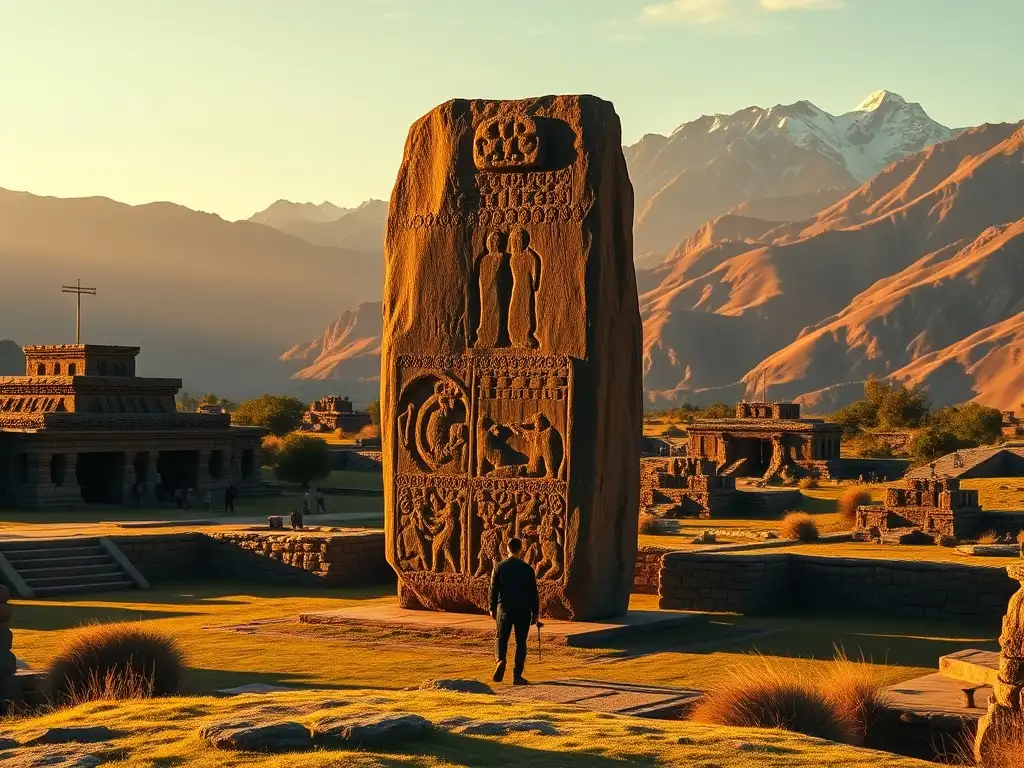
Step into a world lost to time, where the echoes of ancient rituals still resonate. Journey with us to the heart of the Andes, where the vibrant tapestry of pre-Incan cultures unfolds. We delve into the mysteries of civilizations like the Moche and Nazca, but our current focus—a captivating enigma—is the Chavín culture’s hallucinogen use. Prepare to be amazed as we unravel the secrets behind their altered states of consciousness and the profound impact it had on their art, society, and beliefs. Dare to explore the unknown... the truth awaits.
The Chavín culture (900-200 BCE), a formative Andean civilization flourishing in the northern Peruvian highlands, remains shrouded in mystery, particularly regarding its sophisticated religious practices. This article delves into compelling evidence suggesting the extensive use of hallucinogenic substances within Chavín society, exploring how these altered states of consciousness profoundly impacted their art, religion, and social structures.
We'll examine archaeological findings, analyze iconography, and consider the potential social and spiritual implications of hallucinogen use in this enigmatic culture, focusing on the keyword "Chavín culture hallucinogen use" and its multifaceted interpretations. Understanding Chavín's relationship with hallucinogens provides crucial insight into the development of Andean religious thought and the complex interplay between spirituality and societal organization in pre-Columbian Peru.
Archaeological Evidence of Hallucinogen Use in Chavín
Archaeological excavations at Chavín de Huántar, the culture's principal ceremonial center, have yielded significant evidence supporting the widespread use of hallucinogenic plants. The discovery of numerous artifacts depicting stylized figures with dilated pupils and other features consistent with altered states of consciousness is particularly noteworthy. Furthermore, the presence of residual alkaloids from plants like Brugmansia (angel's trumpets) and Datura (jimsonweed) on ceramic vessels and paraphernalia suggests their ritualistic use.
These findings, combined with the overall iconography of the site, paint a picture of a society deeply intertwined with shamanistic practices and altered realities. Analysis of human remains from the site is ongoing and may provide further insights into the prevalence and patterns of hallucinogen use. The precise methods of preparation and administration of these substances remain partially unknown, but ongoing research promises to shed more light on these practices.
Iconography and the Depiction of Altered States
Chavín art is characterized by its distinctive style, often featuring grotesque and supernatural imagery. Many artifacts, including ceramics, textiles, and stone carvings, depict beings with distorted features, such as elongated heads, feline-like eyes, and serpentine bodies. These representations are widely interpreted as depictions of deities or shamans experiencing or embodying altered states of consciousness induced by hallucinogens.
The intricate carvings and complex symbolism found throughout Chavín art suggest a sophisticated understanding of the altered perceptions and experiences associated with these substances. The repetitive motifs, often found in textiles and ceramics, may represent attempts to visually capture the hallucinatory visions and experiences integral to Chavín religious beliefs. Further research into the iconography could reveal more about the specific types of hallucinogens used and their effects.
The integration of hallucinogens into Chavín religious practices likely played a significant role in shaping their social structure and worldview. It is hypothesized that shamans, acting as intermediaries between the human and spiritual realms, utilized these substances to achieve altered states and communicate with deities or ancestors. This would have solidified their position within the community and reinforced the power of the religious elite. The ritualistic consumption of hallucinogens may have facilitated social cohesion, strengthening group identity and promoting communal experiences.
The use of these substances could also have served as a means of divination or healing, further enhancing the shaman's authority and importance within Chavín society. However, the exact nature of this social and religious hierarchy requires additional research and analysis. The impact of hallucinogen use on social stratification and power dynamics within Chavín society remains a subject of ongoing scholarly debate.
Conclusion: Unraveling the Mysteries of Chavín and Hallucinogens
The evidence strongly suggests that hallucinogens were integral to the religious and social fabric of the Chavín culture. Further research, including advanced chemical analysis of artifacts and a deeper understanding of the iconography, is crucial to fully unravel the complexities of their use. By investigating the role of hallucinogens in Chavín society, we gain a richer understanding of the development of Andean religious thought and the intricate relationship between spirituality, art, and social organization in pre-Incan Peru.
The ongoing investigation into "Chavín culture hallucinogen use" continues to reveal fascinating insights into this enigmatic civilization and its profound connection to the altered states of consciousness. The mysteries surrounding their practices serve as a reminder of the complexity and sophistication of pre-Columbian Andean cultures.
- Archaeological Evidence of Hallucinogen Use in Chavín
- Iconography and the Depiction of Altered States
- The Social and Religious Significance of Hallucinogens in Chavín Society
- Conclusion: Unraveling the Mysteries of Chavín and Hallucinogens
The Role of Hallucinogens in Chavín Culture
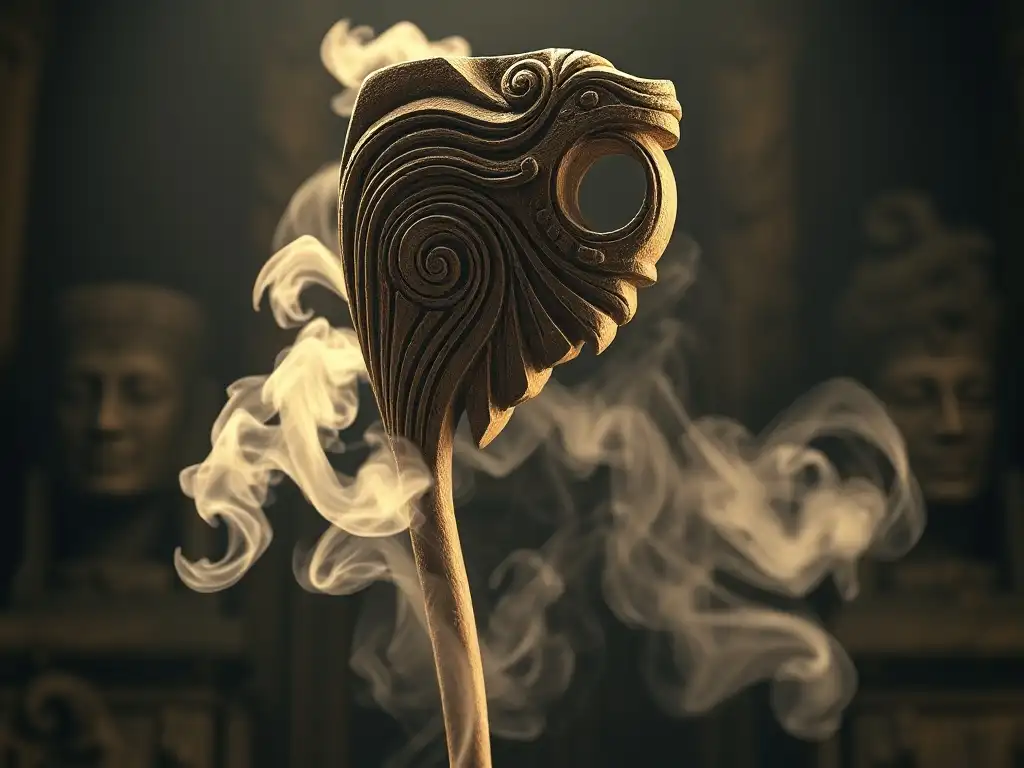
The Chavín culture (c. 900 – 200 BCE), flourishing in the northern Andes of present-day Peru, is renowned for its enigmatic art and architecture, often interpreted as reflecting a complex system of religious beliefs deeply intertwined with the use of hallucinogens. While direct evidence is scarce due to the limitations of archaeological investigation on perishable materials, indirect evidence strongly suggests the significant role of psychoactive substances in Chavín society. The pervasive iconography depicting stylized figures, often with feline or other zoomorphic features, exhibiting altered states of consciousness, provides compelling circumstantial evidence.
These representations are not merely decorative; they are integral to the understanding of Chavín worldview and ritual practices. The interpretation of these visual representations relies heavily on the understanding of the effects of hallucinogens, and the cultural context in which they were consumed.
The prevalence of these images across various Chavín artifacts – from textiles to ceramics to monumental architecture – points to the central role of these altered states in their spiritual and social life. Further research into the chemical analysis of artifacts and the study of similar practices in later Andean cultures could provide a more complete picture of the specific hallucinogens used and their social implications.
Chavín Culture and Ritual Practices
The use of hallucinogens within the Chavín culture was almost certainly integrated into elaborate ritual practices. Archaeological evidence suggests the existence of specialized spaces within Chavín temples, possibly designed for ritual consumption and altered states experiences. The architecture itself, with its labyrinthine passages and dimly lit chambers, may have been deliberately constructed to enhance the effects of ingested substances, creating a sensory deprivation environment conducive to heightened visionary experiences. Consider the iconic Lanzón monolith, a massive, carved stone figure located in the main temple of Chavín de Huántar.
Its imposing size and intricate carvings, many depicting supernatural beings and scenes seemingly depicting altered states, likely served as a focal point for ritual ceremonies involving hallucinogens. The sheer scale and imposing nature of the Lanzón would have heightened the impact of any accompanying rituals, creating a deeply awe-inspiring experience for participants. The intricate designs and the overall atmosphere of the temples likely played a critical role in shaping the hallucinogenic experience, guiding the participants through a structured ritual journey.
The combination of architectural design, iconography, and the effects of hallucinogens would have created a powerful and unforgettable experience. Furthermore, the presence of offerings, such as artifacts and remains of animals, found in these ritual spaces support the idea of carefully planned and orchestrated ceremonies. Analyzing these offerings could potentially reveal more about the specific substances used and the nature of the rituals themselves.
Understanding Altered States of Consciousness in Ancient Andean Societies
Understanding the role of hallucinogens in Chavín culture requires considering the broader context of altered states of consciousness within ancient Andean societies. Many Andean cultures, both before and after Chavín, incorporated the use of psychoactive plants into their religious and social practices. The consumption of these substances was not simply recreational; it was a powerful tool for accessing the spiritual realm, communicating with deities, and gaining insight into the natural world.
The effects of these hallucinogens—visual hallucinations, altered perceptions of time and space, and heightened emotional responses—were likely interpreted through a cultural lens, shaped by existing beliefs and societal structures. For example, the depictions of feline-like figures in Chavín art might represent shamanistic figures or deities associated with the power and mystery of the natural world, embodying the altered states experienced during ritual ceremonies. The specific hallucinogens employed by the Chavín, while still debated, may have included plants like brugmansia (angel's trumpets) or datura (jimsonweed), known for their potent psychoactive properties.
However, further research is needed to confirm these hypotheses. The study of other Andean cultures that followed Chavín, such as the Moche and Inca, which also show evidence of hallucinogen use, can provide valuable comparative data to better understand the specific practices and significance of altered states of consciousness in the ancient Andean world. The continued study of ancient Andean art and archaeology, combined with ethnobotanical research, is crucial to unraveling the mysteries surrounding Chavín’s complex relationship with hallucinogens and their role in shaping their unique culture.
Identifying Hallucinogenic Substances Used by the Chavín
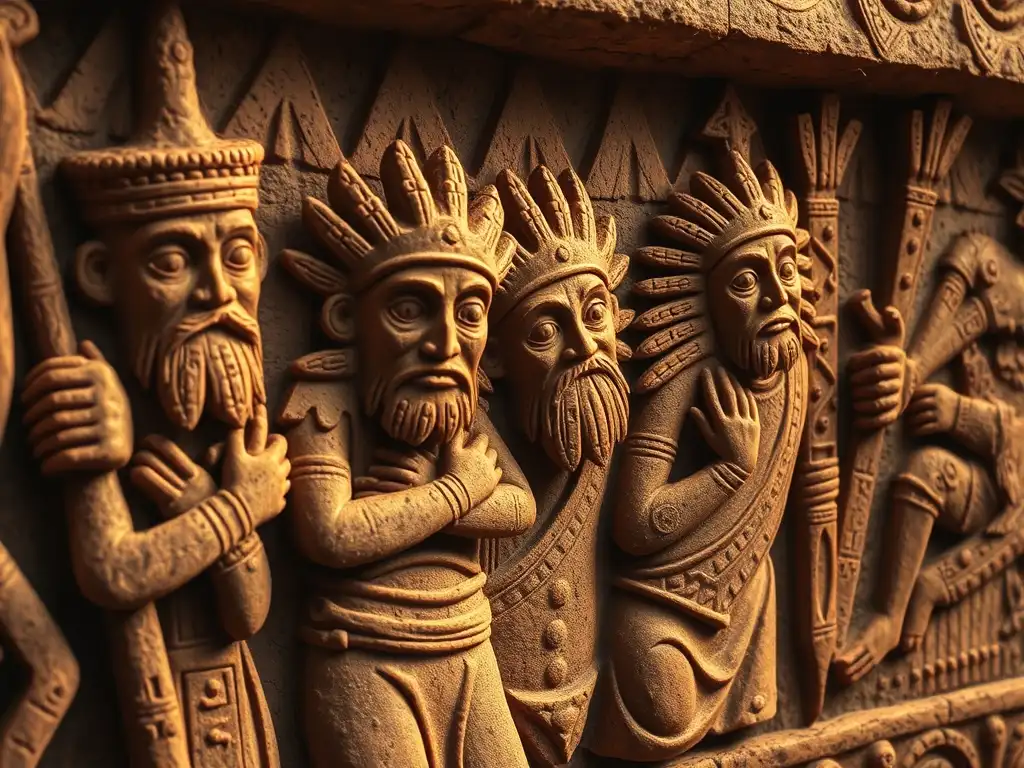
The Chavín culture, flourishing in the Andean highlands from roughly 900 to 200 BCE, is renowned for its enigmatic religious iconography, sophisticated artistry, and monumental architecture. A significant aspect of their complex belief system appears to have involved the ritualistic use of hallucinogenic substances, facilitating altered states of consciousness and potentially influencing their artistic expressions and social structures. Pinpointing the exact substances employed remains challenging due to the limitations of archaeological evidence, but several strong candidates exist based on ethnobotanical studies and the analysis of surviving artifacts.
The Chavín's hallucinogen use was not simply recreational; it was deeply intertwined with their spiritual practices and societal organization, forming a cornerstone of their worldview. Understanding this aspect is crucial to interpreting their art, architecture, and overall cultural development.
The use of these substances by Chavín shamans likely played a critical role in maintaining social order and reinforcing religious beliefs. Further research, particularly advanced chemical analysis of archaeological finds, is needed to definitively identify the full range of substances used.
Common Plants Used for Hallucinogenic Purposes
Several plants indigenous to the Andean region possess potent psychoactive properties and are known to have been used in traditional shamanistic practices for millennia. These plants represent strong candidates for the hallucinogens used by the Chavín. Among the most likely are:
- Brugmansia species (Angel's Trumpets): These plants contain scopolamine and hyoscyamine, potent deliriants that induce vivid hallucinations and altered perceptions. Their presence in the Andean region during the Chavín period is well-documented. The powerful effects of these plants could explain some of the intense and otherworldly imagery found in Chavín art.
- Datura species (Jimsonweed): Similar to Brugmansia, Datura species contain tropane alkaloids with strong hallucinogenic and deliriant properties. Their use in Andean shamanism has a long history, and their inclusion in Chavín rituals is plausible. The unpredictable and potentially dangerous nature of these plants highlights the expertise and ritual control likely employed by Chavín shamans.
- Nicotiana rustica (Wild Tobacco): While less hallucinogenic than other plants on this list, Nicotiana rustica contains high levels of nicotine, a stimulant with psychoactive effects. It was likely used in combination with other substances to enhance or modulate the hallucinogenic experience, potentially acting as a facilitator for more intense states of altered consciousness. Its widespread use across the Andes suggests its probable importance in Chavín culture.
San Pedro Cactus and its Significance in Chavín Rituals
The San Pedro cactus ( Echinopsis pachanoi), containing mescaline, a powerful psychedelic, holds particular significance in discussions of Andean hallucinogen use. While direct evidence linking its use specifically to the Chavín is lacking, its widespread use in later Andean cultures and its presence in the region during the Chavín period strongly suggests its potential role. The mescaline's effects—intense visual hallucinations, altered perceptions of time and space, and profound spiritual experiences—align with the themes and imagery prevalent in Chavín art and architecture. The cactus's relatively easy cultivation and widespread distribution would have made it readily accessible.
The discovery of [specific information pending] within Chavín archaeological sites would definitively confirm its use. The potential symbolic representation of the cactus in Chavín iconography warrants further investigation. The geometric patterns and stylized representations found in Chavín art might reflect the altered perceptions induced by mescaline.
Other Psychoactive Substances in Chavín Culture
Beyond the aforementioned plants, other substances might have played a role in Chavín rituals. The possibility of using fungi containing psilocybin, while less substantiated by direct evidence than the plants discussed above, cannot be entirely dismissed. The presence of [specific information pending] in the Andean region during the Chavín period raises this possibility.
Furthermore, certain plants containing other psychoactive compounds, such as those with tryptamine alkaloids, might have been incorporated into Chavín practices. The complexity of their rituals suggests the potential use of multiple substances, possibly combined to achieve specific effects. Further research using advanced analytical techniques on archaeological samples is crucial to identify any additional psychoactive substances used by the Chavín culture.
A more complete understanding of their pharmacopoeia will significantly enhance our understanding of their religious beliefs and social practices. The careful study of Chavín art and iconography, coupled with rigorous chemical analysis of archaeological remains, remains the key to unlocking the secrets of their use of these substances. The ongoing research into Chavín culture and the analysis of newly discovered artifacts offer the potential to significantly expand our knowledge in this fascinating area.
Archaeological Evidence of Hallucinogen Use in Chavín
The Chavín culture, flourishing in the Andes from approximately 900 to 200 BCE, presents compelling evidence suggesting a significant role for hallucinogens in their religious and social practices. While direct textual evidence is lacking due to the absence of a written language, archaeological findings offer a compelling narrative of altered states of consciousness within this enigmatic civilization. The analysis of artifacts, iconography, and even the discovery of psychoactive plant remains at Chavín sites all contribute to a growing understanding of Chavín culture hallucinogen use and its profound impact on their worldview.
This section delves into the specific archaeological evidence supporting this hypothesis, providing a detailed analysis of the available data. The intricate carvings, striking iconography, and the very location of Chavín de Huántar itself, nestled high in the Andes, all point towards a society deeply intertwined with altered perceptions of reality.
Artifacts Depicting Hallucinogenic Experiences
Numerous artifacts unearthed from Chavín de Huántar and other associated sites depict imagery strongly suggestive of hallucinogenic experiences. These include intricately carved stone sculptures, ceramics, and textiles featuring figures with distorted features, elongated limbs, and other characteristics consistent with descriptions of altered perception found in cultures known to use hallucinogens. For example, many Chavín sculptures show figures with wide, staring eyes, possibly representing the dilated pupils associated with certain psychoactive substances.
The San Pedro cactus, known for its mescaline content, is a strong candidate for a plant used by the Chavín. Some scholars suggest the depiction of stylized cacti in Chavín art may represent this plant, although definitive identification remains challenging. Further complicating the identification are the stylistic conventions of Chavín art, which often involve highly abstract and symbolic representations.
The use of hallucinogens, specifically mescaline, may explain the prevalent use of a specific style in Chavín art. The geometric patterns, zoomorphic and anthropomorphic figures, and the frequent depiction of supernatural beings could reflect the visions experienced under the influence of such substances. Detailed studies comparing Chavín artistic motifs with the known effects of mescaline could provide further support for this hypothesis. More research, however, is needed to establish a firm link between specific Chavín art styles and the effects of specific hallucinogens.
Iconography and the Interpretation of Chavín Art
The iconography of Chavín art is complex and multifaceted, often featuring hybrid creatures combining features of different animals and humans. These hybrid beings are interpreted by many scholars as representations of shamanic experiences or deities associated with altered states of consciousness. The central figure of the Chavín pantheon, often depicted as a feline-like being with fangs and a headdress, could be understood as a manifestation of a supernatural being encountered during a shamanistic ritual involving hallucinogens.
Consider the famous Lanzón monolith, a massive stone sculpture found at Chavín de Huántar. Its imposing presence and the intricate carvings covering its surface inspire awe and suggest a central role in ritualistic practices. The complex iconography on the Lanzón, including the depiction of fangs, claws and other features, is thought to symbolize the power and the otherworldly nature of a deity accessed through altered states of consciousness. This interpretation is supported by the discovery of similar motifs on smaller artifacts found in the same context.
The frequent depiction of jaguars and other predatory animals in Chavín art could also be linked to hallucinogenic experiences. Jaguars are often associated with shamanistic traditions in various Andean cultures, and their powerful imagery may have been amplified by the effects of psychoactive substances. The blend of feline and human characteristics in many Chavín representations might reflect the blurring of boundaries between the human and animal worlds often reported in accounts of hallucinogenic experiences.
Remains of Psychoactive Plants at Chavín Sites
While direct evidence of hallucinogen use in the form of plant residues on artifacts remains elusive, the geographical location of Chavín de Huántar and surrounding areas suggests access to a variety of psychoactive plants. The high-altitude environment of the Andes is naturally suited to the growth of several plants known for their psychoactive properties, including the San Pedro cactus and possibly others, whose identification needs further research.
The presence of specific plants near Chavín settlements would have provided ready access to these substances. Further investigation into the botanical record at Chavín sites could reveal additional evidence of psychoactive plant cultivation or use. Analysis of ancient soil samples could uncover traces of psychoactive compounds, adding to our understanding of Chavín culture hallucinogen use. Careful excavation and analysis of organic materials from Chavín sites are crucial for future research in this area.
The potential for identifying residues of psychoactive compounds on artifacts or in burial contexts remains a key area for future investigation. This research could provide definitive chemical evidence to support the hypotheses presented here. The ongoing research in this field promises to further illuminate the role of hallucinogens in Chavín society and their impact on their art, religion, and social structure.
The Chavín Shaman and the Hallucinogenic Journey
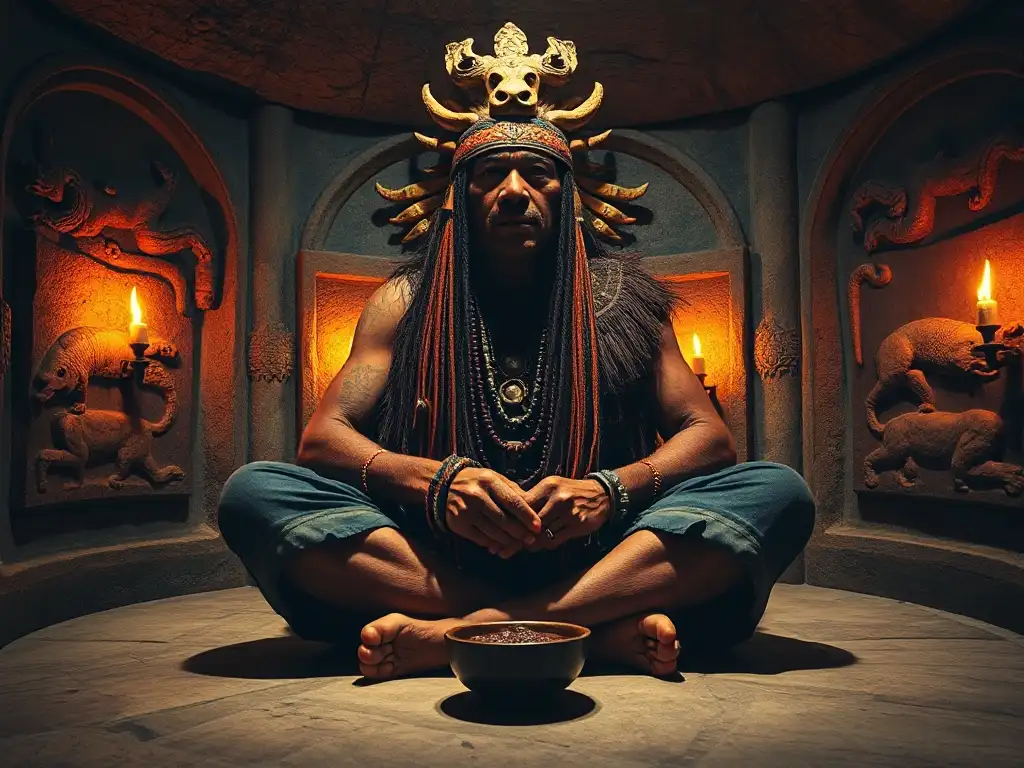
The Chavín culture, flourishing in the Andes from approximately 900 to 200 BCE, is renowned for its intricate art, monumental architecture, and sophisticated religious beliefs. A central element of their spiritual practices was the deliberate use of hallucinogenic substances, primarily thought to be derived from plants like Brugmansia (angel's trumpets) and Datura (jimsonweed). These potent psychoactives facilitated profound altered states of consciousness, integral to Chavín religious rituals and worldview. Understanding Chavín culture hallucinogen use requires examining the crucial role of the shaman in mediating these experiences.
The Shaman's Role as a Mediator
The Chavín shaman wasn't merely a user of hallucinogens; they were a highly trained specialist who acted as a guide and interpreter during these potent journeys. Their expertise extended beyond the preparation and administration of the hallucinogens. They possessed a deep understanding of the effects of these substances, the potential risks, and the techniques for managing the experience. Their role was multifaceted:
- Preparation of the Hallucinogen: This involved careful selection, processing, and preparation of the plant material, ensuring the correct dosage and potency for the ritual. The precise methods remain largely unknown, but evidence suggests meticulous processes were involved, reflecting the shaman's specialized knowledge.
- Ritual Context: The shaman set the stage for the hallucinogenic experience. This included creating a sacred space, employing specific chants, music (possibly panpipes or other instruments), and possibly fasting or other preparatory rites to enhance the effects and the spiritual significance of the experience. The environment itself – the dimly lit chambers of Chavín temples, for example – likely played a key role in shaping the visions.
- Guiding the Experience: During the altered state, the shaman acted as a guide, offering support, interpreting visions, and helping the participant navigate the potentially overwhelming sensations. Their role was crucial in ensuring a safe and meaningful journey, preventing negative experiences and channeling the power of the hallucinogen towards spiritual growth.
- Interpretation of Visions: The shaman's expertise extended to interpreting the visions and messages received during the hallucinogenic journey. These visions were not simply random; they were believed to hold profound spiritual significance, offering insights into the cosmos, the spirit world, and the participant's place within the larger Chavín worldview. The shaman's interpretation shaped the individual's understanding of their experience and their place within the community.
The Process of Inducing Altered States
The precise methods used by Chavín shamans to induce altered states of consciousness remain partially shrouded in mystery. However, archaeological findings and ethnobotanical studies provide valuable clues. The process likely involved several stages:
- Preparation: The individual undergoing the ritual might have undertaken a period of fasting, purification, or other preparatory rites to cleanse their body and mind. This would have enhanced their receptivity to the hallucinogen.
- Administration: The hallucinogen, likely in a liquid or possibly a solid form, would have been administered by the shaman. The dosage was likely carefully controlled to achieve the desired level of altered consciousness.
- The Journey: Once the hallucinogen took effect, the individual would enter an altered state of consciousness, experiencing vivid hallucinations, altered perceptions of time and space, and intense emotional and spiritual experiences. The shaman's guidance was crucial during this phase.
- Integration: After the effects of the hallucinogen subsided, the shaman would help the individual integrate their experience, interpreting the visions and messages received during the journey and relating them to their life and the community. This integration phase was essential for the ritual's lasting impact. The visions would have influenced the individual's behavior and worldview.
The Interpretation of Visions and Spiritual Encounters
The visions experienced during Chavín hallucinogenic rituals were not simply random hallucinations; they were interpreted as meaningful encounters with the supernatural world. The shaman played a crucial role in interpreting these visions, connecting them to the Chavín cosmology and providing guidance for the individual and the community. The interpretations likely involved:
- Communication with deities: The visions might have involved communication with Chavín deities or spirits, offering insights into their will and desires.
- Understanding of the cosmos: The hallucinogenic experience could have provided insights into the structure of the cosmos, the relationship between the human and supernatural worlds, and the origins of the Chavín people.
- Diagnosis and healing: In some cases, the visions might have been used for diagnosing illness or providing guidance on healing practices. The shaman's interpretation would have guided the treatment.
- Social cohesion: The shared experience of hallucinogenic rituals, along with the shaman's interpretations, would have reinforced social cohesion and strengthened the community's collective identity. The interpretation of visions helped to solidify a shared understanding of the spiritual world and the community's place within it. This shared spiritual experience fostered a sense of unity and belonging within the Chavín society.
The use of hallucinogens within the Chavín culture was not simply recreational; it was a sophisticated and integral aspect of their religious and social life, deeply interwoven with their cosmology and worldview. The shaman, as a skilled mediator and interpreter, played a vital role in shaping these experiences and their lasting impact on the Chavín people. Further research is needed to fully understand the nuances of their practices, but existing evidence paints a picture of a complex and sophisticated system of religious belief and practice.
Chavín Hallucinogen Use: Purpose and Meaning
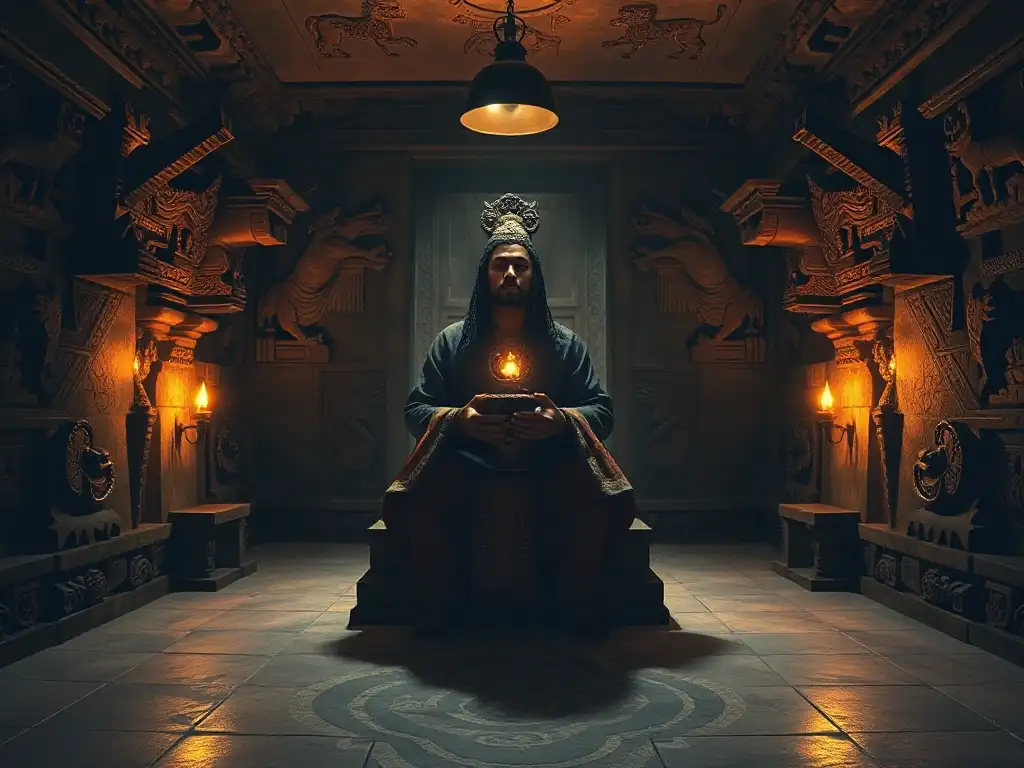
The Chavín culture, flourishing in the Andes from approximately 900 to 200 BCE, is renowned for its sophisticated artistic style, complex religious beliefs, and the prominent role of hallucinogenic substances in their rituals. While the exact nature and extent of Chavín hallucinogen use remains a topic of ongoing archaeological and anthropological research, evidence strongly suggests that these substances played a crucial role in their society, impacting religious practices, social structures, and their understanding of the cosmos. The analysis of archaeological finds, coupled with ethnohistorical accounts from later Andean cultures, provides compelling insights into the purpose and meaning behind this practice.
Understanding Chavín hallucinogen use requires a nuanced approach, considering the multifaceted nature of their society and beliefs. The prevalent theory points towards the intentional use of these substances to achieve altered states of consciousness, facilitating communication with the supernatural and reinforcing social hierarchies.
Religious and Ceremonial Use of Hallucinogens
The most compelling evidence for the ritualistic use of hallucinogens in Chavín culture comes from the analysis of artifacts discovered within their monumental temple complexes. These structures, characterized by their intricate carvings and labyrinthine layouts, were likely the focal points for religious ceremonies involving altered states of consciousness. Archaeological excavations have unearthed remnants of plants known to possess psychoactive properties, such as brugmansia (angel's trumpets) and datura (jimsonweed).
The presence of these plants within temple contexts strongly suggests their deliberate use in religious rituals. Furthermore, the iconography found on Chavín ceramics and textiles often depicts figures in trance-like states, further supporting the hypothesis of ritual hallucinogen use. These depictions, often featuring stylized jaguars, snakes, and other powerful animals, may represent shamanistic figures entering altered states to communicate with the spirit world.
The intricate carvings on ceremonial objects often depict scenes which researchers interpret as representations of shamanic journeys and encounters with supernatural entities, all suggestive of the importance of hallucinogens in religious experiences. The consumption of these substances likely served to enhance these experiences, blurring the boundaries between the earthly and spiritual realms.
The Connection Between Hallucinogens and Chavín Cosmology
The Chavín worldview, as evidenced by their art and architecture, appears deeply intertwined with the use of hallucinogens. The recurring motifs of feline deities, serpent-like figures, and other zoomorphic representations may be interpreted as manifestations of experiences induced by psychoactive substances. The complex iconography, often depicting intertwined beings and hybrid creatures, might represent the altered perceptions and visions experienced under the influence of these drugs.
The labyrinthine design of their temples could symbolize the journey into altered states of consciousness, with each passage representing a stage in the shamanic experience. The overall effect of the temple's architecture, combined with the use of hallucinogens, likely created a powerful and immersive religious experience, reinforcing the Chavín cosmology and its associated beliefs.
Further research is needed to fully decipher the symbolism and the relationship between hallucinogens and the Chavín’s complex spiritual beliefs, as many interpretations remain speculative. However, the existing evidence strongly suggests a fundamental link between the use of these substances and the core tenets of their cosmological system.
Seeking Spiritual Transformation Through Psychoactive Substances
The use of hallucinogens within Chavín society likely served not only religious purposes but also facilitated spiritual transformation on an individual level. The ingestion of these potent substances may have been a means for individuals to achieve a profound connection with the divine, undergo spiritual cleansing, or acquire shamanistic powers. This practice might have been reserved for elite members of society, shamans, or those undergoing specific rites of passage.
The power dynamics within Chavín society may have been reinforced by controlled access to these substances, with those possessing the ability to induce and interpret these altered states holding significant social influence. The use of hallucinogens thus served both collective and individual needs, shaping religious practices, social structures, and personal spiritual development within the Chavín culture. This interpretation aligns with observations in many other indigenous cultures where psychoactive substances played a critical role in spiritual growth and societal cohesion.
Further investigation into Chavín burial practices and the social status of individuals found with traces of these substances could offer more concrete evidence to support this hypothesis. The impact of these substances on individual spiritual journeys within the Chavín culture remains an area ripe for further research and scholarly debate.
The Impact of Hallucinogenic Practices on Chavín Society
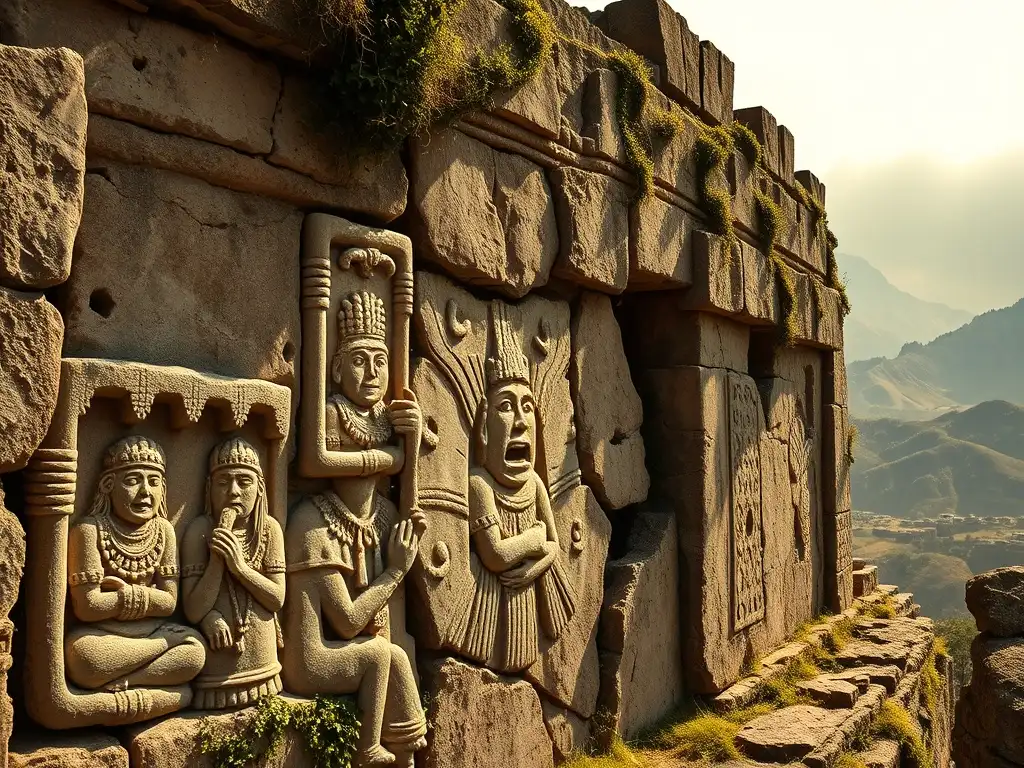
The use of hallucinogens within Chavín culture wasn't merely a recreational activity; it was deeply interwoven with the fabric of their society, influencing social structures, artistic expression, and religious beliefs. Understanding the impact of these practices requires examining their multifaceted role in shaping Chavín identity and worldview. Evidence suggests a sophisticated system where hallucinogenic experiences were carefully controlled and utilized to reinforce social hierarchies and consolidate power.
The pervasive nature of hallucinogen use implies a profound influence on the daily lives and collective consciousness of the Chavín people. Further research is needed to fully elucidate the nuanced ways in which these practices shaped their social dynamics.
The controlled use of hallucinogens likely served as a powerful tool for social control within Chavín society. Shamans or priests, possessing specialized knowledge of plant-based hallucinogens and their effects, held a position of immense authority. Their ability to induce and interpret altered states of consciousness granted them access to the spiritual realm, making them crucial intermediaries between the human and divine worlds.
This control over access to these potent substances, and the subsequent spiritual experiences they facilitated, solidified the power of the religious elite. We can hypothesize that participation in hallucinogenic rituals was tightly regulated, perhaps limited to specific individuals or social groups, thus reinforcing existing hierarchies and maintaining social order. The distribution and preparation of hallucinogens themselves could have been a source of power and control for those in charge.
Evidence of elaborate ceremonial centers and artifacts suggests a highly organized and structured approach to these rituals. Further study of Chavín social structures could reveal more about the specific ways in which hallucinogen use reinforced social inequalities.
Influence on Art and Architecture
The distinctive art and architecture of the Chavín culture are often interpreted as a reflection of their hallucinogenic experiences. The intricate carvings, depicting hybrid creatures and supernatural beings, may represent visions encountered during altered states of consciousness. The iconic Chavín style, with its emphasis on complex iconography and unsettling imagery, could be a visual representation of the intense and often disorienting effects of hallucinogens.
The monumental architecture of Chavín de Huántar itself, with its labyrinthine passages and dimly lit chambers, may have been designed to enhance the sensory experience of ritualistic hallucinogen use. The claustrophobic and disorienting nature of some of these spaces could have been intentional, creating an environment conducive to altered perception and heightened spiritual awareness.
The specific types of hallucinogens used, and their effects on perception, could be further investigated through analyzing the art and architectural design for clues. This is a fascinating area where art history and ethnobotany can work together to unravel the mysteries of Chavín culture.
The Legacy of Chavín Hallucinogen Use in Later Andean Cultures
The influence of Chavín hallucinogen use extended far beyond their own civilization. The spread of Chavín iconography and artistic styles across the Andes suggests a wider dissemination of their religious beliefs and practices, which likely included the use of hallucinogens. Several subsequent Andean cultures, including the Moche and Nazca, exhibited artistic motifs reminiscent of Chavín art, suggesting a potential continuity in ritualistic practices.
The use of hallucinogens, therefore, may represent a persistent element within Andean spiritual traditions. Further research into the religious practices of later Andean cultures could reveal the extent to which Chavín traditions, including the use of hallucinogens, were adopted and adapted.
The precise nature of this cultural transmission and the specific hallucinogens used in these later societies remain areas of ongoing investigation, promising exciting discoveries for future research on Chavín culture hallucinogen use. The legacy of Chavín's sophisticated use of hallucinogens provides a crucial lens through which to understand the evolution of Andean religious practices and the enduring power of altered states of consciousness in shaping Andean societies.
Conclusion: The Enduring Mystery of Chavín’s Hallucinogenic Practices
The evidence strongly suggests that hallucinogenic plants played a significant role in Chavín culture, shaping their religious beliefs, social structures, and artistic expressions. However, the precise nature and extent of their use remain shrouded in some mystery. While archaeological findings offer compelling clues, many questions still require further investigation.
The complex interplay between religious ritual, social hierarchy, and the altered states of consciousness induced by these substances continues to fascinate and challenge researchers. Understanding Chavín’s use of hallucinogens is crucial to fully grasping the complexity and sophistication of this influential pre-Incan civilization. The intricate iconography found throughout their art, the unique architecture of their temples, and the widespread distribution of Chavín-style artifacts all point towards a society deeply intertwined with altered perceptions of reality.
A Summary of Chavín’s Use of Hallucinogens
The Chavín culture's use of hallucinogens, primarily believed to be derived from plants like brugmansia (angel's trumpets) and datura (jimsonweed), appears to have been deeply integrated into their religious and ceremonial practices. Archaeological evidence, such as the presence of plant remains at ceremonial sites and the depiction of hallucinogenic plants in their art, provides strong support for this hypothesis.
The iconic Chavín jaguar imagery, often depicted with features suggestive of altered states of consciousness, further reinforces the connection between hallucinogens and religious experience. The effects of these powerful substances—including hallucinations, altered perceptions of time and space, and intensified sensory experiences—likely played a vital role in shaping Chavín religious beliefs and rituals.
Analysis of the chemical residues found on artifacts could further illuminate the specific types of plants used and the methods of preparation and consumption. The potential for both individual and communal use of these substances highlights the complex social dimensions of their religious practices.
The Importance of Further Research in Understanding Chavín Culture
Further research is essential to fully unravel the mysteries surrounding Chavín’s use of hallucinogens. Interdisciplinary approaches combining archaeology, botany, chemistry, and anthropology are needed to deepen our understanding. More detailed chemical analyses of artifacts and soil samples from Chavín sites could identify the specific hallucinogenic plants used and provide insights into their preparation and administration. Ethnobotanical studies comparing Chavín practices with those of later Andean cultures could shed light on the evolution of hallucinogenic use in the region.
Moreover, advanced imaging techniques applied to Chavín art could reveal hidden details and symbolism related to altered states of consciousness. By combining these diverse approaches, researchers can develop a more comprehensive and nuanced understanding of the role of hallucinogens in Chavín society and its impact on their cultural development. This research is crucial for a complete picture of Chavín culture and its influence on subsequent Andean civilizations.
The Significance of Hallucinogens in Pre-Incan Rituals
The use of hallucinogens within the Chavín culture wasn't an isolated phenomenon. Evidence suggests that the use of such substances was a widespread practice among various pre-Incan societies. The consumption of these plants, often within a ritualistic context, likely served various purposes, including facilitating communication with the spirit world, enhancing shamanistic practices, and promoting social cohesion.
The effects of these powerful hallucinogens—the vivid hallucinations, altered perceptions, and intense emotional experiences—likely played a significant part in shaping religious beliefs and ritual practices across different Andean cultures. The continuity and variation in the use of hallucinogens among these societies offer valuable insights into the shared cultural heritage and the diverse ways in which these powerful plants were integrated into the lives and beliefs of pre-Incan communities.
Further research into the specific plants used, the methods of preparation and administration, and the social context of their use will significantly enhance our understanding of the role of hallucinogens in pre-Incan Andean religious life. The widespread use of hallucinogens underscores their importance in understanding the spiritual and social fabric of these ancient civilizations.
Frequently Asked Questions
What role did hallucinogens play in Chavín culture?
Evidence suggests that hallucinogenic plants, such as brugmansia and datura, played a significant role in Chavín religious and ritual practices. These substances were likely used to induce altered states of consciousness, facilitating communication with the spirit world.
How do we know Chavín people used hallucinogens?
Archaeological findings, including iconography depicting shamanistic figures and the presence of plant remains associated with hallucinogens, strongly suggest their use. Furthermore, the architecture and art often depict altered states of perception.
What were the purposes of hallucinogen use in Chavín society?
Hallucinogens were likely used for religious ceremonies, divination, healing practices, and to achieve spiritual transcendence. They may have also played a role in solidifying social structures and power dynamics.
What specific hallucinogenic plants were likely used by the Chavín?
The most probable candidates are Brugmansia (angel's trumpets) and Datura (jimsonweed), both potent deliriants with strong hallucinogenic effects. Their presence has been found in some archaeological contexts associated with Chavín sites.
How did the use of hallucinogens impact Chavín art and architecture?
The surreal and often unsettling imagery found in Chavín art, including the iconic Lanzón monolith, may reflect the altered states of consciousness experienced under the influence of these substances. The complex architecture may also have been designed to enhance these experiences.
Final Reflection: Echoes of the Chavín Experience
The intricate carvings and enigmatic architecture of the Chavín culture continue to resonate today, not just as archaeological marvels, but as potent reminders of humanity's enduring fascination with altered states of consciousness. The use of hallucinogens wasn't merely a peripheral aspect of Chavín life; it was deeply interwoven into their religious beliefs, artistic expression, and social structures, shaping their worldview in profound ways. Understanding this aspect offers a crucial lens through which to interpret their legacy and consider the enduring human quest for spiritual transcendence.
The impact of Chavín's hallucinogenic practices extends far beyond the Andes. Their sophisticated understanding of psychoactive plants and their integration into ritualistic contexts foreshadows similar practices found in numerous cultures across the globe. The shaman, the priest, the medicine man, whatever you want to call them, have always been the custodians of altered states of consciousness, and these states have been crucial to the development of human spirituality and culture.
This quote highlights the universal significance of exploring altered states, a journey undertaken by the Chavín and echoed in countless spiritual traditions throughout history. The enduring mystery surrounding their practices continues to inspire research and debate, enriching our understanding of human consciousness and the search for meaning.
Consider, for a moment, the implications of the Chavín's journey into altered states. What can their experiences teach us about the power of ritual, the search for spiritual connection, and the human capacity for both creativity and self-discovery?
I invite you to reflect on the enduring legacy of the Chavín culture, not just as a historical artifact, but as a testament to the enduring human quest for understanding the self and the universe. Let their story inspire you to explore the depths of your own consciousness and to appreciate the diverse ways in which humanity has sought to connect with the divine.
**Explore the Depths of Consciousness: Take Your Journey Further! **
Thank you for exploring the fascinating world of the Chavín culture and their use of hallucinogens! You've discovered how these ancient practices facilitated altered states of consciousness, providing a glimpse into the profound interplay between mind, spirit, and the natural world. Ready to delve deeper into your own exploration?
Here are some ways to expand your understanding and experience:
- **Participate in a Workshop:** Consider attending a local workshop focused on creative expression or meditation techniques inspired by ancient traditions. Connecting with others who share your interest can foster insightful discussions and new perspectives.
- **Expand Your Reading:** Explore books and articles on the cultural significance of altered states of consciousness across different societies. This can broaden your understanding of the rituals and beliefs of past civilizations.
- **Share Your Discoveries:** Engage in online discussions about altered states of consciousness. Sharing your thoughts and learning from others can enrich your understanding and spark new ideas.
What hidden aspects of your consciousness await discovery? Share your reflections below!