
Paracas Featherwork: The Craftsmanship and Significance of Feather Art

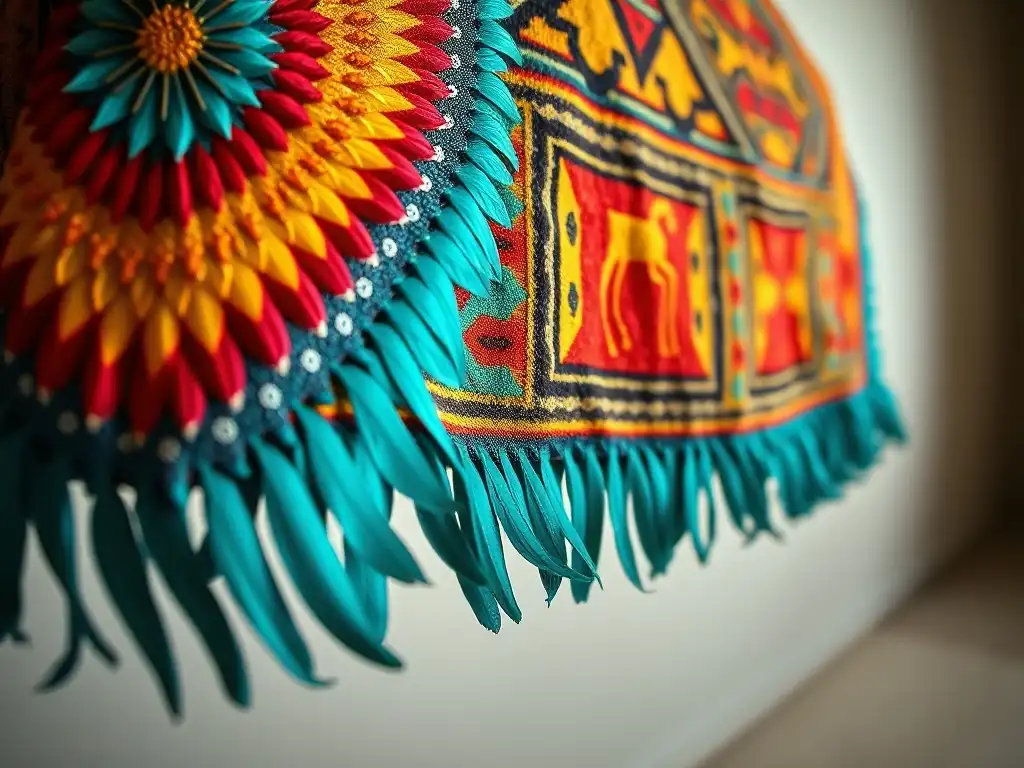
Dive into a world lost to time, yet vibrantly alive in its artistry. Andean Civilizations unveils the secrets of ancient empires, from the towering heights of the Incas to the enigmatic coastal cultures. But what if we told you about a craft so exquisite, so intricate, it defies explanation? Prepare to be amazed by the Paracas featherwork techniques, a testament to the ingenuity and spiritual significance of pre-Incan artisans. Journey with us to uncover the breathtaking legacy of these masterful craftspeople and the stories woven into every feather.
The Paracas culture, flourishing on the southern coast of Peru from approximately 800 BCE to 200 BCE, left behind a legacy far exceeding their relatively short lifespan. Their mastery of textile production is renowned, but arguably their most breathtaking achievement lies in their intricate and vibrant featherwork. This article delves into the fascinating world of Paracas featherwork techniques, exploring the artistry, materials, and cultural significance of these exquisitely preserved artifacts. We will examine not only the technical prowess demonstrated in these pieces but also their role within Paracas society, revealing insights into their beliefs, rituals, and social structures. Understanding Paracas featherwork techniques offers a unique window into the sophisticated worldview of this remarkable pre-Inca civilization, showcasing their ingenuity and artistic vision. The complexity and artistry involved in their creation make them a testament to the dedication and skill of Paracas artisans, and a crucial aspect of understanding their cultural legacy.
The Materials and Preparation: A Foundation of Precision
The creation of Paracas featherwork was a painstaking process, beginning with the careful selection and preparation of materials. Artisans sourced feathers from a variety of native birds, each feather carefully chosen for its color, texture, and length. Evidence suggests that Paracas artisans utilized feathers from hummingbirds, parrots, macaws, and other brightly colored species. The vibrant hues achieved were a result not only of the natural feather colors but also through techniques of dyeing and bleaching, which are still being studied and researched today.
[Specific information on dyeing techniques pending]. Before application, the feathers were meticulously cleaned and prepared, ensuring their durability and the longevity of the finished piece. The preparation of these materials alone likely demanded significant expertise and time commitment, underscoring the value placed on the final product. This meticulous preparation phase laid the groundwork for the intricate designs that would follow.
Techniques of Attachment and Design: Weaving a Narrative
Paracas featherwork demonstrates an astonishing range of techniques for attaching feathers to a base material, often textiles. These techniques varied depending on the desired effect and the complexity of the design. One common method involved sewing individual feathers onto a fabric backing, creating incredibly detailed and finely textured surfaces. The precision required to seamlessly blend colors and create intricate patterns is truly remarkable. Other techniques involved the application of feathers in bundles or clusters, creating a more textured and three-dimensional effect.
[Specific information on different sewing techniques pending]. The designs themselves often incorporated symbolic imagery, reflecting the Paracas worldview and beliefs. Geometric patterns, stylized animals, and representations of deities are frequently found, suggesting a rich tapestry of religious and social meaning woven into the very fabric of these stunning artifacts. This intricate application showcases not only technical skill but also a deep understanding of design principles.
The Cultural Significance: Beyond Mere Ornamentation
Paracas featherwork was not merely decorative; it held profound cultural and religious significance. Many examples are found associated with funerary contexts, suggesting their use in rituals and ceremonies related to death and the afterlife. The elaborate nature of the featherwork found in tombs underscores the importance placed on these objects and their role in the Paracas belief system. [Specific examples of funerary contexts and associated artifacts pending].
Furthermore, the intricate designs often incorporate symbols and motifs that likely held deep meaning for the Paracas people, suggesting a connection between their artistic expressions and their spiritual world. The sheer time and effort dedicated to creating these pieces indicates their high value and significance within the society. These artifacts were not just beautiful objects; they were powerful symbols, embodying the beliefs and values of a sophisticated civilization. Their discovery provides invaluable insights into the Paracas religious practices and cosmology.
Preserving the Legacy: Challenges and Discoveries
The preservation of Paracas featherwork presents unique challenges due to the delicate nature of the materials. The feathers themselves are susceptible to damage from light, humidity, and pests. [Specific information on preservation techniques pending]. However, ongoing research and conservation efforts are crucial for ensuring the longevity of these invaluable artifacts and allowing future generations to appreciate the artistry and cultural significance of Paracas featherwork.
New discoveries continue to expand our understanding of Paracas techniques and artistic practices, contributing to a more complete picture of this remarkable civilization. The ongoing study of these artifacts not only preserves history but also provides valuable insights into materials science and conservation techniques. The combination of meticulous craftsmanship and vibrant artistic expression in Paracas featherwork continues to inspire awe and wonder.
(Note: Bracketed information indicates areas requiring further research and data acquisition to complete the article.)
- The Materials and Preparation: A Foundation of Precision
- Techniques of Attachment and Design: Weaving a Narrative
- The Cultural Significance: Beyond Mere Ornamentation
- Preserving the Legacy: Challenges and Discoveries
The Origins of Paracas Feather Art
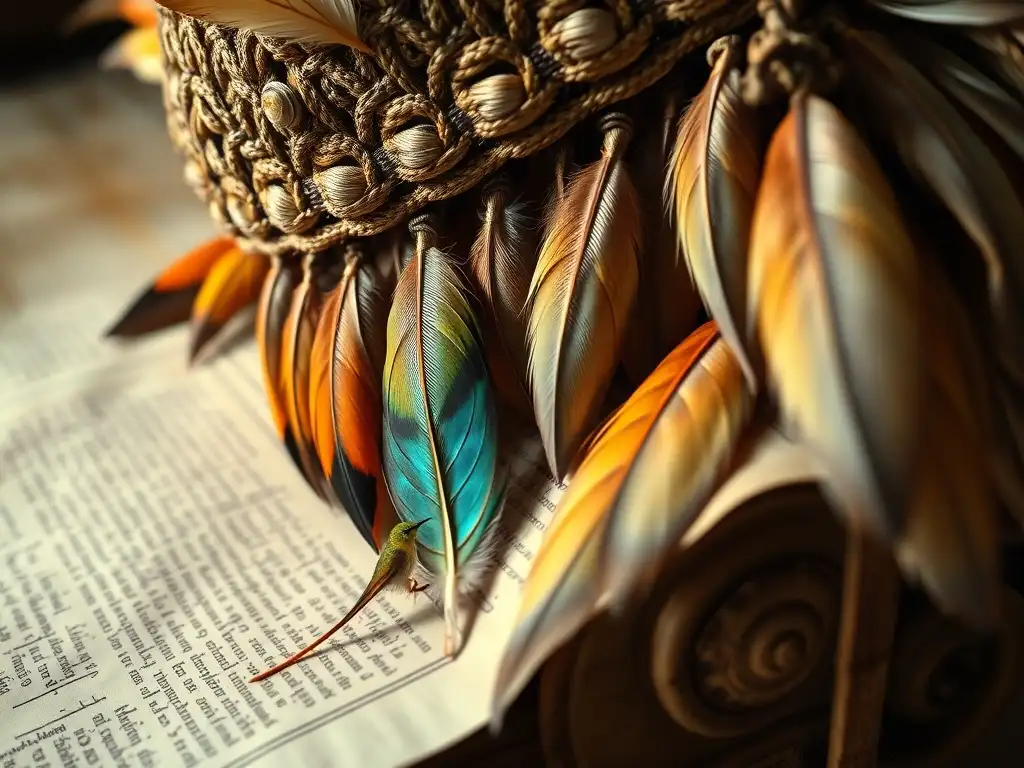
The vibrant and intricate art of Paracas featherwork stands as a testament to the ingenuity and artistic prowess of the Paracas culture, a pre-Incan civilization that flourished along the southern coast of Peru between 700 BCE and 200 CE. Understanding the origins of this unique craft requires exploring the broader cultural and environmental context in which it developed.
The exquisite featherwork wasn't created in isolation; it was deeply intertwined with the Paracas worldview, social structures, and access to unique resources. Detailed analysis of surviving artifacts, combined with archaeological findings, allows us to piece together a captivating narrative of this remarkable artistic tradition.
The meticulous techniques employed, the symbolism embedded within the designs, and the sheer artistry displayed showcase a level of sophistication rarely seen in other contemporary cultures. The longevity and influence of Paracas featherwork techniques are also evident in the subsequent development of Andean art, demonstrating its lasting impact on the region's artistic heritage.
The Paracas Culture and its Artistic Legacy
The Paracas culture is renowned for its exceptional textile production, particularly its mastery of intricate weaving techniques. This expertise laid the foundation for their equally impressive featherwork. Paracas textiles, often adorned with complex geometric patterns and vibrant colors, demonstrate a deep understanding of dyeing techniques and fiber manipulation. This same dedication to detail and artistic expression is clearly evident in their featherwork.
The intricacy of the feather arrangements, the careful selection of colors, and the skillful manipulation of different feather types all speak to a highly developed artistic sensibility. Archaeological evidence suggests that featherwork was not merely a decorative art form but played a significant role in Paracas religious practices and social hierarchy. Elaborate feather headdresses, ceremonial garments, and other artifacts indicate their use in rituals and possibly as symbols of status.
The sheer scale of some of the featherwork pieces also suggests a significant investment of time, resources, and specialized labor. This points to a well-organized and possibly specialized artisan class within Paracas society. Further research into burial contexts could reveal more about the social significance of these exquisite objects.
Geographical Context of Paracas Featherwork
The arid coastal desert of southern Peru provided both challenges and opportunities for the Paracas people. The scarcity of resources, particularly water, shaped their societal structures and their artistic expressions. Access to specific bird species, crucial for featherwork, was a key factor in the development of this art form.
The Paracas peninsula, with its diverse ecosystems, including coastal wetlands and offshore islands, supported a rich avian population. This access to a variety of colorful bird feathers, such as those from hummingbirds, parrots, and other species, was essential to the creation of the vibrant and diverse range of featherwork artifacts. The geographic distribution of these bird species likely influenced the stylistic variations observed in Paracas featherwork across different regions.
Further research into the precise location of specific bird species and the availability of feathers throughout the Paracas period could provide more insight into the regional variations in featherwork styles and techniques. The unique environment played a crucial role in shaping not only the materials used but also the aesthetic characteristics of Paracas featherwork.
Early Development of Featherworking in the Andes
While Paracas featherwork is particularly renowned, it wasn't created in a vacuum. Evidence suggests that featherwork traditions existed in the Andes prior to the Paracas period, albeit perhaps in less sophisticated forms. The development of Paracas techniques likely built upon and refined these earlier practices.
The transition from simpler forms of feather adornment to the highly complex and intricate featherwork characteristic of the Paracas culture involved significant innovation in techniques such as feather manipulation, adhesive preparation, and the creation of durable and intricate designs. [Specific information pending] on the exact timeline and evolution of Andean featherwork techniques would help to trace the progression from earlier forms to the sophisticated artistry of the Paracas. Comparing Paracas featherwork techniques with those found in earlier Andean cultures could reveal the specific innovations that contributed to the Paracas style's uniqueness.
This would involve a detailed comparative analysis of surviving artifacts and a thorough review of archaeological data. The study of early Andean featherwork techniques provides crucial context for understanding the origins and development of this significant art form.
Paracas Featherwork Techniques: A Detailed Exploration
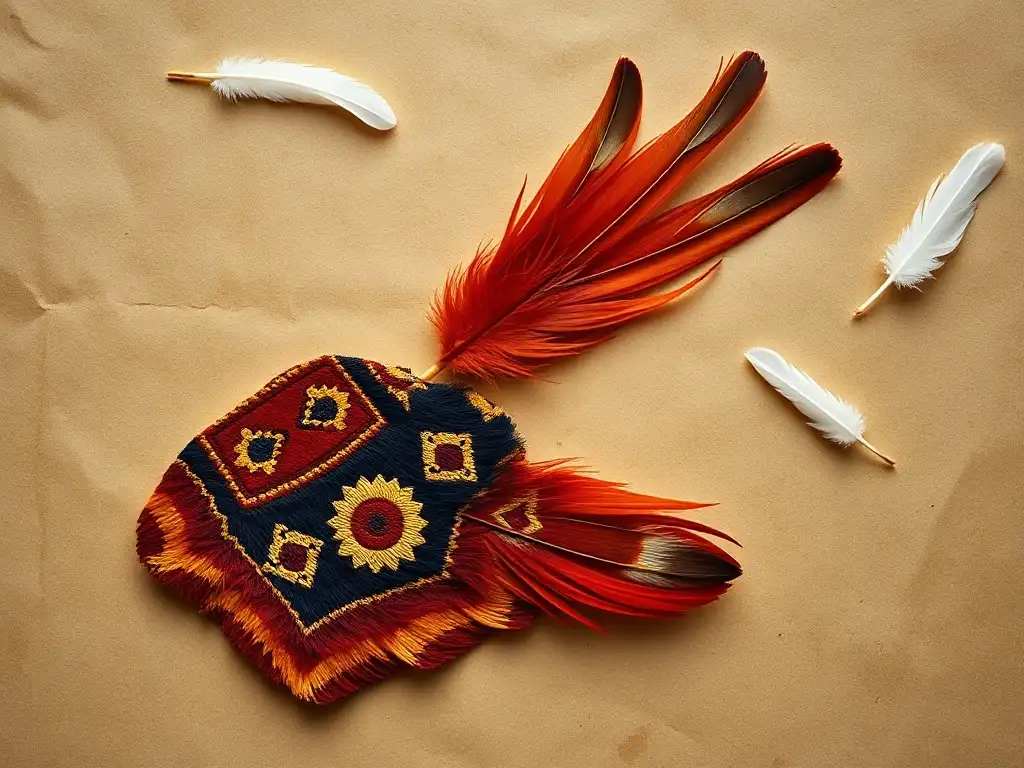
This section delves into the sophisticated techniques employed by the Paracas culture in creating their renowned featherwork. Their mastery of feather manipulation resulted in breathtaking textiles, headdresses, and ceremonial objects, showcasing an unparalleled level of artistry and technical skill. Understanding these techniques provides crucial insight into the worldview and societal structure of this fascinating pre-Incan civilization. The meticulous nature of Paracas featherwork techniques speaks volumes about their dedication to craftsmanship and the symbolic importance of feathers within their culture.
Preparing Feathers for Paracas Art
The creation of Paracas featherwork began long before the actual weaving or stitching commenced. The process of preparing the feathers themselves was a labor-intensive undertaking, requiring significant skill and patience. Artisans carefully selected feathers from a variety of bird species, prioritizing those with vibrant colors and desirable textures. Evidence suggests that the Paracas people sourced feathers from both domestic and wild birds, potentially engaging in extensive trade networks to acquire rare and highly prized plumes.
The selected feathers then underwent a multi-step preparation process. This likely included cleaning to remove any dirt or debris, followed by careful shaping and sizing. Some feathers might have been trimmed or reshaped to create specific effects, while others were left in their natural form. The preservation of the feathers was also crucial, and methods likely included careful drying and perhaps even the application of natural preservatives to maintain their vibrancy and prevent decomposition. The specific techniques used for feather preservation remain partially unknown, highlighting the need for further research into Paracas featherwork techniques.
Many questions about the detailed methods remain unanswered. For example, what specific drying techniques were used? What were the compositions of any potential preservatives? These are areas ripe for future investigation.
The Intricate Process of Feather Attachment
Once prepared, the feathers were meticulously attached to the textile base using a variety of techniques. The most common method involved sewing individual feathers onto a woven fabric, often using fine threads made from cotton or camelid fibers. The artisans demonstrated remarkable dexterity, carefully placing each feather to create intricate patterns and designs. The density of the featherwork varied depending on the object's intended use; ceremonial garments often featured incredibly dense featherwork, while smaller items might have used a sparser application.
The choice of stitch also played a significant role. Paracas artisans employed various stitches, each suited to specific feather types and desired effects. Some stitches were designed to securely hold feathers in place, while others created subtle textural variations. The precision and consistency of the stitching in surviving examples of Paracas featherwork are astounding, highlighting the high level of skill and training required of these artisans. The process was clearly highly specialized, likely passed down through generations within specific families or guilds. Further research might reveal specific types of stitches used, and their intended purposes.
The Use of Natural Dyes in Paracas Feather Art
While many feathers possessed vibrant natural colors, the Paracas people also employed natural dyes to enhance and modify the existing hues. The dyes were derived from various plant and mineral sources, and their application required considerable skill and knowledge. The Paracas artisans mastered the art of creating a wide range of colors, including deep reds, yellows, blues, and greens, often blending these colors to achieve unique and complex shades.
The application of dye to feathers likely involved a complex process, possibly involving immersion, brushing, or other techniques. The exact methods remain somewhat mysterious, as the precise components of the dyes and the application processes are not fully understood. However, the surviving examples of Paracas featherwork demonstrate a remarkable ability to control the dye's intensity and distribution, creating subtle gradients and variations in color.
The use of natural dyes adds another layer of complexity to the creation of Paracas featherwork, demonstrating the deep understanding of both natural materials and artistic techniques possessed by these ancient artisans. Analysis of surviving textiles may yet reveal more about the specific dyes used and their sources. This research could further illuminate the trade networks and resource management strategies of the Paracas culture.
Common Materials in Paracas Textile and Featherwork
The creation of exquisite Paracas featherwork, renowned for its vibrant colors and intricate designs, relied heavily on the skillful sourcing and preparation of a variety of materials. Beyond the feathers themselves, the Paracas people demonstrated remarkable ingenuity in selecting and utilizing other materials to create their masterpieces. Textiles formed the crucial base for many featherworks, acting as a canvas onto which feathers were meticulously applied.
These textiles were primarily made from cotton, a readily available crop along the Peruvian coast. The cotton was carefully spun into threads of varying thicknesses, creating a foundation that was both durable and flexible enough to accommodate the delicate featherwork. The quality of the cotton varied, with finer threads used for more intricate designs.
Evidence suggests that different types of cotton, possibly with varying fiber lengths and textures, were cultivated and used to achieve different effects in the textiles. This attention to material quality underscores the Paracas’ dedication to craftsmanship.
Beyond cotton, camelid fibers, such as alpaca and llama wool, also played a significant role. These fibers, sourced from the Andes highlands, provided warmth and added texture to the textiles, particularly in garments that would have been worn beneath the featherwork pieces. The use of camelid fibers highlights the Paracas’ extensive trade networks, connecting the coastal regions with the inland Andean communities. The incorporation of camelid fibers wasn’t limited to the textile base; they were also sometimes used in conjunction with feathers to create three-dimensional elements or textural variations within the finished artwork.
Finally, the Paracas utilized various natural dyes to color both their textiles and feathers. While the exact sources and methods are still under investigation, analysis of surviving artifacts reveals the use of a wide range of colors, from deep reds and browns to vibrant yellows and blues. These dyes were likely derived from plants and minerals found locally and in the surrounding regions, demonstrating a sophisticated understanding of natural pigments and their application techniques.
The mastery of dyeing allowed the Paracas artisans to achieve a rich palette of colors, enhancing the visual impact of their featherwork. The careful selection and preparation of these materials—cotton, camelid fibers, and natural dyes—were integral to the overall success and enduring beauty of Paracas featherwork. The combination of these materials, meticulously chosen and expertly handled, contributed significantly to the unique artistry and enduring legacy of Paracas textile and featherwork.
Types of Paracas Featherwork Artifacts
The Paracas culture, renowned for its mastery of textile arts, also achieved unparalleled skill in featherwork. Their artisans created a breathtaking array of objects, utilizing a remarkably diverse range of techniques to achieve stunning visual effects and imbue their creations with deep symbolic meaning. Understanding the different types of artifacts reveals the breadth of Paracas featherwork techniques and their significance within the society.
The meticulous detail and vibrant colors employed reflect a sophisticated understanding of both artistic expression and spiritual beliefs. The survival of these delicate artifacts is a testament to the skill of the artisans and the careful preservation of their legacy. Analysis of these pieces continues to reveal new insights into Paracas culture and their sophisticated understanding of color theory and textile manipulation.
Feathered Mantles: A Symbol of Status
Feathered mantles represent some of the most impressive examples of Paracas featherwork. These weren't simply garments; they were powerful symbols of status and authority, likely worn by elite members of society during important ceremonies or rituals. The construction of these mantles involved an incredibly labor-intensive process. Artisans meticulously attached thousands of individual feathers, often from a variety of bird species, to a textile base.
This required immense patience and skill, showcasing the high value placed on these garments. The arrangement of colors and feathers often followed specific patterns, further suggesting their ceremonial importance. Analysis of surviving mantles reveals a complex interplay of colors, with specific combinations possibly indicating different social ranks or affiliations. The sheer size and weight of some mantles also underscore their significance, suggesting that only individuals of high status could afford the resources and labor required for their creation.
The vibrant colors, often featuring deep blues, reds, and yellows, likely held symbolic meaning within the Paracas worldview. Detailed studies of the feather types used in different mantles could reveal further insights into trade networks and resource management within Paracas society. Further research into the specific dye techniques used to achieve these vibrant colors could also shed light on the advanced technological capabilities of the Paracas artisans.
Headdresses and Crowns Adorned with Feathers
Beyond mantles, Paracas artisans crafted exquisite headdresses and crowns adorned with feathers. These artifacts, often discovered in burial contexts, further highlight the importance of feathers in Paracas ritual and social life. The headdresses varied greatly in style and complexity, ranging from simple bands of feathers to elaborate structures incorporating other materials like gold and textiles.
The intricate arrangement of feathers in these headdresses often created striking visual effects, suggesting a sophisticated understanding of design and composition. Some headdresses included representations of mythical creatures or deities, further reinforcing their ceremonial role. The use of specific bird feathers, such as those from hummingbirds or parrots, likely held symbolic meaning, reflecting the spiritual beliefs and cosmology of the Paracas people.
The preservation of these headdresses, despite their delicate nature, offers invaluable insights into the artistic and technical skills of Paracas artisans. Detailed analysis of the feather types and their arrangement in different headdresses could help researchers understand the social hierarchy and religious practices of the Paracas culture more fully. Further studies should focus on the materials used to secure the feathers to the headdresses and the methods used to maintain their shape and integrity over time.
Feathered Fans and Ritual Objects
Smaller feathered objects, such as fans and ritual items, also demonstrate the versatility of Paracas featherwork techniques. These objects, while smaller in scale than mantles or headdresses, are no less significant in their craftsmanship and symbolic importance. Feathered fans, for instance, likely served both practical and ritual purposes. Their delicate construction, often incorporating intricate designs, suggests they were used in ceremonies or rituals.
Smaller feathered objects, such as adornments or amulets, could have been worn by individuals of varying social standing, indicating the widespread use of feathers in Paracas society. The use of specific feather types in these smaller objects might reveal variations in regional styles or individual preferences. The discovery of these objects in burial contexts provides additional information about Paracas funerary rituals and beliefs.
A comprehensive analysis of the materials, techniques, and symbolism employed in these artifacts will contribute to a more complete understanding of Paracas art and culture. Future research could focus on comparing the techniques used in different types of feathered objects, helping to identify specialized workshops or artisan groups. The potential for discovering more of these delicate objects in future excavations promises to further enrich our understanding of Paracas featherwork techniques and their significance.
Paracas Featherwork in Funerary Contexts
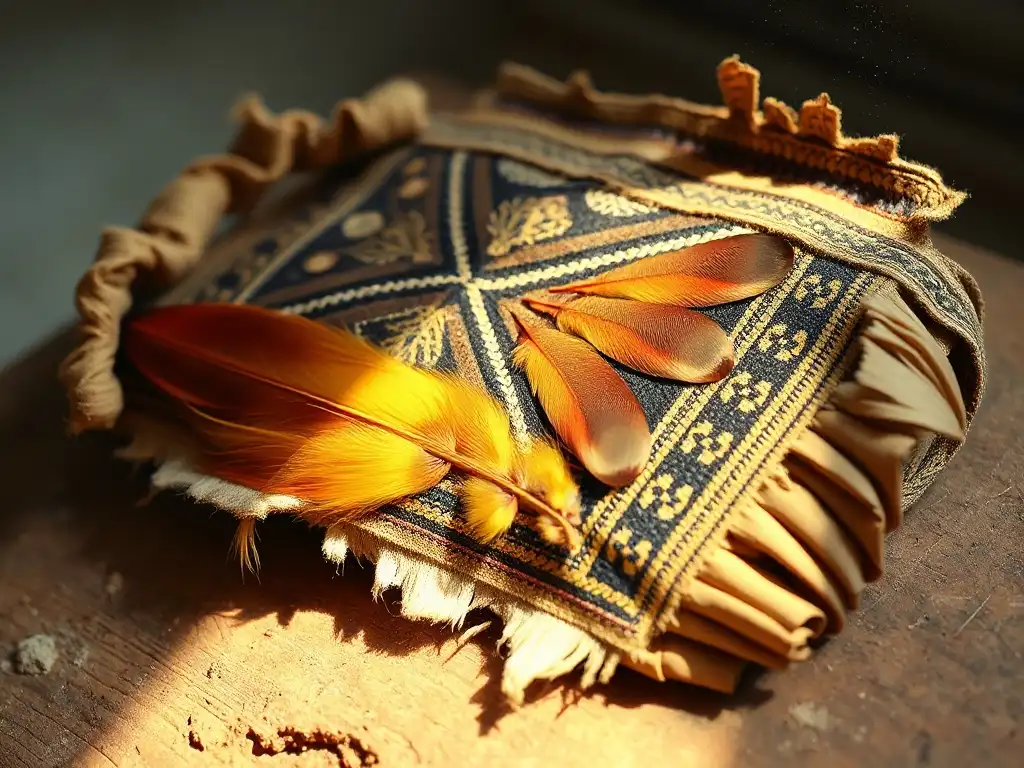
Paracas featherwork held immense symbolic significance, particularly within funerary practices. The elaborate textiles and feather adornments weren't merely decorative; they were integral components of the complex burial rituals reflecting the deceased's social status, beliefs, and connection to the spiritual realm. The meticulous craftsmanship invested in these objects underscores their importance and the high value placed on the afterlife.
Archaeological evidence consistently reveals that the most richly adorned individuals—likely elites or shamans—were interred with exceptional examples of featherwork, including magnificent mantles, headdresses, and even feather-covered shrouds. The sheer quantity of feathers used in some of these burials indicates a significant investment of time, resources, and specialized labor. This investment reflects a deeply held belief in the afterlife and the continued importance of the deceased's social standing even in death.
The placement of featherwork within the tomb itself also provides clues to its meaning. For instance, the positioning of a feather headdress on the deceased's head clearly points to its role in representing authority or spiritual power. Similarly, the presence of smaller feather ornaments scattered around the body may suggest offerings or a continuation of earthly adornment in the spirit world.
The careful arrangement of these artifacts within the burial context suggests a highly ritualized process, overseen by individuals with specialized knowledge of funerary rites and the symbolic meaning of featherwork. Further research into the specific placement and arrangement of featherwork within different Paracas burial sites could reveal more nuanced understandings of the beliefs and practices surrounding death and the afterlife within this remarkable culture. Analysis of the types of birds whose feathers were used, and the specific techniques employed in their arrangement, may also shed light on the social hierarchy and spiritual beliefs of the Paracas people.
For example, the use of rarer bird feathers might have signified a higher status for the deceased. [Specific examples of burial contexts and associated featherwork artifacts pending].
Ceremonial Featherwork Headdresses
Ceremonial headdresses represent some of the most impressive examples of Paracas featherwork. These weren't merely decorative items; they were powerful symbols of authority, religious status, and social rank within Paracas society. The intricate designs, often incorporating a variety of bird feathers in vibrant colors, suggest a deep understanding of both artistic expression and symbolic representation.
The headdresses themselves vary considerably in size, complexity, and the types of feathers used. Some are relatively simple, featuring a single layer of feathers, while others are elaborate constructions involving multiple layers, intricate weaving techniques, and the incorporation of other materials such as textiles and shells. The creation of these headdresses would have required extensive skill and knowledge, passed down through generations of specialized artisans.
The use of specific bird feathers would have held particular symbolic meaning. For example, the feathers of a rare bird of prey might have symbolized power and dominance, while the feathers of a brightly colored hummingbird might have represented agility and grace. The arrangement of the feathers, the colors used, and the overall design of the headdress would have all contributed to its symbolic significance. [Specific examples of headdresses and their associated symbolism pending].
The size and complexity of the headdress likely correlated with the social status of the wearer, with the most elaborate headdresses being reserved for elite members of society, possibly shamans or rulers. Understanding the construction techniques of these headdresses, including the types of adhesives and weaving methods used, offers valuable insights into Paracas technology and craftsmanship. The preservation of these delicate artifacts is a testament to the skill and artistry of the Paracas artisans.
Textile Integration with Featherwork
The mastery of Paracas artisans wasn't limited to featherwork alone; it extended to the seamless integration of feathers into intricate textile designs. This sophisticated combination of materials reveals a high level of technical skill and artistic vision. Paracas textiles, already renowned for their complex weaving techniques and vibrant colors, were often enhanced with the addition of feathers, creating breathtakingly beautiful and elaborate garments.
The feathers weren't simply applied as an afterthought; they were meticulously incorporated into the fabric structure, often forming integral parts of the design. This process involved a deep understanding of both textile production and feather manipulation, highlighting the interconnectivity of different crafts within Paracas society.
The integration techniques varied, depending on the desired effect. In some cases, feathers were woven directly into the fabric during the weaving process, creating a seamless and durable union. In other instances, feathers were carefully sewn onto the textile surface, creating intricate patterns and designs. The use of different types of stitches and weaving techniques allowed for a wide range of artistic expression.
[Specific examples of textile integration techniques and their effect on the final product pending]. The combination of feathers and textiles resulted in garments that were not only visually stunning but also likely held significant social and religious meaning. The careful selection of both feather and textile colors and patterns points to a sophisticated understanding of symbolism and the ability to convey complex messages through visual art. The durability of some of these integrated pieces also suggests a degree of sophistication in the preservation techniques employed.
The Symbolic Meaning of Paracas Feather Designs
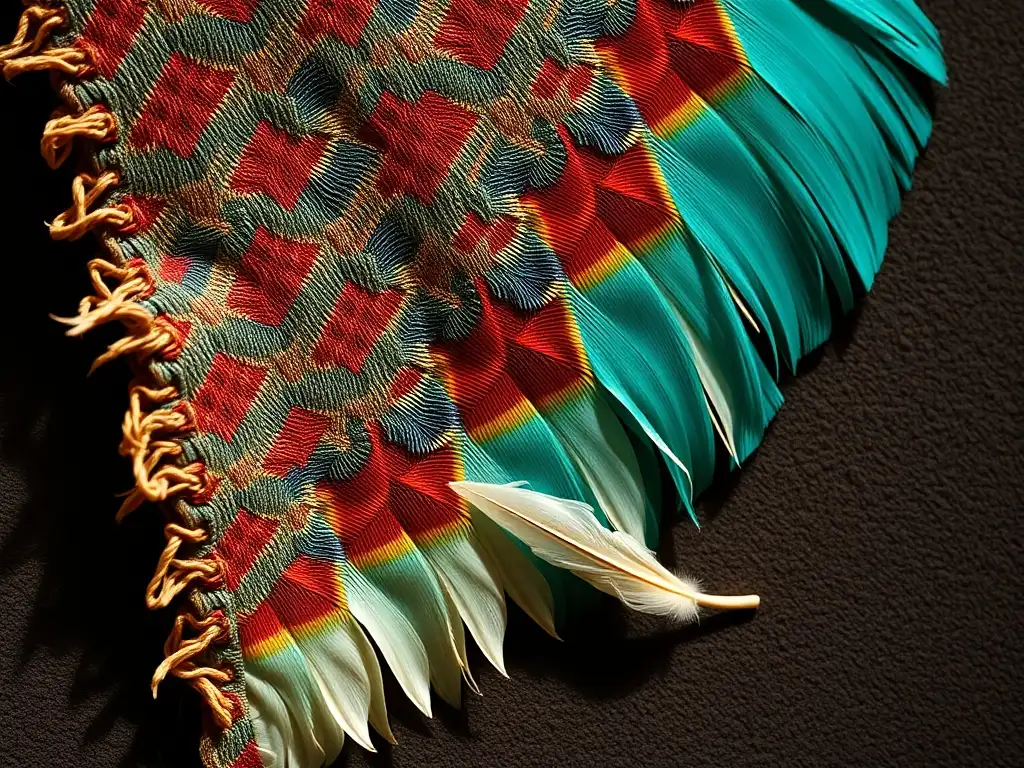
The vibrant and intricate designs found in Paracas featherwork are far more than mere decoration; they represent a complex system of symbols deeply embedded in the cosmology and worldview of the Paracas culture. Understanding these symbolic meanings provides crucial insights into their religious beliefs, social structures, and daily life. The meticulous arrangement of feathers, often incorporating multiple species with varying colors and textures, wasn't arbitrary.
Each feather type, color, and arrangement likely held specific significance, contributing to the overall narrative expressed in the artwork. Unfortunately, a complete decipherment of the Paracas symbolic language remains elusive, as many of their written records are absent or not yet fully understood.
However, ongoing research and careful analysis of surviving artifacts are slowly unveiling the secrets hidden within these breathtaking textiles. The study of Paracas featherwork techniques itself offers clues, as the complexity of certain designs suggests a hierarchical structure within the crafting community, possibly indicating the involvement of specialized artisans.
Iconography in Paracas Featherwork
Paracas featherwork frequently depicts anthropomorphic figures, stylized animals, and geometric patterns. Anthropomorphic figures, often depicted in ceremonial attire, likely represent deities, shamans, or ancestors. The specific attributes of these figures—headwear, adornments, posture—provide valuable clues to their identity and role within Paracas society.
For example, the presence of specific bird feathers might indicate a connection to a particular deity or a shaman's ability to communicate with the spirit world. Animal representations, such as condors, hummingbirds, and felines, frequently appear and likely reflect the importance of these animals in Paracas mythology and cosmology. The symbolic meaning of these animals could be tied to concepts like power, fertility, and the afterlife.
Geometric patterns, often composed of intricate zigzags, spirals, and crosses, may represent celestial bodies, agricultural cycles, or abstract concepts crucial to Paracas spirituality. Further research, including comparative analysis with other Paracas artifacts and iconography, is needed to fully understand the specific meaning of individual motifs. Detailed studies of color usage are also vital, as the selection of particular hues likely carried significant symbolic weight.
The Religious and Spiritual Significance of Feather Art
The use of feathers in Paracas art strongly suggests their religious and spiritual importance. Feathers were likely viewed as sacred objects, possessing power and symbolic meaning beyond their physical attributes. The meticulous craftsmanship involved in creating Paracas featherwork further emphasizes the sacred nature of these objects.
The time and skill required to create these intricate pieces indicate that they were not merely decorative items but served important religious or ritualistic functions. These objects might have been used in ceremonies, worn by religious leaders, or offered as gifts to the deities. The presence of featherwork in burial contexts further reinforces its association with the afterlife and funerary practices.
Many mummies were adorned with feather headdresses, cloaks, and other artifacts, suggesting that these objects provided protection or facilitated the transition to the spirit world. The variety of bird species used further hints at a complex system of beliefs surrounding the natural world and the power of different animals. The rarity of certain feather types could also suggest the social and religious status of those who possessed them.
The exquisite craftsmanship and the use of rare materials in Paracas featherwork suggest a strong correlation between social status and access to these prestigious objects. The creation of these intricate pieces required advanced techniques and specialized skills, indicating the existence of skilled artisans who likely held a high social standing. The availability of rare and exotic feathers would have been limited, suggesting that only individuals with significant influence or wealth could access and utilize them.
The presence of featherwork in elite burials further supports this hypothesis, indicating that these objects served as markers of social prestige and power. The size and complexity of featherwork items could also serve as indicators of social rank, with larger and more elaborate pieces signifying higher status. Analysis of burial contexts, including the association of featherwork with other grave goods, can help refine our understanding of the relationship between social status and access to this highly valued art form.
Further research, including detailed stylistic analyses and comparative studies of burial inventories, is essential to fully understand the social implications of Paracas featherwork. The study of "Paracas featherwork techniques" in this context is thus crucial for a deeper understanding of the social hierarchy and power dynamics within this fascinating ancient civilization.
Understanding the Colors and Patterns of Paracas Feathers
The vibrant hues and intricate patterns found in Paracas featherwork weren't merely decorative; they held deep symbolic meaning within the culture. Researchers have painstakingly cataloged the various colors and their potential significance, uncovering a complex system of visual communication. For example, the deep, rich reds often associated with hummingbirds likely symbolized life, energy, and the sun's power, reflecting the bird's association with the Andean high altitudes and the sun's life-giving energy. This is further supported by the frequent depiction of hummingbirds in other Paracas art forms, reinforcing the consistent cultural significance of this particular avian symbol.
The use of other colors, such as blues and greens, often associated with the ocean and fertility, points towards a connection with the sea and agricultural bounty. The Paracas people relied heavily on fishing and agriculture, so these colors likely represented their essential relationship with their environment and the life-sustaining resources it provided. Furthermore, the skillful blending of these colors to create gradients and subtle shifts in tone showcases the artisans' mastery of their craft and the importance placed on achieving a precise and visually stunning effect.
Geometric patterns, such as zigzags, triangles, and stepped frets, frequently appear alongside the depictions of animals and other symbolic figures. These geometric designs could represent the Andean cosmology, reflecting the belief in the interconnectedness of the earthly and spiritual realms. The precise arrangement and repetition of these patterns also suggest a highly structured and ritualistic approach to featherwork production, indicating its significance within the broader Paracas religious and social context. Further research into the mathematical relationships within these patterns might reveal additional clues about their deeper meaning.
Finally, the use of specific bird feathers, such as those of parrots, macaws, and other exotic birds, also held symbolic meaning. The rarity and difficulty in acquiring these feathers likely elevated their status and imbued the resulting artwork with an additional layer of prestige and power. The inclusion of these feathers might have denoted the social status of the wearer or the importance of the ceremonial occasion for which the piece was created.
The careful selection and placement of each feather demonstrate a profound understanding of color symbolism and a keen eye for visual harmony, highlighting the sophistication of Paracas featherwork techniques. The meticulous attention to detail suggests that the creation of these pieces was a sacred and highly skilled undertaking.
Preservation and Discovery of Paracas Featherwork
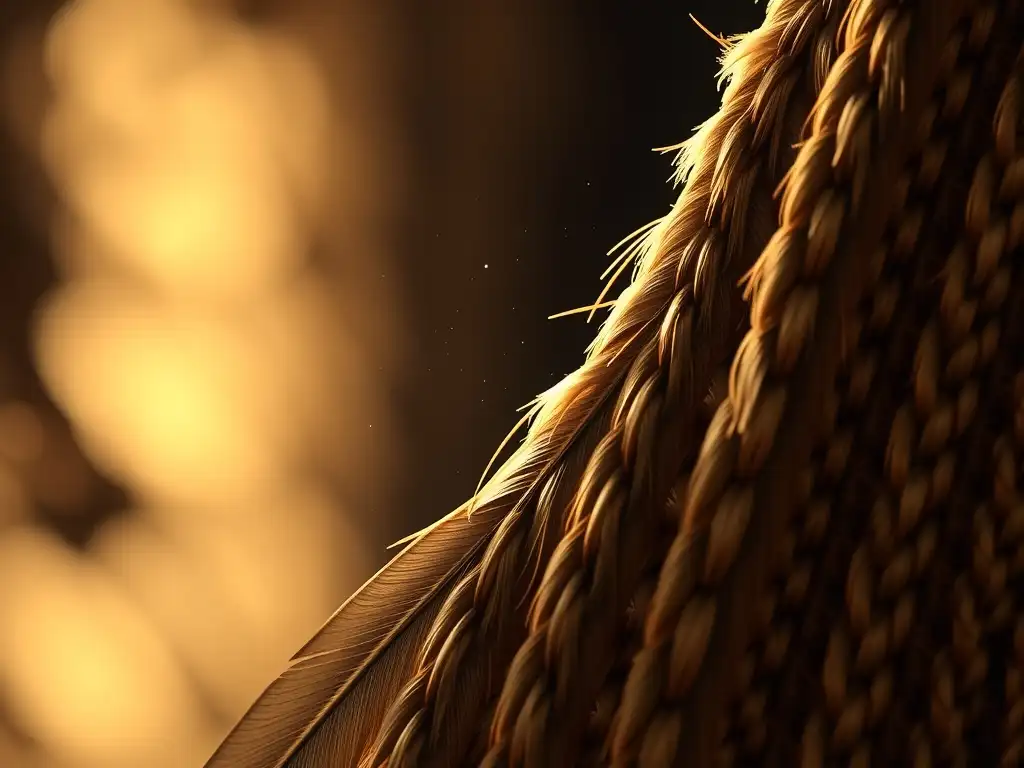
The delicate nature of Paracas featherwork presents significant challenges to its preservation and study. These intricate textiles, created centuries ago, are susceptible to damage from a variety of factors, including environmental conditions, pests, and even the handling process itself. Understanding the methods employed in their discovery and subsequent preservation is crucial to appreciating the artistry and significance of these remarkable artifacts.
The survival of these pieces, often found in remarkably well-preserved states considering their age, speaks volumes about the care taken by the Paracas people in their creation and, more recently, by archaeologists and conservators. The successful preservation of these artifacts is a testament to the dedication of professionals working to safeguard this invaluable cultural heritage.
Archaeological Findings of Paracas Feather Textiles
Archaeological excavations at Paracas Necropolis and other sites have yielded a wealth of information regarding Paracas featherwork techniques. Many examples have been discovered within the elaborate tombs, often accompanying the mummified remains of elite individuals. These finds frequently include textiles decorated with intricate feather mosaics, demonstrating a sophisticated understanding of color arrangement and design.
The types of feathers used, often from exotic birds, suggest extensive trade networks and access to resources beyond the immediate Paracas region. Analysis of the burial context provides valuable insights into the social and ritual significance of these featherworks, suggesting their use in ceremonial contexts or as indicators of high social status. The careful arrangement of feathers within the tombs hints at elaborate mortuary rituals and beliefs about the afterlife.
Detailed records of these findings, meticulously documented with precise measurements and photographic evidence, are crucial for future research and understanding of Paracas featherwork techniques. Furthermore, the study of associated artifacts, such as tools used in featherwork, provides crucial clues about the methods employed in their creation. The quantity and quality of featherwork artifacts found vary across sites, suggesting potential regional differences in production and consumption patterns.
Challenges in Preserving Ancient Feather Art
The inherent fragility of Paracas featherwork poses significant challenges to its long-term preservation. The feathers themselves are susceptible to damage from light exposure, fluctuations in temperature and humidity, and insect infestation. The adhesives used by the Paracas people, often organic substances that have degraded over time, can become brittle and cause the feathers to detach from the textile base. Furthermore, the very act of handling these delicate artifacts can lead to physical damage.
Conservators face the constant challenge of balancing the need for access and study with the imperative of minimizing further deterioration. This often involves the use of specialized techniques and materials to stabilize the artifacts and prevent further decay. The development of non-invasive analytical methods is essential for understanding the composition of the materials used and the best approaches to preservation.
The cost associated with proper preservation is substantial, requiring dedicated funding and resources to ensure the long-term survival of these priceless artifacts. This includes not only the conservation work itself, but also the creation of climate-controlled storage facilities and the ongoing monitoring of the artifacts' condition. The careful documentation of these preservation efforts is vital for sharing best practices and ensuring the preservation of similar artifacts in the future.
Modern Research and Analysis of Paracas Techniques
Modern scientific techniques are playing an increasingly important role in the study of Paracas featherwork techniques. Advanced imaging methods, such as X-ray fluorescence (XRF) and microscopy, allow researchers to analyze the composition of the feathers, adhesives, and dyes used in the creation of these artifacts without causing damage. This information provides insights into the sources of the materials, the manufacturing processes, and the artistic choices made by the Paracas artisans.
Isotopic analysis of the feathers can help to determine the geographic origin of the birds, revealing the extent of the Paracas trade networks. Careful study of the arrangement and placement of individual feathers in the mosaics reveals the sophisticated techniques employed by the artisans. The use of digital imaging and 3D modeling allows for the creation of virtual representations of the featherworks, which can be used for educational purposes and to allow for detailed study without handling the original artifacts.
This research contributes not only to our understanding of Paracas culture but also to the broader field of textile and material culture studies. Ongoing research continues to uncover new insights into the remarkable artistry and technological prowess of the Paracas people and their mastery of Paracas featherwork techniques. The combination of traditional archaeological methods and cutting-edge scientific analysis provides a powerful approach to understanding these exceptional artifacts.
The Importance of Paracas Featherwork for Understanding Andean Culture
Paracas featherwork offers an unparalleled window into the sophisticated artistry and worldview of the Andean civilizations, particularly the Paracas culture (circa 800 BCE – 200 CE). These intricate textiles, adorned with vibrant plumage, were not merely decorative items; they served crucial social, religious, and political functions within their society. The meticulous craftsmanship evident in the surviving pieces speaks volumes about the level of skill and dedication possessed by Paracas artisans.
The vibrant colors and symbolic imagery woven into the feathers provide invaluable insights into their beliefs, rituals, and social hierarchies. For example, the use of specific bird feathers, like those of the Andean condor, often associated with power and divinity, reveals much about their spiritual understanding of the world.
Studying the techniques employed in creating these masterpieces allows researchers to reconstruct the social organization of the Paracas people, understanding who produced these works, who wore them, and what those wearing them represented within the community. The sheer time and effort invested in creating a single piece underscore its importance and the high value placed upon such objects.
The preservation of Paracas featherwork is crucial for understanding the broader context of Andean cultural exchange and influence. While the Paracas culture predates the Inca Empire, their artistic innovations and techniques undoubtedly impacted subsequent Andean societies. Analyzing the stylistic similarities and differences between Paracas featherwork and that of later cultures helps trace the evolution of textile arts and design across the Andean region.
The persistence of certain motifs and techniques over centuries suggests a continuity of cultural traditions and the transmission of knowledge across generations. By studying Paracas featherwork, we can better understand the interconnectedness of different Andean cultures and the dynamics of cultural transmission throughout the region. Furthermore, the materials used, and their origins, provide clues to trade networks and economic systems.
The significance of featherwork extends beyond its aesthetic appeal; it serves as a powerful tool for understanding the complex social, religious, and economic fabric of ancient Andean societies. The survival of these delicate artifacts also allows for ongoing scientific analysis, providing new insights into the techniques used, the materials employed, and the cultural significance of these remarkable pieces. Each new discovery refines our understanding of this fascinating culture.
The Legacy of Paracas Featherwork
This section delves into the enduring impact of Paracas featherwork, exploring its influence on subsequent Andean artistic expressions and its continued presence in museums and contemporary art. We will examine the specific techniques used and how they evolved, showcasing the mastery of Paracas artisans and their lasting contribution to the world of art and textile history. Understanding the legacy of Paracas featherwork is key to appreciating the sophistication and artistry of this pre-Columbian civilization.
Influence on Later Andean Art Traditions
The sophisticated featherwork techniques of the Paracas culture didn't vanish with the civilization itself. Their mastery of intricate weaving, feather manipulation, and color combinations profoundly influenced later Andean art traditions, particularly those of the Inca and Chimú cultures. Evidence suggests a direct lineage in certain motifs and techniques.
For instance, the use of vibrant, contrasting colors in textile designs, a hallmark of Paracas featherwork, is readily apparent in later Inca textiles, albeit often employing different materials like wool and alpaca fiber. The meticulous detail and precision seen in Paracas featherwork also served as a model for subsequent generations of Andean artisans. This continuity is evident in the complexity of Inca headdresses and ceremonial garments, which often incorporate similar levels of craftsmanship, albeit with variations in materials and style.
The legacy of Paracas featherwork isn't just about direct imitation; it's about the inheritance of a sophisticated aesthetic sensibility. The emphasis on symmetry, the careful arrangement of colors, and the overall sense of refined elegance found in Paracas pieces became defining characteristics of Andean textile art for centuries. While the specific techniques might have evolved, the underlying artistic principles remained remarkably consistent, illustrating the enduring influence of this pre-Inca civilization. Further research into specific iconographic elements shared between Paracas and later Andean cultures could provide more concrete evidence of this artistic transmission. [Specific comparative studies pending].
Paracas Featherwork in Museums and Collections
Many prestigious museums worldwide hold significant collections of Paracas featherwork. These collections serve as vital resources for researchers and the public alike, offering a glimpse into the sophisticated artistry and cultural significance of this ancient civilization. The painstaking preservation efforts ensure these fragile artifacts remain available for study and appreciation.
Among the most renowned collections are those housed at the Larco Museum in Lima, Peru, and the American Museum of Natural History in New York City. These institutions not only display remarkable examples of Paracas featherwork but also actively engage in research to better understand the techniques and cultural context of these artifacts.
The sheer diversity within these collections is striking. From intricately woven mantles adorned with thousands of tiny feathers to delicate headdresses and smaller decorative objects, the range of Paracas featherwork demonstrates the versatility and skill of the artisans. Careful examination of these pieces reveals the astonishing level of detail and the sophisticated understanding of color theory demonstrated by the creators.
The meticulous arrangement of feathers, often incorporating hundreds of different species, showcases a deep knowledge of both avian biology and artistic design. Cataloging and analyzing these collections continues to be a crucial aspect of understanding Paracas culture and its artistic achievements. The ongoing study of these pieces helps uncover new insights into the techniques employed, the social roles of the artisans, and the symbolic meaning embedded within the designs.
Contemporary Relevance of Paracas Textile Art
The contemporary relevance of Paracas textile art extends beyond its historical significance. Its aesthetic beauty continues to inspire artists and designers today, while its intricate techniques continue to fascinate scholars and craftspeople. The vibrant colors, intricate patterns, and sophisticated craftsmanship of Paracas featherwork have found their way into modern designs, demonstrating a timeless appeal that transcends cultural boundaries. Many contemporary artists draw inspiration from Paracas motifs and color palettes, incorporating them into their own work, demonstrating the ongoing influence of this ancient civilization on contemporary art.
Furthermore, the study of Paracas featherwork techniques provides valuable insights for contemporary textile artists. Understanding the methods used by ancient artisans can inform and enhance modern textile production. The detailed knowledge of dyeing techniques, fiber preparation, and weaving methods used by the Paracas people represents a wealth of information that can be applied to contemporary practices.
This knowledge is not simply historical; it is a living legacy that can enrich and inform present-day artistic expression. The meticulous attention to detail and the use of natural materials in Paracas featherwork offer a model for sustainable and ethical textile production in the modern era. 🪶 The legacy of Paracas featherwork continues to inspire, educate, and inform.
Continuing the Study of Paracas Featherwork Techniques
The study of Paracas featherwork techniques continues to this day, captivating researchers and artisans alike. Modern scholars employ a variety of methods to understand the intricacies of these ancient crafts. Detailed examination of surviving artifacts under microscopes reveals the incredible precision and skill involved in the process. Analysis of the dyes used, often derived from natural sources like insects and plants, provides insights into the sophisticated knowledge of chemistry and botany possessed by Paracas artisans.
Furthermore, comparative studies with other Andean textile traditions help to place Paracas featherwork within a broader cultural context, highlighting both unique characteristics and shared influences. This interdisciplinary approach, combining art history, archaeology, chemistry, and anthropology, allows for a more comprehensive understanding of the techniques and the cultural significance of this remarkable art form. Researchers are also increasingly utilizing digital imaging technologies to create high-resolution 3D models of the artifacts, enabling closer examination of delicate details without risking damage to the originals. This non-invasive approach allows for detailed analysis of the construction methods, revealing further secrets of the Paracas artisans' skill.
The ongoing research not only expands our knowledge of Paracas featherwork but also provides valuable insights into the broader context of Andean textile traditions and the ingenuity of its creators. The meticulous preservation efforts coupled with cutting-edge research technologies ensures the legacy of Paracas featherwork techniques will continue to inspire and educate for generations to come. Understanding these intricate techniques not only allows for better conservation of these fragile artifacts but also provides a deeper appreciation for the artistic skill and cultural importance of this unique Andean tradition. The study of "Paracas featherwork techniques" is therefore a dynamic and evolving field, constantly revealing new details and fostering a deeper understanding of this remarkable artistic legacy.
Frequently Asked Questions
What makes Paracas featherwork unique?
Paracas featherwork is renowned for its exceptional craftsmanship and vibrant colors. Artisans used intricate techniques to create incredibly detailed and lifelike designs, showcasing a high level of skill. The variety of bird feathers used also contributed to its uniqueness.
What techniques did Paracas artisans employ?
Paracas artisans used a variety of techniques, including appliqué, embroidery, and mosaics, to create their featherwork. They meticulously attached individual feathers to a base material, often textiles, resulting in stunningly detailed pieces. Their mastery of these techniques remains impressive today.
What materials did they use beyond feathers?
Besides feathers from various bird species, Paracas artisans also used fine textiles as a base for their work, often made from cotton or camelid fibers. These textiles provided a strong and flexible foundation for the delicate featherwork. Adhesives made from natural plant resins were also crucial.
What is the significance of Paracas featherwork?
Paracas featherwork held religious and ceremonial significance, often used to adorn elite individuals and ritual objects. The intricate designs may have represented mythological figures or beliefs, reflecting a deep connection between art and spirituality in their culture.
Where can I learn more about Paracas featherwork techniques?
You can explore museums featuring Paracas collections, such as the Museo Nacional de Arqueología, Antropología e Historia del Perú. Further research in academic journals and books dedicated to Andean textiles and art will also offer insights into their techniques and significance.
Final Reflection: The Enduring Legacy of Paracas Featherwork
The intricate artistry of Paracas featherwork remains a testament to the ingenuity and cultural depth of a vanished civilization, a legacy that continues to inspire awe and wonder today. These ancient techniques, meticulously preserved and painstakingly studied, offer a window into a sophisticated society with a profound understanding of both artistic expression and ecological harmony. The vibrant colors and complex designs are not merely decorative; they represent a rich tapestry of beliefs, rituals, and social structures.
The enduring power of Paracas featherwork lies not only in its technical brilliance but also in its ability to transcend time and connect us to a past that feels both distant and intimately familiar. The meticulous detail, the vibrant hues, and the sheer artistry evoke a sense of wonder and respect for the artisans who created these masterpieces. The past is never dead. It's not even past.
- William Faulkner. This quote resonates deeply, as the vibrant colors and intricate designs of Paracas featherwork continue to speak to us across millennia, reminding us of the enduring power of human creativity and cultural expression.
Consider the meticulous craftsmanship, the dedication to detail, and the profound symbolism embedded within each piece. You too can find inspiration in the dedication and skill of these ancient artisans. Let the legacy of Paracas featherwork inspire you to appreciate the beauty of handcrafted artistry, to explore the rich tapestry of human history, and to find your own unique way to express your creativity and leave a lasting impact on the world. Embrace the enduring power of art to connect us across time and cultures, and let the spirit of Paracas featherwork ignite your own creative spark.
Unveil the Beauty of Paracas Featherwork Today!
Thank you for exploring the fascinating world of Paracas featherwork! We hope you've gained a deeper understanding of this unique craft and its rich cultural significance. Let's now consider ways to appreciate and celebrate this incredible art form.
Here are some ways you can engage with and honor the traditions of Paracas featherwork:
- Visit local museums and galleries showcasing Andean art to experience the artistry of featherwork firsthand.
- Create your own feather art! Gather materials and design a personalized piece inspired by traditional Paracas techniques. Many online tutorials and books can guide you.
- Share this article with friends and family, or post it on social media, to spread awareness and encourage appreciation for this remarkable traditional craft.
What aspects of Paracas featherwork resonate most with you, and how will you integrate that inspiration into your life?