
Chavín's Influence on Moche Culture: The Artistic Lineage

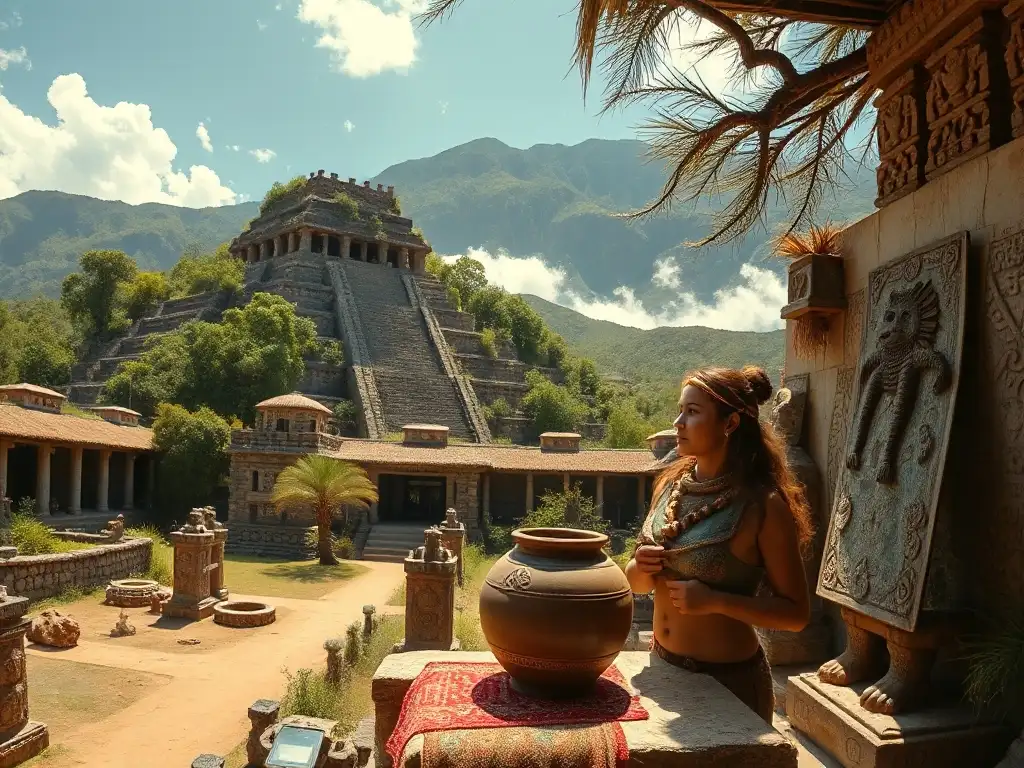
Unravel the mysteries of a lost world, where vibrant artistry and powerful empires thrived amidst the towering Andes. Journey with us through the captivating tapestry of ancient Andean civilizations, discovering the intricate threads that connect them. Prepare to be amazed by the profound Chavín Moche artistic influence, a legacy woven into the very fabric of coastal Pre-Incan cultures. Dare to delve deeper and uncover the secrets waiting within...
The Chavín culture, flourishing in the Andes between 900 and 200 BCE, left an indelible mark on subsequent Andean civilizations. Its artistic innovations, particularly its distinctive iconography and stylistic choices, reverberated across vast geographical areas and significantly influenced the development of later cultures.
This article explores the profound artistic lineage connecting the Chavín and Moche cultures, focusing on how Chavín artistic motifs and techniques were adopted, adapted, and ultimately transformed by the Moche, a powerful coastal civilization that rose to prominence centuries later. We will delve into specific examples, highlighting the continuities and discontinuities in artistic expression, demonstrating the complex interplay of cultural exchange and independent innovation that shaped Moche art.
Understanding this artistic lineage provides crucial insights into the dynamic nature of Andean cultural development and the enduring legacy of the Chavín artistic tradition. The keyword "Chavín Moche artistic influence" will be explored in detail throughout this analysis, revealing the subtleties and nuances of this significant cultural relationship.
Understanding the Chavín Culture and its Art
The Chavín culture, centered in the northern Andes of modern-day Peru, is renowned for its sophisticated artistic achievements. Chavín art is characterized by a unique blend of stylistic elements, including its iconic feline and serpent motifs, often depicted in a highly stylized and often terrifying manner. These representations frequently feature intricate geometric patterns, zoomorphic forms, and a complex iconography that continues to fascinate scholars. The Chavín artists were masters of stone carving, creating monumental sculptures and intricately decorated ceramics. Their mastery of different materials and techniques, such as the use of obsidian and the intricate process of hammering and polishing stone, demonstrates a high level of technical skill and artistic sophistication. The use of hallucinogenic plants in religious rituals is believed to have heavily influenced the themes and imagery found in Chavín art. This is reflected in the often-distorted and supernatural representations of animals and human figures. The impact of their art extended far beyond their immediate geographical area, making it a significant influence on later Andean cultures, including the Moche. The artistic legacy of Chavín can be seen in the materials used, the stylistic conventions, and the underlying symbolic language employed.
The Rise of Moche Culture: A New Artistic Expression
The Moche civilization, flourishing on the northern coast of Peru between 100 and 800 CE, developed a vibrant and distinctive artistic tradition. While exhibiting its own unique characteristics, Moche art shows clear evidence of Chavín influence. However, the Moche did not simply copy Chavín styles; they adapted and transformed them, creating a distinctive artistic vocabulary. For instance, while both cultures utilized feline imagery, the Moche depictions often portray a more dynamic and naturalistic rendering, sometimes incorporating elements of human features, creating hybrid beings.
The Moche were particularly skilled in ceramics, producing exquisite pottery depicting a wide range of scenes, including ritual ceremonies, warfare, and everyday life. These ceramics often feature elaborate polychromy and intricate details, showcasing a remarkable level of technical proficiency. The Moche also excelled in metalwork, creating sophisticated gold and silver artifacts. The artistic innovations of the Moche, while building upon the foundations laid by Chavín, represent a significant evolution and a unique cultural expression.
The adoption and adaptation of Chavín artistic elements demonstrate a complex process of cultural exchange and the creative appropriation of existing traditions. The stylistic differences, however, also highlight the Moche's capacity for independent artistic innovation and the development of their own distinct aesthetic. The comparison between Chavín and Moche art clearly shows a direct line of artistic influence, while simultaneously emphasizing the Moche's unique artistic identity.
- What is the main focus of this article?
- How did the Chavín culture influence Moche art?
- What specific artistic elements were shared between Chavín and Moche cultures?
- Were there any differences between Chavín and Moche artistic expressions?
- Why is studying the Chavín influence on Moche art important?
Tracing Chavín's Artistic Legacy in Moche Art
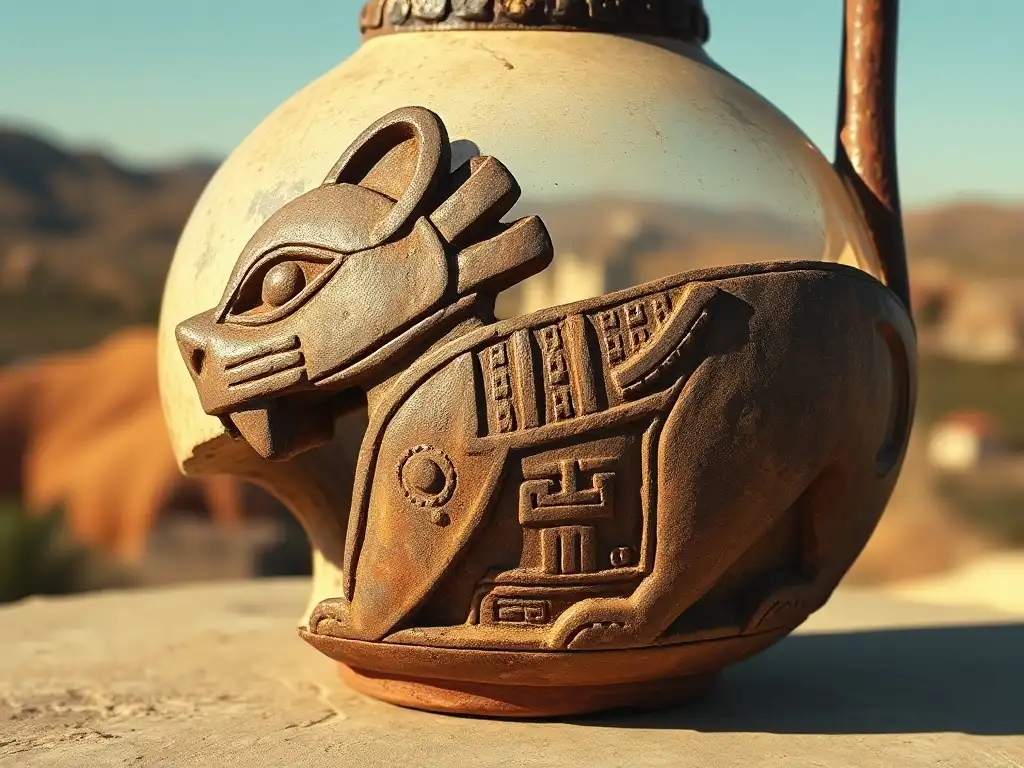
The Chavín culture, flourishing from approximately 900 to 200 BCE in the Andes, left an indelible mark on subsequent Andean societies. Its artistic innovations, particularly its distinctive iconography and stylistic choices, profoundly influenced the Moche culture, a civilization that thrived on the northern coast of Peru between 100 and 800 CE. Understanding this artistic lineage is crucial to appreciating the complexity and interconnectedness of pre-Columbian Andean civilizations and their rich artistic heritage.
The "Chavín Moche artistic influence" is not merely a stylistic borrowing; it represents a complex transmission of ideas, beliefs, and artistic practices, reflecting potential cultural exchange or even dominance. This section will explore specific examples of this influence across various artistic mediums.
The Influence of Chavín Iconography on Moche Ceramics
Moche ceramics are renowned for their vibrant colors, intricate details, and realistic depictions of daily life, mythology, and ritual practices. However, a closer examination reveals subtle yet significant echoes of Chavín artistic conventions. The use of specific motifs, such as the feline deity (often depicted with fangs, a staring gaze, and sometimes a headdress), and the stylized depiction of snakes and birds, show a clear connection to Chavín iconography.
For example, many Moche vessels feature representations of powerful figures with feline features, mirroring the central deity of the Chavín pantheon. While Moche artists adapted these motifs to their own stylistic preferences—introducing more naturalistic details and dynamic compositions—the underlying iconographic elements remain unmistakably Chavín in origin. The stylistic evolution is evident; the rigid formality of Chavín iconography gives way to the more fluid and expressive style characteristic of Moche art, but the fundamental motifs persist.
This suggests a process of cultural transmission and adaptation, rather than a simple imitation. Further research could quantify the frequency of specific Chavín-derived motifs in Moche ceramics to provide a more statistically robust understanding of the extent of this influence. [Specific data on frequency of Chavín motifs in Moche ceramics pending].
Chavín Art Motifs in Moche Textiles and Weaving
While less extensively studied than Moche ceramics, surviving examples of Moche textiles also reveal the enduring influence of Chavín artistic traditions. The intricate weaving techniques and the use of specific symbolic motifs suggest a clear artistic lineage. Unfortunately, the fragility of textile materials means that many examples have not survived the passage of time, limiting our understanding.
Nevertheless, available evidence points towards the use of similar color palettes and stylistic elements found in Chavín textiles, albeit adapted to the Moche context. For instance, the use of geometric patterns alongside stylized representations of animals, especially felines and birds, is commonly observed in both Chavín and Moche textiles. The techniques themselves, such as the use of complex interlocking designs and the incorporation of multiple colors, also suggest a connection.
Further research into the surviving fragments and the analysis of their weaving techniques could provide valuable insights into the nature and extent of Chavín influence on Moche textile production. [Detailed analysis of surviving Moche textiles and comparison with Chavín textiles pending].
Architectural Echoes: Chavín Influence on Moche Building Practices
The monumental architecture of Chavín de Huántar, with its intricate maze-like structures and its emphasis on subterranean spaces, stands in stark contrast to the predominantly adobe architecture of the Moche. However, subtle architectural echoes of Chavín principles can be identified in certain Moche structures. While the scale and materials differ significantly, some researchers suggest that the Moche might have adopted certain spatial organization principles from Chavín.
For example, the use of raised platforms and enclosed plazas in some Moche ceremonial centers could be interpreted as a simplified adaptation of the complex, multi-level architecture of Chavín de Huántar. The intentional creation of specific spatial sequences within these Moche sites, guiding the movement and experience of the participants, might also reflect a similar concern with manipulating the flow of space and energy, a feature prominent in Chavín architecture. However, this remains a subject of ongoing debate among archaeologists, and further research is needed to definitively establish a direct link.
[Further comparative analysis of Chavín and Moche architectural plans pending]. The study of "Chavín Moche artistic influence" in architecture requires more detailed investigation and potentially advanced 3D modeling of the sites to fully appreciate the subtle similarities.
Key Chavín Artistic Elements and Their Moche Adaptations
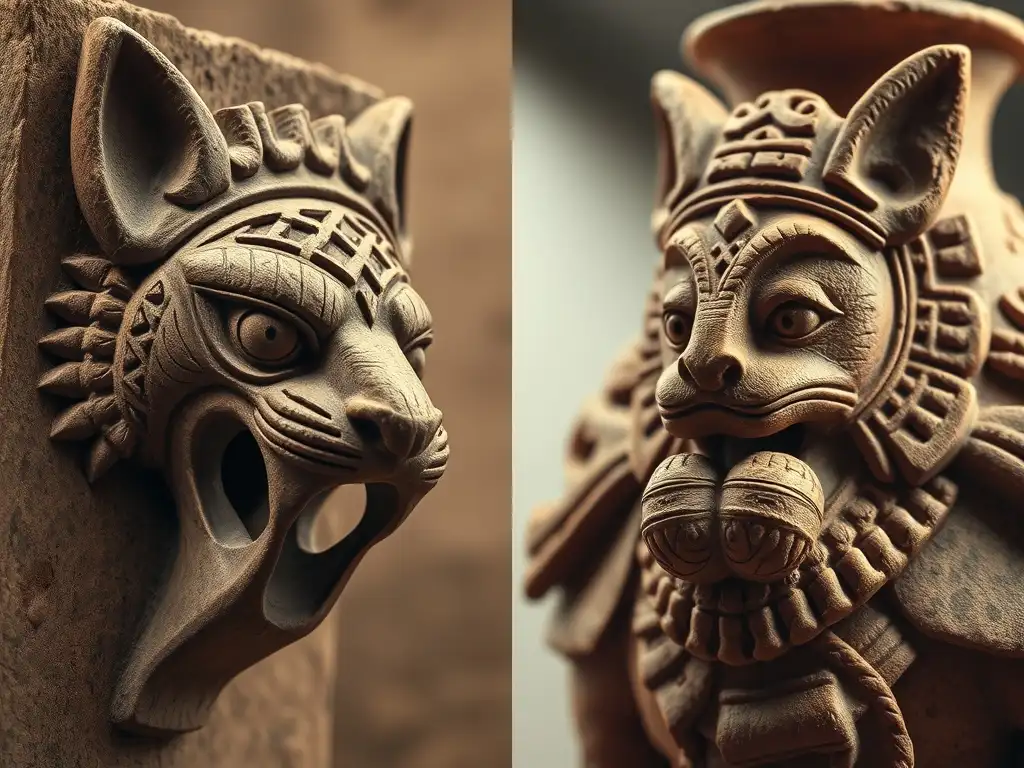
This section delves into the specific artistic motifs and stylistic elements that demonstrate the undeniable influence of the Chavín culture on the later Moche civilization. While geographically separated and chronologically distinct, the artistic legacy of Chavín is clearly visible in Moche art, suggesting a significant cultural exchange or perhaps even a direct lineage of artistic traditions. We will examine several key elements to illustrate this profound connection, focusing on the stylistic transformations and adaptations that occurred as Chavín motifs were reinterpreted and incorporated into the Moche aesthetic.
The analysis will highlight the continuity and change, demonstrating how the Moche artists both honored and innovated upon their Chavín predecessors. Understanding this artistic lineage provides crucial insights into the complex cultural dynamics of the pre-Columbian Andes. The keyword "Chavín Moche artistic influence" is central to this exploration.
The Depiction of Felines in Chavín and Moche Art
Felines, particularly jaguars and pumas, hold prominent positions in both Chavín and Moche iconography. However, the representation differs subtly, reflecting the evolving artistic styles and perhaps shifting religious interpretations. In Chavín art, felines are often depicted in a more stylized, almost abstract manner, with emphasis on geometric patterns and a sense of power and ferocity conveyed through sharp lines and angular forms. Think of the iconic Chavín jaguar heads, with their imposing presence and intricate detailing.
The Moche, on the other hand, while retaining the inherent power of the feline imagery, present a more naturalistic and dynamic portrayal. Moche feline depictions often showcase greater anatomical detail, a more fluid movement, and a heightened sense of realism. While the Chavín style emphasizes the spiritual and symbolic, the Moche approach seems to blend the symbolic with a more observable reality. For example, [specific examples of Moche feline pottery or metalwork pending] will be included here to illustrate this point further.
This shift suggests a gradual evolution from the highly stylized Chavín aesthetic towards a more representational approach in Moche art. The underlying power and reverence for the feline, however, remains a constant thread connecting the two cultures. This continuity underscores the enduring influence of Chavín artistic conventions.
Serpents, another powerful symbol in Andean mythology, appear frequently in both Chavín and Moche art, albeit with variations in their representation. In Chavín art, serpents are often intertwined with other motifs, such as felines or deities, creating complex and layered compositions. They are frequently depicted in a stylized manner, with emphasis on their sinuous forms and symbolic significance. The Chavín serpent often represents a powerful, often ambivalent force, embodying both creation and destruction.
Moche artists also employed serpent imagery extensively, but their depictions often demonstrate a more narrative approach. Moche ceramics frequently showcase scenes involving serpents, often interacting with human figures or other animals, suggesting a more detailed mythological context. [Specific examples of Moche pottery depicting serpents pending].
This shift towards narrative representation in Moche art, in contrast to the more abstract and symbolic Chavín style, illustrates the adaptation and reinterpretation of a shared motif. The underlying symbolism of the serpent, however, remains consistent, highlighting the enduring influence of Chavín's artistic and religious concepts on the Moche. The "Chavín Moche artistic influence" in this context is evident in the persistent use of the motif, although the artistic style itself evolved significantly.
Chavín's Influence on Moche Religious Iconography
The religious beliefs of the Chavín and Moche cultures are deeply intertwined, with the former’s influence clearly reflected in the iconography of the latter. Chavín religious iconography often features complex, composite figures, combining animal and human attributes to represent powerful deities or supernatural beings. These figures frequently incorporate elements like feline heads, serpent bodies, and human-like features, reflecting a complex cosmology. The emphasis is on the supernatural and the powerful forces of nature.
Moche religious iconography, while developing its own distinct style, retains clear echoes of Chavín's pantheon and stylistic choices. While the Moche deities may have different names and specific attributes, the overall aesthetic approach, particularly the use of composite figures and the incorporation of animalistic features, demonstrates a clear continuity. For instance, [Specific examples of Moche religious iconography and their Chavín parallels pending].
This continuity in religious iconography reinforces the hypothesis of a significant cultural and artistic exchange between the two civilizations. The "Chavín Moche artistic influence" is particularly evident in the enduring power of the Chavín religious imagery, which significantly shaped the Moche worldview and artistic expression. The stylistic differences reflect the Moche’s unique cultural development, while the shared core imagery speaks volumes about the lasting impact of Chavín.
The Use of Geometric Patterns: A Common Thread
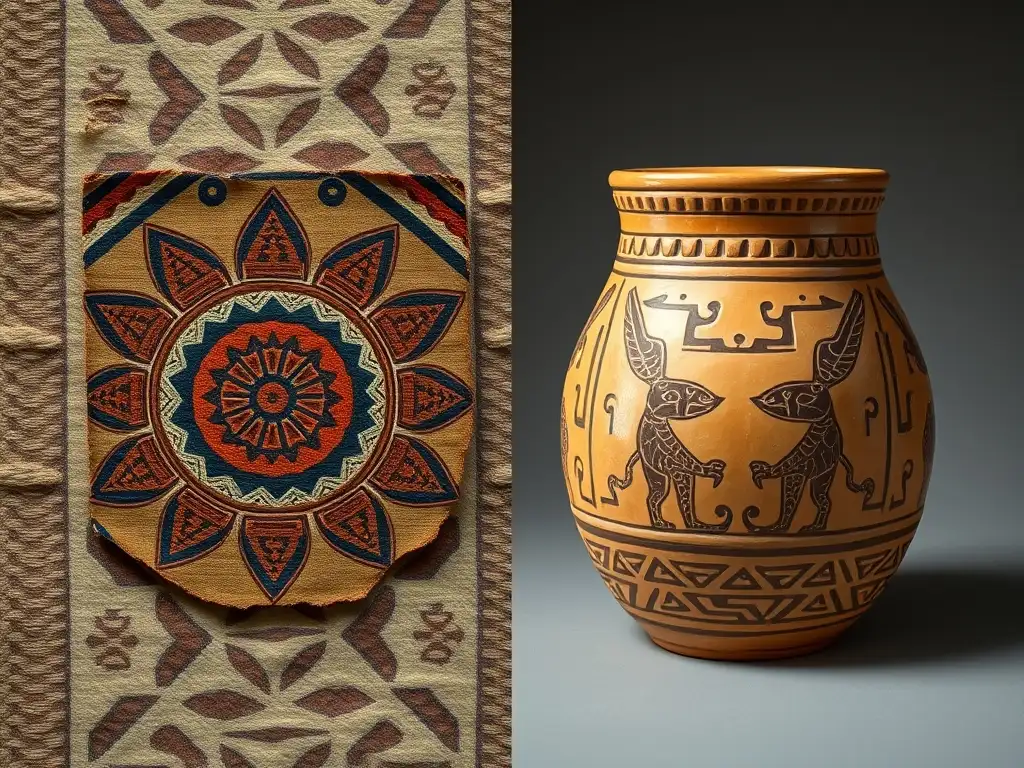
The Chavín culture's mastery of geometric patterns is undeniable. Their intricate designs, often incorporating interlocking triangles, stepped frets, and radiating lines, are found across their ceramics, textiles, and stone carvings. These designs weren't merely decorative; they likely held symbolic meaning, perhaps representing cosmological concepts or social structures. The precision and complexity of these patterns demonstrate a sophisticated understanding of mathematics and design principles. This emphasis on geometric abstraction is a key characteristic that distinguishes Chavín art.
The Moche, inheriting a rich artistic tradition from earlier coastal cultures, adopted and adapted these geometric patterns. While the Moche style is distinct, characterized by its vibrant colors and naturalistic depictions, the underlying influence of Chavín geometric principles is evident. For instance, the intricate decorations on Moche ceramics often incorporate stepped frets or variations of the radiating lines seen in Chavín textiles.
However, the Moche artists infused these borrowed elements with their own unique aesthetic, integrating them seamlessly into their broader artistic vocabulary. The use of these patterns in Moche art, therefore, isn't simply imitation, but a creative reinterpretation demonstrating cultural exchange and adaptation. This is particularly noticeable in the ornamentation of Moche pottery, where geometric patterns frequently frame or complement more representational images of animals and humans.
The careful placement and integration of these patterns suggest a conscious effort to blend Chavín influence with their own artistic identity. The continuity of geometric motifs across these two distinct cultures highlights a powerful artistic lineage, illustrating the enduring influence of Chavín artistic principles on subsequent Andean civilizations.
The Depiction of Staff Gods in Chavín and Moche Art
One of the most striking similarities between Chavín and Moche art lies in the depiction of anthropomorphic figures often associated with the concept of a "staff god." In Chavín art, these figures are frequently depicted with feline features, elaborate headdresses, and staffs or scepters. These representations are often found in monumental stone carvings, suggesting a significant religious or ceremonial role for these figures within Chavín society.
The stylized features and often-frightening aspects of these depictions suggest a powerful and awe-inspiring deity. The intensity of their gaze and the intricate detail of their headdresses further emphasize their importance within the Chavín worldview. Scholars continue to debate the exact meaning of these figures, but their widespread presence indicates their central role in Chavín iconography.
The Moche also depicted staff gods, although their representations differ in style and detail from their Chavín predecessors. While the Moche staff gods retain some of the feline features and the use of staffs, their overall aesthetic is more naturalistic and less abstract. The Moche style emphasizes a greater degree of realism in the representation of human and animal forms, while Chavín art tends toward more stylized and symbolic representations.
However, the underlying concept of a powerful, often fearsome deity wielding a staff remains a common thread. The continuity of this motif, albeit with stylistic variations, strongly suggests a direct artistic lineage connecting Chavín and Moche cultures. The presence of similar iconographic elements, despite stylistic differences, reinforces the idea of cultural transmission and adaptation.
The evolution of the staff god motif from the abstract representations of Chavín to the more naturalistic depictions of Moche showcases the dynamism of Andean artistic traditions and the ongoing dialogue between different cultural groups. This shared motif, therefore, serves as compelling evidence of Chavín's enduring artistic influence on the Moche.
Comparing Chavín and Moche Artistic Styles
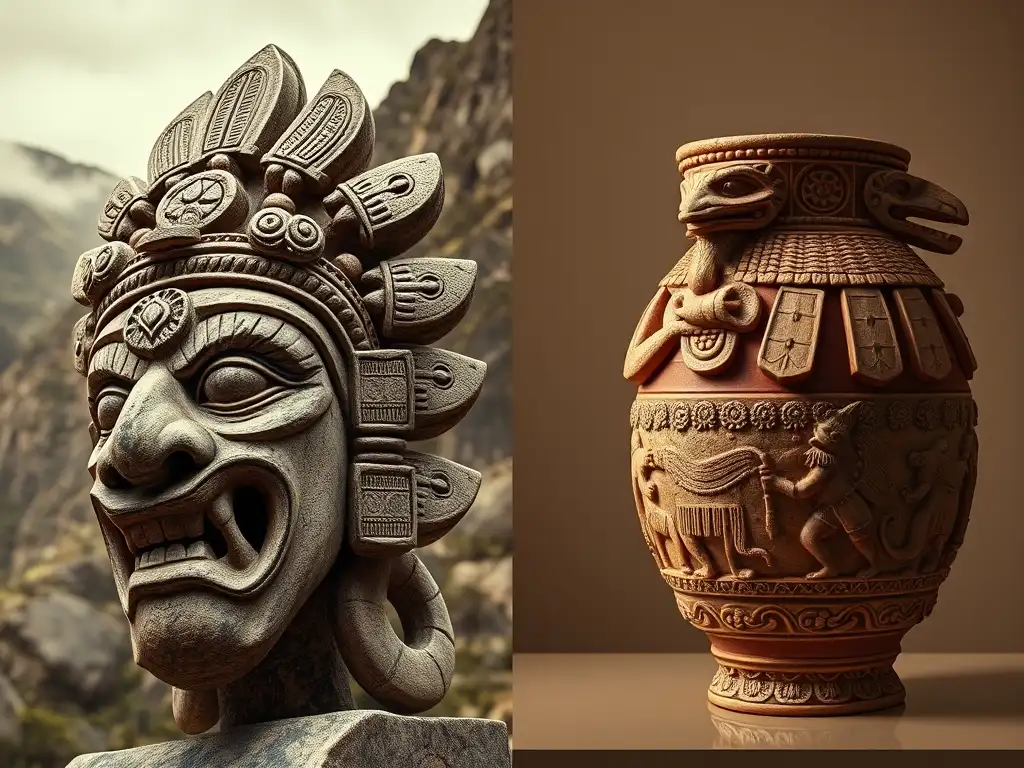
The Chavín and Moche cultures, though separated by time and geography, exhibit a fascinating artistic lineage. While the Moche undeniably developed their own unique style, the influence of the earlier Chavín culture is undeniable, particularly in religious iconography and stylistic elements. Understanding the nuances of this influence requires a careful comparison of their artistic approaches.
This section delves into the specific ways in which Chavín artistic principles manifested in Moche art, highlighting both continuities and divergences. Analyzing these subtle yet significant connections helps us better understand the evolution of Andean artistic expression and the enduring legacy of Chavín. The keyword "Chavín Moche artistic influence" is central to this exploration.
Contrasting Chavín's Abstraction with Moche's Realism
Chavín art is characterized by its highly abstract and stylized representations. Deities and supernatural beings are often depicted with composite features – a blend of feline, avian, and human characteristics – creating a powerful, otherworldly effect. Think of the iconic Chavín jaguar-headed deity, its features simultaneously terrifying and mesmerizing. This abstract style conveys a sense of power and mystery, reflecting the Chavín worldview's emphasis on shamanistic experiences and the supernatural realm.
In contrast, Moche art, while still incorporating supernatural elements, leans towards a greater degree of realism. Their pottery, for instance, is renowned for its incredibly detailed depictions of human figures, animals, and scenes from daily life. The Moche artists meticulously rendered anatomical details, expressions, and textures, creating a vibrant and often visceral portrayal of their world. While some Moche ceramics retain abstract elements, the overall trend is towards a more naturalistic and representational approach. This shift from the highly stylized abstraction of Chavín to the relative realism of Moche art is a key aspect of their artistic evolution.
Differences in Material Use: Chavín Stone vs. Moche Ceramics
A significant difference between Chavín and Moche art lies in their preferred materials. Chavín artists primarily worked with stone, carving intricate reliefs and sculptures from granite, diorite, and other durable materials. This choice reflects the monumental scale of their architecture and their focus on creating enduring expressions of their religious beliefs. The monumental Lanzón, a massive stone sculpture of a deity found at the Chavín de Huántar site, epitomizes this preference for stone as a primary artistic medium.
The Moche, on the other hand, were masters of ceramics. Their intricately painted and sculpted pottery constitutes a vast and diverse body of work that offers invaluable insights into their society and beliefs. While some stone sculptures exist, the Moche's artistic expression found its most prominent vehicle in the creation of elaborate ceramic vessels, which ranged from simple utilitarian forms to highly decorated and complex narrative pieces.
This difference in material preference reflects not only technical capabilities but also different artistic priorities and cultural expressions. The abundance of Moche ceramics compared to the scarcity of large-scale Chavín stone sculptures underscores the contrasting artistic and cultural landscapes.
Evolution of Religious Symbolism from Chavín to Moche
Religious symbolism forms a crucial thread connecting Chavín and Moche art. While the specific deities and myths might differ, certain motifs and iconographic elements clearly demonstrate a lineage. For example, feline imagery, a dominant feature in Chavín art, persists in Moche art, though often adapted and transformed. The Chavín jaguar-god, for instance, might find echoes in the Moche depictions of powerful feline figures, albeit with a different stylistic rendering and potential symbolic meaning.
However, the interpretation of these symbols likely evolved. While Chavín religious iconography often conveys a sense of mystery and awe, emphasizing the power of the unseen world, Moche representations often integrate supernatural elements into narratives of daily life, warfare, or ritual practices. This shift suggests a change in the way religious beliefs were manifested and understood, reflecting the distinct social and political contexts of each culture.
Further research is needed to fully understand the nuances of this symbolic evolution and the specific ways in which Moche artists reinterpreted and adapted the religious imagery inherited from their Chavín predecessors. Further study of [specific iconographic details pending] will clarify this transition more precisely. The evolution of these symbols showcases a fascinating interplay between continuity and change in Andean religious expression, further solidifying the link between Chavín and Moche artistic influence.
The Transmission of Chavín Artistic Ideas to Moche
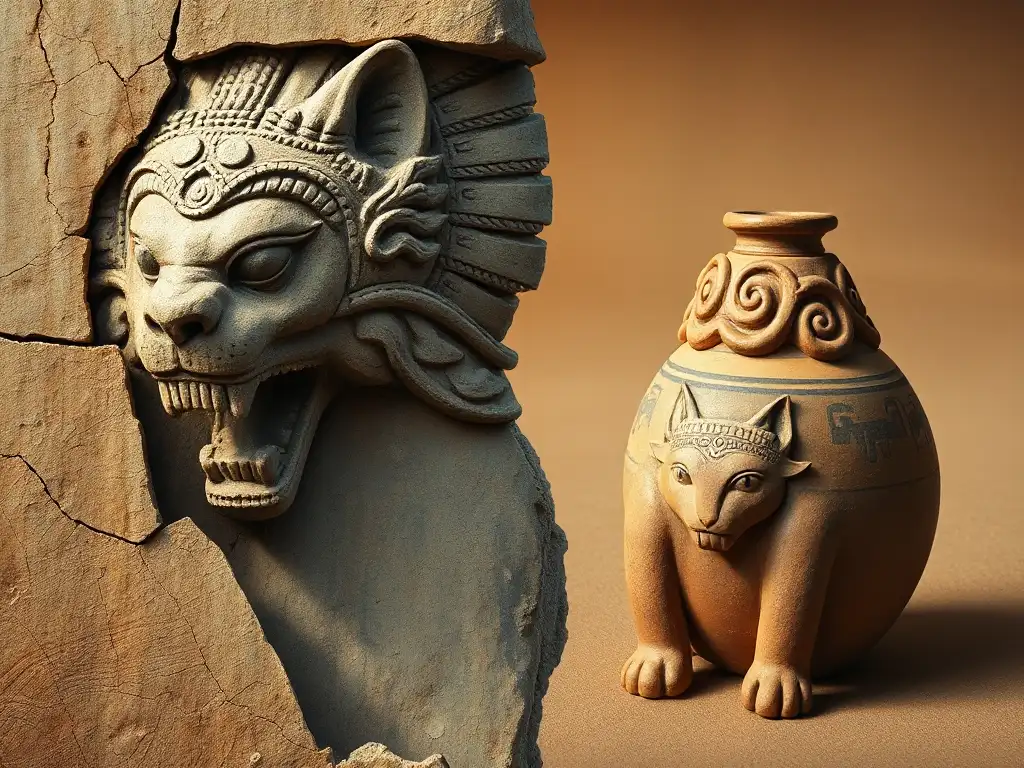
The Chavín culture, flourishing in the northern Andes from approximately 1200 to 200 BCE, exerted a profound influence on subsequent Andean societies. Its artistic style, characterized by distinctive iconography, intricate designs, and a unique blend of feline and serpent motifs, left an indelible mark on numerous cultures, with the Moche civilization being a particularly striking example. Understanding how these artistic ideas were transmitted is crucial to appreciating the complexity of cultural interaction in the pre-Columbian Andes and illuminates the development of Moche art. Analyzing the "Chavín Moche artistic influence" reveals a fascinating story of cultural exchange and adaptation.
Potential Mechanisms of Cultural Exchange
Several potential mechanisms facilitated the transmission of Chavín artistic motifs and stylistic conventions to the Moche. These weren't necessarily isolated events but likely a complex interplay of factors. Direct migration of Chavín artisans or populations to Moche territories is one possibility. This could have involved individuals seeking new opportunities or groups fleeing political upheaval in the Chavín heartland. The movement of skilled craftspeople would have directly introduced Chavín styles and techniques into Moche artistic production.
Another significant factor was the influence of Chavín religious beliefs and practices. The deeply symbolic nature of Chavín art suggests a connection to religious ideology. If Chavín religious ideas spread to Moche communities—perhaps through missionary activities or the adoption of Chavín deities—this could explain the adoption of similar artistic motifs in Moche religious contexts. The persistence of shared iconography across different cultures strongly suggests a deeper ideological connection.
Finally, indirect cultural transmission through trade networks cannot be overlooked. The exchange of goods and materials often carries cultural ideas alongside it. The adoption of specific Chavín artistic features in Moche pottery or textiles might reflect the incorporation of stylistic elements from traded objects or the adoption of techniques learned through observation of imported goods. The spread of artistic styles through imitation, adaptation, and innovation is a common phenomenon in cultural history.
The Role of Trade Routes in Artistic Diffusion
The extensive trade networks connecting different Andean societies played a pivotal role in disseminating Chavín artistic ideas. The coastal valleys and the highlands were connected by well-established routes, facilitating the movement of goods, people, and ideas. The exchange of luxury goods, such as obsidian, spondylus shells, and precious metals, likely also involved the dissemination of artistic styles. Pottery, textiles, and metalwork, often decorated with Chavín-inspired motifs, may have served as vectors for cultural exchange.
Consider the intricate designs found on Moche ceramics. The use of similar motifs, such as the stylized feline faces and serpent-like forms, echoes the artistic conventions of Chavín art, suggesting a direct or indirect influence. The presence of these shared artistic elements in Moche artifacts found along established trade routes lends further support to the idea that these routes facilitated the transmission of cultural and artistic practices.
This highlights the importance of trade as a mechanism for cultural diffusion, even across significant geographical distances. The analysis of trade routes themselves, coupled with the distribution of artifacts bearing Chavín-inspired designs, provides a powerful tool for understanding the dynamics of cultural exchange in the ancient Andes.
Archaeological Evidence Supporting the Artistic Transmission
Archaeological discoveries provide compelling evidence for the transmission of Chavín artistic ideas to the Moche. The stylistic similarities between Chavín and Moche art are undeniable. For example, the use of specific motifs, such as the "Lanzón" deity, is evident in both cultures, albeit adapted and transformed within the Moche artistic context. This suggests a process of cultural borrowing and adaptation, where Moche artists incorporated Chavín stylistic elements into their own artistic traditions.
| Artifact Type | Chavín Characteristics | Moche Adaptations | Evidence Location |
|---|---|---|---|
| Pottery | Feline and serpent motifs, stylized faces | Similar motifs, but with distinct Moche styles | Numerous Moche sites |
| Textiles | Geometric patterns, use of specific colors | Similar patterns, adapted color palettes | Huaca de la Luna, Huaca del Sol |
| Metalwork | Use of specific alloys, intricate designs | Similar techniques, unique Moche designs | [Specific information pending] |
Furthermore, the distribution of artifacts bearing Chavín-inspired designs across a wide geographical area supports the idea of a widespread cultural influence. The presence of these artifacts in Moche sites suggests a process of continuous interaction and exchange, rather than a single, isolated event. The archaeological record, therefore, provides concrete evidence supporting the hypothesis of a significant Chavín influence on Moche art. Further research and analysis of archaeological finds are crucial to fully elucidate the nature and extent of this artistic lineage. The ongoing excavation and study of Moche sites continue to reveal new insights into this fascinating cultural interaction.
The Enduring Legacy of Chavín Art on the Moche and Beyond
The Chavín culture, flourishing in the northern Andes from approximately 1200 to 200 BCE, left an indelible mark on subsequent Andean artistic traditions. Its influence, particularly on the Moche civilization (100-800 CE), is a compelling example of cultural transmission and artistic evolution. This section examines the specific ways in which Chavín artistic motifs, styles, and iconography permeated Moche art, demonstrating a clear lineage of artistic expression that extended far beyond the initial Chavín period.
The impact wasn't merely imitative; rather, the Moche artists creatively adapted and reinterpreted Chavín aesthetics, integrating them into their own unique cultural context and artistic vision. This process of artistic exchange highlights the dynamic nature of cultural interaction in the Andes and underscores the enduring power of Chavín artistic innovation. Analyzing this artistic lineage offers valuable insights into the complex interplay between different Andean societies and their shared cultural heritage.
The Significance of the Chavín-Moche Artistic Connection
The Chavín-Moche artistic connection isn't simply a matter of stylistic similarities; it represents a direct transmission of artistic ideas and techniques. Consider the recurring motif of the feline deity, a powerful symbol in Chavín iconography. This deity, often depicted with fangs, claws, and a fierce countenance, appears frequently in Moche ceramics and metalwork, albeit with stylistic variations reflecting the Moche aesthetic.
The Moche artists didn't simply copy the Chavín representation; they adapted it, imbuing it with their own interpretations and meaning. This creative reinterpretation is evident in the varied postures, expressions, and accompanying elements found in Moche depictions of the feline deity. Furthermore, the use of specific artistic techniques, such as the intricate carving and modeling seen in both Chavín and Moche artifacts, points to a direct lineage of craftsmanship.
The meticulous detail and high level of skill displayed in both cultures' art suggest a potential apprenticeship or direct transmission of knowledge. Detailed comparative studies of Chavín and Moche pottery, for example, reveal striking similarities in the use of specific colors, painting techniques, and decorative patterns. This shared artistic vocabulary strongly supports the hypothesis of direct artistic influence.
The level of detail present in both cultures’ artistic expressions is remarkable. For instance, the depiction of textiles, headdresses, and other adornments on both Chavín and Moche ceramics shows a remarkable consistency in representing intricate weaving patterns and jewelry. This attention to detail suggests the transmission of not only artistic styles but also knowledge of specific crafts and technologies. The presence of similar motifs and stylistic features across diverse media – pottery, textiles, metalwork – further reinforces the pervasiveness of Chavín influence in Moche art.
How Chavín's Influence Shaped Later Andean Art
The influence of Chavín artistic styles extended far beyond the Moche culture. Many subsequent Andean civilizations, including the Nazca and Tiahuanaco, incorporated elements of Chavín aesthetics into their own artistic traditions. While the specific nature of this influence varied across different cultures, certain key motifs and stylistic features, such as the aforementioned feline deity and the use of specific decorative patterns, continued to appear throughout the Andes for centuries.
This suggests that the artistic legacy of Chavín was deeply ingrained in the Andean artistic consciousness, serving as a foundational element for subsequent artistic developments. The enduring presence of Chavín stylistic elements in later Andean art highlights the profound and lasting impact of this early civilization on the region's artistic landscape.
This artistic continuity demonstrates a remarkable cultural cohesion across various Andean societies, indicating shared artistic traditions and a consistent exchange of artistic ideas. The “Chavín style” acted as a kind of artistic template, adapted and reinterpreted by later cultures to express their own unique identities.
Concluding Remarks on the Artistic Lineage
The artistic lineage connecting Chavín and Moche cultures is a compelling case study of cultural transmission and artistic evolution in the Andes. The evidence strongly suggests a direct and significant influence of Chavín art on Moche artistic practices. This influence is not merely a matter of superficial resemblance, but rather a demonstrable continuity in stylistic elements, motifs, and techniques.
The creative adaptation and reinterpretation of Chavín aesthetics by the Moche, however, demonstrates the dynamic nature of cultural interaction. The Moche artists didn’t simply copy their predecessors; they integrated Chavín styles into their own unique artistic vision, creating a vibrant and distinct artistic tradition.
This enduring legacy is further evidenced by the continued presence of Chavín artistic elements in subsequent Andean civilizations, highlighting the profound and lasting impact of Chavín art on the development of Andean artistic traditions. Further research, focusing on comparative analyses of artifacts and detailed stylistic comparisons, will undoubtedly shed even more light on this fascinating artistic lineage and its significance in understanding the broader context of Andean cultural history.
Frequently Asked Questions
What is the main focus of this article?
This article explores the artistic influence of the Chavín culture on the subsequent Moche civilization. It examines how Chavín artistic styles and motifs were adopted and adapted by the Moche. We'll delve into specific examples of this cultural transmission.
How did the Chavín culture influence Moche art?
The Chavín's iconic imagery, including stylized jaguars, snakes, and other mythical creatures, heavily impacted Moche art. Moche artists incorporated these motifs into their ceramics, textiles, and metalwork, often adapting them to their own unique styles. This shows a clear artistic lineage.
Both cultures utilized similar stylized depictions of animals and deities, often featuring geometric patterns and a strong sense of dynamism. The use of powerful and expressive lines is also a common thread, demonstrating a clear connection.
Were there any differences between Chavín and Moche artistic expressions?
While sharing common motifs, the Moche developed a distinct artistic style. Their artwork often displayed a greater emphasis on realism and narrative, differentiating it from the more abstract and symbolic style of the Chavín. Scale and detail also varied.
Why is studying the Chavín influence on Moche art important?
Understanding this artistic lineage helps us trace the development of Andean art and culture. It highlights the processes of cultural exchange and adaptation within the region, and provides insight into the complexities of pre-Columbian societies. It's crucial for understanding the continuity and change in Andean artistic traditions.
Final Reflection: Echoes of Chavín in Moche Majesty
The artistic legacy of Chavín de Huántar continues to resonate powerfully in the vibrant culture of the Moche, a testament to the enduring power of cultural exchange and artistic innovation. The intricate iconography, stylistic motifs, and even the very spirit of artistic expression found in Chavín ceramics, textiles, and architecture undeniably laid the groundwork for the Moche's distinctive artistic achievements. This isn't simply a historical observation; it's a living connection, a thread woven through millennia that speaks to the enduring influence of a powerful precursor culture.
The impact of Chavín on Moche art is not merely a matter of stylistic borrowing; it represents a profound cultural transmission, a dialogue between societies that shaped the very identity of the Moche. This influence is visible in everything from the ferocious feline imagery to the stylized representations of deities and the sophisticated use of color and form. It reminds us that artistic movements are rarely isolated events but rather complex interactions, a continuous process of creation, adaptation, and reinterpretation. Art washes away from the soul the dust of everyday life.
- Pablo Picasso. This quote, though not directly about Chavín and Moche, perfectly encapsulates the enduring power and transcendence of art across cultures and time.
Consider the implications of this artistic lineage. How does understanding the influence of Chavín on Moche art deepen our appreciation for both cultures? What other hidden connections might we uncover by examining the artistic dialogues between ancient societies? I urge you, dear reader, to explore further, to delve into the rich tapestry of pre-Columbian art and to discover the echoes of the past that continue to shape our present understanding of human creativity and cultural evolution. Let the legacy of Chavín and Moche inspire you to seek out the connections that bind us across time and space.
Unveil the Rich Tapestry of Andean Culture!
Thank you for exploring the fascinating world of the Chavín and Moche cultures! Your interest helps us better understand these remarkable civilizations and their enduring influence on art and society. Let's delve even deeper!
Here are some ways to engage with this vibrant heritage and enhance your appreciation:
- Visit museums and cultural centers showcasing Chavín and Moche artifacts to witness their artistry up close.
- Participate in a workshop or class focusing on traditional Andean crafts like pottery or weaving to experience their techniques and traditions firsthand.
- Share this article with friends and family or on social media to spark conversations about South American history and culture.
What insights or inspiration from these ancient cultures can you apply to your life today?