
Valdivia Culture: Tracing the Roots of Later Andean Traditions

Step into a world lost to time, yet echoing through the Andes. For centuries, the majestic mountains have held secrets of sophisticated cultures, breathtaking artistry, and astonishing ingenuity. But what if the story began long before the Incas? Prepare to unravel the mysteries surrounding the Valdivia culture origins, a civilization whose influence reverberates through later Andean traditions. Their legacy – a testament to human resilience and innovation – awaits your discovery within the pages of our exploration of Pre-Incan Cultures of the Coast. Dare to delve deeper?
The Valdivia culture, flourishing along the coast of present-day Ecuador from approximately 3500 to 1800 BCE, represents one of the earliest known complex societies in South America. Its significance extends far beyond its temporal boundaries; the Valdivia's innovations in pottery, agriculture, and social organization laid crucial groundwork for the later development of more expansive Andean civilizations, influencing the cultural trajectory of the region for millennia.
Understanding the Valdivia culture's origins is key to unlocking a deeper understanding of the rich tapestry of Andean history and the evolution of its artistic, technological, and societal advancements. This exploration will delve into the origins of the Valdivia, examining its unique characteristics and considering its enduring legacy on subsequent Andean cultures.
We will explore the archaeological evidence, analyze the cultural practices, and assess the Valdivia's impact on the subsequent development of Andean societies. This journey will reveal how the seemingly small beginnings of the Valdivia culture contributed significantly to the vibrant and complex civilizations that followed.
The Archaeological Evidence: Unearthing the Valdivia's Beginnings
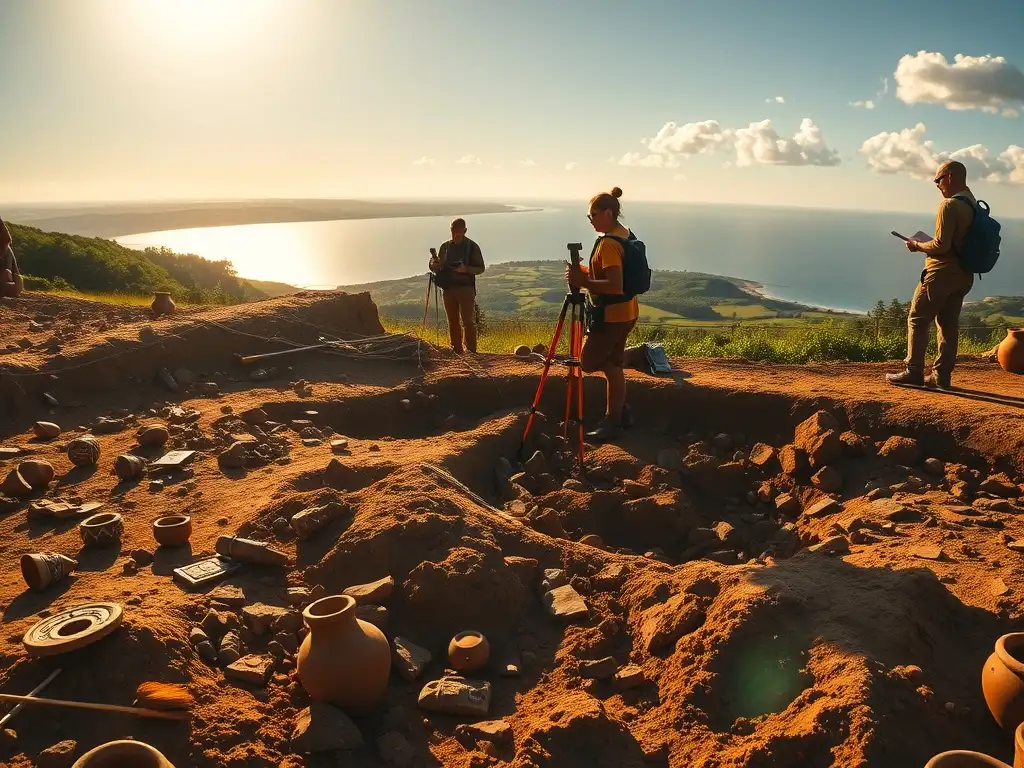
Archaeological excavations along the Ecuadorian coast have yielded a wealth of information about the Valdivia culture. Sites like Real Alto and La Playa de los Muertos have provided crucial insights into their daily lives, burial practices, and artistic expressions. The discovery of meticulously crafted ceramic figurines, often depicting female figures with exaggerated features, is particularly noteworthy.
These figurines, along with other artifacts, offer valuable clues about Valdivia societal structures, religious beliefs, and artistic sensibilities. The analysis of these artifacts, along with radiocarbon dating techniques, has allowed researchers to establish a relatively precise chronological framework for the Valdivia culture and its development.
The sheer volume and quality of the artifacts recovered paint a detailed picture of a people with sophisticated artistic skills and a complex social organization, challenging earlier assumptions about the simplicity of early South American societies. Furthermore, the careful stratification of archaeological layers allows for a detailed understanding of the evolution of Valdivia culture over time, revealing gradual changes in pottery styles, settlement patterns, and possibly social hierarchies.
Valdivia Pottery: A Technological and Artistic Marvel
The Valdivia culture is particularly renowned for its highly developed pottery. Unlike the rudimentary pottery found in other contemporaneous cultures, Valdivia pottery showcases remarkable technical skill and aesthetic sophistication. The use of fine clays, sophisticated firing techniques, and intricate decorative elements demonstrate a high level of craftsmanship.
The iconic female figurines, often meticulously detailed and exhibiting a remarkable range of poses and expressions, are prime examples of this artistry. These figurines are not merely decorative objects; they likely held significant social and religious importance within the Valdivia community, perhaps representing deities, ancestors, or symbols of fertility. The evolution of Valdivia pottery styles over time also provides valuable insights into the culture's internal development and potential interactions with other groups.
The analysis of the clay composition and the decorative techniques used reveals a level of technical expertise and artistic innovation that significantly influenced later Andean pottery traditions. The distinct Valdivia style became a hallmark of the era and a foundation upon which later ceramic traditions would build.
Agricultural Practices and Subsistence Strategies
The Valdivia culture's success was intrinsically linked to its mastery of agriculture. While the exact details of their agricultural practices are still being researched, evidence suggests they cultivated a variety of crops, including maize, beans, and squash. The coastal environment presented unique challenges, requiring the development of sophisticated irrigation techniques and adaptation to the fluctuating resources of the coastal ecosystem.
The analysis of plant remains found at Valdivia sites, alongside the study of the environment, provides crucial information about their agricultural practices and their impact on the landscape. The development of agriculture not only provided a reliable food source but also contributed to the growth of sedentary settlements and the emergence of a more complex social organization.
This agricultural success laid the foundation for the larger and more complex societies that would emerge in the Andean region in later periods. Further research is needed to fully understand the extent of their agricultural knowledge and its influence on subsequent Andean farming techniques.
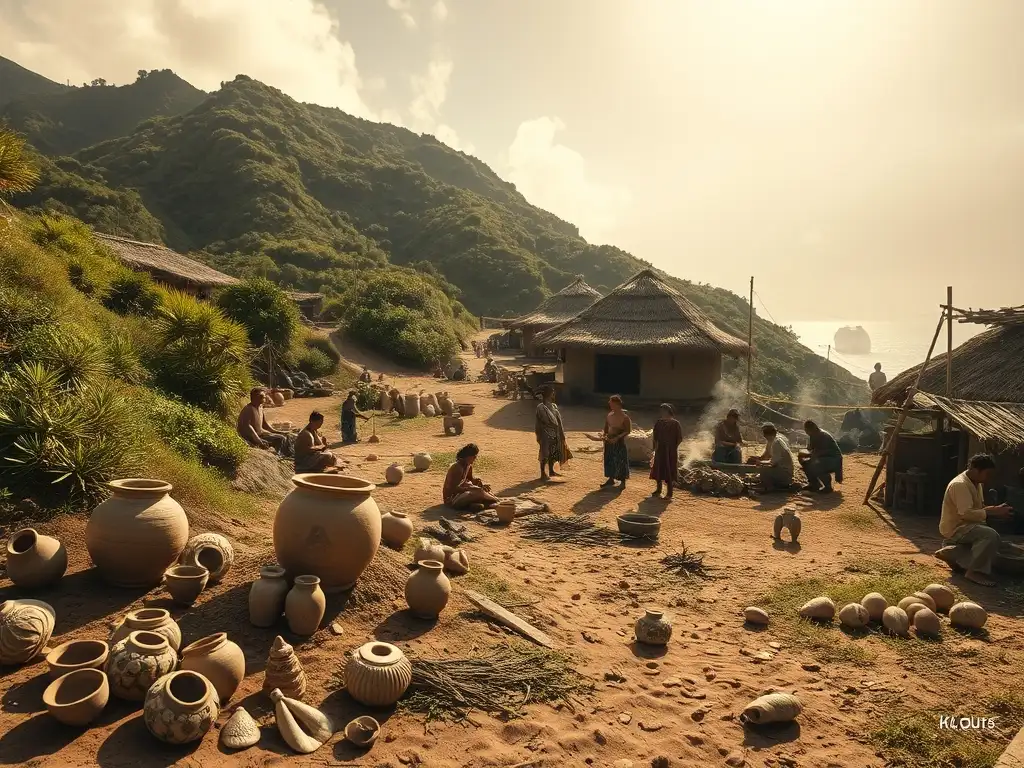
While the specifics of Valdivia social organization remain a topic of ongoing research, the archaeological evidence suggests a degree of social complexity. The presence of larger settlements, the distribution of artifacts, and the presence of elaborate burial practices all point towards a hierarchical structure and the existence of specialized roles within the community.
The elaborate burial rituals, often involving the inclusion of grave goods such as pottery and ornaments, suggest a belief in an afterlife and a structured system of social status. The female figurines, frequently found in burials, may indicate a matriarchal or matrilineal societal structure, although further research is needed to fully understand their social significance.
Analysis of the distribution of resources and artifacts across different sites may provide further insights into social organization and the potential presence of specialized craft production. Understanding the social dynamics of the Valdivia is essential to comprehending their cultural achievements and the legacy they left on later Andean societies.
The Valdivia Legacy: A Foundation for Andean Civilization
The Valdivia culture, despite its relatively early existence, left an undeniable mark on the subsequent development of Andean civilizations. Its advancements in pottery, agriculture, and social organization served as a foundation upon which later cultures built. The sophisticated pottery techniques, the mastery of coastal agriculture, and the development of a complex social structure all contributed to the flourishing of later Andean societies.
The Valdivia's artistic expression, evident in its unique pottery, also influenced the artistic styles of subsequent cultures. The impact of the Valdivia culture extends beyond the immediate geographical region, demonstrating the interconnectedness of early Andean societies and the enduring legacy of this pioneering culture.
Further research and comparative studies are crucial to fully understand the extent of the Valdivia influence on the broader Andean cultural landscape. The Valdivia's contributions represent a crucial chapter in the story of Andean civilization, reminding us of the deep roots and long history of human ingenuity and cultural development in the region.
- The Archaeological Evidence: Unearthing the Valdivia's Beginnings
- Valdivia Pottery: A Technological and Artistic Marvel
- Agricultural Practices and Subsistence Strategies
- Social Organization and Ritual Practices: Unraveling the Valdivia Society
- The Valdivia Legacy: A Foundation for Andean Civilization
The Dawn of Andean Civilization: Understanding Valdivia Culture Origins
The Valdivia culture, flourishing along the coast of present-day Ecuador from approximately 3500 to 1800 BCE, represents a pivotal moment in the development of Andean civilizations. Understanding its origins is crucial to comprehending the subsequent trajectory of complex societies in the region. Its emergence as one of the earliest known ceramic-producing cultures in the Americas challenges previous assumptions about the timeline of societal development and technological advancement in South America.
The Valdivia culture's legacy is not simply about pottery; it's about the establishment of foundational social structures, agricultural practices, and artistic expressions that laid the groundwork for later Andean traditions. This section delves into the key aspects that shaped the Valdivia culture and its enduring influence. The study of Valdivia culture origins provides invaluable insights into the processes that led to the rise of complex societies in the Andes.
Geographic Context of the Valdivia Civilization
The Valdivia culture thrived in a unique geographical setting, profoundly influencing its development and lifestyle. Located along the coastal region of what is now southwestern Ecuador, the Valdivia people inhabited a fertile area characterized by a diverse ecosystem. The proximity to the Pacific Ocean provided a rich source of seafood, a fundamental element of their diet.
Meanwhile, the fertile valleys and estuaries allowed for the cultivation of crops like maize, beans, and squash – evidence of early agricultural practices. The geographical diversity – from coastal plains to river valleys and even some higher altitude areas – fostered a nuanced relationship with the environment, reflected in their settlement patterns and resource management.
This intricate interplay between geography and culture is crucial in understanding Valdivia culture origins and the resilience of its people. The abundance of resources, coupled with a favorable climate, provided a stable foundation for the development of a relatively dense population and complex social structures.
Early Valdivia Settlements and Archaeological Evidence
Archaeological investigations have uncovered numerous Valdivia settlements, offering invaluable insights into their daily lives and societal organization. Excavations have revealed evidence of small villages and dispersed settlements, suggesting a relatively egalitarian social structure, at least in the early phases. Houses were typically built from simple materials like wood and thatch, often located near sources of water and fertile land.
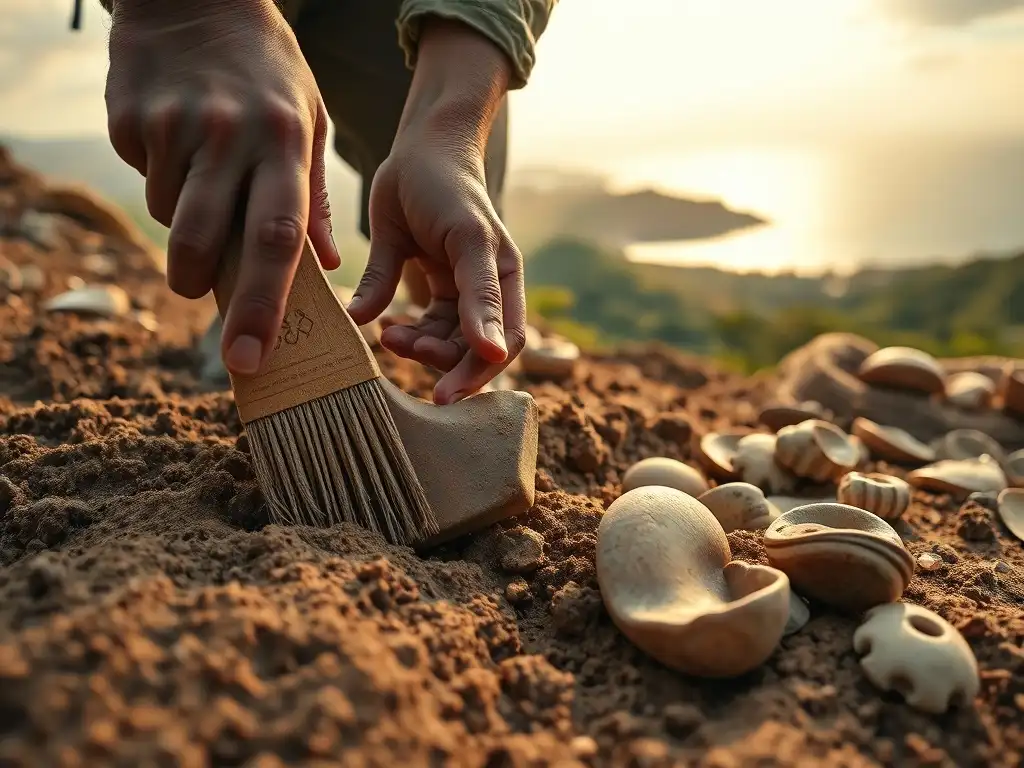
The discovery of numerous ceramic artifacts, including intricately decorated vessels and figurines, provides compelling evidence of their advanced artistic skills and symbolic systems. These early Valdivia ceramics, often characterized by their distinctive style and fine craftsmanship, are considered among the oldest in the Americas. Furthermore, the presence of shell middens indicates the importance of marine resources in their diet.
The analysis of these middens also helps researchers reconstruct dietary habits and environmental changes over time. The meticulous study of these archaeological remains continues to refine our understanding of Valdivia culture origins and its societal complexities.
Chronology of the Valdivia Culture: Key Periods and Development
The Valdivia culture's chronological development is typically divided into several phases, each characterized by distinct stylistic changes in pottery and other artifacts. While precise dating remains a subject of ongoing research, the generally accepted phases highlight a gradual process of cultural evolution. The early Valdivia period (3500-3000 BCE) is marked by the emergence of simple, undecorated pottery, laying the foundation for later stylistic innovations.
The middle Valdivia (3000-2500 BCE) witnessed a significant increase in the complexity of ceramic designs, with the introduction of more elaborate decorations and the emergence of distinctive figurine styles. These figurines, often depicting female figures with exaggerated features, are considered important for understanding the Valdivia worldview and spiritual beliefs. The late Valdivia (2500-1800 BCE) is characterized by a further refinement of ceramic styles, along with evidence of increased social complexity and trade networks.
The transition between these phases indicates a dynamic and evolving culture, constantly adapting to environmental changes and internal social pressures. Further research and analysis of archaeological data are crucial to more precisely define the timeline and the specific transitions within each phase of Valdivia culture origins. The study of these transitions provides a deeper understanding of the processes of cultural change and societal development in the pre-Columbian Andes.
Valdivia Culture: Innovations and Daily Life
The Valdivia culture, flourishing along the coast of present-day Ecuador from approximately 3500 to 1800 BCE, represents a pivotal moment in the development of Andean civilizations. Its significance extends far beyond its geographical location; the Valdivia people laid the groundwork for many cultural practices and technological advancements that would later characterize the broader Andean region. Understanding the Valdivia culture origins is crucial to comprehending the trajectory of later societies.
This section will delve into the innovations and daily life of this formative culture, focusing on their pottery, agricultural practices, and social structures. The emergence of this complex society, so early in the Andean timeline, challenges previous assumptions about the pace of cultural development in the region, highlighting the Valdivia's unique contribution to Andean heritage.
Valdivia Pottery: Styles, Techniques and Significance
Valdivia pottery is renowned for its exquisite craftsmanship and artistry, representing a significant technological and artistic achievement for its time. Characterized by its delicate, thin-walled vessels, the pottery often features intricate designs and a unique aesthetic. The most common styles include:
- Figurative Pottery: This includes pieces depicting human faces, often stylized and sometimes sexually suggestive, and representations of animals and other natural forms. These figurines provide valuable insights into Valdivia beliefs and worldview. The level of detail and sophistication in these pieces is remarkable, suggesting a high degree of skill and specialized labor within the society.
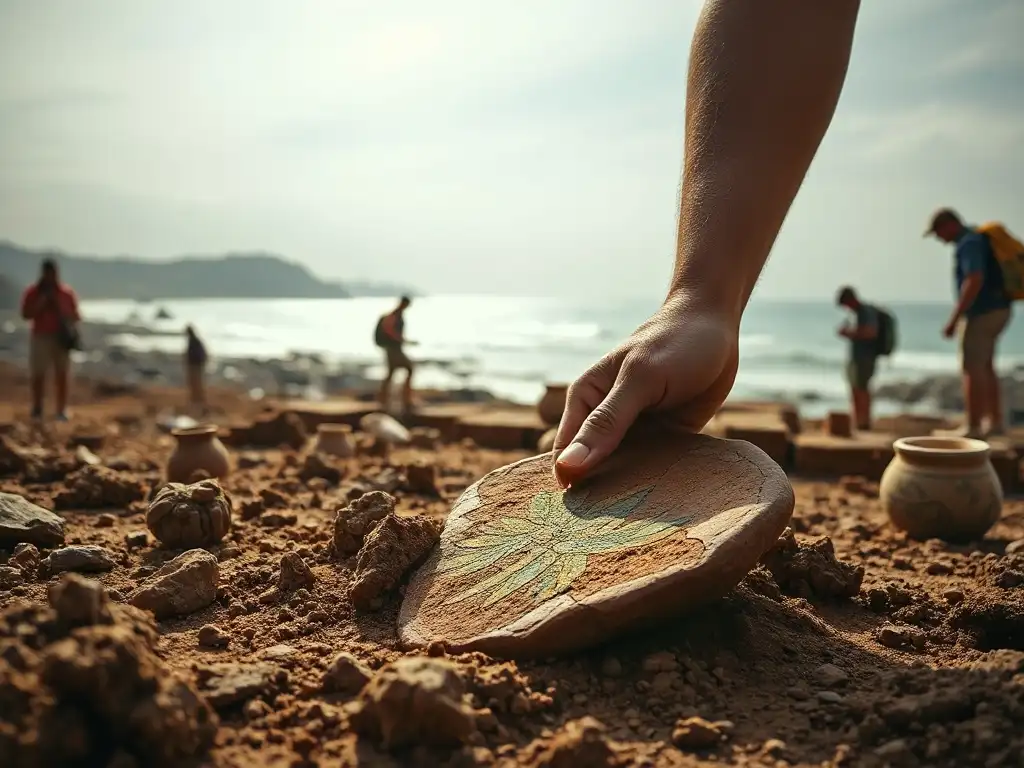
- Incised Pottery: Many Valdivia vessels feature intricate incised designs, created by carefully carving into the clay surface before firing. These designs frequently incorporate geometric patterns and stylized representations of plants and animals. The precision of these incisions points to advanced tool technology and a strong artistic sensibility.
- Burnished Pottery: A significant portion of Valdivia pottery displays a high degree of burnishing, a process that involves polishing the clay surface to create a smooth, glossy finish. This technique required considerable skill and patience, further highlighting the level of expertise within Valdivia communities.
The techniques used in Valdivia pottery production, including the use of fine-grained clay, advanced firing methods, and sophisticated decorating techniques, reveal a level of technological sophistication far surpassing that of contemporary cultures in other parts of the world. The significance of Valdivia pottery extends beyond its aesthetic appeal; the vessels served crucial roles in daily life, from food preparation and storage to ritualistic practices. The enduring legacy of Valdivia pottery is evident in the stylistic influences it exerted on subsequent Andean cultures.
The distinctive characteristics of Valdivia ceramics—their elegance and complexity—continue to fascinate archaeologists and art historians alike, offering invaluable clues to the culture's beliefs, social structures, and daily life. Further research into the specific clay sources and firing techniques is needed to fully understand the technological mastery of Valdivia potters.
Agriculture and Subsistence Practices of the Valdivia People
The Valdivia people were not solely reliant on marine resources; evidence suggests a robust agricultural system played a crucial role in their subsistence. While the exact details of their agricultural practices remain under investigation, archaeological findings indicate the cultivation of several crops, including:
- Squash: Seeds and remnants of squash have been found at several Valdivia sites, suggesting its importance in their diet. The cultivation of squash likely contributed significantly to their food security.
- Beans: Similar to squash, evidence suggests the cultivation of beans, providing another vital source of protein and nutrients.
- Maize (Possibly): While the evidence for maize cultivation during the early Valdivia period is debated, some researchers suggest its possible presence, though not as widespread as in later Andean cultures.
The Valdivia's agricultural techniques likely involved simple tools and methods, but their successful cultivation of these crops demonstrates their adaptive capacity and their understanding of local environmental conditions. The integration of agriculture with marine resources provided a balanced and sustainable food supply, enabling the development of larger, more settled communities.
Further research into the specific agricultural techniques employed by the Valdivia people, including irrigation methods and soil management practices, is needed to fully understand the sophistication of their agricultural system. Understanding their agricultural practices is crucial to comprehending the Valdivia culture origins and their ability to sustain a relatively large population along the coast.
Archaeological evidence suggests a relatively complex social organization within Valdivia communities. While the presence of elaborate hierarchical structures remains uncertain, certain patterns emerge from the available data:
- Settlement Patterns: The distribution of Valdivia settlements suggests a degree of social stratification, with some sites exhibiting larger, more densely populated areas than others. This could indicate the existence of specialized roles or a hierarchy of power within the society.
- Grave Goods: Analysis of burial practices reveals variations in grave goods, with some individuals buried with more elaborate offerings than others. This may reflect differences in social status or prestige within the community.
- Craft Specialization: The high level of skill demonstrated in Valdivia pottery and other crafts suggests specialized labor, implying a division of labor and potentially a degree of social differentiation.
The relatively egalitarian nature of Valdivia society compared to later Andean civilizations is a significant aspect of their culture. While evidence suggests some degree of social complexity, it is likely less hierarchical than the Inca or other later Andean empires. However, further research is needed to fully understand the nuances of Valdivia social organization and the dynamics of power within their communities.
The investigation of larger settlement sites and a more comprehensive analysis of burial practices could offer crucial insights into the social structures that shaped Valdivia life. The ongoing excavation and analysis of Valdivia sites continue to refine our understanding of this fascinating and foundational Andean culture.
Religious Beliefs and Ritual Practices in Valdivia Society
The Valdivia culture, despite its relatively early development in the Andean region, reveals a sophisticated understanding of the spiritual world, reflected in its religious beliefs and ritual practices. While direct textual evidence is lacking, archaeological findings offer compelling insights into their worldview. The presence of numerous figurines, particularly those depicting stylized female figures, suggests a strong emphasis on fertility and possibly a goddess-centered religion.
These figurines, often found in graves or associated with domestic structures, weren't mere decorations; their careful crafting and placement point to a ritualistic significance. The recurring themes of pregnancy and childbirth portrayed in these artifacts strongly suggest a connection to the life-giving forces of nature and the continuity of the Valdivia community.
Further evidence of religious practices comes from the discovery of shell ornaments and beads. These meticulously crafted items, frequently found in burials alongside the figurines, likely served as offerings or symbols of status within their society. The variety of materials used – shell, stone, and occasionally precious metals – indicates a level of social stratification and perhaps a hierarchy within their religious institutions.
The careful selection and placement of these grave goods suggest a belief in an afterlife and the importance of providing the deceased with necessary items for their journey. It’s likely that these practices reinforced social bonds and reinforced the power structures within the Valdivia society.
The absence of monumental architecture dedicated to religious purposes, unlike later Andean cultures, doesn't negate the importance of religion. Instead, it suggests that religious practices were more integrated into daily life, perhaps centered around domestic spaces or specific natural features deemed sacred.
The careful selection of settlement locations near water sources and fertile land could have been influenced by religious beliefs, connecting the Valdivia people's survival with the favor of supernatural forces. The lack of large-scale temples doesn't diminish the spiritual depth of the Valdivia culture; it simply suggests a different approach to religious expression compared to later, more complex Andean civilizations.
Further research and excavation may uncover more evidence to refine our understanding of Valdivia religious practices and their relationship to the broader Andean spiritual landscape. The ongoing exploration of Valdivia sites continues to shed light on these fascinating aspects of their culture, enriching our understanding of "Valdivia culture origins" and its unique contribution to the history of the Andes.
The Impact of Valdivia Culture on Subsequent Andean Societies
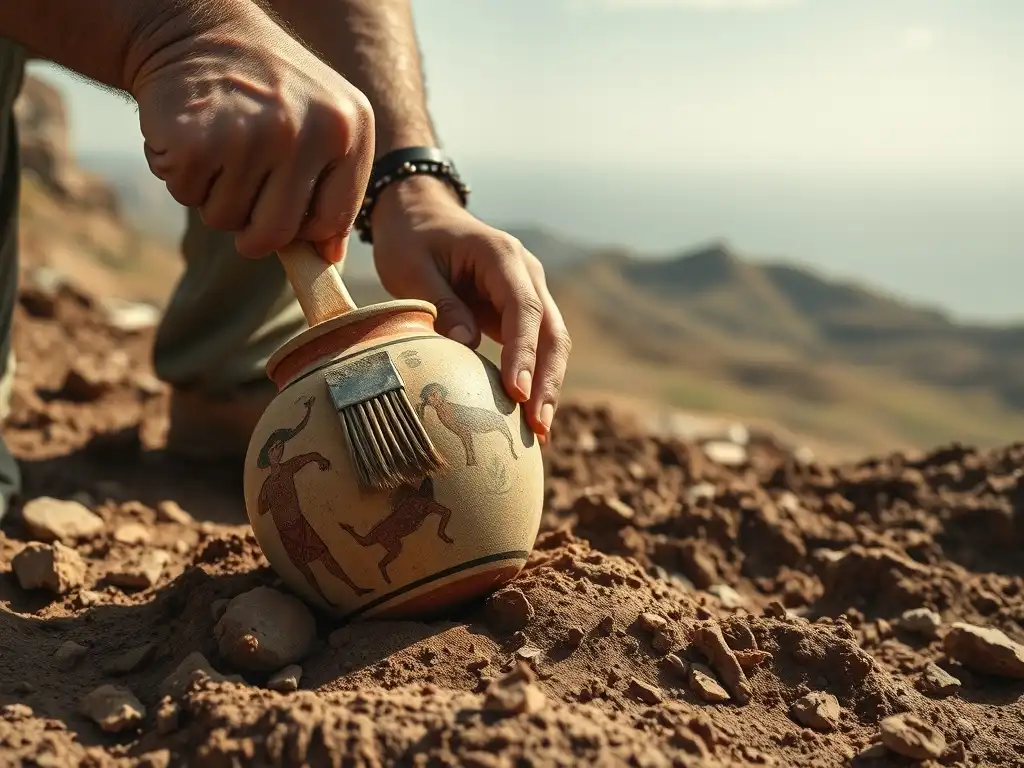
The Valdivia culture, flourishing in coastal Ecuador from approximately 3500 to 1800 BCE, left an undeniable mark on the trajectory of later Andean societies. While not a direct ancestor to all subsequent cultures, its innovations and cultural practices served as a foundational layer upon which later complex societies built. Understanding the Valdivia culture origins is key to comprehending the broader development of Andean civilization.
Their contributions were multifaceted, impacting everything from pottery techniques and artistic styles to societal structures and religious beliefs. The legacy of Valdivia is not one of direct lineage in every instance, but rather a complex tapestry of influences, adaptations, and transformations.
Valdivia's Influence on Later Coastal Cultures
The Valdivia culture's influence is particularly pronounced in subsequent coastal cultures of Ecuador and northern Peru. Their mastery of pottery, notably the creation of the earliest known ceramic figurines in the Americas, set a precedent for future ceramic traditions. The stylistic elements found in Valdivia pottery—the delicate modeling, the use of natural pigments, and the focus on human and zoomorphic representations—can be traced in various forms through later coastal cultures like the Machalilla and Chorrera.
This isn't to say these cultures simply copied Valdivia; rather, they adapted and innovated upon existing techniques, resulting in unique expressions while still bearing the imprint of Valdivia's pioneering work. For example, the use of shell-tempered clay, a hallmark of Valdivia pottery, continued to be utilized, albeit with modifications, by subsequent coastal groups. Analysis of ceramic styles reveals a clear, albeit evolving, connection between Valdivia and these later cultures.
Detailed studies comparing pottery shards, decorative motifs, and manufacturing techniques show striking similarities, suggesting a continuity of cultural exchange and influence. The emergence of sophisticated ceramic production in the coastal region is undeniably linked to the innovations of the Valdivia culture.
Continuities and Transformations: Tracing Valdivia's Legacy
Tracing Valdivia's legacy requires acknowledging both continuities and transformations. While some elements, like ceramic techniques, show clear links to later cultures, others underwent significant changes. For example, the emphasis on female figurines in Valdivia art, often interpreted as representing fertility goddesses or ancestral figures, evolved in later cultures.
While the representation of the female form persisted, the stylistic choices and symbolic meanings likely shifted to reflect the evolving beliefs and social structures of these later societies. The study of Valdivia culture origins, therefore, isn't simply a matter of identifying direct descendants. Instead, it's about recognizing the subtle ways in which their innovations were adapted, reinterpreted, and ultimately transformed within the broader context of Andean cultural development.
The Valdivia's impact on social organization is less directly evident in the archaeological record but remains a subject of ongoing research and debate. Some scholars suggest that the relatively egalitarian nature of Valdivia society might have influenced the social structures of later coastal groups, while others emphasize the significant transformations that occurred as societies grew more complex.
The Valdivia Culture and the Development of Andean Art
The Valdivia culture's contribution to the development of Andean art is undeniable. Their mastery of pottery, particularly the creation of meticulously crafted figurines, laid the groundwork for future artistic traditions. The Valdivia figurines, often depicting stylized human figures, animals, and abstract forms, represent the earliest known examples of ceramic art in the Americas.
These figurines, characterized by their delicate modeling and use of natural pigments, demonstrate a sophisticated understanding of sculptural techniques and artistic expression. The artistic styles and iconography of Valdivia pottery and figurines influenced subsequent artistic traditions in the Andes, although often in transformed and adapted forms. The emphasis on human and animal representation, the use of specific decorative motifs, and the overall aesthetic sensibility of Valdivia art all contributed to the rich and diverse artistic landscape of later Andean civilizations.
Analyzing the stylistic evolution from Valdivia to later cultures provides valuable insights into the processes of cultural transmission and adaptation in the Andean region. The intricate details and expressive qualities of Valdivia art showcase an artistic sophistication that significantly influenced the development of artistic traditions throughout the Andes. The legacy of Valdivia's artistic innovations continues to inspire awe and admiration, showcasing the remarkable achievements of this early Andean culture.
Exploring Key Valdivia Archaeological Sites
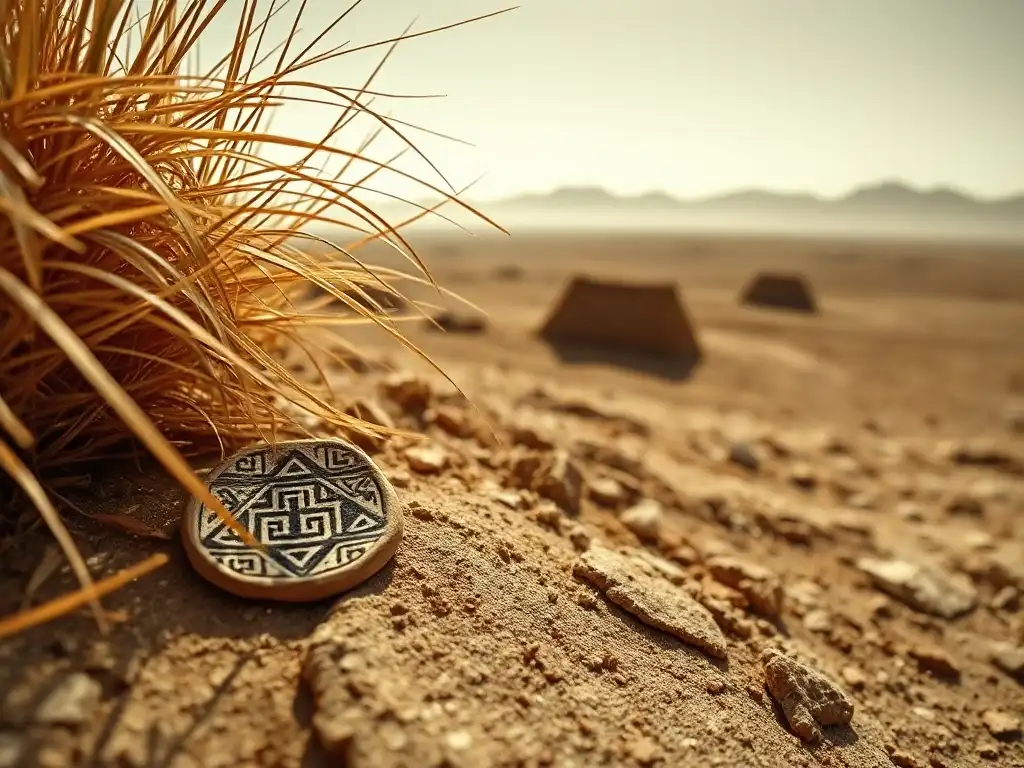
This section delves into the crucial archaeological sites that have yielded invaluable insights into the Valdivia culture, significantly contributing to our understanding of its origins and development. These sites offer a glimpse into daily life, societal structures, and the artistic expressions of this groundbreaking pre-ceramic culture. Analyzing these locations allows us to piece together a more complete picture of Valdivia culture origins and its lasting impact on subsequent Andean civilizations. The meticulous excavation and analysis of artifacts from these sites have revolutionized our understanding of the early development of complex societies in South America.
Real Alto: A Case Study of Valdivia Life
Real Alto, located in the coastal region of Ecuador, stands as a pivotal site for understanding Valdivia daily life. Excavations have revealed remarkably well-preserved evidence of domestic structures, providing researchers with unique insights into the organization of Valdivia settlements. The layout of houses, often clustered together, suggests a degree of social organization beyond simple family units. Furthermore, the discovery of numerous artifacts, including tools, pottery fragments, and shell ornaments, sheds light on the economic activities and artistic traditions of the Valdivia people.
The meticulous analysis of the ceramic fragments found at Real Alto has been particularly important in understanding the evolution of Valdivia pottery. The earliest Valdivia ceramics are characterized by their simple forms and lack of decoration, while later examples exhibit more complex shapes and decorative elements, reflecting the development of artistic skills and technological advancements over time. This evolution underscores the dynamism and innovation inherent within Valdivia culture origins and its long-term development. The abundance of shell artifacts also points to the importance of marine resources in their diet and economy, highlighting their mastery of coastal resource management.
Loma Alta: Unveiling Valdivia's Complexity
Loma Alta, another significant Valdivia site, has played a crucial role in dispelling the notion of a simplistic, homogeneous Valdivia society. Archaeological evidence suggests a level of social stratification and complexity that was previously underestimated. The discovery of larger, more elaborate structures alongside smaller dwellings hints at the existence of social hierarchies and potentially specialized roles within the community. This contrasts with earlier interpretations that portrayed the Valdivia as a society of egalitarian small bands.
The presence of specialized tools, such as those used for the production of elaborate shell ornaments and sophisticated pottery, further supports the argument for a level of social differentiation. Detailed analysis of these tools reveals advanced techniques and knowledge of materials, indicating specialized craftsmanship and potentially a system of exchange or trade networks.
Further research at Loma Alta is crucial to fully understand the extent of social complexity within Valdivia culture origins and the mechanisms that maintained social order. The intricate patterns found on some of the recovered pottery pieces also support the idea of symbolic meaning and potentially ritualistic practices within the society.
San Isidro: Insights from a Major Valdivia Center
San Isidro represents one of the largest and most significant Valdivia settlements yet discovered. Its size and complexity suggest a central role in the Valdivia cultural network, potentially serving as a regional center for trade, administration, or ritual activities. The layout of the site, with its carefully planned arrangement of structures and evidence of public spaces, points to a sophisticated level of social organization and planning far beyond what was initially believed about Valdivia culture origins.
The sheer number of artifacts unearthed at San Isidro has provided an unparalleled wealth of information about Valdivia material culture. The wide variety of tools, ornaments, and pottery styles suggests a rich and diverse economy, supported by both agriculture and marine resources. The discovery of elaborate burial sites containing grave goods further illuminates Valdivia beliefs and practices concerning death and the afterlife.
The sheer scale of San Isidro emphasizes the significant advancement and complexity achieved by the Valdivia culture, challenging previous assumptions about the limitations of pre-ceramic societies in South America. The ongoing research at San Isidro promises to further illuminate Valdivia culture origins and its influence on subsequent Andean societies.
Conclusion: The Enduring Legacy of the Valdivia Culture
The Valdivia culture, flourishing millennia before the Inca Empire, left an indelible mark on the trajectory of Andean civilization. Its significance extends far beyond its chronological position; it represents a foundational stage in the development of complex societies in the region. Understanding the Valdivia culture's origins is crucial to grasping the broader narrative of Andean development, revealing a continuity of cultural practices and technological advancements that shaped subsequent societies.
The insights gleaned from studying the Valdivia people provide a deeper appreciation for the complexity and richness of pre-Columbian Andean history, challenging simplistic narratives and enriching our understanding of human adaptation and innovation. The Valdivia legacy is not merely a historical curiosity; it's a vital key to unlocking the secrets of Andean cultural evolution.
Valdivia Culture's Contributions to Andean Civilization
The Valdivia culture's contributions to later Andean civilizations are multifaceted and profound. Their mastery of ceramic production, for instance, represents a significant technological leap. The incredibly fine craftsmanship evident in their pottery, including the iconic female figurines, showcases a sophisticated understanding of clay manipulation and firing techniques.
This expertise likely paved the way for the advanced ceramic traditions seen in later cultures like the Moche and Nazca, who built upon the Valdivia foundation, refining techniques and expanding stylistic expression. Furthermore, the Valdivia's development of complex social structures, evidenced by the presence of large settlements and specialized labor, foreshadowed the hierarchical societies that would characterize later Andean cultures. The evidence suggests a sophisticated understanding of resource management and social organization, laying the groundwork for future political and economic developments.
The Valdivia's impact can also be seen in their early adoption of agriculture, demonstrating an adaptive capacity and innovative approach to food production that would be essential for the growth and sustainability of Andean societies. Their successful cultivation of diverse crops contributed to a more resilient and productive agricultural system, forming a basis for the later expansion of Andean agriculture.
The Importance of Studying the Valdivia Culture
Studying the Valdivia culture is paramount for several reasons. First, it offers a crucial window into the earliest stages of complex societal development in the Andes, challenging the previously held notion that advanced civilizations emerged later. The existence of the Valdivia culture pushes back the timeline of significant cultural milestones, forcing a reassessment of the established narrative of Andean history.
Second, the Valdivia culture provides a valuable case study in human adaptation and innovation. Their successful navigation of environmental challenges and their development of unique technological and social systems offer valuable lessons for understanding human resilience and cultural evolution. Third, understanding the Valdivia culture allows us to appreciate the depth and complexity of Andean cultural diversity.
It highlights the rich tapestry of traditions and innovations that existed long before the Inca Empire, enriching our understanding of the region's cultural heritage. Finally, the study of the Valdivia culture helps us to decolonize our understanding of Andean history, moving beyond Eurocentric perspectives and centering Indigenous voices and knowledge. The Valdivia's story is a testament to the ingenuity and resilience of Andean peoples, and its study is essential for a more complete and nuanced understanding of Andean civilization.
Further Research and Unanswered Questions about Valdivia
Despite significant progress in understanding the Valdivia culture, many questions remain unanswered. Further research is needed to clarify aspects of their social organization, including the nature of their political structures and the extent of inter-regional interactions. More detailed analysis of their burial practices could shed light on their belief systems and funerary rituals. The precise nature of their economic systems, including trade networks and resource distribution, also requires further investigation.
Technological advancements in dating techniques and archaeological analysis could greatly enhance our understanding of the Valdivia timeline and their relationship with contemporaneous and later cultures. A more comprehensive study of their artistic expression, including the symbolic meaning behind their iconic figurines, would provide a deeper insight into their worldview and cultural values. Finally, incorporating Indigenous perspectives and oral traditions into future research would enrich our understanding and ensure a more inclusive and accurate representation of the Valdivia culture and its legacy.
The mysteries surrounding the Valdivia culture serve as a powerful reminder of the ongoing need for further research and interdisciplinary collaboration to fully appreciate their profound impact on Andean civilization. The ongoing excavation and analysis of Valdivia sites promise to reveal further secrets, enriching our understanding of these pioneering inhabitants of the Andean coast. 🗺️
Frequently Asked Questions
What is the Valdivia culture?
The Valdivia culture represents one of the earliest known complex societies in South America, flourishing along the coast of present-day Ecuador from approximately 3500 to 1800 BCE. They are renowned for their remarkable ceramic artistry.
Where did the Valdivia culture originate?
The Valdivia culture originated along the coastal regions of Ecuador, specifically in the Guayas province. Their settlements were strategically located near abundant resources.
What are the key characteristics of Valdivia culture?
Key characteristics include their advanced pottery, featuring sophisticated techniques and intricate designs, early evidence of agriculture, and development of complex social structures. They also engaged in extensive maritime activities.
How did the Valdivia culture influence later Andean civilizations?
The Valdivia culture's innovations in pottery and agriculture laid the groundwork for subsequent Andean societies. Their sophisticated craftsmanship and social organization influenced the development of later cultures.
What is the significance of the Valdivia culture in the broader context of Andean history?
The Valdivia culture holds immense significance as it demonstrates the early emergence of complex societies in the Andes, challenging previous assumptions about the timeline of cultural development in the region. Their legacy is a fundamental building block of later Andean traditions.
Final Reflection: Echoes of Valdivia: A Legacy Woven into Andean Time
The ingenuity and artistry of the Valdivia culture, flourishing millennia ago on the Ecuadorian coast, resonate powerfully with contemporary understandings of Andean civilization. Their sophisticated pottery, complex social structures, and pioneering agricultural practices weren't mere historical footnotes; they represent a foundational layer upon which later Andean societies built their own remarkable achievements. This early expression of human potential continues to challenge our assumptions about the development of complex societies in the Americas.
The enduring impact of the Valdivia culture is undeniable, shaping not only the archaeological record but also our collective understanding of human history in the Andes. Their legacy extends far beyond mere artifacts; it speaks to the resilience and adaptability of human spirit in the face of environmental challenges and the enduring power of cultural innovation. The past is never dead. It's not even past.
– William Faulkner. This quote perfectly encapsulates the ongoing relevance of the Valdivia culture, whose influence continues to be unearthed and reinterpreted by archaeologists and historians alike, enriching our understanding of the rich tapestry of Andean history.
Consider, for a moment, the implications of this ancient civilization's achievements. Their mastery of pottery, their sophisticated social organization, and their early adoption of agriculture laid the groundwork for future Andean societies. You, the reader, are invited to reflect on the enduring power of human ingenuity and the interconnectedness of history. How can we, in our own time, learn from the resilience and innovation of the Valdivia people? Let their story inspire you to appreciate the depth and complexity of human history and to seek out the hidden connections that bind us to the past.
Unveil the Depths of Valdivia Culture!
Thank you for exploring the fascinating world of Valdivia culture with us! We hope you've gained valuable insights into the rich tapestry of its traditions. Now, let's put that knowledge to use!
Here are some ways you can further engage with and appreciate this incredible civilization:
- Explore Local Museums: Visit a museum with a collection of pre-Columbian artifacts and exhibitions to witness the beauty of Valdivia's legacy firsthand. You might be surprised by the artistry and sophistication of the pottery and other objects.
- Connect with Fellow Enthusiasts: Share your thoughts and questions with others passionate about pre-Columbian Andean cultures. Joining online forums or local archaeology groups can lead to inspiring conversations and new perspectives.
- Document Your Journey: Start a blog or journal to chronicle your learning and how it shapes your understanding of the Andean world. This is a great way to solidify your knowledge and share your passion with others.
Are you ready to delve even deeper into the wonders of Valdivia culture? What aspect of this ancient civilization captivates you most, and how will you continue to explore it?