
Ritual Practices in Paracas Burials: Beyond Simple Interment

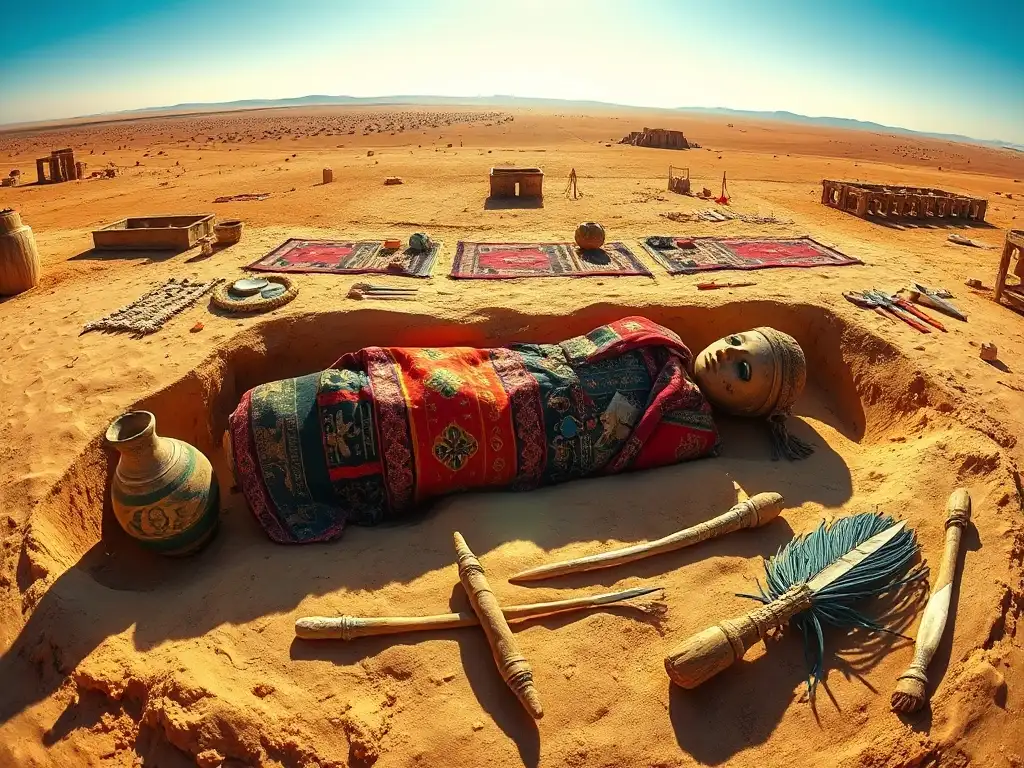
Step into a world lost to time, where the whispers of ancient Andean cultures echo across millennia. Prepare to be captivated by the intricate tapestry of their lives, from the towering heights of Inca ingenuity to the enigmatic artistry of the Nazca. But first, let's delve into the truly astonishing world of Paracas burial rituals. These weren't simple interments; they were elaborate, symbolic ceremonies revealing a depth of spiritual belief beyond our current understanding. Dare to uncover the secrets hidden within these ancient tombs – your journey into the heart of Pre-Incan coastal cultures begins now.
The Paracas culture, flourishing along the southern coast of Peru from approximately 800 BCE to 100 CE, left behind a legacy far richer and more complex than simple burial practices might suggest. While their elaborate textiles are justly famous, a deeper dive into their funerary rituals reveals a sophisticated worldview, a complex social structure, and a profound connection to the spiritual realm.
This article explores the fascinating intricacies of Paracas burial rituals, moving beyond the notion of simple interment to uncover the symbolic significance embedded within these ancient practices and their profound insights into Paracas beliefs and society. We will examine the evidence, considering the elaborate grave goods, the unique mummification techniques, and the carefully constructed burial sites themselves, to paint a more complete picture of Paracas funerary rites and their central role in Paracas culture.
Understanding these rituals provides crucial insights into their cosmology, social organization, and the significance of death in their worldview. The keyword "Paracas burial rituals" will be explored in depth throughout this article.
The Paracas Necropolis: A City of the Dead
The Paracas Necropolis, a vast cemetery located near the modern-day town of Paracas, is a testament to the scale and significance of Paracas burial practices. Archaeological excavations have unearthed thousands of individual tombs, ranging from simple pits to elaborate subterranean structures. These tombs are not randomly distributed; rather, they reveal a carefully planned layout, suggesting a structured and organized approach to funerary rites.
Many tombs contained multiple individuals, hinting at family burials or the interment of individuals associated with a specific social group. The sheer number of burials and their spatial arrangement indicates a significant investment of time, labor, and resources dedicated to these rituals, highlighting their central role in Paracas society.
The arrangement of the tombs themselves, often clustered in groups, may reflect kinship ties or social status, although further research is needed to definitively establish these connections. The sheer scale of the necropolis, a true "city of the dead," underscores the importance of death and the afterlife in Paracas beliefs.
The contents of Paracas tombs provide invaluable insights into their social structure and cosmology. Grave goods were far from uniform; some tombs contained only basic necessities, while others overflowed with an astonishing array of objects. These included intricately woven textiles, often depicting supernatural beings and complex narratives; finely crafted pottery, showcasing unique artistic styles and designs; and elaborate ornaments made of precious metals, shells, and feathers.
The presence or absence of these items, and their quality, strongly suggests a hierarchical society, with the quantity and richness of grave goods reflecting the deceased's social standing. For instance, tombs containing finely worked gold ornaments and large quantities of textiles likely belonged to elite members of society, while simpler burials might represent commoners.
The inclusion of specific objects, such as ceremonial paraphernalia or shamanistic tools, further suggests the deceased's role and social standing within the community. The diversity of grave goods also provides a window into Paracas beliefs, hinting at a rich spiritual world populated by deities, supernatural beings, and ancestral spirits.
Mummification Techniques: A Unique Approach to Preservation
Paracas mummification techniques were remarkably advanced for their time. Unlike the simpler mummification practices of other Andean cultures, the Paracas method involved a complex series of procedures aimed at preserving the body. The process began with the removal of internal organs, followed by a meticulous drying and wrapping of the body. The mummies were then adorned with elaborate textiles and placed in carefully constructed tombs. The sophistication of these techniques demonstrates a deep understanding of anatomy and preservation methods. The sheer number of well-preserved mummies found in the Necropolis provides a unique opportunity to study Paracas physical characteristics and health. Analysis of these mummies has revealed valuable information about their diet, diseases, and overall health, shedding light on daily life within the Paracas society. The care and attention devoted to the mummification process further highlights the importance placed on the body's preservation and its continued presence in the spiritual realm.
Interpreting the Symbolism: Unraveling the Paracas Worldview
The symbols and imagery found on Paracas textiles and pottery provide further clues to their worldview. Recurring motifs, such as supernatural beings, stylized animals, and geometric patterns, suggest a complex cosmology and a deep connection to the natural world. Many scholars interpret these images as representing deities, ancestral spirits, or shamanistic experiences.
The intricate weaving techniques and detailed representations suggest a sophisticated understanding of symbolism and narrative. Further research, including detailed iconographic studies, is needed to fully decipher the meaning of these symbols and their role in Paracas religious beliefs. The careful analysis of these visual representations is crucial for understanding the underlying beliefs and values that shaped Paracas funerary rituals and their broader cultural practices.
The rich tapestry of symbols woven into their textiles and painted onto their pottery offers a unique window into their spiritual world. Decoding these visual clues can help us better understand the motivations behind their complex burial rituals and their significance within the Paracas civilization.
- The Paracas Necropolis: A City of the Dead
- Elaborate Grave Goods: Reflections of Social Status and Belief
- Mummification Techniques: A Unique Approach to Preservation
- Interpreting the Symbolism: Unraveling the Paracas Worldview
Understanding Paracas Mortuary Customs
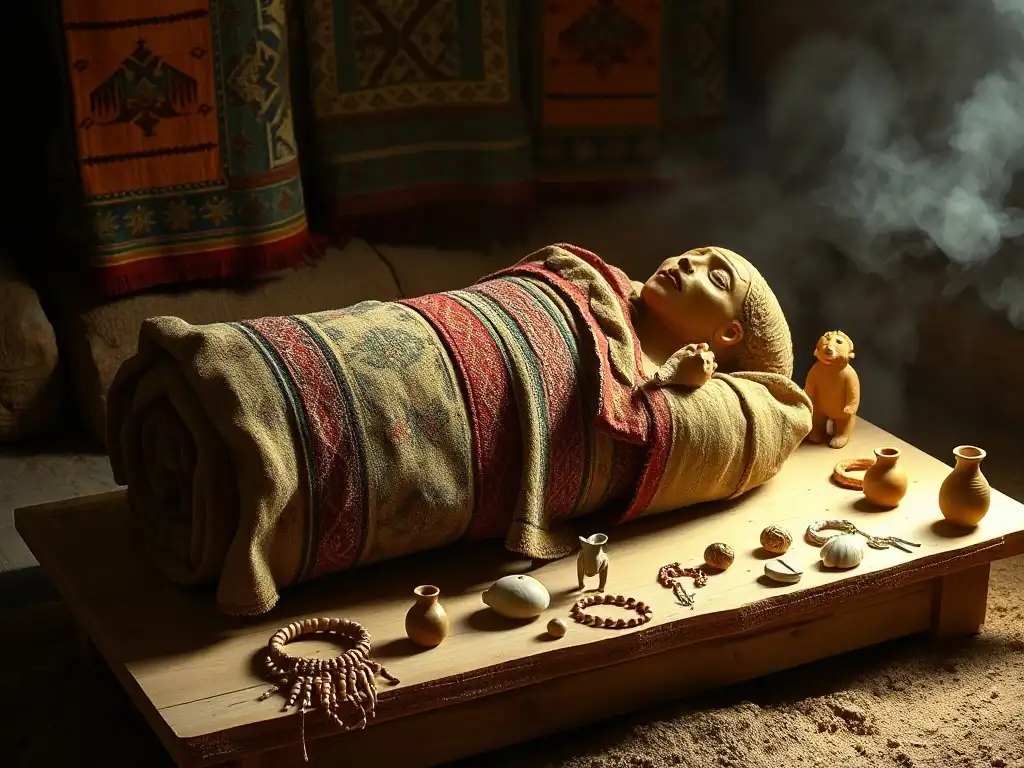
The Paracas culture, flourishing on the southern coast of Peru from approximately 800 BCE to 200 CE, is renowned not only for its exquisite textiles but also for its elaborate and complex burial rituals. These rituals, far from being simple interment practices, reveal a sophisticated worldview and a deep preoccupation with the afterlife. Understanding these mortuary customs provides invaluable insight into the social structures, religious beliefs, and daily lives of the Paracas people.
The sheer scale and intricacy of their burial sites underscore the importance they placed on death and the transition to the next world. Analyzing the artifacts found within these tombs, from intricately woven textiles and ornate pottery to meticulously crafted gold ornaments, allows us to piece together a more complete picture of their beliefs and practices surrounding death. The careful preparation of the bodies, the inclusion of grave goods, and the construction of the tombs themselves all speak to a highly developed funerary tradition.
This section will delve deeper into the specifics of these practices, examining both the broader significance of their funeral rites and the diverse range of burial sites employed by the Paracas. The study of "Paracas burial rituals" offers a window into a fascinating and complex culture.
The Significance of Paracas Funeral Rites
Paracas funeral rites were not merely practical arrangements for disposing of the dead; they were elaborate ceremonies reflecting a complex cosmology and social hierarchy. The sheer investment of time, resources, and labor involved in creating these elaborate burials points to the paramount importance the Paracas placed on the afterlife. The deceased were not simply buried; they were prepared for a journey into the spirit world, equipped with everything they might need in their new existence. The presence of numerous grave goods, including food, textiles, tools, and ornaments, suggests a belief in an afterlife that mirrored, or perhaps even surpassed, the comforts of earthly life.
This belief system is further supported by the meticulous mummification techniques employed, which involved removing internal organs, wrapping the body in layers of textiles, and often adding decorative elements. The careful preservation of the bodies indicates a profound respect for the deceased and a desire to maintain their connection to the living world. Furthermore, the positioning of the bodies within the tombs, the arrangement of grave goods, and the overall construction of the burial sites all contribute to our understanding of the symbolic significance of death within Paracas society.
The study of these rituals provides crucial evidence for understanding their social structures and belief systems. For example, the variation in grave goods found in different tombs may reflect social status or kinship relationships. These subtle differences offer valuable clues in our ongoing effort to understand the "Paracas burial rituals".
Paracas Burial Sites: An Overview
Paracas burial sites demonstrate a remarkable diversity in both scale and complexity. From simple individual burials to elaborate subterranean complexes containing numerous mummies, the range of burial practices reflects the social and economic variations within the society. Many were located in subterranean chambers, often accessed via shafts dug into the ground. These chambers frequently contained multiple burials, suggesting family tombs or communal burial practices.
The construction of these tombs required significant effort, indicating a communal undertaking reflecting the social cohesion of the Paracas people. The most famous examples, however, are the large, complex tombs containing hundreds of mummies, often accompanied by vast quantities of grave goods. These sites highlight the importance of mortuary rituals within Paracas society and indicate a level of social organization capable of mobilizing significant resources for these ceremonies. The arrangement of the mummies within these tombs, often bundled together and arranged in specific patterns, is also significant.
This indicates a deliberate and ritualistic approach to burial, furthering our understanding of their beliefs about the afterlife and their relationship with their ancestors. Further research into the geographical distribution of these sites may reveal patterns correlated with seasonal changes or access to resources, providing more context for the practice of "Paracas burial rituals". Detailed analysis of the architecture and contents of these varied burial sites is crucial for a comprehensive understanding of Paracas mortuary practices.
Unveiling Paracas Burial Practices
The Paracas culture, flourishing on the southern coast of Peru from roughly 800 BCE to 200 CE, left behind a fascinating legacy of elaborate burial rituals. These practices, far from being simple interments, reveal a complex worldview and intricate social structures. Understanding these rituals provides invaluable insights into Paracas beliefs about life, death, and the afterlife.
The meticulous attention to detail in preparing the deceased, the significant role of textiles, and the inclusion of elaborate grave goods all point to a society deeply invested in honoring its ancestors and ensuring their continued well-being in the spirit world. Analyzing these "Paracas burial rituals" offers a window into a vibrant and sophisticated culture.
Preparation of the Deceased in Paracas Culture
The preparation of the deceased was a crucial stage in Paracas burial rituals. Evidence suggests a multi-step process involving mummification techniques remarkably advanced for their time. Unlike the Inca practice of desiccation, Paracas mummification involved a combination of techniques. Bodies were initially cleaned and eviscerated, then carefully wrapped in layers of textiles. These weren't just simple wrappings; they were meticulously crafted pieces, often adorned with intricate embroidery and designs reflecting Paracas artistry. The process likely involved the application of various substances, perhaps plant-based preservatives or resins, although the precise composition remains a subject of ongoing research. 1 Furthermore, the positioning of the body within the tomb, often in a flexed position, also points to specific ceremonial practices reflecting their beliefs about the transition to the afterlife. The physical manipulation of the corpse itself—the careful removal of organs, the precise wrapping, and the specific positioning—indicates a highly ritualized process, far exceeding simple burial practices. This meticulous care suggests a profound respect for the deceased and a belief in their continued existence beyond physical death. The effort involved underscores the importance placed on proper preparation for the journey to the next world.
1 Further research is needed to definitively identify the exact substances used in Paracas mummification.
The Role of Textiles in Paracas Burials
Textiles are undeniably central to understanding Paracas burial rituals. The Paracas people were renowned for their mastery of textile production, and this skill is strikingly evident in their burial practices. Mummies were typically wrapped in multiple layers of finely woven cloth, often incorporating vibrant colors and complex designs.
These textiles were not merely functional wrappings; they served as a visual representation of the deceased's status, identity, and perhaps even their spiritual journey. The intricate embroidery, the use of diverse techniques like tapestry and gauze weaving, and the selection of specific colors all contribute to a rich tapestry of symbolic meaning, waiting to be fully deciphered. Furthermore, the sheer quantity of textiles found in some tombs is astounding, suggesting a significant investment of time, resources, and labor in creating these funerary ensembles.
The textiles themselves weren't always solely for wrapping. Elaborate textile banners and shrouds, often depicting scenes from Paracas mythology or everyday life, were frequently included, providing additional insights into their beliefs and culture. The presence of these elaborate textiles elevates the Paracas burial beyond a simple interment, transforming it into a richly symbolic ritual reflecting the deceased's social standing and the community's reverence for their ancestors.
Grave Goods and Offerings in Paracas Funerals
The grave goods accompanying Paracas burials provide further evidence of elaborate funerary practices. Beyond textiles, tombs often contained a variety of objects, including pottery, tools, ornaments, and food offerings. The types and quantities of these goods varied depending on the status of the deceased. Elite burials often included exquisitely crafted ceramics, ornate jewelry made of precious metals and stones, and finely worked tools reflecting the deceased's social standing and profession.
For example, a high-ranking individual might be buried with elaborate gold ornaments, fine pottery vessels filled with food and drink, and specialized tools relating to their role in society. These objects weren't merely possessions; they were essential components of the funerary ritual, intended to provide the deceased with the necessary resources and comforts in the afterlife. Moreover, the presence of food and drink offerings suggests a belief that the deceased continued to consume and needed sustenance even in death.
The careful selection and placement of grave goods within the tomb reveal a complex system of beliefs surrounding death, the afterlife, and the continuity of social relationships across the boundary of life and death. The careful curation of these items within the burial context speaks volumes about Paracas societal structures and beliefs. The variation in grave goods across different burials offers valuable insights into social stratification and the distribution of wealth and power within the Paracas society.
Variations in Paracas Burial Rituals
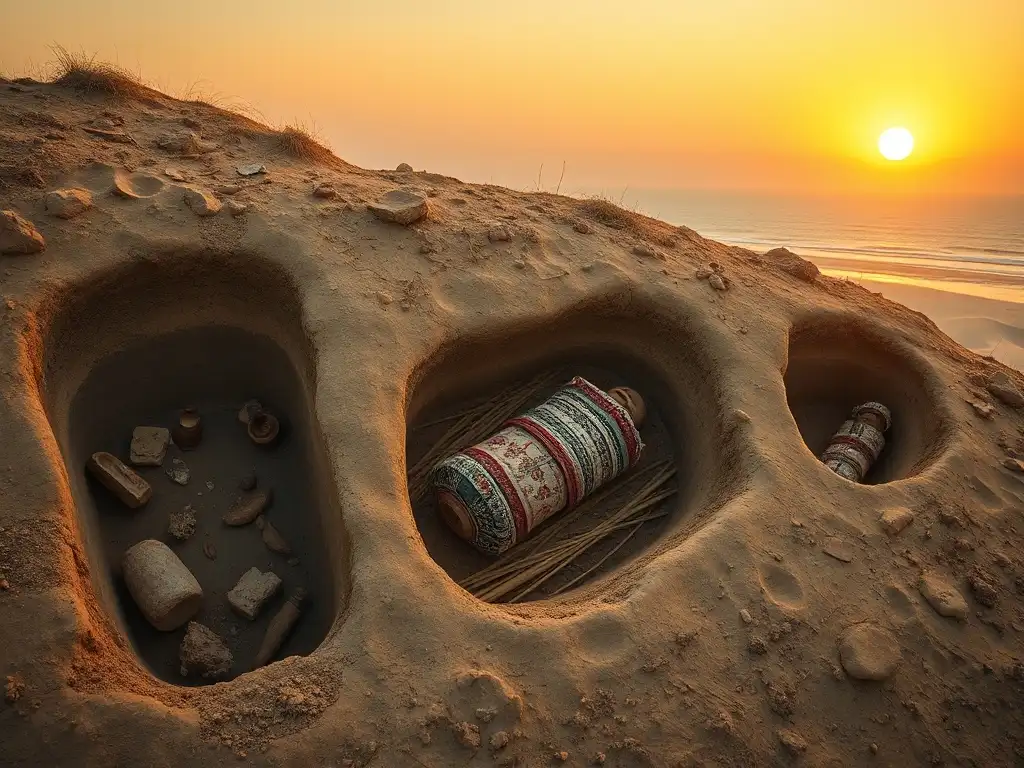
The Paracas culture, renowned for its exquisite textiles and elaborate mummification techniques, also exhibited a fascinating diversity in its burial rituals. While a common thread of careful preparation and elaborate grave goods unites these practices, closer examination reveals significant variations that reflect evolving societal structures, regional differences, and possibly even shifts in religious beliefs. Understanding these nuances is key to unlocking a deeper appreciation of Paracas society and its complex worldview. Analyzing "Paracas burial rituals" requires a nuanced approach, considering temporal and geographical factors.
Differences in Burial Practices Across Paracas Periods
The Paracas culture is broadly divided into two main periods: Early Paracas (ca. 800-300 BCE) and Late Paracas (ca. 300 BCE – 200 CE). These periods show distinct differences in their funerary practices. Early Paracas burials, often located in subterranean chambers or simple pits, frequently feature bundled bodies wrapped in intricate textiles. Grave goods, while present, tend to be less abundant and less elaborate compared to the Late Paracas period. Early Paracas textiles, while stunning in their craftsmanship, often show simpler designs and a less diverse palette than those found in later burials.
In contrast, Late Paracas burials exhibit a significant increase in the complexity and scale of their mortuary rites. These burials often involved elaborate subterranean galleries, sometimes containing multiple individuals, and a profusion of grave goods. The textiles are markedly more complex, employing a wider range of colors, techniques, and designs.
The increased scale and complexity suggest a possible shift in social organization or religious beliefs, perhaps reflecting a more stratified society with a greater emphasis on ritual display. Further research into the specific types of textiles and artifacts found in each period could illuminate these potential changes. For example, the presence of certain types of ceramics or ornaments might indicate different social groups or religious affiliations.
The impact of social status on Paracas burial practices is a significant area of study. Evidence suggests a clear correlation between the richness of the grave goods and the presumed social standing of the deceased. High-status individuals were often interred in larger, more elaborate tombs, accompanied by a greater quantity and quality of textiles, ceramics, and other artifacts. These items served not only as grave goods but also as markers of social status and power. For instance, the presence of rare or intricately woven textiles, fine gold ornaments, or specific types of pottery could indicate a high social rank.
Conversely, individuals of lower social standing were typically buried with fewer and simpler goods, reflecting their position within the society. The variations in burial treatment provide valuable insights into the social hierarchy and power structures within Paracas communities. More research is needed to establish a definitive typology of grave goods and their correlation to specific social roles. This may involve a detailed comparative analysis of different burial sites and the artifacts they contained. Statistical analysis of the distribution of grave goods could also help to refine our understanding of social stratification within Paracas society.
Regional Variations in Paracas Funeral Traditions
While the overall characteristics of Paracas burial rituals remain relatively consistent across different sites, subtle regional variations also exist. These variations may reflect localized customs, beliefs, or even the availability of specific resources. For example, the types of textiles used in burials might vary slightly depending on the region, reflecting access to different fibers or distinct weaving traditions. Similarly, the types of ceramics and other grave goods might also exhibit regional variations.
Further investigation into the geographical distribution of different burial styles and grave goods is crucial to understand the full extent of regional diversity within Paracas funerary practices. The creation of a comprehensive database mapping burial sites and their associated artifacts could be invaluable in this regard. Such a database would allow for the identification of patterns and trends that might not be apparent from examining individual sites in isolation.
This would significantly advance our understanding of the cultural landscape of Paracas society and the factors shaping its diverse funerary traditions. The study of "Paracas burial rituals" therefore necessitates a geographically informed approach. 🗺️
The Symbolic Meaning of Paracas Burials
The Paracas culture, flourishing on the southern coast of Peru between 700 BCE and 200 CE, left behind a rich legacy of intricate textiles and remarkably preserved mummies, offering invaluable insights into their complex burial rituals. These weren't simply acts of interment; they were elaborate, symbolic performances reflecting deeply held religious beliefs and a sophisticated understanding of the afterlife. Understanding the symbolic meaning embedded within these practices requires a nuanced approach, considering the intricate details of the grave goods, the mummy preparation itself, and the overall context of the burial site.
The sheer scale of effort invested in these rituals highlights the paramount importance placed on death and the transition to the next world within Paracas society. Analysis of numerous excavated sites reveals consistent patterns suggesting a highly structured and ritualized approach to burial, making the study of "Paracas burial rituals" a compelling window into their worldview.
Religious Beliefs Reflected in Paracas Interment
The careful preparation of the bodies, often involving mummification techniques that rivaled those of later cultures, speaks volumes about Paracas religious beliefs. The intricate textiles, often featuring vibrant colors and complex designs, were not mere adornments; they were imbued with symbolic meaning, likely representing the deceased's social status, lineage, and perhaps even their journey into the afterlife. Evidence suggests a belief in a complex pantheon of deities, with specific offerings and rituals tailored to appease or honor them.
For instance, the presence of specific types of ceramics or the orientation of the body within the tomb might indicate a connection to a particular deity or spiritual force. The meticulous placement of grave goods, seemingly chosen with careful consideration, further reinforces the idea of a structured religious framework underpinning these burial practices.
Detailed studies of these artifacts, particularly textiles and ceramics, are crucial to unraveling the intricacies of Paracas religious beliefs as reflected in their interment practices. Further research into the specific chemical composition of pigments used in textiles could provide further clues on the symbolic meaning of colors.
The Concept of Afterlife in Paracas Culture
The elaborate nature of Paracas burials strongly suggests a belief in an afterlife, a continuation of existence beyond physical death. The inclusion of abundant food, textiles, and other necessities in the graves implies a desire to provide for the deceased in their next life. The careful preservation of the bodies, often through complex mummification processes, further underscores this belief in the continued existence of the spirit or soul.
The rich iconography on the textiles, often depicting figures and scenes that may represent mythological narratives or spiritual journeys, provides further evidence of a well-developed concept of the afterlife. This concept may have included varying levels or realms of existence based on the social status or merits of the deceased, as evidenced by the varying levels of opulence observed across different burial sites.
The presence of specific artifacts, such as ceremonial objects or miniature representations of everyday life, suggests a desire to recreate aspects of the earthly existence in the afterlife. The detailed analysis of these artifacts is essential to gain a deeper understanding of the Paracas concept of the afterlife and its reflection in their burial rituals.
Decoding the Iconography of Paracas Burial Artifacts
The iconography found on Paracas textiles and ceramics provides critical clues to understanding their burial rituals. Recurring motifs, such as stylized figures, mythical creatures, and abstract designs, likely held profound symbolic meaning within Paracas society. These images, often intricately woven into textiles or painted onto pottery, can be interpreted as representations of deities, ancestors, or spiritual concepts important to their worldview.
For example, certain recurring motifs might represent specific deities or aspects of the natural world, while others may represent stages in the journey to the afterlife. Scholars continue to debate the specific meanings of many of these symbols, requiring careful comparative analysis across multiple artifacts and burial sites. The development of a comprehensive iconographic lexicon is crucial for a complete understanding of the symbolic language embedded within Paracas burial artifacts and their connection to their burial rituals.
Further research, including cross-cultural comparisons with other contemporaneous Andean cultures, may shed light on the broader significance of these symbols. A detailed catalogue of these symbols, along with their potential interpretations, would significantly enhance our understanding of "Paracas burial rituals."
Advanced Techniques in Paracas Burial Preparation
The Paracas culture, renowned for its elaborate textiles and unique artistic expression, also displayed sophisticated techniques in preparing their deceased for the afterlife. Their burial rituals, far from simple interment, involved a complex series of procedures reflecting a deep understanding of the body and its preservation. This section delves into the advanced techniques employed in Paracas burial preparation, highlighting the significance of cranial modification, embalming practices, and the strategic use of resins and preservatives.
Understanding these practices provides crucial insight into Paracas beliefs regarding death, the afterlife, and the importance of maintaining the physical form of the deceased. The meticulous nature of these rituals underscores the high value placed on ancestors and the continuity of lineage within Paracas society. The study of Paracas burial rituals reveals a culture deeply invested in the transition between life and death.
Cranial Modification and its Purpose in Paracas Culture
Cranial modification, the intentional reshaping of the skull, was a common practice in various Andean cultures, including the Paracas. However, the Paracas' techniques and the potential symbolic meaning behind this practice remain a subject of ongoing research. While the exact reasons for cranial modification are still debated, several theories exist. Some scholars suggest it was a marker of social status, with specific shapes indicating membership in particular groups or lineages. Others propose that it held religious or spiritual significance, perhaps representing a connection to the deities or ancestors.
The Paracas employed a variety of techniques to achieve the desired cranial shape. Infants' skulls were often bound using tightly wrapped cloths or boards, gradually altering their shape over time. The process was likely initiated shortly after birth and continued for several years until the skull reached its mature form.
Archaeological evidence suggests that different groups within the Paracas culture may have used distinct methods and aimed for different cranial shapes, leading to a range of variations observed in Paracas burials. Analyzing the specific type of cranial modification, therefore, could potentially provide clues about an individual's social standing or clan affiliation within the broader Paracas society. Further research is needed to fully understand the complexities of this practice and its relationship to other aspects of Paracas culture and Paracas burial rituals.
Embalming and Mummification Practices in Paracas Burials
Paracas mummies are renowned for their exceptional state of preservation, a testament to the advanced embalming techniques employed by the culture. These techniques went beyond simple desiccation; they involved a complex process designed to arrest decomposition and maintain the integrity of the body. The process began with the careful removal of internal organs, though the exact methods and extent of evisceration varied.
This was followed by the careful cleaning and preparation of the body, which was then treated with various substances. The precise composition of these substances is still being analyzed, but evidence points to the use of natural materials, including plant extracts and possibly mineral compounds.
The use of textiles also played a vital role in the mummification process. The body was often wrapped in multiple layers of fine textiles, providing additional protection and further aiding in the preservation process. The elaborate textiles used in Paracas mummification often reflected the social status of the deceased, with individuals of higher rank receiving more elaborate wrappings and adornments.
The quality and quantity of textiles used in Paracas burial rituals further emphasize the importance of the deceased within their social structure and the beliefs surrounding the afterlife. The skill and artistry evident in the mummification process underscore the profound respect the Paracas held for their dead.
The Use of Resins and Preservatives in Paracas Funeral Rites
The exceptional preservation of Paracas mummies is partly attributed to the strategic use of resins and preservatives. Analysis of mummified remains has revealed the presence of various organic compounds, suggesting a sophisticated understanding of natural preservatives. These substances, likely derived from plants and minerals, helped inhibit bacterial growth and prevent decomposition. The specific types of resins and preservatives used, along with their application methods, varied over time and potentially across different Paracas groups. This indicates a degree of regional or temporal variation in Paracas burial rituals.
Researchers continue to analyze the chemical composition of these substances to determine their precise nature and effectiveness. Understanding the precise formulas used by the Paracas could offer valuable insights into their knowledge of botany, chemistry, and perhaps even early pharmacology. Moreover, the meticulous application of these preservatives underscores the importance the Paracas placed on the preservation of the physical body for the afterlife.
The careful preparation of the deceased, coupled with the elaborate grave goods often found in Paracas burials, strongly suggests a belief system that emphasized the continuity of life beyond death. The continued study of these resins and their role in Paracas burial rituals offers a valuable window into the sophisticated knowledge and beliefs of this fascinating ancient culture.
Analysis of Paracas Burial Assemblages
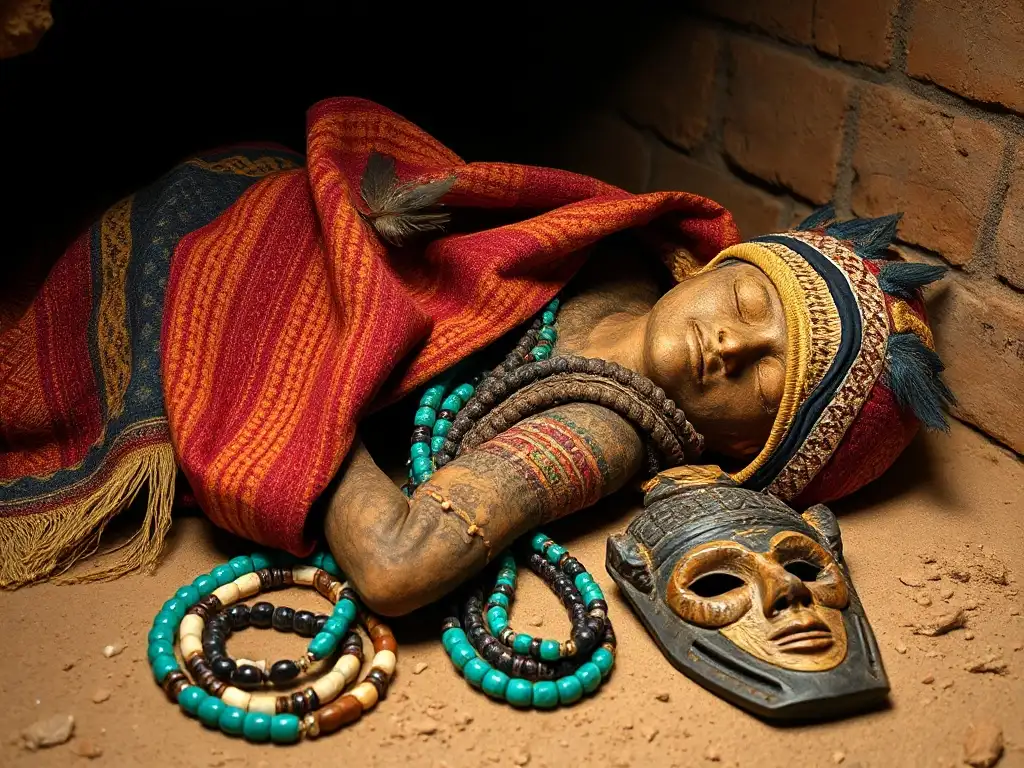
This section delves into the intricate details of Paracas burial assemblages, moving beyond simple descriptions of grave goods to explore the deeper meanings embedded within the arrangement of bodies and the distribution of artifacts. Understanding these patterns provides invaluable insight into Paracas worldview, social structures, and funerary beliefs. The analysis focuses on three key areas: the positioning of bodies within tombs, the distribution of grave goods, and the information gleaned from skeletal remains. This detailed examination of Paracas burial rituals will illuminate the complexity and sophistication of their mortuary practices.
Interpreting the Arrangement of Bodies in Paracas Tombs
The positioning of bodies within Paracas tombs reveals a surprising level of intentional arrangement, far beyond simple interment. While some burials show individuals laid in a flexed position, others exhibit elaborate poses, suggesting specific rituals or beliefs about the afterlife. For example, some tombs contain multiple individuals, often arranged in a seemingly deliberate fashion, perhaps reflecting family units or social groupings.
The orientation of bodies – north-south, east-west, or other variations – may also hold symbolic significance, potentially aligning with celestial events or geographical features. Detailed studies of tomb architecture, alongside the body positions, are crucial for a complete understanding. Further research is needed to fully understand the spatial relationships between multiple bodies in a single tomb and the possible implications for social hierarchy.
Some preliminary evidence suggests that the placement of bodies may reflect the relative status of the deceased within the community. Detailed mapping of tomb layouts, coupled with anthropological analysis, will be vital to uncover more about these complex Paracas burial rituals.
Patterns in Grave Goods Distribution in Paracas Funerals
The distribution of grave goods within Paracas tombs is far from random. Certain items, such as textiles, ceramics, and ornaments, consistently appear together, suggesting specific burial sets or bundles reflecting the social status and/or gender of the deceased. For instance, elite burials often contain lavish textiles, intricately woven and decorated with vibrant colors and complex designs, alongside gold and silver ornaments.
In contrast, simpler burials may contain only basic pottery and woven fabrics. The careful placement of these objects, often arranged around the body or within specific areas of the tomb, hints at a structured and symbolic system of mortuary practices. Analysis of these patterns requires careful cataloging and contextualization of all found objects.
A statistical analysis of grave goods distribution across numerous tombs could reveal further insights into social stratification and Paracas burial rituals. The presence or absence of specific items may indicate different beliefs or practices associated with individuals of varying social standing.
Insights from Skeletal Remains in Paracas Graves
Skeletal remains offer a unique perspective on Paracas Paracas burial rituals and the lives of the individuals they represent. Analysis of skeletal remains can provide information about age at death, sex, health, and diet, enriching our understanding of the population and its lifestyle. Evidence of trauma or disease can shed light on the challenges faced by the Paracas people, while isotopic analysis of bones can reveal details about their diet and geographic mobility.
The presence of certain artifacts alongside the remains, such as tools or personal adornments, may further illuminate the individual's role within society. Detailed osteological studies, coupled with other forms of analysis, can provide a holistic understanding of the deceased's life and the meaning of their burial. For example, the discovery of specific pathologies could indicate occupational hazards or prevalent diseases within the population.
Further research using advanced techniques like DNA analysis could reveal even more information about kinship and population genetics. This multi-faceted approach allows for a nuanced and comprehensive interpretation of the Paracas burial rituals and their societal context.
The Legacy of Paracas Burial Rituals
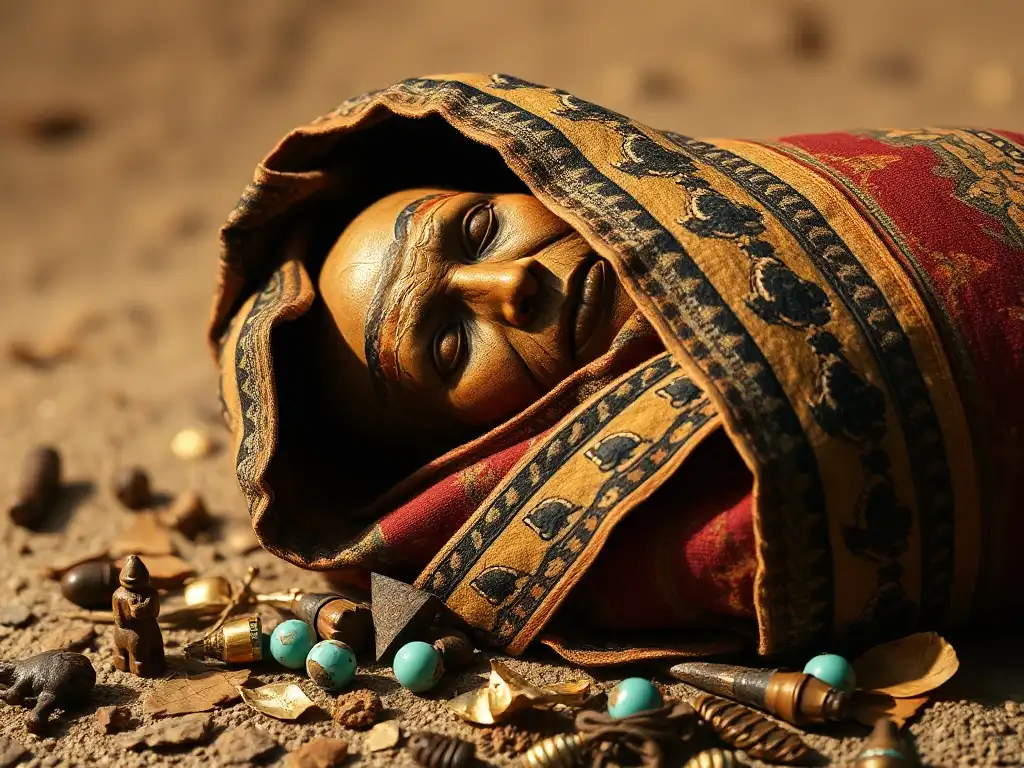
The Paracas culture, flourishing on the southern coast of Peru from roughly 800 BCE to 100 CE, left behind a complex and fascinating legacy, particularly evident in their elaborate burial rituals. These rituals, far from simple interment, offer invaluable insights into their worldview, social structures, and beliefs about the afterlife.
Understanding Paracas burial practices is crucial to comprehending the broader trajectory of Andean civilization, revealing a sophisticated culture with unique mortuary traditions that influenced subsequent cultures along the coast. The meticulous preservation of bodies, the inclusion of abundant grave goods, and the striking architectural elements of their burial sites all speak to the paramount importance of death and the transition to the next world in Paracas society.
The sheer scale and complexity of these sites also underscore the significant labor investment, suggesting a highly organized social structure capable of mobilizing resources for such extensive funerary projects. This investment reflects the immense value placed on ancestors and the continuity of lineage within Paracas society.
How Paracas Mortuary Practices Influenced Later Cultures
Paracas burial rituals weren't isolated events; their impact reverberated through subsequent Andean cultures. The intricate textile techniques employed in creating the elaborate shrouds and grave goods found in Paracas tombs directly influenced later traditions, such as those of the Nazca. The use of highly stylized iconography and complex weaving patterns, often depicting deities and mythological figures, reveals a continuity of artistic expression and spiritual beliefs.
For example, the distinctive use of brightly colored textiles and intricate embroidery found in Paracas burials can be traced to later cultures, showing an enduring legacy of artistic innovation. Moreover, the architectural elements of Paracas burial sites, though often simpler than those of later civilizations, informed the design and construction of tombs in subsequent periods.
The careful planning and organization required for creating these sites—including the selection of location, the construction of subterranean chambers, and the placement of grave goods—represent a level of social complexity that paved the way for even more elaborate mortuary practices in later Andean cultures. The evidence suggests a clear transmission of knowledge and practices relating to death rituals and ancestor veneration, creating a rich tapestry of cultural exchange across generations.
The Importance of Preserving Paracas Burial Sites
The preservation of Paracas burial sites is not merely an archaeological concern; it represents the safeguarding of a crucial part of Peru's cultural heritage. These sites are irreplaceable sources of information about the Paracas people, providing unique insights into their beliefs, social organization, and artistic capabilities. The continued looting and destruction of these sites threaten the loss of irreplaceable artifacts and the erosion of our understanding of this significant culture.
Moreover, the preservation of these sites contributes to the sustainable development of local communities through tourism and archaeological research. The protection of these sites should be a priority, involving collaborative efforts between government agencies, researchers, and local communities to ensure the long-term preservation of this invaluable heritage.
Effective conservation strategies must include rigorous monitoring, preventative measures against looting, and community engagement to foster a sense of ownership and responsibility for the preservation of this unique cultural legacy. The economic benefits derived from responsible tourism can also be channeled back into local communities, creating incentives for preservation.
Current Research and Ongoing Discoveries of Paracas Burial Rites
Ongoing archaeological research continues to shed new light on the complexity and sophistication of Paracas burial rituals. Recent discoveries have revealed previously unknown aspects of their mortuary practices, including the use of specific pigments in textile decoration and the possible social stratification reflected in the variety of grave goods found in different tombs. The application of advanced technologies, such as 3D scanning and DNA analysis, is allowing researchers to reconstruct burial contexts with greater accuracy and to analyze the genetic relationships between individuals interred in the same site.
These technological advancements are revolutionizing our understanding of Paracas society and its mortuary practices. For example, the use of isotopic analysis of skeletal remains is providing insights into the diet and lifestyle of Paracas individuals, further enriching our understanding of their social structure and daily life.
Furthermore, ongoing excavations continue to uncover new burial sites, promising a wealth of fresh data and challenging existing interpretations of Paracas burial rituals. This ongoing work underscores the dynamic nature of archaeological research and the potential for future discoveries to significantly enhance our understanding of "Paracas burial rituals."
Frequently Asked Questions
What makes Paracas burial rituals unique?
Paracas burial practices were incredibly elaborate, far beyond simple interment. They involved complex mummification techniques, elaborate textiles, and extensive grave goods, showcasing their advanced skills and beliefs.
How did the Paracas mummify their dead?
Paracas mummification was a sophisticated process. The bodies were dehydrated and treated with natural preservatives resulting in remarkably well-preserved remains. This meticulous process reflects their reverence for the deceased.
What kind of grave goods were commonly found in Paracas tombs?
Paracas tombs contained a wealth of textiles, pottery, and other artifacts, demonstrating the high social status of the deceased and the society's advanced craftsmanship. These items offer invaluable insights into their culture.
What role did textiles play in Paracas burial rituals?
Textiles were central to Paracas funerary practices. The intricately woven and embroidered cloths served both as wrapping for mummies and as symbols of status and identity. These textiles are renowned for their vibrant colors and complex designs.
How do Paracas burial rituals compare to those of other Andean cultures?
While sharing some similarities with other Andean cultures, Paracas rituals stand out for their extreme complexity in mummification and the abundance and quality of grave goods. Their unique style distinguishes them from Inca or Nazca practices.
Final Reflection: Unveiling the Soul of Paracas Culture
The intricate burial rituals of the Paracas people remain a powerful testament to the enduring human need to connect with the spiritual realm, a need as relevant today as it was millennia ago. Their elaborate preparations for the afterlife, far from simple interment, offer a profound window into a sophisticated cosmology and a deeply felt connection to their ancestors. The meticulous craftsmanship and symbolic richness of these practices continue to resonate, challenging our modern perspectives on death and the meaning of life.
The enduring influence of Paracas burial rituals extends beyond the archaeological record; they speak to a fundamental human impulse to commemorate and honor the deceased, to create a lasting legacy that transcends mortality. These practices, with their vibrant textiles, ornate offerings, and carefully constructed tombs, offer a glimpse into a worldview that valued community, artistry, and a profound respect for the cyclical nature of life and death. The dead are never truly gone, as long as they are remembered.
This sentiment, though not explicitly Paracas, encapsulates the enduring power of their burial traditions.
Consider the implications of this ancient culture's dedication to their funerary practices. What does it say about their societal values, their beliefs about the afterlife, and the importance they placed on individual and collective identity? You, the reader, are invited to reflect on your own relationship with mortality and legacy. How do you choose to honor those who came before you, and what lasting impact do you hope to leave on the world? Let the legacy of the Paracas inspire you to create your own meaningful rituals, both in life and in remembrance.
Unveil the Mysteries of Ancient Paracas Rituals!
Thank you for exploring the fascinating world of Paracas burials! You've discovered the profound significance of their ritual practices, which extended far beyond simple interment, offering valuable insights into the spiritual beliefs and traditions of this remarkable civilization. Now, let's delve even deeper into this ancient culture!
- **Expand your knowledge** of Andean civilizations by exploring more articles on our site and further deepen your appreciation for their rich heritage.
- **Share** your discoveries with friends or join our **online community** to discuss your insights and inspire others.
- **Enhance your understanding** by attending local archaeological events or exhibitions; experiencing these artifacts firsthand can be incredibly enriching.
Which aspect of Paracas ritual practices captivated you the most?