
The Role of Shamanism in Paracas Society: Insights from Art and Burials

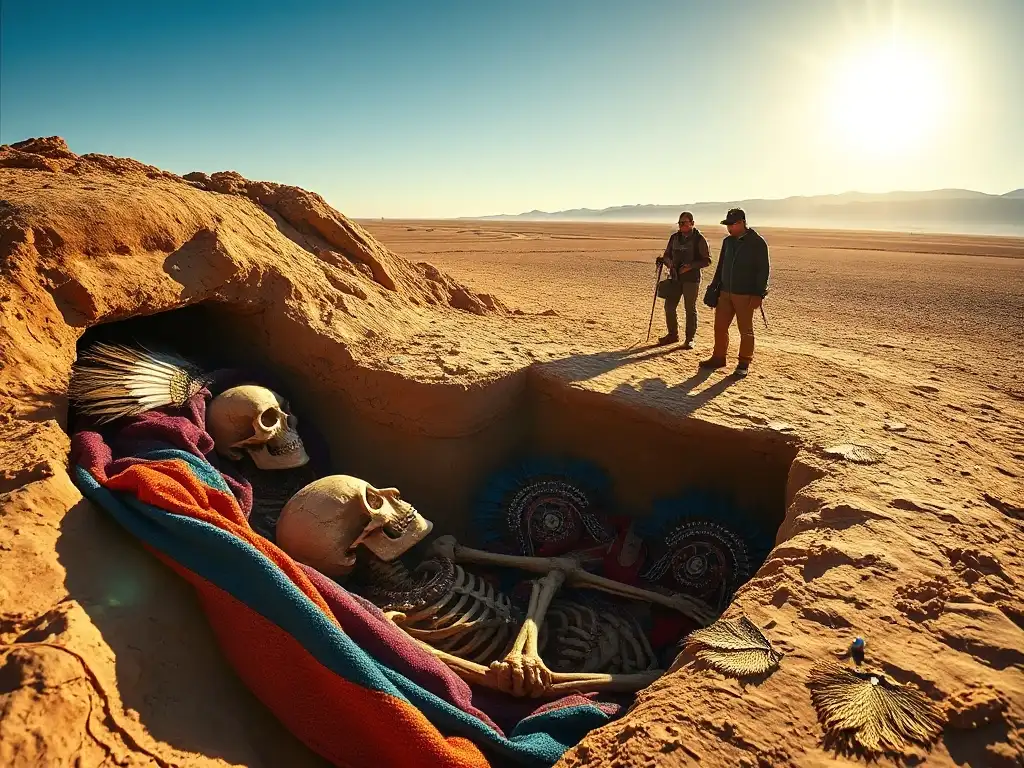
Step into a world lost to time, where the whispers of ancient Andean spirits still echo. Journey with us through the captivating tapestry of pre-Columbian societies, uncovering secrets buried for millennia. Prepare to be enthralled by the intricate details of Paracas shamanism burial practices, a window into the profound spiritual beliefs that shaped these enigmatic coastal cultures. Their rituals, their art, their very lives… discover the mysteries waiting to be unveiled.
The Paracas culture, flourishing along the southern coast of Peru between 700 BCE and 100 CE, left behind a remarkable legacy of intricate textiles, elaborate burial practices, and intriguing artistic representations that offer invaluable insights into their complex social structure and spiritual beliefs. This article delves into the crucial role shamanism played within Paracas society, examining evidence from their distinctive burial rituals and artistic motifs to understand the power and influence of these spiritual leaders.
We will explore how Paracas shamanistic beliefs shaped their worldview, social hierarchies, and ultimately, their understanding of life and death, providing a compelling narrative of a sophisticated pre-Columbian culture deeply intertwined with the supernatural. The analysis will focus on the interplay between archaeological findings, particularly burial site analysis and textile iconography, to paint a vivid picture of Paracas shamanism and its significance within their society.
This exploration will help us better understand the keyword "Paracas shamanism burial practices" and the rich tapestry of their spiritual world.
Evidence from Paracas Tombs: Unveiling Shamanic Practices
Paracas burial sites are renowned for their complexity and the abundance of grave goods accompanying the deceased. The sheer scale of some tombs, along with the elaborate preparation of the bodies, suggests a hierarchical social structure where certain individuals held significantly greater status than others. These elite burials often contain an array of artifacts directly linked to shamanistic practices.
For example, the presence of hallucinogenic plants, such as brugmansia and datura, alongside intricate paraphernalia like ceremonial staffs and feathered headdresses, strongly indicates the importance of altered states of consciousness in shamanic rituals. The careful arrangement of these objects within the tombs suggests a deliberate and ritualistic process, reflecting a deep understanding of the spiritual significance of these items.
Furthermore, the inclusion of numerous textiles depicting shamanistic figures and scenes further corroborates the significance of shamanism in Paracas funerary rites. [Specific details on the types and quantities of hallucinogenic plants found in specific tombs pending].
Iconography of Paracas Textiles: Depictions of Shamanic Figures and Rituals
The exceptionally well-preserved Paracas textiles provide a visual record of their society, including compelling depictions of shamanic figures and rituals. These textiles, often adorned with intricate embroidery and vibrant colors, showcase individuals with distinctive attributes associated with shamanic powers. These figures frequently wear elaborate headdresses, masks, and ceremonial garments, often depicted engaging in ritualistic practices, such as communicating with spirits or performing healing ceremonies.
The iconography frequently features stylized representations of supernatural beings, animals, and plants, further emphasizing the spiritual context of these textiles. Analyzing the recurring motifs and symbolic representations in these textiles allows researchers to gain deeper insights into the beliefs and practices of Paracas shamans. [Specific examples of textile motifs and their interpretations pending, including the number of textiles with shamanic imagery found in major collections].
The evidence from both burial sites and textiles points to the significant social and political influence wielded by Paracas shamans. Their role extended beyond mere spiritual guidance; they likely acted as mediators between the human and supernatural worlds, influencing decision-making processes and maintaining social order. The lavish grave goods found in elite burials suggest that shamans held positions of considerable power and prestige within Paracas society.
Their ability to interact with the spirit world and perform rituals deemed essential for the well-being of the community likely granted them significant authority and influence. Further research is needed to fully delineate the extent of their political power and their involvement in societal governance. [Specific examples of the ways shamans might have influenced political decisions pending, including potential case studies].
Conclusion: The Enduring Legacy of Paracas Shamanism
The rich archaeological record left by the Paracas culture provides compelling evidence of the central role shamanism played in their lives. By examining their burial practices and analyzing the iconography of their textiles, we gain a deeper understanding of their spiritual beliefs and the profound impact these beliefs had on their social structure and daily lives. The complexity and sophistication of their shamanic practices highlight the advanced level of their cultural development and their sophisticated understanding of the supernatural world.
The study of Paracas shamanism continues to shed light on the diversity and complexity of ancient Andean civilizations, reminding us of the rich tapestry of spiritual and cultural traditions that shaped their history. Further research, particularly focused on the chemical analysis of plant remains and a more comprehensive cataloging of textile iconography, promises to further refine our understanding of “Paracas shamanism burial practices”.
- Evidence from Paracas Tombs: Unveiling Shamanic Practices
- Iconography of Paracas Textiles: Depictions of Shamanic Figures and Rituals
- The Role of Shamans in Paracas Society: Social and Political Implications
- Conclusion: The Enduring Legacy of Paracas Shamanism
- What role did shamanism play in Paracas society?
- How is Paracas shamanism reflected in their art?
- What are some key features of Paracas burial practices?
- What evidence supports the connection between Paracas burials and shamanism?
- How does the study of Paracas shamanism contribute to our understanding of Andean civilizations?
Understanding Paracas Shamanism Through Archaeological Evidence
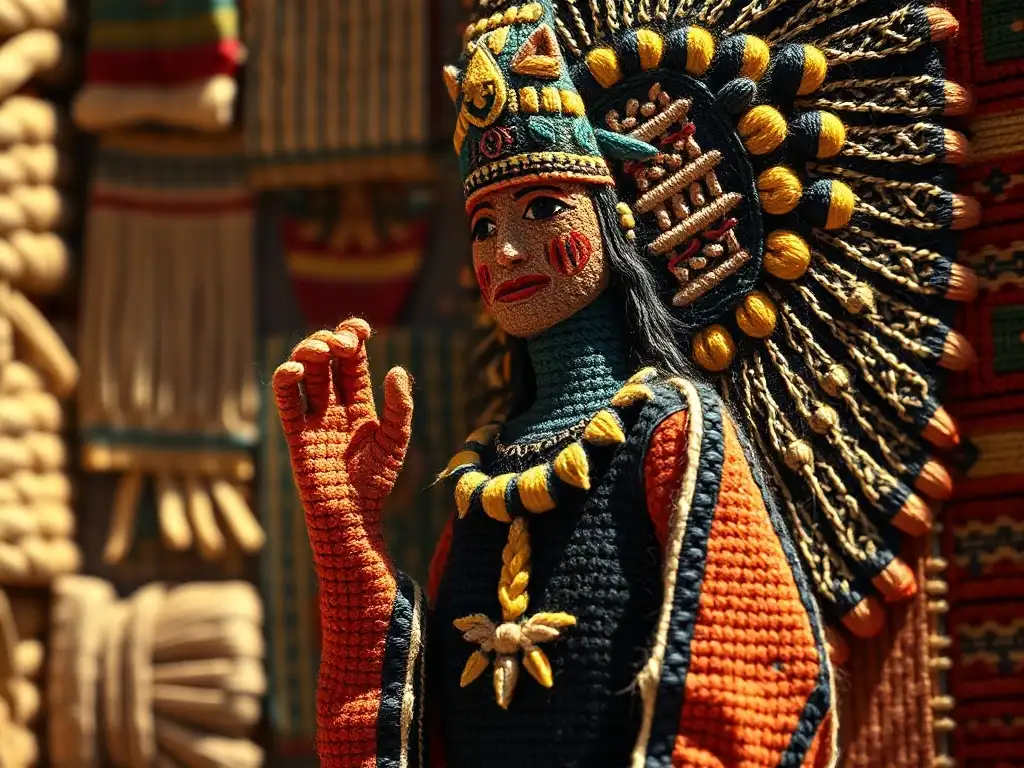
This section delves into the archaeological evidence that illuminates the crucial role of shamanism within Paracas society. The Paracas culture, flourishing on the southern coast of Peru from approximately 800 BCE to 100 CE, left behind a rich tapestry of artifacts and burial practices that provide invaluable insights into their spiritual beliefs and practices. Analyzing these remains allows us to reconstruct a complex understanding of Paracas shamanism and its place within their social structure. The study of Paracas shamanism burial practices is particularly revealing.
The Significance of Shamans in Paracas Culture
Paracas society, like many other Andean cultures, was deeply intertwined with spiritual beliefs. Shamans, acting as intermediaries between the human and spiritual realms, held a position of significant power and influence. Unlike many other societies where shamanistic roles might be associated with specific lineages or hereditary positions, evidence suggests that within Paracas society, shamanistic abilities were recognized and respected, potentially based on demonstrated skill or visionary experiences. Their role extended beyond simple healing; they were likely involved in a range of activities, including divination, ritual ceremonies, and influencing community decisions.
The elaborate burial rituals surrounding these figures further emphasize their importance. The presence of numerous grave goods, often including finely crafted textiles, precious metals, and ceremonial objects, speaks volumes about the high status and respect afforded to these individuals. These individuals were not merely healers; their influence permeated the social fabric of the Paracas people.
The careful analysis of Paracas burial sites reveals a complex system of social stratification, with shamanistic figures occupying a prominent position within this hierarchy. This is further supported by the unique nature of their burial goods, often more lavish and symbolic than those found in other graves. The quantity and quality of grave goods directly correlate with the inferred status of the deceased, providing strong evidence of a hierarchical society in which shamans occupied a privileged position.
Further research into the distribution of these burial goods across different Paracas sites could provide additional insights into the regional variations in shamanistic practices and social organization. [Specific information pending: Detailed analysis of grave goods distribution across different Paracas sites].
Identifying Shamanic Figures in Paracas Art
The vibrant and intricate textiles produced by the Paracas culture are a rich source of information about their beliefs and practices. While direct depictions of shamans are not consistently present, certain motifs and iconographic elements strongly suggest the presence of shamanistic figures and activities. The recurring imagery of anthropomorphic beings with exaggerated features, often engaging in ritualistic actions or surrounded by supernatural beings, are highly suggestive of shamanistic figures in a trance-like state or communicating with the spirit world. These depictions are not simply decorative; they are powerful visual representations of their spiritual world.
Analysis of the iconography frequently reveals symbolic representations linked to shamanic practices. For instance, the use of specific colors, patterns, and motifs may symbolize specific spiritual entities or stages of a shamanic journey. The presence of hallucinogenic plants, such as San Pedro cactus, which are known to have played a role in shamanistic rituals in other Andean cultures, is another potential indicator.
[Specific information pending: Detailed analysis of specific motifs and their symbolic meaning in Paracas textiles]. The careful study of these visual clues allows us to piece together a clearer picture of Paracas shamanism, adding another layer of understanding to their rich cultural heritage. The intricate detail and symbolic richness of Paracas textiles are crucial in unveiling the subtle nuances of their spiritual beliefs.
Paracas Textiles: Depictions of Ritual and Spiritual Practices
Paracas textiles offer compelling visual evidence of ritualistic practices intimately connected with shamanism. The intricate weaving techniques and symbolic representations depicted on these textiles provide a window into the worldview and spiritual beliefs of the Paracas people. Many textiles depict scenes of ritual ceremonies, often featuring individuals in elaborate costumes and engaging in actions that suggest shamanistic practices, such as trance dancing, divination, or communication with the spirit world. These scenes, often depicted with exceptional detail, are not merely artistic representations; they provide valuable insights into the performance of these rituals within the broader social context.
The use of specific colors and patterns in Paracas textiles often carries symbolic meaning, further reinforcing their association with spiritual practices. For example, certain colors might represent specific deities or spiritual forces, while particular patterns might symbolize specific rituals or stages of a shamanic journey. The detailed analysis of these textile designs, coupled with the understanding of other archaeological evidence, allows for a more complete understanding of the complex interplay between art, ritual, and shamanism within Paracas society.
The meticulous craftsmanship and symbolic richness of these textiles highlight the central role of shamanism in Paracas culture, demonstrating its pervasive influence on their daily lives and spiritual beliefs. The study of "Paracas shamanism burial practices" is incomplete without considering the rich tapestry of information woven into their textiles.
Paracas Burial Practices: A Window into Shamanic Beliefs
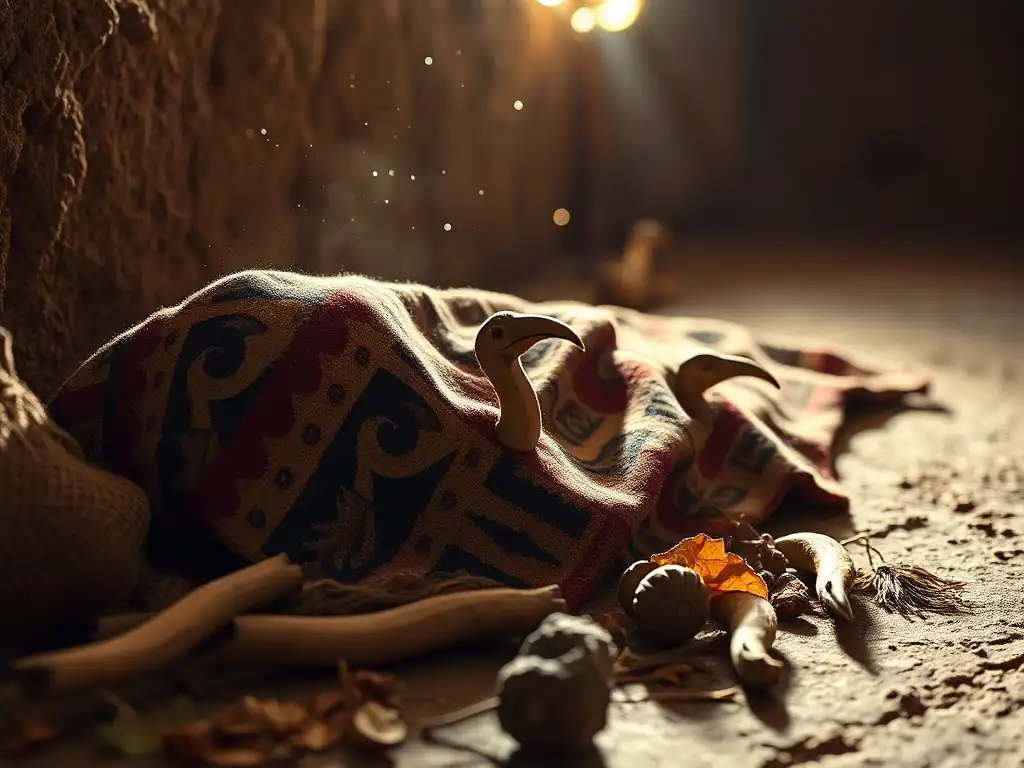
Paracas burial practices offer invaluable insights into the complex spiritual beliefs of this pre-Inca coastal civilization. Unlike simpler interment methods found in some contemporary cultures, Paracas burial rituals were elaborate and symbolically rich, reflecting a deep-seated belief system centered around shamanic practices and the afterlife. The careful preparation of bodies, the selection of grave goods, and the unique architectural features of the tombs all point towards a sophisticated understanding of the spiritual world and the role of shamans within it.
Analysis of these practices provides a compelling narrative of Paracas shamanism and its central place in daily life. The meticulous nature of these burials suggests a significant investment of time, resources, and ritualistic knowledge, highlighting the paramount importance of death rituals within Paracas society. Understanding these practices allows us to interpret the broader cultural and religious landscape of the Paracas civilization.
Elaborate Paracas Burials and their Spiritual Meaning
The most striking aspect of Paracas burial practices is their complexity. Unlike simple pit burials, Paracas tombs often involved intricate constructions, sometimes including subterranean chambers accessed by shafts or tunnels. These elaborate structures, often lined with textiles and adorned with offerings, suggest a belief in a complex afterlife requiring careful preparation.
Bodies were frequently mummified, a process demonstrating a high level of technological skill and a deep respect for the deceased. The mummification techniques, involving the removal of internal organs and the application of various preservatives, were highly developed, indicating a significant investment in the ritual preparation of the deceased for their journey into the afterlife. Evidence suggests that the mummification process itself may have been a ritualistic act, imbued with spiritual significance.
Further research is needed to fully understand the specific symbolic meanings attached to the different stages of the mummification process and the tools and materials used. For example, [specific details on the types of plant materials used in mummification pending]. The positioning of the bodies within the tombs, often accompanied by specific postures and arrangements of grave goods, also suggests a complex choreography of ritual action.
The Role of Grave Goods in Paracas Shamanic Rituals
The presence of grave goods within Paracas tombs provides compelling evidence of the importance of shamanic practices. These offerings, ranging from intricately woven textiles and ceramics to elaborate headdresses and jewelry, weren't merely possessions but rather ritual objects designed to accompany the deceased into the afterlife. The types and quantities of grave goods varied considerably, with some burials containing a wealth of items suggesting high social status and possibly a connection to shamanic power.
These individuals, often adorned with elaborate headdresses and jewelry made of precious materials, might have been shamans themselves or individuals closely associated with them. The presence of specific objects, like ritual implements or hallucinogenic plants, further strengthens the link between grave goods and shamanic practices. Analysis of these artifacts suggests a deep understanding of the power of symbols and their role in mediating the relationship between the living and the dead.
For instance, the frequent inclusion of textiles depicting shamanistic imagery, such as deities and supernatural beings, directly supports this interpretation. Furthermore, the careful placement of these objects within the tomb suggests a deliberate arrangement, reflecting a structured ritual process overseen by individuals with specialized knowledge. [Further analysis of specific grave goods and their symbolic meaning pending].
Cranial Modification and its Connection to Paracas Shamanism
Cranial modification, a practice involving the deliberate reshaping of the skull during infancy, was widespread in Paracas society. While the exact reasons for this practice remain debated, its strong association with elite burials suggests a link to social status and potentially to shamanic power. The elongated skulls, often found in association with elaborate grave goods and ritual paraphernalia, may have been seen as a physical manifestation of spiritual power or a marker of shamanic identity.
It's possible that the process of cranial modification itself was a ritualistic act, performed under the guidance of shamans and imbued with spiritual significance. The deliberate alteration of the skull could have been seen as a way of transforming the individual, connecting them more directly with the spiritual realm. The consistent presence of modified skulls in elite burials, alongside objects suggestive of shamanistic practices, provides strong support for this hypothesis.
However, more research is needed to fully understand the social and cultural implications of cranial modification within Paracas society and its precise relationship to shamanic traditions. [Further research into the social and cultural significance of cranial modification in the Paracas culture pending]. The intricate connection between cranial modification, burial rituals, and the presence of shamanic paraphernalia presents a fascinating area of ongoing research within the field of Paracas shamanism burial practices.
Analyzing Paracas Shamanic Rituals and Cosmology
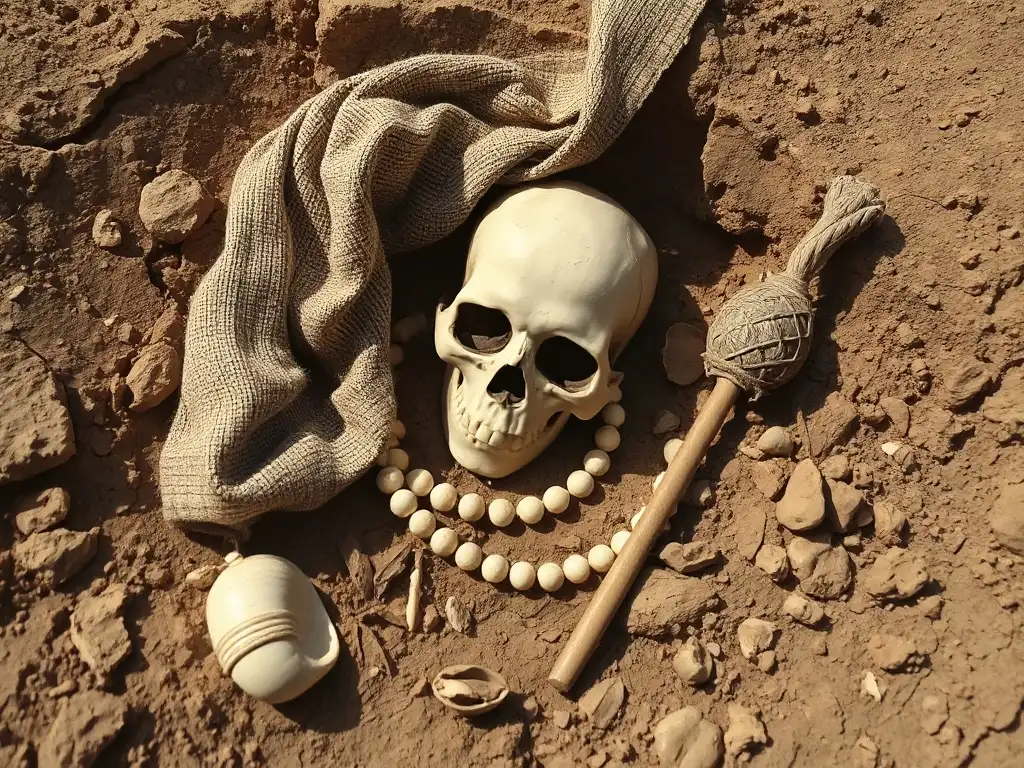
The Paracas culture, flourishing on the southern coast of Peru from approximately 800 BCE to 200 CE, left behind a rich archaeological record that offers profound insights into their complex belief systems, particularly their shamanistic practices. Understanding Paracas shamanism requires careful analysis of their intricate textile art, elaborate burial rituals, and the unique artifacts found within these tombs. The term "Paracas shamanism burial practices" itself encapsulates the key focus of research: the inextricable link between funerary rites and the perceived role of shamans within their society.
These practices weren't simply about death; they were a powerful articulation of their worldview, demonstrating a deep engagement with the spirit world and the transformative power of shamanic intervention. The evidence suggests a sophisticated cosmology deeply interwoven with ritual practices aimed at mediating between the human and supernatural realms. This section will delve into specific aspects of this fascinating religious system.
The Use of Hallucinogens in Paracas Ceremonies
Evidence strongly suggests the use of hallucinogenic plants in Paracas shamanic ceremonies. The intricate textiles, often depicting surreal and otherworldly scenes, may reflect altered states of consciousness induced by such substances. Many depict figures with enlarged eyes, suggesting a visual experience beyond ordinary perception.
Furthermore, the discovery of plant remains consistent with hallucinogens, such as brugmansia (angel's trumpets) and possibly san pedro cactus, in some Paracas tombs strengthens this hypothesis. While direct chemical analysis of these remains is [specific information pending], the contextual evidence—combined with the visual representations in their art—strongly points towards the incorporation of hallucinogens into their rituals. The shaman, acting as a conduit between worlds, likely employed these substances to facilitate communication with spirits and achieve altered states necessary for divination, healing, and possibly even communication with the ancestors.
These practices were integral to their worldview, shaping their understanding of life, death, and the cosmos. The vibrant colors and fantastical imagery in Paracas textiles might be visual representations of these altered states, offering a glimpse into the shamanic experience.
Paracas Cosmology and the Spirit World
Paracas cosmology, as revealed through burial practices and iconography, presents a complex interplay between the earthly and supernatural realms. The elaborate nature of their burials, often including rich grave goods, intricate textiles, and even mummified individuals, suggests a belief in an afterlife. The careful preservation of bodies through mummification indicates a profound respect for the deceased and a belief in the continued existence of their spirit.
Furthermore, the frequent depiction of anthropomorphic figures, often with feline or bird-like features, in their textiles may represent deities or supernatural beings that inhabited the spirit world. These figures are frequently shown interacting with humans, suggesting a close relationship between the earthly and spiritual realms. The shaman, as a spiritual intermediary, played a crucial role in navigating this complex cosmology, facilitating communication and interaction with these supernatural entities.
Their role was not only ritualistic but also deeply intertwined with the social and political structure of Paracas society. The careful arrangement of grave goods further supports this complex cosmology, with specific objects potentially representing symbolic connections to the spirit world and the deceased's journey into the afterlife. The abundance and variety of artifacts found within the tombs illustrate the importance placed on these funerary rituals and their connection to the broader Paracas worldview.
Interpreting Paracas Shamanic Transformations
The Paracas shaman, through the use of ritual and possibly hallucinogens, was believed to undergo transformative experiences. These transformations, reflected in their art and burial practices, are crucial to understanding their religious beliefs. The imagery on their textiles often depicts figures undergoing metamorphosis, shifting between human and animal forms, or exhibiting otherworldly characteristics. These visual representations suggest a belief in the shaman's ability to shift between realms and assume different identities, both human and divine.
This ability to transcend the limitations of the physical body was paramount to their role as spiritual mediators. Their clothing, often adorned with elaborate headdresses and jewelry, further emphasized this transformation, visually signifying their elevated status and connection to the supernatural. This ability to transform was not solely a personal experience but also served a social function, reinforcing the shaman's authority and influence within the community.
The careful planning and execution of Paracas burial ceremonies, along with the meticulous preservation of bodies, underscore the belief in the shaman's power to guide the deceased through the transition to the afterlife and ensure a successful passage into the spirit world. The profound significance of these transformations highlights the central role of shamanism in the social and spiritual fabric of Paracas society. Further research into Paracas shamanism burial practices, particularly through advanced analytical techniques, will undoubtedly shed further light on these fascinating transformative processes.
Paracas Shamanism and its Influence on Later Cultures
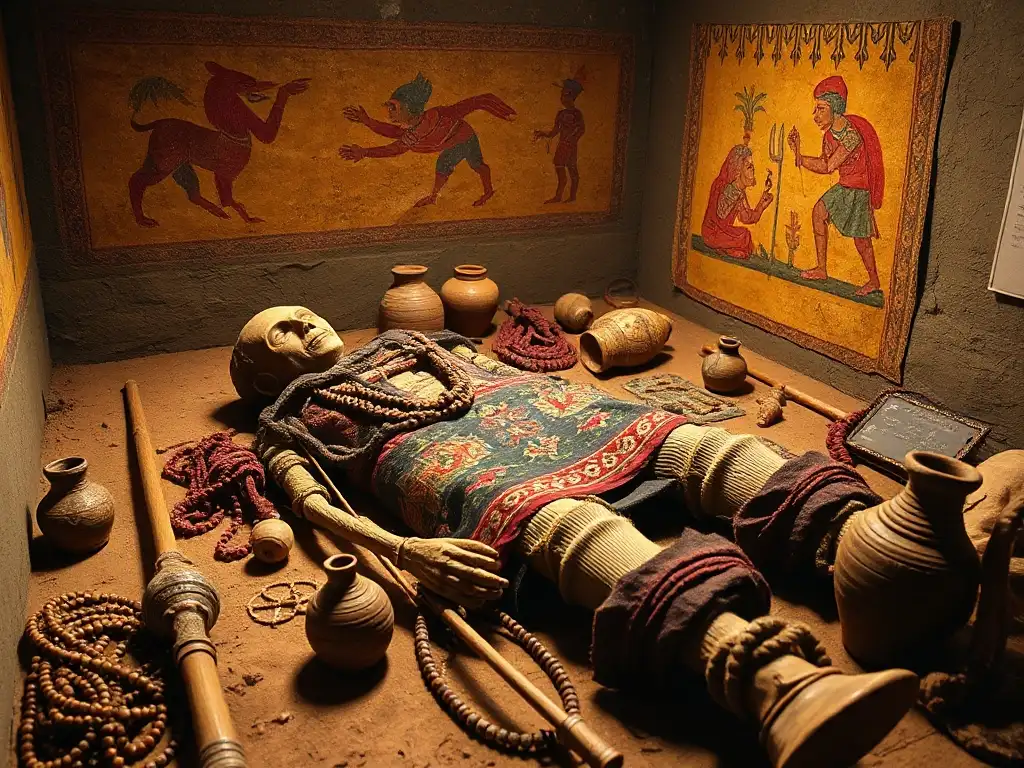
This section delves into the enduring legacy of Paracas shamanistic practices and their influence on subsequent Andean cultures. The sophisticated religious beliefs and rituals of the Paracas people weren't simply confined to their own time; they left an indelible mark on the spiritual landscape of the Andes, shaping the religious practices of later civilizations. Understanding this influence is crucial to a complete understanding of Andean religious history, revealing a continuous thread of shamanistic traditions that spanned centuries.
The intricate iconography found in Paracas textiles and ceramics provides valuable insights into their cosmology and ritual practices, offering clues to how these beliefs were transmitted and adapted by succeeding cultures. We will explore how specific motifs, symbols, and ritual objects reappear in the art and burial practices of later Andean societies, demonstrating the lasting impact of Paracas shamanism. The study of Paracas shamanism burial practices reveals much about this cultural diffusion.
The Legacy of Paracas Shamanism in Andean Belief Systems
The Paracas' complex belief system, heavily reliant on shamanistic practices, significantly influenced the religious landscape of later Andean cultures, particularly the Nazca and Inca civilizations. Evidence suggests a continuity of certain shamanistic motifs and rituals, indicating a cultural transmission that went beyond simple imitation. For example, the use of hallucinogenic plants, evidenced by the discovery of coca leaves in Paracas burials, continued to play a significant role in Andean religious ceremonies for centuries.
The representation of supernatural beings and otherworldly experiences in Paracas textiles and ceramics finds parallels in the iconography of later cultures, suggesting the continuation of similar mythological narratives and beliefs. The focus on ancestor veneration and the importance of the underworld, prominent in Paracas culture, are also evident in the funerary practices of subsequent Andean societies. This suggests that the Paracas’ core beliefs about the afterlife and the interaction between the living and the spirit world were transmitted and adapted, becoming integrated into the broader Andean spiritual framework.
Further research into comparing specific iconographic elements across different cultures could further illuminate the extent of this influence. Analyzing the stylistic evolution of these motifs over time would provide a more complete picture of how Paracas shamanism evolved and spread.
Paracas Ritual Practices and their Continuity
Analyzing Paracas shamanism burial practices reveals a complex system of rituals surrounding death and the afterlife. These practices weren't merely about disposing of the deceased; they were elaborate ceremonies designed to ensure a safe passage into the spirit world. The intricate textiles and elaborate grave goods found in Paracas tombs demonstrate the significance of these rituals. The use of specific objects, such as hallucinogenic plants, and the careful arrangement of the body and grave goods, suggest a structured ritual process overseen by shamans.
The continuity of certain ritual practices is evident in the funerary customs of later Andean cultures. For example, the practice of mummification, though refined and adapted, demonstrates a direct link to Paracas traditions. Furthermore, the inclusion of similar grave goods, such as textiles and ceramics, in later burials suggests a continuation of the belief systems surrounding death and the afterlife.
The meticulous preparation of the deceased and the elaborate nature of the burials point towards a belief in an active afterlife and the importance of facilitating a smooth transition for the deceased. Detailed analysis of the arrangement of artifacts within the tombs could further reveal specific ritual sequences and their symbolic meaning. The systematic documentation of these practices and their evolution over time is crucial for understanding the dynamics of cultural transmission in the Andean region.
Nazca Ceramic Motifs: Echoes of Paracas Shamanism
The Nazca culture, chronologically succeeding the Paracas, exhibited a clear artistic and possibly spiritual continuity with its predecessors. Their distinctive polychrome ceramics frequently depict motifs and figures reminiscent of Paracas iconography. Many Nazca pottery pieces show shamanistic figures engaged in ritual activities, often accompanied by symbolic representations that directly echo those found in Paracas textiles.
These shared motifs often include stylized depictions of supernatural beings, intricate geometric patterns, and representations of plants and animals with symbolic significance. This suggests a strong cultural influence of Paracas shamanism on Nazca beliefs and practices. The stylistic similarities, while exhibiting Nazca's unique artistic development, point towards a shared understanding of the supernatural world and the role of shamans within it.
A detailed comparative study of Nazca and Paracas iconography could reveal further connections and illuminate the degree of cultural exchange between these two Andean societies. The presence of similar motifs in both cultures strengthens the argument for a continuous shamanistic tradition across this period, demonstrating the longevity and impact of Paracas religious beliefs. Further research involving a systematic cataloging and analysis of these shared motifs would provide more concrete evidence of this cultural transmission.
Paracas Shamanic Burial Practices: A Synthesis
This section delves into the fascinating world of Paracas shamanic burial practices, exploring the intricate relationship between funerary rituals, artistic expression, and the deeply held spiritual beliefs of this ancient Andean society. The analysis presented here is based on archaeological evidence, primarily from extensive excavations of Paracas Necropolis and Cerro Colorado.
Understanding these practices provides crucial insights into the social structure, religious cosmology, and overall worldview of the Paracas people. The term "Paracas shamanism burial practices" itself encapsulates the core focus of our investigation: the ways in which funerary rites reflected and reinforced the shamanistic beliefs central to Paracas culture.
The Interplay of Art, Burials, and Shamanic Beliefs
Paracas textiles are renowned for their vibrant colors, intricate designs, and masterful weaving techniques. These textiles, often found within the elaborate Paracas burials, are not mere decorative items; they are powerful symbolic representations of the shamanic worldview. Many textiles depict shamanistic figures, often engaged in ritual activities or interacting with supernatural beings. These depictions provide valuable clues to understanding the roles and functions of shamans within Paracas society.
For instance, the frequent portrayal of figures with feline attributes may suggest a connection to ancestral spirits or deities associated with the natural world. The use of specific colors and motifs also carries symbolic weight. For example, the prevalence of red may signify blood, sacrifice, or a connection to the underworld. The complexity of these designs, combined with the elaborate nature of the burials themselves, points to a highly developed and sophisticated religious system deeply embedded in daily life.
The careful placement of textiles within the tombs further strengthens this interpretation, suggesting a deliberate attempt to create a sacred space for the deceased and to facilitate their journey into the afterlife. Analysis of these burial contexts, combined with the iconography of the textiles, allows us to reconstruct aspects of Paracas shamanic rituals and beliefs with considerable accuracy. Further research into the specific dyes and their sources could provide additional insights into the sourcing and trade networks that supported this vibrant artistic tradition connected to their burial practices.
Paracas Shamanism: A Complex Spiritual System
The evidence suggests that Paracas shamanism was not a monolithic system but rather a complex interplay of beliefs and practices that varied across different social groups and geographical locations. While detailed information on the hierarchical structure of Paracas shamanism is still under investigation, the archaeological record reveals significant differences in burial goods and the treatment of the deceased, suggesting a stratified society with varying degrees of access to spiritual power and resources.
Some burials contain exceptionally lavish offerings, including elaborate textiles, gold ornaments, and numerous artifacts, indicating high social status and possibly a powerful shamanic lineage. Other burials, while still demonstrating care and attention to ritual, are less opulent, suggesting a wider range of shamanic roles and responsibilities within the Paracas community.
This variation in burial practices underscores the fluidity and complexity of Paracas spiritual beliefs, highlighting the need for further research to fully understand the nuances of their shamanic system. The study of specific ritual objects found in burials, such as hallucinogenic plants or ritual paraphernalia, could help illuminate the specific practices and beliefs associated with different shamanic roles.
The Enduring Significance of Paracas Shamanic Studies
The study of Paracas shamanism and its burial practices remains crucial for understanding the broader context of Andean religious history and the development of shamanic traditions in the region. The rich tapestry of artistic expression found in Paracas tombs provides an unparalleled window into the beliefs and worldview of this fascinating civilization.
Further research, incorporating advanced technologies such as isotopic analysis of textiles and skeletal remains, will undoubtedly reveal even more details about the lives, beliefs, and practices of Paracas shamans and their crucial role in Paracas society. The careful preservation and study of these invaluable archaeological resources is essential to ensuring that the legacy of Paracas shamanism continues to inform and inspire future generations of researchers and enthusiasts alike.
The continued investigation into "Paracas shamanism burial practices" promises to yield further important discoveries, enriching our understanding of this significant pre-Columbian culture. The ongoing work in this field is vital for a complete picture of Andean cultural history and its enduring influence.
Frequently Asked Questions
What role did shamanism play in Paracas society?
Shamanism was central to Paracas society. Evidence suggests that shamans held significant religious and political power, influencing daily life and rituals. Their role extended to healing, divination, and communication with the spirit world.
How is Paracas shamanism reflected in their art?
Paracas textiles and pottery often depict shamanic figures and spiritual beings, providing valuable insights into their beliefs and practices. These artworks illustrate scenes of rituals, ceremonies, and interactions with the supernatural.
What are some key features of Paracas burial practices?
Paracas burial practices were elaborate and often included significant grave goods. These offerings, including textiles, pottery, and other artifacts, reflect the deceased's status and beliefs about the afterlife, often showcasing shamanic elements.
What evidence supports the connection between Paracas burials and shamanism?
The discovery of specialized grave goods in certain burials, such as elaborate headdresses, staffs, and ritual objects, strongly suggests the presence of shamanic individuals. The unique treatment of these bodies also points to their elevated status within the community.
How does the study of Paracas shamanism contribute to our understanding of Andean civilizations?
Studying Paracas shamanism provides crucial insights into the spiritual beliefs and social structures of Andean civilizations. It sheds light on the importance of ritual, the supernatural, and the role of spiritual leaders in shaping their societies.
Final Reflection: Echoes of the Paracas Shaman: A Legacy of Ritual and Belief
The intricate artistry and carefully orchestrated burials of the Paracas culture offer a powerful window into a society deeply intertwined with shamanistic practices, a connection that resonates even today. Their sophisticated understanding of the human body, the afterlife, and the spiritual world challenges our modern perspectives and compels us to reconsider our own relationship with the unseen. The meticulous detail evident in their textiles, pottery, and burial rituals speaks volumes about the profound importance of shamanism within their social fabric.
The enduring legacy of Paracas shamanism is not merely an archaeological curiosity; it's a testament to the enduring human need to connect with the spiritual realm. The power of these rituals, as evidenced by the elaborate preparations given to both the deceased and their grave goods, continues to fascinate and inspire. The shaman is not simply a healer, but a bridge between the worlds, a conduit for the sacred.
This sentiment, though contemporary, perfectly encapsulates the role of the Paracas shaman as depicted in the archaeological record. Their influence extends beyond the grave, shaping the cultural landscape of the Paracas people and leaving an indelible mark on our understanding of ancient Andean societies.
Consider, for a moment, the implications of these findings. The dedication and artistry poured into these burial practices speak to a belief system that valued the spiritual journey beyond earthly existence. You, the reader, are now privy to this ancient wisdom.
Reflect on the enduring power of belief and ritual, and how these concepts continue to shape our own lives, even in vastly different cultural contexts. Let the echoes of the Paracas shaman inspire you to explore your own connection to the spiritual, to appreciate the depth of human experience across time, and to recognize the enduring power of belief in shaping our world.
Embrace the Wisdom of Paracas: Take Action Today!
Thank you for exploring the fascinating world of Paracas society and the rich insights revealed through their art and burial practices. We hope you've gained a deeper understanding of the spiritual and cultural significance of shamanism within this unique civilization. Now, let's put that knowledge to practical use!
Here are some ways to continue your journey of discovery:
- **Visit local museums** showcasing Andean artifacts to experience the legacy of shamanism firsthand.
- **Participate in online or in-person discussions** about Andean cultures to share your insights and learn from others.
- **Organize a gathering** with friends to explore the intersection of ancient shamanic practices and modern spiritual experiences.
How will you integrate the lessons learned from Paracas shamanism into your own spiritual and cultural understanding?