
Chavín and the Condor: The Spiritual Significance of Birds

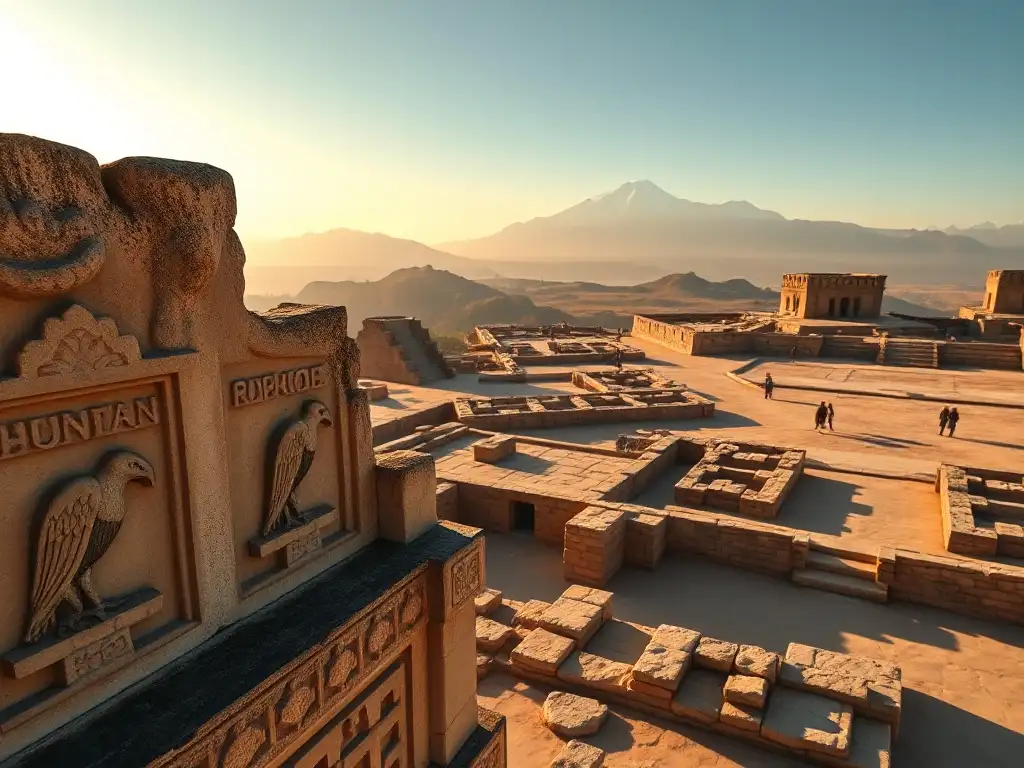
Unravel the mysteries of the Andes! Journey back in time to a world of breathtaking artistry and profound spirituality. Did you know that the soaring condor held a pivotal role in the beliefs of the ancient Chavín culture? Prepare to be captivated by the intricate Chavín culture bird symbolism, a key to understanding the pre-Incan societies that shaped this remarkable region. Discover the secrets hidden within their art and unlock the meaning behind their awe-inspiring legacy – explore now!
- Chavín and the Condor: The Spiritual Significance of Birds in Ancient Andean Culture
- The Role of Birds in Chavín Cosmology
- The Condor: A Powerful Symbol in Chavín Art and Religion
- Other Birds of Significance in Chavín Iconography
- Interpreting Chavín Culture Bird Symbolism
- The Lasting Legacy of Chavín Bird Symbolism
- Frequently Asked Questions
- Final Reflection: Soaring with the Condor: Chavín's Enduring Avian Legacy
- Soar Higher: Connect with the Spiritual Legacy of Birds!
Chavín and the Condor: The Spiritual Significance of Birds in Ancient Andean Culture
The Chavín culture, flourishing in the Andes from approximately 900 to 200 BCE, left behind a legacy of monumental architecture, intricate artistry, and a deeply spiritual worldview. Central to their beliefs was a complex system of symbolism, with birds, particularly the condor, playing a prominent role. This article delves into the fascinating world of Chavín bird symbolism, exploring its significance within the broader context of their religious practices and societal structures.
We will examine how the condor, and other avian species, were not merely depicted in art but were integral to the Chavín understanding of the cosmos, power, and the relationship between the human and spiritual realms. Understanding Chavín culture bird symbolism provides crucial insight into the rich tapestry of Andean spirituality and its lasting influence on subsequent civilizations. This exploration will unpack the intricate details behind the iconography, revealing the layers of meaning embedded in these powerful representations.
The Condor: Apex Predator and Spiritual Messenger
The condor, with its majestic size and soaring flight, held a position of unparalleled importance in Chavín iconography. Depicted frequently in stone carvings, ceramics, and textiles, the condor often appears in a stylized manner, emphasizing its powerful features – the hooked beak, sharp talons, and wide wingspan. These representations frequently show the condor in dynamic poses, suggesting movement and power.
Beyond its physical attributes, the condor’s ability to navigate the high altitudes of the Andes, seemingly traversing between the earthly and celestial realms, likely fueled its association with spiritual power and shamanistic practices. Analysis of various Chavín artifacts reveals subtle variations in the portrayal of the condor, hinting at potential differences in meaning depending on the context and accompanying symbols.
For example, a condor depicted with outstretched wings might symbolize freedom and transcendence, while one with its wings folded could represent a more grounded, protective force. Detailed studies of these variations are still ongoing, revealing new insights into the nuanced understanding of the condor within Chavín cosmology.
Other Avian Species in Chavín Art and Their Symbolic Meanings
While the condor undoubtedly dominated Chavín bird symbolism, other avian species also feature prominently in their artistic repertoire. These include, but are not limited to, various types of raptors, hummingbirds, and possibly other birds native to the Andean region. [Specific bird species and their depictions pending further research].
The symbolic meaning attributed to these birds likely varied, potentially reflecting their individual characteristics and ecological roles. For example, hummingbirds, with their vibrant colors and association with flowers, might have symbolized fertility or the delicate balance of nature. Raptors other than the condor, perhaps due to their hunting prowess, could have been connected to themes of power, predation, or even shamanistic abilities.
Further research is needed to fully understand the range of avian symbolism within the Chavín culture and the nuanced meanings associated with each species. The lack of extensive written records poses a challenge, requiring a careful and multidisciplinary approach to interpret these artistic representations.
The Chavín Temple and its Avian Iconography: A Center of Ritual and Belief
The monumental architecture of Chavín de Huántar, the principal site of the Chavín culture, is replete with avian iconography. The temple's complex network of galleries, subterranean passages, and intricately carved stones served as a focal point for ritual activities. The placement of condor and other bird motifs within the temple architecture suggests their integral role in the religious practices and beliefs of the Chavín people.
[Specific examples of avian iconography within the temple architecture pending further research and analysis of archaeological findings]. The strategic positioning of these symbols may have been intended to enhance the spiritual atmosphere of the temple, potentially guiding the flow of ritual processions or marking important areas within the sacred space.
By studying the spatial distribution of avian imagery within the temple complex, we can gain a deeper understanding of the Chavín worldview and the importance of birds within their religious practices. The intricate carvings and their placement within the temple’s architecture clearly show the significant role birds played in Chavín religious life.
The Lasting Legacy of Chavín Bird Symbolism
The influence of Chavín culture extended far beyond its geographical boundaries and temporal lifespan. Their distinctive artistic style and symbolic systems, including the prominent use of avian imagery, left an indelible mark on subsequent Andean civilizations. [Specific examples of the influence of Chavín bird symbolism on later cultures pending further research]. The enduring presence of the condor and other birds in the iconography of later cultures highlights the lasting power and significance of Chavín beliefs and artistic traditions.
The condor, in particular, continues to hold a place of reverence in many Andean communities today, demonstrating the enduring legacy of Chavín spiritual thought. The study of Chavín bird symbolism, therefore, provides a crucial window into the development of Andean spirituality and its profound impact on the cultural landscape of the region. The continuing relevance of these symbols underscores the enduring power of ancient Andean traditions.
The Role of Birds in Chavín Cosmology
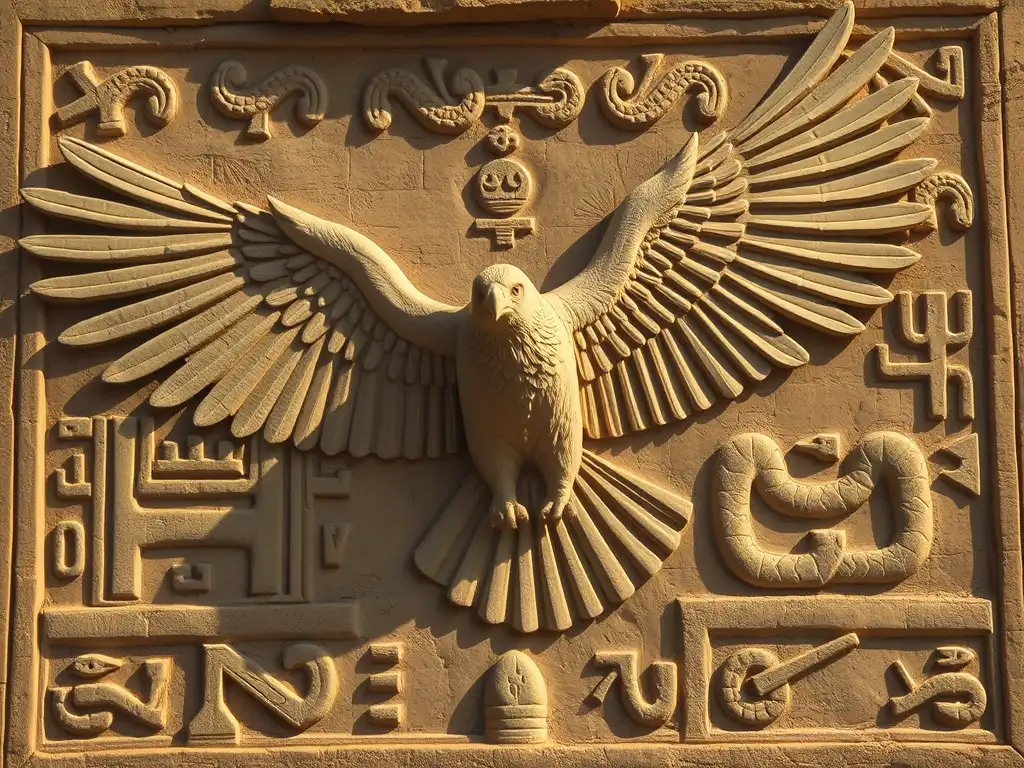
The Chavín culture, flourishing in the Andes from approximately 900 to 200 BCE, developed a complex and fascinating cosmology deeply intertwined with the natural world. Central to this worldview was a powerful system of symbolism, with animals playing a prominent role in representing spiritual forces and concepts. Among these animal representations, birds, particularly the condor, held a position of paramount importance, reflecting the Chavín's understanding of the cosmos, their relationship with the supernatural, and their social structure.
Understanding the role of birds in Chavín cosmology offers crucial insight into the spiritual beliefs and societal organization of this influential pre-Inca civilization. The pervasive use of bird imagery in Chavín art, architecture, and religious artifacts underscores their significance within the Chavín culture's bird symbolism. This section explores the multifaceted meanings associated with avian representations within the Chavín cultural context.
The Chavín Worldview and Animal Symbolism
Chavín religious beliefs were likely polytheistic, with a pantheon of deities represented through zoomorphic and anthropomorphic figures. The Chavín worldview emphasized a complex interaction between the earthly and supernatural realms. Animal symbolism served as a crucial mechanism for understanding and navigating this complex spiritual landscape.
Animals weren't simply depicted realistically; they were imbued with symbolic meaning, representing specific powers, attributes, and deities. The condor, with its majestic flight and association with high altitudes, was clearly a powerful symbol, likely representing a major deity or a key aspect of the Chavín spiritual understanding. Other animals, such as jaguars, snakes, and felines, also held significant symbolic weight, each contributing to the rich tapestry of the Chavín pantheon.
The careful observation of the natural world, in particular, the behaviors and attributes of animals, provided the foundation for the development of this intricate system of symbolic representation. Analysis of Chavín art reveals a deliberate and sophisticated use of these animal motifs, indicating a deep understanding of their symbolic significance. The consistent recurrence of certain animals across different artifacts strengthens the argument for their profound religious and cultural importance within Chavín culture's bird symbolism.
Birds as Messengers in Chavín Beliefs
The ability of birds to soar through the sky, bridging the earthly and celestial realms, likely contributed to their role as messengers in Chavín beliefs. They were seen as intermediaries between the human world and the supernatural, capable of carrying messages to and from the gods. This interpretation is supported by the frequent depiction of birds in scenes involving ritualistic activities and shamanistic practices.
In many Chavín artifacts, birds are shown perched on sacred objects or alongside figures interpreted as deities or shamans, suggesting their role as divine emissaries. The specific types of birds depicted may have held different symbolic meanings, with certain species associated with particular deities or messages.
For example, the swiftness of hummingbirds might have symbolized the speed of communication with the spiritual world, while the high-flying condor might have represented a more powerful, authoritative message from a high-ranking deity. Further research into the specific species represented in Chavín art is needed to fully understand the nuances of this aspect of Chavín culture's bird symbolism.
The Significance of Flight and the Sky
The act of flight itself held profound significance in Chavín cosmology. The sky was perceived as a sacred space, the realm of the gods and supernatural forces. Birds, with their ability to traverse this space, were naturally associated with the divine.
The Chavín's mastery of altitude, as reflected in their mountaintop settlements and their architectural achievements, further emphasizes the importance they placed on the celestial realm. The high-altitude flight of the condor, in particular, likely reinforced its association with power and divinity. The connection between flight, the sky, and the divine is evident in the numerous depictions of birds in Chavín art, where they are often shown in dynamic poses, wings outstretched, suggesting their connection to the spiritual realm.
The use of bird imagery in Chavín architecture, such as the carved stone reliefs on temple walls, further reinforces the idea that birds served as a visual representation of the Chavín's connection to the sky and the supernatural. This profound respect for the sky and the symbolic representation of flight through avian imagery is a key element in understanding the wider context of Chavín culture's bird symbolism.
The Condor: A Powerful Symbol in Chavín Art and Religion
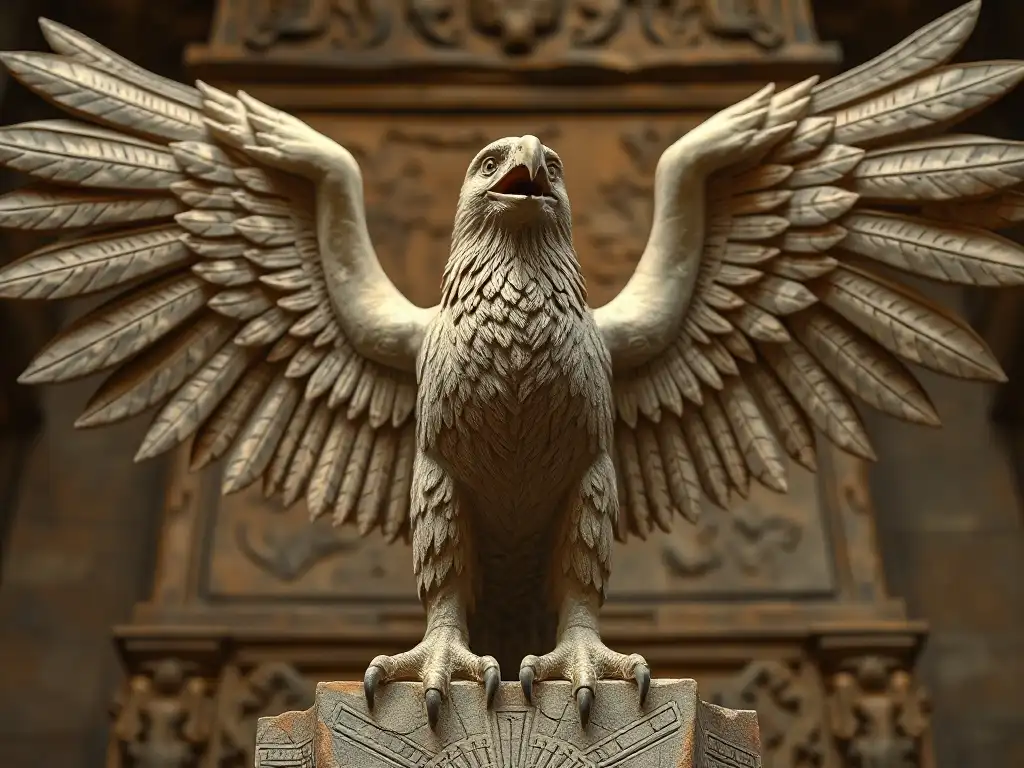
The Chavín culture (c. 900 – 200 BCE), flourishing in the northern Andes of Peru, developed a complex and fascinating religious system deeply intertwined with nature. Central to this belief system was a powerful pantheon of deities, many represented through zoomorphic imagery, with the condor standing out as a particularly significant symbol. The pervasive presence of the condor in Chavín art and architecture speaks volumes about its importance in the worldview of this influential civilization.
Understanding Chavín culture bird symbolism, particularly the condor, offers key insights into their spiritual beliefs and societal structures. This section will explore the multifaceted representation of the condor within Chavín culture, analyzing its symbolic meaning and its role in their religious practices. The detailed analysis will focus on the condor's depiction across various mediums and architectural elements, highlighting the consistent themes and variations in its portrayal.
The Andean condor ( Vultur gryphus) is not merely a bird; it's a majestic creature holding immense cultural and spiritual significance across various Andean cultures, including the Chavín. Its impressive size, soaring flight, and scavenging nature imbued it with both awe and fear. Its ability to fly to incredible heights linked it to the celestial realm, associating it with the sun and the gods.
The condor's sharp vision was seen as a connection to the unseen world, granting it the ability to perceive beyond the ordinary. In Chavín cosmology, the condor likely represented power, authority, and a connection to the divine. Its presence in religious iconography points to its role as a messenger between the earthly and spiritual worlds.
The condor's association with the sun might also indicate its role in the cycle of life, death, and rebirth—a theme frequently explored in Chavín art. Furthermore, its scavenging habits could have been interpreted symbolically as a cleansing or purifying force, removing impurities and restoring balance.
The condor's symbolic weight extended beyond mere religious representation. Its powerful image might have been used to reinforce the authority of Chavín elites, linking them to the divine power embodied by the condor. This powerful imagery solidified their social standing and legitimized their rule. The consistent use of the condor across various artistic and architectural expressions suggests its deeply ingrained importance within Chavín society.
Condor Representations in Chavín Architecture
The most striking evidence of the condor's significance in Chavín culture is its prominent representation within their monumental architecture. The Chavín de Huántar site, the culture's principal center, is replete with examples of condor imagery. These representations are not simply decorative; they are integral to the building's design and likely played a crucial role in the site's religious functions. For example, the Lanzón monolith, a towering stone sculpture at the heart of the temple complex, features stylized condor features integrated into the deity's overall design, demonstrating the creature's central role within the Chavín pantheon.
Consider also the intricate carvings found on the walls and lintels of Chavín structures. Many depict condor heads, wings, or full-bodied figures, often intertwined with other zoomorphic and anthropomorphic motifs. The careful placement of these carvings suggests a deliberate attempt to integrate the condor's symbolism into the very fabric of the sacred space, reinforcing its religious significance.
The size and prominence of these representations further underline the condor's elevated status within Chavín society. Analysis of the architectural context surrounding these carvings could reveal further insights into their ritualistic significance. [Specific information pending: detailed analysis of condor placement in relation to other architectural elements and their potential ritual function].
Condor Imagery in Chavín Ceramics and Textiles
Beyond architecture, the condor's presence is clearly visible in Chavín ceramics and textiles. These portable artifacts offer valuable insights into the widespread nature of condor symbolism and its penetration into various aspects of Chavín life. Ceramic vessels often depict stylized condor figures, sometimes in a naturalistic manner and sometimes in highly abstract forms.
These variations likely reflect different contexts of use and intended meanings. For instance, some vessels might have been used in rituals, while others served more domestic purposes. The stylistic differences in condor depictions across these artifacts allow for further exploration of the evolution and diversification of Chavín religious beliefs.
Textiles, while less commonly preserved than ceramics, also showcase condor imagery. [Specific information pending: detailed examples of condor representations in Chavín textiles and their potential symbolic interpretations]. The use of the condor in both ceramic and textile arts suggests its ubiquitous presence in everyday Chavín life, extending beyond purely religious contexts.
This widespread representation underscores the deep integration of the condor into the culture's collective consciousness and its role as a powerful and enduring symbol. The study of these artifacts provides crucial data to deepen our understanding of the diverse ways in which the Chavín people used the condor to express their religious beliefs and social structures. Further research into the materials and techniques used in creating these artifacts could reveal additional insights into their cultural and symbolic significance.
Other Birds of Significance in Chavín Iconography
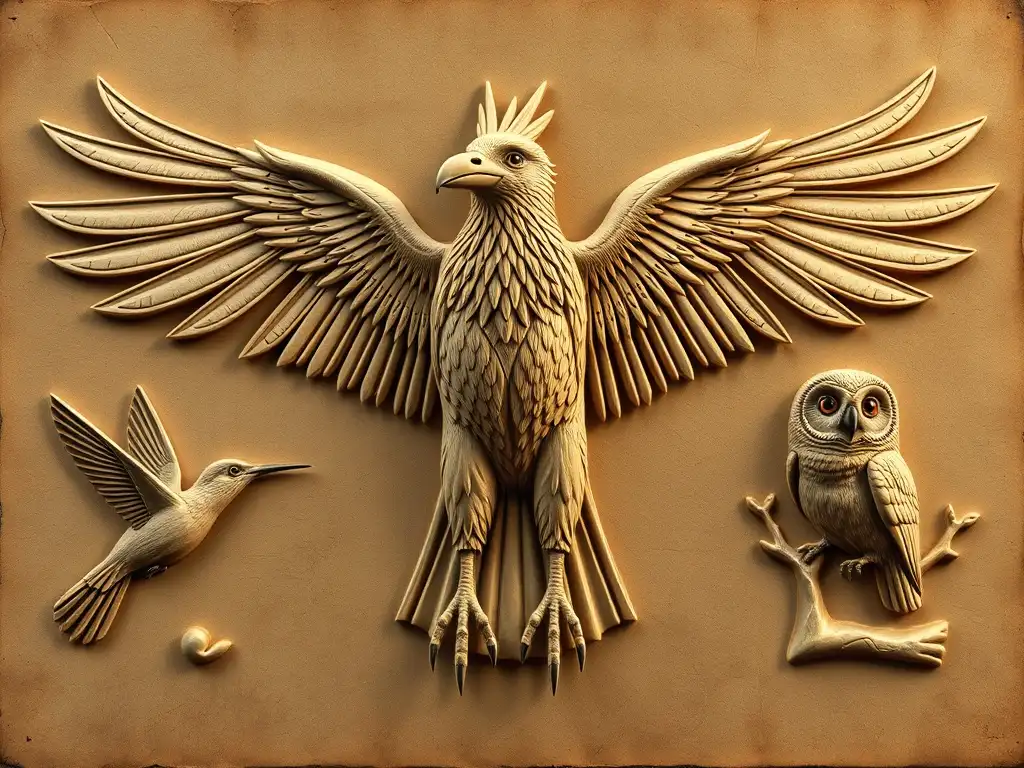
The Chavín culture's reverence for the condor is well-documented, but their bird symbolism extended far beyond this majestic creature. A rich tapestry of avian imagery, imbued with spiritual meaning, permeates Chavín art and architecture. Understanding the broader context of Chavín culture bird symbolism reveals a complex cosmology reflecting their deep connection with the natural world and the spiritual forces they believed governed it. This section explores some of the other significant bird species represented in Chavín iconography, revealing further facets of their beliefs and worldview.
The Eagle: Strength and Vision in Chavín Art
The eagle, a symbol of power and keen observation across many cultures, holds a prominent place in Chavín art. Unlike the condor's association with the high Andes, the eagle, with its ability to soar and survey vast territories, likely represented qualities of leadership, strength, and far-sightedness. Depictions of eagles in Chavín ceramics and textiles frequently show the bird in dynamic poses, emphasizing its predatory prowess and sharp vision.
This symbolism likely extended to the Chavín elite, reflecting their perceived authority and ability to oversee their realm effectively. Further research is needed to fully understand the nuances of eagle symbolism within the Chavín context; however, existing evidence strongly suggests its association with leadership and strategic thinking. For instance, a recently discovered ceramic fragment depicts an eagle perched atop a stylized mountain, potentially representing the eagle's dominion over the landscape and its inhabitants.
This visual representation reinforces the idea of the eagle as a symbol of power and control within the Chavín worldview. The careful detail in the eagle's feathers and the precision of its posture suggest a deep understanding and respect for this powerful avian creature.
The Hummingbird: A Symbol of Energy and Transformation
The hummingbird, with its dazzling speed and vibrant plumage, likely held a different, yet equally important, symbolic meaning for the Chavín. Its rapid movements and ability to hover might have been interpreted as representing energy, vitality, and the transformative power of nature. Unlike the eagle's strength and vision, the hummingbird's symbolism may have been more closely tied to concepts of renewal, change, and the cyclical nature of life and death.
The hummingbird's connection to flowers and nectar could also have linked it to fertility and abundance, vital aspects of Chavín agricultural practices. Unfortunately, the direct evidence for hummingbird symbolism in Chavín art is less abundant than that for the condor or eagle.
However, the presence of hummingbird motifs in later Andean cultures suggests the possibility of a continuous tradition, hinting at the importance of this small but symbolically potent bird in the broader Andean context. Further investigation into Chavín textiles and smaller artifacts may reveal more concrete evidence supporting this hypothesis.
Owls and Other Nocturnal Birds: Connections to the Underworld
In contrast to the diurnal birds of prey, nocturnal birds like owls held a different, potentially more ambiguous, role in Chavín iconography. Owls, often associated with darkness, mystery, and the underworld in various cultures, may have represented aspects of the unseen world, the realm of spirits, or the transition between life and death. Their silent flight and keen night vision could have been interpreted as connections to shamanistic practices or the ability to perceive the invisible.
The presence of owls in Chavín art, though less frequent than that of other birds, suggests a recognition of the complexities of the spirit world and the importance of understanding both the visible and invisible realms. The exact interpretation of owl symbolism within the Chavín culture remains a subject of ongoing research, as the available evidence is limited and open to multiple interpretations. However, the inclusion of owls alongside other avian figures strongly suggests a nuanced understanding of the diverse forces shaping their world, extending beyond the readily apparent aspects of daily life.
Further analysis of Chavín iconography, particularly in less-studied artifacts, is crucial to fully understand the complex role of nocturnal birds in their symbolic system. The study of Chavín culture bird symbolism offers a fascinating glimpse into the rich spiritual beliefs of this ancient Andean civilization. 🦉
Interpreting Chavín Culture Bird Symbolism
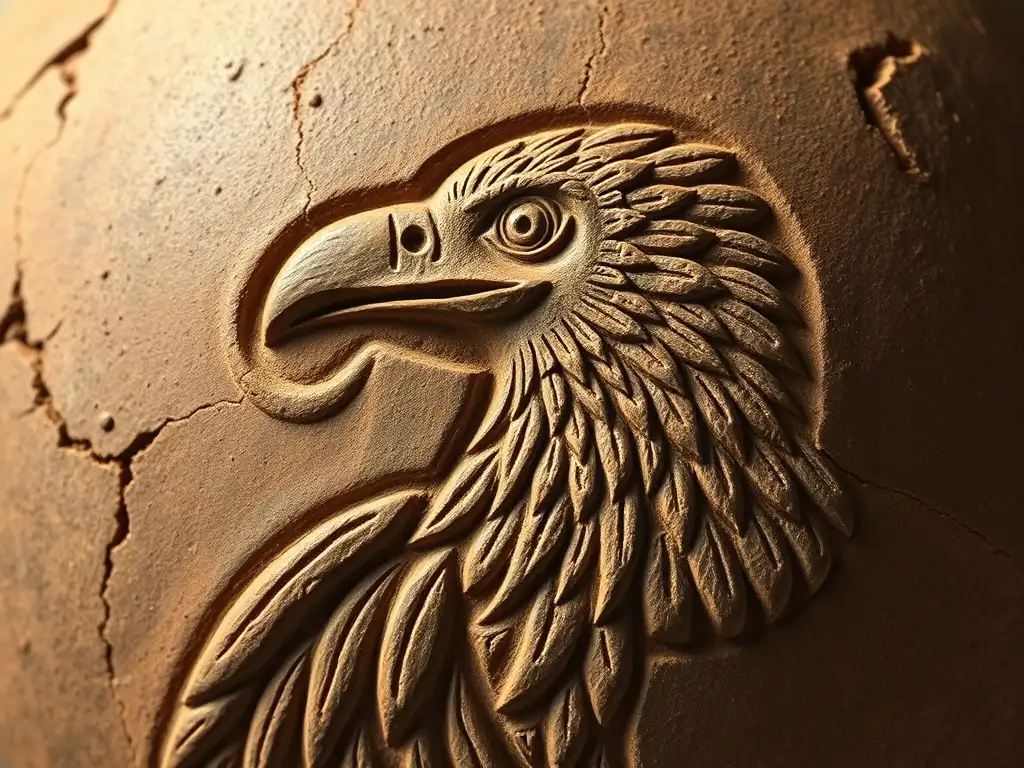
The Chavín culture, flourishing in the northern Andes from approximately 900 to 200 BCE, left behind a rich legacy of artistic and architectural marvels. Central to their iconography is the pervasive presence of bird imagery, particularly the condor, a powerful and significant avian symbol throughout Andean history. Understanding the Chavín culture bird symbolism requires delving into the complex interplay of religious beliefs, shamanic practices, and the culture's unique artistic style.
This wasn't merely decorative; the birds represented potent spiritual forces and played a crucial role in Chavín cosmology. The meticulous detail and stylistic choices in these depictions offer clues to their meaning, revealing a sophisticated understanding of the natural world and its spiritual significance. Researchers continue to uncover new insights into these fascinating representations, constantly refining our understanding of Chavín religious thought.
The prevalence of bird motifs across various Chavín artifacts, from intricately carved stone sculptures to textiles (where evidence survives), underscores their importance. The careful observation of these artifacts allows for a deeper comprehension of Chavín worldview and beliefs.
Analyzing the Context of Bird Depictions
The context in which Chavín bird depictions appear is paramount to interpreting their meaning. Consider, for instance, the Lanzón monolith at the Chavín de Huántar site. The central figure, often interpreted as a deity, is adorned with features reminiscent of both human and avian forms, highlighting the blurred lines between the human and spiritual realms in Chavín ideology. This intertwining is not unique to the Lanzón; many other artifacts show similar blended imagery.
Furthermore, the placement of bird motifs within larger compositions provides further context. Are they positioned prominently, suggesting a central role in the narrative? Or are they subsidiary elements, perhaps signifying a supporting role within a larger mythological scene? The stylistic choices are also telling.
Are the birds depicted realistically, or are they stylized, perhaps emphasizing certain features to enhance their symbolic power? For example, the exaggerated size of a condor's beak might denote its power and ferocity, while stylized feathers could represent specific attributes associated with the bird in Chavín mythology. The analysis of these details provides critical insights into the Chavín culture bird symbolism. Detailed studies of individual artifacts, comparing their stylistic features and contextual placement, are crucial for a comprehensive understanding.
The Relationship Between Birds and Shamanic Practices
Many scholars believe that Chavín bird symbolism is deeply intertwined with shamanic practices. Birds, with their ability to fly high above the earth and access otherworldly realms, were likely viewed as intermediaries between the human and spiritual worlds. Shamanic rituals, often involving altered states of consciousness, may have involved the use of avian imagery to facilitate communication with deities or access to spiritual power.
The often-depicted raptors, such as condors and eagles, with their keen eyesight and predatory prowess, could symbolize the shaman’s ability to perceive hidden truths and navigate the complexities of the spiritual realm. The use of hallucinogenic substances, evidenced by archaeological findings at Chavín sites, may have further intensified the symbolic significance of birds during these rituals. The experience of flight, whether literal or metaphorical, through the use of these substances, may have been directly linked to the symbolism of birds in Chavín religious practices.
The connection between these powerful birds and altered states of consciousness provides a compelling explanation for their prominent role in Chavín culture. Further research into the archaeological evidence of ritual practices and the chemical analysis of artifacts could shed more light on this fascinating aspect of Chavín culture bird symbolism.
Chavín Bird Symbolism and its Influence on Later Andean Cultures
The influence of Chavín art and religious practices extended far beyond the geographical limits of the Chavín culture itself. The stylistic elements and iconographic motifs, including bird symbolism, were widely adopted and adapted by subsequent Andean cultures. The spread of Chavín artistic conventions, perhaps through trade networks or cultural exchange, is clearly visible in the art of later cultures like the Moche and Nazca.
While these later cultures developed their own unique artistic styles, the underlying influence of Chavín artistic conventions, including the prominent use of bird imagery, is undeniable. Analyzing the evolution of bird symbolism across these different cultures reveals how Chavín religious ideas were transformed and reinterpreted over time. The continuity of certain motifs, while others were modified or replaced, highlights the enduring impact of Chavín culture on the broader Andean region.
The study of the evolution of Chavín culture bird symbolism across different cultures provides a deeper understanding of the interconnectedness of Andean societies and the long-lasting impact of Chavín religious beliefs. Further comparative studies of Chavín and later Andean art are needed to fully elucidate the depth and breadth of this influence.
The Lasting Legacy of Chavín Bird Symbolism
The Chavín culture's intricate and pervasive bird symbolism wasn't a fleeting artistic trend; it represents a deeply rooted spiritual and cosmological belief system that profoundly impacted subsequent Andean cultures. The iconic depictions of birds, particularly the condor, weren't merely decorative elements; they served as powerful representations of deities, shamanic experiences, and the interconnectedness of the earthly and spiritual realms. This legacy is evident in the continuity of bird imagery across diverse Andean artistic expressions, from pottery and textiles to monumental architecture.
Understanding Chavín bird symbolism provides crucial insights into the development of Andean religious thought and artistic practices. The enduring presence of avian motifs in later cultures highlights the cultural transmission and adaptation of these powerful symbols. The Chavín's influence extended far beyond their immediate geographical reach, demonstrating the far-reaching impact of their religious ideology.
Continuity of Bird Imagery in Andean Art
The impact of Chavín artistic motifs, particularly those featuring birds, is undeniable in subsequent Andean art. Consider the stylistic similarities between Chavín ceramics depicting stylized condors and later Moche pottery. The powerful, almost supernatural, representation of the condor's gaze and posture—a common feature in Chavín art—finds echoes in the Moche's depiction of their own powerful deities and rulers.
This continuity isn't simply a matter of imitation; it suggests the transmission of symbolic meaning and the continued relevance of Chavín religious beliefs. Furthermore, the use of similar stylistic conventions, such as the use of sharp lines and intricate details, points to a shared artistic tradition influenced by the Chavín.
For example, the recurring theme of the condor in flight, often depicted with outstretched wings and a fierce expression, can be traced from Chavín artifacts to the textiles and metalwork of later cultures. This suggests that the condor's symbolic power—perhaps representing power, dominion, or connection to the supernatural—remained a significant element in Andean worldview for centuries. The subtle variations in depiction across different cultures reflect a process of cultural adaptation and reinterpretation, where the core meaning was preserved while the artistic style evolved.
The continuity of Chavín bird symbolism is further evidenced by the presence of similar motifs in architecture. The use of zoomorphic elements, including birds, in architectural designs persisted throughout Andean civilizations, demonstrating the enduring impact of Chavín aesthetic and religious concepts.
The Importance of Understanding Chavín Animal Symbolism for Understanding Andean Cultures
Understanding Chavín animal symbolism, especially their bird representations, is crucial for comprehending the broader context of Andean cultures. The Chavín's elaborate iconography wasn't arbitrary; it was a sophisticated system of communication that conveyed complex religious beliefs and social structures. The prominent role of birds, particularly the condor, suggests a strong connection to the Andes' rugged landscape and the power of the natural world.
Analyzing the different ways birds were depicted—sometimes as fierce predators, sometimes as stylized, almost abstract forms—provides insights into the nuanced nature of their religious beliefs. It allows researchers to unravel the intricate layers of meaning embedded within Chavín art and understand their worldview. The use of specific bird species and their symbolic associations—for example, the condor's association with power and the jaguar's association with the underworld—reveals much about their cosmology and social hierarchy.
Without understanding this fundamental aspect of Chavín culture, our interpretation of subsequent Andean societies would remain incomplete. The Chavín's influence on the development of Andean art and religion provides a framework for interpreting the later artistic and religious practices of the region.
Preserving the Cultural Heritage of Chavín
Preserving the cultural heritage of Chavín, including its rich bird symbolism, requires a multifaceted approach. The ongoing study and documentation of Chavín artifacts and sites are crucial for understanding the complexity of their culture. This involves meticulous archaeological excavation, careful cataloging of artifacts, and detailed analysis of artistic styles and symbolic representations. Furthermore, promoting public awareness of Chavín culture and its significance is essential for fostering appreciation and respect for this important heritage.
This includes educational initiatives, museum exhibitions, and public outreach programs that highlight the artistry and cultural significance of Chavín bird symbolism. The development of sustainable tourism strategies that benefit local communities while protecting archaeological sites is also crucial. This involves careful management of visitor access, implementation of conservation measures, and community involvement in the preservation efforts.
Protecting these sites not only safeguards the physical remains of Chavín culture but also ensures that future generations can learn from and appreciate the rich legacy of their artistic and spiritual traditions. The preservation of Chavín's legacy is a shared responsibility that requires collaboration between archaeologists, local communities, and government agencies to ensure the long-term protection of this invaluable cultural heritage. Careful conservation practices and responsible tourism are vital for protecting these irreplaceable artifacts and sites for future generations.
Frequently Asked Questions
What is the significance of birds in Chavín culture?
Birds held immense spiritual significance in Chavín culture. They were often depicted in art and artifacts, symbolizing power, shamanism, and connection to the supernatural. The condor, in particular, played a prominent role.
Why is the condor so important in Chavín iconography?
The condor, with its powerful flight and high-altitude habitat, represented authority and connection to the gods. Its image was used to convey the sacred power of Chavín leaders and priests.
How did Chavín artists depict birds?
Chavín artists depicted birds in a highly stylized and abstract manner. They emphasized powerful features like sharp talons and beaks, often integrating them into complex, zoomorphic designs.
What materials were used to create Chavín bird art?
Chavín bird art was created using a variety of materials, including stone carvings, ceramics, and textiles. The choice of material often depended on the intended purpose and location of the artwork.
Where can I learn more about Chavín culture and bird symbolism?
You can explore the rich history of the Chavín culture and its bird symbolism through museums, academic publications, and websites dedicated to Andean civilizations. Further research will reveal the complexity and depth of this fascinating topic.
Final Reflection: Soaring with the Condor: Chavín's Enduring Avian Legacy
The intricate bird imagery found throughout Chavín de Huántar isn't merely decorative; it's a powerful testament to the enduring human need to connect with the spiritual world. These ancient carvings and sculptures, meticulously crafted millennia ago, continue to resonate today, reminding us of the profound spiritual significance humans have always placed on the natural world and the power of symbolic representation.
The influence of Chavín's avian symbolism extends far beyond the archaeological site itself, permeating the artistic and spiritual expressions of subsequent Andean cultures. The condor, in particular, remains a potent symbol of power, freedom, and connection to the divine across numerous indigenous communities. Its presence in Chavín art speaks to a deep understanding of the natural world and its interconnectedness with the spiritual realm. The bird is a symbol of the soul, its flight a metaphor for the journey of the spirit.
This sentiment, though perhaps not explicitly Chavín, echoes the profound spiritual meaning embedded within their avian iconography.
Consider the enduring power of these symbols. What does the soaring condor, the watchful hummingbird, the mysterious owl represent to you? Take a moment to reflect on the ways in which we still seek connection with the spiritual, the ways in which nature continues to inspire awe and wonder. Let the legacy of Chavín inspire you to find your own connection to the world around you, to appreciate the beauty and power of the natural world, and to seek meaning in the symbols that surround us.
Soar Higher: Connect with the Spiritual Legacy of Birds!
Thank you for exploring the captivating world of Chavín and the profound role birds played in their spiritual practices! Your interest enriches your understanding and honors the enduring wisdom of this ancient civilization. Now, let's put that knowledge into action!
Here are some ways you can deepen your connection with the spiritual significance of birds:
- **Visit local birdwatching areas** to observe the majestic birds that inspired ancient cultures. Keep a journal to record your thoughts and reflections.
- **Share your insights** with friends, family, or community groups. Lead a discussion or post on social media to spread awareness of Chavín's fascinating history and beliefs.
- **Create a piece of art** inspired by your favorite bird or its symbolism within Andean traditions. Let your creativity take flight!
Which bird resonates most strongly with you, and how might it inspire your personal journey of self-discovery? We'd love to hear your thoughts in the comments below!