
Chavín's Cultural Significance: The Lasting Impact on Andean History

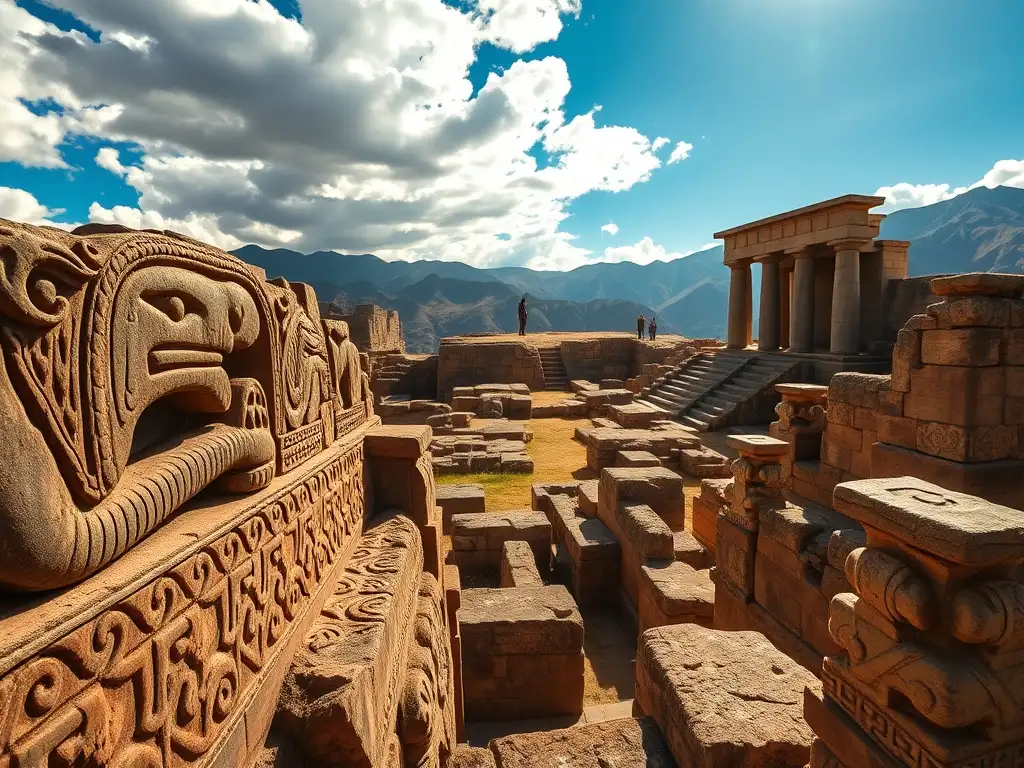
Step into a world lost to time, yet echoing through the Andes. Discover the enigmatic legacy of the ancient Andean civilizations, from the breathtaking artistry of the Nazca lines to the sophisticated engineering of the Incas. But first, prepare to be captivated by the Chavín civilization's cultural impact, a story of innovation and influence that laid the foundation for centuries of Andean development. Unravel the mysteries and delve into the fascinating world that shaped a continent—your journey begins now.
The Chavín civilization, flourishing in the Andes Mountains of Peru from approximately 1200 to 200 BCE, represents a pivotal moment in the development of Andean cultures. Its impact resonates far beyond its relatively short lifespan, leaving an indelible mark on the art, religion, and societal structures of subsequent Andean societies.
This article delves into the profound cultural significance of the Chavín, exploring its origins, artistic innovations, and the lasting legacy it bequeathed to the broader Andean world. Understanding Chavín's influence is key to comprehending the complex tapestry of pre-Inca Andean history and the emergence of later, more expansive empires.
We will examine the evidence that points to Chavín's role as a cultural hearth, radiating influence across vast distances and shaping the trajectory of Andean civilization for centuries to come. This exploration will focus on the key aspects that solidify Chavín's position as a foundational culture in the Andean region, addressing the "Chavín civilization cultural impact" question in detail.
Introduction to Chavín Culture and its Historical Context
The Chavín culture is characterized by its distinctive artistic style, evident in its intricate ceramics, monumental architecture, and sophisticated religious iconography. Unlike later Andean civilizations that established large, centralized urban centers, Chavín influence spread through a network of smaller settlements and ceremonial sites connected by trade routes. This suggests a form of pan-Andean cultural exchange, rather than a strictly territorial empire.
The Chavín worldview, as reflected in its art, was deeply intertwined with nature, particularly with powerful forces like jaguars, snakes, and birds of prey, often depicted in hybrid, supernatural forms. This complex religious system likely played a crucial role in unifying disparate communities under a shared belief system, fostering a sense of collective identity across a geographically diverse region.
The exact mechanisms of this cultural dissemination remain a topic of ongoing research, but archaeological evidence strongly suggests a powerful and far-reaching influence. The development of sophisticated agricultural techniques, enabling the cultivation of diverse crops at varying altitudes, also contributed to Chavín's success and its ability to support a growing population.
The Rise of Chavín: Understanding its Origins and Development
The origins of the Chavín culture are still debated among scholars. However, the prevailing theory suggests a gradual development from earlier regional traditions, with Chavín de Huántar emerging as a central ceremonial center that attracted pilgrims and traders from across the Andes. This process involved the integration of various artistic and religious elements from different regions, resulting in a uniquely Chavín synthesis. The development of distinctive architectural styles, such as the use of massive stone structures and intricate carvings, further aided in solidifying Chavín's identity.
The construction of elaborate irrigation systems, providing a reliable water supply for agriculture, also played a significant role in the civilization's growth and stability. Evidence suggests a sophisticated social hierarchy, with specialized craftspeople and religious leaders occupying prominent positions within the society. The precise nature of Chavín political organization remains unclear; however, its cultural influence suggests a significant level of social complexity and control.
Chavín de Huántar: The Heart of Chavín Influence
Chavín de Huántar, located in the central Andes, stands as the most significant archaeological site associated with the Chavín culture. This monumental complex, built on a steep slope, features a series of interconnected temples, plazas, and underground galleries. The architecture itself is remarkable, showcasing the Chavín mastery of stonework and engineering.
The site’s layout and the intricate carvings adorning its structures suggest a carefully planned and symbolic arrangement, reflecting the importance of religious rituals and ceremonies in Chavín society. The iconic Lanzón, a massive, carved stone monolith depicting a deity, is a prime example of Chavín artistic skill and religious symbolism. Its presence at the heart of the complex underscores the centrality of religious belief in Chavín culture and its influence on the surrounding communities.
The discovery of numerous artifacts at Chavín de Huántar, including ceramics, textiles, and ornaments, provides further insights into the civilization's artistic achievements, religious practices, and social organization. The site's strategic location, facilitating trade and communication across the Andes, further cemented its position as a crucial center for the dissemination of Chavín cultural traits. The lasting impact of Chavín de Huántar is evident in the widespread adoption of its artistic motifs and religious iconography in subsequent Andean cultures.
- Introduction to Chavín Culture and its Historical Context
- The Rise of Chavín: Understanding its Origins and Development
- Chavín de Huántar: The Heart of Chavín Influence
- What is the Chavín civilization's most significant cultural contribution?
- How did Chavín culture influence later Andean societies?
- What was the extent of the Chavín's geographical reach?
- What are some examples of Chavín art and its lasting impact?
- How did the Chavín civilization's decline impact Andean cultures?
Key Aspects of Chavín Civilization's Cultural Impact
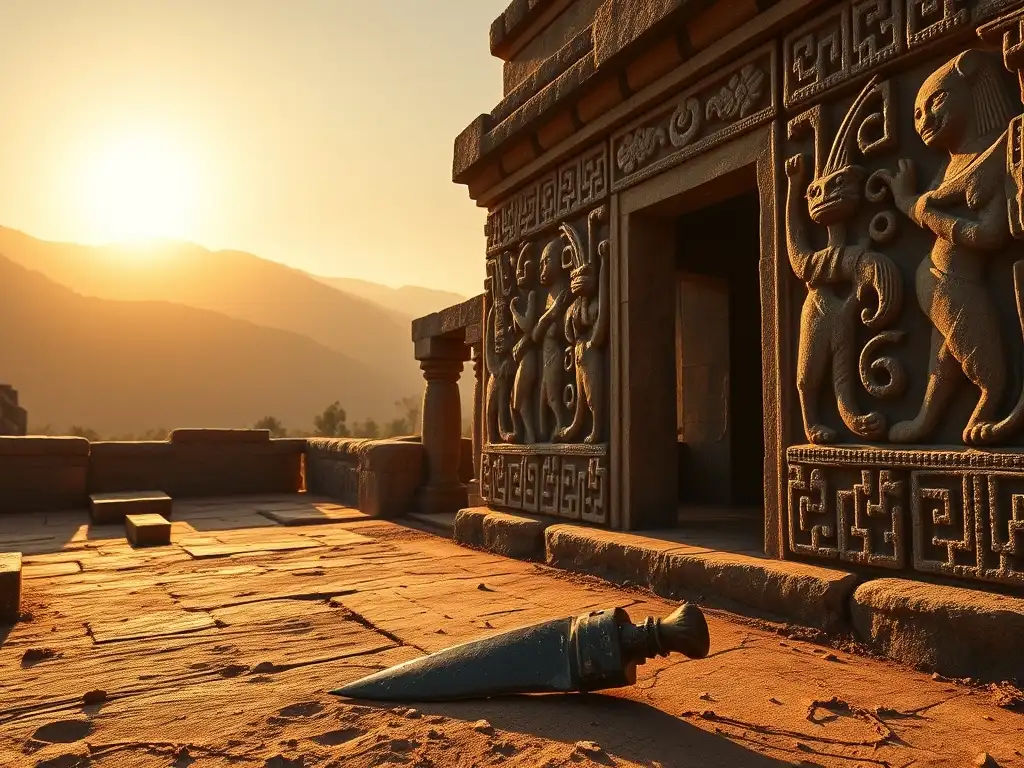
The Chavín civilization, flourishing in the Andes from roughly 900 to 200 BCE, left an indelible mark on the subsequent development of Andean cultures. Its cultural impact, extending far beyond its geographical boundaries, is evident in the art, religion, and societal structures of later civilizations. Understanding this influence requires examining the intricate interplay between Chavín's unique artistic expressions, complex religious beliefs, and the widespread dissemination of its cultural elements across the Andean region.
The Chavín civilization cultural impact is a testament to its sophisticated societal organization and innovative artistic and religious practices. This impact reverberated through centuries, shaping the trajectory of Andean history.
Chavín Art and Iconography: Deciphering Symbolic Meanings
Chavín art is characterized by its distinctive style and complex iconography, which exerted a profound influence on later Andean artistic traditions. The use of specific motifs, such as the stylized feline, serpent, and supernatural beings, became recurring themes in subsequent artistic expressions. These images weren't simply decorative; they served as powerful symbols within a complex religious framework.
The stylistic conventions of Chavín art—the emphasis on intricate carvings, the use of a distinctive palette of colors (where applicable), and the representation of supernatural beings—became templates for later artists. The mastery of stone carving, particularly in the creation of monumental sculptures and intricate reliefs, was a significant technological achievement that inspired generations of Andean artisans. This artistic legacy is clearly visible in the artistic styles of the Paracas and Nazca cultures, among others.
The Significance of Feline Imagery in Chavín Religious Art
Feline imagery holds a prominent position in Chavín art, frequently depicted with fangs bared, clawed paws, and other features emphasizing power and ferocity. These depictions are not mere representations of real-world animals but rather symbolic representations of powerful deities or supernatural forces. The feline's association with both hunting and the underworld suggests a complex symbolism related to power, death, and regeneration.
Scholarly interpretations vary, with some suggesting a connection to shamanistic practices and altered states of consciousness. The consistent recurrence of this motif across different Chavín sites and its adoption by later cultures underlines its deep religious significance. Further research is needed to fully understand the nuances of this symbolism.
Chavín's Influence on Later Paracas Textile Art
The influence of Chavín artistic motifs is particularly evident in the textile art of the Paracas culture. The Paracas, who flourished after the decline of Chavín, incorporated many Chavín stylistic elements into their elaborate textiles. This is evident in the repetition of similar iconographic elements, such as the stylized feline and serpent motifs, albeit often adapted and reinterpreted within the Paracas' own cultural context.
This demonstrates a clear transmission of artistic ideas and stylistic conventions from the Chavín to the Paracas, highlighting the enduring legacy of Chavín artistic influence. The vibrant colors and intricate weaving techniques of the Paracas textiles, while unique to their culture, clearly show a debt to the Chavín artistic tradition. The continuity of certain motifs and stylistic elements across these different cultures strongly supports the argument for a direct cultural influence.
Chavín Religion and Cosmology: Exploring Belief Systems
The Chavín religion was a complex system of beliefs and practices centered around a pantheon of deities and elaborate ritualistic ceremonies. The religious ideology of Chavín played a crucial role in unifying different communities across the Andean region, and its influence can be traced in the religious practices of subsequent cultures. The integration of different Andean deities and beliefs into a cohesive system reflects a sophisticated understanding of cosmology and the natural world. The emphasis on ritual and sacrifice highlights the importance of maintaining a harmonious relationship between the human and spiritual realms.
The Role of Ritualistic Practices in Chavín Society
Ritualistic practices were central to Chavín society, forming an integral part of their religious and social life. Evidence suggests the use of hallucinogenic substances, such as San Pedro cactus, played a significant role in these rituals, potentially facilitating communication with the spirit world. The discovery of numerous artifacts associated with ritual activities, such as ceremonial vessels and intricately carved stones, reveals the importance of these practices in Chavín culture.
The construction of monumental architecture, like the Chavín de Huántar temple, served not only as a practical structure but also as a focal point for ritual activities, further emphasizing their central role in the society. These rituals likely served to reinforce social hierarchies and maintain social order.
The Staff God and Other Chavín Deities
The "Staff God," a recurring figure in Chavín iconography, is believed to have been a central deity within their pantheon. Depicted with a variety of features, including a staff, fangs, and sometimes feline-like characteristics, the Staff God's exact nature and role remain a subject of ongoing scholarly debate. Other deities, often represented by stylized animals or supernatural beings, likely held significant roles within the Chavín religious system.
The complexity and diversity of the Chavín pantheon suggest a sophisticated understanding of the cosmos and the natural world, influencing the religious beliefs of later Andean cultures. The iconography associated with these deities was widely disseminated, becoming a part of the shared cultural heritage of the Andes.
Chavín Architecture and Engineering: Innovation and Influence
Chavín's architectural achievements stand as a testament to the ingenuity and advanced engineering capabilities of the civilization. Their structures, particularly the monumental complexes at Chavín de Huántar, represent a significant leap forward in Andean architecture, influencing subsequent cultures for centuries. The sheer scale and complexity of these constructions, coupled with their sophisticated design and use of materials, showcase a level of planning and organization rarely seen in contemporary societies.
The impact of Chavín architecture is evident in the adoption and adaptation of their styles and techniques by later Andean cultures, demonstrating a lasting legacy in the region's built environment. The innovative use of space, the incorporation of religious symbolism into design, and the mastery of stonework all contributed to the unique and influential character of Chavín architecture. This influence extended beyond mere aesthetics; it also impacted the development of urban planning and societal organization in the Andes.
The Construction of the Old Temple at Chavín de Huántar
The Old Temple at Chavín de Huántar, a complex of interconnected structures and plazas, represents the pinnacle of Chavín architectural prowess. Its construction involved the meticulous planning and execution of an ambitious project, requiring a highly organized workforce and sophisticated understanding of engineering principles. The temple's labyrinthine layout, characterized by narrow passages and strategically placed chambers, likely served a ceremonial purpose, reflecting the importance of ritual and religious practices in Chavín society.
The precise methods employed in its construction, including the transportation and placement of massive stone blocks, remain subjects of ongoing research and debate among archaeologists. However, it's clear that the project required exceptional skill and coordination, showcasing a level of social and technological sophistication that was unparalleled in the Andes at that time. The temple's impressive scale and intricate design served as a powerful symbol of Chavín's authority and influence, shaping the religious and political landscape of the region.
The sheer scale of the undertaking—moving and placing enormous stones with limited technology—speaks volumes about the societal organization and engineering skills of the Chavín people. The Old Temple stands as a powerful testament to their capabilities and ambitions.
Chavín's Use of Advanced Stone Cutting Techniques
The Chavín people demonstrated mastery over advanced stone cutting techniques, enabling them to create incredibly precise and intricate stonework. Their ability to shape and carve massive stone blocks with such accuracy is remarkable, considering the limited tools available to them. They employed techniques such as the use of stone hammers and chisels to create highly detailed carvings and sculptures, often depicting stylized representations of animals and deities.
The precision of their work is evident in the perfectly fitted stones used in the construction of temples and other structures, demonstrating a high level of craftsmanship and an understanding of geometric principles. The development and application of these advanced stone cutting techniques were crucial to the construction of their impressive architectural monuments, contributing to the distinctive style and enduring legacy of Chavín art and architecture. Furthermore, the techniques and artistry developed by the Chavín were adopted and adapted by later Andean cultures, solidifying their lasting impact on stonework traditions throughout the region.
Analysis of the tools and techniques used reveals a sophisticated understanding of material science and engineering, demonstrating a level of technological innovation that significantly impacted subsequent Andean cultures. The legacy of Chavín's stone cutting techniques is visible in the architecture and artistry of numerous subsequent civilizations.
The Widespread Reach of Chavín Cultural Influence
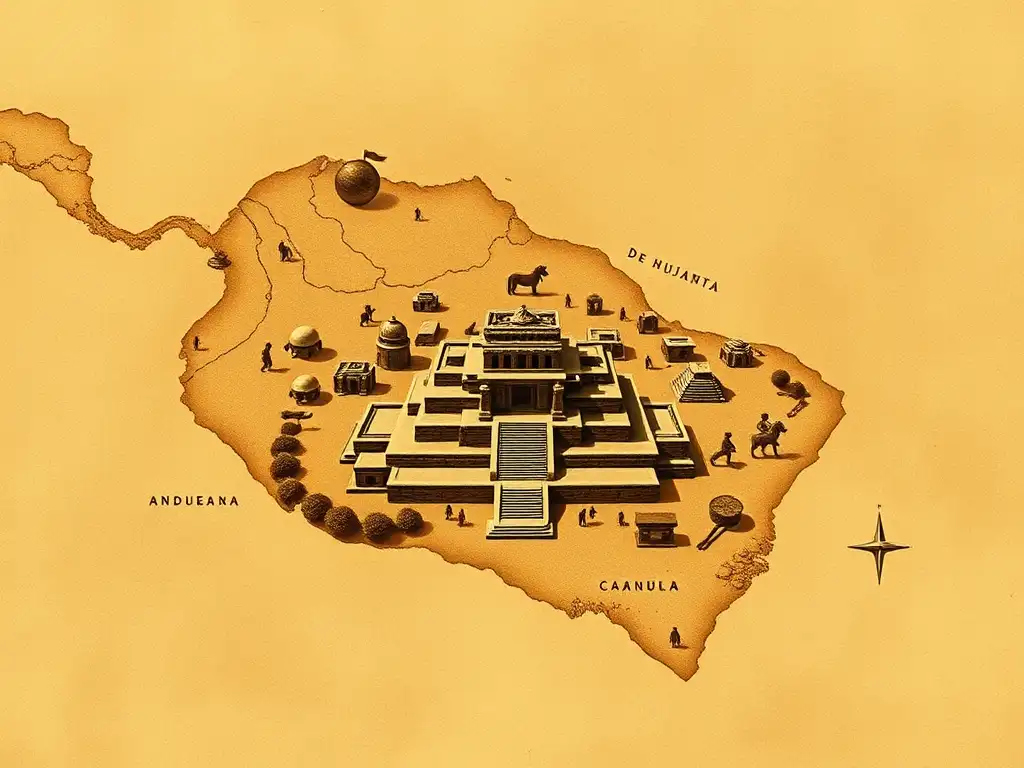
The Chavín civilization, flourishing in the Andes from roughly 1200 to 200 BCE, exerted a profound and lasting impact far beyond its immediate geographical boundaries. Its cultural influence, radiating outwards from the central highlands, significantly shaped the development of subsequent Andean societies. This wasn't a case of direct political control, but rather a powerful dissemination of artistic styles, religious beliefs, and technological innovations that became integral parts of the cultural fabric of many later Andean groups. The extent of this influence is a testament to the Chavín's innovative spirit and the enduring power of cultural exchange in shaping the historical trajectory of the region. This section will explore the evidence of Chavín’s widespread impact, focusing on its ripple effects on various Andean cultures and its role in fostering a sense of shared Andean identity. Understanding this reach is key to grasping the true significance of the Chavín civilization's cultural impact.
Chavín's Impact on Regional Andean Cultures
The Chavín's cultural influence wasn't limited to a single region. Instead, it spread across vast distances, leaving its mark on numerous Andean societies. This dissemination was facilitated by a combination of factors, including trade networks, migration patterns, and the adoption of Chavín iconography as a symbol of prestige and power. The spread of Chavín artistic motifs, religious practices, and technological advancements is evident in the archaeological record, demonstrating the civilization's far-reaching cultural impact.
Evidence of Chavín Influence in the Moche Culture
The Moche culture, known for its sophisticated artistry and complex social structures, provides a compelling example of Chavín's influence. While the Moche developed their own unique artistic style, clear parallels exist between Moche pottery and textiles and the stylistic elements found in Chavín art. The depiction of iconic Chavín motifs, such as the feline deity and stylized jaguars, on Moche ceramics suggests the adoption and adaptation of religious iconography.
This isn't simply imitation; the Moche integrated Chavín elements into their own artistic traditions, demonstrating a process of cultural exchange and transformation. Further research into Moche burial practices and religious rituals could reveal additional evidence of Chavín's influence on their belief systems. Detailed comparative studies of Moche and Chavín artifacts are needed to fully understand the nature and extent of this cultural interaction.
Chavín's Legacy in the Wari Empire
The Wari Empire, a powerful Andean state that flourished centuries after the decline of the Chavín, also shows evidence of Chavín's enduring legacy. While the Wari developed their own distinct architectural style and administrative structures, certain architectural features and artistic motifs suggest a connection to earlier Chavín traditions. For example, certain Wari temple complexes exhibit similar layout principles to those found at Chavín de Huántar.
The use of similar building materials and construction techniques could indicate a continuation of Chavín building traditions. Further analysis of Wari religious iconography and its relationship to Chavín religious beliefs is needed to fully assess the extent of this influence. The potential for future research into this area is significant, promising a deeper understanding of the long-term impact of Chavín culture.
Chavín's Role in the Development of Andean Civilization
The Chavín civilization played a pivotal role in the development of Andean civilization as a whole. Its influence extended far beyond mere artistic styles and religious iconography. It fostered a sense of shared Andean identity and laid the groundwork for the later development of larger, more complex Andean societies. This wasn't a process of direct conquest or political domination, but rather a gradual diffusion of ideas and practices that profoundly shaped the course of Andean history.
The Shift from Localized Cultures to Regional Integration
Before the rise of Chavín, Andean societies were largely characterized by localized cultures with limited interaction. The Chavín, however, fostered increased interaction and exchange between different regions through trade networks and the dissemination of cultural elements. This led to a gradual shift from isolated, self-contained societies to a more integrated Andean cultural sphere. The adoption of similar artistic motifs and religious beliefs across vast geographical areas suggests the development of a shared cultural identity, facilitated by the influence of Chavín. This process of regional integration laid the foundation for the later rise of larger, more complex Andean empires.
Chavín as a Catalyst for Shared Ideologies
The spread of Chavín religious beliefs and iconography acted as a catalyst for the development of shared ideologies across the Andes. While specific religious practices may have varied across different regions, the adoption of common religious symbols and motifs suggests a shared understanding of the divine world. This shared symbolic language facilitated communication and interaction between different Andean groups, fostering a sense of shared identity and purpose.
The enduring impact of Chavín religious iconography in later Andean cultures is a testament to the power of shared beliefs in shaping the social and political landscape of the region. The process of integrating diverse Andean communities through shared religious ideologies represents a significant contribution of the Chavín civilization to the development of Andean culture.
The Lasting Legacy of the Chavín Civilization
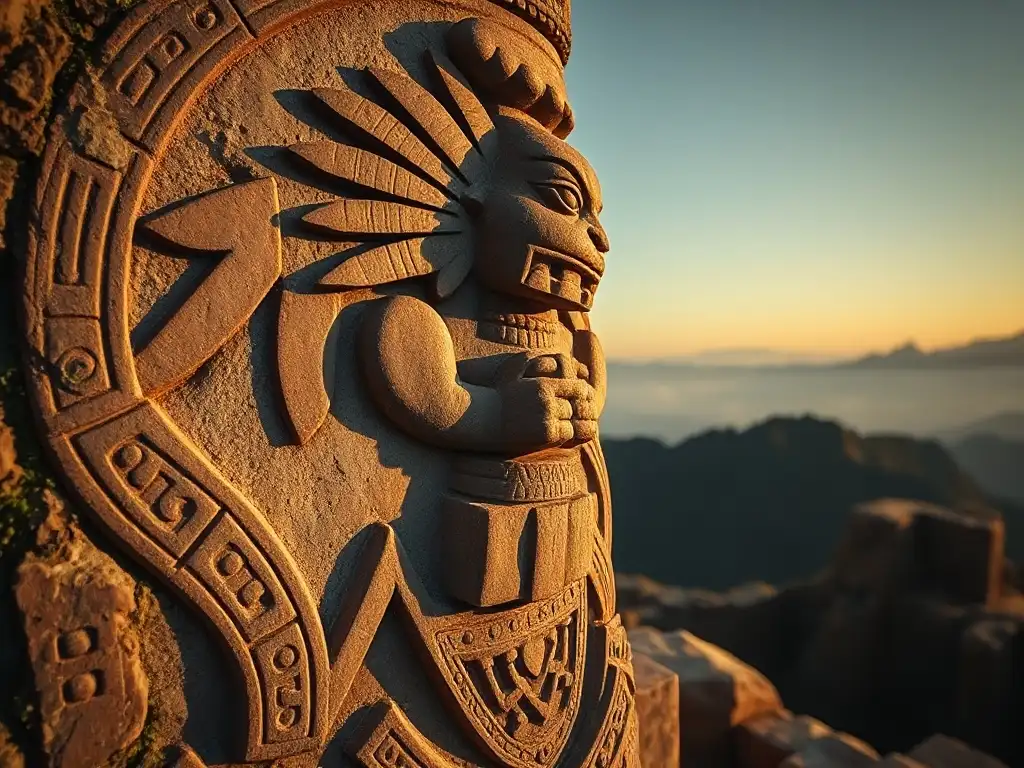
The Chavín civilization, flourishing in the Andes from roughly 1200 to 200 BCE, left an indelible mark on subsequent Andean cultures. While their political organization remains debated, their cultural influence is undeniable, radiating outwards across a vast geographical area and profoundly impacting religious beliefs, artistic styles, and even agricultural techniques. Understanding Chavín's legacy requires examining its multifaceted contributions to the broader Andean tapestry. The keyword "Chavín civilization cultural impact" encapsulates the core of this lasting influence, a ripple effect that continues to shape our understanding of Andean history and pre-Columbian societies.
Chavín's Contributions to Andean Religious Practices
Chavín's religious beliefs formed a cornerstone of their cultural impact. Their unique pantheon of deities, often depicted in a blend of human and animal forms – a hallmark of their artistic style – significantly influenced the religious practices of later Andean cultures. The iconic Chavín deity, often represented as a fanged, feline-like figure, became a recurring motif in subsequent religious iconography. This suggests a widespread adoption or adaptation of Chavín religious concepts, possibly through trade networks or migratory patterns.
Evidence suggests a standardization of religious rituals and practices across vast distances. For example, the use of specific hallucinogenic plants, like brugmansia, in religious ceremonies, evidenced by archaeological finds in Chavín sites, appears to have been adopted and adapted by later cultures. This shared ritualistic framework points to a significant cultural exchange facilitated by the Chavín's influence, solidifying their position as a pivotal force in shaping Andean religious thought.
The spread of these beliefs wasn't a mere imitation; rather, it involved a complex process of assimilation and transformation, with later cultures integrating Chavín elements into their existing belief systems. Further research into specific rituals and their regional variations could shed more light on this fascinating process of cultural transmission.
The Enduring Artistic Legacy of Chavín
The Chavín artistic style, characterized by its distinctive iconography and sophisticated craftsmanship, exerted a profound and long-lasting impact on Andean art. The intricate carvings found on their pottery, textiles, and monumental architecture – including the famous Lanzón monolith – became a model for succeeding artistic traditions. This is evident in the stylistic similarities observed in the art of later cultures like the Moche and Nazca. The distinctive use of zoomorphic and anthropomorphic motifs, the emphasis on sharp lines and geometric patterns, and the masterful execution of intricate details became hallmarks of Andean art for centuries.
The Chavín style wasn't simply copied; it was adapted and reinterpreted. Later cultures incorporated Chavín motifs into their own artistic expressions, blending them with their unique cultural elements. This creative process resulted in a rich and diverse artistic landscape, yet still bearing the undeniable imprint of Chavín's pioneering aesthetic.
For example, the use of specific artistic techniques, such as the intricate weaving patterns found on Chavín textiles, were refined and adapted by later cultures, showcasing a continuity of artistic skills and innovations. A detailed comparative study of Chavín and subsequent artistic styles would reveal the intricate web of influences and adaptations that shaped Andean artistic traditions.
Understanding Chavín's Cultural Importance Today
The Chavín civilization's impact extends far beyond mere historical significance. Understanding Chavín's cultural impact is crucial for comprehending the complex development of Andean societies. Their influence on religious practices, artistic styles, and potentially even agricultural techniques highlights the interconnectedness of Andean cultures and the importance of cultural exchange in shaping regional identities. The enduring legacy of Chavín underscores the need for continued research and analysis to fully appreciate the depth and breadth of their contributions.
Studying Chavín allows us to appreciate the rich diversity and interconnectedness of pre-Columbian Andean cultures. Their artistic achievements, religious innovations, and sophisticated societal organization offer valuable insights into the ingenuity and resilience of ancient Andean civilizations. The ongoing archaeological discoveries and interpretations continue to refine our understanding of Chavín’s role in shaping the cultural landscape of the Andes, emphasizing the dynamic nature of cultural transmission and adaptation.
Furthermore, understanding Chavín’s cultural impact provides a framework for appreciating the complex history and cultural heritage of the Andean region today. The legacy of Chavín serves as a testament to the enduring power of cultural influence across time and space. The Chavín civilization’s impact continues to resonate, enriching our understanding of Andean history and providing a valuable lens through which to view the region's rich cultural heritage.
Current Archaeological Projects at Chavín de Huántar
Ongoing research at the Chavín de Huántar archaeological site continues to unveil new facets of this enigmatic civilization and its enduring impact on Andean culture. Several projects are currently underway, focusing on different aspects of the site, from architectural analysis to ceramic studies and the understanding of the site's intricate water management systems.
These projects employ a multidisciplinary approach, combining archaeological excavation with advanced technologies like LiDAR and ground-penetrating radar to create detailed 3D models of the site and its surroundings. This allows researchers to better understand the spatial organization of the site and the relationships between its various structures.
One crucial area of focus is the investigation of the site's monumental architecture. Researchers are meticulously documenting the construction techniques used in the creation of the massive plazas, temples, and other structures, providing insights into the organization of labor and the technological capabilities of the Chavín people. The analysis of the stone carvings and the intricate designs adorning these structures is also shedding light on Chavín cosmology, religious beliefs, and artistic practices.
Understanding the construction methods not only illuminates the engineering prowess of the Chavín but also provides valuable information about their societal structure and resource management. For example, the precise cutting and fitting of massive stones suggests a highly organized workforce and sophisticated planning.
Another active area of research centers on the analysis of the vast quantity of artifacts unearthed at Chavín de Huántar. Careful study of the ceramics, textiles, and other objects reveals crucial details about daily life, trade networks, and cultural exchange. The distinctive Chavín style, characterized by its iconic jaguar motifs and intricate iconography, is being analyzed to trace its influence on subsequent Andean cultures.
These studies are vital for understanding the dissemination of Chavín artistic conventions and their role in shaping the visual languages of later civilizations. The analysis of organic materials, such as textiles and plant remains, is also providing valuable information on diet, agricultural practices, and the environment in which the Chavín thrived.
The meticulous cataloging and analysis of these artifacts are crucial for reconstructing a detailed picture of the Chavín way of life and its influence on the broader Andean region. The ongoing research contributes significantly to our understanding of the Chavín civilization's cultural impact, enriching our understanding of its lasting legacy.
Conclusion: Reflecting on the Profound Cultural Impact of Chavín
The Chavín civilization's cultural impact reverberates throughout Andean history, leaving an undeniable mark on subsequent societies. Its influence wasn't merely a fleeting trend; rather, it represents a foundational period that shaped religious beliefs, artistic styles, and societal structures across vast geographical regions. Understanding Chavín's legacy is crucial to comprehending the complexities and interconnectedness of later Andean cultures.
The sophisticated artistry, innovative religious practices, and widespread dissemination of its cultural elements all contributed to a transformative period in Andean development, setting the stage for the flourishing of later civilizations. The enduring mystery surrounding some aspects of Chavín culture only adds to its intrigue and reinforces its importance as a cornerstone of Andean studies.
Summarizing Chavín's Key Contributions to Andean History
Chavín's influence on Andean history is multifaceted. Their religious iconography, featuring the iconic jaguar deity and other zoomorphic figures, became widespread, appearing in various forms across the Andes. This demonstrates a level of cultural exchange and dissemination previously unseen.
Consider the stylistic similarities found in ceramics and textiles across geographically diverse regions – a clear indicator of Chavín's pervasive artistic impact. Furthermore, the development of sophisticated agricultural techniques, including irrigation systems and terracing, likely contributed to population growth and the establishment of larger, more complex settlements. Evidence suggests that Chavín's influence extended beyond purely religious and artistic realms.
They may have played a significant role in the early development of Andean social hierarchies and political organization, although further research is needed to fully understand the nature and extent of their political influence. The Chavín civilization's mastery of metallurgy, albeit in its early stages, laid the groundwork for future advancements in metalworking throughout the Andes. This technological progress contributed significantly to the economic and social development of later Andean cultures.
| Aspect of Influence | Specific Example | Evidence |
|---|---|---|
| Religious Iconography | Jaguar deity representation | Found in ceramics, textiles, and stone carvings across diverse regions. |
| Artistic Styles | Ceramic styles and motifs | Consistent stylistic features found in geographically distant sites. |
| Agricultural Techniques | Irrigation systems and terracing | Archaeological evidence of sophisticated water management systems. |
| Metallurgy | Early metalworking | Discovery of rudimentary metal tools and ornaments. |
The Enduring Relevance of Chavín's Cultural Legacy
The legacy of the Chavín civilization continues to fascinate and inspire researchers today. The enduring mystery surrounding certain aspects of their culture, such as the precise nature of their social organization and the extent of their political power, fuels ongoing archaeological investigation. Moreover, the sophisticated artistry and religious beliefs of Chavín continue to inform our understanding of the development of Andean art and religion.
The discovery of new sites and artifacts regularly adds to our knowledge, constantly refining our understanding of their impact. The Chavín civilization's contribution to the development of Andean civilization is undeniable, serving as a crucial link between the early formative periods and the rise of later, more complex societies. Studying Chavín not only provides insights into their own unique culture but also illuminates the broader processes of cultural exchange, innovation, and societal transformation that shaped the Andes.
The "Chavín civilization cultural impact" is a testament to their lasting influence, a legacy that continues to shape our understanding of the Andean world. The complex interplay of religious beliefs, artistic innovations, and technological advancements left an indelible mark on subsequent Andean cultures, making the study of Chavín crucial for a complete understanding of Andean history. Further research into specific aspects of their culture, particularly their social structures and political organization, will undoubtedly reveal even more about their profound and long-lasting influence.
Frequently Asked Questions
What is the Chavín civilization's most significant cultural contribution?
The Chavín's most significant contribution is its pan-Andean cultural influence. Their religious beliefs, artistic styles, and technological innovations spread widely, impacting numerous later Andean cultures. This cultural diffusion is a hallmark of their legacy.
How did Chavín culture influence later Andean societies?
Chavín's artistic motifs, particularly their iconic feline and serpent imagery, are found throughout later Andean art. Their religious practices and temple architecture also inspired subsequent civilizations, shaping their religious and social structures. This influence is seen across vast geographical areas.
What was the extent of the Chavín's geographical reach?
The Chavín's influence extended across a large portion of the Andes, impacting cultures from the north coast to the highlands. While their direct political control may have been limited, their cultural impact was far-reaching and profound.
What are some examples of Chavín art and its lasting impact?
Ceramics, textiles, and monumental stone sculptures featuring stylized jaguars, snakes, and other mythical creatures are hallmarks of Chavín art. These stylistic elements were adopted and adapted by later Andean cultures, demonstrating the lasting artistic impact of Chavín.
How did the Chavín civilization's decline impact Andean cultures?
While the reasons for Chavín's decline are debated, its fading influence didn't necessarily signify a complete cultural collapse. Instead, its artistic and religious innovations continued to resonate and evolve, shaping the development of subsequent Andean societies. The cultural legacy persevered.
Final Reflection: Echoes of Chavín: A Legacy Woven into the Andean Tapestry
The sophisticated artistry and complex societal structures of the Chavín civilization continue to resonate deeply within the modern Andean world, a testament to their enduring cultural impact. Their innovative agricultural techniques, sophisticated religious beliefs, and widespread artistic influence laid the groundwork for subsequent Andean cultures, shaping the very fabric of the region's identity. The legacy of Chavín is not merely a historical footnote; it's a living thread woven into the rich tapestry of Andean life.
The power of Chavín's influence is palpable even today, evident in the enduring motifs found in Andean art, the echoes of their religious practices in contemporary traditions, and the continued importance of the agricultural innovations they pioneered. Their impact transcends mere historical significance; it speaks to the enduring power of human ingenuity and cultural exchange. The past is never dead. It's not even past.
- William Faulkner. This quote perfectly encapsulates the persistent relevance of Chavín's legacy, reminding us that understanding our history is crucial to understanding our present.
Consider the intricate carvings, the monumental architecture, the sophisticated religious iconography – these are not simply relics of a bygone era. They are powerful symbols of human creativity, resilience, and the enduring capacity for cultural innovation.
You, the reader, are invited to reflect on the ways in which Chavín's legacy continues to shape our world, and to consider how we can learn from their achievements to build a more interconnected and culturally rich future. Let the echoes of Chavín inspire you to appreciate the enduring power of cultural heritage and the importance of preserving and celebrating the achievements of past civilizations.
Unveil the Legacy of Chavín: Take Action Today!
Thank you for exploring the rich tapestry of Chavín culture, a cornerstone of Andean history. Your interest not only honors this ancient civilization but also fosters a deeper understanding of its enduring influence. Let's translate that curiosity into tangible actions that support the preservation and celebration of this remarkable heritage.
Here's how you can get involved:
- Dive Deeper: Learn more about Chavín by exploring our curated resources on Andean civilizations. These resources delve into the archaeology, art, and mythology of this fascinating culture.
- Join the Conversation: Share your thoughts on Chavín's influence with fellow history enthusiasts in our online community forum. Every perspective enriches our understanding.
- Spread the Word: Introduce others to Chavín culture by sharing this article on social media. Let's spark conversations about our shared history!
As you reflect on Chavín's remarkable impact, consider this: Which aspects of Chavín's legacy resonate most strongly with contemporary Andean cultures? We welcome your insights!