
Chavín Trade Networks: How They Connected with Other Cultures


Unravel the mysteries of a forgotten world. Journey back in time to explore the breathtaking ingenuity of the Andean civilizations, from the towering heights of the Inca Empire to the enigmatic artistry of the Nazca lines. But before the Incas, there was Chavín... Discover how their sophisticated trade routes connected them to far-flung cultures, forging a network that shaped the very fabric of Andean society. Prepare to be amazed by the intricate story of Chavín trade routes with other cultures – a tale of innovation, exchange, and enduring legacy. Dive in and uncover the secrets!
- Chavín Trade Networks: Connecting Ancient Andean Cultures
- Understanding Chavín Trade Routes
- Chavín Interaction with Coastal Cultures
- Chavín's Connections with Highland Cultures
- The Impact of Chavín Trade Networks
- Analysis of Archaeological Evidence of Chavín Trade
- Conclusion: The Importance of Chavín Trade Routes for Cultural Exchange
-
Frequently Asked Questions
- What is the significance of Chavín de Huántar in the Andean region?
- How did Chavín culture interact with other cultures through trade?
- What types of goods were traded along Chavín trade routes?
- How far did Chavín's influence extend via its trade networks?
- What evidence supports the existence of Chavín trade routes and their impact?
- Final Reflection: The Enduring Legacy of Chavín's Reach
- **Connect, Explore, and Share the Legacy of Chavín Trade Networks! **
Chavín Trade Networks: Connecting Ancient Andean Cultures
The Chavín culture, flourishing in the Andes from approximately 900 to 200 BCE, represents a pivotal moment in the development of Andean civilizations. This enigmatic culture, centered in the northern highlands of modern-day Peru, exerted a profound influence across vast distances, not through military conquest, but through a complex web of trade routes and cultural exchange.
This article will delve into the intricacies of Chavín trade networks, exploring how these routes facilitated the dissemination of Chavín artistic styles, religious beliefs, and technological innovations, connecting them with diverse cultures across the Andes and fundamentally shaping the trajectory of subsequent Andean societies. Understanding these trade routes offers crucial insights into the sophisticated organizational capabilities and far-reaching impact of the Chavín civilization, illuminating their role as a keystone in the development of pre-Incan Andean societies.
We will examine the evidence for these connections, exploring the distribution of Chavín artifacts and the implications of this widespread presence for the understanding of early Andean integration. The study of Chavín trade routes with other cultures provides a window into a dynamic period of cultural exchange and technological diffusion, laying the groundwork for the more complex societies that followed.
Introduction to Chavín Culture and its Influence
The Chavín culture is renowned for its distinctive artistic style, characterized by intricate carvings depicting stylized jaguars, snakes, and other mythical creatures. This artistic motif, often found on ceremonial objects like pottery and textiles, is a key marker used to identify Chavín influence in distant sites. Beyond art, the Chavín exerted significant influence on religious practices and possibly even political structures, as evidenced by the adoption of similar iconography and ritual practices across geographically dispersed communities.
Their sophisticated understanding of agriculture, particularly the cultivation of crops like maize and potatoes, also likely contributed to their influence, as they may have shared knowledge and techniques with neighboring groups. The Chavín's mastery of metallurgy, albeit still in its early stages, also played a role in their influence, as metal tools and ornaments became valuable trade goods.
The impact of Chavín culture wasn't solely a matter of imposing a monolithic system; rather, it was a complex process of cultural exchange and adaptation, where local traditions were integrated with Chavín elements, creating a diverse yet interconnected Andean world. This process of cultural diffusion, driven largely by trade, resulted in a shared cultural identity across vast stretches of the Andean landscape.
The Significance of Trade in the Chavín Civilization
The Chavín's success wasn't solely based on their artistic or religious innovations; their ability to establish and maintain extensive trade networks was crucial to their influence. These networks facilitated the movement of goods—from luxury items like obsidian and spondylus shells to everyday necessities like food and textiles—across diverse ecological zones. The distribution of Chavín-style artifacts across a wide geographic area provides strong evidence for these extensive trade routes.
For example, [Specific examples of Chavín artifacts found in distant locations pending]. The exchange of goods was not simply a matter of economic activity; it also served as a vehicle for the dissemination of ideas, beliefs, and technologies, fostering cultural exchange and ultimately contributing to the development of a shared Andean identity. The organization and management of these complex trade routes suggest a sophisticated level of social and political organization within Chavín society, far beyond a simple collection of independent villages.
Further research into the specific routes, the goods exchanged, and the social structures supporting this trade will offer a deeper understanding of this pivotal Andean civilization and its lasting impact. The analysis of trade networks allows us to understand the interconnectedness of early Andean societies and the role of Chavín as a central node in this interconnected web.
Understanding Chavín Trade Routes
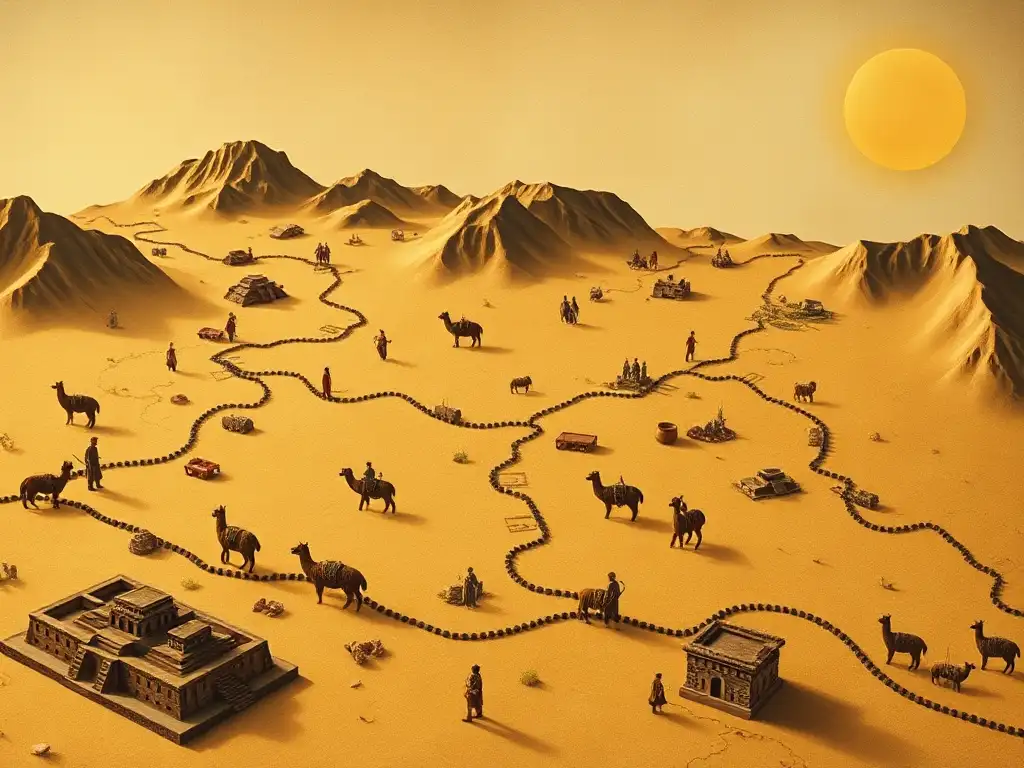
The Chavín culture, flourishing in the Andes from roughly 900 to 200 BCE, wasn't isolated. Its influence, evidenced by the widespread dissemination of its artistic motifs and religious iconography, points to a sophisticated network of trade routes connecting it with diverse Andean societies. Understanding these routes is crucial to comprehending the culture's power and its impact on the development of subsequent Andean civilizations.
This section delves into the specifics of Chavín trade, exploring its geographical reach, the commodities exchanged, and the role of religious centers in facilitating these vital economic and cultural exchanges. The impact of Chavín trade routes with other cultures is profound and continues to fascinate researchers today.
Defining Chavín Trade Routes and their Geographical Scope
The Chavín trade routes weren't simply linear paths; they were a complex web of interconnected trails traversing the challenging Andean terrain. These routes extended from the Chavín de Huántar central site in the northern highlands of modern-day Peru, reaching both coastal and highland communities. Evidence suggests connections to the north, towards Ecuadorian cultures, and to the south, towards regions inhabited by later cultures like the Paracas and Nazca.
The exact routes are still under investigation, but archaeological findings suggest the utilization of existing pre-existing paths, perhaps adapted and improved upon by the Chavín. These routes likely followed river valleys, taking advantage of relatively easier terrain and access to water sources. The sheer scale of the Chavín influence, however, indicates a remarkably efficient system capable of moving goods and information across significant distances.
The mountainous environment presented significant obstacles, requiring ingenuity and organization to overcome the challenges of altitude, steep inclines, and unpredictable weather. Further research involving detailed mapping of archaeological sites and analysis of material remains is needed to fully define the precise geography of these intricate Chavín trade routes with other cultures.
Key Commodities Exchanged Along Chavín Trade Networks
The items traded along Chavín networks were diverse, reflecting the varied resources available across the different regions. Among the most frequently identified commodities are:
- Obsidian: This volcanic glass, prized for its sharpness, was a crucial material for tools and weapons. Sources of high-quality obsidian were located at considerable distances from Chavín de Huántar, indicating extensive trade networks.
- Spondylus shells: These brightly colored shells, sourced from the Pacific coast, were highly valued for their aesthetic appeal and used in ceremonial objects. Their presence inland is strong evidence of coastal-Andean connections.
- Cotton textiles: The coastal regions were prime producers of cotton, a valuable commodity used for clothing and other textiles. The presence of coastal cotton in highland sites underscores the importance of trade in distributing this essential resource.
- Metalwork: While perhaps less prevalent in the early Chavín period, evidence suggests the exchange of copper and other metals, indicating emerging metallurgical skills and interregional exchange of raw materials and finished goods.
- Ceramics: Chavín ceramics, distinctive for their intricate designs and stylistic features, were traded widely, acting as both utilitarian objects and markers of Chavín influence. The spread of Chavín-style pottery provides clear evidence of their trade networks.
The exchange of these commodities wasn't merely economic; it facilitated cultural exchange and the dissemination of Chavín religious beliefs and artistic styles.
The Role of Religious Centers in Facilitating Trade
Chavín de Huántar itself, and possibly other smaller religious centers within the network, played a pivotal role in facilitating trade. These sites acted as central hubs, attracting people from different regions for religious ceremonies and pilgrimages. This convergence of individuals from diverse backgrounds created a natural environment for the exchange of goods and ideas. The prestige associated with Chavín religious practices likely enhanced the value of goods originating from or passing through these centers.
The movement of people to and from these religious sites fostered a sense of shared identity and cultural cohesion, strengthening the bonds between different Andean communities. The religious centers, therefore, served not only as spiritual focal points but also as crucial nodes within the broader economic and social networks of the Chavín culture.
Further research into the organization of these religious centers and their relationship to the wider trade networks is needed to fully understand the extent of their impact on the development of Chavín society and its connections with other cultures. The evidence points to a sophisticated system where religious practices and economic activity were intricately interwoven, contributing significantly to the growth and influence of the Chavín culture.
Chavín Interaction with Coastal Cultures
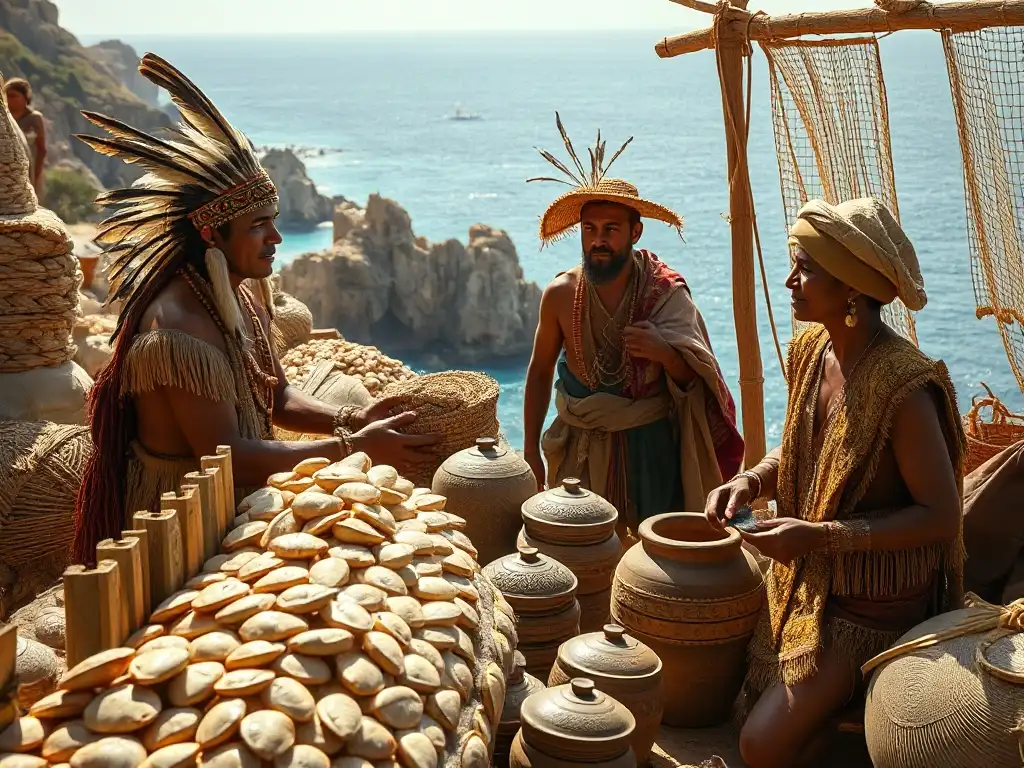
The Chavín culture, flourishing in the Andes from roughly 900 to 200 BCE, exerted a significant influence across a vast geographical area. While geographically situated in the central Andes, their reach extended significantly, facilitated by sophisticated trade networks that connected them with diverse coastal societies. Understanding these trade routes is crucial to comprehending the cultural exchange and dissemination of Chavín artistic motifs, religious beliefs, and technological innovations across the pre-Inca landscape.
The evidence suggests a dynamic system of interaction, not simply unidirectional influence, but a complex interplay of exchange and adaptation. This section will explore the specific interactions between Chavín and prominent coastal cultures, highlighting the evidence of trade and the resulting cultural transformations.
Evidence of Trade with Coastal Societies
Archaeological evidence strongly supports the existence of extensive Chavín trade routes linking the highlands with the coast. The discovery of Chavín-style artifacts in coastal sites, and conversely, coastal goods in Chavín sites, provides compelling proof of this extensive exchange. These artifacts aren't limited to simple utilitarian objects; instead, they include elaborate ceramics, textiles, and precious metals, indicating a high level of interaction and economic exchange between the highland and coastal populations.
For example, the presence of distinctive Chavín-style pottery in coastal burial sites suggests that these goods were highly valued and perhaps held symbolic importance within coastal societies. This wasn't simply a matter of raw materials being traded; it involved the exchange of finished goods, demonstrating a sophisticated level of organization and communication across considerable distances. Furthermore, the stylistic similarities between Chavín and coastal art, particularly in ceramic decoration, further underline the influence of Chavín cultural patterns on the coastal regions.
This cultural diffusion, facilitated by trade, points to a complex relationship extending beyond mere economic transactions. The presence of obsidian from highland sources in coastal sites also confirms the importance of these trade routes, as obsidian was a highly valued and essential resource for tool production.
Exchange of Goods between Chavín and Cupisnique Culture
The Cupisnique culture, a significant coastal society contemporary with Chavín, provides a compelling case study of Chavín trade networks. Evidence suggests a robust exchange of goods between these two distinct cultures. The Cupisnique are known for their distinctive ceramic styles, characterized by intricate designs and the use of distinctive modeling techniques.
However, in some Cupisnique sites, archaeologists have unearthed pottery displaying clear Chavín stylistic influences, indicating the adoption and adaptation of highland artistic motifs within the coastal context. This wasn't a simple imitation; rather, Cupisnique artisans integrated Chavín stylistic elements into their own existing artistic traditions, creating a unique blend of highland and coastal aesthetics. Conversely, Chavín sites have yielded examples of Cupisnique ceramics, demonstrating a reciprocal flow of goods and ideas.
This mutual exchange highlights the dynamic nature of the interaction between these two cultures, suggesting collaborative relationships rather than simply dominance or subjugation. Analysis of chemical traces on pottery shards could further illuminate the specific materials exchanged and the geographical origins of traded goods, offering a more nuanced understanding of the economic aspects of this cultural interaction. [Specific isotopic analysis pending].
Chavín Influence on Paracas Culture through Trade
The Paracas culture, known for its elaborate textiles and mummification practices, also shows evidence of interaction with the Chavín network. While the nature of the interaction might have been less direct compared to the Cupisnique, the influence of Chavín artistic motifs is evident in some Paracas textiles. The complex iconography found in Chavín art, featuring stylized jaguars, snakes, and other supernatural beings, appears in adapted forms within Paracas textiles.
This suggests that Chavín religious beliefs and artistic styles were disseminated through trade networks, even if the physical exchange of goods was less pronounced than with the Cupisnique. The stylistic similarities point to a process of cultural transmission, likely facilitated by the movement of artisans, religious specialists, or even whole communities along the established trade routes. Further research into the distribution of specific Chavín-style motifs in Paracas textiles could provide valuable insights into the pathways and mechanisms of this cultural transmission.
The detailed analysis of textile fibers and dyes could also reveal the exchange of raw materials, further strengthening the evidence for trade-based interactions. [Specific textile analysis data pending].
Chavín's Connections with Highland Cultures
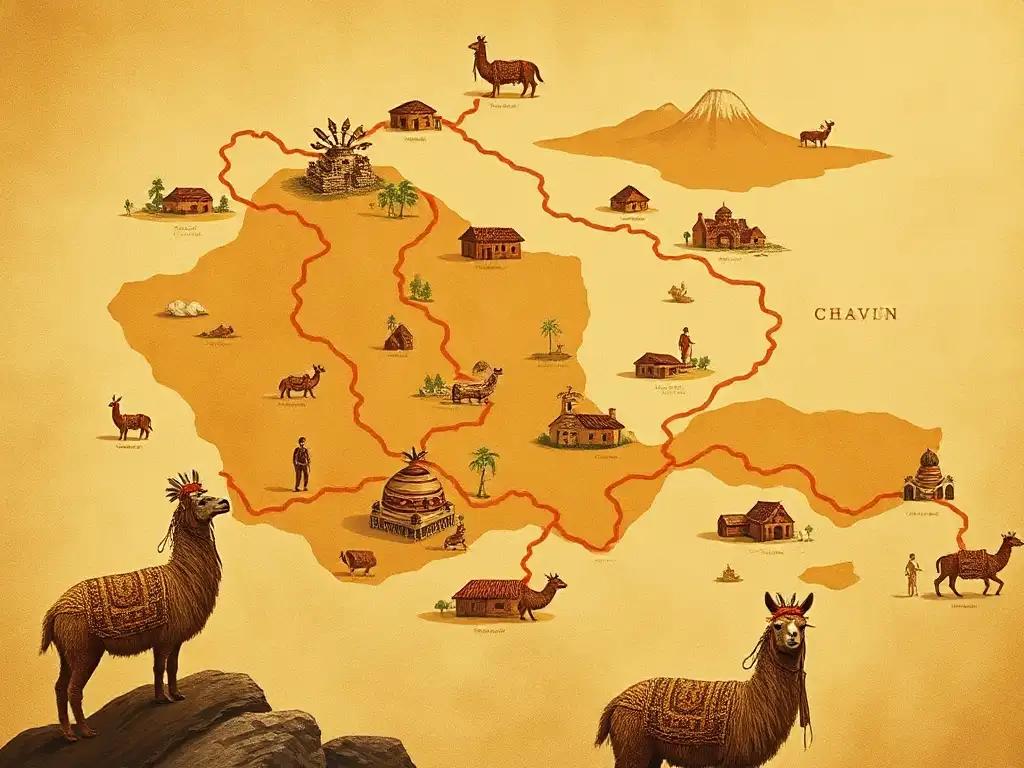
The Chavín culture, flourishing in the Andean highlands of Peru from approximately 900 to 200 BCE, wasn't isolated. Their influence, spread through sophisticated trade networks, reached far beyond their central location in the northern highlands. Understanding Chavín's trade routes with other cultures requires examining their intricate relationships with both neighboring and distant communities, particularly those in the highlands.
This section will delve into the specific aspects of these connections, focusing on the exchange of goods and ideas that shaped Chavín society and its impact on the broader Andean cultural landscape. The strategic location of Chavín, nestled within a network of valleys and mountain passes, facilitated this extensive interaction.
Trade Relationships with Highland Communities
Chavín's economic prosperity hinged significantly on its extensive trade relationships with various highland communities. Archaeological evidence suggests a robust exchange of obsidian, a crucial material used for tools and weaponry. Obsidian sources located in the Andes were carefully controlled and traded along established routes. The Chavín likely controlled or heavily influenced key access points to these resources, solidifying their economic power. Beyond obsidian, other valuable goods were exchanged, including textiles, ceramics, and exotic agricultural products. For example, evidence suggests the exchange of coca leaves, a significant stimulant with ritual and medicinal importance, travelled along these routes.
The nature of these trade relationships ranged from direct exchange to more complex systems involving intermediaries. Some communities may have acted as crucial links in the trade chain, facilitating the movement of goods across significant distances. This intricate network facilitated the circulation of not only material goods but also ideas, religious beliefs, and artistic motifs, contributing to the widespread dissemination of Chavín artistic styles throughout the Andes. Further research is needed to fully understand the intricacies of the bartering systems employed, but the evidence strongly suggests a complex, multi-faceted trade network that underpins the Chavín's economic and cultural dominance.
The Impact of Highland Resources on Chavín Society
Access to highland resources significantly influenced Chavín society's structure and development. The control of obsidian sources, for instance, likely contributed to the emergence of a powerful elite class. The ability to control the distribution of such a valuable commodity provided this elite with considerable social and political power. This control extended beyond mere economic advantage; the obsidian trade facilitated the spread of Chavín religious ideology and artistic styles throughout the Andes, further cementing their influence.
Furthermore, the exchange of agricultural products enriched the Chavín diet and economy. Access to diverse crops from different ecological zones allowed for a more varied and abundant food supply, supporting a larger and more complex population. The surplus generated from this diverse agriculture may have also contributed to the development of specialized labor and the creation of large-scale public works projects, such as the impressive ceremonial centers found at Chavín de Huántar. The acquisition of highland resources, therefore, was not merely an economic benefit; it was a cornerstone of the Chavín's social, political, and religious development.
Mutual Influence between Chavín and Kotosh Culture
The Chavín culture's interaction with the Kotosh culture, located further north in the central Andes, provides a compelling example of cultural exchange and mutual influence. Both cultures shared certain artistic motifs and religious symbols, suggesting contact and the potential exchange of ideas. While the exact nature of the relationship remains under investigation, the similarities in their temple architecture and artistic styles suggest a significant level of interaction, perhaps through trade or other forms of contact.
The analysis of ceramic styles reveals striking parallels between Chavín and Kotosh pottery, particularly in the use of specific decorative techniques and iconography. These similarities indicate a potential exchange of artistic ideas and techniques, possibly through the movement of artisans or the exchange of finished goods. This mutual influence highlights the dynamic nature of Andean cultural interactions.
The Chavín were not simply imposing their culture; they were actively engaging with and being influenced by the cultures they interacted with, creating a complex tapestry of cultural exchange and adaptation. Further research, including comparative studies of ceramic styles and architectural features, is crucial in clarifying the extent and nature of this important cultural interaction. The discovery of more artifacts and the application of advanced dating techniques will further illuminate the intricacies of this relationship.
The Impact of Chavín Trade Networks
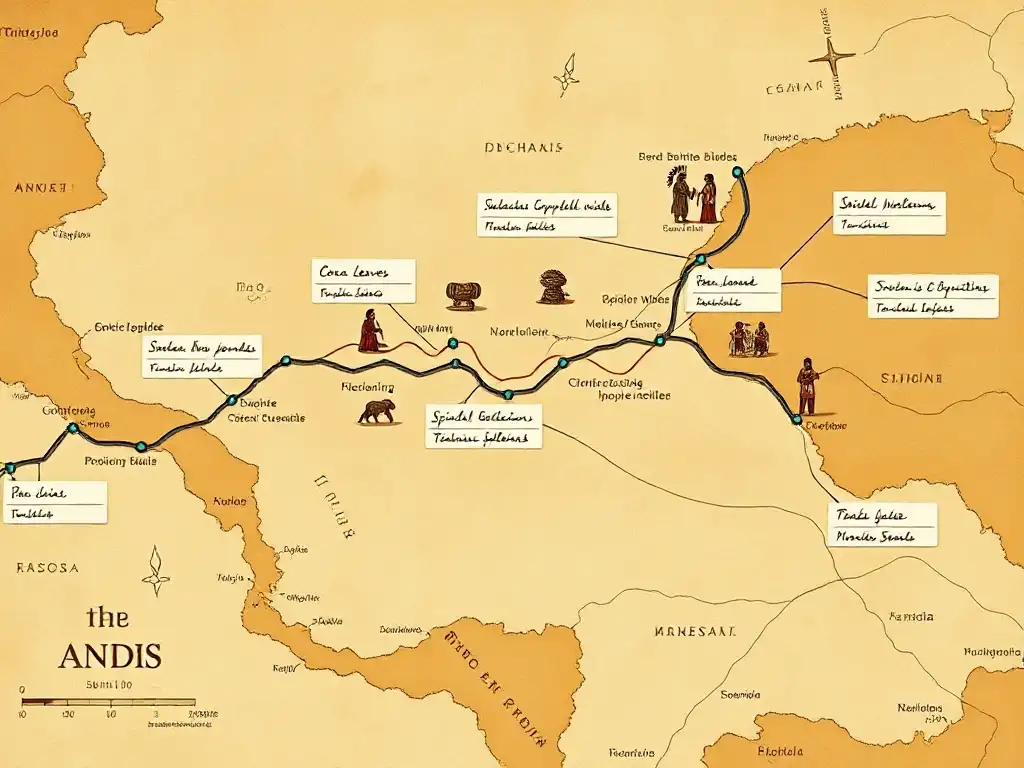
The Chavín culture, flourishing in the Andes from roughly 900 to 200 BCE, wasn't isolated. Its influence spread far and wide, primarily facilitated by extensive trade networks that connected the central Andes with diverse regions. Understanding these trade routes is crucial to comprehending the Chavín's remarkable cultural impact and its role in shaping the trajectory of subsequent Andean civilizations.
The Chavín trade routes with other cultures weren't simply pathways for goods; they were conduits for the exchange of ideas, beliefs, and technologies, leaving an indelible mark on the region's cultural landscape. Analysis of archaeological findings reveals a complex web of interactions, suggesting a sophisticated system of exchange that extended far beyond the immediate Chavín heartland. The scale and reach of this network highlight the Chavín's economic and political prowess, showcasing their ability to establish and maintain relationships with distant communities.
The Spread of Chavín Art and Religious Ideas via Trade
Chavín artistry, characterized by its distinctive iconography featuring feline and serpent motifs, is readily identifiable in artifacts found throughout the Andes. The spread of this artistic style wasn't solely due to Chavín expansionism; trade played a pivotal role. Obsidian tools, crafted in Chavín workshops and featuring the characteristic style, have been discovered hundreds of kilometers away, demonstrating the extensive reach of their trade networks.
Moreover, the ubiquitous presence of similar religious iconography in distant sites indicates the dissemination of Chavín religious beliefs. This suggests that Chavín priests, artisans, or traders actively spread their religious ideology alongside their goods. The stylistic similarities in pottery, textiles, and metalwork across geographically disparate regions further corroborate the impact of Chavín trade on artistic expression and religious syncretism.
This wasn't a simple imposition; instead, it involved a complex interplay of cultural exchange and adaptation, with local traditions blending with Chavín influences. The consistent presence of Chavín-style motifs, even in modified forms, highlights the adaptability and enduring nature of Chavín artistic and religious ideas.
The extensive trade networks of the Chavín were not merely economic endeavors; they were integral to the shaping of their social and political structures. Control over these routes likely conferred considerable power and prestige upon Chavín elites. The accumulation of exotic goods from distant regions – such as spondylus shells from the coast or tropical feathers from the Amazon – solidified the authority of the ruling class.
These luxury items served as symbols of power and wealth, reinforcing social hierarchies and bolstering the prestige of the Chavín leadership. The organization and management of such extensive trade networks required a sophisticated administrative structure, likely involving specialized officials responsible for overseeing trade routes, negotiating with other communities, and managing the flow of goods.
Archaeological evidence, though limited in directly depicting this administrative structure, suggests a centralized system capable of coordinating long-distance trade. The sheer scale of the Chavín's trading activities points to a level of social and political organization surpassing that of many contemporary Andean societies.
The Legacy of Chavín Trade in Later Andean Civilizations
The influence of Chavín trade extended far beyond the lifespan of the culture itself. The established trade routes and the cultural exchanges they facilitated laid the groundwork for future Andean civilizations. Many subsequent cultures, such as the Moche and Nazca, inherited and built upon the established networks, adapting and modifying them to suit their own needs.
The stylistic influence of Chavín art and religious iconography can be clearly traced in the artistic traditions of these later cultures. Furthermore, the economic infrastructure created by the Chavín's extensive trade system facilitated the growth and development of subsequent Andean societies. The knowledge of long-distance trade routes, the established relationships with various communities, and the expertise in managing the flow of goods provided a crucial foundation for the expansion and prosperity of later Andean states.
This underscores the lasting impact of Chavín trade networks, not just as economic systems, but as a crucial factor shaping the cultural and political trajectory of the entire Andean region for centuries to come. The legacy of Chavín's trade routes with other cultures continues to resonate in the rich tapestry of Andean history.
Analysis of Archaeological Evidence of Chavín Trade
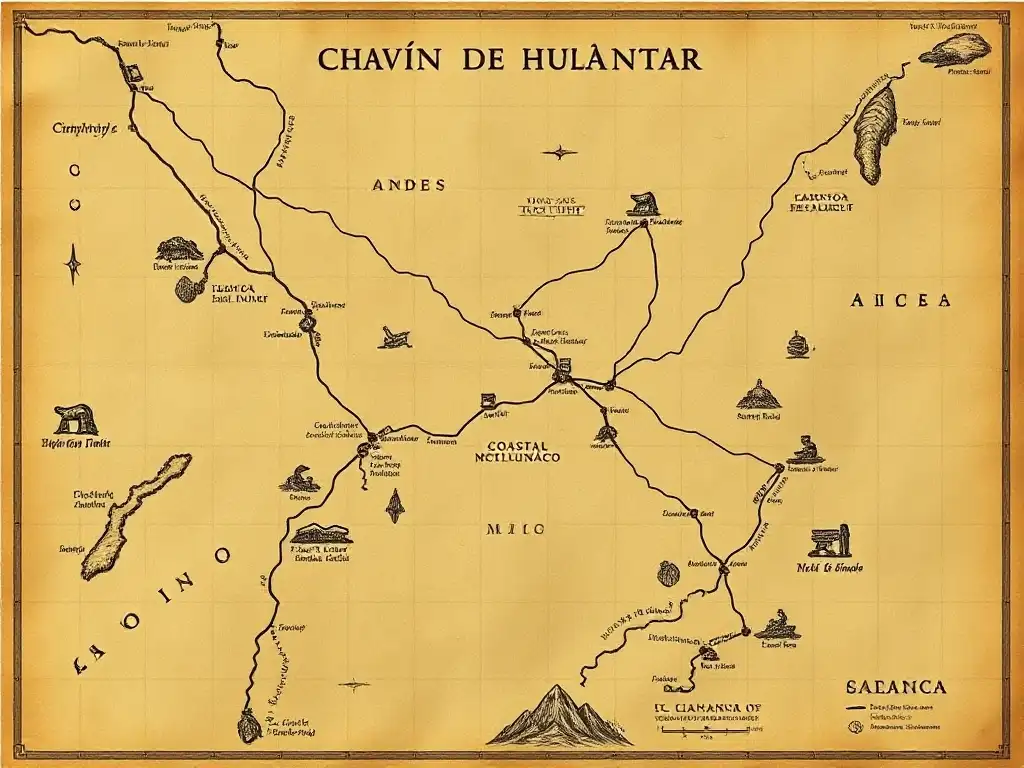
The understanding of Chavín trade routes with other cultures hinges on meticulous analysis of archaeological evidence. This involves not only identifying traded goods but also understanding the context of their discovery – their location within sites, their association with other artifacts, and their condition. By piecing together this intricate puzzle, we can begin to reconstruct the complex networks that connected the Chavín culture to its contemporaries.
The sheer scale of the Chavín influence, evident in the widespread adoption of Chavín artistic motifs and religious iconography across the Andes, suggests extensive and well-established trade networks. However, the precise nature and extent of these networks remain a subject of ongoing research and debate among archaeologists.
The presence of Chavín-style artifacts far from the central Chavín de Huántar site provides compelling evidence of long-distance trade, but the exact mechanisms and routes remain partially shrouded in the mists of time. Further research, particularly utilizing advanced techniques like isotopic analysis, promises to shed more light on these vital aspects of Chavín society.
Examining Artifacts as Proof of Trade
The discovery of Chavín-style artifacts in geographically distant locations serves as primary evidence of trade. These artifacts, ranging from intricately carved ceramics and meticulously crafted textiles to distinctive obsidian tools, often bear hallmarks of Chavín artistic styles, religious iconography, and technological expertise. For example, the discovery of Chavín-style pottery in coastal sites hundreds of kilometers away from the central highlands provides strong evidence of extensive trade relationships.
The consistency of these styles across vast distances suggests not merely sporadic exchange but rather a sustained and organized system of trade, perhaps facilitated by specialized traders or a network of intermediaries. Furthermore, the condition of these artifacts—whether they are intact or broken, and the presence or absence of repair attempts—can offer insights into the nature of the trade interactions. Intact, high-quality artifacts might suggest elite exchange, while broken or repaired pieces could indicate more commonplace trade or even the recycling of materials.
The analysis of wear patterns on tools can also provide valuable information about their use and the types of activities they were involved in. This detailed examination of artifacts offers a rich tapestry of information about the Chavín trade networks.
The Use of Obsidian and Other Materials as Indicators of Trade
Obsidian, a volcanic glass prized for its sharpness and durability, played a crucial role in Chavín trade networks. Archaeological evidence reveals that Chavín artisans utilized obsidian sourced from specific volcanic deposits, located hundreds of kilometers away from the central Chavín region. The presence of these distinctive obsidian types in sites associated with Chavín culture, alongside other imported materials like spondylus shells (from the coast) and exotic feathers, clearly demonstrates the existence of established trade routes connecting the highlands and the coast.
The meticulous sourcing and analysis of these materials allow researchers to trace the flow of goods and map out the connections between different regions. The trade in obsidian was not limited to raw materials; finished obsidian tools and ornaments also circulated widely, further emphasizing the importance of this material in the Chavín economy and social structure.
The distribution patterns of obsidian, analyzed alongside other materials, provide crucial insights into the scale and complexity of the Chavín trade networks, revealing a sophisticated system of exchange that extended far beyond the immediate vicinity of Chavín de Huántar. The study of these materials helps us understand not only the what of Chavín trade but also the how and why.
Mapping Chavín Trade Routes Through Archaeological Findings
Mapping Chavín trade routes requires integrating multiple lines of archaeological evidence. The distribution of Chavín-style artifacts, the sourcing of raw materials like obsidian and spondylus, and the analysis of settlement patterns all contribute to a more comprehensive understanding of these networks. While precise routes are difficult to pinpoint due to the limitations of the archaeological record, the clustering of Chavín artifacts in specific regions suggests probable trade pathways along major river valleys and mountain passes.
For example, the presence of Chavín artifacts along the coast suggests a significant trade route connecting the highlands and the coastal regions. The identification of intermediary sites, where goods were likely exchanged or stored, is also crucial in mapping these routes. The combination of spatial analysis of artifact distribution, coupled with studies of settlement patterns and environmental data, offers a powerful methodology for reconstructing Chavín trade networks.
Advanced geospatial technologies and statistical modeling techniques are increasingly being used to refine these maps and provide a more nuanced understanding of the dynamics of Chavín trade. The ongoing research utilizing these methods promises to significantly enhance our understanding of the Chavín trade routes with other cultures.
Conclusion: The Importance of Chavín Trade Routes for Cultural Exchange
The Chavín culture's extensive trade network wasn't merely a system for economic gain; it was a powerful engine of cultural exchange and integration across the Andes. Understanding these routes is crucial to grasping the complex tapestry of Andean pre-Columbian societies and their interconnectedness. The flow of goods wasn't just a one-way street; it facilitated the transmission of ideas, religious beliefs, artistic styles, and technological innovations, leaving an indelible mark on the development of subsequent Andean civilizations. The impact of Chavín's trade routes reverberated for centuries, shaping the cultural landscape of the region in profound ways.
The Enduring Significance of Chavín's Extensive Trade System
Chavín's influence extended far beyond its immediate geographical area. The distribution of Chavín-style artifacts, such as ceramics and textiles, across vast distances provides compelling evidence of a sophisticated and well-established trade system. These weren't isolated instances; archaeological findings consistently reveal a widespread dissemination of Chavín iconography and artistic motifs, indicating a significant level of cultural interaction and exchange. This widespread presence suggests a complex network of established trade routes, possibly involving both land and sea transportation, facilitating the movement of goods and the transmission of cultural elements. The longevity of Chavín's impact is testament to the effectiveness and reach of its trade system. Even after the decline of the Chavín culture itself, the stylistic influences and technological innovations it disseminated continued to shape the artistic and cultural expressions of later Andean societies. The enduring legacy of Chavín’s trade network is a powerful reminder of its importance in shaping Andean history.
How Chavín's Trade Networks Contributed to Andean History
The Chavín trade routes played a pivotal role in the development of Andean societies. The exchange of goods, such as obsidian tools from the Andes mountains and coastal marine resources, fostered economic interdependence and strengthened relationships between disparate communities. This economic interdependence likely led to increased social interaction and the exchange of not just material goods, but also ideas and beliefs.
Moreover, the dissemination of Chavín religious iconography and artistic styles facilitated the spread of religious practices and beliefs, potentially contributing to the formation of a pan-Andean religious system. The spread of Chavín artistic motifs, for instance, is indicative of a shared aesthetic sensibility and a common cultural framework that transcended geographical boundaries.
This cultural exchange fostered a sense of unity and interconnectedness among diverse Andean communities, paving the way for the development of later, more complex societies. The impact of Chavín's trade networks is clearly visible in the artistic and religious expressions of subsequent cultures, demonstrating their enduring influence on the trajectory of Andean history.
The Lessons We Can Learn from Chavín's Intercultural Interactions
The Chavín experience offers valuable insights into the dynamics of intercultural interaction and the importance of trade networks in shaping societies. Their success in establishing and maintaining such extensive trade routes highlights the significance of effective communication, diplomacy, and mutual benefit in fostering intercultural relations. The Chavín case study demonstrates how trade can serve as a catalyst for cultural exchange and integration, leading to the diffusion of ideas, technologies, and artistic styles across vast geographical areas.
Analyzing the Chavín trade network allows us to understand the factors that contributed to their success and the challenges they faced. This understanding can inform contemporary approaches to intercultural dialogue and cooperation, emphasizing the importance of building strong, mutually beneficial relationships based on respect and understanding. The lessons learned from studying Chavín's trade routes and their impact on Andean culture are relevant to today’s increasingly interconnected world.
The emphasis on collaboration, mutual benefit, and the power of cultural exchange are timeless principles that continue to shape human societies. The study of Chavín’s trade routes with other cultures offers invaluable insights into the complexities of intercultural relations and the enduring power of trade networks.
Frequently Asked Questions
What is the significance of Chavín de Huántar in the Andean region?
Chavín de Huántar is significant as a major religious and ceremonial center that exerted considerable influence over a vast area. Its unique artistic style and religious iconography spread widely through trade networks.
How did Chavín culture interact with other cultures through trade?
Chavín interacted through extensive trade networks exchanging obsidian, textiles, ceramics, and other luxury goods. This facilitated the spread of Chavín artistic motifs and religious beliefs across the Andes.
What types of goods were traded along Chavín trade routes?
Obsidian, a vital resource, was a key trade item. Other goods included fine textiles, ceramics, metalwork (though less common in the early Chavín period), and exotic feathers. These items demonstrate far-reaching connections.
How far did Chavín's influence extend via its trade networks?
Chavín's influence spread across a vast area of the Andes, reaching from the north coast to the central highlands. The dissemination of Chavín artistic motifs across such a wide geographical area attests to the power of their trade network.
What evidence supports the existence of Chavín trade routes and their impact?
Archaeological evidence, including the widespread distribution of Chavín-style artifacts across various sites, supports their extensive trade network. Stylistic similarities in ceramics and textiles found in distant locations further confirm these connections.
Final Reflection: The Enduring Legacy of Chavín's Reach
The intricate trade networks of the Chavín culture weren't merely economic arteries; they were the veins of a vibrant cultural exchange that continues to resonate in the Andean world today. Understanding these routes provides a crucial lens through which to view the complex interplay of power, innovation, and cultural diffusion that shaped pre-Columbian South America. The echoes of Chavín's influence are not merely historical artifacts; they are living threads woven into the fabric of modern Andean identity.
The impact of Chavín's trade routes extends far beyond the mere distribution of goods. It fostered a shared cultural identity, a sense of interconnectedness across vast distances, and a remarkable exchange of ideas and artistic styles. The power of a culture lies not only in its material achievements but also in its capacity to inspire and influence others.
This quote encapsulates the enduring legacy of Chavín, whose artistic motifs and religious beliefs spread far beyond its immediate geographical boundaries, leaving an indelible mark on subsequent Andean civilizations. The enduring presence of Chavín iconography in later cultures speaks volumes about the power of cultural exchange and the lasting impact of a sophisticated trade network.
Consider the implications of this interconnectedness. How did the exchange of goods and ideas shape the development of Andean societies? What can we learn from Chavín's success in forging these vital trade routes? You, the reader, are now part of this ongoing conversation. By understanding the past, we gain a deeper appreciation for the complexities of cultural interaction and the enduring power of trade to shape civilizations. Let the legacy of Chavín inspire you to explore the connections that bind us together, both in the past and in the present.
Thank you for exploring the fascinating world of Chavín trade networks! You've discovered how these ancient connections profoundly shaped Andean cultures and economies. Now, let's put that knowledge into action.
Here are some ways to continue your exploration:
- **Join a local historical society or archaeological group:** Connect with others who share your interest in Andean civilizations and exchange ideas and perspectives.
- **Explore museum exhibits or online resources** featuring Chavín artifacts and their role in trade—discover the inspiration all around you.
- **Share your insights** on social media or within your community to spark conversations about the rich history of the Andes.
How might your understanding of Chavín trade networks inform your perspective on contemporary global interconnectedness?