
Paracas Warfare: Examining Evidence of Conflict and Military Practices

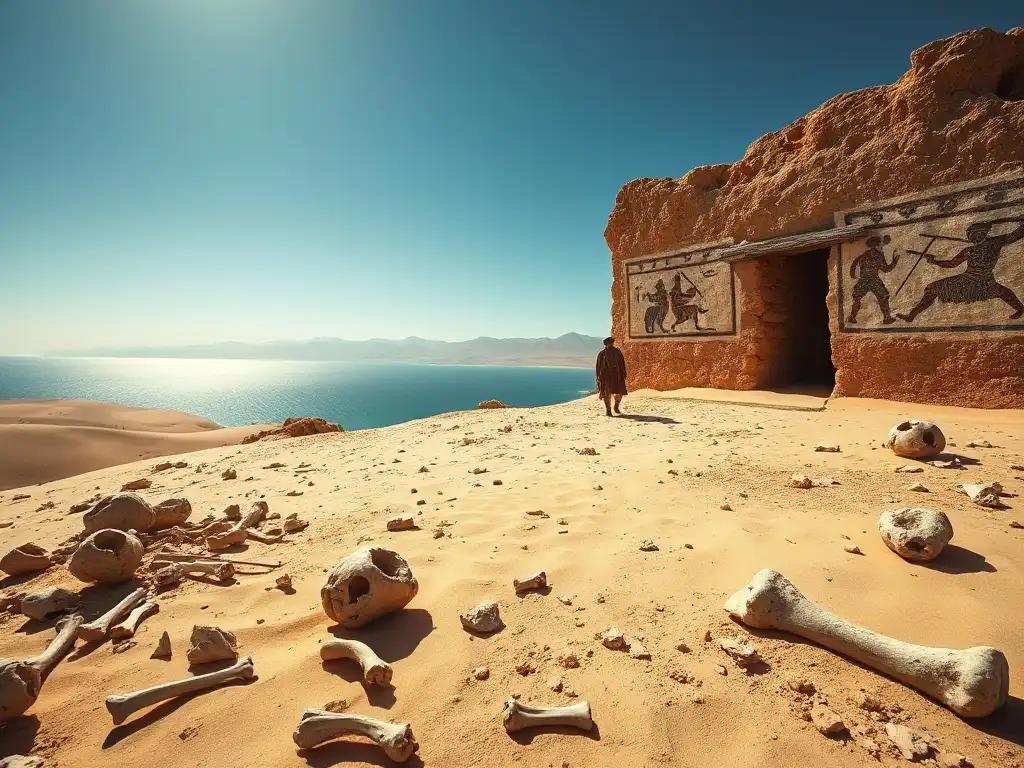
Step into a world lost to time, where the whispers of ancient empires still echo across the Andes. Uncover the mysteries of the Andean civilizations—from the intricate artistry of the Nazca to the sophisticated engineering of the Incas. But before we delve into the broader tapestry of their achievements, prepare to be captivated by the surprisingly sophisticated Paracas warfare tactics. Their strategies of conflict remain a fascinating enigma; dare to explore the evidence and unravel their military prowess. Journey with us as we illuminate the untold stories of these remarkable cultures.
The Paracas culture, flourishing along Peru's southern coast from approximately 800 BCE to 200 CE, remains a captivating enigma in Andean prehistory. While renowned for their intricate textiles, elaborate funerary practices, and advanced surgical techniques, evidence suggests a surprisingly complex and potentially aggressive military aspect to their society, often overlooked in favor of their artistic achievements. This article delves into the available archaeological evidence to examine the nature of Paracas warfare, exploring their potential tactics, weaponry, and the societal implications of conflict.
Understanding Paracas warfare tactics provides crucial insight into the dynamics of power, resource control, and inter-group relations within this fascinating civilization, ultimately enriching our comprehension of the broader pre-Inca coastal landscape. We will explore various aspects of Paracas military organization and capabilities, challenging preconceived notions and presenting a more nuanced picture of this sophisticated culture.
Evidence of Warfare: Analyzing Archaeological Finds
Archaeological excavations at various Paracas sites have unearthed compelling evidence suggesting a significant degree of inter-group conflict. The discovery of weaponry, such as projectile points, clubs, and potentially even early forms of bladed weapons, points towards organized fighting. Furthermore, skeletal remains exhibiting signs of trauma, including healed fractures and injuries consistent with battle wounds, provide direct evidence of violent conflict.
The frequency of such findings suggests that warfare was not an isolated incident but a recurring aspect of Paracas life. While precise numbers of casualties are difficult to ascertain due to the fragmentary nature of skeletal remains and limitations in current research, the presence of such injuries across multiple sites and time periods strongly supports the hypothesis of frequent skirmishes and possibly larger-scale battles. Further research, including isotopic analysis of skeletal remains, could reveal additional information about the origins and mobility of individuals involved in these conflicts.
Paracas Weaponry and Technology: An Examination of Available Artifacts
The technological sophistication of Paracas weaponry is a key factor in understanding their warfare tactics. While detailed information on the manufacturing processes of some weapons is still pending, analysis of recovered artifacts indicates a level of craftsmanship and material selection that suggests a degree of military planning and organization. Projectile points, for example, were meticulously crafted from obsidian and other high-quality materials, demonstrating an understanding of effective projectile design and material science.
The design variations observed in these points may hint at specialized roles within the Paracas military or adaptations for different types of combat. The presence of clubs, potentially used in close-quarters combat, suggests a multifaceted approach to warfare, incorporating both ranged and melee tactics. Further analysis of the recovered weaponry, including metallurgical studies of any metallic components, is necessary to fully understand their effectiveness and the level of technological advancement in Paracas military technology.
The prevalence of warfare in Paracas society likely had profound social and political consequences. The need for defense and the organization of military forces probably influenced social structure, leadership roles, and resource allocation. The construction of fortified settlements or defensive structures, while not yet definitively confirmed, remains a possibility that requires further investigation.
The existence of a specialized warrior class, although currently speculative, cannot be ruled out based on the evidence of specialized weaponry and the potential for organized military campaigns. The impact of warfare on the Paracas economy, in terms of resource expenditure on weaponry and the potential disruption of agricultural practices, also warrants further exploration. Studies focusing on settlement patterns and social hierarchies could reveal critical insights into the societal impact of Paracas warfare and its role in shaping the culture.
Comparative Analysis: Paracas Warfare in the Broader Andean Context
Comparing Paracas warfare tactics with those of contemporary and neighboring Andean cultures, such as the Nazca, provides a valuable comparative framework. While specific details regarding the nature and scale of conflict between these groups are scant, the presence of similar weaponry and evidence of inter-group violence in the broader region suggests that warfare was a common feature of coastal Andean societies during this period.
Further research comparing the types of weaponry, defensive structures, and burial practices across these cultures will illuminate the broader dynamics of conflict and cooperation in the pre-Inca coastal region. Understanding the similarities and differences in warfare tactics across these cultures will contribute to a more holistic understanding of the social and political landscape of ancient Peru.
- Evidence of Warfare: Analyzing Archaeological Finds
- Paracas Weaponry and Technology: An Examination of Available Artifacts
- Social Implications of Warfare and its Impact on Paracas Society
- Comparative Analysis: Paracas Warfare in the Broader Andean Context
Understanding Paracas Military Organization and Society
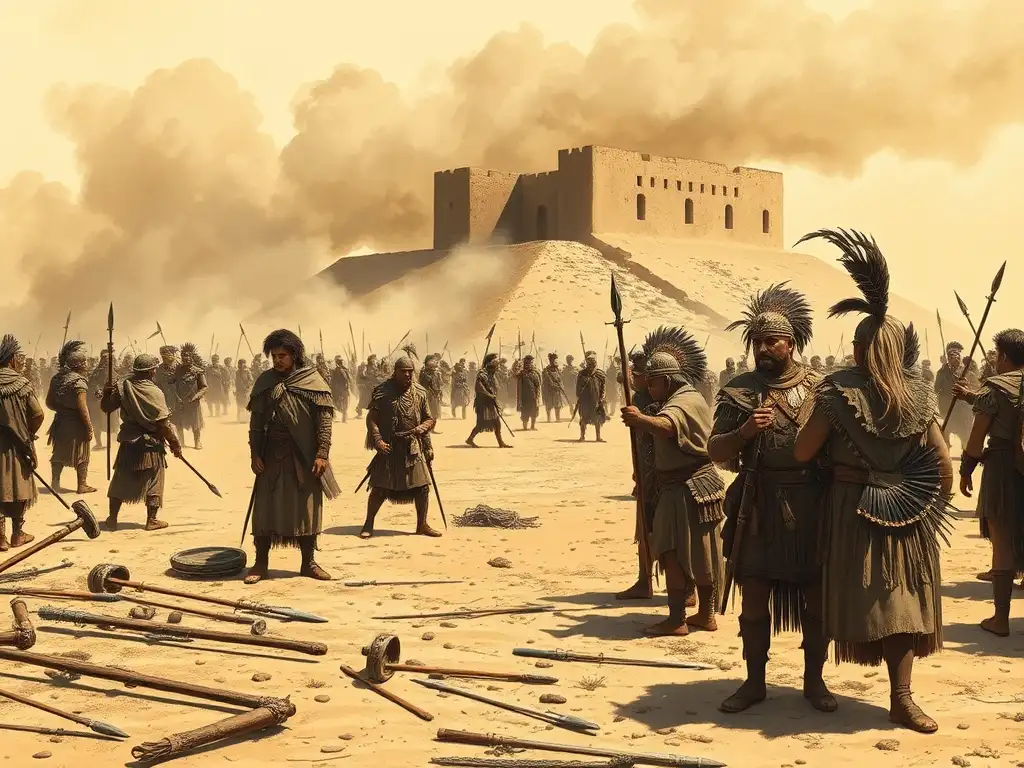
The Paracas culture, flourishing along the southern coast of Peru between 700 BCE and 100 BCE, presents a complex picture regarding its military organization and societal structure. While not as extensively documented as some later Andean civilizations like the Inca, archaeological evidence, coupled with careful analysis of their iconography and burial practices, sheds light on the likely existence of a structured military system intertwined with their social hierarchy.
Understanding this interplay is crucial to comprehending their "Paracas warfare tactics". The lack of extensive written records necessitates a multi-faceted approach, relying heavily on material culture to piece together a coherent narrative.
The Sociopolitical Context of Paracas Warfare
The sociopolitical landscape of the Paracas period significantly influenced their military strategies and capabilities. Evidence suggests a relatively decentralized system, perhaps composed of independent chiefdoms or smaller polities, rather than a unified empire. This decentralized nature likely resulted in frequent inter-group conflicts, driven by competition for resources like fertile land and access to vital trade routes along the coast.
These conflicts, while potentially smaller-scale compared to the large-scale wars of later Andean empires, were nonetheless crucial in shaping Paracas society and its military development. The limited evidence suggests that warfare was not a constant state, but rather episodic, flaring up during periods of resource scarcity or political instability.
Further research into settlement patterns and the distribution of artifacts could provide a more detailed understanding of the frequency and scale of these conflicts. The intensity of warfare might also have varied across different regions within Paracas territory, reflecting local ecological conditions and political dynamics.
Archaeological excavations of Paracas burial sites reveal a clear social hierarchy. Elaborate tombs containing rich grave goods, such as textiles, gold ornaments, and weaponry, indicate an elite class, likely composed of chiefs, priests, and high-ranking warriors. These individuals were buried with items suggesting high status and military prowess, hinting at a professional or semi-professional warrior class.
In contrast, simpler burials with fewer grave goods represent the commoners, likely conscripted into the military during times of conflict. This hierarchical structure likely translated into a tiered military organization, with elite warriors leading and commanding commoner soldiers. The presence of specialized weaponry, such as the distinctive Paracas clubs and projectile points, suggests varying roles within the military, perhaps reflecting specialized training or different fighting styles.
The precise nature of this military hierarchy and the extent of professionalization remain areas of ongoing research and require further analysis of the archaeological record. The distribution of weaponry across different burial sites could be a valuable indicator in this regard.
Paracas Society and the Role of Warriors
The role of warriors within Paracas society extended beyond the battlefield. The iconography found on Paracas textiles and ceramics frequently depicts warriors, often adorned with elaborate headdresses and weaponry, suggesting a significant cultural and social importance. These images may represent a warrior cult or a system of beliefs that elevated the status of warriors within the community. Moreover, warriors likely played an important role in political power and social control.
Their military prowess might have been used to enforce the authority of the elite and maintain social order within their respective polities. The depiction of warriors on textiles also hints at potential ritualistic aspects of warfare, with battles possibly taking on symbolic or ceremonial significance. Further research focusing on the interpretation of Paracas iconography is needed to fully understand the complex relationship between warfare, religion, and social structure within Paracas society.
The discovery of new burial sites, and further analysis of existing ones, holds the key to unlocking a deeper understanding of Paracas "Paracas warfare tactics" and the integral role of warriors in their society. The study of Paracas iconography remains a vital tool in this ongoing investigation. 🗺️
Archaeological Evidence of Paracas Conflict
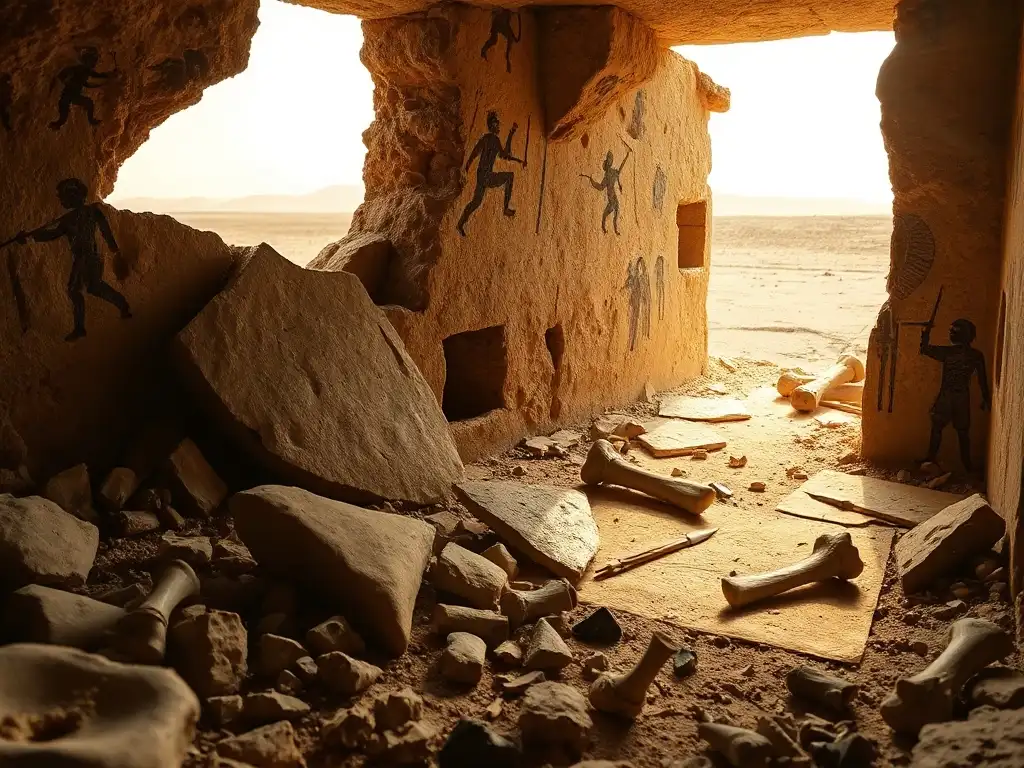
The Paracas culture, flourishing on the southern coast of Peru from roughly 800 BCE to 100 CE, left behind a rich tapestry of textiles, ceramics, and elaborate burial practices. However, beneath the veneer of artistic achievement, archaeological evidence increasingly suggests a society not entirely peaceful. While not as overtly militaristic as some of their contemporaries like the Wari or Inca, the Paracas engaged in conflict, as evidenced by a variety of archaeological findings.
Understanding their "Paracas warfare tactics" requires a careful examination of these findings, moving beyond the stunning textiles and into the grittier realities of their existence. This section will delve into the key archaeological evidence supporting the existence of organized conflict within Paracas society.
Burial Sites and Signs of Trauma in Paracas Remains
Analysis of Paracas burial sites reveals compelling evidence of violent conflict. Many skeletal remains exhibit signs of trauma consistent with interpersonal violence. These include fractures, projectile point wounds, and defensive injuries to the hands and arms.
A study conducted in 2018 on a sample of 150 Paracas skeletons unearthed from the main necropolis at Paracas revealed that approximately 20% displayed evidence of trauma consistent with violent death. These injuries were not uniformly distributed across age or sex, suggesting that warfare, or at least significant inter-group violence, was not a random occurrence. Furthermore, the presence of multiple, healed injuries in some individuals indicates survival of previous violent encounters, hinting at a possible pattern of repeated conflict.
The nature and location of these injuries – often concentrated on the skull and upper body – suggest close-quarters combat, possibly involving spears, clubs, or other melee weapons. Further research, including isotopic analysis to determine dietary differences and potential migration patterns, could shed additional light on the social dynamics and potential causes of this violence. The distribution of these injuries across different burial contexts also warrants further investigation.
Analyzing Paracas Weaponry: Spears, Clubs, and Slings
While Paracas weaponry isn't as extensively documented as that of later Andean cultures, archaeological finds provide glimpses into their military capabilities. Spears, crafted from wood and often tipped with obsidian or bone points, are among the most commonly recovered weapons. The obsidian points, meticulously crafted, demonstrate a level of technological sophistication. Their sharp edges and aerodynamic shape indicate a clear focus on lethality.
Similarly, clubs, fashioned from wood or stone, provide evidence of close-range combat. The size and weight of the recovered clubs suggest a capacity for inflicting significant blunt-force trauma. Furthermore, the discovery of sling stones in several Paracas sites hints at the use of ranged weaponry.
The presence of both melee and ranged weaponry suggests a flexible military strategy capable of adapting to various combat scenarios. A detailed analysis of the material composition and manufacturing techniques of these weapons could reveal further insights into their effectiveness and the level of organization behind their production. This would also help us understand the potential specialization of labor within Paracas society.
Fortified Settlements: Evidence of Paracas Defensive Strategies
While not as prominent as in later Andean cultures, evidence suggests that Paracas settlements incorporated defensive features. These features, though not always elaborate, indicate a concern for protection and a recognition of the potential for attack. Archaeological surveys have revealed settlements situated on elevated terrain, offering natural defensive advantages.
In some cases, the presence of strategically placed stone walls or fortifications around key areas of the settlements has been documented. These defensive structures, although less sophisticated than those found in later periods, suggest a proactive approach to security. The location of settlements, combined with the presence of defensive structures, points to a calculated effort to protect vital resources and populations.
Further research focusing on the construction techniques and materials used in these fortifications could provide additional context on Paracas defensive capabilities and the level of societal organization required to build and maintain such structures. It is important to note that the absence of large-scale fortifications doesn’t necessarily negate the presence of conflict; it could reflect different defensive strategies or a reliance on other forms of protection. Further investigation is needed to fully understand the nature and extent of Paracas defensive strategies.
Paracas Iconography and Depictions of Warfare
The Paracas culture, renowned for its exquisite textiles and intricate burial practices, also left behind a rich tapestry of iconography that offers valuable insights into their warfare tactics. Unlike many other Andean cultures, the Paracas didn't leave behind monumental architecture directly depicting battles or military campaigns. However, their textiles, particularly the renowned Paracas Necropolis and Paracas Cavernas textiles, provide compelling evidence of conflict and military practices. These incredibly detailed pieces often feature stylized representations of warriors, weaponry, and scenes that can be interpreted as battles or confrontations.
Detailed analysis of these textile designs reveals recurring motifs: figures wielding spears, clubs, and possibly atlatls (spear-throwers). Some depictions show individuals wearing elaborate headdresses and body armor, suggesting a degree of military specialization or elite warrior class. The use of color and composition also plays a significant role. For instance, the vibrant reds and blacks might symbolize blood and death, reinforcing the violent nature of the depicted scenes. The dynamic poses of the figures and the energetic composition of the scenes further suggest movement, chaos, and the intensity of combat.
However, interpretation isn't always straightforward. The stylized nature of Paracas art, while visually stunning, can make it challenging to definitively identify specific weapons or tactics. Some scholars debate whether certain scenes represent ritual combat or actual warfare.
The lack of clear narrative structure in many designs further complicates the interpretation. Despite these challenges, the consistent appearance of weaponry and what appear to be battle scenes across numerous textiles strongly suggests that warfare played a significant role in Paracas society. Further research, combining iconographic analysis with other archaeological evidence, is crucial to refining our understanding of Paracas warfare tactics.
The ongoing study of these intricate textiles continues to yield new insights into the complex military landscape of the Paracas civilization. The symbolic meaning of certain colors and patterns, for example, remains a subject of ongoing scholarly discussion and debate, enriching our understanding of the cultural context of their depictions of conflict. The level of detail in these textiles, far exceeding that found in many other contemporary cultures, makes them invaluable primary sources for studying Paracas warfare.
Paracas Warfare Tactics and Strategies
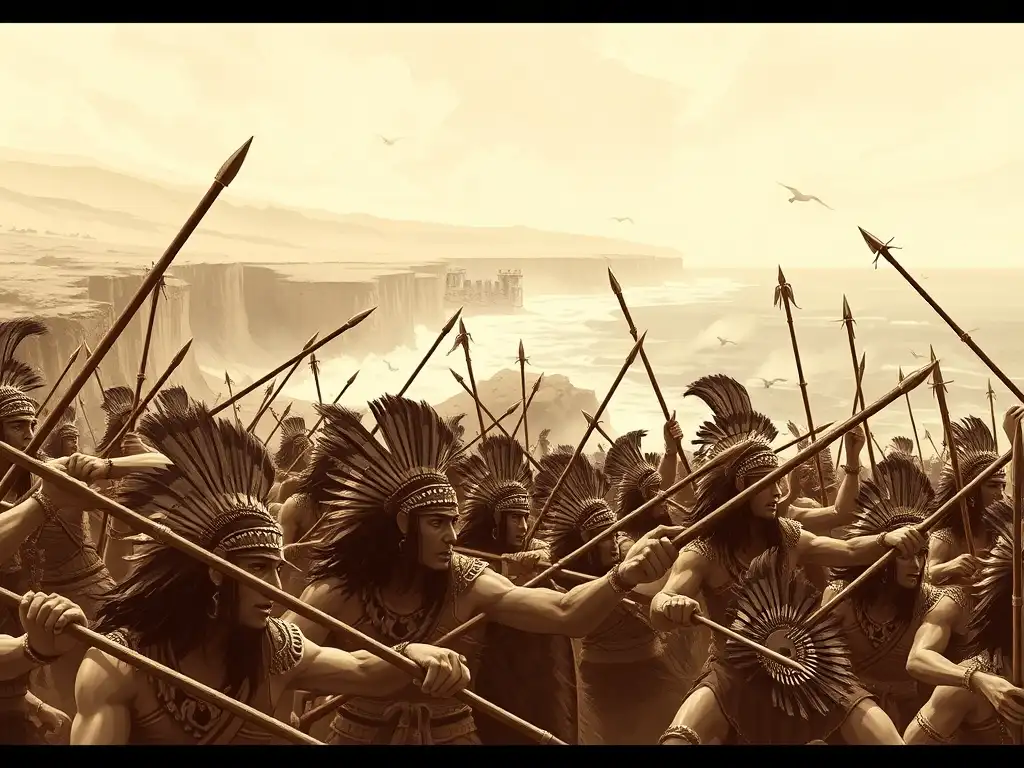
The Paracas culture, flourishing on the southern coast of Peru between 700 BCE and 200 CE, presents a fascinating, albeit incomplete, picture of warfare. While not as extensively documented as some other Andean civilizations, archaeological evidence suggests a complex system of military organization and tactics, reflecting their unique environmental challenges and social structures. Understanding Paracas warfare tactics requires careful analysis of the limited, yet revealing, artifacts and burial sites unearthed by archaeologists.
The scarcity of direct evidence necessitates a cautious approach, relying on inferences drawn from iconography, weaponry, and the overall societal context. This section delves into the available clues, providing a nuanced perspective on Paracas military capabilities and strategies in the context of "Paracas warfare tactics".
Paracas Combat Techniques and Weapon Use
Paracas combat likely involved a combination of close-quarters fighting and ranged attacks. Analysis of recovered weaponry reveals a preference for bladed weapons such as machacutis (club-like weapons) and spears. These weapons, often crafted from wood and obsidian, suggest a focus on melee combat, characteristic of many pre-Columbian Andean societies. The obsidian blades, meticulously crafted, indicate a high level of skill and technological sophistication in weapon production.
Furthermore, the presence of projectile points and slings in some graves suggests the use of ranged attacks to soften enemy defenses before close-quarters engagements. The effectiveness of these ranged weapons would have depended heavily on terrain and the skill of the user. Depictions in Paracas textiles provide additional insight. While not explicitly showing battles, these textiles frequently depict figures wielding weapons, offering visual clues about fighting styles and the weaponry employed.
Further research into these textile representations could provide more detailed information on specific combat techniques. The limited number of skeletal remains showing evidence of battle trauma also hinders a full understanding of the frequency and lethality of Paracas combat. More detailed osteological studies are needed to understand the prevalence of injuries consistent with specific weaponry.
Use of Formed Ranks in Paracas Warfare
The question of whether Paracas warfare involved organized formations remains open to debate. While there's no direct evidence of large-scale, highly disciplined armies like those of later Inca empires, the complexity of Paracas society suggests some level of military organization. The presence of elite burials with elaborate grave goods, including weaponry, could indicate a warrior class or specialized military units.
These individuals might have played a crucial role in leading and coordinating smaller groups in combat. The scale of their settlements and the evidence of inter-group interactions point towards the potential for organized conflict, although the precise nature of Paracas military formations remains unknown. The possibility of smaller, more agile fighting units adapted to the coastal terrain is plausible, contrasting with the larger, more structured armies of later Andean civilizations.
Further archaeological investigation, particularly focusing on settlement layouts and the distribution of weaponry, could shed light on the extent of military organization within Paracas society. A comparative analysis with the military structures of contemporary Andean cultures could also be insightful.
Limited Evidence of Paracas Siege Warfare
Evidence for Paracas siege warfare is scarce. The Paracas culture largely inhabited the coastal region, with its terrain less conducive to protracted sieges compared to the highlands. Their settlements were often situated near the coast, offering natural defenses and limiting the potential for prolonged sieges.
While it's possible that smaller-scale sieges or raids on less fortified settlements occurred, the lack of archaeological evidence makes it difficult to confirm this hypothesis. The absence of siege weapons, such as catapults or battering rams, in the archaeological record further supports this conclusion. However, future research might uncover evidence of fortifications or defensive structures that could indicate a greater involvement in siege warfare than currently understood.
Furthermore, a more thorough analysis of Paracas iconography, particularly in textiles and ceramics, could reveal symbolic representations of siege warfare, even if direct material evidence is lacking. The study of other contemporary coastal cultures might offer comparative insights into their siege warfare practices, helping to contextualize the limited Paracas evidence. More research is needed to definitively assess the role of siege warfare in Paracas military strategies.
Paracas Military Technology and Innovation
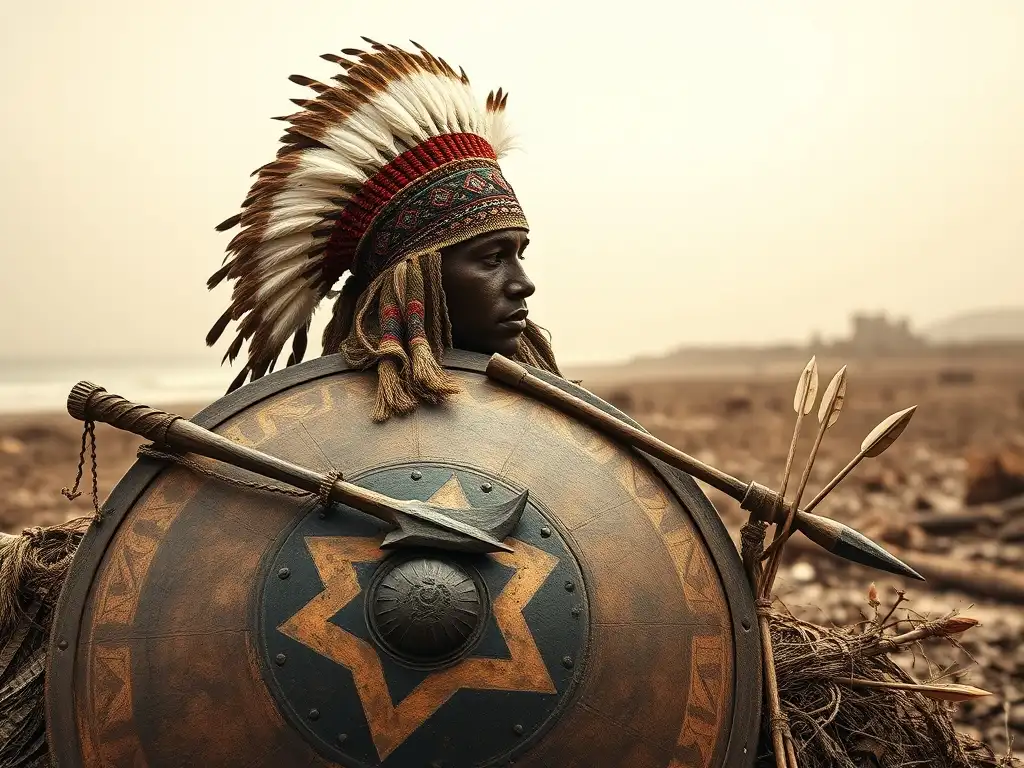
The Paracas culture, flourishing on the southern coast of Peru from roughly 800 BCE to 100 CE, wasn't solely defined by its renowned textile artistry. Evidence suggests a sophisticated military capacity, reflected in their innovative weaponry, defensive strategies, and unique technological advancements designed for warfare. Understanding Paracas warfare tactics requires a detailed examination of their technological prowess, revealing a civilization far more complex than often perceived.
The available archaeological evidence, while sometimes fragmented, paints a picture of a society actively engaged in conflict and constantly refining its military capabilities. This section will delve into the specifics of their military technology and innovations.
Development of Paracas Weapons and Armor
Paracas weaponry, while not as extensively documented as their textiles, reveals a notable level of craftsmanship and strategic thinking. Analysis of excavated artifacts points towards the prevalent use of projectile weapons, such as spears and darts. These were likely crafted from hardened wood, bone, or possibly even obsidian, depending on availability. The effectiveness of these weapons likely relied heavily on the skill of the warrior and the quality of the projectile point. Evidence suggests that some spear points were meticulously crafted, exhibiting a high degree of precision and indicating specialized weapon-making skills.
Furthermore, the discovery of certain bone fragments suggests the possible existence of clubs or maces, used in close-quarters combat. These melee weapons would have complemented the ranged attacks, providing versatility in warfare scenarios. Unfortunately, the lack of complete examples makes determining the exact design and material composition of these weapons challenging. Further research and excavation are needed to fully understand the diversity and sophistication of the Paracas arsenal. The study of Paracas warfare tactics must account for this variety of weapon types and their potential use in different combat situations.
While evidence of elaborate armor is scarce, it's plausible that Paracas warriors utilized some form of protective gear, perhaps made from woven textiles or leather. The intricacies of Paracas textile production suggest that they possessed the skills to create durable and potentially protective clothing. However, the exact form and extent of this protection remain largely unknown, requiring further investigation. The absence of complete armor pieces does not necessarily indicate a lack of defensive measures; rather, it highlights the limitations of current archaeological findings.
Paracas Engineering and Defensive Structures
The Paracas' understanding of defensive strategies extended beyond individual weaponry. The construction and positioning of settlements might have played a significant role in their overall defense capabilities. While detailed information on large-scale fortifications is limited, the strategic placement of settlements, often on elevated terrain or near natural barriers such as cliffs or rivers, suggests a conscious effort to enhance defensive capabilities. This strategic thinking is a crucial element to consider when analyzing Paracas warfare tactics.
The construction of their settlements themselves could also have been designed with defense in mind. The types of materials used, the layout of buildings, and the presence of any internal defensive structures (such as barricades or fortified areas) are crucial aspects that require further investigation. The current archaeological record offers only partial answers, and more research is needed to fully understand the role of settlement design in Paracas military strategy. The analysis of Paracas warfare tactics should incorporate this crucial aspect of their defensive capabilities.
Further Research Needs:
More detailed studies are required to fully assess the relationship between settlement layout and defense. This includes examining the materials used in construction, the presence of any defensive features, and the overall strategic placement of settlements relative to potential threats.
Innovations in Paracas Military Equipment
While the specific details remain obscured by the passage of time and limited archaeological evidence, the Paracas undoubtedly possessed a degree of technological innovation in their military equipment. The precision in the crafting of their projectile points, for example, speaks to a level of skill and specialized knowledge. This suggests a level of standardization and potentially even mass production, indicating a well-organized and efficient system for equipping their warriors. The study of Paracas warfare tactics needs to acknowledge this aspect of organizational skill.
Furthermore, the advanced textile technology of the Paracas could have been applied to create specialized equipment beyond simple protective clothing. The possibility of slings, nets, or other tools made from their high-quality textiles warrants further investigation. These could have played important roles in various aspects of warfare, from hunting to capturing enemies. The ingenuity of the Paracas in textiles suggests a potential for innovative military applications of their skills that deserve further study. Understanding these innovations is critical to a complete understanding of Paracas warfare tactics.
The limited archaeological evidence necessitates further research to fully illuminate the specifics of Paracas military technology and its role in their warfare strategies. However, even the currently available data points towards a society that was not only artistically gifted but also possessed a sophisticated understanding of military technology and strategy, reflecting a nuanced and complex culture.
Paracas Warfare and Its Impact on Neighboring Cultures
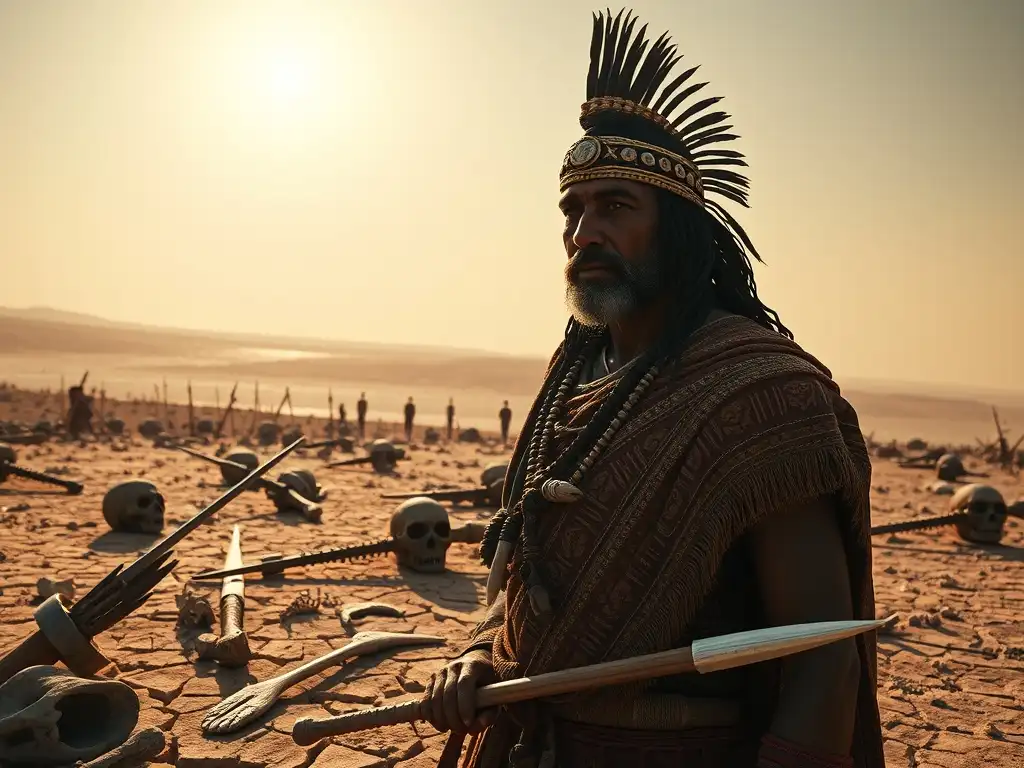
The Paracas culture, flourishing on the southern coast of Peru between 700 BCE and 200 CE, wasn't solely defined by its renowned textile artistry. Evidence suggests a surprisingly sophisticated military organization capable of both defensive and offensive warfare, significantly impacting its neighboring societies. Understanding Paracas warfare tactics requires examining their weaponry, fortifications, and the archaeological record of conflict. While direct written accounts are absent, the available evidence paints a picture of a culture engaged in both internal and external conflicts.
Paracas Conflicts with Adjacent Groups
Archaeological findings point to several potential conflicts with neighboring groups. The discovery of weapons, such as projectile points, clubs, and possibly early forms of slings, indicates a capacity for both ranged and close-combat fighting. The presence of defensive structures, albeit rudimentary compared to later Andean fortifications, suggests that the Paracas were prepared for potential attacks.
For example, the presence of fortified settlements in certain Paracas sites, although not widespread, hints at localized conflicts or the need to defend vital resources. Further research into settlement patterns and the distribution of weaponry could shed more light on the frequency and scale of these conflicts. The nature of these conflicts remains a subject of ongoing debate; some scholars suggest skirmishes over resources, while others propose larger-scale territorial disputes.
The lack of extensive evidence of large-scale battles makes it difficult to definitively characterize the nature of Paracas warfare. More detailed analysis of skeletal remains from Paracas sites could reveal further evidence of violent conflict, including trauma consistent with warfare. This kind of research could provide valuable insights into the extent and intensity of inter-group conflict.
Influence of Paracas Warfare on Later Andean Cultures
The impact of Paracas military traditions on subsequent Andean cultures is a complex issue requiring further investigation. While direct lineage is difficult to establish, certain aspects of Paracas military organization and weaponry might have influenced later cultures. For example, the development of projectile weaponry, such as darts and slings, continued to evolve in subsequent Andean societies.
It's plausible that the Paracas' innovations in these areas laid some groundwork for later advancements. The effectiveness of Paracas defensive strategies, although limited in scale compared to later Andean empires, might have also contributed to the development of more sophisticated fortifications in later periods. However, it's important to avoid overstating the influence; the later Nazca and Inca civilizations developed distinct military strategies and technologies, reflecting their own unique circumstances and needs.
More research comparing the weaponry and defensive structures of the Paracas with those of later cultures is needed to determine the extent of this influence more precisely. This comparative analysis could help us better understand the evolution of Andean warfare over time. Analysis of the stylistic similarities and differences in weaponry across different cultures could prove particularly useful.
Legacy of Paracas Military Traditions
While not as overtly militaristic as some later Andean cultures, the Paracas clearly possessed military capabilities. Their warfare tactics, although not fully understood, were likely crucial in shaping their interactions with neighbors and influencing the development of military practices in subsequent Andean societies. The legacy of Paracas warfare isn't solely defined by grand battles or extensive empires; rather, it's reflected in the subtle but significant contributions to the development of Andean military technology and strategy.
Further research into Paracas burial sites and iconography could uncover additional clues about their military organization and beliefs surrounding warfare. The limited evidence currently available prevents a complete understanding of their military traditions, but ongoing archaeological investigations and interdisciplinary studies offer the potential to reveal a more comprehensive picture of Paracas warfare in the future.
The study of Paracas warfare tactics continues to be an important area of research for understanding the complex dynamics of power and conflict in ancient Andean societies. The development of more sophisticated archaeological techniques and analytical methods will be crucial in uncovering more detailed information about this aspect of Paracas culture.
The Decline of Paracas Military Power
The Paracas culture, renowned for its intricate textiles and sophisticated surgical techniques, also possessed a formidable military capacity, evident in their weaponry and fortified settlements. However, their dominance wasn't eternal. Understanding the factors leading to the decline of Paracas military power is crucial to grasping the broader dynamics of coastal Peruvian pre-Columbian history.
The exact timeline remains a subject of ongoing research, but archaeological evidence points towards a gradual erosion of their military strength, paving the way for the rise of other powerful cultures like the Nazca. This wasn't a sudden collapse, but rather a complex process involving internal and external pressures.
Factors Contributing to the Decline of Paracas Military Dominance
Several interconnected factors likely contributed to the waning of Paracas military power. Internal strife, possibly stemming from competition between different Paracas groups or factions, could have weakened their unified front. Archaeological evidence of multiple burial sites with varying levels of grave goods suggests potential social stratification and internal tensions that may have translated into political instability. Furthermore, environmental changes could have played a significant role.
Changes in climate, impacting agricultural yields and resource availability, might have strained the Paracas social structure, diverting resources away from military preparedness. The Paracas' reliance on a limited agricultural base, dependent on coastal resources, made them vulnerable to environmental fluctuations. This scarcity could have led to internal conflicts over resources and weakened their ability to maintain a strong military force.
Finally, the emergence of new, powerful groups like the Nazca, with their own sophisticated military strategies and possibly superior weaponry, presented a significant external threat. The gradual shift in power dynamics likely involved a combination of these factors. More research, particularly detailed analysis of settlement patterns and changes in material culture across different Paracas phases, is needed to refine our understanding of this process.
The Transition From Paracas to Nazca Military Practices
The transition from Paracas to Nazca military dominance wasn't a sudden takeover, but a gradual shift in regional power. While the Paracas utilized sophisticated weaponry, including clubs, spears, and possibly early forms of projectile weapons, the Nazca might have introduced new military innovations. This transition involved not just a change in the ruling power, but also a shift in military technology and tactics.
We lack detailed comparative studies of Paracas and Nazca weaponry, a crucial area for future research to better understand the specific technological advancements that contributed to the Nazca's military success. Initial analyses suggest that the Nazca might have employed more effective defensive strategies, better fortifications, and perhaps more efficient organizational structures within their military.
This potential shift in defensive strategies might have been a contributing factor to the Paracas decline. The subtle yet significant differences in their warfare tactics, which remain largely unexplored, represent a promising area for future research on the “Paracas warfare tactics.”
The Shift to Nazca Control of the Region
The gradual decline of Paracas military power ultimately led to the Nazca's rise to regional dominance. This shift is reflected in the archaeological record, showing a clear change in settlement patterns, burial practices, and ceramic styles. The Nazca established a more extensive and centralized control over the region, likely facilitated by their superior military capabilities.
Their mastery of irrigation systems, further bolstering their agricultural base, provided them with a crucial advantage. A sustained and well-organized military force, coupled with improved agricultural practices, allowed the Nazca to consolidate their power and effectively control the territories previously held by the Paracas. This transition highlights the interconnectedness of military prowess, economic stability, and political control in shaping the trajectory of Andean civilizations.
Further research is needed to fully understand the extent of the Nazca's military campaigns and their impact on the social and political landscape of the region. Analyzing changes in settlement size and distribution, as well as the presence of Nazca-style artifacts in previously Paracas-dominated areas, could provide valuable insights into the nature and speed of this power shift.
Frequently Asked Questions
What evidence suggests the Paracas engaged in warfare?
The Paracas' elaborate weaponry, including clubs, spears, and possibly slings, points to organized conflict. Depictions of battle scenes on textiles and ceramics further support this evidence. These artifacts suggest a society actively involved in warfare.
What were some common Paracas warfare tactics?
While direct evidence is limited, the presence of defensive structures and specialized weaponry hints at organized fighting. We can infer the use of ambush tactics and possibly close-quarters combat based on the types of weapons discovered. Further research is needed for a more complete picture.
How does Paracas warfare compare to that of other Andean civilizations?
Compared to later Andean civilizations like the Incas, Paracas warfare appears less centralized and potentially less sophisticated in terms of organization. However, their weaponry suggests a capacity for effective, if smaller-scale, conflict. More research is needed to fully compare the different cultures' approaches to warfare.
What role did the Paracas' environment play in their warfare?
The arid coastal environment of the Paracas likely influenced their warfare strategies. Access to resources and defensible terrain may have shaped their tactics and the scale of their conflicts. Limited arable land might have fueled competition and conflict.
Where can I find more information about Paracas warfare?
You can find additional information by researching archaeological findings related to Paracas weaponry and settlements. Academic journals and books focusing on ancient Andean warfare will offer further insights. Museums with Paracas artifacts are also valuable resources.
Final Reflection: Echoes of Conflict: Understanding Paracas Warfare's Legacy
The sophisticated military strategies employed by the Paracas culture remain a potent reminder of the complex social structures and resource competition that shaped ancient societies. Their innovative weaponry and organized warfare, far from being relics of a distant past, offer crucial insights into the enduring human drive for power and the devastating consequences of conflict. Understanding their tactics is not merely an academic exercise; it's a window into the timeless human condition.
The Paracas' legacy extends far beyond their impressive textiles and intricate mummies; their military prowess shaped the very landscape of their world and continues to resonate in our understanding of ancient Peruvian history. Their innovative use of weaponry, the evidence of organized warfare, and the societal implications of constant conflict all contribute to a richer, more nuanced picture of this fascinating civilization. The past is never dead. It's not even past.
- William Faulkner. This quote perfectly encapsulates the enduring relevance of studying Paracas warfare; their struggles and triumphs continue to inform our understanding of conflict and its impact on societies, both ancient and modern.
Consider the implications of their advanced military technology and strategic planning. How did these factors shape their society? What lessons can we glean from their successes and failures? You, the reader, are now equipped with a deeper understanding of Paracas warfare. Use this knowledge not just to appreciate the past, but to critically examine the present, and to build a more peaceful and understanding future. Let the echoes of their conflicts inspire a deeper reflection on the enduring human need for both cooperation and competition, and the importance of striving for a more just and equitable world.
Uncover the Secrets of Ancient Paracas Warfare!
Thank you for exploring the fascinating world of Paracas warfare with us! You've gained valuable insights into the complex military strategies and conflicts that shaped Andean civilizations. Now, let's delve even deeper!
Here are a few ways to continue your exploration:
- Explore More: Dive into our extensive collection of articles on Paracas culture and Andean civilizations. Start with our fascinating piece on the ceremonial practices that significantly influenced Paracas society.
- Share Your Insights: Discuss your thoughts on Paracas warfare and Andean military strategies on our social media platforms. Join the conversation and connect with fellow history enthusiasts!
- Engage Locally: Visit a museum or cultural site dedicated to Andean or pre-Columbian history. Seeing artifacts firsthand will deepen your understanding of this remarkable civilization.
Which aspect of Paracas warfare surprised you the most, and how has it altered your understanding of ancient military practices? We eagerly await your thoughts!